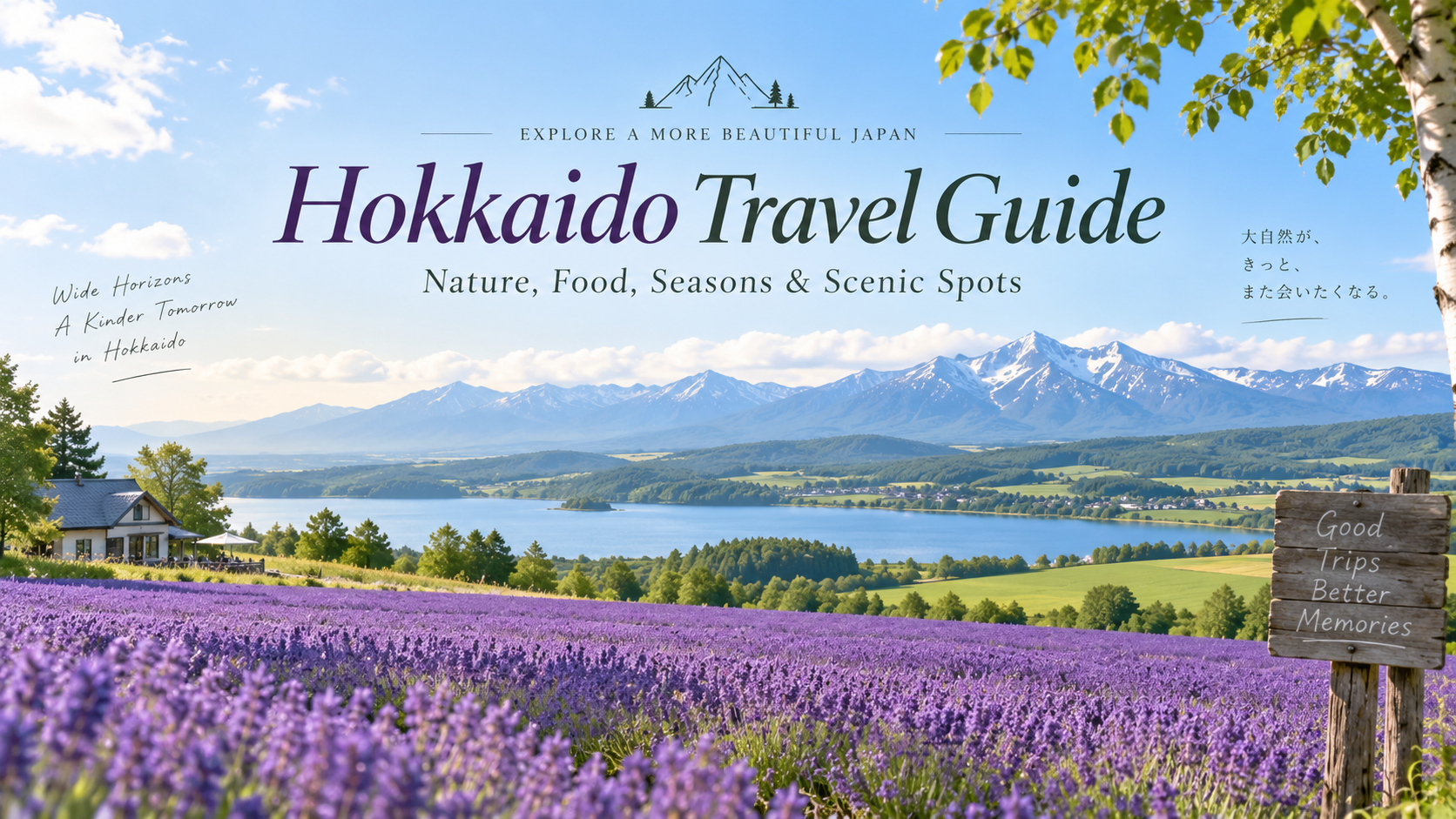
Hokkaido feels different from the Japan many first-time visitors imagine. Instead of dense neighborhoods and short hops between famous landmarks, Japan’s northern island rewards you with wide landscapes, dramatic seasonal changes, excellent seafood, hot springs, mountain scenery, flower fields, and some of the country’s most memorable winter experiences.
The biggest mistake on a first Hokkaido trip is often trying to see too much. Distances are larger than they look on a map, and a route that combines Sapporo, Hakodate, Furano, and eastern Hokkaido in only a few days can become more of a transport challenge than a holiday.
This guide is designed for first-time visitors who want to understand when to go, where to base themselves, what to eat, and how to build a realistic itinerary.
Hokkaido at a Glance
- Best for: Nature, food, hot springs, snow, road trips, flowers, skiing, and slower travel
- Good first base: Sapporo
- Easy add-on: Otaru
- For countryside scenery: Furano and Biei
- For history and night views: Hakodate
- For hot springs: Noboribetsu
- For remote nature: Shiretoko and eastern Hokkaido
- Suggested first trip: About 4–7 days
Why Visit Hokkaido?
Hokkaido’s appeal is its variety. The same island can feel completely different depending on the month you visit. Winter brings powder snow, frozen landscapes, illuminated streets, ski resorts, hot springs, and drift ice in the east. Summer brings green hills, flower fields, hiking, national parks, and long drives through open countryside.
Food is another major reason to come. Hokkaido is known across Japan for seafood, dairy products, potatoes, corn, melons, ramen, soup curry, and grilled lamb. You do not need a luxury restaurant to eat well here—markets, ramen shops, bakeries, cafés, and casual local restaurants can be highlights of the trip.
Perhaps most importantly, Hokkaido offers space. Sapporo gives you the convenience of a large Japanese city, but lakes, mountains, coastlines, farms, and quiet towns are never conceptually far from the Hokkaido experience.
Japanese Perspective: Hokkaido Is a Trip You Plan by Area, Not by Checklist
For many domestic travelers, Hokkaido is not treated like the Tokyo–Kyoto–Osaka corridor, where famous places can be linked together quickly by frequent trains. It is common to plan a Hokkaido trip around a season, a food theme, an onsen stay, or one part of the island.
That mindset is useful for overseas visitors too. Instead of asking “How many famous places can I fit in?”, ask “Which version of Hokkaido do I want to experience this time?” A winter food-and-onsen trip around Sapporo and Noboribetsu can be just as satisfying as a summer flower-and-road-trip route through Furano and Biei.
Explore Furano & Biei on a Guided Tour
Furano and Biei are among Hokkaido’s most scenic countryside destinations, but the attractions are spread across a wide area. If you prefer not to drive, a guided day tour can be an easy way to visit flower fields, viewpoints, and seasonal highlights.
(affiliate link)
View Furano & Biei Tours on Viator →
This article contains affiliate links. If you book through them, I may earn a commission at no additional cost to you.
When Is the Best Time to Visit Hokkaido?
Spring: Late Snow, Fresh Greenery, and Later Cherry Blossoms
Spring arrives later than in Tokyo, Kyoto, and Osaka. This makes Hokkaido attractive to travelers who want another chance to see cherry blossoms after the season has finished farther south. Early spring can still feel wintry, while May becomes more comfortable for city walks and countryside sightseeing. Layers are useful because mornings and evenings can remain cool.
Summer: Flowers, Hiking, and Road Trips
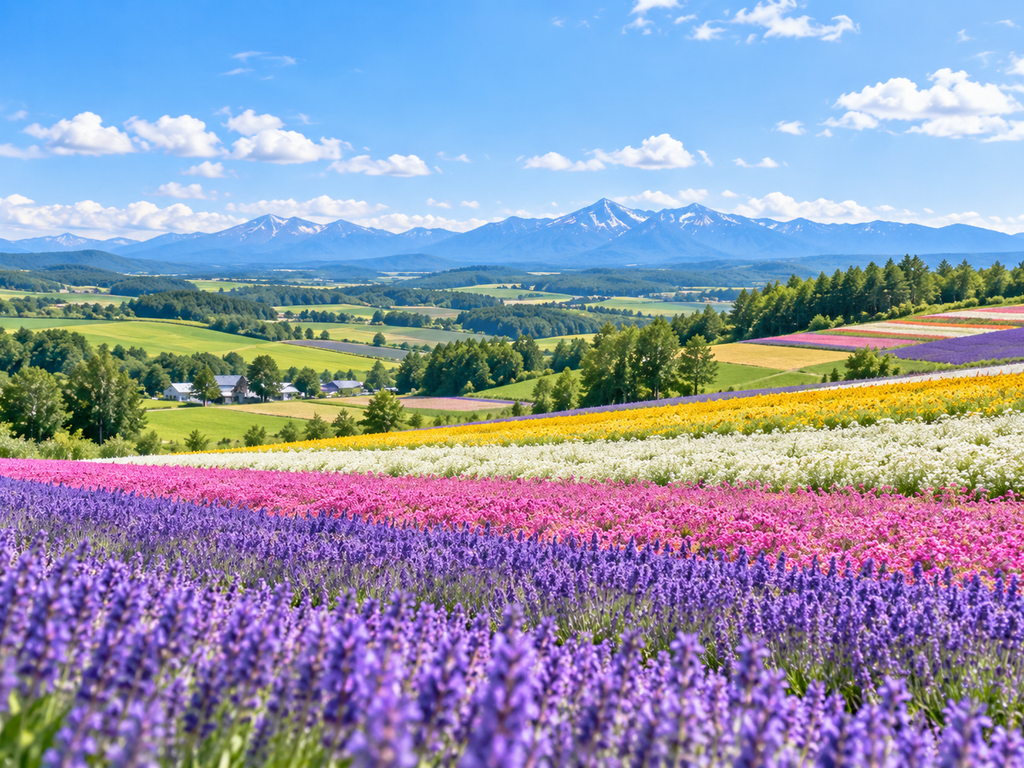
Summer is one of the best seasons for first-time visitors who want easy sightseeing. Furano and Biei become popular for flower fields, farms, rolling hills, and scenic drives. Hiking and national-park trips are also easier to plan than in winter. Hokkaido is often cooler than much of Japan, although hot days still occur, so do not assume you can skip summer clothing or sun protection.
Autumn: Early Foliage and Seasonal Food
Autumn colors can begin early in mountain areas, then move into lower elevations and cities. This is a rewarding season for scenic drives, hot springs, hiking, and seasonal food. By late autumn, however, temperatures can fall quickly and snow may already affect higher or northern areas.
Winter: Snow, Skiing, Festivals, and Onsen
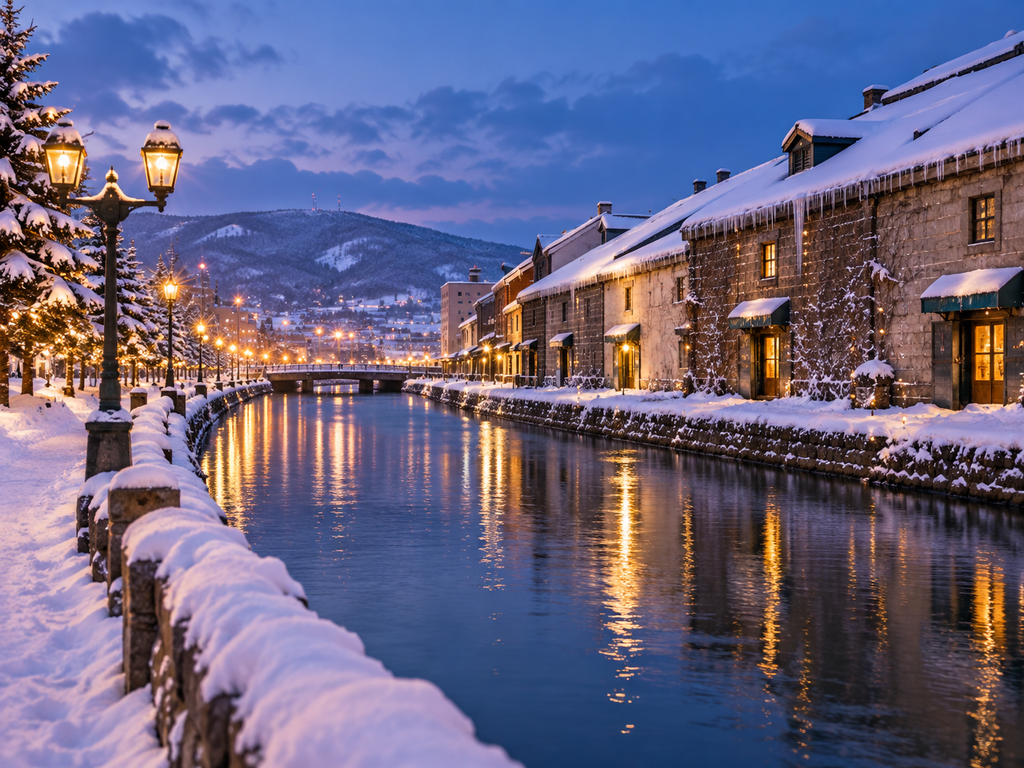
Winter is one of Hokkaido’s signature experiences. Skiing, snowboarding, snowy streets, illuminated events, outdoor hot springs, and drift ice in eastern Hokkaido attract visitors from around the world. The trade-off is that weather can affect roads, trains, and flights. If you do not already have experience driving on snow and ice, public transport or organized tours are usually the more comfortable choice.
Six Places to Consider on Your First Hokkaido Trip
1. Sapporo: The Best Starting Point for Many Travelers
Sapporo is Hokkaido’s largest city and the easiest base for many first-time visitors. You can enjoy city convenience while trying local food, walking through central parks, visiting markets, exploring shopping districts, and seeing the city from elevated viewpoints.
It is also a practical place to recover after your flight before moving deeper into Hokkaido. New Chitose Airport has direct rail access toward Sapporo, making the city a natural first stop.
2. Otaru: Canal Scenery and a Historic Port Atmosphere
Otaru is one of the easiest additions to a Sapporo-based itinerary. The city is known for its canal, stone warehouses, glassware, music boxes, sweets, seafood, and nostalgic streetscape.
The canal is beautiful in the evening, but Otaru is more enjoyable when you also wander through smaller streets and old commercial areas rather than treating the canal as a single photo stop.
3. Furano and Biei: The Countryside Hokkaido Many Visitors Imagine
Furano and Biei are associated with flower fields, rolling farmland, open roads, and photogenic rural scenery. In the warmer months, they are among the best places to experience the sense of space that makes Hokkaido feel different from Japan’s largest cities.
The attractions are spread out, so transport matters. A rental car provides flexibility outside winter, while sightseeing buses and tours can be useful if you prefer not to drive.
4. Hakodate: Port History, Seafood, and a Famous Night View
Hakodate offers a different atmosphere from Sapporo. Historic buildings, waterfront warehouses, fresh seafood, the morning market, Goryokaku, and the night view from Mount Hakodate give the city a strong identity.
Do not underestimate the distance from Sapporo. If Hakodate is important to you, staying overnight is much more rewarding than trying to squeeze it into an already crowded itinerary.
5. Noboribetsu: Onsen and Volcanic Landscapes
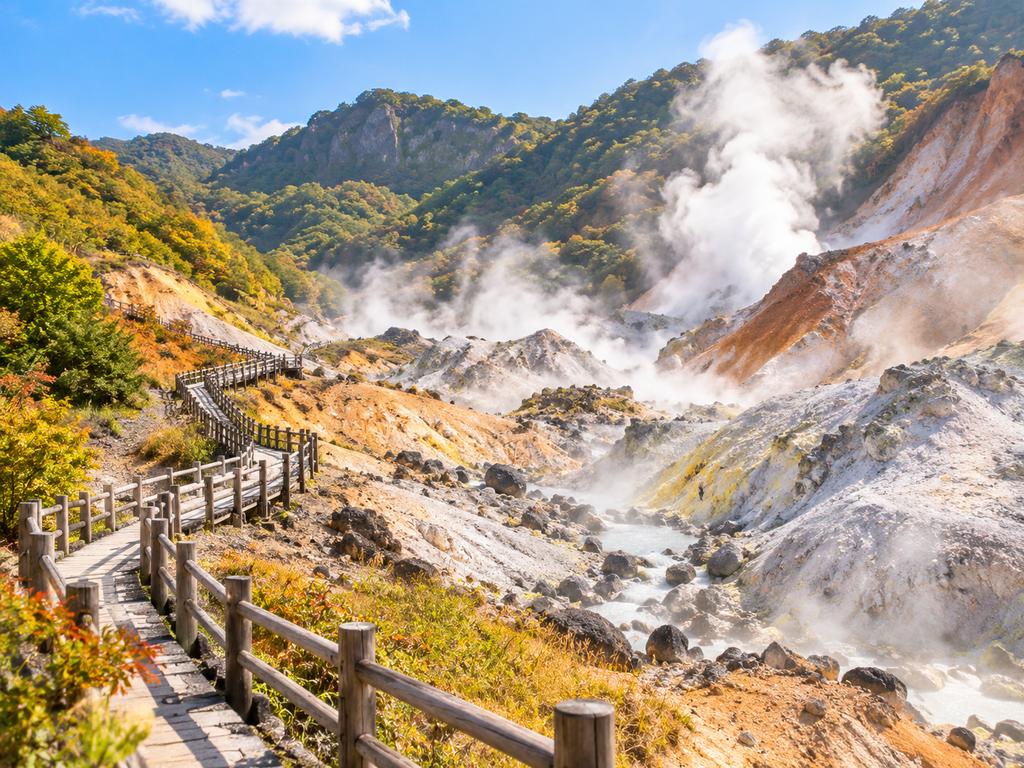
Noboribetsu is one of Hokkaido’s best-known hot-spring destinations. The geothermal scenery around Jigokudani, or “Hell Valley,” makes the area interesting even before you step into a bath.
An overnight stay at a ryokan can also introduce you to Japanese bathing culture. Bathing rules are simple once you know them, but tattoo policies differ by facility, so check in advance rather than assuming one rule applies everywhere.
6. Shiretoko and Eastern Hokkaido: For Travelers Who Want Wild Nature
Eastern Hokkaido is ideal for travelers who value wildlife, wetlands, lakes, dramatic coastlines, and large-scale natural scenery. Shiretoko is a UNESCO World Natural Heritage area whose ecosystem connects sea, drift ice, rivers, forests, and wildlife.
This is not the easiest part of Hokkaido to add to a short first trip. Seasonal access, weather, wildlife conditions, and transport all require more planning. If Shiretoko is a priority, build your itinerary around eastern Hokkaido instead of treating it as a quick detour from Sapporo.
What Should You Eat in Hokkaido?
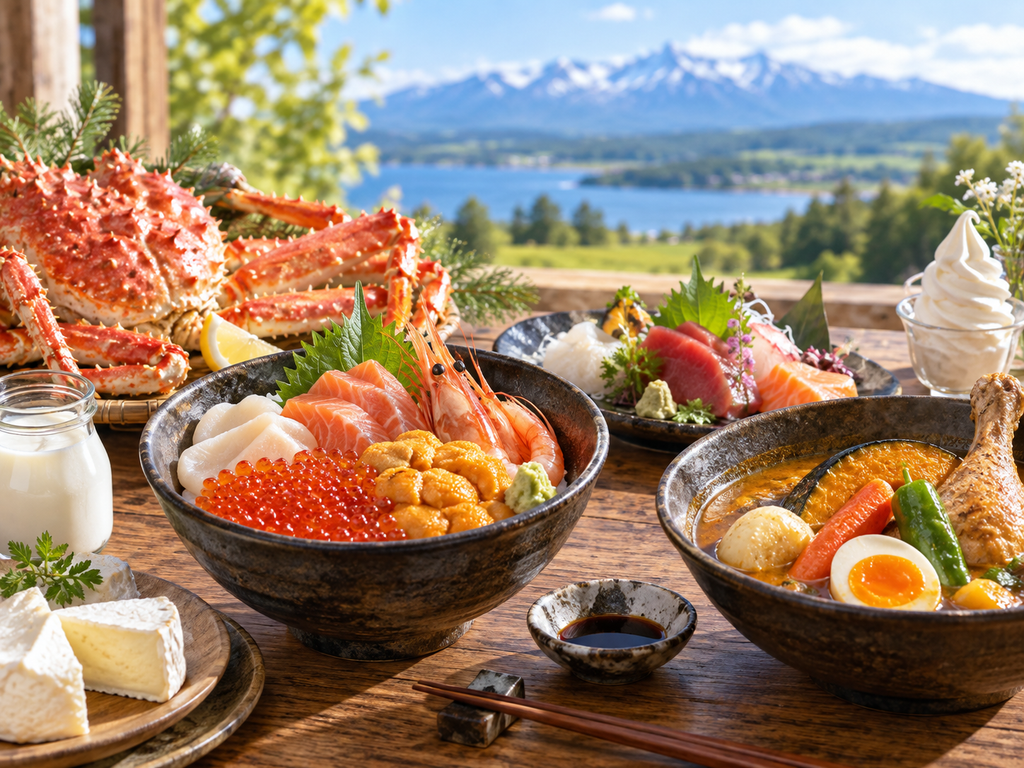
- Seafood: Crab, salmon roe, sea urchin, scallops, and fresh fish
- Sapporo-style miso ramen: Rich and especially satisfying in cold weather
- Soup curry: A lighter, broth-like curry filled with vegetables and meat
- Jingisukan: Grilled lamb and vegetables, often cooked at the table
- Dairy desserts: Soft-serve ice cream, cheese, butter, and sweets made with Hokkaido milk
- Farm produce: Potatoes, corn, melons, and other seasonal ingredients
One of the pleasures of Hokkaido is that good food does not have to mean formal dining. Markets, ramen shops, bakeries, casual izakaya, local cafés, and roadside stops can be just as memorable as famous restaurants.
How Many Days Do You Need in Hokkaido?
- 3–4 days: Sapporo plus Otaru, with time for food and city sightseeing
- 5–7 days: Add one major area such as Noboribetsu, Furano/Biei, or Hakodate
- 7–10 days: Combine several areas at a more relaxed pace
For most first-time visitors, four to seven days is a comfortable starting point. If your dream trip focuses on Shiretoko or other parts of eastern Hokkaido, it can make sense to dedicate most or all of the trip to that region instead of trying to combine the entire island.
Practical Transport Tips
- Use Sapporo as a hub if your trip focuses on central Hokkaido.
- Check actual travel times between overnight stops before booking hotels.
- Trains work well for several major cities, but rural sightseeing may require buses, tours, or a rental car.
- Japan drives on the left; check the driving-license requirements that apply to your country before arrival.
- Avoid winter driving unless you already have confidence and experience on snow and ice.
- Weather can disrupt transport, so leave extra time before important flights or long connections.
Planning tip: Hokkaido’s official tourism site divides the island into central, southern, northern, and eastern areas. Thinking in those regional units is much more useful than trying to build a route from a list of famous attractions scattered across the entire island.
Find Tours & Experiences in Hokkaido
Prefer to leave the transport and planning to someone else? Guided tours can be especially useful for countryside destinations, winter travel, and day trips from Sapporo.
(affiliate link)
Browse Hokkaido Tours & Experiences →
FAQ: Planning Your First Hokkaido Trip
Is Sapporo enough for a first Hokkaido trip?
Sapporo alone can make a good short break, especially if food and city sightseeing are your priorities. For a fuller first impression of Hokkaido, add Otaru or one nature, onsen, or countryside destination.
Do I need a rental car?
No. Sapporo, Otaru, Hakodate, and several other destinations can be reached by public transport. A car becomes more useful when you want to explore rural Hokkaido, especially areas where attractions are spread far apart.
What is the best season for a first visit?
There is no single best season. Summer is easy for flowers, outdoor sightseeing, and road trips. Winter is best if snow, skiing, festivals, and hot springs are the reason you want to visit. Spring and autumn work well for travelers who prefer fewer extremes and strong seasonal scenery.
Can I visit Sapporo and Shiretoko on the same short trip?
You can, but it is usually not the most relaxing first itinerary. Eastern Hokkaido deserves its own time because distances are long and seasonal conditions matter. If you have only a few days, staying within central Hokkaido is generally easier.
Final Thoughts
Hokkaido can be a winter escape, a summer road-trip destination, a food journey, an onsen retreat, or a quiet trip through some of Japan’s most impressive natural landscapes. The best first visit is not the one that covers the most places. It is the one that matches the season you want and leaves enough time to enjoy each stop.
Start with Sapporo and one nearby region, or choose one part of Hokkaido and explore it properly. Then come back in another season—the island can feel like a completely different destination.
Travel conditions, transport schedules, event dates, and facility rules can change. Check official tourism and transport websites before your trip.