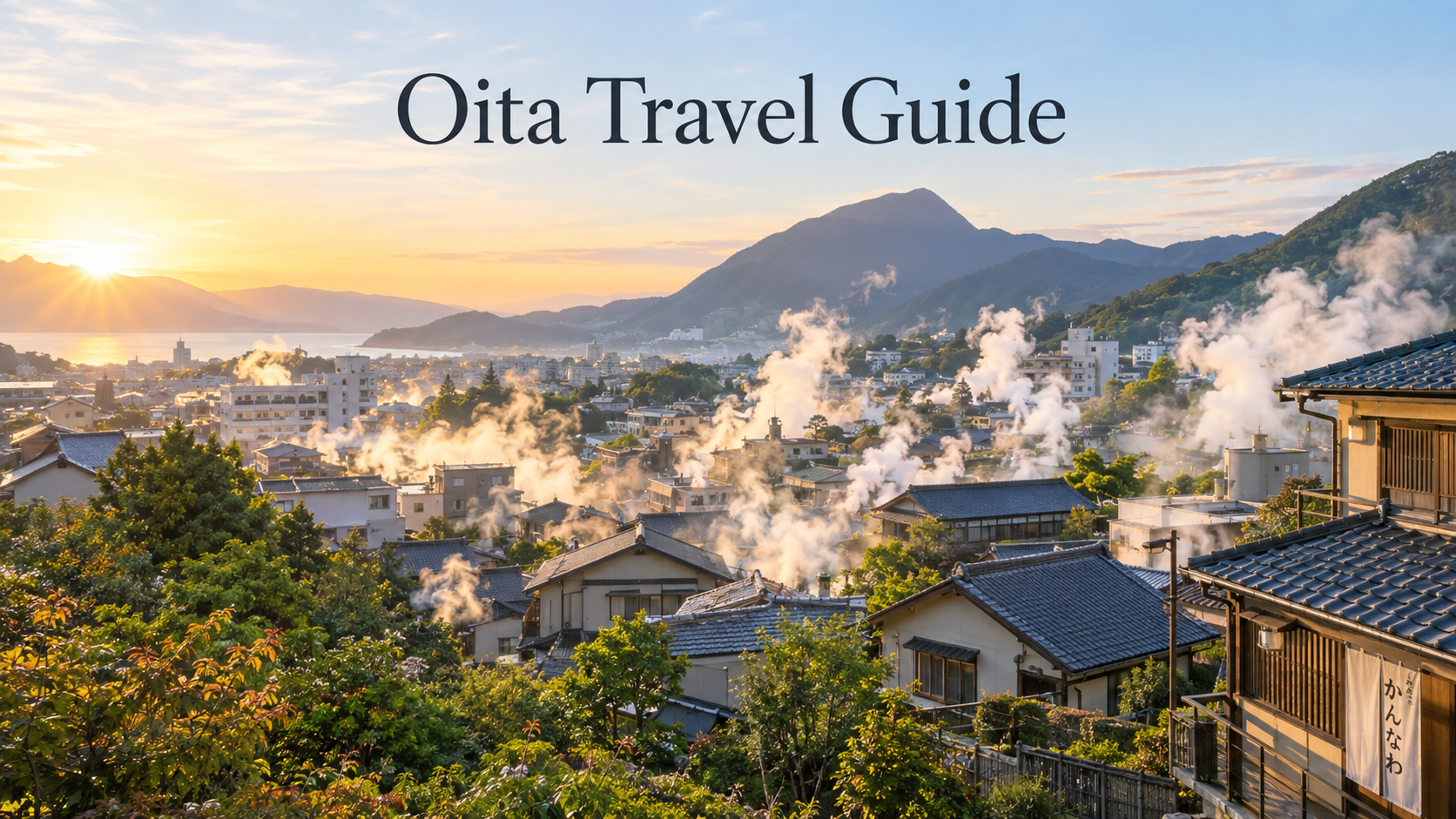
In Oita, hot springs shape more than a hotel stay. Steam rises between buildings, local kitchens use geothermal heat, and a neighborhood bath can be part of everyday life. Beyond the famous resorts, stone-carved Buddhas and wooded shrine grounds introduce a quieter cultural side of northeastern Kyushu.
This Oita travel guide begins with Beppu and Yufuin, then adds Usuki and Usa as separate excursions. You do not need to visit every town to enjoy the prefecture. Choose a comfortable base, leave time for meals and bathing, and give longer journeys their own day.
Why Visit Oita?
Oita suits travelers who want to combine hot springs with regional food and cultural sightseeing. Beppu offers an urban hot spring setting, while Yufuin combines a walkable visitor center with a mountain-basin landscape. Usuki and Usa add different kinds of religious heritage.
Distinguish Oita Prefecture from Oita City when planning. The city is a useful transport hub, but it is not the same destination as Beppu or Yufuin. Likewise, Usuki lies south of Oita City, while Usa lies to the north: visiting both as a single quick outing would mean considerable travel.
Japanese Perspective: The word onsen can describe a spring, a bathing facility or an entire resort area. Seeing “onsen” in a place name does not tell you whether a particular pool is for bathing, whether day visitors are welcome or what the entry rules will be.
1. See Beppu’s Geothermal “Hells”
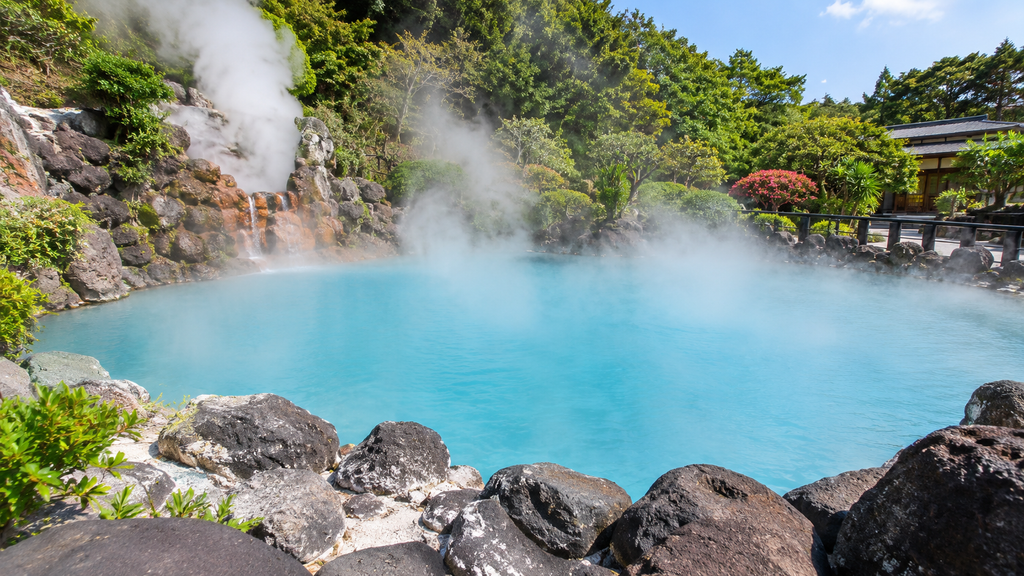
The Beppu Jigoku Tour introduces dramatic geothermal sights, including vividly colored hot pools and steaming landscapes. Jigoku means “hell,” a name that makes sense when you see the heat and vapor up close.
These principal sightseeing pools are for viewing, not bathing. Stay behind barriers and use only clearly designated bathing or footbath facilities where provided. The blue water may look inviting in a photograph, but appearance says nothing about a safe temperature.
Several sights cluster around Kannawa, while others require an additional journey. Decide whether you want a full circuit or a smaller selection before comparing tickets. One or two carefully chosen stops can leave more time for a meal and a real bath elsewhere.
Japanese Perspective: Beppu’s steam is part of a working town. As you walk between attractions, notice how hot spring culture sits alongside homes, shops and daily routines. Keep residential entrances clear and ask before photographing people or private premises.
2. Enjoy a Bath in Beppu
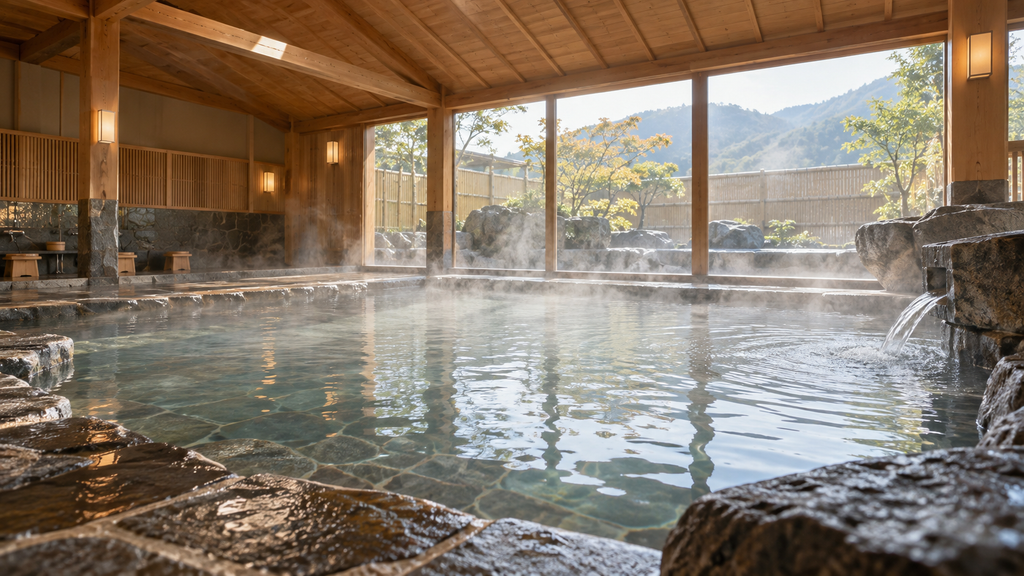
Choose a bath according to the experience you want. A hotel facility may provide amenities and clear visitor instructions, while a small neighborhood bath can be simpler. Confirm day-use hours, towel availability and payment arrangements before going.
Wash and rinse before entering the shared water. Keep towels and hair out of the pool, enter quietly and leave phones in the changing area. Do not add cold water or adjust equipment without asking. If you are uncomfortable with communal bathing, look for a reservable private bath and check its terms.
Tattoo policies differ. Contact the actual facility rather than assuming that every bath in Beppu follows one rule. A room with an ordinary bathtub also does not necessarily include a private hot spring bath.
Japanese Perspective: In local baths, a brief greeting can be a considerate way to acknowledge other bathers. Respect the quiet atmosphere and follow posted instructions even if you have used onsen elsewhere. The appeal lies partly in sharing a familiar community space with care.
3. Spend an Unhurried Day in Yufuin
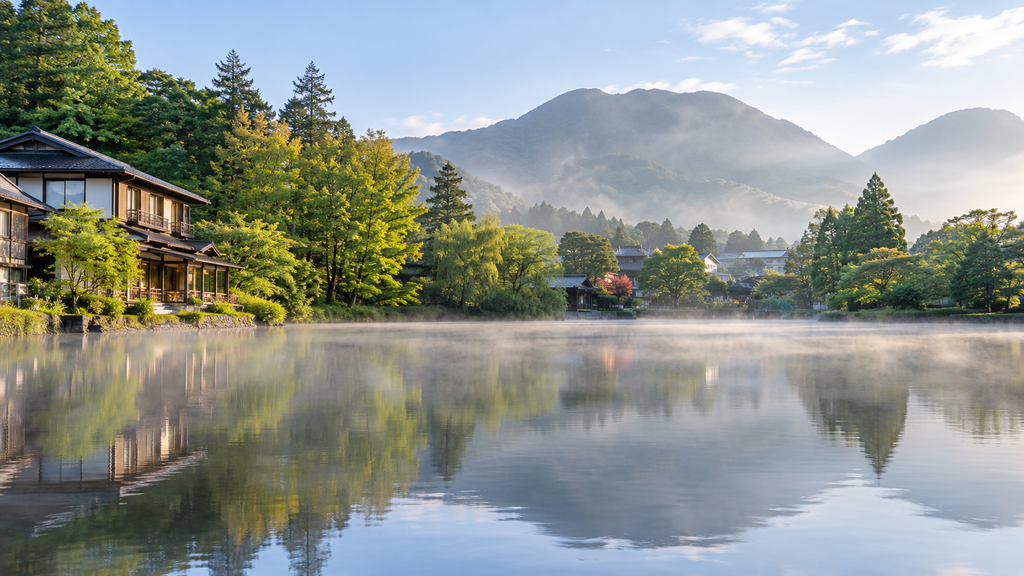
Yufuin is a good place to slow down after Beppu’s geothermal sights. Browse the central streets, stop for lunch, and continue toward Lake Kinrin, a small lake surrounded by walking paths and places to pause.
Do not expect the main shopping streets to be empty. Yufuin is popular, and its calmest moments may come earlier in the day or away from the busiest stretches. Morning mist at the lake depends on conditions, so treat it as a possible bonus rather than the purpose of your visit.
An overnight ryokan stay gives you more time around dinner and breakfast. Check the location carefully: some accommodation sits beyond the central walking area and may require a transfer.
Japanese Perspective: A ryokan meal often follows a set schedule. Arriving within the requested check-in window matters because staff prepare around their guests’ plans. Tell the property about dietary requirements before booking, rather than waiting until dinner is served.
4. Visit the Usuki Stone Buddhas
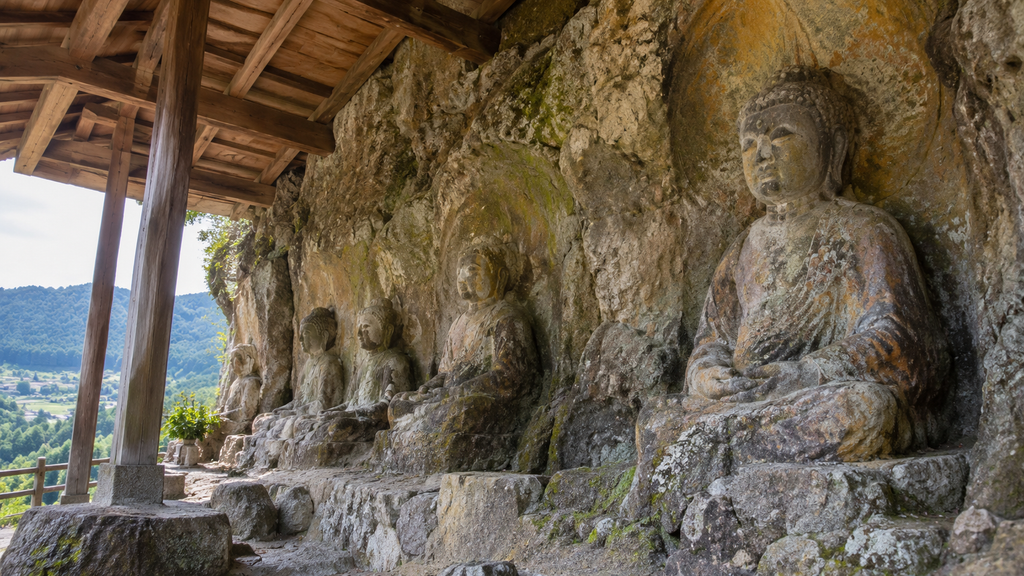
The Usuki Stone Buddhas offer a very different encounter with history. Carved into rock rather than standing as separate statues, these figures invite close attention to expression, surface texture and their relationship with the hillside.
Their origins are not fully documented. Local accounts and historical interpretation associate them with the late Heian and Kamakura periods, but the details of their creation remain uncertain. That uncertainty is part of the site’s story, not a gap to fill with a confident legend.
The carvings are outside the central town area. Plan a bus or taxi connection, then decide whether to add time in Usuki’s historic streets. Do not assume arriving at Usuki Station means you have reached the stone Buddhas.
Japanese Perspective: These are religious images as well as cultural treasures. Stay on the visitor route, avoid touching the carvings and follow photography instructions. Quiet observation is welcome; you do not need to share the faith to treat the place respectfully.
5. Walk the Grounds of Usa Jingu
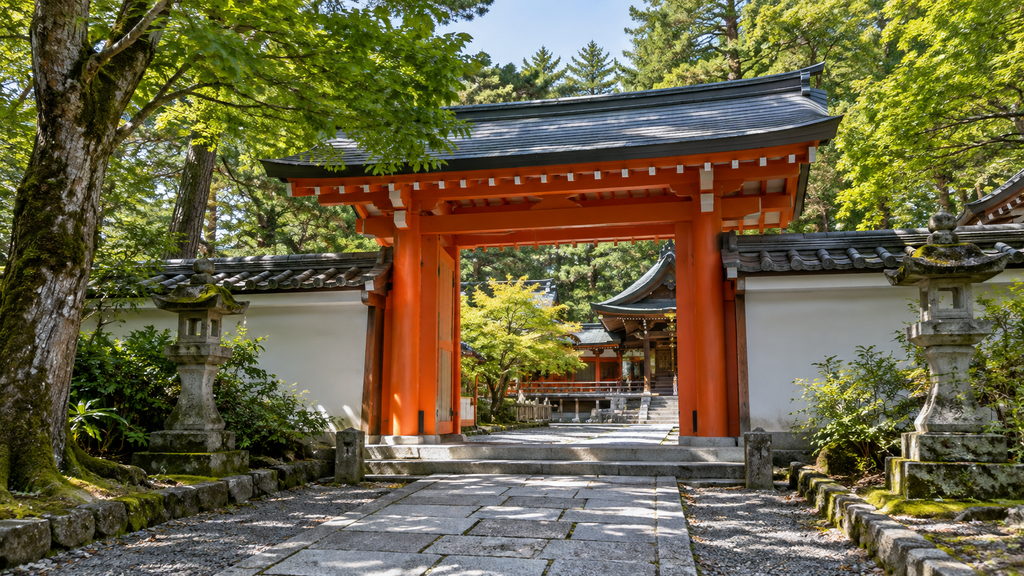
Usa Jingu is the head shrine of the Hachiman shrine network. Its wooded grounds and shrine buildings reward a visit with enough time for walking, rather than a hurried stop on the way to somewhere else.
Check the route from Usa Station and the return bus timetable before departure. A car can help if you intend to continue around the wider Usa and Kunisaki area, but a single shrine visit does not require adding a whole peninsula tour.
Japanese Perspective: Worship customs can vary between shrines. Usa Jingu is known for two bows, four claps and one final bow, rather than the two-clap pattern familiar at many other shrines. Follow local guidance if participating; simply observing is also fine. This is a useful reminder that Japanese religious practice is not completely uniform.
6. Taste Toriten and Geothermal Cooking
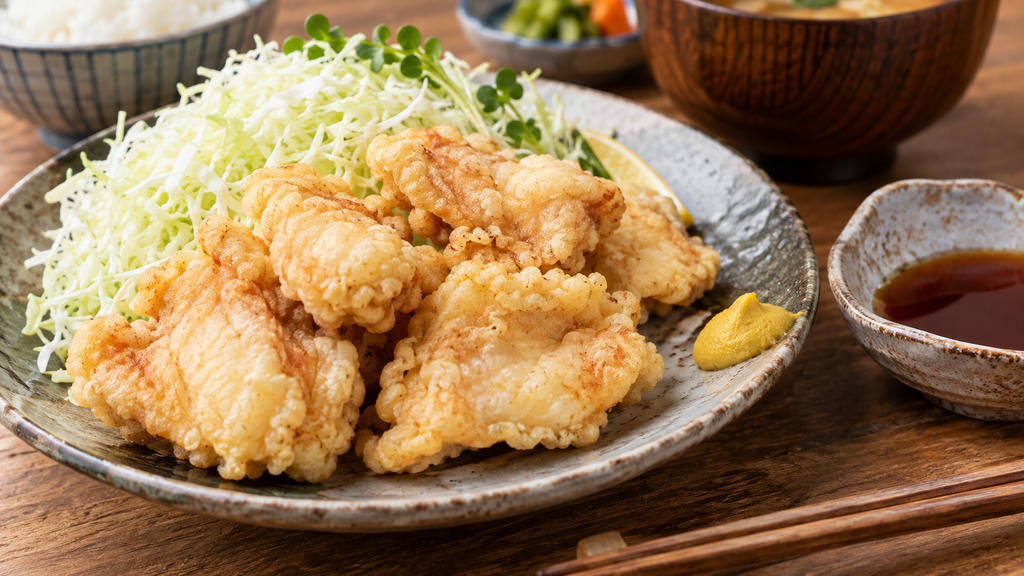
Toriten is chicken prepared in a tempura-style batter. The coating differs from breadcrumb-covered cutlets, and the dish is commonly enjoyed with dipping sauce and mustard. Try a freshly cooked serving as part of a simple lunch rather than saving every local specialty for a large evening meal.
In Beppu, jigoku-mushi uses geothermal steam to cook ingredients such as vegetables, eggs and seafood. Some venues serve prepared dishes; others offer an experience involving steam-cooking equipment. Check what is included and follow staff instructions around hot steam.
For another regional meal, look for dango-jiru, a soup featuring wheat-flour dumplings. Recipes and accompaniments vary by restaurant.
Japanese Perspective: A dish centered on vegetables is not automatically vegetarian. Broths, sauces and shared cooking arrangements matter too. If you have dietary restrictions, explain the ingredients you avoid and confirm them before ordering or reserving a cooking experience.
Practical Information for Your Oita Trip
Getting There and Around
From Fukuoka, JR Kyushu’s Sonic services are a practical option toward Beppu and Oita via Kokura. Yufuin has a different inland rail approach, including the Yufuin no Mori sightseeing service. Check operating dates and book the appropriate seat in advance if that train is important to your trip.
Oita Airport has onward bus services. Choose your actual destination and allow time for the road transfer; the airport is not in central Oita City. Check current departures before booking a tightly timed activity on arrival day.
Within the prefecture, compare bus and rail routes for the whole journey. Beppu and Yufuin may look close on a map, but a rail route and a direct road service can involve different travel patterns. Identify the final stop and return departure before leaving town.
Where to Stay
Stay near Beppu Station for rail connections, or consider Kannawa for a stronger hot spring district atmosphere. Oita City can be convenient for rail-based travel toward Usuki. Yufuin suits a slower overnight stay, especially when the accommodation experience is central to the trip.
For a first visit, one main base with an optional ryokan night usually keeps logistics manageable. Check whether your reservation includes dinner, breakfast, bath access and any transfers; similarly priced room listings can represent very different stays.
Seasons, Costs and Reservations
Spring and autumn would be my first choices for this mix of town walks and cultural sights. Summer needs breaks from heat and flexibility around rain. Winter can make a hot spring stay appealing, but inland and mountain routes require separate checks for weather and road conditions.
Compare individual attraction tickets with passes only after deciding what you will actually visit. Allow for local buses or taxis, bath admission and meals as well as accommodation. Carry some cash for smaller facilities, and reserve private baths or ryokan meals where required.
A Realistic Four-Day Oita Itinerary
Day 1: Arrive in Beppu
Settle into your accommodation, take a short neighborhood walk and choose a bath with clear visitor information. Have toriten or another local meal. Keep arrival day flexible if your flight or train journey is long.
Day 2: Kannawa and the Jigoku Sights
Visit a selection of geothermal sights, allow time for lunch or a booked steam-cooking experience, and finish with a bath at a separate bathing facility. You do not need to complete every attraction to have a full day.
Day 3: Yufuin
Travel to Yufuin for the shopping streets, lunch and Lake Kinrin. Either return to Beppu or stay overnight. If staying, check the next morning’s onward journey before committing to the following day’s plans.
Day 4: Usuki
Travel toward Usuki and continue to the stone Buddhas with your local connection arranged. Add the historic town center if time allows. After a Yufuin overnight, allow extra transfer time; changing the order of days may make the trip easier.
Optional Day 5: Usa Jingu
Give Usa its own outing, particularly if you want to read the displays and walk the grounds slowly. For a shorter visit, choose Usa instead of Usuki according to your interests, rather than attempting both in one day.
FAQ: Visiting Oita for the First Time
Should I choose Beppu or Yufuin?
Choose Beppu for varied bathing options and geothermal sightseeing. Choose Yufuin for a compact visitor center and a leisurely ryokan stay. Several days lets you experience both.
Can I bathe in the Beppu Hells?
The main sightseeing pools are not bathing pools. Use separate designated bathing facilities, and follow signs for any footbaths on site.
Is Oita manageable without a rental car?
Yes with a focused itinerary. Beppu, Yufuin, Usuki and Usa can be planned around public transport, but check the connection beyond each station and avoid overloading the day.
How long should I stay?
Four days is a useful starting point for Beppu, Yufuin and one cultural excursion. Add a day for Usa or more time at your accommodation.
Are tattoos accepted at every onsen?
No single policy applies everywhere. Ask the facility directly, including whether coverings or a private bath are available under its rules.
What if I do not want to use a communal bath?
Look for a reservable private bath or a room explicitly offering its own hot spring bath. You can also enjoy Oita through food, geothermal sightseeing and cultural visits without bathing.
Explore More of Kyushu
Oita’s hot springs and rural landscapes are an excellent starting point for discovering more of Kyushu’s cities, volcanic mountains and Pacific coast.
Fukuoka Travel Guide
Travel northwest toward Fukuoka for urban food culture, historic shrines and convenient transport connections across northern Kyushu.
Read next: Fukuoka Travel Guide: Yatai Nights, Shrine Visits and Memorable Day Trips
Kumamoto Travel Guide
Continue toward central Kyushu for Mount Aso, Kumamoto Castle and Kurokawa Onsen, combining volcanic landscapes with another side of Japanese hot-spring culture.
Read next: Kumamoto Travel Guide: Castles, Aso Landscapes and Peaceful Onsen
Miyazaki Travel Guide
Travel south along eastern Kyushu for Takachiho, coastal shrines, subtropical scenery and Miyazaki’s distinctive local cuisine.
Read next: Miyazaki Travel Guide: Takachiho, Coastal Shrines and Local Flavors
Browse the region through our Kyushu & Okinawa Travel Guides.