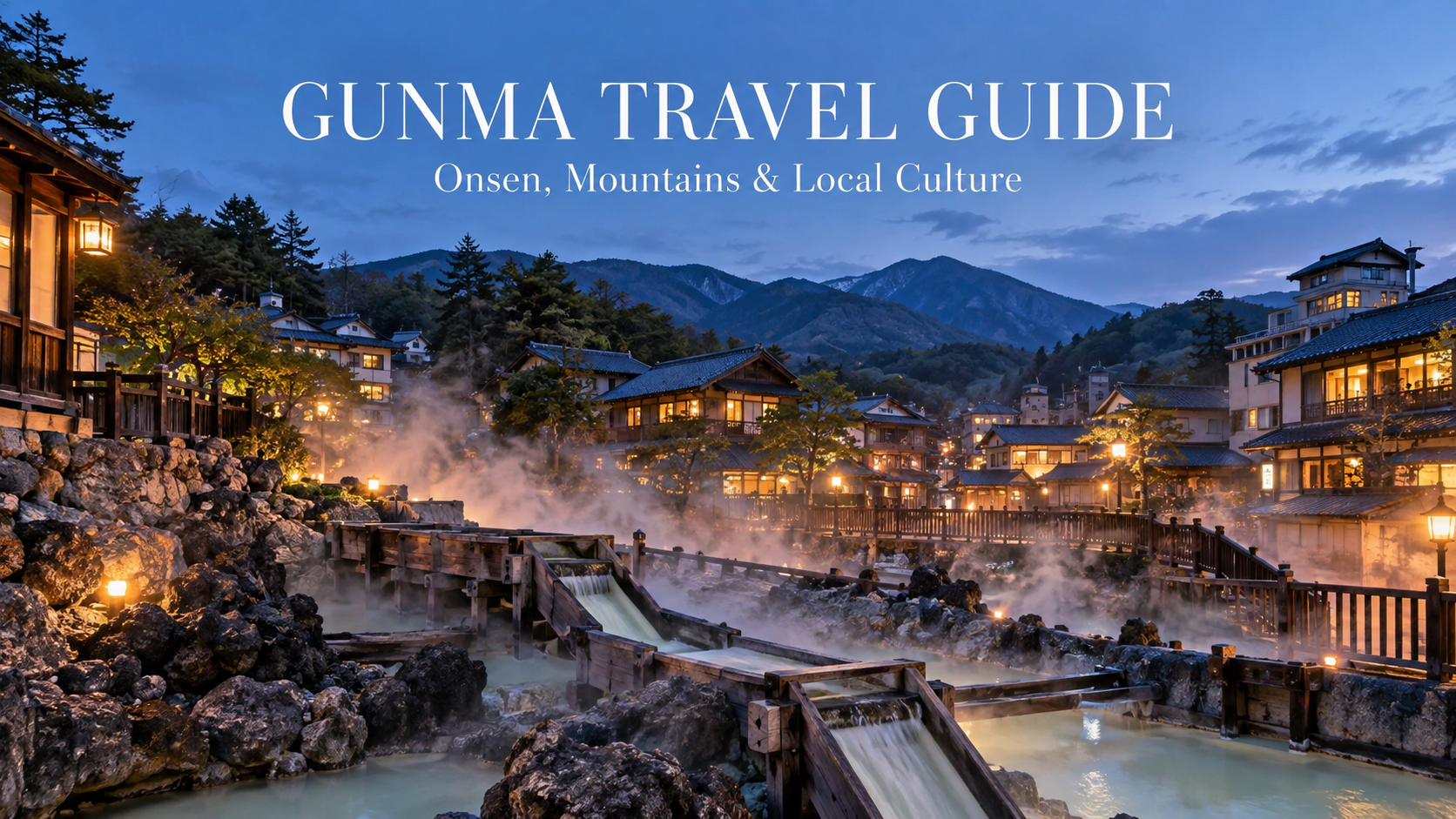
Gunma Prefecture invites you to slow down. Northwest of Tokyo, this inland region brings together steaming hot-spring towns, forested mountains, river adventures and a history that reaches from handmade good-luck charms to Japan’s industrial transformation.
Kusatsu Onsen is its most famous destination, but a rewarding trip can also include Ikaho’s stone steps, Minakami’s rivers, the former silk mill at Tomioka and a bowl of smooth Mizusawa udon. Each reveals a different side of a prefecture often introduced simply as an onsen escape.
This Gunma travel guide covers places to visit, local food, seasons and transport, with a Japanese perspective on bathing culture, craft and regional identity. Choose one main area, leave time for your accommodation, and let Gunma become more than a stop between bigger cities.
Images in this guide are original AI-generated illustrations inspired by the destinations and food described.
Why Visit Gunma Prefecture?
Gunma combines accessible cities in the south with mountain destinations farther north and west. Takasaki is a useful rail gateway, while Maebashi is the prefectural capital. Beyond them, travel often involves a local train, bus or drive through increasingly rural scenery.
Pair an onsen stay with industrial history, a temple visit with regional noodles, or an outdoor activity with a quiet evening at an inn.
Allow two or three days. Gunma’s mountain resorts are farther apart than fast access to Takasaki might suggest. For a day trip, choose one destination.
1. Kusatsu Onsen: A Town Built Around Hot Water
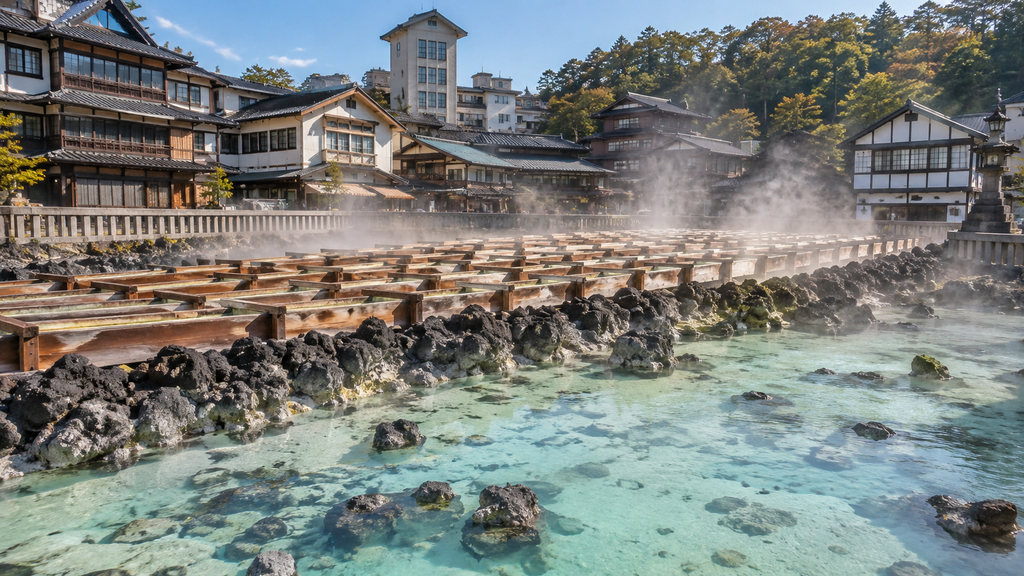
At the center of Kusatsu, steam rises from the Yubatake, the hot-water field that gives the town its distinctive appearance. Wooden channels, mineral deposits and flowing water make the spring source part of everyday streetscape rather than something hidden behind hotel walls.
Walk around the source during daylight, when the channels are easy to appreciate, and return after dark for a different atmosphere. Nearby streets have small shops, restaurants and inns, while Sainokawara Park provides another place to stroll. Use designated bathing facilities; the Yubatake itself is not a public bath.
At Netsunoyu, visitors can watch yumomi, a performance based on the traditional practice of stirring very hot spring water with wooden boards. Check the day’s schedule and ticket arrangements before planning your visit around a show.
Stay overnight if possible. Kusatsu makes most sense when you have time for an afternoon walk, a bath, dinner and a less hurried morning.
Japanese Perspective: Yumomi Began with a Practical Problem
Spring water can emerge too hot for comfortable bathing. Yumomi developed as a way to cool it by stirring, without relying on added cold water. The movement, boards and songs connect a practical task with a tradition now shared with visitors.
This is a useful way to understand onsen culture: natural water is valued for its particular character, and local practices grow around that character. The different towns are worth comparing, rather than treating every hot-spring bath as the same experience.
2. Ikaho Onsen: Stone Steps and a Hillside Town
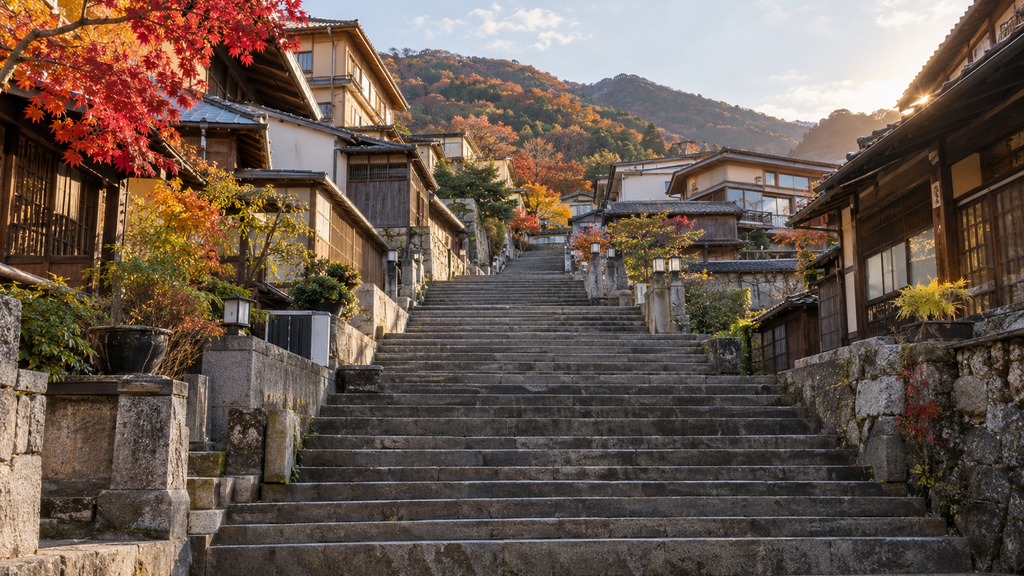
Ikaho’s best-known sight is its central staircase of 365 stone steps. Inns, shops and snack stops line the ascent, making the climb part of the visit. Take breaks, look back across the hillside and continue toward Ikaho Shrine if the stairs suit your mobility.
The town is associated with two spring types: iron-rich Kogane-no-Yu, often described as golden water, and clear Shirogane-no-Yu, or silver water. Ask which source your chosen facility uses if that interests you; not every accommodation offers both.
Nearby Mizusawa Kannon Temple and the restaurants serving Mizusawa udon make a worthwhile addition. Check the bus connections or arrange local transport, since the temple area is separate from the main staircase.
Ikaho is a good choice for travelers who enjoy the town around an onsen as much as the bath itself. For accommodation, check the entrance location carefully: a hillside address can involve stairs or a steep walk with luggage.
Japanese Perspective: An Onsen Stay Has Its Own Rhythm
Many Japanese travelers arrive at a ryokan early enough to enjoy the room and bath before dinner. The accommodation is part of the destination, with meals and an unhurried evening shaping the experience.
Before booking, distinguish a room-only plan from one including dinner and breakfast. Confirm dietary requests and arrival times in advance. An elaborate sightseeing schedule that ends after the inn’s dinner time can miss much of what the stay offers.
3. Minakami: Rivers, Mountains and Outdoor Time
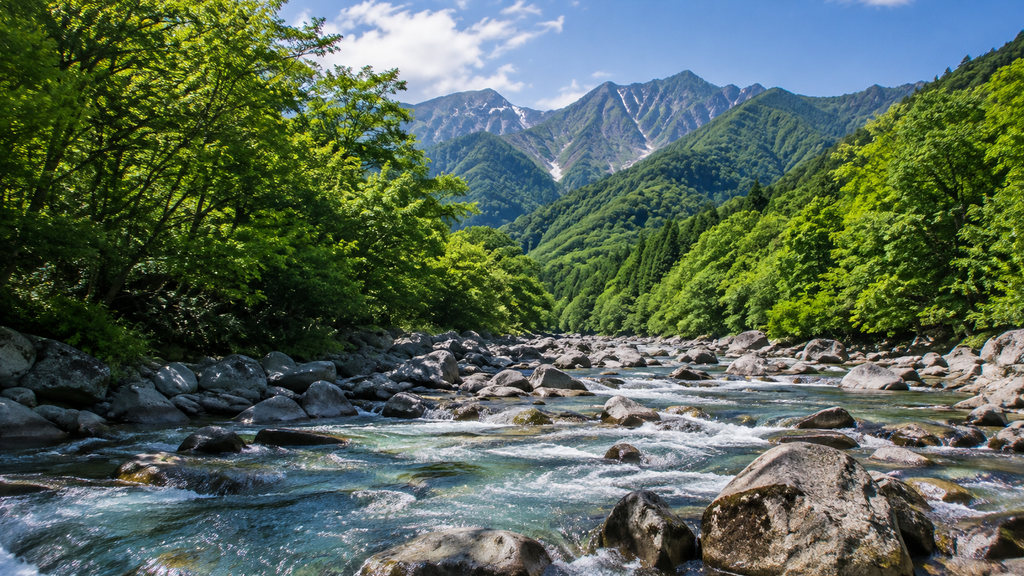
Minakami is a strong choice for travelers who want nature alongside their onsen stay. The area is known for rafting, canyoning, hiking and winter sports, with mountains and river valleys setting the scene.
Book water activities with a qualified operator and choose a course that matches your experience. River levels affect the character and availability of trips, so avoid treating an online photograph as a promise of the conditions you will find.
The Tanigawa mountain area attracts hikers, but scenic transport and serious mountain routes are different experiences. A ropeway ride does not remove the need for suitable footwear, weather checks and realistic route choices. A short walk or riverside stay is also a worthwhile way to enjoy the area.
Plan transport to your activity base or accommodation, and confirm any station pickup in advance.
4. Tomioka Silk Mill: The Making of Modern Japan
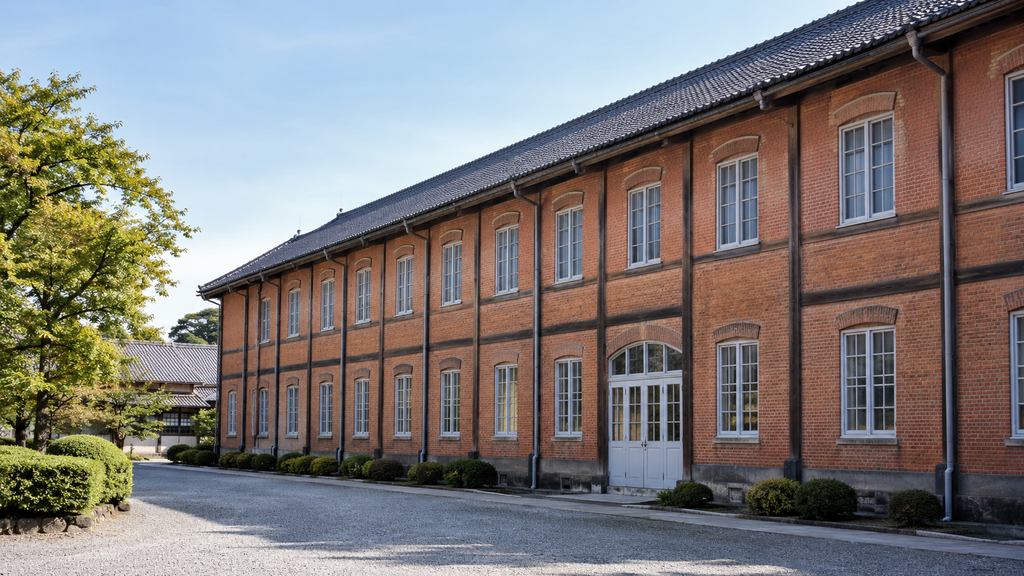
Established in 1872, Tomioka Silk Mill was a government-backed project that combined imported French machinery and expertise with Japan’s existing silk industry. Today it forms part of the UNESCO-listed Tomioka Silk Mill and Related Sites.
The brick-and-timber buildings make a striking first impression, but the real interest lies in the process: raising silkworms, handling cocoons and reeling silk into a product that could enter international trade. Exhibits and guided interpretation help connect the surviving structures with this larger story.
Allow a few hours rather than stopping only for an exterior photograph. From Takasaki, the Joshin Electric Railway reaches Joshu-Tomioka Station, followed by a walk to the mill. Confirm opening days and available interpretation before traveling.
Japanese Perspective: History Continues Beyond Samurai
Visitors often meet Japanese history through castles and warriors. Tomioka introduces another chapter: industrial technology, international exchange and the people whose skills made production possible.
The mill is a reminder to ask who performed the work, how knowledge traveled and how a regional industry became part of national change. Its importance extends beyond attractive old buildings to the relationship between local livelihoods and a changing Japan.
5. Takasaki and the Daruma Tradition
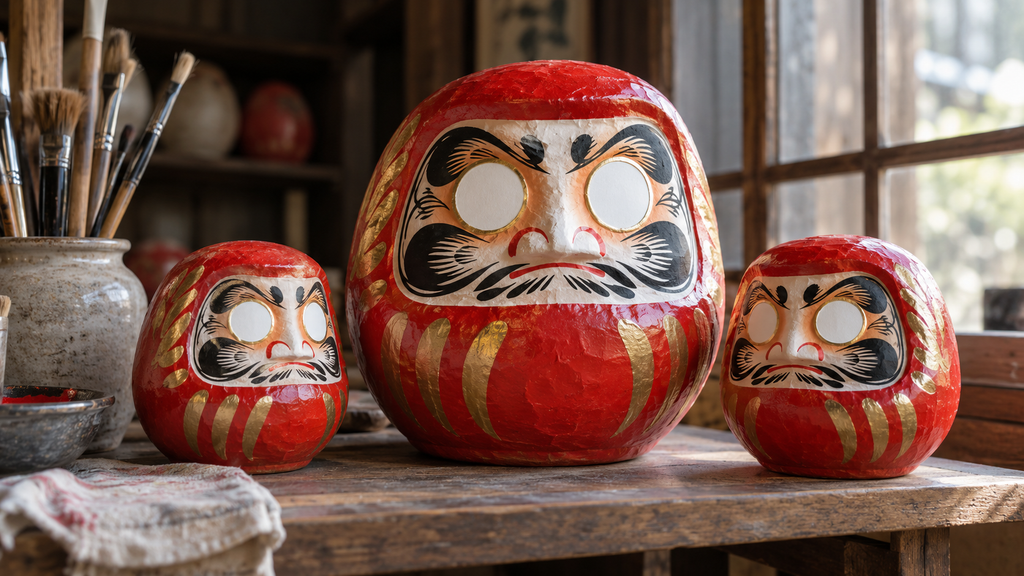
Takasaki is closely associated with daruma, the rounded good-luck figures often sold with blank eyes. Shorinzan Darumaji Temple offers a cultural starting point, while local workshops show how the dolls continue to be made and painted.
Look closely at a traditional Takasaki daruma’s face. Eyebrows and facial hair can incorporate crane and tortoise imagery, both associated with longevity. Red is especially familiar, though workshops also produce other colors and contemporary designs.
Some makers offer painting experiences. Reserve when required, and ask how long the activity takes if you have a train to catch. A locally made daruma gives you a souvenir connected to a continuing craft tradition.
Japanese Perspective: A Wish Can Become a Visible Commitment
A common custom is to fill in one eye when making a wish or setting a goal, then complete the other when it is achieved. Practices vary, so follow the guidance supplied by the maker or temple.
The object can act as a daily reminder of an intention. This makes a daruma more than a generic symbol of luck: the unfinished face creates a personal connection between the owner and something they hope to accomplish.
6. Shima Onsen and Gunma’s Quieter Side
For another style of hot-spring trip, consider Shima Onsen, a mountain resort associated with riverside accommodation and a slower pace. Nearby lake scenery adds an outdoor element, but check seasonal access and activity availability before setting out.
Choose Shima as an alternative overnight base, rather than trying to add it between every other onsen town. Moving between resorts can take a substantial part of the day by public transport.
If walking and nature are your main priorities, Oze is another option to research separately. Its wetland boardwalks belong to a mountain environment with seasonal access, weather changes and routes that need proper planning. It deserves its own day or longer, not a spare hour on an onsen itinerary.
What to Eat in Gunma
Mizusawa Udon
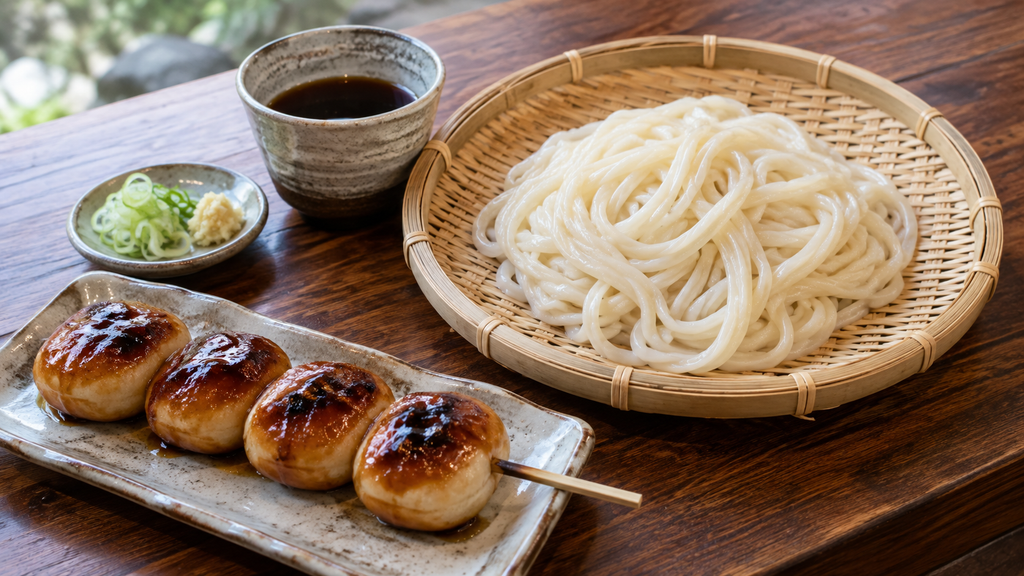
Around Mizusawa Kannon Temple near Ikaho, restaurants specialize in noodles valued for their smooth surface and satisfying chew. They are commonly served chilled with a dipping sauce, sometimes with tempura. Start with a simple portion to appreciate the texture.
Yaki Manju
These steamed wheat buns are skewered, grilled and brushed with a sweet miso glaze. The appeal is the contrast between the soft interior and the fragrant, lightly charred surface. Versions vary, so do not assume they are all filled with sweet bean paste.
Okkirikomi and Local Ingredients
Okkirikomi is a hearty dish of broad wheat noodles cooked with vegetables. It suits a cool-weather lunch and introduces Gunma’s strong wheat-food tradition. Konnyaku, made from konjac, also appears in many preparations, from firm pieces simmered in broth to shirataki noodles.
For a more substantial meal, look for Joshu beef or sukiyaki featuring regional ingredients. Seasonal Shimonita negi leeks are another local specialty. Ask about broths and sauces if you avoid meat or fish; a vegetable-heavy dish is not automatically vegetarian.
Japanese Perspective: Regional Food Is Often Everyday Food
Gunma’s identity is expressed through noodles, buns and vegetables as much as formal cuisine. These foods reflect ingredients that were available locally and ways of preparing a filling meal.
Trying them where they belong adds context: udon near a temple approach, a freshly grilled snack in town or a warming noodle dish after an outdoor morning. The Japanese idea of meibutsu, a celebrated local specialty, can begin with something quite ordinary.
Best Time to Visit Gunma
| Season | Good reasons to visit | Planning considerations |
|---|---|---|
| Spring | Blossoms, fresh greenery and onsen stays | Mountain destinations warm later than the southern cities. |
| Summer | Highland escapes and guided river activities | Lowlands can be very hot; storms can alter outdoor plans. |
| Autumn | Mountain color, cool-weather walks and hot baths | Foliage timing varies by altitude and busy weekends need reservations. |
| Winter | Snow scenery, skiing and atmospheric onsen towns | Roads and paths may be icy; seasonal closures affect mountain travel. |
Choose based on your main activity. An onsen stay works in several seasons, while a specific hiking route or rafting trip depends much more on local conditions.
How to Get There and Around
Takasaki: Selected Joetsu and Hokuriku Shinkansen services connect Tokyo with Takasaki. Local rail and bus services continue toward many destinations, making it a practical starting point.
Kusatsu: One rail route reaches Naganohara-Kusatsuguchi Station, followed by a bus to Kusatsu Onsen. Highway buses also operate from Tokyo. Compare the complete journey, not just the train portion, and reserve when required.
Ikaho: Travel via Shibukawa Station and continue by bus. Minakami: Choose Jomo-Kogen on the Shinkansen or Minakami Station on the conventional railway according to your onward bus or pickup.
Tomioka: Use the Joshin Electric Railway from Takasaki to Joshu-Tomioka. Shima: A common approach is Nakanojo Station followed by bus.
A rental car helps with scattered rural attractions. For winter trips, assess snow-driving conditions before choosing that option. Carry cash for smaller operators and confirm IC-card acceptance, timetables and last departures for each route.
Suggested 3-Day Gunma Itinerary
Day 1: Takasaki and Tomioka
Arrive in Takasaki, leave luggage at your accommodation or a station locker, and visit Tomioka Silk Mill. Return to Takasaki for dinner and stay overnight. Add a daruma shop only if it fits opening hours and transport comfortably.
Day 2: Travel to Kusatsu
Leave after breakfast for Kusatsu, allowing time for the train and bus connection. Walk around Yubatake, check the yumomi performance schedule and arrive at your inn before dinner. Stay in Kusatsu.
Day 3: An Unhurried Onsen Morning
Enjoy breakfast and a final bath, then explore the town or Sainokawara Park before returning to Tokyo. Check bus connections and leave a buffer before any reserved train.
For a shorter transfer from the Takasaki area, substitute Ikaho for Kusatsu and include Mizusawa udon. Travelers focused on rafting or skiing can use Minakami as the overnight destination instead. Save additional onsen towns for a longer trip.
Practical Tips for Your First Onsen Visit
- Wash and rinse before entering a shared bath.
- Keep your towel and hair out of the bathwater.
- Follow the facility’s clothing rules; most conventional shared baths are used without swimsuits.
- Ask about tattoo policies and private baths before booking.
- Put cameras and phones away in changing and bathing areas.
- Start with a brief soak and step out if uncomfortable.
- Confirm whether meals, bath access and local bathing taxes are included in your booking.
- Tell the inn promptly if you may miss the agreed arrival time.
Frequently Asked Questions About Gunma
Is Gunma worth visiting from Tokyo?
Yes, especially for travelers interested in onsen, mountain scenery, regional food or industrial heritage. It works particularly well as an overnight escape.
Which onsen town should I choose first?
Choose Kusatsu for a lively town centered on its spring source, Ikaho for its staircase streetscape, Minakami for outdoor activities, or Shima for a quieter stay. The individual inn matters too.
Can I visit Kusatsu as a day trip?
It is possible, but transport takes a large part of the day. An overnight stay gives you more time for bathing, dinner and the evening atmosphere.
Do I need a car in Gunma?
Not for a focused route using major rail gateways and buses. A car becomes more useful when linking rural destinations, but it is not necessary for the itinerary above.
Can I visit an onsen if I have tattoos?
Policies vary by facility. Some accept tattoos, some allow coverings and others restrict access. Confirm directly, or look for a suitable private bath.
What food is Gunma known for?
Start with Mizusawa udon, yaki manju and okkirikomi. Konnyaku, Joshu beef and seasonal Shimonita negi offer more ways to taste the region.
Explore More of Kanto
Gunma is one of Kanto’s best destinations for hot springs and mountain scenery, but it also connects naturally with historic towns and other northern Kanto escapes.
Tokyo Travel Guide
Begin or end your journey in Tokyo, combining Gunma’s slower mountain atmosphere with the energy, food and neighborhoods of Japan’s capital.
Read next: Tokyo Travel Guide: Neighborhoods, Food and Japanese Culture
Saitama Travel Guide
Explore Kawagoe’s historic streets, Omiya’s bonsai culture and the river and mountain landscapes of Nagatoro and Chichibu.
Read next: Saitama Travel Guide: Historic Streets, Nature and Local Culture
Tochigi Travel Guide
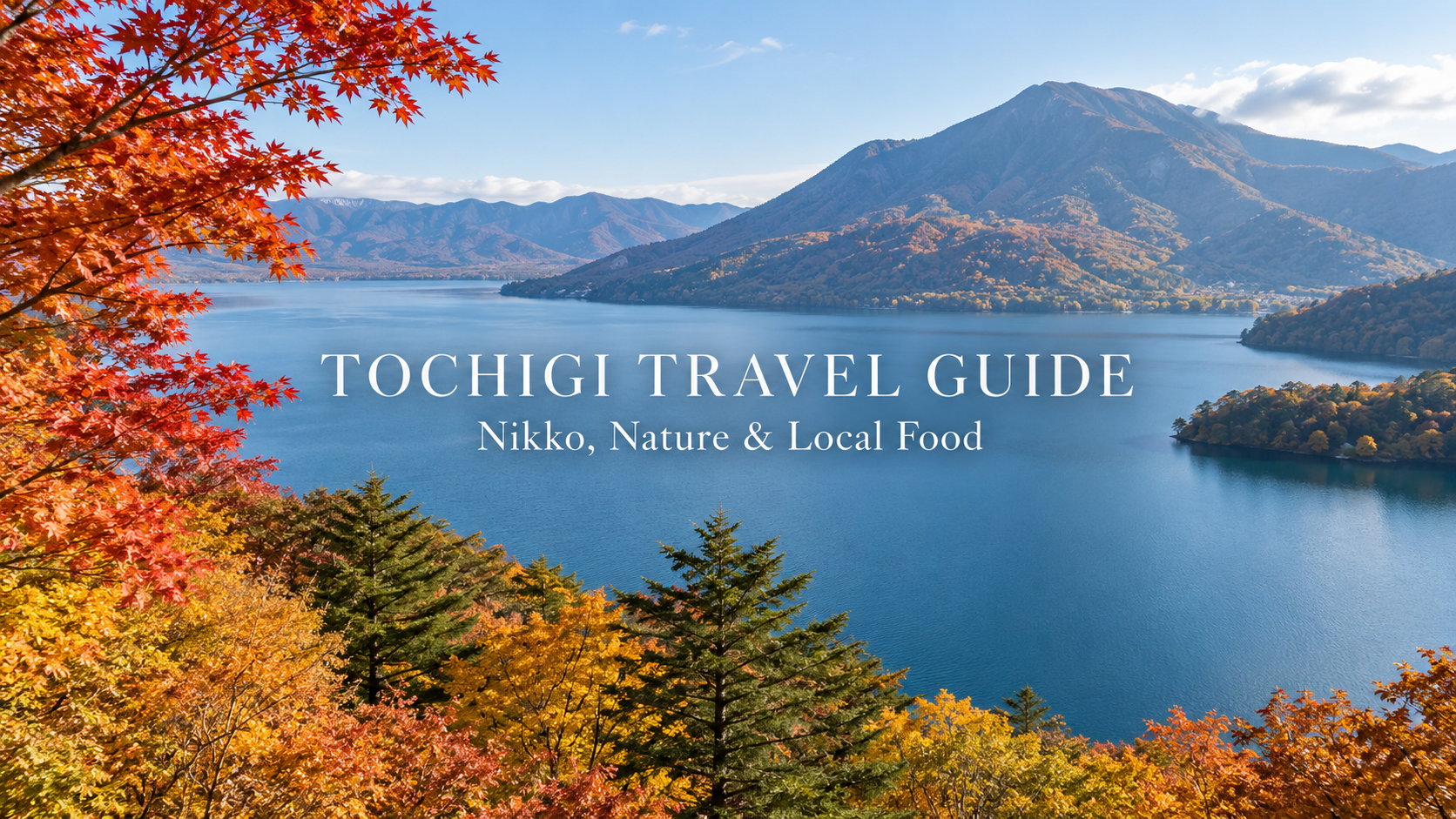
Compare Gunma’s onsen towns with Tochigi’s combination of hot springs, Nikko’s historic shrines and dramatic mountain landscapes.
Read next: Tochigi Travel Guide: Nikko, Mountain Scenery, Hot Springs and Local Food
Discover more regional journeys in our Kanto Travel Guides.