Shizuoka can be a cup of freshly brewed green tea, a pine-lined beach with Mount Fuji in the distance, or a quiet evening in an Izu hot-spring town.
Stretching along Japan’s Pacific side, the prefecture offers several different kinds of trip. Its coastal cities are linked by rail, while tea-growing areas and the Izu Peninsula reward more deliberate planning.
This Shizuoka travel guide introduces the scenery, food, and cultural details that make it worth stopping here. Choose a few places that fit together, and leave time to enjoy them properly.
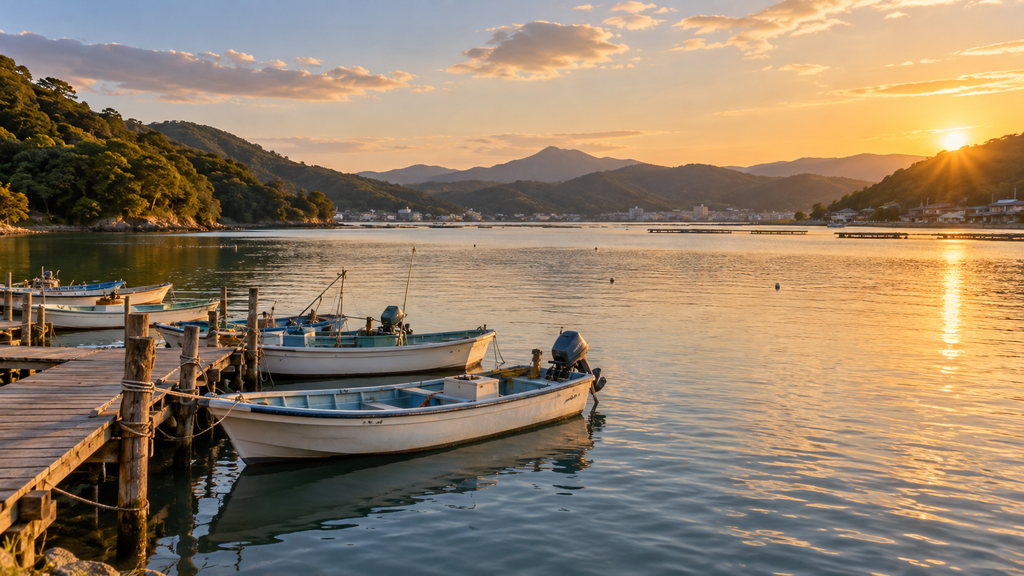
Images are original illustrations inspired by Shizuoka. They convey regional atmosphere and are not documentary photographs or exact reproductions of individual locations.
Why Visit Shizuoka?
Shizuoka belongs to the Chubu region and sits between the Tokyo and Nagoya areas. It can fit naturally into a longer journey, but deserves more than a rushed stop between trains.
Think of three broad choices. Central Shizuoka suits tea, Suruga Bay, and views of Fuji. Izu suits hot springs and coastal scenery. Hamamatsu and Lake Hamana offer another combination of food, water, and culture farther west.
For three days, focus on one area or a straightforward rail route. Adding every famous destination would mean spending too much of the trip in transit.
1. Miho no Matsubara: A Landscape with a Cultural Story
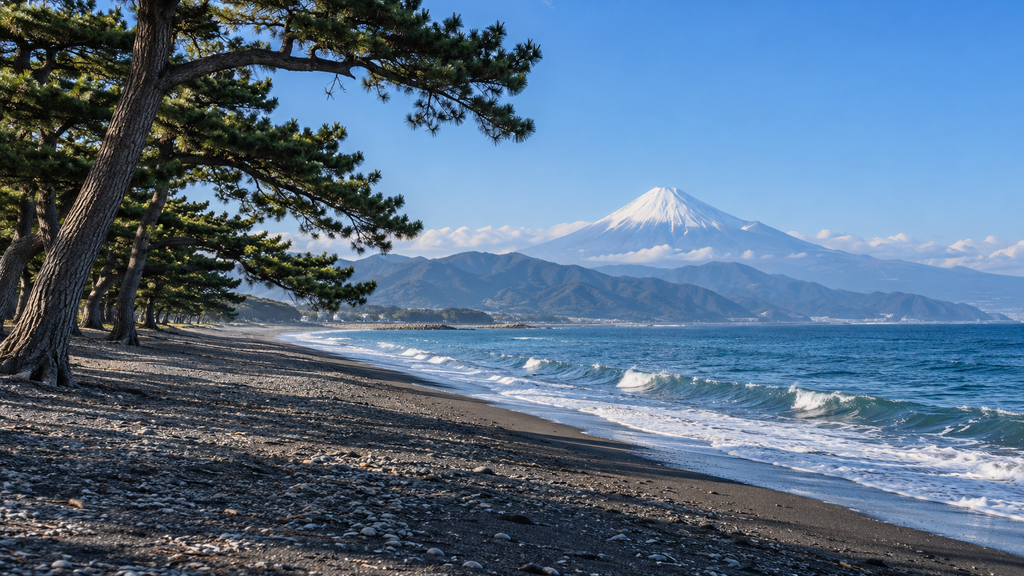
Miho no Matsubara combines a pine grove, a dark shoreline, and views toward Mount Fuji. Located in the Shimizu area of Shizuoka City, it offers a distinctive coastal perspective on the mountain.
Fuji is not always visible. Cloud and haze can conceal it, so approach the visit as a walk through a meaningful landscape rather than a guaranteed photograph.
Leave time for the Miho Shirube visitor center, which explains the area’s cultural value and the work involved in preserving the pines. Check its current opening information before visiting.
Access generally involves a bus or taxi from Shimizu Station. Shizuoka Station and Shimizu Station are different stops, so check the full route before setting out.
Japanese Perspective: A View Can Carry a Story
Miho is associated with the Hagoromo legend, involving a celestial maiden’s feather robe. The story belongs to the site’s cultural history, while its pines and Fuji views have inspired artistic representations.
Learning that background changes the experience. You can appreciate not only the scenery in front of you, but also why people have continued to care about it.
Stay on permitted routes and avoid damaging roots when finding a place to pause.
2. Shizuoka Tea: Taste the Landscape
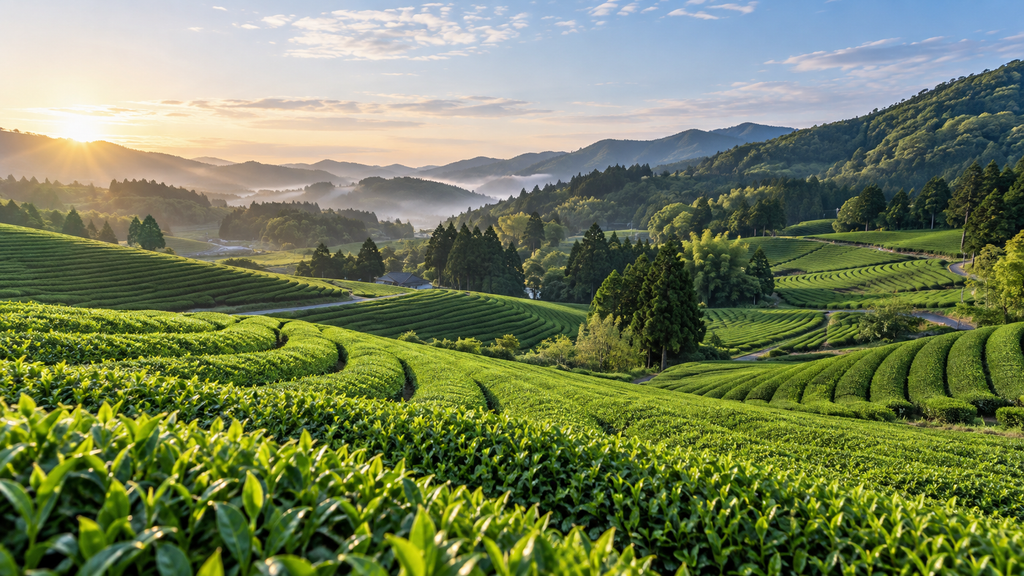
Tea is one of the most rewarding ways to explore Shizuoka. A tasting, a museum visit, or a guided farm experience can turn a familiar drink into something much more interesting.
The Makinohara area is associated with extensive tea fields, while the Tea Museum, Shizuoka, in Shimada offers an introduction to tea and its history.
Choose an experience based on what you want to learn. A tasting focuses on flavor; a farm visit may explain growing and harvesting; a museum can provide wider context.
Confirm reservations, seasonal availability, and transport before going. Tea fields are working farmland, so do not enter rows or pick leaves without permission.
Japanese Perspective: Start with How You Brew It
Japanese tea culture includes everyday cups as well as formal ceremonies. You do not need specialist knowledge to begin.
Ask how much leaf to use, how hot the water should be, and how long to steep it. Following the producer’s guidance can help you appreciate differences that disappear when every tea is prepared the same way.
If you buy tea to take home, ask for brewing instructions and storage advice. That small conversation can make the purchase more useful than choosing a packet by its label alone.
3. Shuzenji: Slow Down in an Izu Hot-Spring Town
Shuzenji offers a gentler pace within the Izu Peninsula. A riverside stroll, a temple visit, and time around the bamboo-lined paths can make a satisfying afternoon.
An overnight stay gives you room to enjoy the town before settling into an inn. Compare accommodation by location, meal arrangements, and bathing options rather than photographs alone.
Shuzenji Station is not the same place as the hot-spring neighborhood. Check the final bus, taxi, or accommodation transfer for your arrival.
Japanese Perspective: Make Time for the Inn
At a ryokan, the timing of dinner and check-in matters. Arriving when requested helps the staff prepare your meal and gives you time to relax.
Before using a shared bath, wash and rinse, keep towels out of the soaking water, and follow the property’s instructions. Ask about private bathing if you prefer more privacy. Tattoo policies vary, so confirm directly with your chosen accommodation.
A short stay can feel restorative when you leave the evening open instead of trying to add another attraction after dinner.
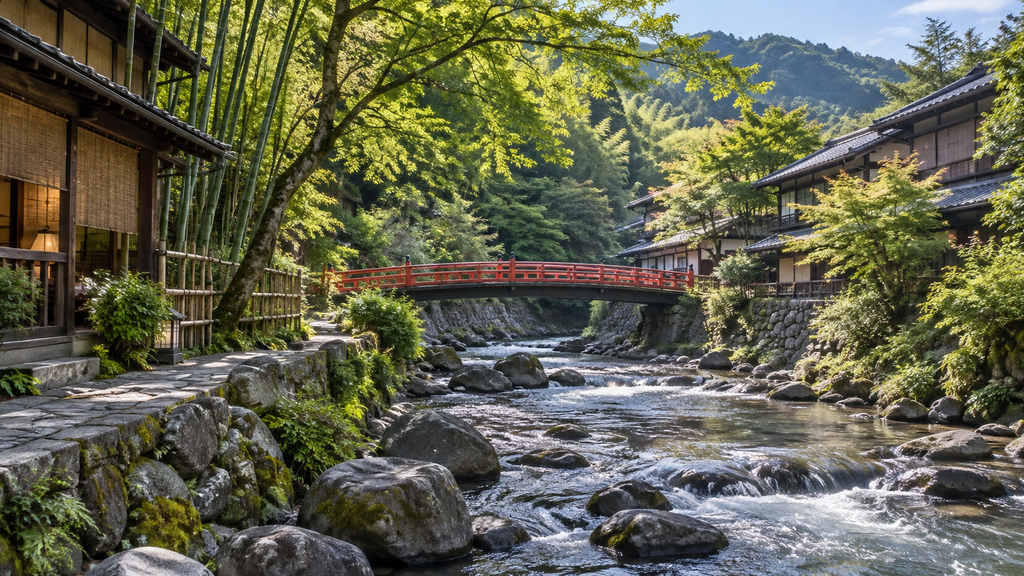
4. Jogasaki Coast: Read Izu’s Volcanic Landscape
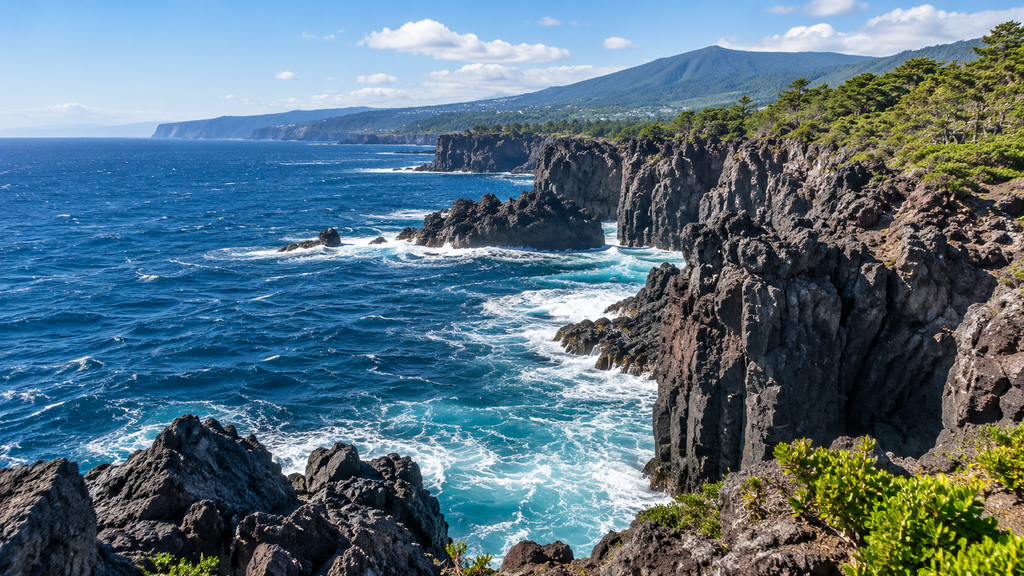
Jogasaki Coast presents a different side of Izu: dark cliffs, restless water, and vegetation growing above the shoreline.
The coast’s volcanic origins help explain its dramatic forms. Looking at the rock as the result of lava and erosion makes the walk more engaging than treating it simply as an ocean viewpoint.
Select a route that suits your fitness, footwear, and available daylight. Coastal paths can involve uneven surfaces and steps; a short visit and a longer hike require different plans.
Stay behind barriers, keep away from exposed edges, and check local notices when wind or sea conditions are rough. A scenic route is not suitable in every kind of weather.
For an Izu-focused trip, base yourself somewhere with convenient access to your chosen coast. Do not assume that crossing from Shuzenji to eastern Izu will be a quick local transfer.
5. Hamamatsu and Lake Hamana: Food, Water, and Music
Hamamatsu makes a useful western base within Shizuoka. Combine a local meal with a cultural visit, then choose a manageable outing toward Lake Hamana.
The Hamamatsu Museum of Musical Instruments offers a reason to spend time in the city even when the weather is poor. Its collection introduces instruments and musical cultures from around the world; check the museum calendar before planning your visit.
Around Lake Hamana, choose a particular waterfront area or activity rather than assuming you can casually circle the entire lake. Public transport, walking distances, and activity arrangements vary by location.
Japanese Perspective: Regional Culture Includes Modern Making
Japan’s cultural story includes contemporary workshops and manufacturing as well as temples and traditional crafts. A museum devoted to musical instruments provides another way to explore the relationship between objects, skill, and everyday life.
Leave time to listen and read the interpretation. You may find an unexpected connection between a familiar sound and an unfamiliar instrument.
What to Eat in Shizuoka
Sakura Shrimp and Seafood
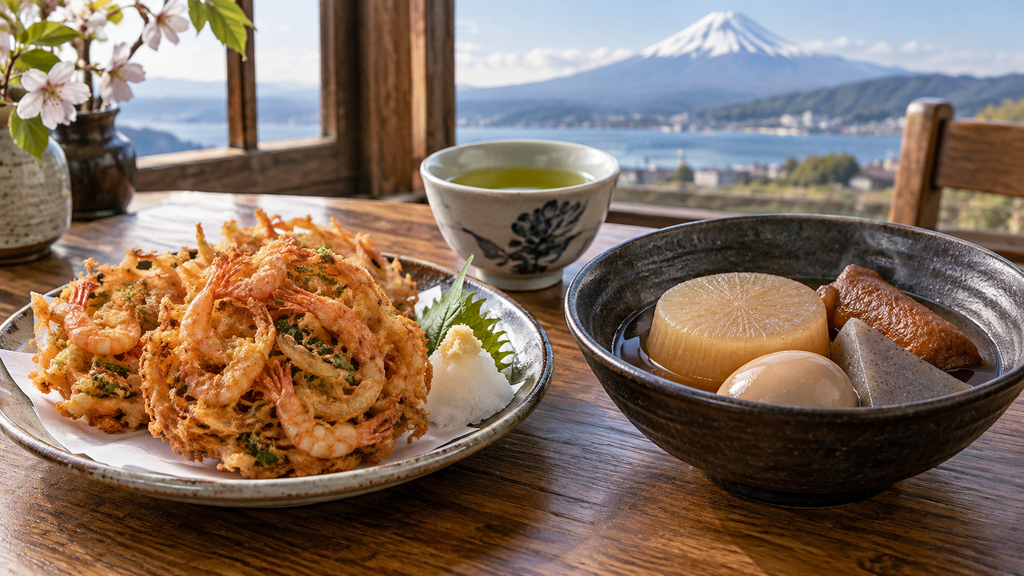
Sakura shrimp are closely associated with Suruga Bay. A kakiage fritter is one way to enjoy their flavor and crisp texture.
Availability depends on the catch, season, and restaurant. Ask what is available rather than expecting a particular preparation everywhere.
Shizuoka Oden
Oden offers a comforting meal of ingredients simmered in broth. In Shizuoka, look for the local style, including dark-colored fish cakes called kuro-hanpen.
Ask how the shop recommends enjoying its oden. A few pieces chosen to suit your appetite can make a relaxed meal.
Follow the Region on the Menu
Hamamatsu is associated with gyoza and eel dishes, while Fujinomiya is known for yakisoba. You do not need to travel across the prefecture just to check off every specialty.
Choose a local dish where you are staying and leave room for tea or a sweet afterward. Explain allergies and dietary requirements before ordering: fish stock, shellfish, wheat, and meat can appear in dishes whose names do not reveal all their ingredients.
Best Time to Visit Shizuoka
| Season | Good reasons to visit | Planning note |
|---|---|---|
| Spring | Fresh greenery, tea-related visits, and coastal walks | Harvest experiences have specific dates and booking requirements. |
| Summer | Green landscapes and seaside stays | Plan for heat, humidity, and changing coastal weather. |
| Autumn | Comfortable walking days and seasonal food | Check forecasts before exposed coastal outings. |
| Winter | Hot springs, warming meals, and crisp-day views | Fuji visibility is never guaranteed; inland and mountain areas can be cold. |
Choose dates around your main interest. A tea museum and a cafe visit work differently from a seasonal picking experience, just as a coastal walk differs from a beach holiday.
Getting to and Around Shizuoka
The Tokaido Shinkansen links several stations in the prefecture with major cities. Choose a service that stops at your destination; stopping patterns differ.
Shizuoka Station suits central sightseeing. Hamamatsu suits the western area. Mishima can be a gateway toward Shuzenji, while Atami provides connections toward eastern Izu.
These stations serve different travel plans. Check the full journey to your accommodation, including local railways, buses, or a final taxi ride.
Public transport works well for a focused route. Rural tea experiences and scattered peninsula stops may require advance transfers or a guided tour.
Carry some cash for smaller businesses, confirm luggage storage before a day trip, and check the last return service before walking away from a rural stop.
A Practical Three-Day Shizuoka Itinerary
Day 1: Shizuoka City and Miho
Arrive in Shizuoka, leave your luggage, and travel toward Shimizu and Miho no Matsubara. Return for a regional dinner.
If arriving late, keep the afternoon in the city and save Miho for the following morning.
Day 2: Tea and an Onward Transfer
Visit a prebooked tea experience or the Tea Museum in the Shimada area. Allow time for the local connection at both ends.
Continue to Hamamatsu if it fits your onward route, leaving enough time to check in and eat comfortably.
Day 3: Hamamatsu and One Lake Outing
Choose the musical-instrument museum and a local lunch. Add one Lake Hamana stop only if transport and your departure schedule leave a comfortable margin.
If Izu Is Your Priority
Use the three days for an Izu trip instead: arrive via the appropriate gateway, stay near the sights you most want to see, and give a coastal outing its own day.
Choose Shuzenji for a hot-spring-town focus or eastern Izu for easier access to Jogasaki. Combine them only after checking the transfer.
Frequently Asked Questions
Is Shizuoka worth stopping in between Tokyo and Kyoto?
Yes. A focused overnight stay can add tea, local food, or coastal scenery to a longer rail journey.
Is Shizuoka City the same as Shizuoka Prefecture?
No. The city is one part of a much larger prefecture that also includes Izu, Hamamatsu, and other areas.
Will I see Mount Fuji at Miho?
Only when visibility allows. Plan to enjoy the pine grove and cultural context even if the mountain is hidden.
Can I visit without a car?
Yes, especially along the main rail corridor. Tea farms and rural peninsula destinations require more careful planning.
Can I visit a tea field independently?
Only where public access is permitted. Book a visitor experience if you want to enter the fields or pick tea.
Does this itinerary include climbing Mount Fuji?
No. A summit climb needs separate preparation and current trail-specific information from the official Mount Fuji climbing website.
Explore More of Chubu
Shizuoka combines Pacific scenery, tea culture and views of Mount Fuji. Continue through central Japan to experience the mountain’s northern side, historic castle towns and regional food traditions.
Yamanashi Travel Guide
See another side of Mount Fuji around Lake Kawaguchiko and the Fuji Five Lakes, then discover Yamanashi’s vineyards, orchards, mountain gorges and local hoto noodles.
Read next: Yamanashi Travel Guide: Fuji Views, Heritage, and Local Flavors
Aichi Travel Guide
Travel west toward Nagoya for castle history, Atsuta Jingu, traditional crafts and one of central Japan’s most distinctive regional food cultures.
Read next: Aichi Travel Guide: Castles, Crafts, and Local Flavors
Nagano Travel Guide
For a change from Shizuoka’s coast, head into the Japanese Alps for castle towns, mountain valleys, temples and historic travel routes.
Read next: Nagano Travel Guide: Mountains, Heritage, and Local Flavors
Find more ideas in our Chubu Travel Guides.