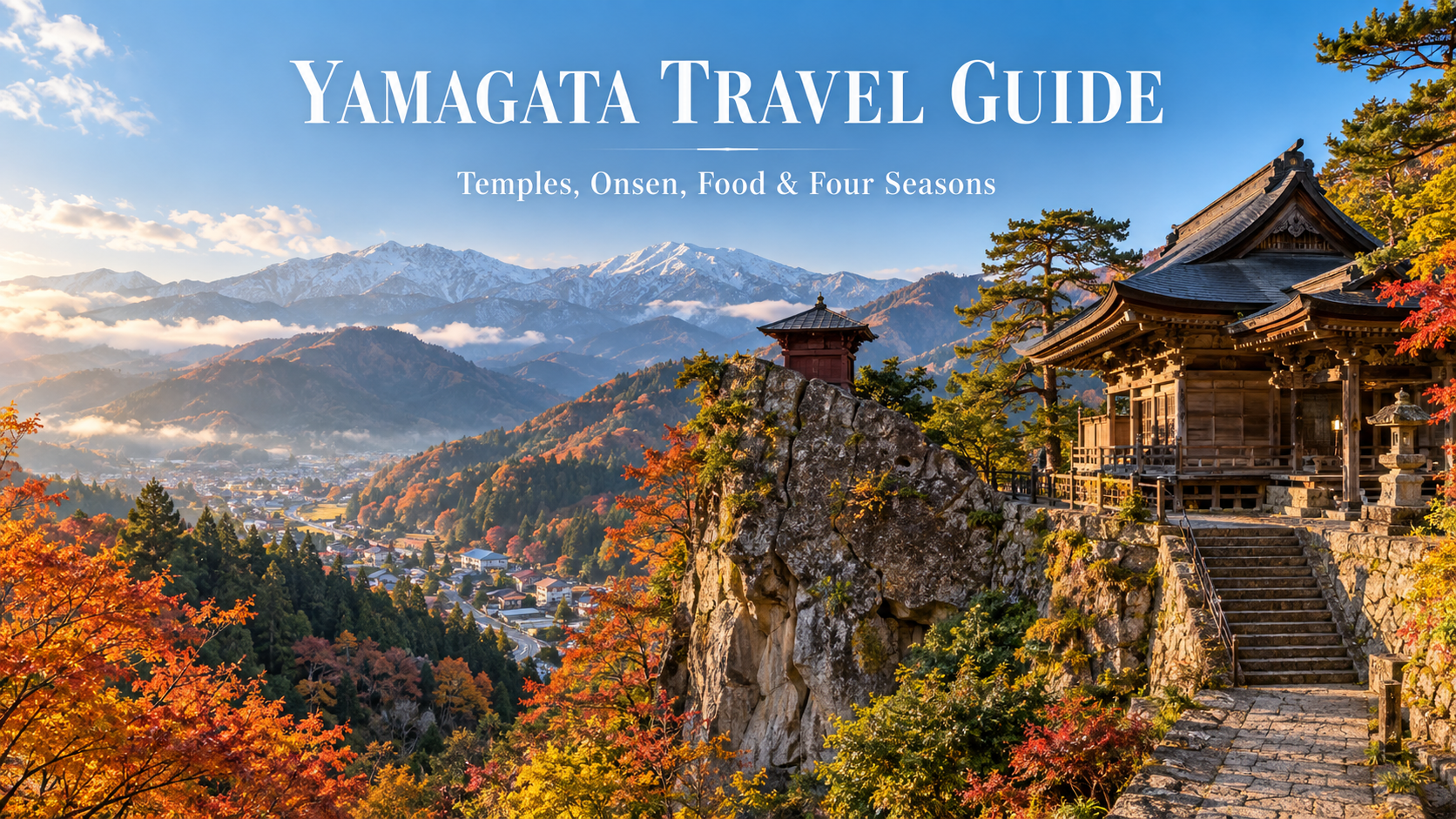
Yamagata Prefecture is one of northern Japan’s most rewarding destinations, yet it remains far less crowded than Tokyo, Kyoto, or Osaka. Located in the Tohoku region, it brings together dramatic mountain scenery, historic hot spring towns, sacred pilgrimage routes, fruit orchards, and deeply rooted local food traditions.
For many first-time visitors, Yamagata is associated with three famous images: the stone steps of Yamadera, the gas-lit wooden inns of Ginzan Onsen, and the snow-covered “monsters” of Mount Zao. These places are unforgettable, but they are only the beginning. The prefecture also offers the spiritual landscape of the Dewa Sanzan mountains, the flowing waters of the Mogami River, castle-town history, and regional dishes shaped by long winters and close-knit communities.
This Yamagata travel guide explains the best places to visit, what to eat, when to go, and how many days you need. It also looks at the prefecture from a Japanese perspective, helping international travelers understand the cultural meaning behind what they see.
Why Visit Yamagata?
Yamagata is ideal for travelers who want a slower, more atmospheric side of Japan. Spring brings cherry blossoms, early summer is cherry season, autumn means mountain color and riverside imoni gatherings, and deep winter transforms Zao and Ginzan Onsen. Yamagata City and Yonezawa are directly connected to Tokyo by Shinkansen, while more remote areas reward the extra planning with a genuine feeling of discovery.
Best Things to Do in Yamagata
1. Climb Yamadera, the Mountain Temple
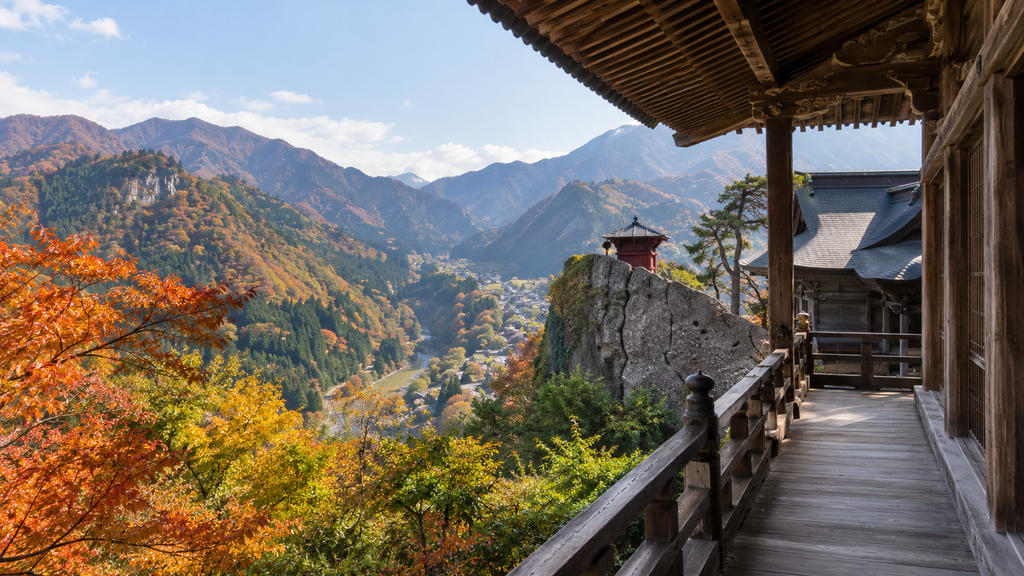
Officially called Risshaku-ji, Yamadera is a temple complex built into a steep mountainside northeast of Yamagata City. The climb passes through a forest of cedar trees and involves roughly 1,000 stone steps. Along the way, small halls, statues, and weathered rocks create a quiet, contemplative atmosphere.
The best-known viewpoint is near Godaido Hall, overlooking the valley and surrounding mountains. Allow about an hour for the climb and wear shoes with good grip, especially after rain or during colder months.
Yamadera is also connected with the haiku poet Matsuo Basho, who visited during his journey through northern Japan. His famous poem about the sound of cicadas sinking into the rocks expresses something central to the place: the deeper you climb, the more silence itself seems to become part of the landscape.
Access tip: Yamadera Station is about 20 minutes from Yamagata Station by local train. The temple entrance is within walking distance of the station.
Japanese Perspective: Why the Climb Matters
Japanese temples are not always designed for quick sightseeing. At Yamadera, the physical climb is part of the visit. Moving slowly through the forest creates a transition from everyday life to sacred space.
This idea appears throughout Japanese religious culture: a difficult path helps visitors leave distractions behind and approach sacred space with greater respect. Simply slowing down and listening to the forest brings you closer to the way many Japanese visitors experience Yamadera.
2. Stay Overnight at Ginzan Onsen
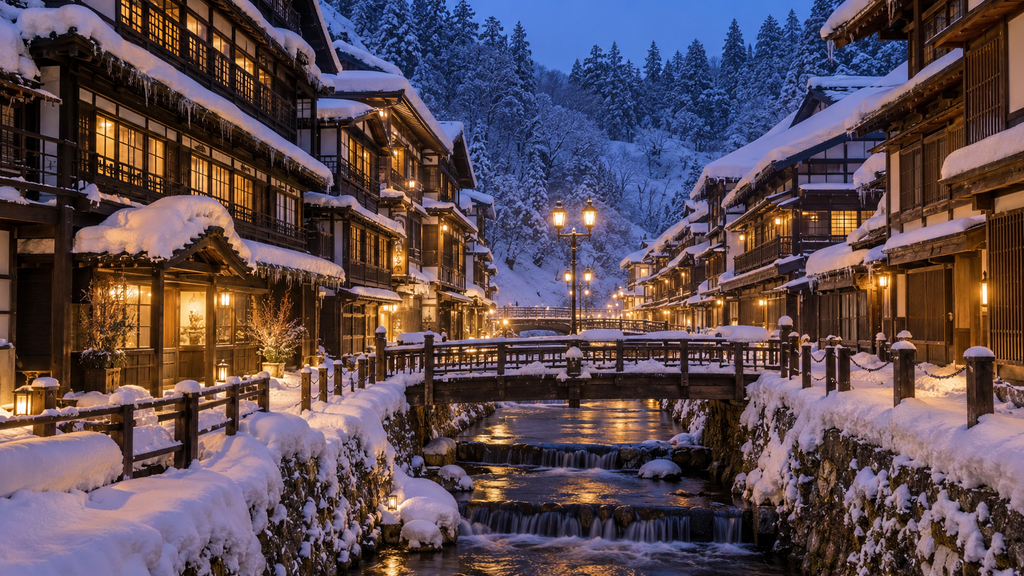
Ginzan Onsen is one of Japan’s most photogenic hot spring towns. Traditional wooden ryokan line both sides of a narrow river, and gas lamps create a nostalgic atmosphere after sunset. The town is especially beautiful in winter, when snow gathers on roofs and paths.
Staying overnight offers the best experience. Once day visitors leave, guests can enjoy dinner, bathing, and an evening walk in yukata. Rooms are limited, so early booking is strongly recommended.
Winter access and entry arrangements may change because the town is small and receives heavy snow. Check the latest official information before traveling, reserve transportation where required, and bring footwear suitable for icy streets.
Japanese Perspective: An Onsen Is More Than a Bath
For Japanese travelers, an onsen stay is not simply accommodation with hot water. It is a complete rhythm: arriving, changing into a yukata, bathing, eating a seasonal dinner, walking around the town, sleeping on a futon, and bathing again in the morning.
The routine creates a clear break from everyday responsibilities. Before entering a communal bath, wash thoroughly, keep towels out of the water, and speak quietly.
3. See the Snow Monsters of Mount Zao
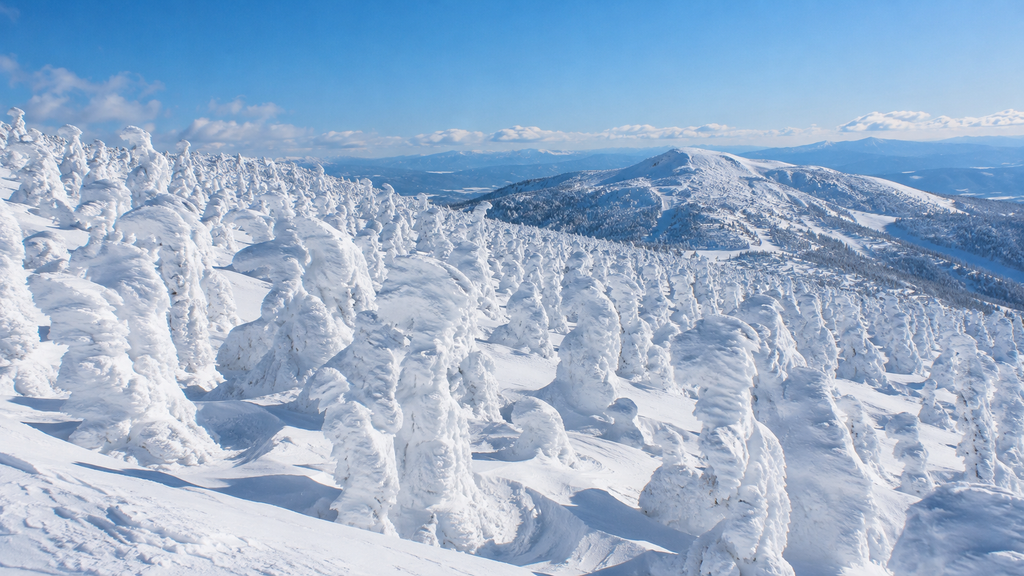
Mount Zao is famous for juhyo, often called “snow monsters.” These natural formations appear when freezing winds carry water droplets onto alpine trees, covering them with layers of ice and snow. Under the right conditions, entire slopes become filled with strange white figures.
The usual base is Zao Onsen, a historic hot spring and ski resort accessible by bus from Yamagata Station. Visitors can ride the ropeway toward the upper mountain.
The juhyo season generally reaches its best period in midwinter, but weather conditions vary from year to year. Visibility can also change quickly. Allow flexibility in your schedule and check ropeway operations and mountain conditions on the day of your visit.
Outside winter, Zao offers hiking, greenery, autumn colors, and strongly acidic hot spring water.
4. Walk Through the Sacred Forest of Mount Haguro
The Dewa Sanzan—Mount Haguro, Mount Gassan, and Mount Yudono—are three sacred mountains associated with mountain worship and the tradition of Shugendo. Together, they represent a spiritual journey often explained as birth, death, and rebirth.
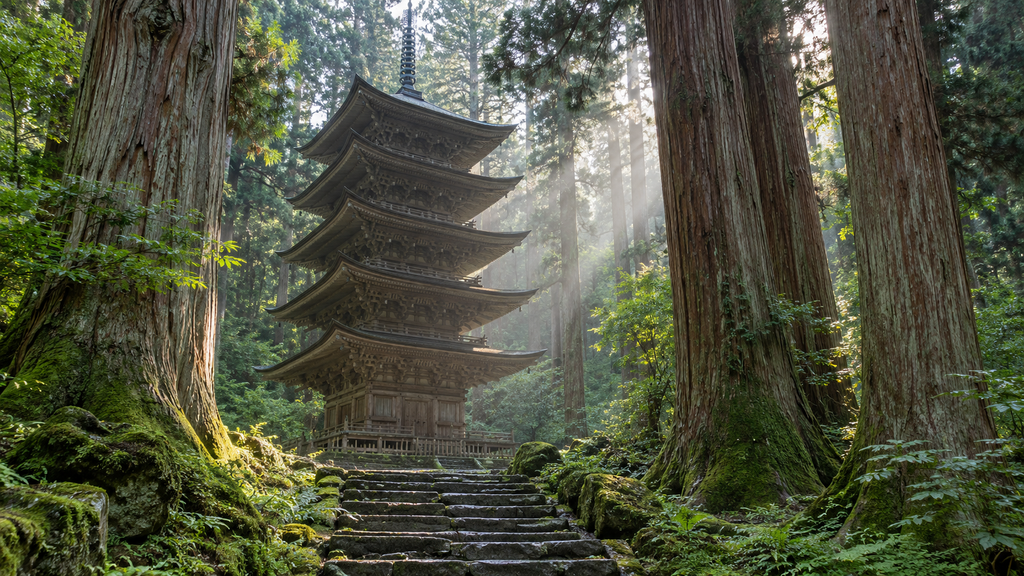
For first-time visitors, Mount Haguro is the most accessible. A long stone stairway passes through an ancient cedar forest, and a five-story pagoda stands quietly among the trees. The setting feels mysterious even without detailed knowledge of Japanese religion.
Mount Gassan and Mount Yudono are more seasonal and require careful preparation. Mountain access can be restricted outside the warmer months, and proper hiking equipment may be necessary. Travelers interested in the full pilgrimage should plan around official opening periods and consider joining a guided experience.
Japanese Perspective: Sacred Nature in Japan
At Dewa Sanzan, the mountain is not merely the background for a religious building. The mountain itself is sacred. Waterfalls, old trees, rocks, snow, and difficult paths all form part of spiritual practice.
This reflects an understanding found in both Shinto and Buddhist traditions: people are not completely separate from nature. Observe worshippers respectfully, avoid blocking paths, and ask permission before photographing people engaged in religious practice.
5. Cruise the Mogami River
The Mogami River flows through the heart of Yamagata and has long shaped transport, agriculture, poetry, and local life. Sightseeing boats offer a relaxed way to experience the valley, with seasonal scenery ranging from fresh summer greenery to snow-covered riverbanks.
Boatmen traditionally sing local river songs during the journey, and some winter services use heated kotatsu boats. The river is also associated with Matsuo Basho, connecting it culturally with Yamadera.
6. Discover Yonezawa and Samurai History
Yonezawa, in southern Yamagata, is known for its castle-town heritage and its connection to the powerful Uesugi clan. Uesugi Shrine, located within the former castle grounds, is the city’s main historical landmark.
Uesugi Yozan, a domain lord remembered for reform, education, and discipline, offers a useful contrast to the image of samurai history as only warfare.
Yonezawa is also the home of premium Yonezawa beef, making it an excellent stop for travelers interested in both history and food.
What to Eat in Yamagata
Yamagata’s cuisine reflects its snowy winters, fertile basins, mountain villages, and Sea of Japan coast. Food is not an optional extra here—it is one of the strongest reasons to visit.
Yonezawa Beef
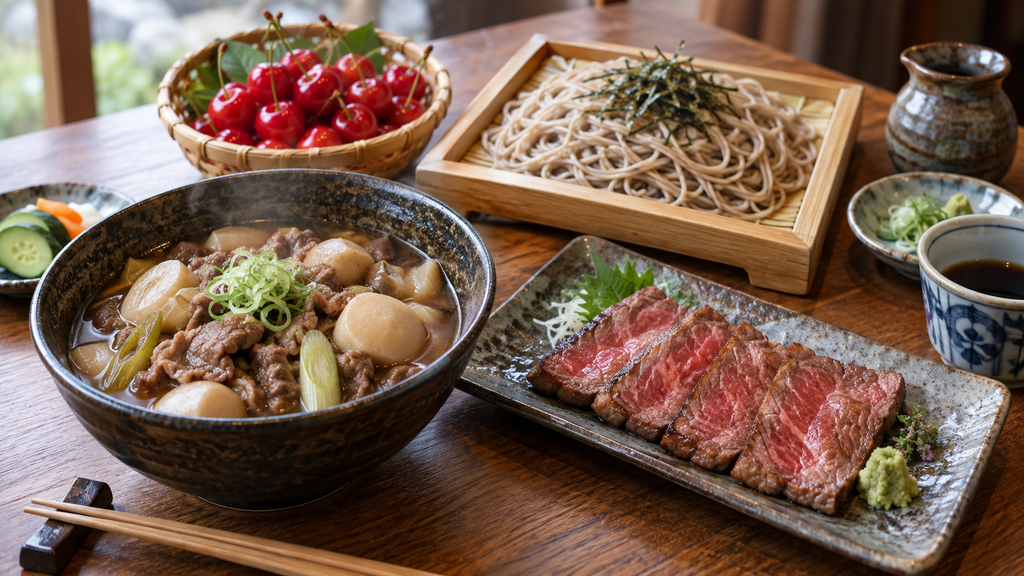
Yonezawa beef is one of Japan’s respected wagyu brands, known for fine marbling and rich, sweet fat. Try it as steak, sukiyaki, shabu-shabu, or grilled slices. Lunch sets are often a more affordable way to experience it.
Imoni
Imoni is a warming taro stew eaten across Yamagata, especially in autumn. Recipes vary by area. Around Yamagata City, it commonly uses beef and a soy sauce–based broth, while the Shonai region traditionally uses pork and miso.
Japanese Perspective: Imoni-kai and Community
The important cultural experience is not only the stew but the imoni-kai, or imoni gathering. Friends, families, school groups, and coworkers meet beside a river and cook together. Like cherry-blossom picnics in spring, imoni signals the arrival of a season and shows how food, cooperation, and group belonging are closely connected in Japan.
Cherries and Seasonal Fruit
Yamagata is Japan’s best-known cherry-growing region. Fresh cherries and orchard visits are associated with early summer. Grapes, pears, peaches, apples, and watermelons are also grown here.
Soba, Ramen, and Local Specialties
Look for rustic ita soba, served on a long wooden board, and hiyashi ramen, a chilled ramen style associated with Yamagata City. Konnyaku, pickles, mountain vegetables, and sake also reflect local ingredients and preservation traditions.
Best Time to Visit Yamagata
Spring: Cherry Blossoms and Mild Weather
Spring is comfortable for city walks, temple visits, and castle parks. Snow may remain in mountain areas after the cities have warmed, so check seasonal access before planning hikes.
Early Summer: Cherries and Green Landscapes
Early summer is especially attractive for fruit lovers. The countryside becomes vividly green, and the weather is generally easier for walking than in the hottest part of summer.
Autumn: Foliage and Imoni Season
Autumn is one of the best all-round seasons. Mountain foliage, harvest foods, and imoni gatherings make the prefecture feel especially lively. Popular foliage locations and weekend accommodation can become busy.
Winter: Snow Monsters and Onsen
Winter creates Yamagata’s most iconic scenery. It is the best season for Zao’s juhyo, skiing, and snow-covered onsen towns. However, heavy snow can disrupt transport, daylight is limited, and icy roads require caution. Build extra time into your itinerary.
How to Get to and Around Yamagata
The Yamagata Shinkansen runs directly from Tokyo to Yonezawa, Yamagata, and Shinjo. Yamagata Station is the most convenient base for Yamadera, Zao Onsen, and central sightseeing.
The prefecture is geographically large. Ginzan Onsen, Dewa Sanzan, the Mogami River, and the Shonai coast are not all close to Yamagata City, even if they appear together on a prefecture map. Local trains and buses are useful, but services may be infrequent in rural areas.
For a focused city-and-mountain trip, public transportation is sufficient. For remote temples, orchards, scenic drives, or a multi-area itinerary, a rental car can save considerable time. In winter, only drive if you are confident in snowy conditions and the vehicle is properly equipped.
Always check current timetables, reservation requirements, and seasonal closures on official websites before departure.
How Many Days Do You Need in Yamagata?
Two days can cover Yamagata City, Yamadera, and either Zao Onsen or another nearby destination, but three to four days is a better first visit.
Suggested 3-Day Yamagata Itinerary
Day 1: Yamagata City and Yamadera
Travel from Tokyo, leave your luggage near Yamagata Station, and spend the afternoon at Yamadera. Return for a local dinner of soba, ramen, or imoni.
Day 2: Zao Onsen
Take the bus to Zao Onsen. Ride the ropeway, explore the mountain according to the season, enjoy a hot spring bath, and stay overnight if possible.
Day 3: Choose Ginzan Onsen or Yonezawa
Choose Ginzan Onsen for nostalgic scenery and a ryokan experience, or Yonezawa for samurai history and wagyu. Travelers continuing to Dewa Sanzan or the Shonai region should add at least one or two more nights.
Practical Travel Tips
- Reserve popular accommodation early. Ginzan Onsen and winter stays around Zao can sell out well ahead of travel dates.
- Plan by area, not only by attraction. Combining distant locations in one day may create more travel time than sightseeing time.
- Carry some cash. Smaller restaurants, baths, buses, and rural facilities may not accept every international card.
- Wear suitable shoes. Yamadera has many stone steps, while winter streets and temple approaches may be icy.
- Pack for temperature changes. Mountain conditions can be much colder than Yamagata City.
- Check the final connection. Rural buses may operate only a few times a day, and seasonal schedules can change.
- Respect quiet spaces. Temples, shrines, pilgrimage routes, and communal baths are active cultural spaces, not only tourist attractions.
Frequently Asked Questions About Yamagata
Is Yamagata worth visiting for first-time travelers to Japan?
Yes, especially if you want temples, hot springs, food, and seasonal nature without the constant crowds of Japan’s most famous cities. It works best after you have allowed enough time for Tokyo, Kyoto, or other major destinations.
Can I visit Yamagata as a day trip from Tokyo?
It is possible to visit Yamagata City or Yamadera in a long day, but an overnight stay is much more rewarding. Attractions are spread across the prefecture, and onsen towns are best experienced after day visitors leave.
Do I need a car in Yamagata?
Not for a basic itinerary centered on Yamagata City, Yamadera, and Zao Onsen. A car becomes more useful when visiting multiple rural areas, orchards, or remote cultural sites. Winter driving requires appropriate experience and equipment.
When can I see the Zao snow monsters?
They form during winter and are generally most impressive in the coldest part of the season. Conditions vary each year, so check official ropeway and tourism updates before your trip.
Is Ginzan Onsen possible without staying overnight?
Day visits are possible, subject to current local access rules, but an overnight stay provides the classic experience. Accommodation is limited, so reserve well in advance.
What food is Yamagata famous for?
The best-known specialties include cherries, Yonezawa beef, imoni, ita soba, chilled ramen, konnyaku dishes, seasonal fruit, and local sake.
Final Thoughts: Who Will Love Yamagata?
Yamagata is perfect for travelers who prefer meaningful landscapes to a checklist of famous landmarks. Its appeal lies in climbing toward a temple through a silent forest, warming up in an onsen after snow, tasting a stew connected to community life, and discovering how spiritual traditions remain present in the mountains.
It is not a destination to rush. Choose one or two areas, leave room for weather and slow transport, and allow the seasons to shape your journey. In return, Yamagata offers a side of Japan that feels both deeply traditional and quietly alive.
Explore More of Tohoku
Yamagata’s mountain temples, hot springs and seasonal landscapes are part of a much larger northern Japan journey. Neighboring prefectures offer different expressions of Tohoku’s history, nature and regional culture.
Miyagi Travel Guide
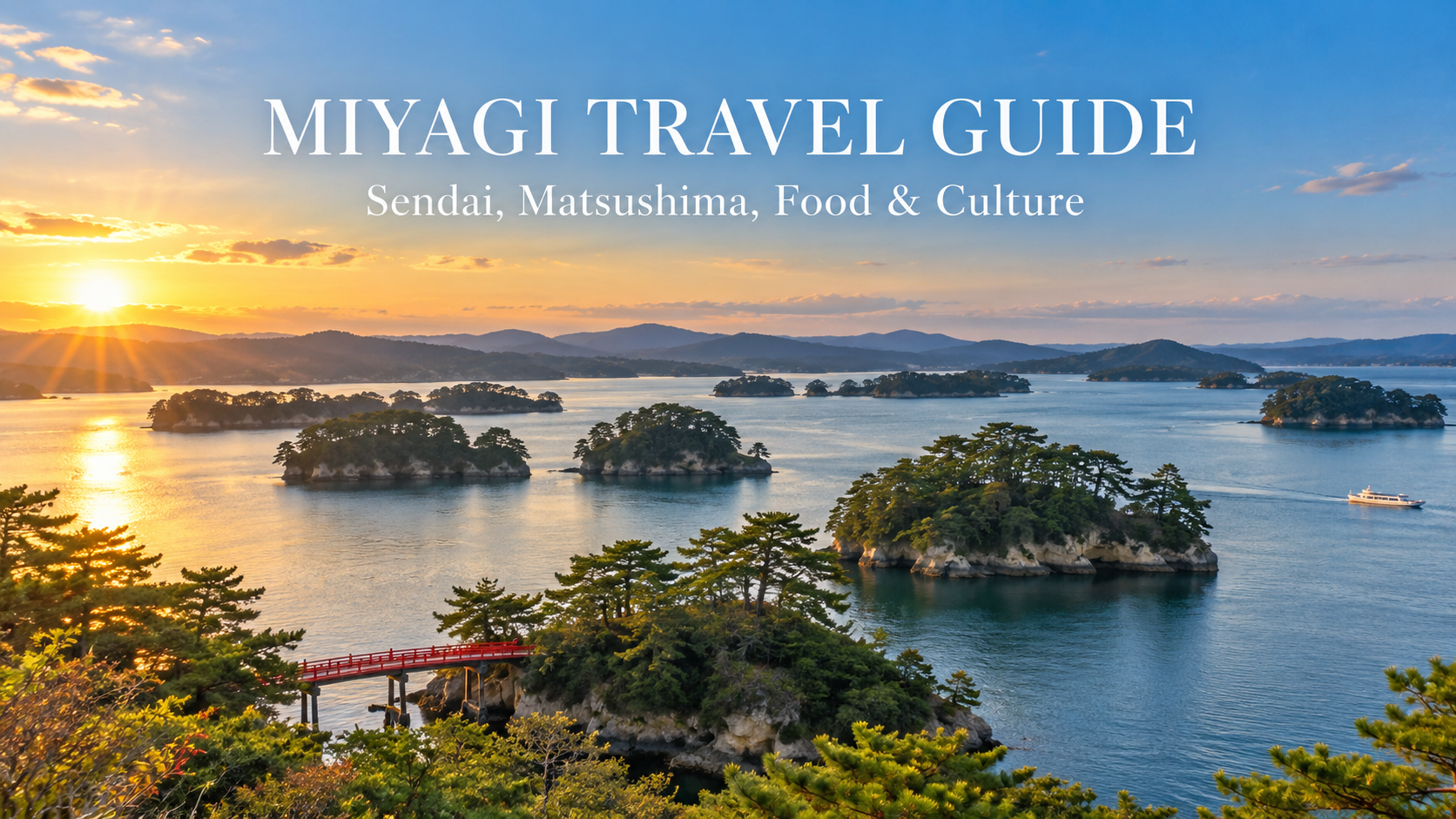
Travel east toward Sendai and Matsushima for Date Masamune’s samurai history, beautiful island scenery and some of Tohoku’s best seafood. Mount Zao also connects the landscapes of Miyagi and Yamagata.
Read next: Miyagi Travel Guide for First-Time Visitors: Sendai, Matsushima, Food & Culture
Akita Travel Guide
Continue north into Akita for Kakunodate’s preserved samurai district, Lake Tazawa and the secluded mountain baths of Nyuto Onsen.
Read next: Akita Travel Guide: Best Places, Onsen, Food & Culture
Fukushima Travel Guide
Head south for Aizu-Wakamatsu, Ouchi-juku, Urabandai and scenic mountain landscapes where samurai history and rural traditions remain an important part of local identity.
Read next: Fukushima Travel Guide for First-Time Visitors: Samurai Towns, Nature, Food & Recovery
Discover more northern Japan destinations through our Tohoku Travel Guides.