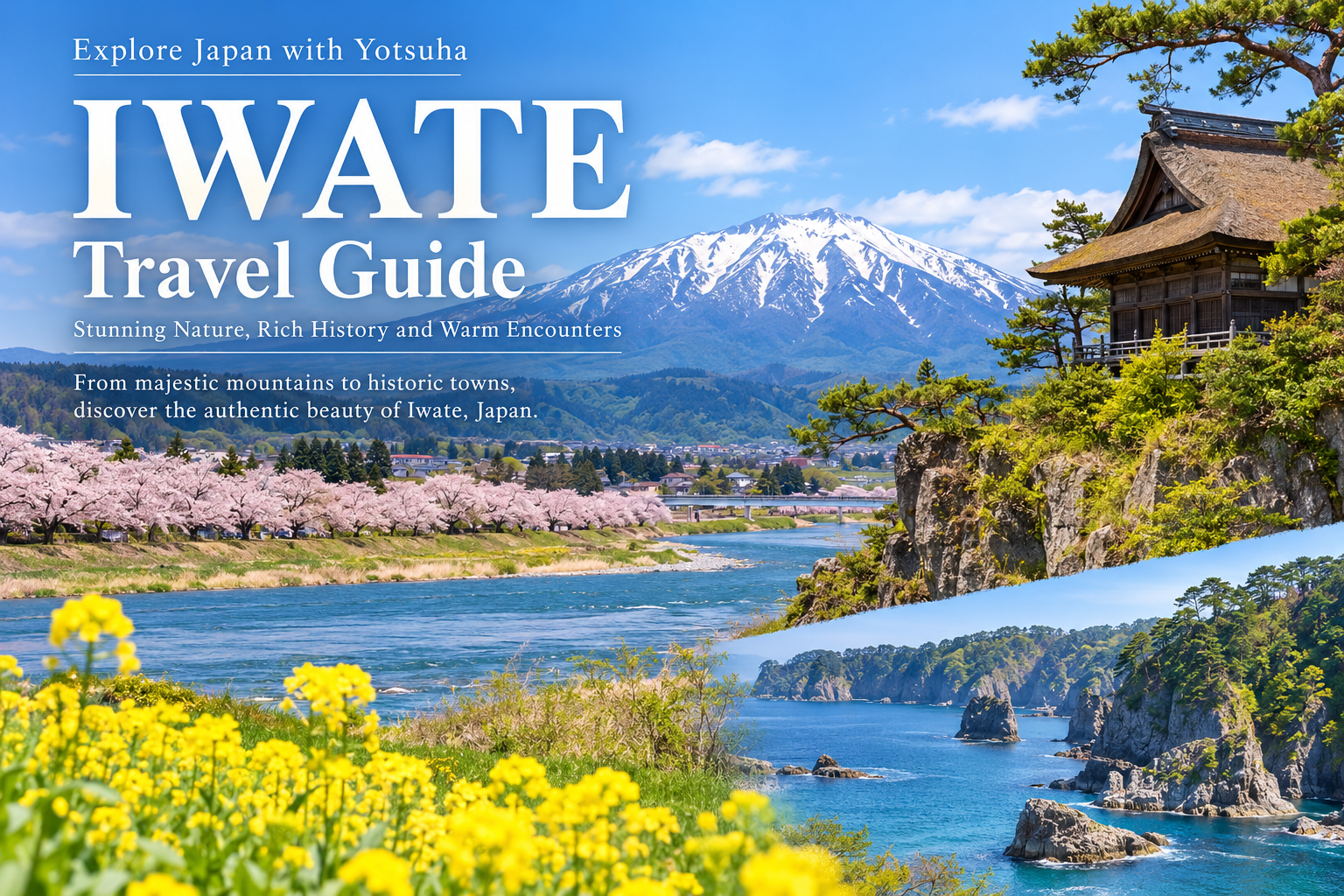
wate Prefecture is one of Japan’s best destinations for travelers who want to combine history, dramatic nature, regional food, and a slower journey through Tohoku.
It is one of the largest prefectures in Japan, stretching from mountainous inland areas to the rugged Pacific coastline. Within a single trip, you can explore World Heritage temples in Hiraizumi, gaze across the blue waters of Jodogahama, soak in a mountain hot spring, eat Morioka’s famous noodles, and travel through quiet rural landscapes.
Iwate is also a place where history and nature are closely connected. Buddhist ideas shaped Hiraizumi, food traditions reflect local hospitality, and the Sanriku Coast carries both extraordinary beauty and memories of the 2011 disaster.
For visitors looking beyond Tokyo and Kyoto, Iwate offers a different way to experience Japan through landscape, food, history, and community.
Why Visit Iwate?
Iwate is ideal for travelers who prefer meaningful regional experiences to crowded sightseeing.
The prefecture is especially rewarding if you enjoy:
- UNESCO World Heritage and Japanese history
- Buddhist temples and traditional gardens
- dramatic coastal scenery
- mountain hot springs and seasonal landscapes
- local noodles, seafood, and sake
- river cruises, caves, and outdoor activities
- folklore and rural culture
- destinations with fewer international tourists
Because Iwate is large, it is better to focus on a few areas rather than try to see everything quickly. Hiraizumi and Ichinoseki work well together in the south, Morioka makes a convenient central base, while the Sanriku Coast deserves at least a full day.
1. Hiraizumi — Discover a Buddhist Vision of Paradise
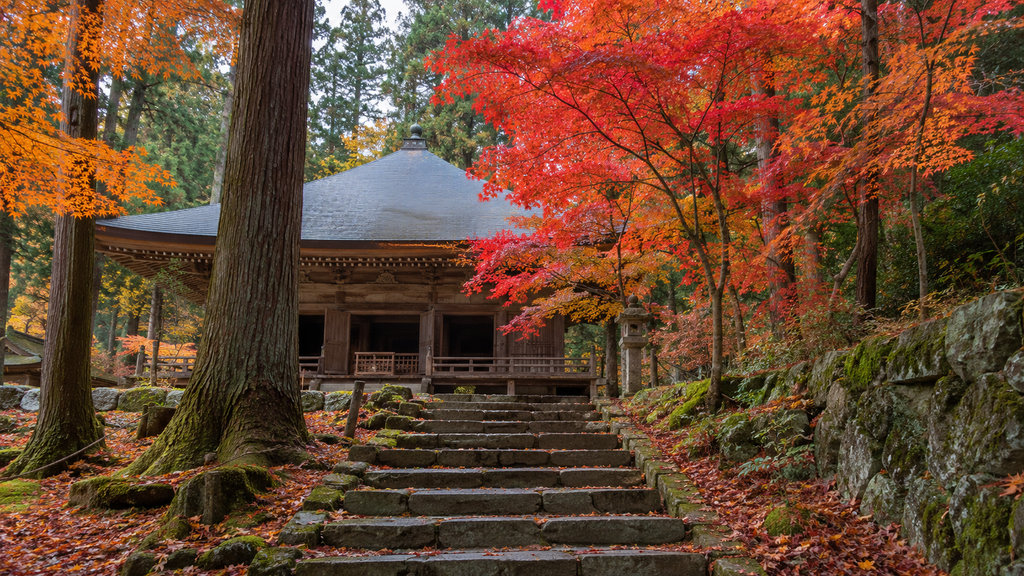
Hiraizumi is the cultural heart of Iwate and one of the most important historical destinations in northern Japan.
During the 11th and 12th centuries, the powerful Oshu Fujiwara clan developed the area into a wealthy political and cultural center. Today, Hiraizumi – Temples, Gardens and Archaeological Sites Representing the Buddhist Pure Land is recognized as a UNESCO World Heritage Site.
The two essential stops are Chusonji Temple and Motsuji Temple.
Chusonji Temple and the Golden Hall
Chusonji is approached through a peaceful forest of tall cedar trees. Its best-known treasure is Konjikido, the Golden Hall, an ornate 12th-century structure covered in gold leaf and decorated with extraordinary craftsmanship.
The hall reflects the wealth of the Oshu Fujiwara, while the wooded temple grounds create a much quieter atmosphere.
Motsuji Temple and the Pure Land Garden
Nearby Motsuji is famous for its Pure Land garden.
A broad pond sits at the center of a carefully designed landscape intended to express a Buddhist image of paradise. Water, stones, trees, and the surrounding mountains all contribute to the composition.
Japanese Perspective: Beauty, Buddhism, and Impermanence
For travelers unfamiliar with Japanese Buddhism, the idea of the Pure Land may seem abstract.
In Pure Land Buddhism, paradise is associated with Amida Buddha and a world free from suffering. The rulers of Hiraizumi attempted to express this ideal through real gardens and architecture.
This is why the landscape matters as much as the buildings.
Hiraizumi also carries another important Japanese idea: mujo, or impermanence.
The city once represented enormous wealth and power, but that world disappeared. Centuries later, the poet Matsuo Basho visited the area and reflected on how quickly human glory fades.
That sensitivity to things passing away appears throughout Japanese culture—from cherry blossoms to autumn leaves—and Hiraizumi is one of the best places to feel it.
2. Jodogahama and the Sanriku Coast — Iwate’s Pacific Beauty
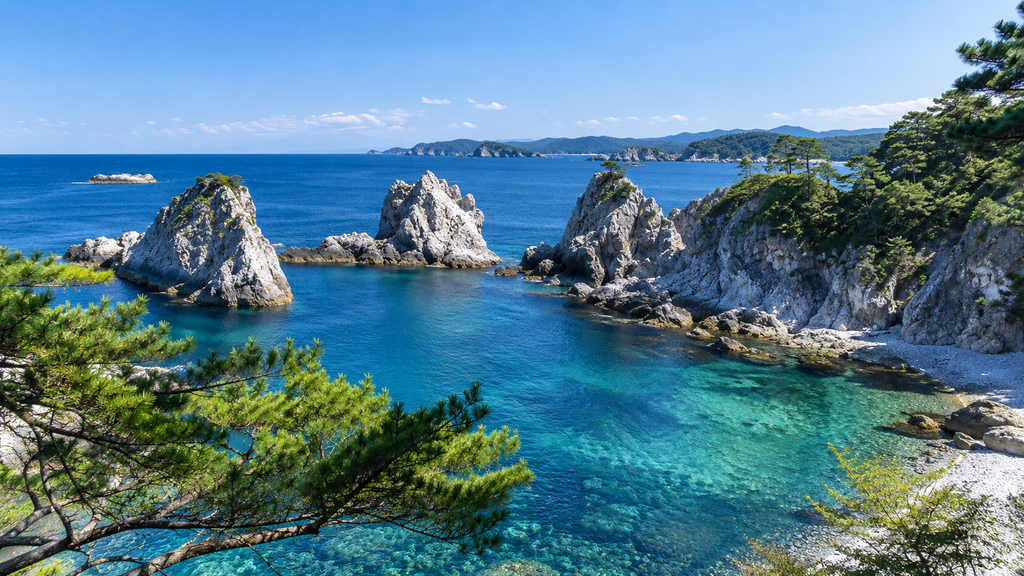
On the Pacific side of Iwate, Jodogahama near Miyako offers one of the prefecture’s most memorable natural landscapes.
White rock formations rise from calm blue water, while pine trees cling to the surrounding coast. The name Jodogahama means roughly “Pure Land Beach,” a reference to the Buddhist paradise.
The area forms part of Sanriku Fukko National Park and can be enjoyed through walking paths, viewpoints, boat activities, and beach visits depending on the season.
Miyako is also an excellent place for fresh seafood, including fish, shellfish, and seasonal specialties from the Sanriku Coast.
A Coast of Beauty and Memory
The Sanriku Coast cannot be understood only as a scenic destination.
Coastal communities in Iwate were severely affected by the Great East Japan Earthquake and tsunami of March 11, 2011. Today, memorials, museums, reconstructed towns, disaster-prevention facilities, and preserved sites share the story of what happened.
Japanese Perspective: Visiting with Respect
These places provide an opportunity to learn about disaster preparedness, recovery, and the strength of local communities. Treat memorial sites with respect and remember that the landscape is connected to real families and neighborhoods. Tourism can also support communities continuing to rebuild.
3. Hachimantai and Appi Kogen — Mountains, Onsen, and Four Seasons
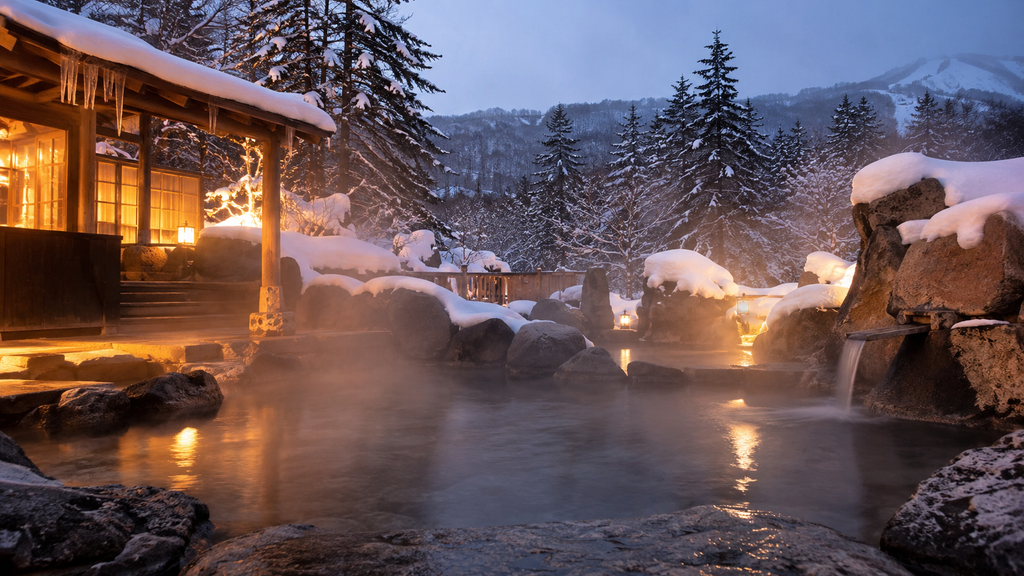
Northern Iwate is dominated by mountains, forests, highlands, ski areas, and hot springs.
The Mount Iwate–Hachimantai–Appi Kogen area is particularly attractive for travelers who want outdoor experiences away from cities. Depending on the season, you can hike through alpine scenery, enjoy autumn foliage, ski on deep winter snow, or relax in onsen surrounded by mountains.
The Mount Iwate–Hachimantai–Appi Kogen Trail runs for around 50 kilometers, but shorter walks, scenic drives, and hot spring stays make the area accessible even if you are not a serious hiker.
Why Stay at an Onsen?
A mountain onsen stay is one of the best ways to understand Japanese domestic travel.
Arrive in the afternoon, change into a yukata, take a bath, enjoy dinner, and let the evening slow down naturally.
Japanese Perspective: “Yukkuri Suru”
The expression yukkuri suru means to take your time and relax.
Japanese travel is not always about seeing as many attractions as possible. A quiet bath, a seasonal dinner, snow outside a window, or an early morning walk can be the main purpose of the trip.
In mountain areas like Hachimantai, doing less can actually make the experience richer.
4. Morioka — Castle-Town History and Famous Local Noodles
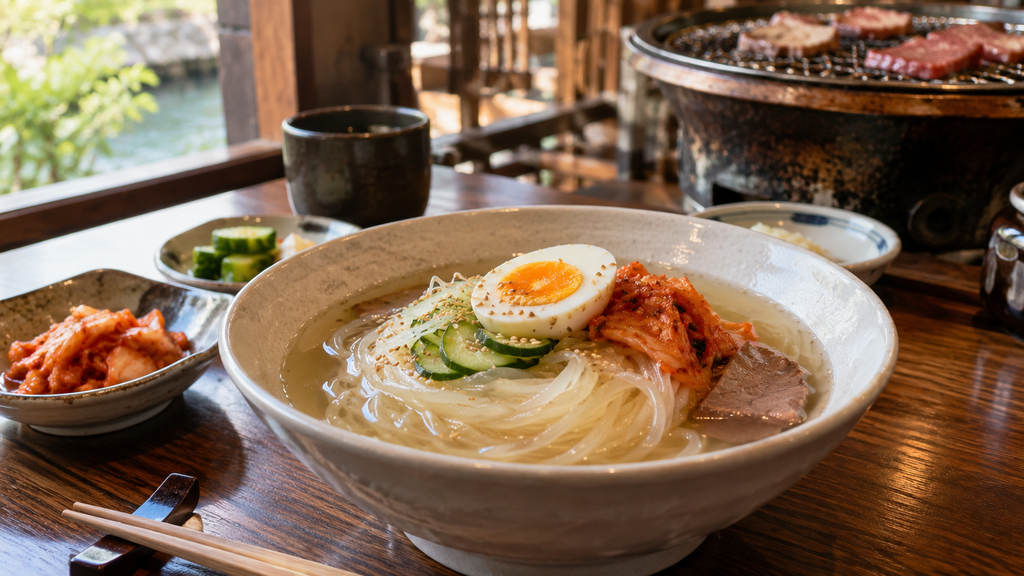
Morioka is Iwate’s prefectural capital and the easiest base for many first-time visitors.
The city is compact enough to explore comfortably, with rivers flowing through the center and Mt. Iwate visible on clear days. It also has one of Tohoku’s strongest local food identities.
Morioka is famous for three noodle traditions:
- Wanko soba
- Morioka reimen
- Morioka jajamen
Wanko Soba — Hospitality as an Experience
Wanko soba is probably the most entertaining.
Instead of receiving one large serving, diners are given a small bowl of soba. A server repeatedly adds another bite-sized portion as soon as the bowl is empty.
The meal feels like a friendly eating challenge, but its roots are connected to hospitality.
Japanese Perspective: Wanko Soba and Omotenashi
The Japanese word omotenashi is often translated as hospitality, but it includes the idea of anticipating a guest’s needs and making them feel cared for.
Wanko soba turns that idea into something visible: the guest’s bowl should not stay empty.
Counting bowls makes the meal playful, while the custom still reflects pride in feeding guests generously.
Morioka Reimen and Jajamen
Morioka reimen features chewy cold noodles in a refreshing chilled broth, often served with kimchi, egg, cucumber, and other toppings.
Jajamen uses thick noodles with savory meat-miso sauce. Many diners finish by adding egg and hot noodle water to create a soup called chiitantan.
5. Morioka Castle Ruins Park — A City Shaped by History
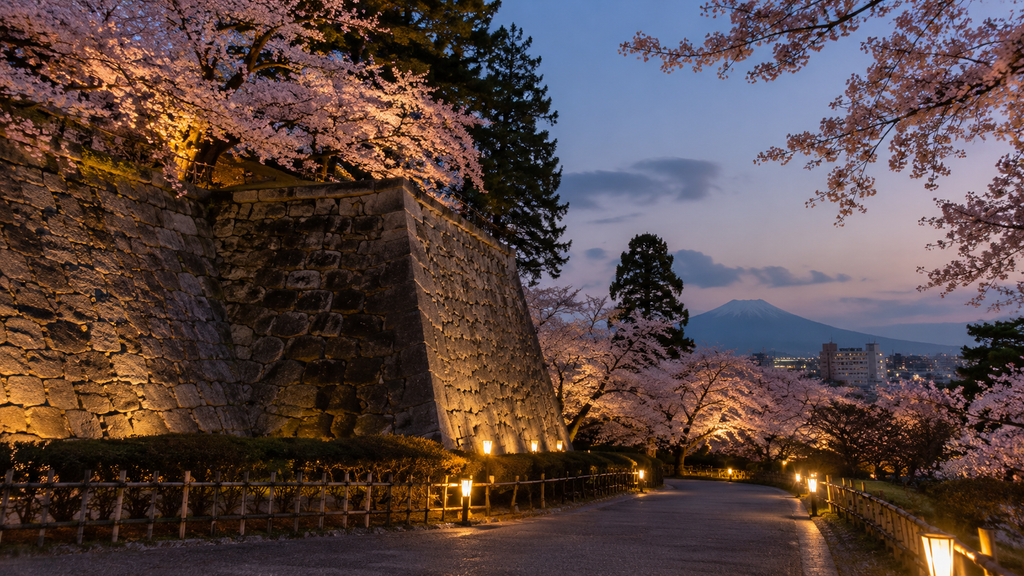
In central Morioka, Morioka Castle Ruins Park preserves the stone walls of the former castle.
Construction began in the late 16th century, and the castle served as the political center of the local domain for generations. Most original buildings were later removed, but the large granite stone walls remain.
Today, the ruins are part of a public park and are particularly attractive during cherry blossom season and autumn.
The park is also connected to two famous literary figures from Iwate: poet Takuboku Ishikawa and writer Kenji Miyazawa.
Japanese Perspective: Why Ruins Still Matter
Some international visitors are surprised that a famous Japanese “castle” may no longer have a main tower.
But Japanese historical sites are not always valued only for surviving buildings.
Stone walls, earthworks, old roads, poems, monuments, and the shape of a town can preserve historical memory even when the original architecture has disappeared.
At Morioka Castle Ruins, the absence of the castle is part of the story.
More Places Worth Adding to an Iwate Trip
Iwate is too large to cover in one short visit. If you have extra time, consider these destinations.
Geibikei Gorge
Near Ichinoseki, Geibikei is a roughly two-kilometer river gorge surrounded by steep limestone cliffs.
The classic experience is a traditional flat-bottomed boat ride guided by a boatman using a long pole.
Ryusendo Cave
Ryusendo Cave in Iwaizumi is famous for its clear underground lakes.
Three underground lakes are open to visitors, with lighting revealing vivid blue water beneath the limestone formations. Because the cave is remote, transport requires planning.
Tono
Tono is one of Japan’s most famous areas for folklore.
The region became widely known through stories collected in The Legends of Tono, which describes spirits, strange creatures, mountain beliefs, and rural traditions.
For visitors interested in yokai or Japanese folklore, Tono adds a different dimension to an Iwate itinerary.
What to Eat in Iwate
Morioka’s noodles are only the beginning.
Coastal Iwate is known for fresh seafood, while inland areas produce beef, dairy products, vegetables, sake, and regional sweets.
Look for:
- wanko soba
- Morioka reimen
- Morioka jajamen
- Sanriku seafood
- Maesawa beef
- local sake
- regional dairy products and sweets
Food changes as you travel across the prefecture, which is another reason not to treat Iwate as a single destination.
Best Time to Visit Iwate
Spring: April to May
Spring brings cherry blossoms to Morioka, Kitakami, and other inland areas.
Temperatures are comfortable, although mountain areas may still have snow.
Summer: June to August
Summer is ideal for coastal travel, hiking, green mountain scenery, and outdoor activities.
Autumn: September to November
Autumn is one of the best seasons for Hiraizumi, Geibikei Gorge, Hachimantai, and mountain roads.
Colors often begin earlier in high-elevation areas before moving into cities.
Winter: December to March
Winter is excellent for skiing, onsen, snow scenery, and a quieter travel atmosphere.
However, snow and ice can affect road conditions and transportation, so allow additional travel time.
How to Get to Iwate
For most international visitors, the Tohoku Shinkansen is the easiest way to reach Iwate.
Fast Hayabusa services connect Tokyo and Morioka in a little over two hours on many schedules.
For Hiraizumi, take the Tohoku Shinkansen to Ichinoseki Station, then transfer to a local train for Hiraizumi. The full trip from Tokyo is roughly two hours and 40 minutes.
Morioka is the main transportation hub for central and northern Iwate.
The Sanriku Coast is farther from the Shinkansen line, so reaching Miyako and Jodogahama requires additional train or bus travel.
A rental car can be useful for rural areas, especially Hachimantai, Tono, and some coastal destinations, but winter driving requires experience with snow and ice.
Recommended 3-Day Iwate Itinerary
Day 1 — Hiraizumi
Travel from Tokyo to Ichinoseki and continue to Hiraizumi.
Visit Chusonji and Motsuji, then stay in the Hiraizumi or Ichinoseki area.
Day 2 — Morioka
Travel north to Morioka.
Explore Morioka Castle Ruins Park, walk through the city center, and try one or more of the famous noodle dishes.
Stay overnight in Morioka.
Day 3 — Choose Coast or Mountains
For nature and seafood, travel to Miyako and Jodogahama.
For hiking, onsen, or winter activities, head toward Hachimantai and Appi Kogen.
If you have four or five days, Iwate becomes much easier to explore at a relaxed pace.
Practical Tips for Visiting Iwate
Iwate is much larger than many visitors expect. Travel times between inland and coastal areas can be significant.
Do not build an itinerary based only on map distance. Check train and bus schedules carefully, especially in rural areas.
For remote onsen or countryside accommodation, booking dinner and breakfast can be convenient because nearby restaurants may close early.
Weather also varies considerably between the coast, cities, and mountains.
Most importantly, avoid rushing.
Iwate rewards travelers who give each area enough time to develop its own atmosphere.
Frequently Asked Questions About Iwate
What is Iwate famous for?
Iwate is famous for Hiraizumi, Chusonji’s Golden Hall, the Sanriku Coast, Jodogahama, Morioka’s three great noodle dishes, Geibikei Gorge, Ryusendo Cave, hot springs, and folklore associated with Tono.
How many days do you need in Iwate?
Three days is a good minimum for Hiraizumi, Morioka, and one additional area. Four to five days are better for adding the Sanriku Coast or mountain destinations.
Can you visit Iwate without a car?
Yes. Hiraizumi, Morioka, and several major attractions are accessible by public transportation. A car is more useful for remote mountain and rural areas.
Is Iwate good for first-time visitors to Japan?
It can be, especially for travelers interested in history and nature. However, it is easiest to combine Iwate with Tokyo or another major city.
When is the best time to visit Iwate?
Spring and autumn are excellent for sightseeing. Summer is good for the coast and hiking, while winter is ideal for snow, skiing, and onsen.
A Japanese Perspective on Traveling in Iwate
Iwate reveals several themes that appear repeatedly in Japanese culture.
Hiraizumi shows how religion can be expressed through landscape rather than architecture alone.
Morioka’s food traditions show how hospitality can become part of a meal.
The Sanriku Coast demonstrates how communities preserve difficult memories while continuing to rebuild.
Mountain onsen remind visitors that travel does not always need to be busy.
Together, these experiences show a side of Japan in which place, season, history, food, and community are deeply connected.
That connection is what makes Iwate more than a collection of attractions.
Final Thoughts
Iwate is one of the best prefectures for travelers who want to explore northern Japan at a slower pace.
Its World Heritage temples, Pacific coastline, mountain scenery, regional noodles, hot springs, folklore, and quiet cities provide experiences that feel very different from Japan’s most famous tourist routes.
If you have already visited Tokyo and Kyoto, Iwate can show you another Japan.
And if this is your first journey into Tohoku, it is an excellent place to begin.
Explore More of Tohoku
Iwate combines Buddhist history, rugged coastline, mountain scenery and regional food. From here, continue your journey north, west or south through the diverse landscapes of Tohoku.
Aomori Travel Guide
Travel north for colorful Nebuta festivals, Hirosaki, apple orchards, Oirase Gorge, Lake Towada and the distinctive food culture of Japan’s northernmost Honshu prefecture.
Read next: Aomori Travel Guide for First-Time Visitors: Best Places, Food, Festivals & Seasons
Akita Travel Guide
Head west for Kakunodate’s samurai district, Lake Tazawa and Nyuto Onsen, where mountain scenery and traditional hot-spring culture create a slower side of Tohoku.
Read next: Akita Travel Guide: Best Places, Onsen, Food & Culture
Miyagi Travel Guide
Continue south along the Sanriku side of Tohoku to Sendai and Matsushima for samurai history, coastal scenery, seafood and hot springs.
Read next: Miyagi Travel Guide for First-Time Visitors: Sendai, Matsushima, Food & Culture
Explore the rest of the region through our Tohoku Travel Guides.
Editorial Verification Notes — Remove Before Publication if Desired
Official sources checked in September 2026:
- JNTO — Iwate: https://www.japan.travel/en/destinations/tohoku/iwate/
- JNTO — Hiraizumi UNESCO: https://www.japan.travel/en/world-heritage/hiraizumi/
- JNTO — Chusonji Temple: https://www.japan.travel/en/spot/1803/
- JNTO — Jodogahama Beach: https://www.japan.travel/en/spot/1815/
- JNTO — Geibikei Gorge: https://www.japan.travel/en/spot/1808/
- JNTO — Ryusendo Cave: https://www.japan.travel/en/spot/1814/
- JNTO — Morioka Castle: https://www.japan.travel/en/spot/657/
- National Parks of Japan — Mount Iwate–Hachimantai–Appi Kogen Trail: https://www.japan.travel/national-parks/parks/towada-hachimantai/see-and-do/mount-iwate-hachimantai-appi-kogen-trail/
- JR East — current Tohoku Shinkansen timetables: https://timetables.jreast.co.jp/en/
Transport schedules, admission prices, festival dates, and seasonal access conditions can change. Recheck them before future major updates.