Okayama rewards travelers who enjoy looking closely. A pond changes shape as you follow a garden path, a warehouse wall reflects in a canal, and a simple ceramic cup reveals patterns created by fire. Between these experiences, seasonal fruit and regional dishes give the journey its own flavor.
Located in western Honshu’s Chugoku region, Okayama is convenient to reach by shinkansen. Its main city makes a useful base, but the prefecture offers much more than a stop between larger destinations. Kurashiki, the Kibi Plain, and the pottery town of Inbe each deserve time of their own.
This Okayama travel guide brings together major sights, practical planning advice, and a Japanese perspective on the traditions that make these places meaningful.
1. Take Your Time in Okayama Korakuen Garden
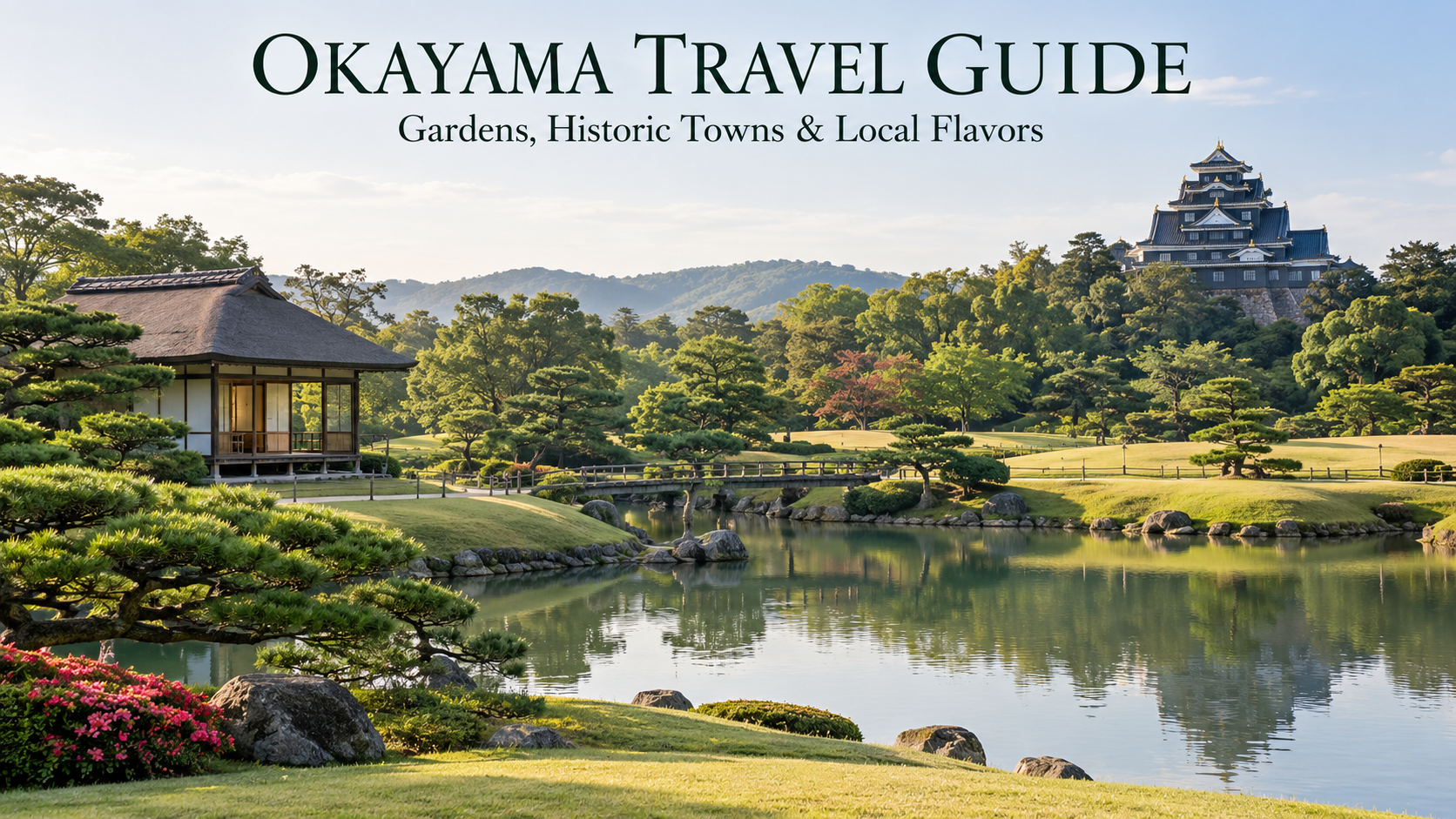
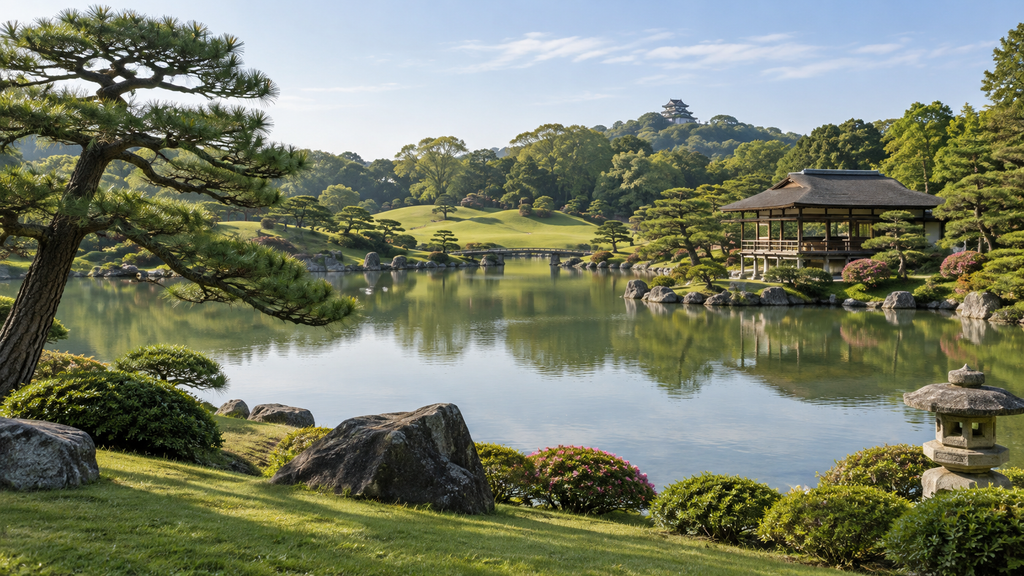
Okayama Korakuen is a spacious strolling garden associated with the Ikeda lords of the Okayama domain. Its broad lawns, ponds, paths, and carefully placed trees create an open landscape that feels different from a compact temple garden.
Rather than heading straight to a single photo spot, follow the paths and watch how the views change. A pavilion, a water surface, and a distant building can become part of the same composition from one position, then separate as you continue walking.
Allow time for a pause as well as the main circuit. Tea shops can provide a pleasant break when open, while the garden’s seasonal changes give different reasons to return. Check the official calendar for evening events; nighttime admission is not an everyday feature.
Japanese Perspective: A Garden Is Experienced Through Movement
A strolling garden invites you to notice a sequence of scenes. The experience comes from changing your viewpoint as much as from recognizing famous features. Stay on permitted paths, respect roped-off areas, and let other visitors enjoy the same outlook without a long photography session blocking the route.
Planning tip: Check opening hours for your travel season. Combine the garden with nearby Okayama Castle, leaving enough time for each instead of rushing both before closing.
2. Learn the Story Behind Okayama Castle
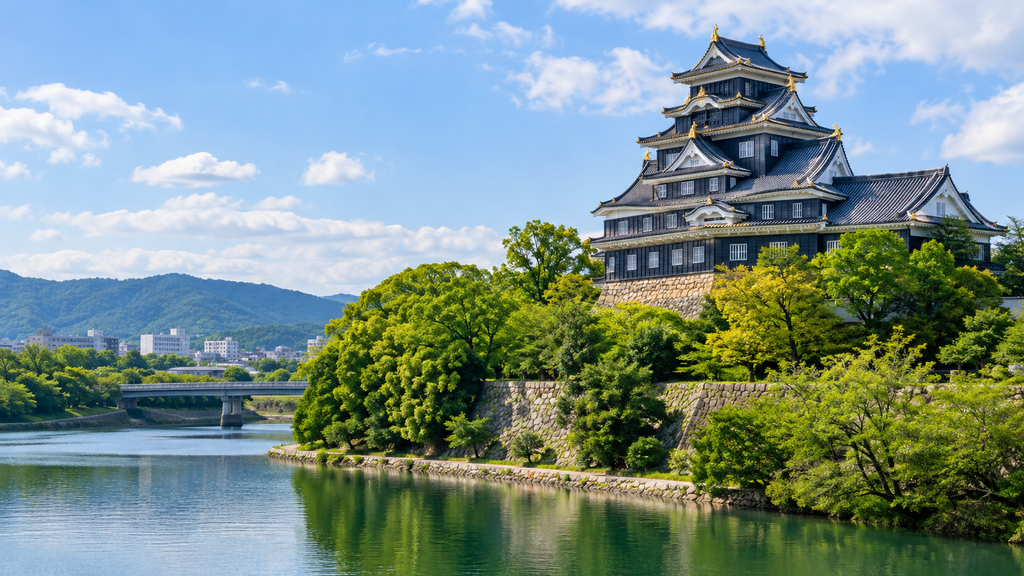
Okayama Castle stands beside the Asahi River, close to Korakuen. Its dark exterior explains the nickname Ujo, often translated as “Crow Castle.” The contrast between the castle and garden makes this a rewarding area for both history and photography.
The current main tower is a reconstruction completed in 1966 after the earlier tower was destroyed during World War II. Visit with that distinction in mind: the interior presents history through exhibitions rather than preserving an untouched samurai-era wooden keep.
Walk around the exterior before entering and notice how the castle relates to the river and surrounding city. Inside, use the displays to connect the building with the rulers and events that shaped Okayama.
Japanese Perspective: Reconstruction Can Preserve Local Memory
A rebuilt castle has a different history from an original surviving keep, but it can still hold strong meaning for a city. Understanding destruction and reconstruction helps you appreciate the site honestly, without expecting every visible element to come from the same period.
Planning tip: Check the castle’s current visitor information and ticket options. The nearby garden and castle can occupy much of a relaxed sightseeing day once lunch, walking, and breaks are included.
3. Explore Kurashiki’s Bikan Historical Quarter
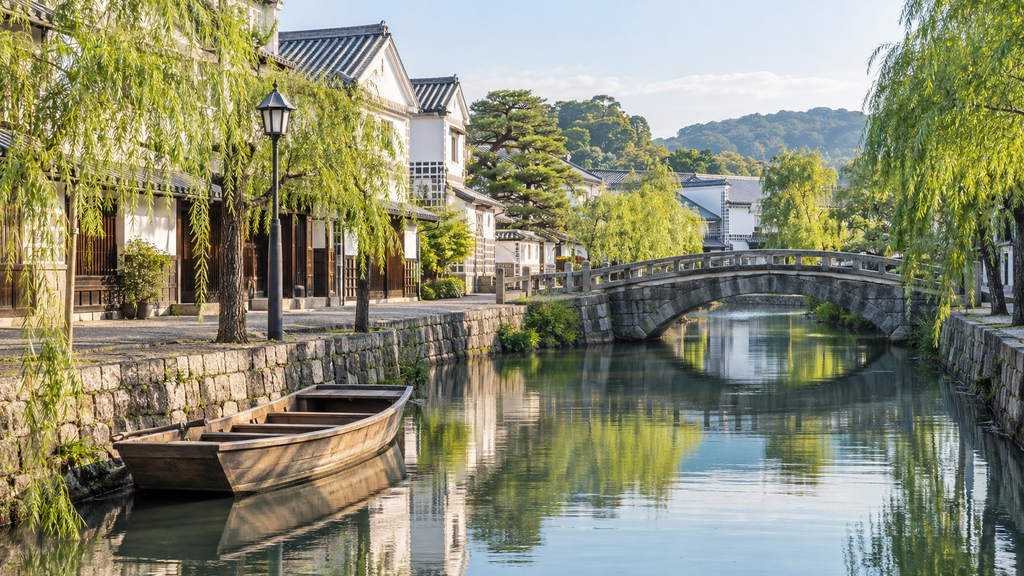
Kurashiki’s historic canal district combines white-walled storehouses, willow trees, bridges, and streets lined with shops and cafés. The area reflects the city’s commercial past, while today’s galleries and businesses give visitors reasons to linger beyond the best-known canal view.
Start with a walk along the water, then explore the side streets. Look for local textiles, small craft shops, or a café in a restored building. The Ohara Museum of Art is a worthwhile addition for travelers interested in art; check its opening calendar and allow dedicated time rather than fitting it into a few spare minutes.
Kurashiki is an easy rail outing from Okayama, but Kurashiki Station and the canal quarter are separate places. Include the walk from the station in your plan. Staying locally can also let you experience the streets earlier or later than the busiest sightseeing period.
Japanese Perspective: Preservation and Daily Use Can Work Together
An old warehouse does not need to remain unused to retain cultural value. In Kurashiki, restored buildings accommodate contemporary activity while preserving much of the streetscape. Notice the balance, and remember that a picturesque doorway may lead to a private space rather than a public attraction.
4. Discover the Kibi Plain and Bitchu Kokubunji
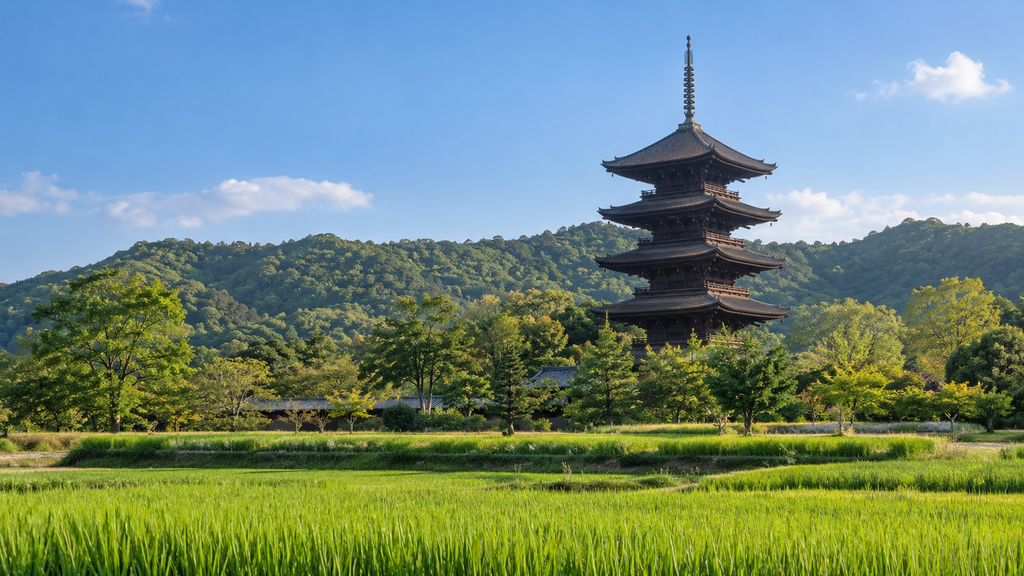
The Kibi Plain, often introduced to visitors through the Kibiji area, offers a countryside excursion among fields, settlements, and historical sites. The five-story pagoda of Bitchu Kokubunji is a memorable landmark against the surrounding rural landscape.
Cycling is one way to explore, and established routes connect a selection of temples, shrines, and ancient sites. Choose a route suited to your fitness and available time instead of assuming every suggested circuit is the same length. Check bike availability, helmets, rental hours, and return arrangements before setting out.
You can also plan a shorter visit centered on one destination. The rural setting is part of the appeal, so there is no need to turn the day into a checklist of every historical site on the map.
Japanese Perspective: Countryside Scenery Is Also a Workplace
Fields around a famous pagoda are working agricultural land. Stay on public routes, avoid stepping into crops for a photograph, and give local traffic room. Near temples and shrines, follow signs and move quietly around people who have come to worship.
Planning tip: Carry water and allow a weather alternative. A largely level cycling route can still feel demanding in summer heat or rain.
5. Encounter Bizen Pottery in Inbe
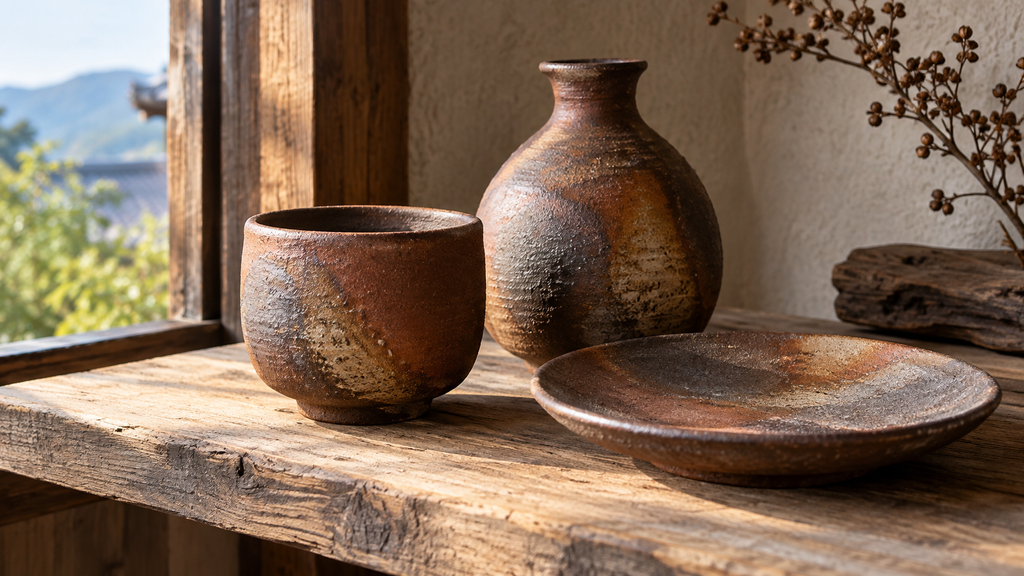
Bizen pottery is known for its earthy surfaces and unglazed appearance. Color and markings emerge through the relationship between clay, kiln conditions, and firing, giving individual pieces subtle differences.
Inbe, also written Imbe, is a good place to explore the tradition through shops and galleries. Look at several pieces side by side: one cup may have a deep reddish tone, another an ash-marked surface or a striking trace of the firing process.
If you want to try a workshop, book ahead and ask how the finished piece will reach you. Clay must be dried and fired, so making something does not usually mean taking the finished object home that afternoon. Overseas shipping, timing, and charges vary by provider.
Japanese Perspective: Craft Can Belong to Everyday Life
A handmade cup can be appreciated through use as well as display. Its weight, rim, and texture become part of an ordinary tea or coffee break. Ask the maker or shop about care instructions and suitability for your intended use rather than assuming every ceramic item can go in a dishwasher or microwave.
Planning tip: Allow a half-day or longer if pottery is a major interest. Check shop days and train connections so that the journey leaves enough time to browse.
6. What to Eat in Okayama
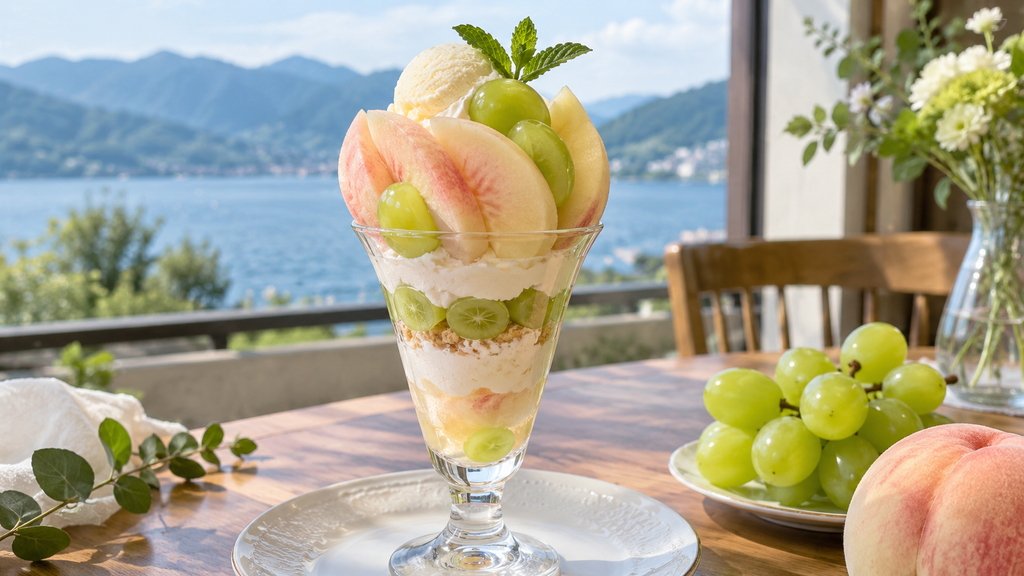
White peaches and grapes are closely associated with Okayama’s food identity. A fruit parfait is an approachable way to enjoy seasonal produce, but the fruit used varies with the shop and time of year. Fresh peaches are a seasonal treat, not something to expect on every winter menu.
Kibi dango is another familiar souvenir. These small sweets are associated with Okayama’s Momotaro imagery and make an easy introduction to the area’s gift culture. Check ingredients and storage instructions, especially if buying them to take home.
For a savory meal, consider ebimeshi, a local shrimp rice dish known for its dark sauce-seasoned appearance. It offers a casual alternative to planning every meal around a famous dessert or a formal restaurant.
Leave time to explore ordinary cafés and restaurants around your accommodation as well. Regional food is often most enjoyable when it fits naturally into the day, rather than requiring a long journey solely to join one queue.
Best Seasons to Visit Okayama
Spring and autumn are comfortable choices for garden walks, historic districts, and countryside outings. Blossom and foliage dates depend on the year, so check seasonal updates if those are your main priorities.
Summer can bring fruit-focused experiences along with heat and humidity. Visit exposed areas earlier, take indoor breaks, and be conservative about a long cycling day.
Winter suits museums, pottery shopping, and quieter city walks. Northern and mountainous parts of the prefecture can have conditions very different from the southern city areas. Okayama’s “Land of Sunshine” nickname is a tourism identity, not a promise of clear weather throughout your stay.
Getting Around and Choosing a Base
Okayama Station is a major rail hub on the Sanyo Shinkansen, making the city a convenient base for a first visit. The garden and castle require an onward local journey or walk, while Kurashiki and Inbe involve regional trains.
Choose accommodation near Okayama Station for frequent rail outings, or stay in Kurashiki if the historic district is your main interest. Check the distance from the actual station exit to the hotel, especially with luggage.
A car is not necessary for the core Okayama–Kurashiki itinerary. Rural sightseeing requires more planning, and a rental car can help if your destinations are dispersed. Compare transport passes with the specific operators and journeys you intend to use rather than assuming a pass covers every local service.
Keep some cash for smaller shops, save key destination names in Japanese, and check return departures before visiting a rural area.
A Three-Day Okayama Itinerary
Day 1: Korakuen and Okayama Castle. Begin with the garden, pause for lunch, and visit the castle and riverside area. Finish with a local meal near your accommodation.
Day 2: Kurashiki. Explore the Bikan Historical Quarter, leave time for shops or a café, and add the Ohara Museum of Art if its calendar matches your visit.
Day 3: Choose Kibiji or Inbe. Pick a countryside route for temples and open scenery, or a pottery-focused outing for galleries and craft. Choosing one keeps the day comfortable.
Add a fourth day if you want both excursions. Trips farther north or toward the coast deserve their own travel time rather than being squeezed between these main destinations.
Frequently Asked Questions
Is Okayama worth more than a day trip?
Yes. One day can cover the garden and castle, but staying longer adds Kurashiki, countryside, or pottery experiences without rushing.
Can I visit Okayama and Kurashiki without a car?
Yes. Rail and local transport make the core route practical. Check station-to-attraction distances and the final return service.
Is Okayama Castle an original surviving keep?
No. The current main tower was reconstructed in 1966 after the earlier tower was destroyed during World War II. Its exhibits help explain the site’s history.
Is Kibiji cycling suitable for beginners?
Some routes are largely level, but distance, weather, and bike comfort still matter. Choose a manageable circuit and confirm rental and return arrangements.
Can I take a pottery workshop piece home immediately?
Usually not if you are making an unfired clay piece. Ask about drying, firing, collection, and shipping before booking.
What food should I try first?
Seasonal fruit or a fruit parfait is an easy start. For a savory local option, try ebimeshi, and consider kibi dango as a souvenir.
Related Japan Guides
Browse our Japan Travel guides to plan your next destination. For more regional landscapes and food traditions, explore our Hokkaido travel guide or Aomori travel guide.
Okayama’s appeal often lies in the time between famous sights: a quiet garden pause, a conversation in a pottery shop, or a seasonal dessert beside an old canal.