Hiroshima deserves time. Its peace memorials invite careful reflection, while an ordinary evening reveals a lively city of neighborhood restaurants, riverside walks and crowded okonomiyaki counters. Beyond the city, the prefecture opens onto the Seto Inland Sea: shrine islands, hillside ports and coastal roads where a short bicycle ride can become the highlight of a trip.
This Hiroshima travel guide brings those experiences together without squeezing the whole prefecture into one day. Start with Hiroshima City and Miyajima, then add Onomichi or another coastal destination if your schedule allows.
For a first visit, plan three full days for the city, island and one excursion. Stay longer if cycling or small-town exploring is a priority.
Why Visit Hiroshima Prefecture?
Hiroshima works particularly well for travelers who want history, food and coastal scenery in the same trip. The city is an accessible base on the Sanyo Shinkansen, and Miyajima is reachable by train and ferry. Eastern Hiroshima offers a different rhythm, with Onomichi’s slopes and Tomonoura’s working harbor.
Think of these as separate areas when planning. Miyajima lies west of Hiroshima City, while Onomichi and Fukuyama lie east. Repeatedly crossing between them can consume time that would be better spent walking, eating or simply watching the water.
1. Hiroshima Peace Memorial Park: Make Time to Listen
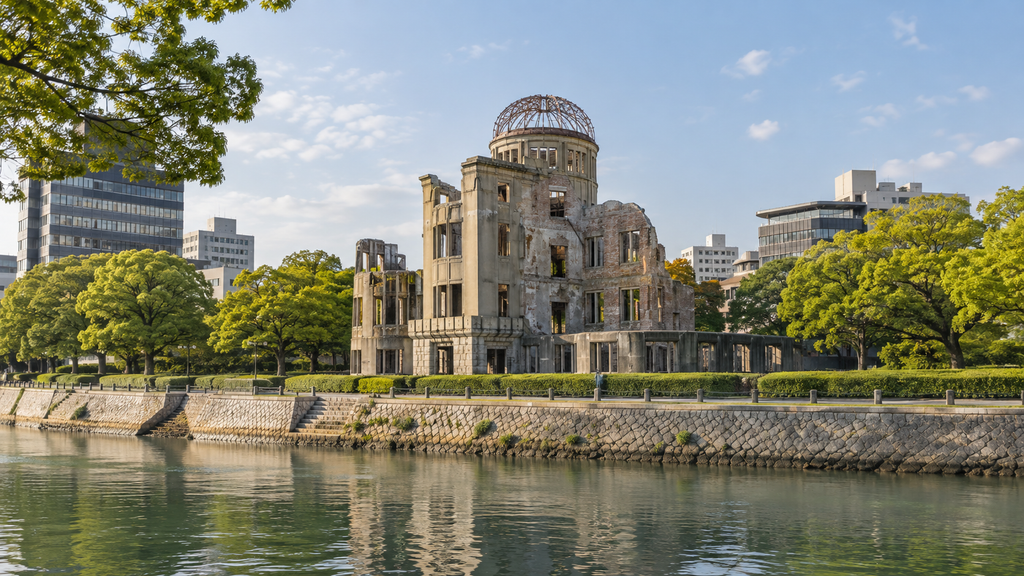
Begin with Peace Memorial Park, the Atomic Bomb Dome and Hiroshima Peace Memorial Museum. The museum documents the atomic bombing of August 6, 1945, and its human consequences through personal belongings, testimony and historical material.
Set aside an unhurried half-day for the museum and park, including time afterward. Some exhibits are distressing; families should consider children’s needs and take breaks when appropriate. Check the museum’s current ticket arrangements before visiting, as reservation rules can change during busy periods.
The park is also a place of remembrance. Keep voices low around memorials, avoid blocking people who are praying, and follow photography guidance inside the museum. The nearby Hiroshima National Peace Memorial Hall for the Atomic Bomb Victims offers another opportunity to encounter individual stories.
Japanese Perspective: Learning Through Individual Lives
A useful approach is to begin with a person rather than a statistic. Read the story attached to an everyday object and consider the life around it. This does not require a particular emotional response; attentive listening is enough. Leave space in your schedule to process what you have encountered before moving into the rest of the city.
2. Miyajima: Plan Around the Tide
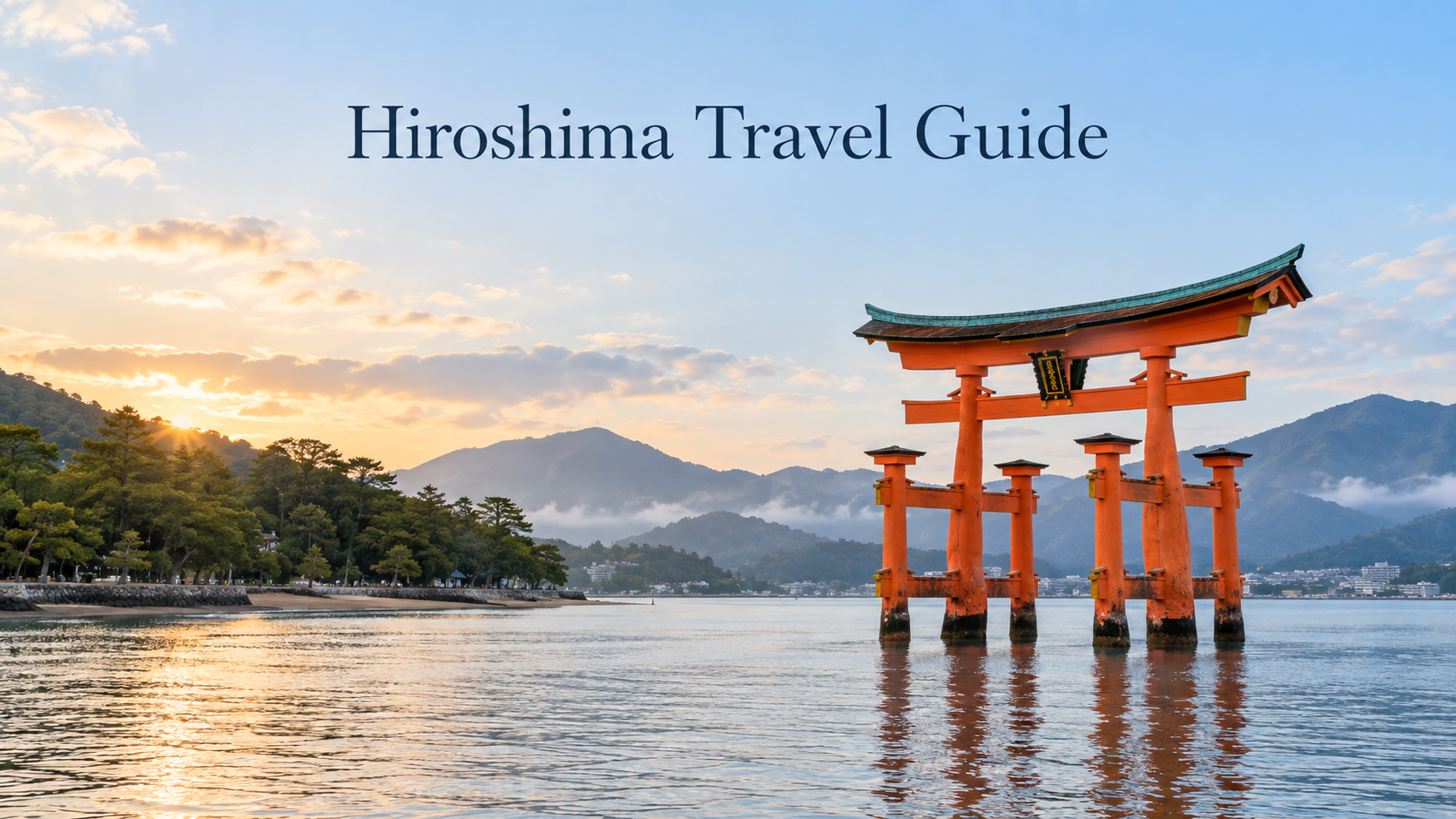
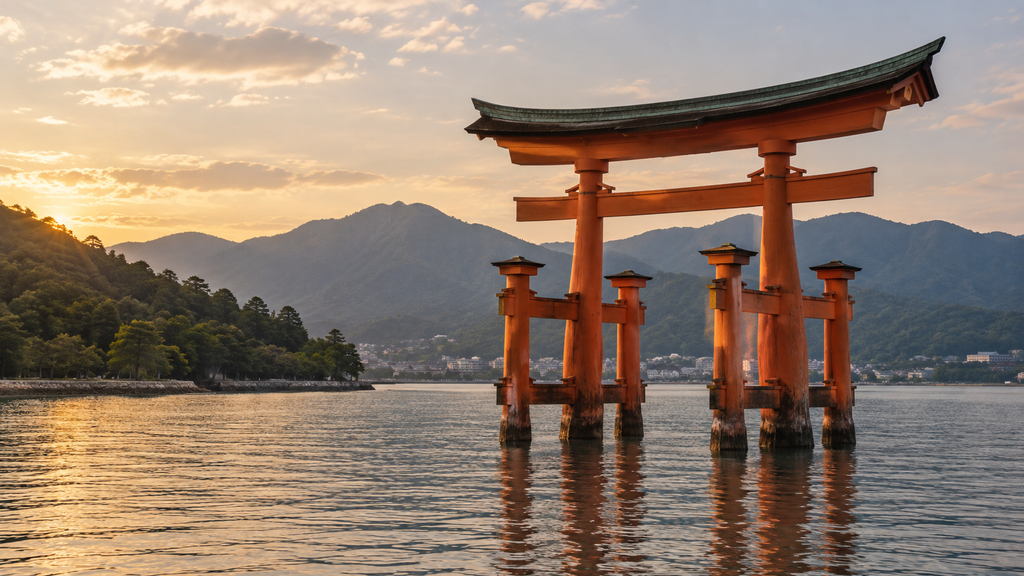
Miyajima, also called Itsukushima, is known for Itsukushima Shrine and its great vermilion torii. Water changes the experience: at high tide the gate appears to rise from the sea, while low tide reveals the shore around it. Consult the local tide calendar for your date instead of assuming morning or sunset will bring the view you want.
Travel to Miyajimaguchi, then take the short ferry crossing. Allow a full day for the shrine, waterfront, lunch and a slower walk beyond the busiest shopping streets. Daishoin Temple is a worthwhile addition if you are comfortable with steps.
Mount Misen requires separate planning. A ropeway ride does not remove all the walking involved in reaching the summit. Check current trail and ropeway conditions, wear appropriate shoes and leave enough time to return before services finish.
The island’s deer are wild animals. Do not feed them; keep food, paper and bags secure. At the shrine, observe local signs and give worshippers room to pass.
Japanese Perspective: A Shrine Is Still a Place of Worship
The famous gate makes Miyajima feel familiar before you arrive, but the shrine is more than a photo stop. Pause before entering, watch how people move through the space and avoid turning the main approach into a prolonged photo session. A quiet stretch of waterfront can be just as memorable as the best-known view.
Explore Miyajima with a Local Guide
Want to experience Miyajima and Itsukushima Shrine more deeply? A guided tour can be a convenient way to learn about the island’s history, culture, and local highlights.
(affiliate link)
View this Miyajima tour on Viator →
3. Onomichi: Hillside Lanes and Sea Views
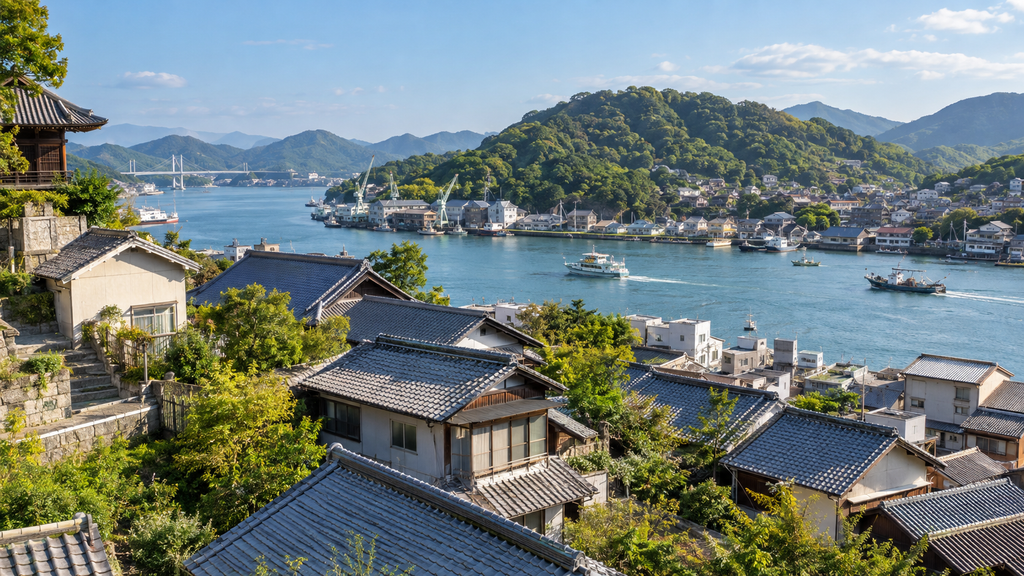
Onomichi rewards walking at a gentle pace. From the waterfront, narrow lanes and stairways climb past houses and temples toward viewpoints around Senkoji Park. The channel below remains a working waterway, giving the town a character that is different from a resort.
Choose a manageable section of the hillside rather than treating every temple as a checklist. Steps can be steep, and residential lanes are often narrow. Keep entrances clear and ask before photographing people at close range.
Allow time for lunch, a cafe and the waterfront after coming downhill. Onomichi ramen, commonly associated with a soy-sauce-based broth and pork back fat, is an easy regional meal to seek out; recipes differ between shops.
For central sightseeing, plan around Onomichi Station. Shin-Onomichi, the Shinkansen station, is a separate location and requires an onward connection into town.
4. Shimanami Kaido: Choose the Ride That Fits You
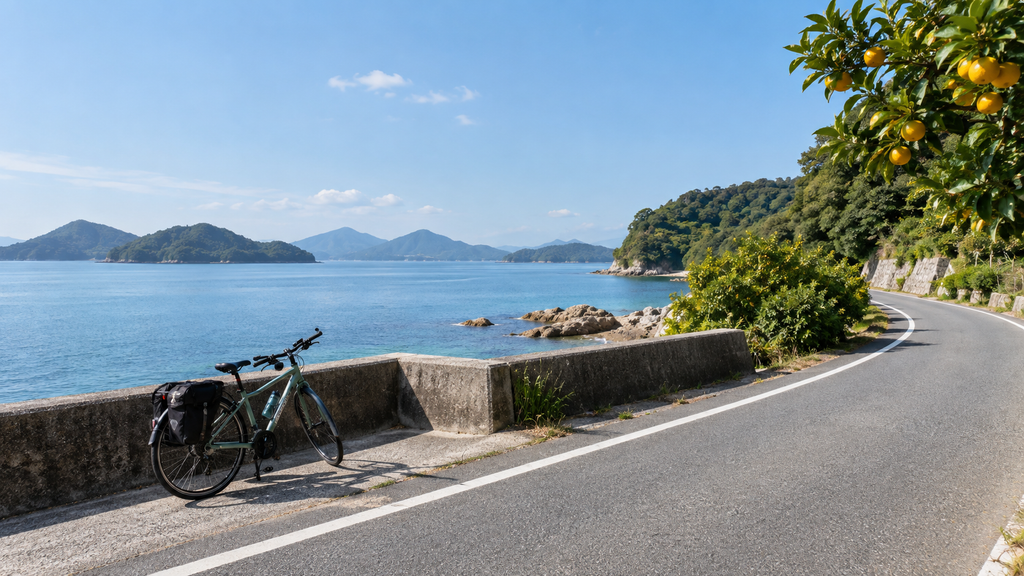
The Shimanami Kaido connects Onomichi with Imabari in Ehime across islands of the Seto Inland Sea. The recommended cycling route is approximately 70 kilometers one way, with bridge approaches and climbs along the way.
You do not need to complete the entire route to enjoy it. A shorter ride on an island such as Ikuchijima can leave more time for coastal views and stops around Setoda. Build your route around your cycling experience, the weather and confirmed transport connections.
Reserve a suitable bicycle and check return locations, opening hours and restrictions for your exact bike type. Do not assume every bicycle can be dropped at any terminal. Helmets, water and sun protection belong in your plan, and ferries or buses should be checked before relying on them for the return journey.
If you want the full crossing at a relaxed pace, allocate two days and arrange accommodation and luggage in advance. Treat it as its own excursion rather than an extra activity after sightseeing in Onomichi.
5. Tomonoura: A Harbor Worth Slowing Down For
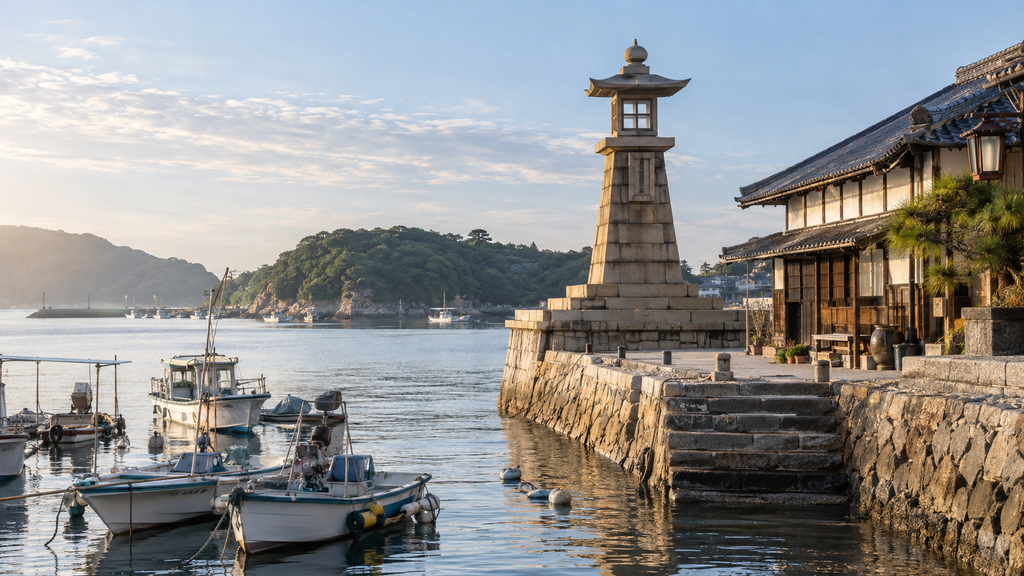
Tomonoura, in Fukuyama City, offers stone waterfront structures, traditional buildings and a compact harbor marked by its historic Joyato lighthouse. Come for a walk, lunch and the relationship between the town and the sea.
The usual public-transport approach is by bus from Fukuyama Station. Check both directions before setting out, especially if you hope to stay into the evening. A half-day can work from Fukuyama, but allow more time when traveling from Hiroshima City.
This is a lived-in town with working streets and waterfronts. Stay clear of fishing equipment and private spaces. Instead of rushing between landmarks, leave room to browse a small shop or watch boats returning to the harbor.
What to Eat in Hiroshima
Hiroshima Okonomiyaki
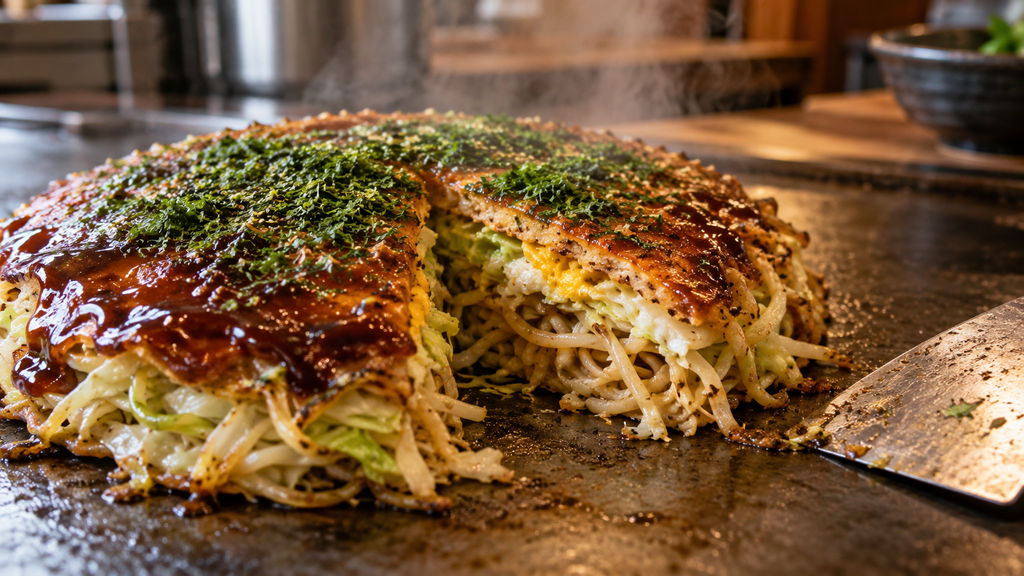
Hiroshima’s signature comfort food is built in layers, commonly combining a thin batter base, cabbage, pork, noodles and egg. Watching a cook assemble and turn it on the griddle is part of the pleasure. Choose a basic version for your first meal, then add toppings if you wish.
Seafood, Sweets and Local Flavors
Look for oysters, anago-meshi—conger eel served over rice—and maple-leaf-shaped momiji manju. Availability and preparation vary by season and shop. Setouchi lemon desserts offer another enjoyable stop between sightseeing visits.
If you have dietary restrictions, ask about sauces, stock, meat and seafood ingredients. Removing a visible topping may not change what is already in the batter or broth.
Japanese Perspective: Enjoy the Counter at Its Own Pace
At an okonomiyaki counter, let the cook guide serving and eating arrangements. Some places offer a small spatula for eating from the hot griddle; using chopsticks and a plate is also perfectly reasonable. Be ready to order when your turn comes, and avoid occupying a busy counter long after finishing.
Practical Information for First-Time Visitors
Getting There and Around
Hiroshima Station is served by the Sanyo Shinkansen. Compare train connections from your previous destination, allowing for any changes. Hiroshima Airport is outside the city center; check airport bus schedules and allow a road-traffic buffer.
Within the city, walking and local public transport cover many visitor routes. For Miyajima, use a mainland train connection to Miyajimaguchi followed by a ferry. Check current fares, visitor taxes and pass coverage with the operator rather than assuming all services are included in a rail pass.
Where to Stay
Stay near Hiroshima Station for rail excursions, or around the central shopping and dining districts for evenings out. Miyajima suits travelers seeking a quieter island evening, but arrange dinner and check transport times. Onomichi makes a useful separate base for eastern Hiroshima and cycling.
Best Time to Visit
Spring and autumn generally suit walking and cycling. Blossom and foliage dates vary, and popular weekends can be crowded. Summer brings heat, humidity and possible heavy rain; winter offers shorter daylight hours and cooler coastal winds. Keep an indoor alternative and check weather-related transport notices.
A Realistic Three-Day Hiroshima Itinerary
Day 1 — Hiroshima City: Spend the morning and early afternoon with the museum and peace memorials. Leave the remainder flexible: a riverside walk, a cafe or a gentle visit to Shukkeien garden if time and energy allow. Have okonomiyaki for dinner.
Day 2 — Miyajima: Plan around the tide, visit Itsukushima Shrine and choose one additional walk or temple. Return without rushing for the final ferry, or stay overnight with dinner arranged.
Day 3 — Choose an Eastern Excursion: Visit Onomichi for hillside walks and lunch, or Tomonoura via Fukuyama for a harbor day. Choose one. If continuing east afterward, consider an overnight stay to reduce backtracking.
Add one or two days for island cycling. Combining the full Shimanami crossing, Onomichi sightseeing and a return to Hiroshima in one day leaves little room for delays or enjoyment.
FAQ
How many days do I need in Hiroshima?
Two full days cover Hiroshima City and Miyajima at a reasonable pace. Three allow one coastal excursion. Add more time for cycling or multiple eastern destinations.
Can I visit Hiroshima and Miyajima in one day?
It is possible to see selected sights, but the museum, transport and island walking make it rushed. Two days allow more attention to both places.
Do I need a car?
A car is unnecessary for this core itinerary. Trains, ferries and buses connect the main destinations, although you should plan local connections in advance.
When does Miyajima’s torii appear to float?
When the tide is high enough to surround its base. Check the tide predictions for your travel date; the effect does not follow a fixed daily sightseeing schedule.
Is the Shimanami Kaido suitable for beginners?
A carefully chosen short section can be. The full route is a substantial ride, so assess distance, climbs, weather and rental arrangements before committing.
What should I book ahead?
Prioritize accommodation during busy periods, bicycle rentals and any required museum entry reservation. For an island overnight stay, confirm meals and check-in arrangements too.
Related Japan Guides
Continue planning with our Japan Travel collection. For a different regional experience, explore the Hokkaido travel guide or the Aomori travel guide.
This article contains affiliate links. If you book through them, I may earn a commission at no additional cost to you.