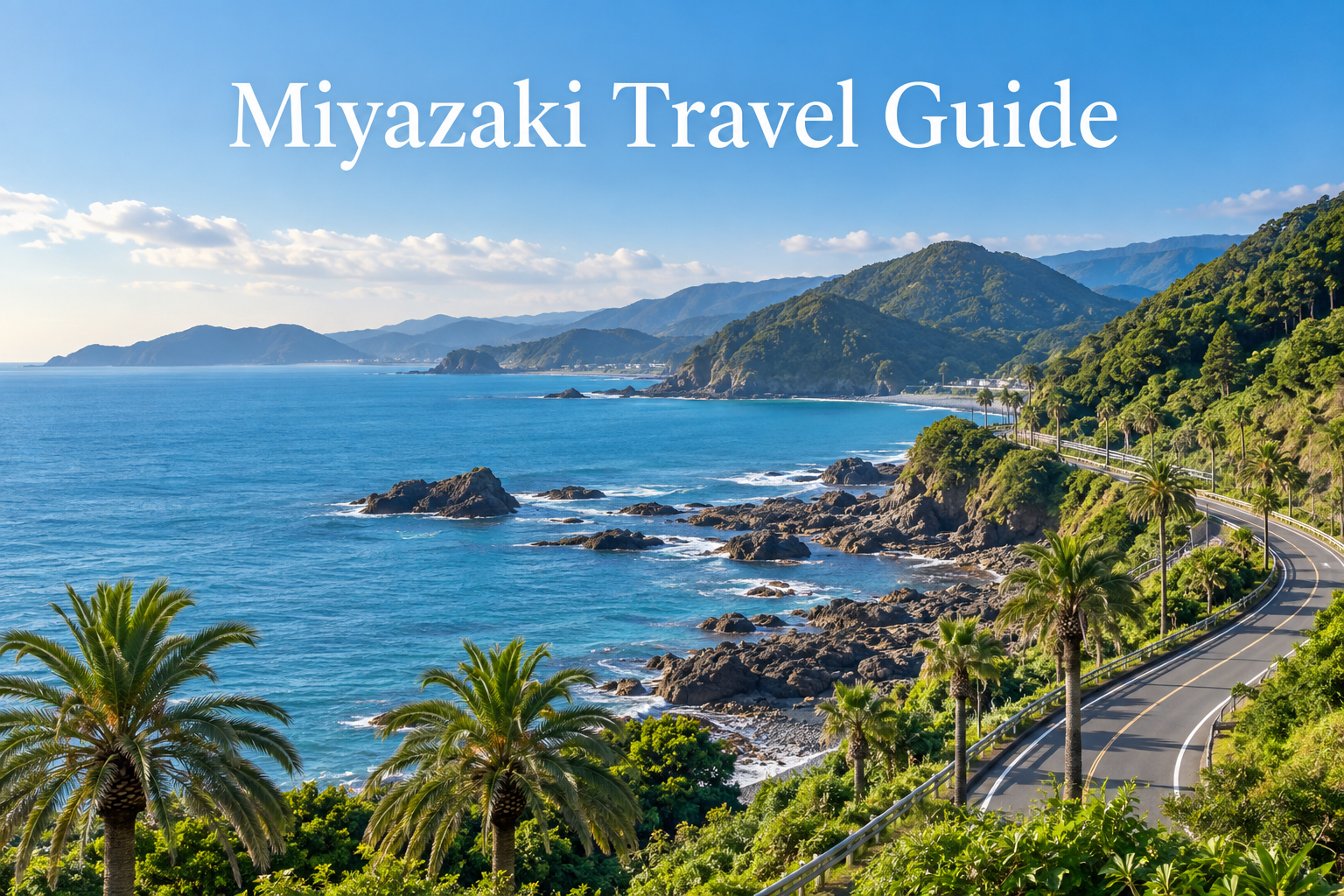
Miyazaki offers a change of pace from Japan’s busiest city routes. Along the Pacific coast, palms frame broad sea views and shrines occupy islands and caves. Inland, Takachiho brings shaded gorges, cedar trees and traditions rooted in Japanese mythology. Between them are places where a leisurely lunch or a walk through an old neighborhood deserves room in the schedule.
The key to a good first trip is understanding the distances. Aoshima and the Nichinan coast work well together, while Takachiho is a separate mountain destination in northern Miyazaki. Allow about five days to combine them comfortably, or choose the coast for a shorter stay.
This Miyazaki travel guide introduces the major sights, everyday cultural context and practical choices that help turn a list of attractions into an enjoyable journey.
1. Aoshima: An Island Shrine Beside the Pacific
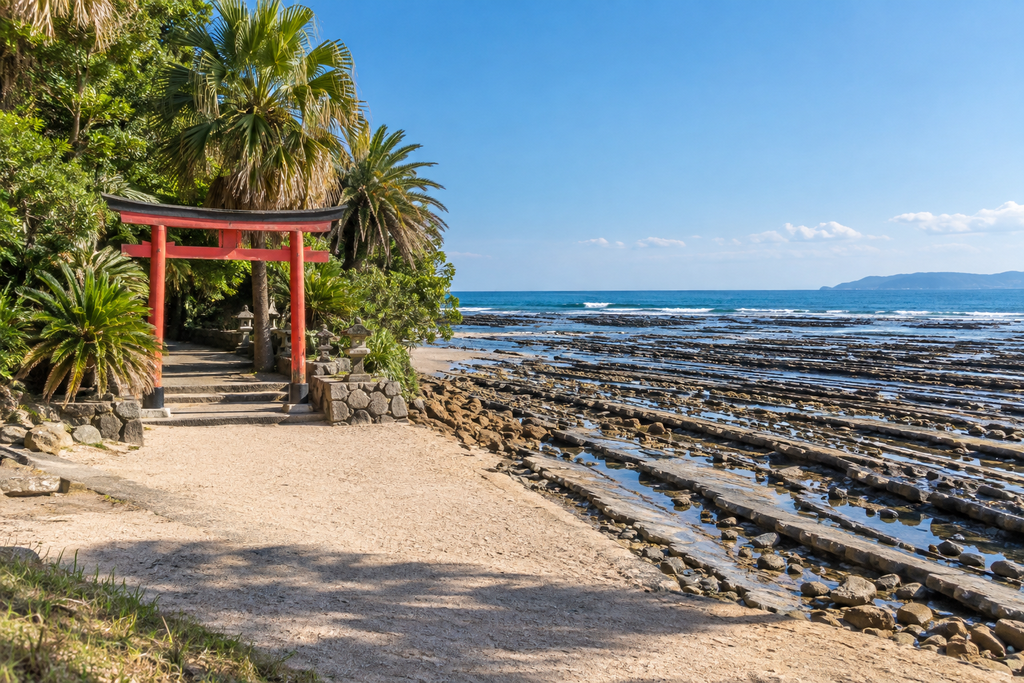
Aoshima is an inviting place to begin. A pedestrian bridge connects the mainland to a small island covered in subtropical greenery. Aoshima Shrine sits among the vegetation, while the shoreline is bordered by striking parallel rock formations called the Devil’s Washboard.
These ridges are natural formations shaped by erosion, not carved paths. Their appearance changes with the tide. Enjoy them from safe public areas, especially when waves or wet surfaces make the rocks difficult to walk on.
Allow around one to two hours for the island and shrine, then add time for a café or the nearby beach area. Aoshima Station on the Nichinan Line provides a useful rail connection, but check the return timetable before settling into a long lunch.
Japanese Perspective: A Shrine Can Be Part of an Ordinary Day
Aoshima Shrine is associated with deities from the story of Yamasachi-hiko and Toyotama-hime, and with prayers connected to relationships. Visitors may come for worship, a family outing or quiet enjoyment of the surroundings. Those purposes can coexist.
You do not need to share a religious belief to visit respectfully. Keep the worship area clear, follow posted guidance and avoid taking close photographs of people while they pray.
2. Udo Jingu and the Nichinan Coast
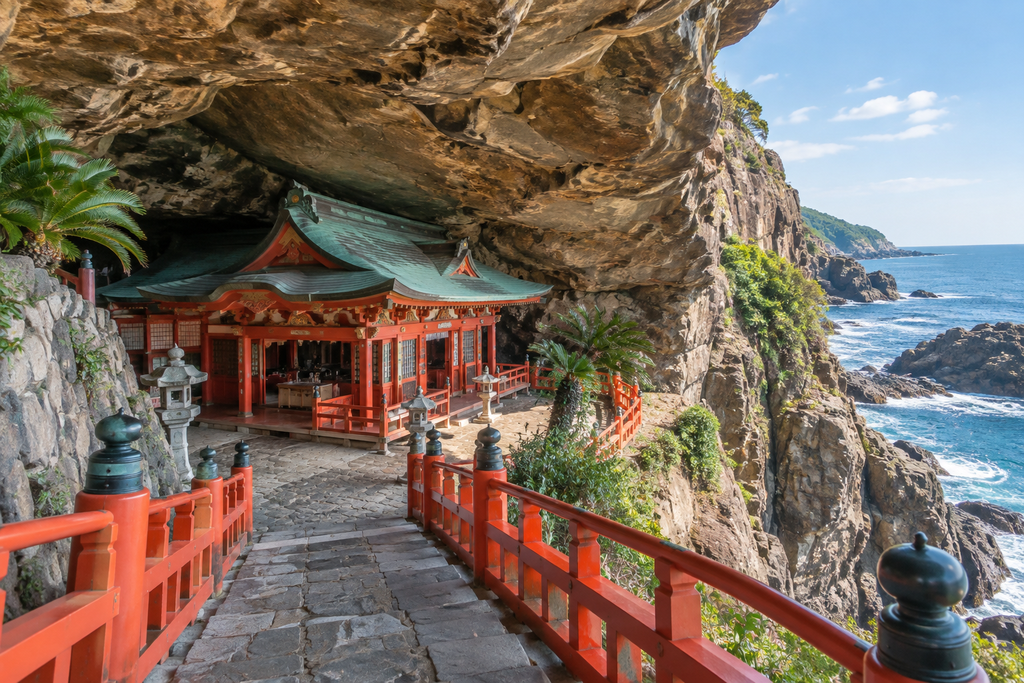
South of Aoshima, the Nichinan coast offers headlands, roadside viewpoints and stretches of blue water. Udo Jingu is one of its most distinctive stops: the shrine’s main sanctuary is set within a cave overlooking the sea.
Its traditions are associated with childbirth and family well-being. Read the explanations at the site as stories of religious significance, rather than evidence that the events of mythology literally occurred there.
The approach involves walking and steps, so comfortable shoes matter more than the distance on a map suggests. Allow roughly an hour or more, depending on parking and your pace. Visitors who need step-free access should confirm the route directly before traveling.
Japanese Perspective: Let the Setting Explain the Story
At Udo, the cave, the ocean and the shrine are experienced together. Taking a few minutes to look and listen can be more rewarding than hurrying through several ritual activities without understanding them.
For a coastal day, choose a small number of stops. A car makes the route flexible; by bus, confirm both the outbound and return services and the walk from the stop. Leave viewpoint detours for another day if they would put your last bus at risk.
3. Obi: Castle-Town Streets at Walking Speed
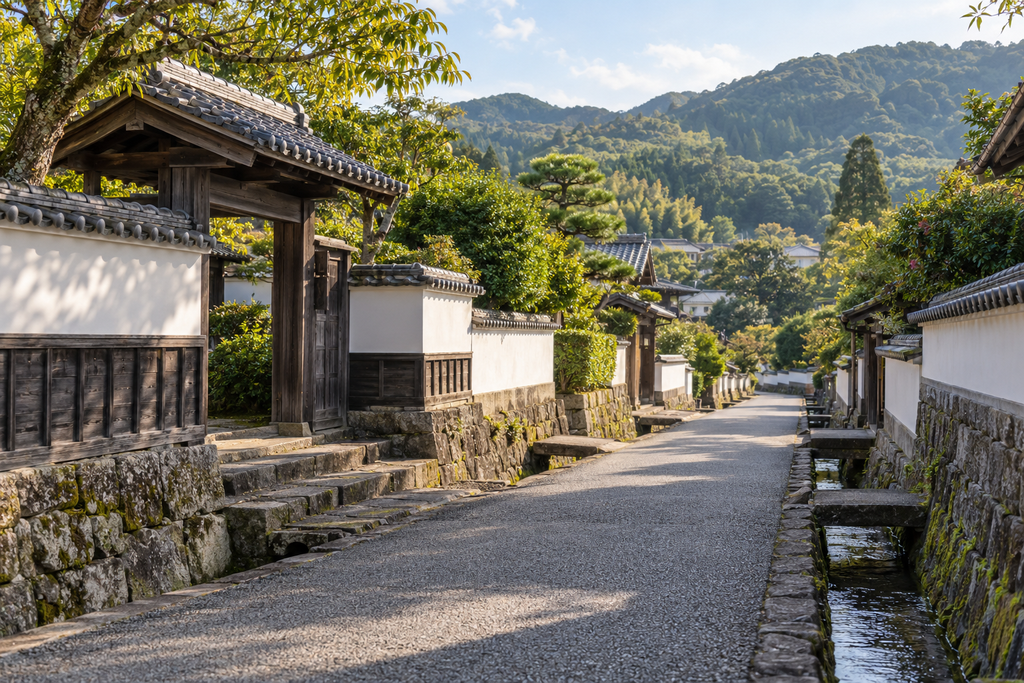
Obi, inland from the Nichinan coast, offers a different mood. Associated with the Ito family’s former domain, the town retains historic streets, stone walls and residences that help reveal how a castle settlement was organized.
Visit the castle grounds and choose a museum or historic house rather than expecting a towering original castle keep. Gateways, gardens and the spaces between buildings are important parts of the experience. Some structures are restored or reconstructed, so use the local explanations to distinguish different periods.
Allow half a day if you enjoy history and neighborhood walks. Stop for obiten, a local fried fish-cake specialty made with a tofu blend, when you want a simple snack.
Japanese Perspective: Preservation Includes Daily Life
A historic district is also a place where people live and work. A tidy gate or quiet lane may be someone’s home rather than a visitor attraction. Stay in public areas and enter only properties that clearly welcome visitors.
Obi rewards noticing small things: a drainage channel, a shaded wall, or how a house turns away from the street. You do not need a long checklist to appreciate the town.
4. Takachiho Gorge: Plan Beyond the Boat Photograph
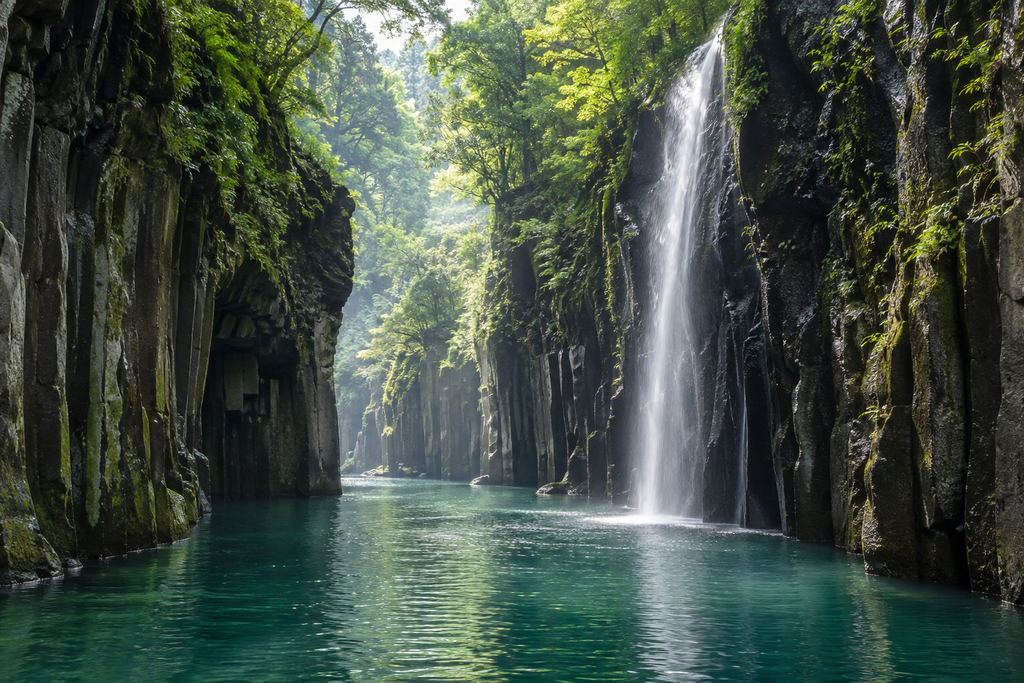
Takachiho Gorge is one of Miyazaki’s best-known landscapes. Volcanic deposits associated with ancient Aso eruptions were cut by the river, leaving dramatic rock walls. Manai Falls provides the familiar waterfall scene, but the gorge is also worth enjoying from its open walking areas.
Boat rental is popular and should be treated as a planned activity, not an automatic inclusion. Check the official boat information for booking rules and the day’s operating status. Advance slots can sell out, and same-day availability is not guaranteed. High water and other conditions may suspend operations.
A booking does not remove the need to allow time for parking, walking and check-in. The gorge has slopes and steps; visitors with mobility needs should ask which areas are suitable before arrival.
Japanese Perspective: Accepting the Conditions of the Place
A landscape is not obliged to match its promotional photograph. Water levels, light and weather change what a visitor can experience. Build the day around enjoying Takachiho itself, with a boat ride as one possible part of it.
Follow closed-path notices and never cross a barrier for a clearer view. If boat service is suspended, ask locally which walking areas remain open; different facilities may have different restrictions.
5. Takachiho’s Shrines, Myths and Kagura
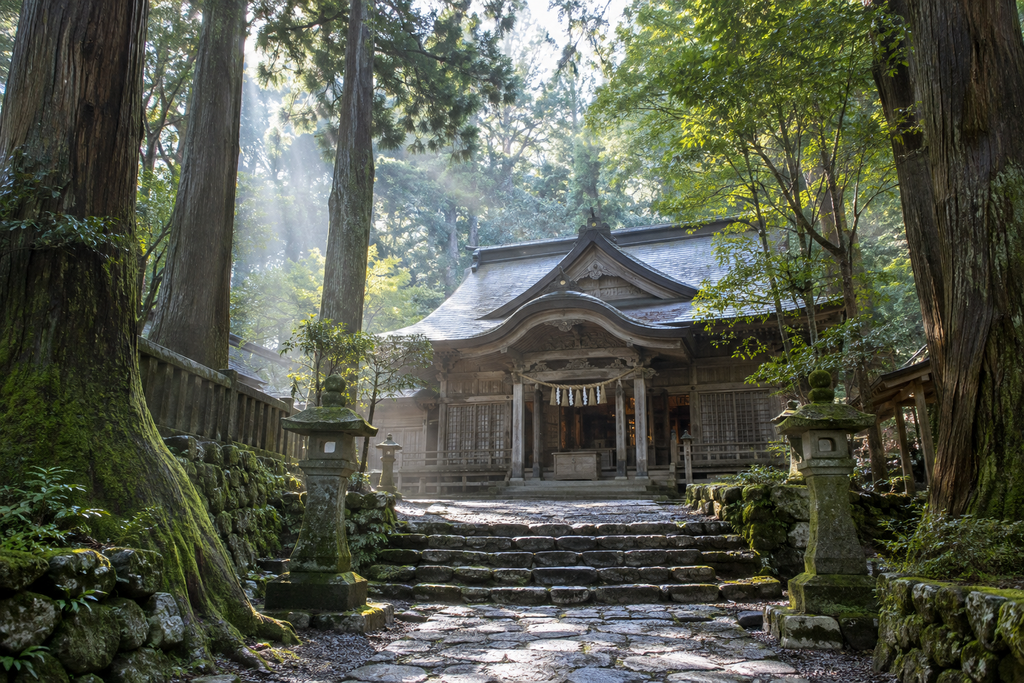
Takachiho Shrine adds cultural context to the landscape. Cedar trees and a quieter atmosphere encourage a slower visit, particularly if you have spent the morning around the busy gorge.
The wider area is associated with the story of Amaterasu, the sun deity who retreats into a cave, leaving the world without light. Other deities work together to draw her out. Amanoiwato Shrine and nearby Amanoyasukawara are connected with this tradition. They are separate from the central gorge area, so include travel time if you add them to your day.
Kagura is sacred performance involving dance, music and stories. Takachiho Shrine offers a shorter visitor-oriented presentation of selected dances. This differs from the full overnight yokagura traditions maintained by local communities during the colder months.
Check the official kagura information for the performance date, reservation requirements and admission arrangements. An overnight stay in Takachiho makes an evening performance much easier to enjoy.
Japanese Perspective: Tradition Is Carried by Communities
The value of kagura is not only in its masks or movements. Local people learn, prepare and pass on the performances. Understanding that effort changes the experience from watching an unfamiliar spectacle to encountering a living tradition.
Follow photography rules, avoid flash where prohibited and let the performers and organizers set the tone. Mythology can be appreciated as cultural storytelling without confusing it with documented history.
6. What to Eat in Miyazaki
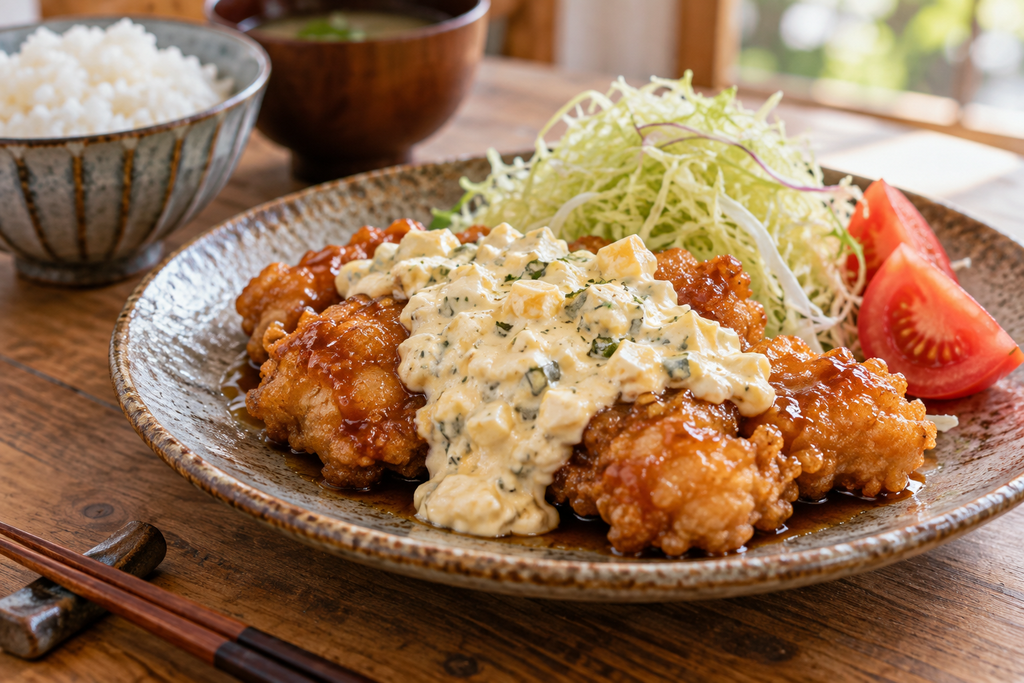
Start with chicken nanban. Associated with Nobeoka, this dish combines fried chicken with sweet vinegar, often finished with tartar sauce. Some traditional versions use the sweet-and-sour sauce without tartar, so a different-looking plate is not necessarily a mistake.
Charcoal-grilled chicken is another familiar regional choice, while Miyazaki beef offers an option for a more substantial meal. In Obi, try obiten; along the coast, ask what seafood is in season.
A simple lunch set can be a useful introduction: you get a main dish, rice and accompanying sides without needing to order several unfamiliar items. Check restaurant hours in smaller towns, since lunch and dinner service may be separated by a long afternoon break.
Japanese Perspective: Regional Favorites Become Everyday Meals
Chicken nanban is not reserved for special occasions. It appears in homes, school lunches and casual restaurants as well as travel recommendations. Its regional identity comes partly from that familiarity.
If you have dietary restrictions, ask about ingredients in sauces, stocks and side dishes. Tofu in obiten does not make it vegetarian, and removing a visible topping may not remove the ingredient from the dish. Explain your needs clearly when ordering.
Practical Information for a First Visit
Getting to Miyazaki
Miyazaki Airport has its own railway station, with connections toward the city. Use the official regional transport guide to compare air, rail and bus options from your starting point.
Miyazaki City is not on a Shinkansen line. Rail journeys from other parts of Kyushu can take a substantial part of the day, so check the actual route instead of estimating from straight-line distance.
Getting Around
Aoshima and Obi can be reached using the Nichinan Line, followed by walking or local transport. Reaching both does not mean every coastal shrine is conveniently served by rail. Udo Jingu requires separate planning.
For Takachiho, one public-transport approach is rail to Nobeoka followed by a bus to Takachiho Bus Center. There is no ordinary passenger railway into Takachiho. Check Miyazaki Kotsu’s current services and plan the final connection before booking accommodation.
A rental car helps with rural stops, but coast-to-mountain travel still takes time. Break up the drive and check road conditions after heavy rain. Without a car, add a day or reduce the number of stops.
Where to Stay
Choose central Miyazaki for restaurants and transport, Aoshima for a seaside stay, or Obi/Nichinan for a slower southern route. Stay in Takachiho itself if the gorge and evening kagura are priorities. Check meal arrangements and arrival deadlines at smaller accommodation.
Best Seasons and What to Bring
Spring and autumn are useful starting points for mixed sightseeing. Summer can be hot and humid, with heavy rain and typhoons affecting outdoor plans. Coastal winters are generally milder than the mountains, but Takachiho can be cold and mountain roads may be icy.
Pack walking shoes, rain protection and a layer for inland evenings. For beach activities, choose designated areas and follow local conditions; a popular surfing beach is not automatically suitable for casual swimming.
Carry some cash for smaller facilities and shops. Reserve accommodation early for Golden Week, Obon and holiday weekends, and budget for the rural transfers that a rail ticket may not cover.
A Five-Day Miyazaki Itinerary
This route is easiest by car. Public-transport travelers should confirm each connection and allow extra time where needed.
- Day 1 — Arrival and Aoshima: Settle into Miyazaki City or Aoshima. Visit the island if arrival time permits, then enjoy a local dinner.
- Day 2 — Nichinan coast and Obi: Visit Udo Jingu and spend the afternoon in Obi. With limited bus connections, choose one main destination or add a day. Stay in the south or return to your coastal base.
- Day 3 — Transfer to Takachiho: Treat this as a travel day rather than adding several coastal detours. Visit Takachiho Shrine if time permits and attend a confirmed evening kagura performance. Stay locally.
- Day 4 — Gorge and mythology: Explore the gorge, with a boat ride only if booked and operating. Add Amanoiwato if local transport and conditions work. A second Takachiho night keeps the day relaxed.
- Day 5 — Onward travel: Leave time for the journey to your next destination. If departing from Miyazaki Airport, avoid an early flight that depends on a tight mountain-bus connection.
For a three-day trip, focus on Miyazaki City, Aoshima and Nichinan. Takachiho works better as a dedicated overnight extension than a hurried addition to every coastal day.
Frequently Asked Questions
Is Miyazaki worth visiting on a first trip to Japan?
Yes, particularly if you enjoy coastal scenery, regional food and cultural places outside the busiest routes. It fits well into a Kyushu trip with enough time for transfers.
How many days should I spend in Miyazaki?
Allow about three days for the city and southern coast, or five days to add Takachiho with overnight stays. Public transport may require a longer schedule.
Do I need to book a Takachiho Gorge boat?
Check advance booking first. Same-day tickets depend on availability, and weather or river conditions can cancel operations even when you have a reservation.
Can I enjoy Takachiho without renting a boat?
Yes. Open walking areas, shrines and kagura offer plenty of interest. Check access locally because walking routes and boat operations can be affected differently.
Can I visit Miyazaki without driving?
Yes, with a selective itinerary. The coast has useful rail and bus connections, while Takachiho usually requires a bus connection and more planning between individual sights.
What food should I try first?
Chicken nanban is a good introduction. Then consider charcoal-grilled chicken, Miyazaki beef, Obi’s fish cakes or seasonal seafood according to your preferences.
Explore More of Kyushu
Miyazaki combines Pacific scenery, mythology and local food. Continue through Kyushu toward volcanic mountains, famous hot springs and the dramatic landscapes of southern Japan.
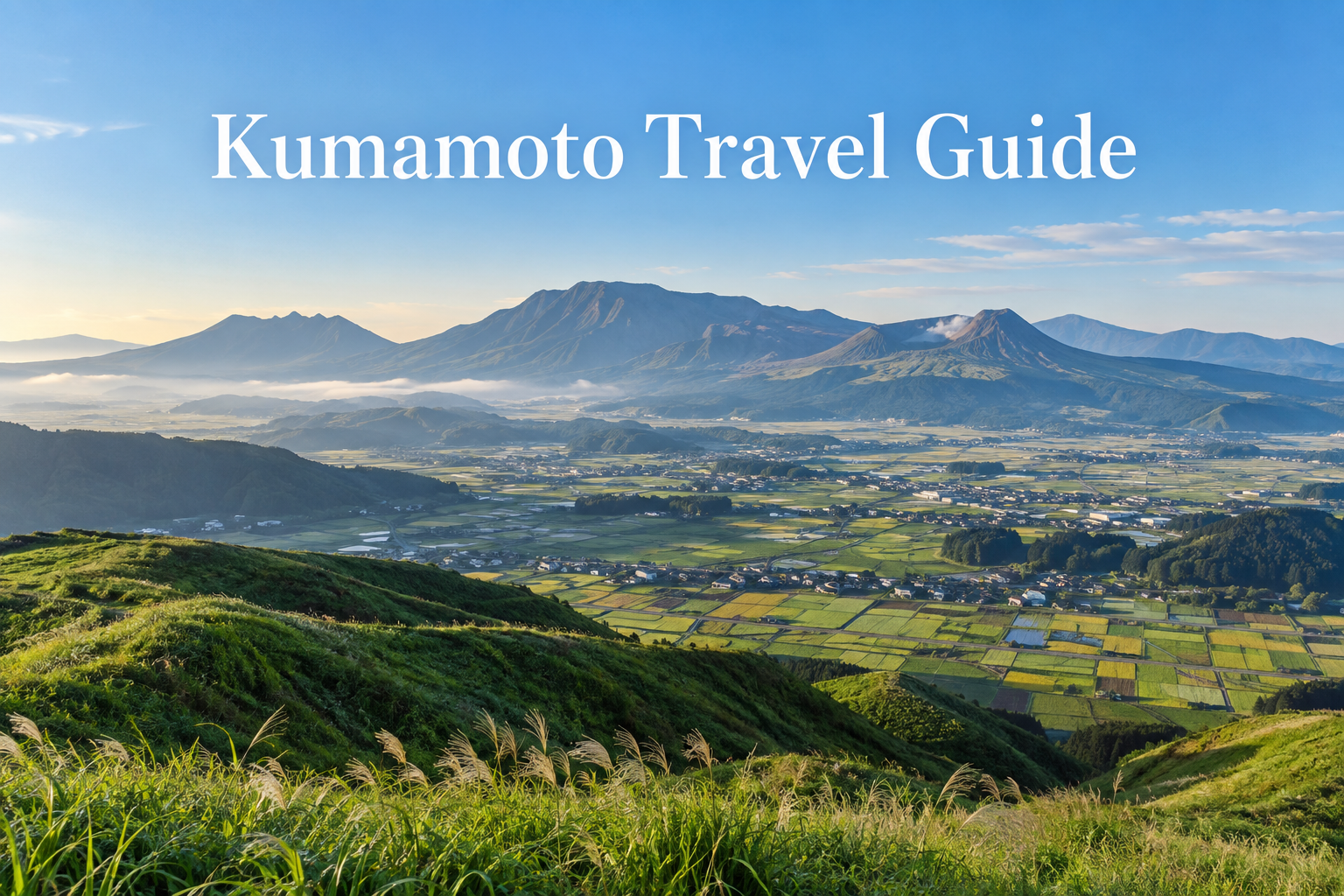
Kumamoto Travel Guide
Combine Takachiho with a journey into Kumamoto for Mount Aso, Kumamoto Castle and Kurokawa Onsen.
Read next: Kumamoto Travel Guide: Castles, Aso Landscapes and Peaceful Onsen
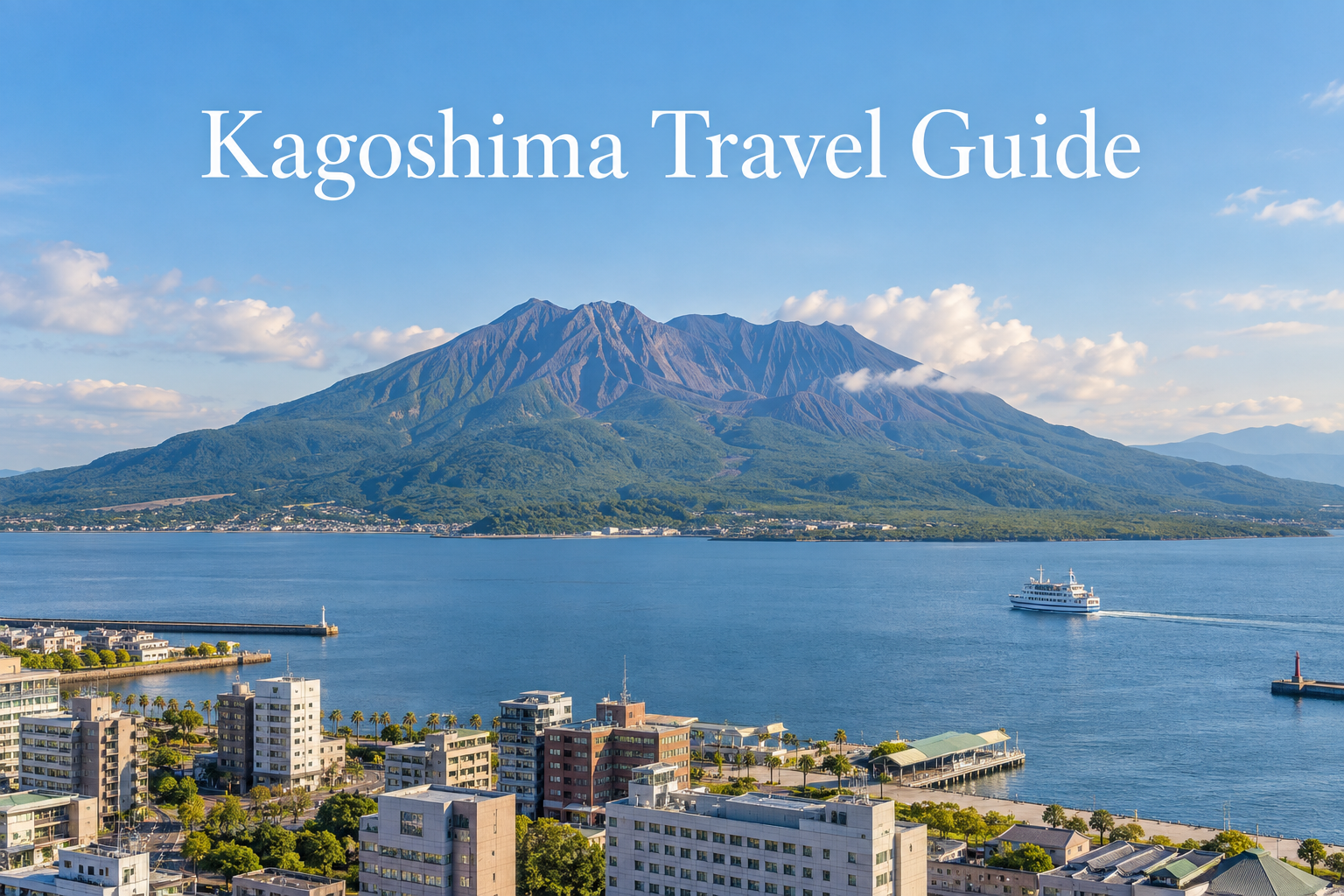
Kagoshima Travel Guide
Travel south for Sakurajima, Kirishima, Ibusuki and a powerful combination of volcanic scenery, hot springs and regional food.
Read next: Kagoshima Travel Guide: Sakurajima, Onsen and Island Forests
Oita Travel Guide
Continue north through eastern Kyushu toward Beppu and Yufuin for geothermal landscapes and some of Japan’s best-known onsen experiences.
Read next: Oita Travel Guide: Beppu Hot Springs, Yufuin and a Deeper Side of Kyushu
See the rest of the region in our Kyushu & Okinawa Travel Guides.