Osaka is an easy place to build a trip around everyday pleasures: a hot tray of takoyaki, an evening beside the canal, or a small restaurant where dinner becomes the main event. Its famous entertainment districts provide a lively introduction, but Osaka Prefecture also includes quieter places with their own histories and landscapes.
Spend time with the castle’s layered past, explore tea culture in Sakai, or walk toward a waterfall in Minoh. These experiences add depth to the familiar image of bright signs and busy food streets.
This Osaka travel guide brings together major sights, regional food, a practical three-day itinerary, and a Japanese perspective on the culture you encounter along the way.
1. Start with Dotonbori and Namba
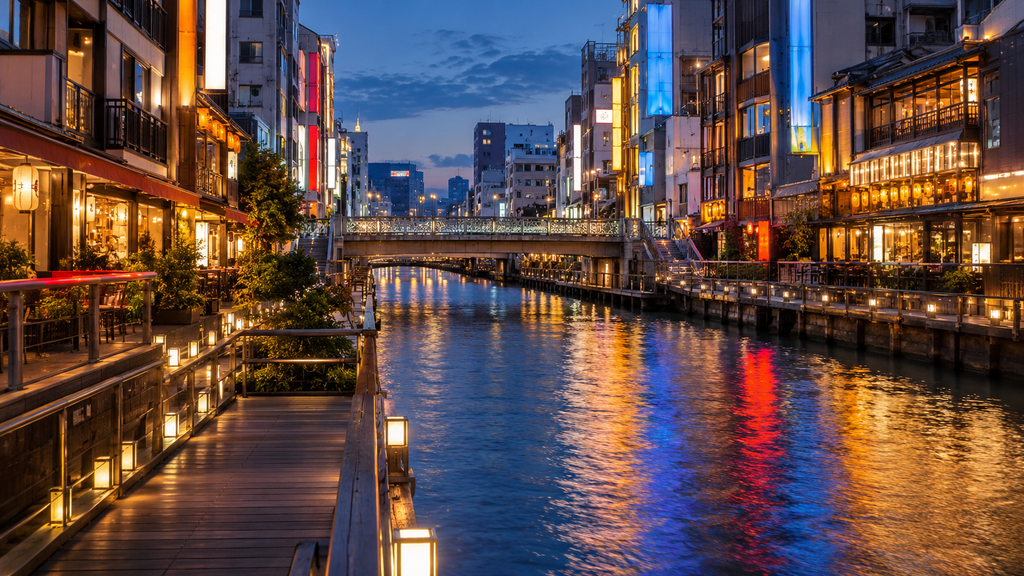
Dotonbori is one of Osaka’s best-known dining and entertainment districts. The canal, oversized commercial signs, and busy streets make it especially atmospheric after dark. Walk along the riverside, pause on a bridge without blocking the crossing, and explore the surrounding streets when the busiest stretch feels crowded.
Nearby Namba is a useful starting point for shopping and meals. Treat the area as a neighborhood to explore rather than a single attraction to finish. A short list of foods you want to try is often more useful than a long list of specific restaurants.
For photography, early evening offers a balance between the remaining daylight and illuminated facades. For a calmer walk, return earlier in the day. Individual restaurants and shops keep different hours, so do not assume everything is open whenever the canal is busy.
Japanese Perspective: Entertainment Streets Have a History
Dotonbori’s identity grew through dining and performance, not only modern advertising. Keeping that history in mind makes its theatrical signs easier to understand. The district is a place where businesses compete for attention, while the surrounding streets still serve people going about ordinary daily life.
2. Explore Osaka Castle and Its Park
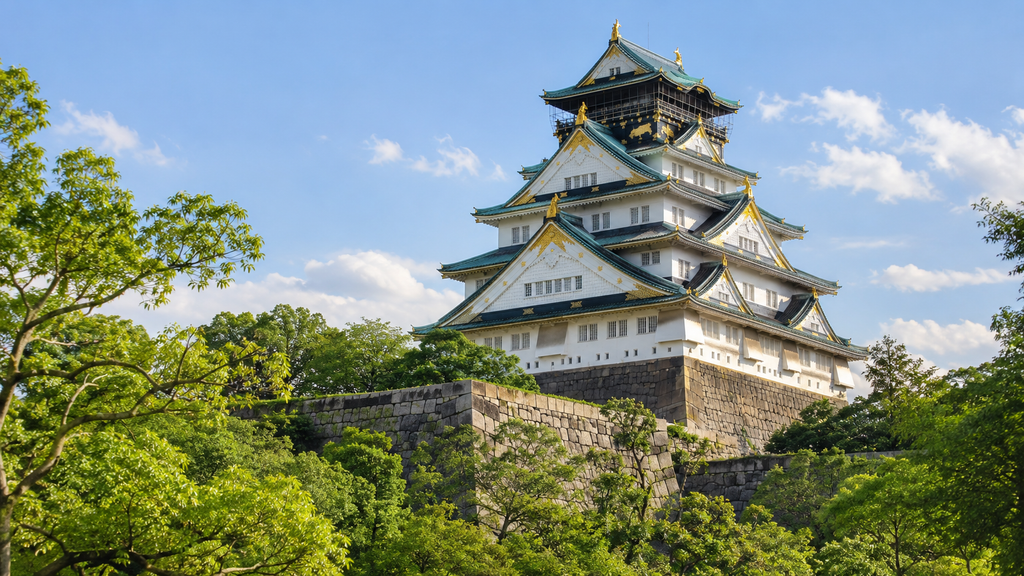
Osaka Castle connects the city to the struggles of Japan’s unification era, including the ambitions of Toyotomi Hideyoshi. Its history includes destruction, rebuilding, and changing political power, so the site is best understood as several historical layers.
The present main tower was reconstructed in 1931 and has functioned as a museum since its restoration. It is not an untouched sixteenth-century wooden interior. Many surviving stone walls, moats, and historic structures belong to the later Tokugawa period or subsequent phases.
Visit the museum if you want historical context, and leave time for the grounds. The park is extensive, so the walk from a station to the tower can take longer than the map initially suggests. Choose your arrival station according to the entrance and area you intend to visit.
Japanese Perspective: Rebuilding Is Part of the Story
A reconstructed landmark can still carry strong local meaning. Osaka’s present tower was supported by residents’ donations, giving it a civic history as well as a connection to samurai-era events. Looking at both helps explain why it remains an important symbol of the city.
3. Taste Osaka’s Everyday Food Culture
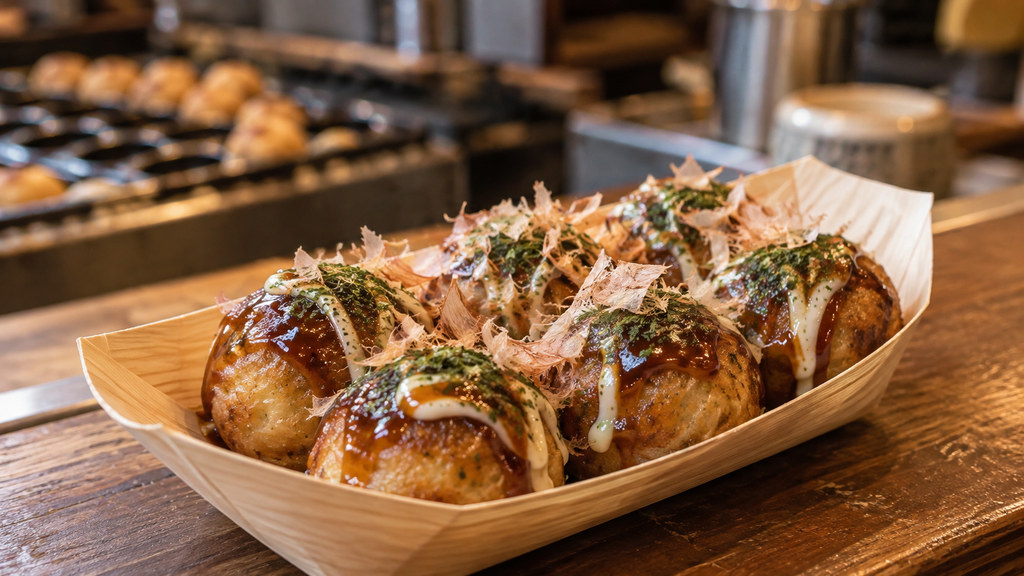
Takoyaki is an approachable first taste: round pieces of batter containing octopus, commonly finished with sauce and other toppings. The outside can seem ready to eat while the center is still very hot, so give it a moment before taking a large bite.
Okonomiyaki is another classic. In Osaka-style versions, ingredients such as cabbage are mixed into a batter and cooked on a griddle, with toppings varying by restaurant. Some places cook for you; others involve the customer more directly. Follow the staff’s guidance rather than assuming a tabletop griddle means you should begin cooking yourself.
Kushikatsu, fried skewers of ingredients such as meat or vegetables, offers a different way to sample several small dishes. Follow the restaurant’s sauce instructions: shared containers and individual serving systems require different handling.
Japanese Perspective: Enjoy the Meal Where It Is Served
The word kuidaore is often associated with Osaka’s enthusiasm for eating and spending on food. For visitors, the useful takeaway is to make meals part of the trip, not something squeezed between attractions.
Use the shop’s eating area or another permitted place, and avoid stopping in narrow pedestrian routes. Ask before photographing staff or another customer. Simple consideration matters even in a lively district.
If you have dietary requirements, check ingredients directly. Stocks, sauces, and garnishes may contain fish, meat, egg, or wheat even when these are not obvious from a menu photograph.
4. Discover Shinsekai and the Tennoji Area
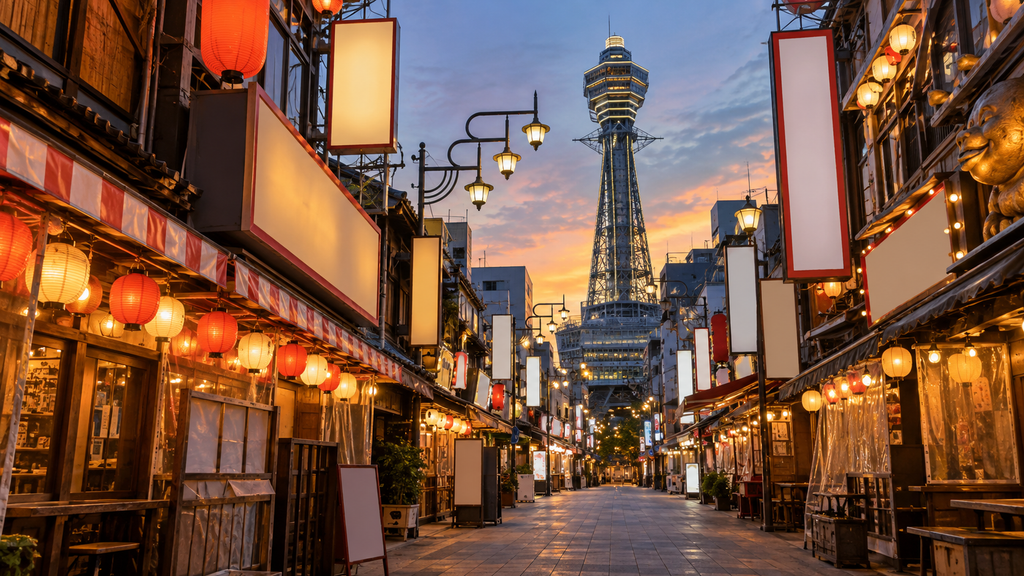
Shinsekai offers another side of Osaka’s entertainment landscape, with the Tsutenkaku observation tower, casual restaurants, and streets associated with a retro atmosphere. Janjan Yokocho is a compact area to explore, especially if you want to combine a walk with a kushikatsu meal.
Look beyond the most photographed tower view and notice the smaller storefronts. Businesses vary in style and opening hours, so a daytime visit and an evening visit can feel quite different.
The nearby Tennoji area makes a practical addition, with park space, shopping, and transport connections. Combining these neighboring areas is more comfortable than repeatedly crossing the city. If you want to enter an observation attraction, check admission and booking details before setting out.
Practical tip: Decide whether your priority is a view, a meal, or simply a neighborhood walk. You can enjoy the district without purchasing admission to every attraction.
5. Visit Sakai for Tea and Craft Traditions
South of Osaka City, Sakai provides a rewarding change of pace. It has strong connections to tea culture, including the influential tea master Sen no Rikyu, who was born here.
The Sakai Plaza of Rikyu and Akiko is a useful place to begin. Its exhibitions introduce local cultural figures, and tea experiences offer a way to engage with the subject beyond reading a display. Check the current program, language support, and reservation requirements before visiting.
Sakai is also known for knife craftsmanship. The Sakai Traditional Crafts Museum, or Sakai Denshokan, introduces local production and the work behind kitchen tools. A museum visit can help you understand the craft even if you are not planning to buy anything.
Japanese Perspective: Tea Is Also About Attention
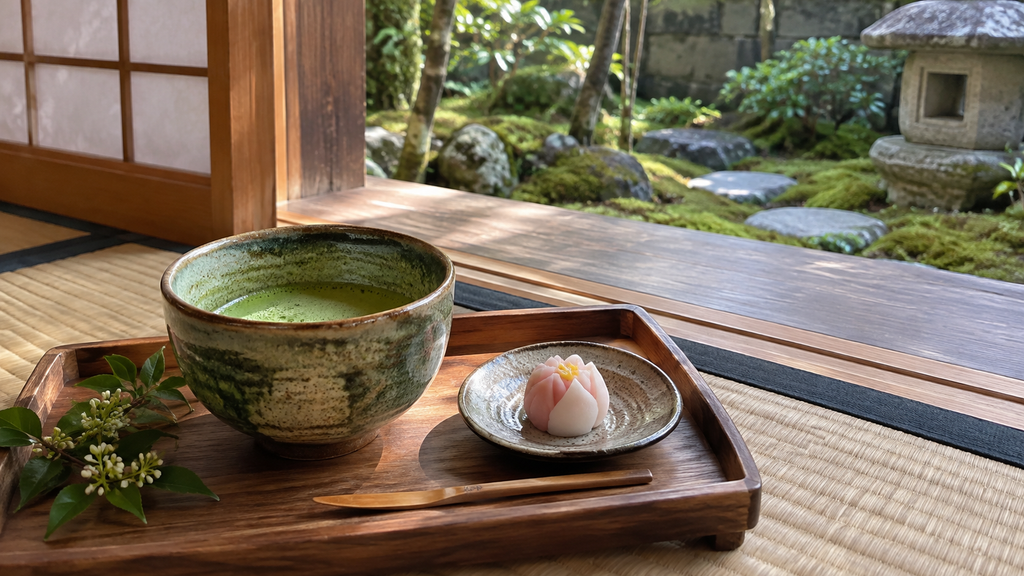
A tea experience can help you notice the bowl, the seasonal sweet, and the care given to serving a guest. Beginners do not need to arrive knowing every gesture. Follow the host’s instructions, ask when unsure, and give the occasion your attention.
Practical tip: Sakai’s attractions are spread across different areas. Select a tea-and-craft route and check local connections instead of assuming everything is beside one station.
6. Take a Forest Walk in Minoh
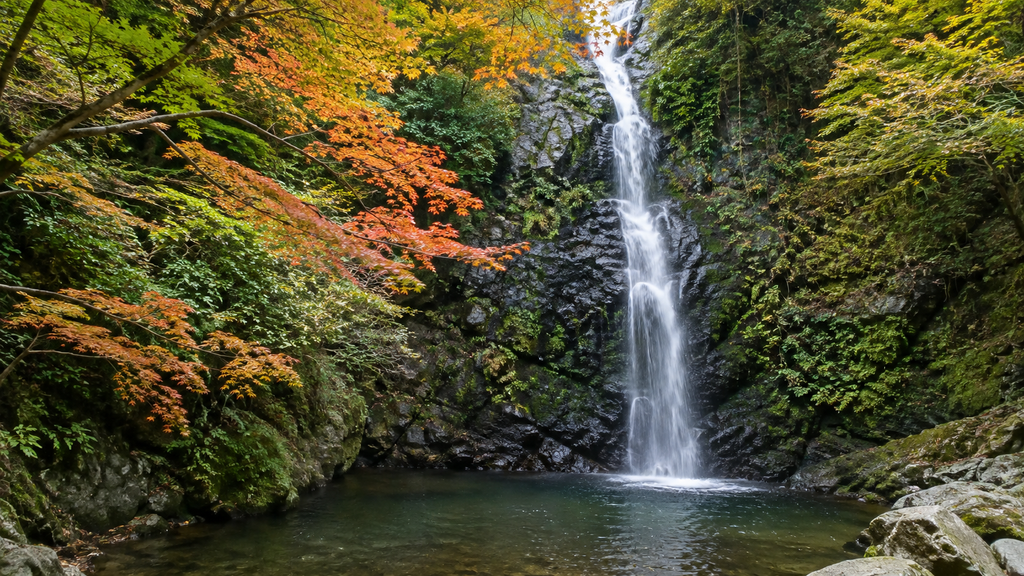
Minoh, also written Minoo, lies north of central Osaka and offers a green break from the city. The familiar approach to Minoh Falls begins near Hankyu Minoh Station and follows the valley toward the waterfall.
The walk is roughly three kilometers each way. Much of the main route is paved, but it includes uphill sections; allow time for the return journey, stops, and your own walking pace. Comfortable shoes are more useful here than a tightly packed timetable.
Autumn foliage attracts many visitors, while greener months offer a different atmosphere. Seasonal colors depend on the weather and the year. Check local path notices after heavy rain and follow any restrictions.
Practical tip: Minoh Station and Minoh-kayano Station are different places. Check that your route leads to the trail entrance you intend to use. Treat the walk as a half-day outing rather than a quick stop between distant sights.
Best Seasons to Visit Osaka
Spring and autumn are comfortable starting points for a walking-focused trip. Blossom and foliage dates vary, and popular seasonal locations can be busy.
Summer brings heat and humidity. Plan outdoor walks earlier, take indoor breaks, and carry water. Heavy rain can affect a Minoh outing, so keep a city alternative available.
Winter works well for dining, museums, and shopping, although evenings can feel cold. For any season, a flexible mix of outdoor and indoor activities is more useful than assuming perfect weather throughout your stay.
Getting Around and Where to Stay
Osaka is served by several rail operators as well as Osaka Metro. Match the line, station name, and exit to your destination. Osaka Station in the Umeda area and Shin-Osaka, the shinkansen station, are different stations.
From Kansai International Airport, Nankai and JR services offer different routes into the region. Choose according to your hotel, luggage, and transfers. Some limited-express services require an additional ticket or reservation, so check the specific train before boarding.
Namba is convenient for southern central Osaka’s dining and entertainment. Umeda suits shopping and many onward rail journeys. Tennoji is another practical base. Compare the actual walk from the station exit to the hotel; a location described as “near the station” can still involve a substantial walk through a large complex.
A car is generally unnecessary for this itinerary. Check whether a transport pass covers the operators you will use and compare it with individual fares before buying.
A Three-Day Osaka Itinerary
Day 1: Namba and Dotonbori. Settle into your accommodation, explore the surrounding streets, and try takoyaki or okonomiyaki. Save the canal for early evening and leave time for a relaxed dinner.
Day 2: Osaka Castle and southern neighborhoods. Visit the castle and park in the morning, then travel to Tennoji and Shinsekai after lunch. Choose one main afternoon attraction or simply walk and eat.
Day 3: Choose Sakai or Minoh. Pick Sakai for tea and crafts, or Minoh for a forest walk. Return to the city for your final meal. Choosing one keeps the day comfortable and leaves room for local transport.
Add a fourth day if you want both outings. Travelers planning a major theme-park visit should give it a separate day and check tickets directly with the operator.
Frequently Asked Questions
How many days should I spend in Osaka?
Three days is a useful starting point for central sights and one outing within the prefecture. Add time for theme parks, more neighborhoods, or both Sakai and Minoh.
Is Osaka a good base for exploring Kansai?
Yes. Its transport links make it a useful base, but check each day trip’s full journey. Keep enough time to enjoy Osaka itself rather than returning only to sleep.
Can I visit Osaka without speaking Japanese?
Many major stations and visitor attractions provide English information. Save destinations in Japanese as well as English, and keep a translation app available for smaller restaurants and shops.
Is Osaka Castle an original samurai-era tower?
No. The current tower was reconstructed in 1931 and contains a museum. The wider site preserves historical layers, including older walls, moats, and structures.
Is Minoh Falls an easy walk?
The main approach is popular and largely paved, but the return trip is around six kilometers and includes slopes. Assess it against your mobility, the weather, and current path conditions.
What should I eat on a first visit?
Takoyaki, Osaka-style okonomiyaki, and kushikatsu make an approachable introduction. Leave space for a meal at a smaller neighborhood restaurant as well.
Related Japan Guides
Browse our Japan Travel guides to plan your wider journey. For a different regional experience, explore our Hokkaido travel guide or Aomori travel guide.
Osaka becomes more rewarding when you give its meals, neighborhoods, and quieter corners as much attention as its famous landmarks.