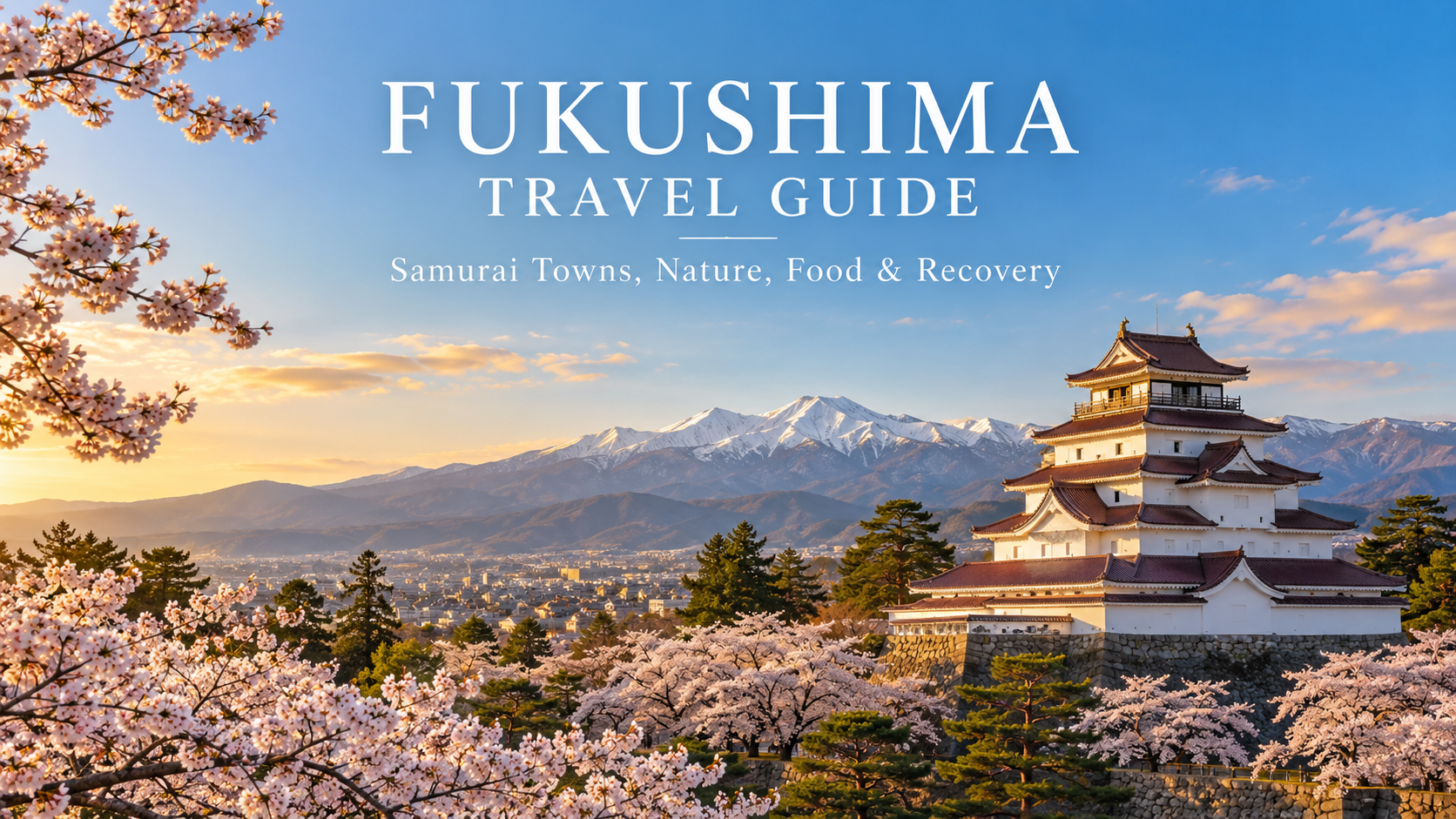
Fukushima is one of Japan’s largest, most diverse destinations. Stretching from the mountains of Aizu to the Pacific coast, it offers historic castle towns, thatched-roof villages, volcanic lakes, scenic railways, hot springs, fruit orchards, and a rich regional food culture.
The prefecture is divided into three broad areas. Aizu in the west is known for samurai history, snowy landscapes, and traditional culture. Nakadori, the central corridor, includes Fukushima and Koriyama and serves as the main transport gateway. Hamadori faces the Pacific and includes coastal communities rebuilding and preserving lessons from the 2011 Great East Japan Earthquake and nuclear disaster.
Many international travelers know Fukushima only through the events of 2011. Those events remain important, but do not define everything here. A journey may include a castle town, a train above a misty river, handmade ramen, and residents carrying traditions and memories forward.
This Fukushima travel guide introduces the best places to visit, regional food, seasons, transportation, and a practical itinerary. It also provides a Japanese perspective on Aizu identity, preservation, seasonal beauty, and disaster memory.
Why Visit Fukushima?
Fukushima is ideal for travelers who want variety and fewer international crowds. Aizu offers history, Urabandai provides lakes and volcanic scenery, Nakadori is known for orchards and flowers, and Hamadori combines coastal food with recovery-focused learning.
The Tohoku Shinkansen connects Tokyo with Koriyama and Fukushima, while branch lines lead toward Aizu and the coast. A car is useful for rural scenery, but Aizu-Wakamatsu, Ouchi-juku, and parts of the Tadami Line can be planned by public transport.
Two days suit a focused Aizu trip. Three or four are better for combining history, nature, food, and another region.
Best Things to Do in Fukushima
1. Explore the Samurai History of Aizu-Wakamatsu
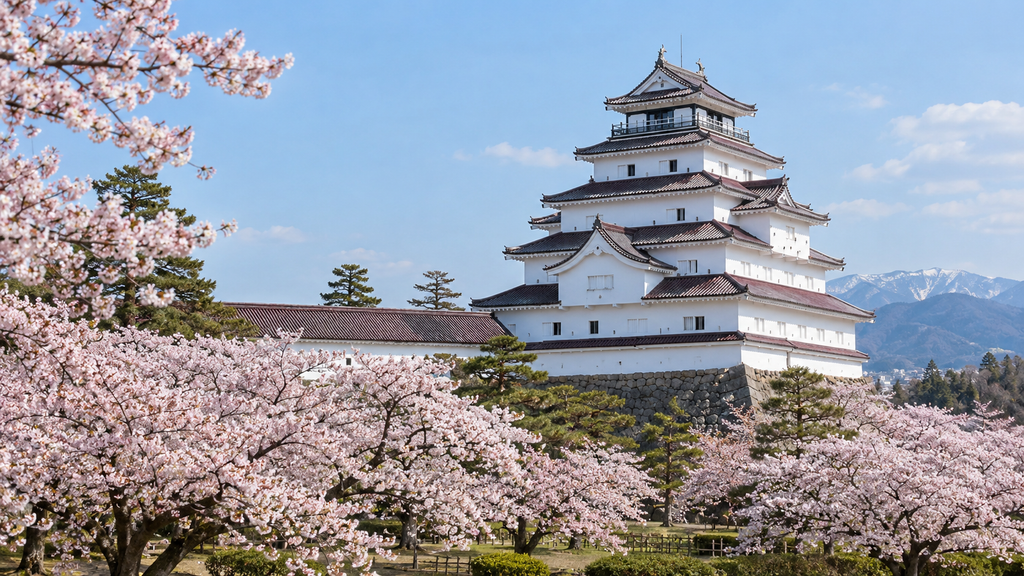
Aizu-Wakamatsu is Fukushima’s most important historical city. Its symbol is Tsurugajo Castle, also called Aizu-Wakamatsu Castle. The present keep is a reconstruction, but the stone walls, grounds, museum exhibits, and distinctive red roof tiles provide a strong introduction to the Aizu domain.
The castle is beautiful during cherry-blossom season and after snowfall. Exhibits explain the Boshin War of 1868–1869, when Aizu fought the new imperial government during the shogunate’s collapse.
Nearby Iimoriyama is associated with the Byakkotai, young Aizu warriors whose deaths became a powerful local story. This is a memorial site, not simply a samurai attraction. The Aizu Bukeyashiki residence and double-spiral Sazaedo pagoda add context.
Japanese Perspective: Loyalty and the Aizu Identity
Aizu is often associated with loyalty, discipline, and the phrase giri, a sense of duty or obligation. In popular memory, the domain remained committed to its responsibilities even when defeat became likely.
The Byakkotai story is sometimes simplified into heroic tragedy, but it also recalls the human cost of conflict and the pressure placed on young people by loyalty. A thoughtful visit makes room for respect and reflection.
2. Walk Through the Thatched-Roof Village of Ouchi-juku
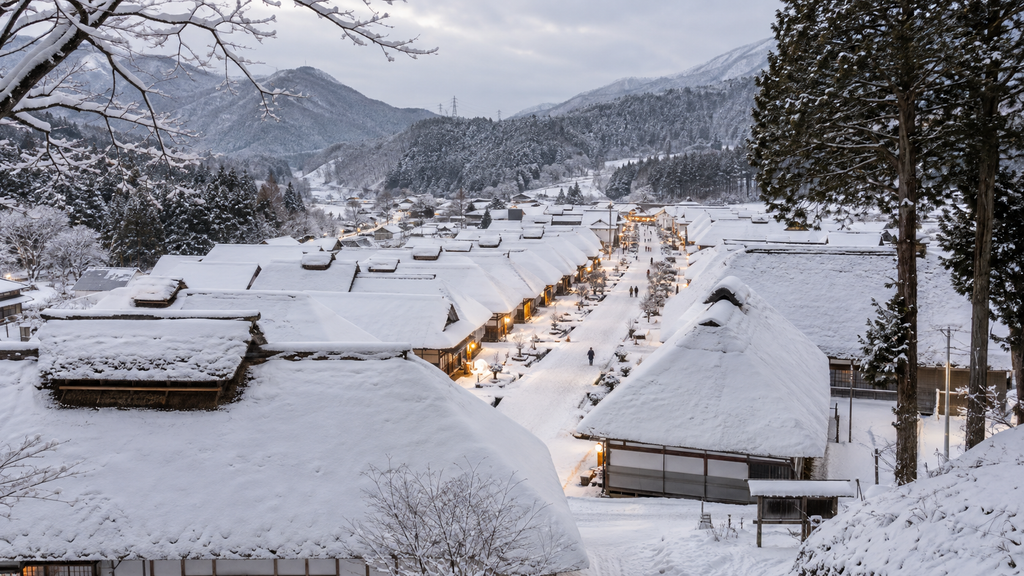
Ouchi-juku was a post town on an old route connecting Aizu with Nikko. Its main street is lined with traditional thatched-roof houses, creating one of Fukushima’s most recognizable landscapes. Many buildings now operate as restaurants, shops, and small guesthouses.
Snow creates the village’s most famous scenery, warmer months bring green fields, and autumn colors the hills. A short uphill path leads to a viewpoint over the street.
Try negi soba, buckwheat noodles traditionally eaten with a whole green onion used partly like chopsticks. It is memorable, but take your time—the custom is playful rather than a test of skill.
From Aizu-Wakamatsu, travelers generally use the Aizu Railway and a connecting bus. Winter roads require suitable driving experience and equipment.
Japanese Perspective: Preservation Is Living Work
Ouchi-juku may look like a scene preserved unchanged from the Edo period, but its appearance depends on continuing community effort. Thatched roofs require specialist knowledge, maintenance, cooperation, and significant labor.
Preservation is not only protecting old objects; it sustains skills and a living community. Stay on public paths, respect private areas, and support local businesses rather than treating the village as a film set.
3. Walk Around the Colorful Goshikinuma Ponds
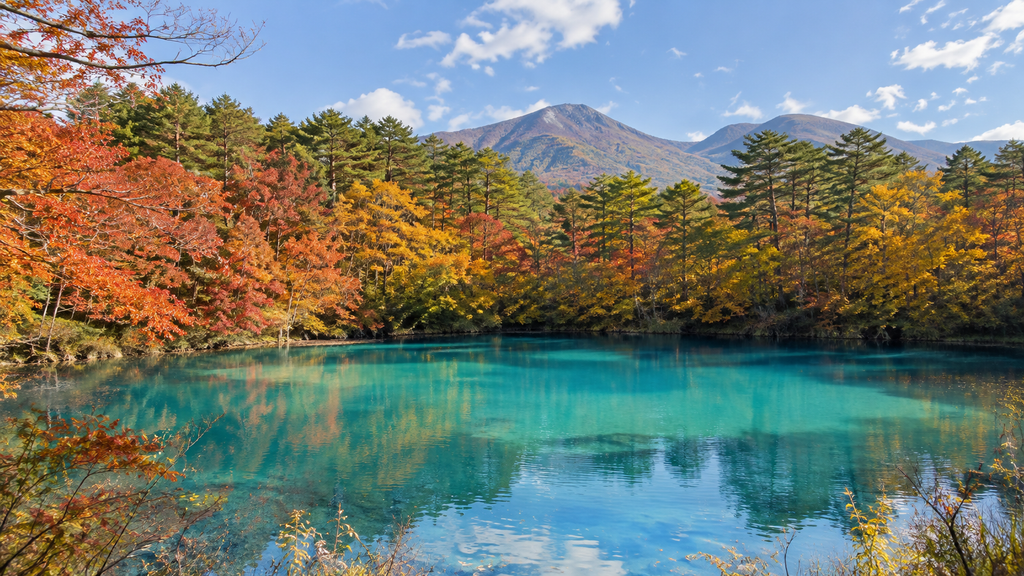
In Urabandai, the Goshikinuma group includes ponds that appear blue, green, turquoise, reddish, or brown depending on minerals, vegetation, weather, and light. They formed after the 1888 eruption of Mount Bandai dramatically changed the landscape.
The main woodland trail passes several ponds and can be muddy, so wear comfortable shoes. Colors change with conditions; that variation is part of the experience.
Urabandai is also a base for Lake Hibara, cycling, skiing, and hot springs. Autumn is popular, while summer greenery and winter snow offer different views.
IMAGE 3 — Insert here, after the Goshikinuma section
File name:fukushima-goshikinuma-blue-pond-autumn.png
ALT text: Brilliant blue Goshikinuma pond surrounded by autumn forest in Urabandai
Japanese Perspective: Beauty After Destruction
The lakes of Urabandai show how a landscape can become beautiful after a violent natural event. This does not mean forgetting destruction. Instead, it reflects a recurring Japanese awareness that nature creates and destroys, and that people must continue living within those changes.
Local interpretation connects geology, ecology, and community history. Understanding how the ponds formed makes them more meaningful than colorful photography locations alone.
4. Drive the Bandai-Azuma Skyline
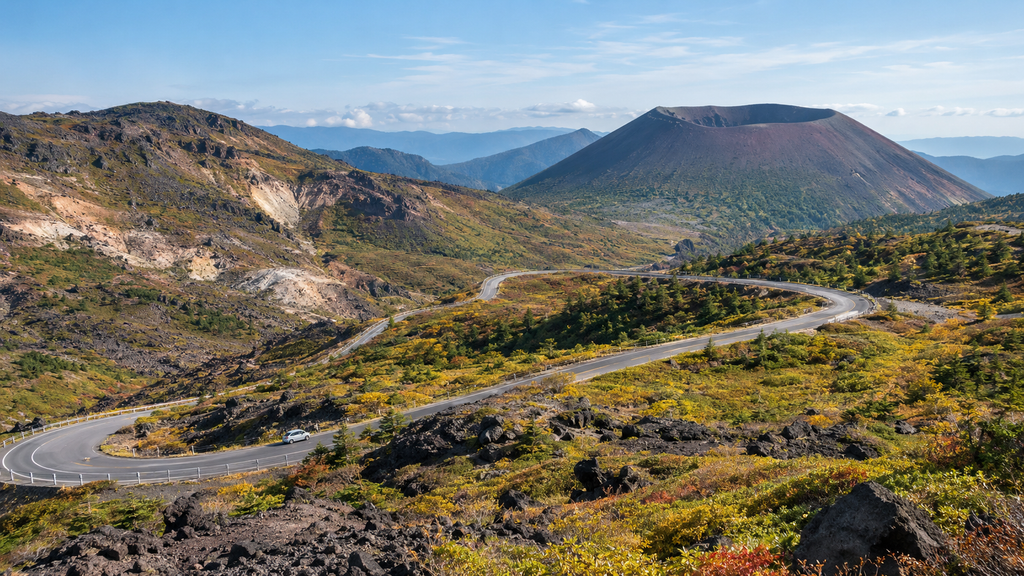
The Bandai-Azuma Skyline is a mountain sightseeing road west of Fukushima City. It climbs through forests into a dramatic volcanic landscape around Jododaira and Mount Azuma-Kofuji. The shift from green slopes to exposed rock can feel almost otherworldly.
At Jododaira, visitors can climb a short but steep path to the rim of Azuma-Kofuji. Other trails range from gentle walks to demanding hikes.
The road is seasonal and closes during winter. Opening dates and access conditions vary because of snow, weather, and volcanic safety measures. Check official information immediately before traveling and obey all restrictions. A seasonal bus may operate from Fukushima Station, but a car gives the greatest flexibility.
5. Ride the Tadami Line Through Mountain Scenery
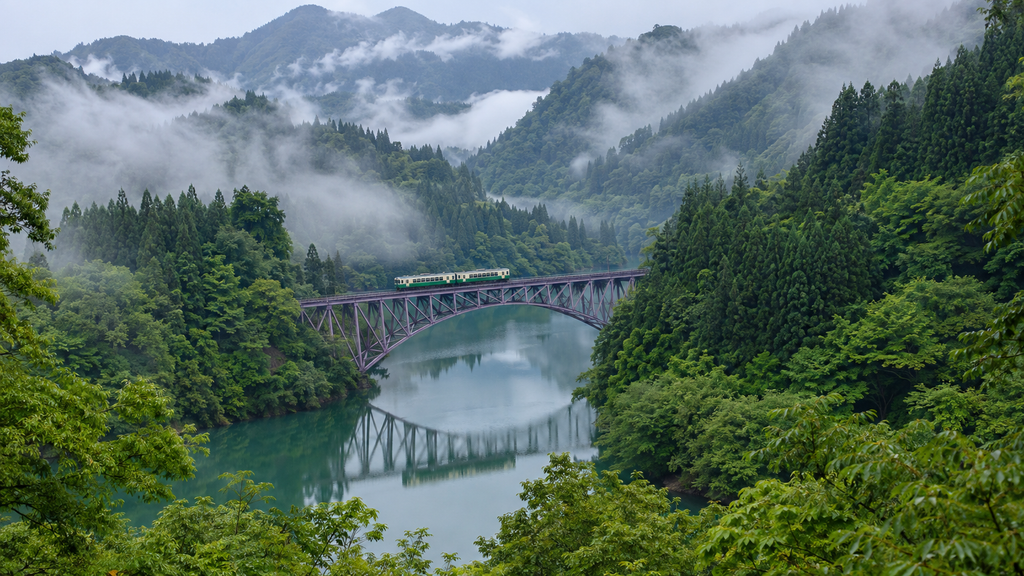
The JR Tadami Line travels through remote western Fukushima, following rivers and forested mountains. Its most famous image is a local train crossing the First Tadami River Bridge above water often covered in mist.
The line changes from fresh spring green to autumn color and heavy winter snow. Services are limited, and the photography viewpoint is not beside a major station. Check timetables and allow generous margins.
For photographers, it is important to remember that this is a working railway and a rural community. Use established viewpoints, do not enter tracks or private land, and avoid blocking roads. Riding the train also supports the route and reveals scenery that cannot be appreciated from a single photograph.
6. See the Ancient Miharu Takizakura
Miharu Takizakura is a giant weeping cherry tree believed to be more than 1,000 years old. Its long branches spread downward like a waterfall of blossoms, which gives the tree its name. It is recognized as one of Japan’s three great cherry trees.
The usual flowering period is around mid-April, but timing changes each year. Peak days can be extremely busy, so check bloom reports, arrive early, and use seasonal public transportation when available.
Miharu centers attention on one living tree whose age links generations of visitors and caretakers.
7. Learn About Fukushima’s Coastal Communities
The Hamadori coast is essential for travelers who want to understand present-day Fukushima. Facilities such as the Great East Japan Earthquake and Nuclear Disaster Memorial Museum in Futaba use exhibits and resident testimony to explain life before the disaster, the events of March 11, 2011, evacuation, recovery, decommissioning, and disaster preparedness.
Approach this part of the prefecture as a learning journey. Follow all current access rules and never enter restricted areas. Conditions and transportation can change, so consult official information before departure.
Japanese Perspective: Passing Memory Forward
The Japanese word densho refers to transmitting knowledge, experience, or tradition to future generations. Disaster memorials are not created only to preserve tragedy. They aim to turn painful experience into practical lessons that may protect lives elsewhere.
Listen to local voices and avoid reducing Fukushima to disaster imagery. Local restaurants, products, guides, and accommodation support communities while offering a fuller understanding of the prefecture today.
What to Eat in Fukushima
Fukushima’s three regions have different climates and food traditions, giving the prefecture exceptional culinary variety.
Kitakata Ramen
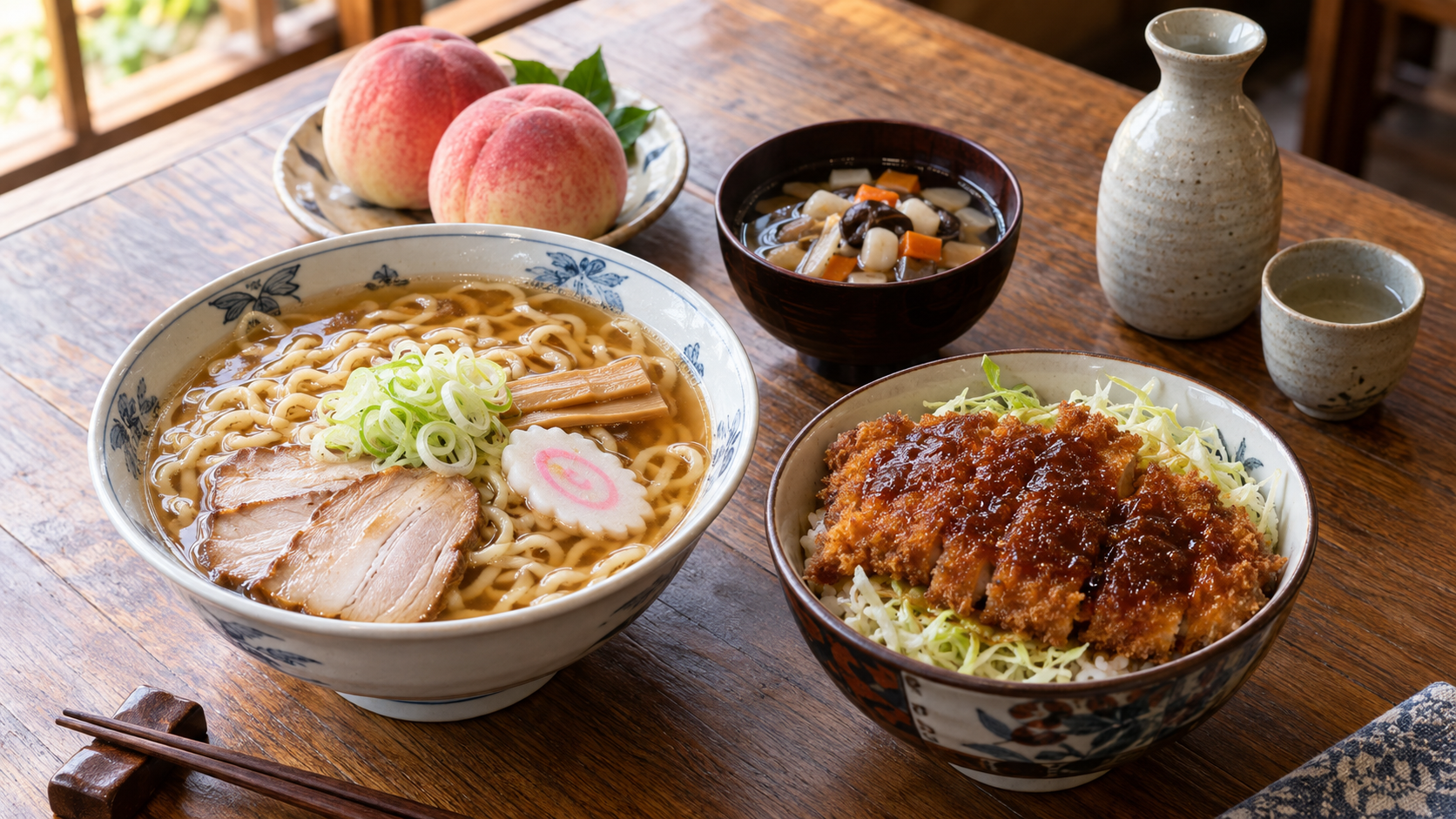
Kitakata ramen typically features thick, flat, curly noodles in a clear soy sauce–based broth. The city has a strong ramen culture, and some restaurants open in the morning for asa-ra, or breakfast ramen.
Sauce Katsudon
In Aizu, sauce katsudon consists of rice topped with shredded cabbage and a fried pork cutlet coated in a sweet-savory sauce. Portions can be generous, making it satisfying after a day of sightseeing.
Kozuyu and Traditional Aizu Food
Kozuyu is a delicate soup made with dried scallop stock and small ingredients such as vegetables, mushrooms, and wheat gluten. It is connected with celebrations and hospitality in Aizu. Wappa meshi, herring preserved with Japanese pepper leaves, and handmade soba also reflect inland food traditions.
Fruit and Sake
Fukushima’s central region produces peaches, pears, grapes, apples, and cherries. Fruit availability changes with the season, and orchard experiences may require reservations. The prefecture is also highly respected for sake, supported by local rice, water, and skilled brewing.
Japanese Perspective: Food and Regional Identity
Local dishes are often tied to climate and memory. Kozuyu expresses hospitality, preserved foods reflect snowy winters, and morning ramen has become part of Kitakata’s everyday identity.
Visit a neighborhood restaurant or brewery where possible. Differences in broth, sauce, and serving style reveal how regional food remains alive rather than fixed.
Best Time to Visit Fukushima
Spring: Cherry Blossoms and Mountain Snow
Spring is one of the most popular seasons, especially for Miharu Takizakura and Tsurugajo Castle. Blooming dates vary by elevation, while mountain roads may remain closed after lowland blossoms appear.
Summer: Green Mountains and Fruit
Summer suits Urabandai hiking, lakes, scenic rail journeys, and fruit experiences. Lowland areas can be hot and humid, but mountain districts are generally cooler.
Autumn: Foliage and Scenic Drives
Autumn is excellent for Goshikinuma, the Bandai-Azuma area, Ouchi-juku, and the Tadami River. Colors arrive earlier in high mountains than in towns, so check regional forecasts.
Winter: Snow Villages, Onsen, and Rail Scenery
Winter transforms Aizu and Ouchi-juku, but heavy snow can disrupt roads and trains. Mountain sightseeing roads close, daylight is shorter, and safe footwear is essential. Allow flexibility.
How to Get to and Around Fukushima
The Tohoku Shinkansen links Tokyo with Koriyama and Fukushima stations. Koriyama is a useful transfer point for Aizu-Wakamatsu and the Urabandai area, while Fukushima Station is convenient for the Bandai-Azuma region and northern Nakadori.
Aizu-Wakamatsu can be reached by rail via Koriyama. Ouchi-juku requires an additional Aizu Railway journey and bus connection. The Hamadori coast is served by the JR Joban Line, while the Tadami Line requires especially careful timetable planning.
Public transportation works for a focused itinerary, but Fukushima’s size makes a rental car valuable. Avoid trying to combine Aizu, Bandai, and Hamadori in one day. In winter, drive only with appropriate experience and equipment.
How Many Days Do You Need in Fukushima?
Allow three to four days for a satisfying first visit. Two days can cover the main Aizu sights, but additional regions deserve separate time.
Suggested 3-Day Fukushima Itinerary
Day 1: Aizu-Wakamatsu
Travel via Koriyama, then visit Tsurugajo Castle, Sazaedo or Iimoriyama, and the historic city streets. Eat sauce katsudon and stay in Aizu.
Day 2: Ouchi-juku and Aizu Culture
Visit Ouchi-juku, try negi soba, and add a nearby onsen or traditional residence depending on transportation.
Day 3: Choose Urabandai, Tadami, or Hamadori
Choose Goshikinuma for nature, the Tadami Line for railway scenery, or the coast for recovery-focused learning. Add another night for the Bandai-Azuma Skyline or a longer Hamadori journey.
Practical Travel Tips
- Plan by region. Fukushima is large, and its main destinations lie in different directions.
- Check seasonal closures. Mountain roads and some facilities close or change schedules in winter.
- Reserve limited transport. Rural buses, special trains, and seasonal services may require advance planning.
- Carry some cash. Smaller restaurants, baths, and rural transportation may not accept every international card.
- Use suitable footwear. Historic streets, mountain trails, snow, and wet woodland paths require different shoes.
- Check current access information. This is particularly important for Hamadori and volcanic areas.
- Leave buffer time. Weather can affect mountain roads and rural railway services.
Frequently Asked Questions About Fukushima
Is Fukushima worth visiting for first-time travelers to Japan?
Yes. Fukushima offers samurai history, mountain scenery, distinctive villages, excellent food, and fewer international crowds. Its large size rewards travelers who choose one or two regions instead of rushing.
Is it safe to travel around Fukushima?
Established tourist destinations are visited regularly, but access restrictions remain in designated locations. Follow official national and local guidance, posted signs, and current transportation information. Do not enter closed or restricted areas.
Can I visit Fukushima as a day trip from Tokyo?
Fukushima or Koriyama city can be reached quickly by Shinkansen, but the prefecture’s signature destinations require onward travel. At least two nights are recommended.
Do I need a car in Fukushima?
Not for every itinerary. Aizu-Wakamatsu can be explored by public transportation, and Ouchi-juku is possible with careful connections. A car is useful for Urabandai, mountain roads, orchards, and multi-stop rural trips.
What food is Fukushima famous for?
Popular specialties include Kitakata ramen, Shirakawa ramen, sauce katsudon, negi soba, kozuyu, wappa meshi, peaches, seasonal fruit, and sake.
When is the best time to visit Ouchi-juku?
Every season has a different appeal. Winter offers the famous snow scenery, autumn brings foliage, and warmer months make transportation and walking easier.
Final Thoughts: Who Will Love Fukushima?
Fukushima suits travelers interested in connections between landscape, history, and community—from castle museums and thatched roofs to volcanic ponds, remote railways, orchards, and coastal memorials.
Come not only to see beautiful places, but to understand how people preserve them, remember difficult history, adapt to nature, and continue everyday life. That gives Fukushima unusual depth.
Explore More of Tohoku
Fukushima forms the southern gateway to Tohoku. After exploring Aizu’s samurai history, mountain landscapes and traditional villages, continue north to discover more of the region.
Miyagi Travel Guide
Travel north to Sendai and Matsushima for Date Masamune’s legacy, one of Japan’s most celebrated coastal landscapes, excellent seafood and accessible hot springs.
Read next: Miyagi Travel Guide for First-Time Visitors: Sendai, Matsushima, Food & Culture
Yamagata Travel Guide
Continue northwest for Yamadera, nostalgic Ginzan Onsen, Mount Zao and the spiritual landscapes of Dewa Sanzan.
Read next: Yamagata Travel Guide for First-Time Visitors: Temples, Onsen, Food & Four Seasons
Looking for more destinations in northern Japan? Browse all of our Tohoku Travel Guides.