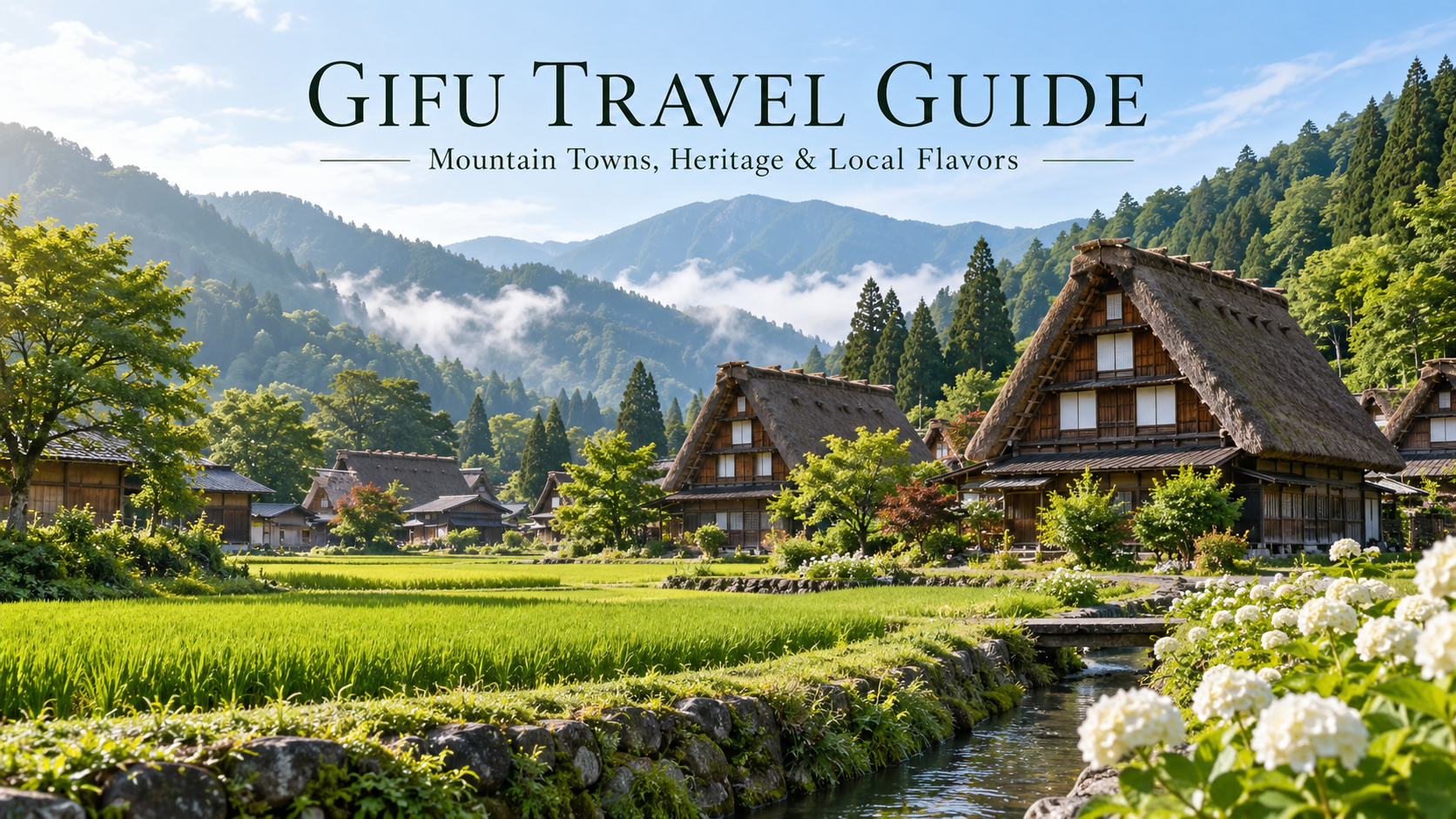
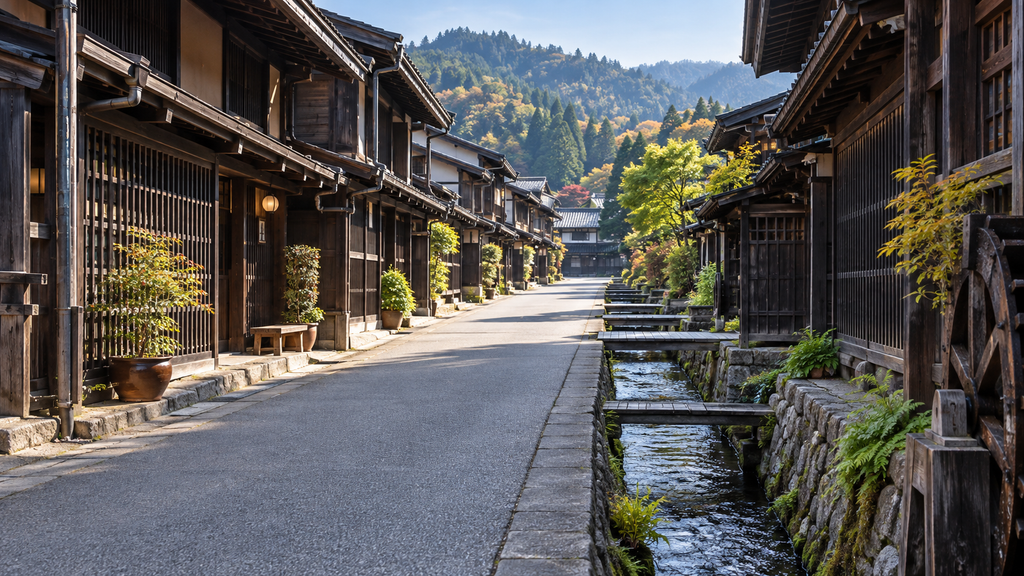
Gifu invites you into Japan’s mountain towns and the everyday details that give them character. Dark wooden storefronts line Takayama’s streets, water runs through Gujo Hachiman, and steep thatched roofs rise above the fields of Shirakawa-go.
Food adds another reason to linger. A bowl of rice with fragrant hoba miso, a freshly grilled gohei mochi, or a carefully chosen Hida beef meal can become a highlight of the day.
This Gifu travel guide helps first-time visitors connect the main sights into a realistic trip, with a Japanese perspective on the homes, food, and shared spaces behind the scenery.
Images are original illustrations inspired by Gifu. They convey regional atmosphere and are not documentary photographs or exact reproductions of individual locations.
Why Visit Gifu?
Gifu is an inland prefecture in central Japan’s Chubu region. Its attractions range from mountain villages and hot springs to historic travel routes and towns shaped by rivers.
The prefecture is large, and its mountain geography matters when planning. Takayama and Shirakawa-go work well together, while Gujo Hachiman and Magome require their own transport decisions.
For a first visit, allow three days for Takayama, Shirakawa-go, and Gero. Add more time for a walking route or another town, rather than treating everything on the map as a nearby stop.
1. Takayama: Explore Beyond the Famous Street
Takayama’s historic center is a rewarding place to begin. Wooden merchant buildings, latticework, and shops selling regional products create an inviting setting for a walk.
Spend time in the Sanmachi area, but leave room for a quieter side street or an indoor cultural visit. The official city guide lists places such as the historical government house and Hida Folk Village, each offering a different introduction to local history.
A relaxed morning and afternoon work better than rushing through town between bus connections. Stay overnight if possible, and enjoy a regional dinner after the main sightseeing day.
Japanese Perspective: Look at What Is Still in Use
Historic townscapes are easier to understand when you notice how buildings function today. A shop may combine an old timber frontage with a contemporary business; a household may sit beside a visitor attraction.
Ask before photographing interiors, avoid blocking entrances, and follow a shop’s guidance when eating something you have bought there. Respectful browsing gives you time to appreciate details that a quick photograph can miss.
2. Shirakawa-go: Understand the Work Behind the Roofs
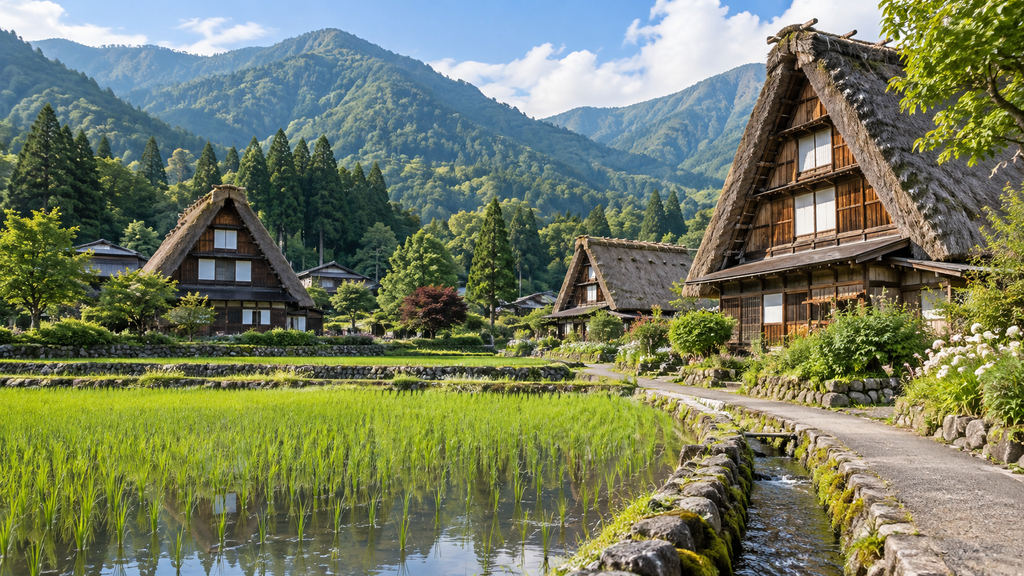
Shirakawa-go’s Ogimachi village is known for its gassho-zukuri houses, with steep thatched roofs. It forms part of the UNESCO-listed Historic Villages of Shirakawa-go and Gokayama.
The roof shape is striking, but looking inside a house open to visitors can make the architecture easier to understand. Choose one public house or museum and check its current admission arrangements.
Spend time walking through permitted village areas instead of making the viewpoint your only goal. Fields, houses, and the surrounding mountains belong to the same landscape.
Japanese Perspective: Heritage Is Maintained by People
Thatched houses do not preserve themselves. Repairs, roof work, and daily care are part of keeping the village alive.
Shirakawa-go is also a residential community. Follow the official visitor etiquette guidance, stay out of private spaces, and take fire precautions seriously. Do not assume an attractive doorway or garden is open to visitors.
Buying from a local business or paying admission to a public house gives your visit a more direct connection with the people maintaining the place.
Plan the Bus Before the Day
Check Nohi Bus’s Shirakawa-go route information for your chosen departure. Some services require reservations.
Confirm the return journey as carefully as the outward trip. Winter weather and busy periods can affect travel, and special illumination events have separate arrangements.
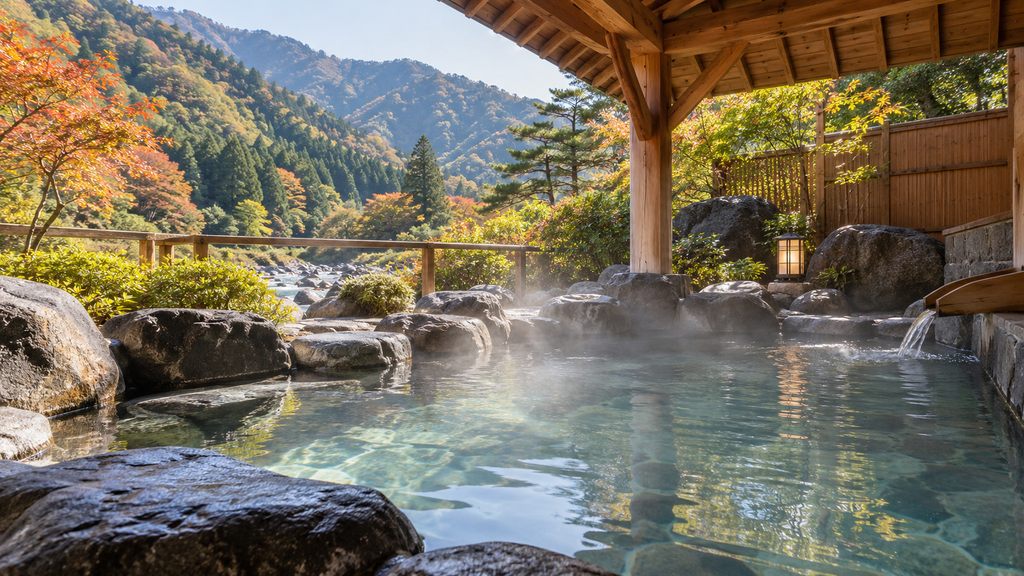
3. Gero Onsen: Give the Evening to the Hot-Spring Town
Gero offers a change of pace after sightseeing. A short town walk, a bath, and an unhurried dinner can be enough for a satisfying stay.
Choose accommodation according to the experience you want. Some travelers prioritize a private bath, others a regional dinner or convenient access from the station.
Check what is included in your room plan. Meal times, station transfers, and private bathing may require advance arrangements.
Japanese Perspective: Bathing Is a Shared Experience
In a communal bath, wash and rinse before entering the soaking water, keep towels out of the bath, and follow the property’s instructions.
Keep phones in the changing area and conversations considerate. If you prefer privacy, ask about a reservable bath. Tattoo policies differ between facilities, so check with your chosen accommodation before booking.
Arriving at the requested check-in time gives you space to settle in and helps the inn serve dinner as planned.
4. Gujo Hachiman: Follow the Water Through Town
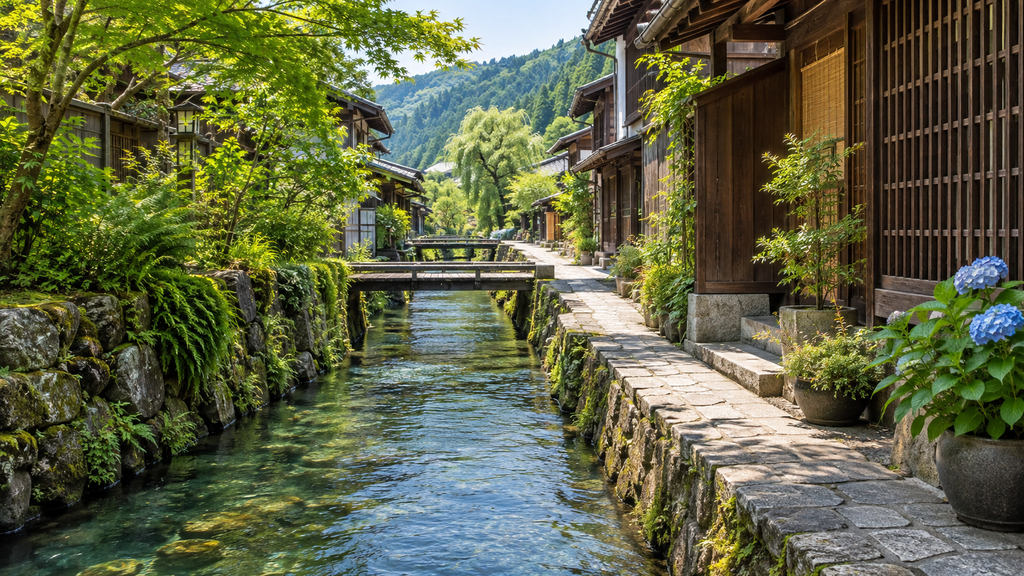
Gujo Hachiman offers a different kind of historic walk. Streams, channels, and springs are woven into its streets, giving the town a character that becomes clearer as you slow down.
Look for places where water and daily life meet. The local tourism information explains systems used to manage and share water, adding context to what may first appear decorative.
The town is also associated with Gujo Odori, a summer dance tradition. If attending is important to your trip, confirm the current schedule and accommodation early.
Japanese Perspective: Shared Water Requires Shared Care
Waterways can be both beautiful and useful. Their value depends on how people treat them.
Do not put food, rubbish, or soap into the channels. Use designated drinking-water facilities only according to posted guidance. Watching carefully is a better way to understand the town than treating every stream as a place to play.
Plan Gujo as a separate excursion or overnight stop. Its position on a map does not mean it fits easily between every other destination in Gifu.
5. Magome-juku: Walk into the History of Travel
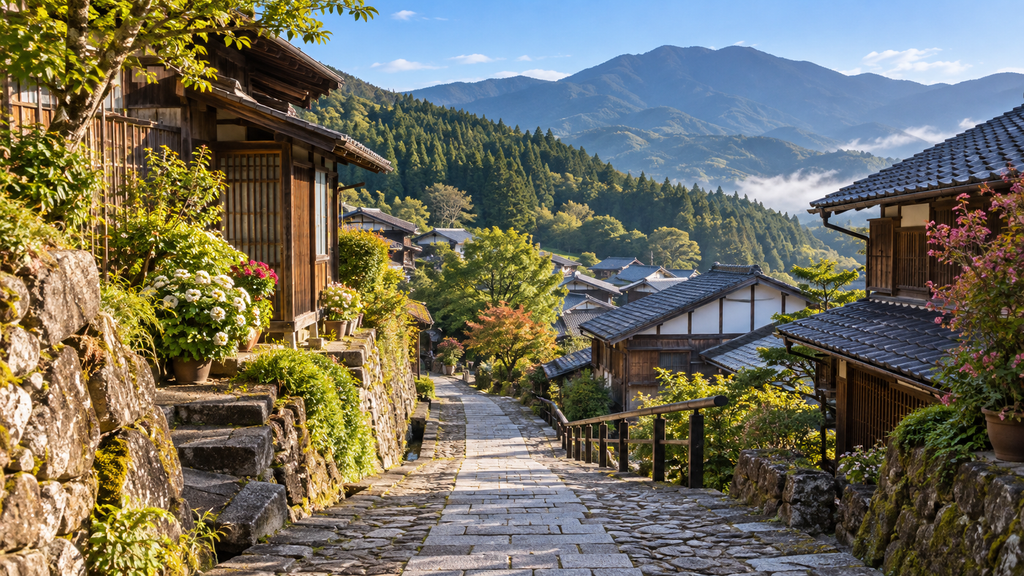
Magome-juku is a former post town on the Nakasendo, a historic route linking Edo, present-day Tokyo, and Kyoto.
Its sloping street rewards a slow walk. Notice how buildings follow the hillside and how the view opens toward the surrounding mountains.
A visit to the town does not require a long hike. You can explore, stop for something to eat, and return by your planned transport.
For a longer outing, the route toward Tsumago in neighboring Nagano is a separate walking itinerary. Check current trail conditions, daylight, weather, and onward transport before starting. Do not assume luggage services operate on every date.
Japanese Perspective: Travel Once Depended on Places to Rest
Post towns supported people moving on foot along demanding routes. Inns, food, and practical services were part of the journey.
Thinking about those needs makes a modern break for tea or lunch feel connected to the street’s history. Leave time to rest instead of turning the old route into another race between attractions.
What to Eat in Gifu
Hoba Miso
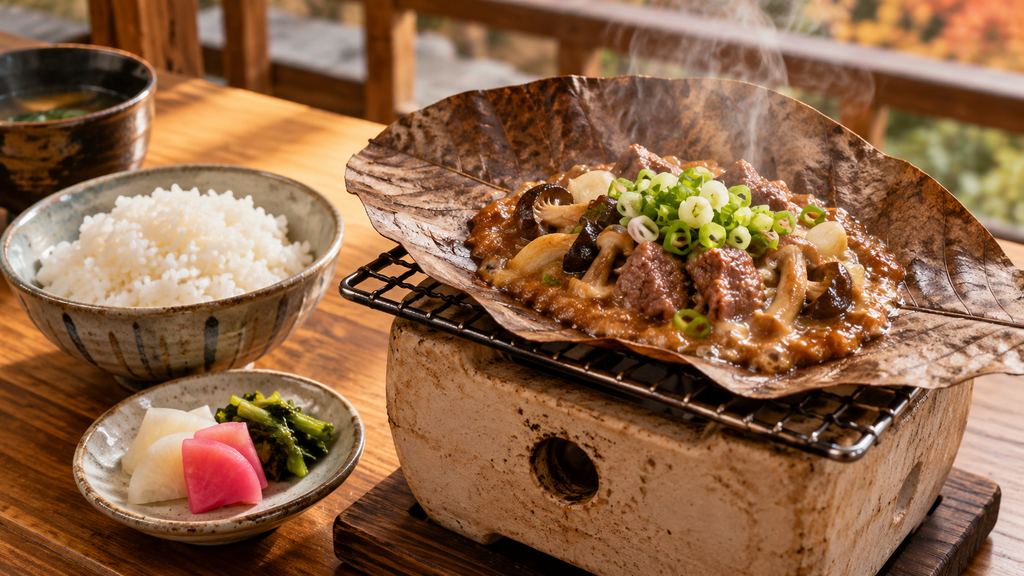
Hoba miso features miso cooked on a magnolia leaf, often with scallions, mushrooms, or meat. It is especially associated with the Hida region.
Enjoy it with rice and ask how the restaurant recommends eating it. The leaf is used in preparation and presentation; it is not the part you eat.
Hida Beef
Hida beef is a well-known regional specialty. Compare the preparation, serving size, and price before choosing a meal.
You do not need to order the most expensive option to enjoy a local food experience. A smaller portion as part of a set meal may suit your appetite better.
Gohei Mochi
Gohei mochi is made from pounded rice shaped around a skewer and grilled with a savory-sweet coating. Shapes and sauces vary, making it interesting to try in different towns.
Sauces may contain ingredients such as soy, sesame, or nuts. Explain allergies or dietary requirements before ordering, and do not assume a rice-based snack is suitable without checking.
Japanese Perspective: Let the Place Guide the Meal
Gifu’s food offers a way to notice regional differences within one prefecture. Choose what a town does well rather than expecting the same menu everywhere.
A simple snack or bowl of rice can provide as much local context as a more elaborate dinner when you understand how it is prepared.
Best Time to Visit Gifu
| Season | Good reasons to visit | Planning note |
|---|---|---|
| Spring | Town walks and fresh greenery | Mountain areas warm later than the lowlands. |
| Summer | Green village scenery and local festivals | Check event dates; allow breaks from heat. |
| Autumn | Foliage and comfortable walking days | Color varies with elevation and weather. |
| Winter | Snowy landscapes and hot-spring stays | Ice and snow can affect roads, paths, and buses. |
Choose your season around your priorities. A winter village visit needs different footwear and transport margins from a summer town walk.
Snow scenes are never guaranteed for a specific date. Check forecasts and local information close to departure.
Getting to and Around Gifu
Nagoya is a useful rail gateway for many visitors. The Limited Express Hida provides access toward Gero and Takayama, while eastern Gifu requires a different route.
For Magome, plan your journey toward Nakatsugawa and check the onward local connection. For Gujo Hachiman, compare the available rail and bus routes to the town itself.
Gifu City and Gifu Prefecture are not the same thing. Booking a hotel near Gifu Station does not place you close to every mountain destination.
Public transport works well for a focused itinerary, especially when you reserve necessary services in advance. A rental car can help reach dispersed places, but winter driving requires suitable equipment and experience.
Keep some cash for smaller businesses, confirm luggage storage, and check the final return service before starting a rural excursion.
A Comfortable Three-Day Gifu Itinerary
Day 1: Takayama
Arrive, leave your luggage, and explore the historic center. Choose one indoor cultural visit if time allows, then enjoy dinner and stay overnight.
Day 2: Shirakawa-go
Use the day for a bus excursion, village walk, and a public house or museum. Return to Takayama with enough time for a relaxed evening.
Day 3: Gero Onsen
Travel toward Gero for a town visit and a prearranged day-use bath, or stay overnight for a more comfortable hot-spring experience.
If staying, continue your journey after breakfast the following day rather than rushing away after dinner.
Add Time for Gujo or Magome
With extra days, choose Gujo Hachiman for water-town culture or Magome for post-town scenery and a planned Nakasendo walk. Confirm the transfer route before selecting either as your next stop.
Frequently Asked Questions
How many days should I spend in Gifu?
Three days suit a focused Takayama, Shirakawa-go, and Gero route. More time allows additional towns without constant transfers.
Can I visit Shirakawa-go without a car?
Yes. Buses connect it with Takayama and other cities. Check whether your selected service requires a reservation.
Is Shirakawa-go a museum village?
No. It is a living community with homes and businesses, although some buildings welcome visitors.
Can I visit Magome without hiking to Tsumago?
Yes. Explore the town and return by your planned transport. The longer trail is optional.
Is Gero Onsen suitable for first-time visitors?
Yes. Ask about bathing rules and consider a private bath if you prefer more privacy.
Is Gifu suitable for travelers with limited mobility?
Some visits can be adapted, but sloping streets, uneven paths, and stairs in historic buildings may create barriers. Confirm specific access needs with each attraction and accommodation.
Explore More of Chubu
Gifu’s mountain towns and historic routes connect naturally with several neighboring parts of central Japan. Continue your journey through castle cities, alpine landscapes and traditional villages.
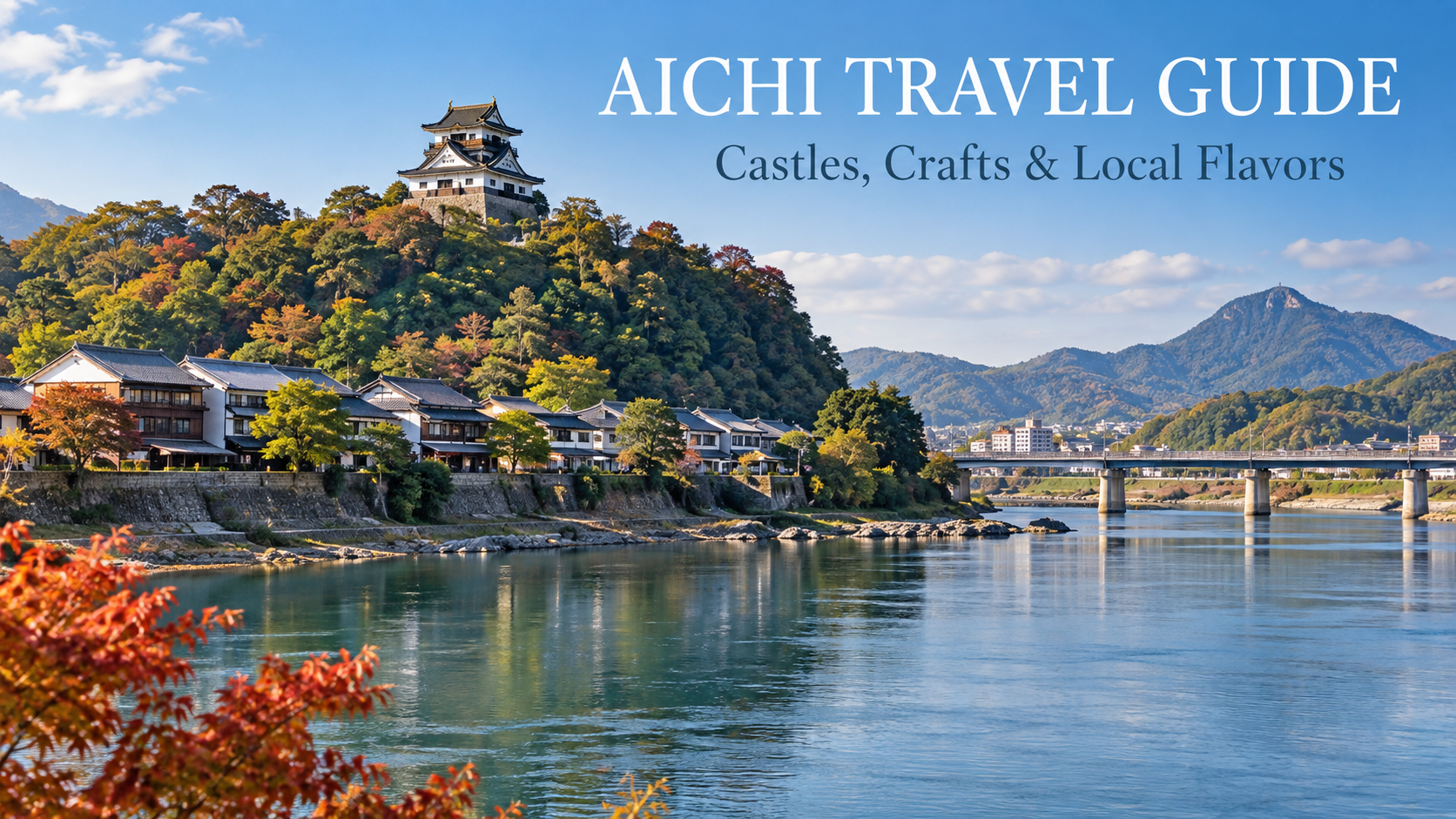
Aichi Travel Guide
Travel south toward Nagoya for castles, shrines, traditional crafts and a distinctive local food culture centered on dishes such as miso katsu and hitsumabushi.
Read next: Aichi Travel Guide: Castles, Crafts, and Local Flavors
Toyama Travel Guide
Continue from Shirakawa-go toward neighboring Toyama, where Gokayama’s traditional villages, the Tateyama Kurobe Alpine Route and Toyama Bay create another side of mountain Japan.
Read next: Toyama Travel Guide: Mountains, Heritage, and Coastal Flavors
Nagano Travel Guide
Follow the history of the Nakasendo into Nagano, where old post towns, Matsumoto Castle and the landscapes of the Japanese Alps await.
Read next: Nagano Travel Guide: Mountains, Heritage, and Local Flavors
Explore more of central Japan through our Chubu Travel Guides.