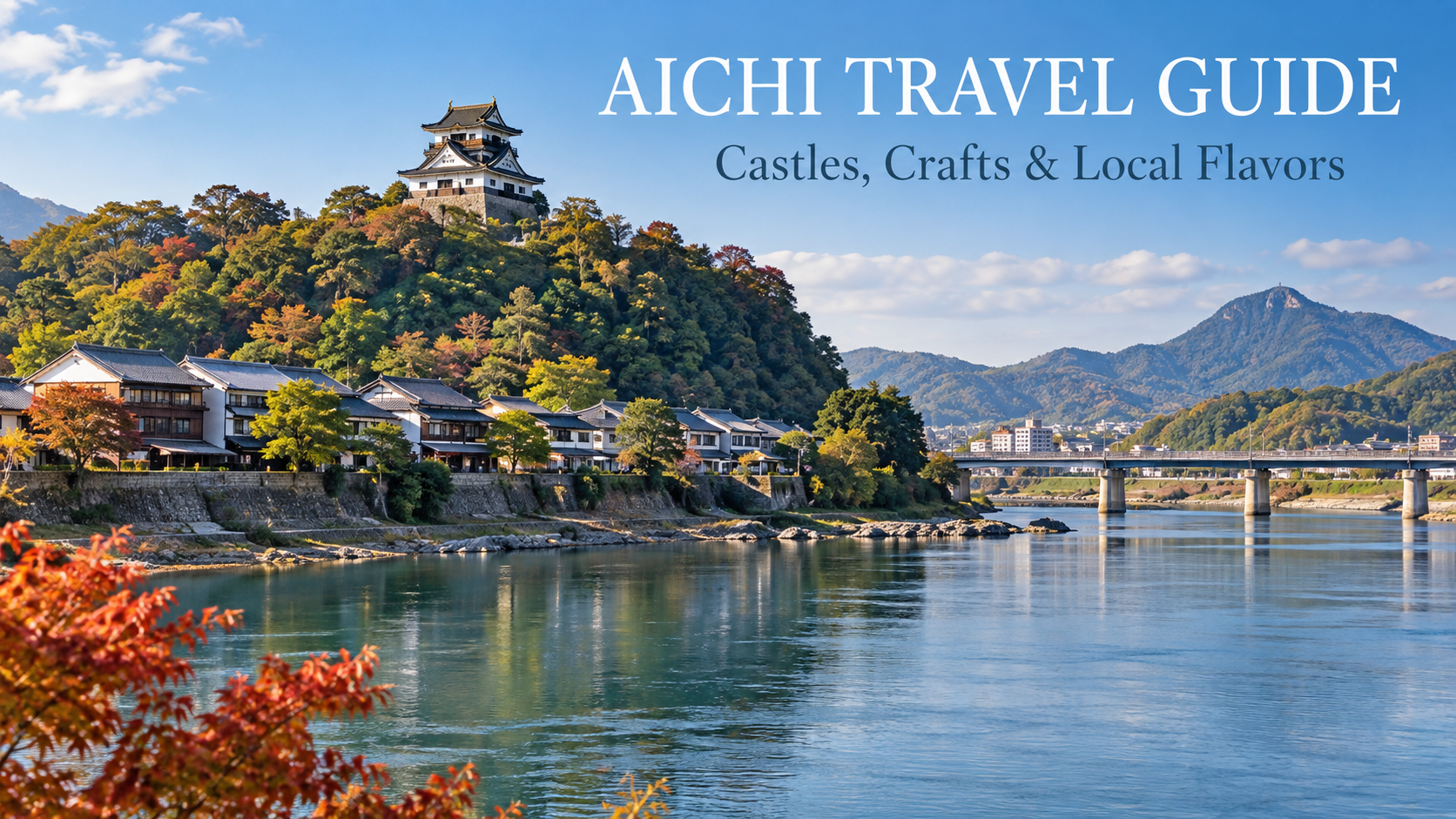
Aichi rewards travelers who enjoy discovering how a place works. In Nagoya, castle architecture shares the city with busy shopping streets and industrial museums. Beyond the center, Inuyama offers a castle-town outing, Tokoname reveals a landscape shaped by pottery, and Arimatsu introduces the patient craft of shibori dyeing.
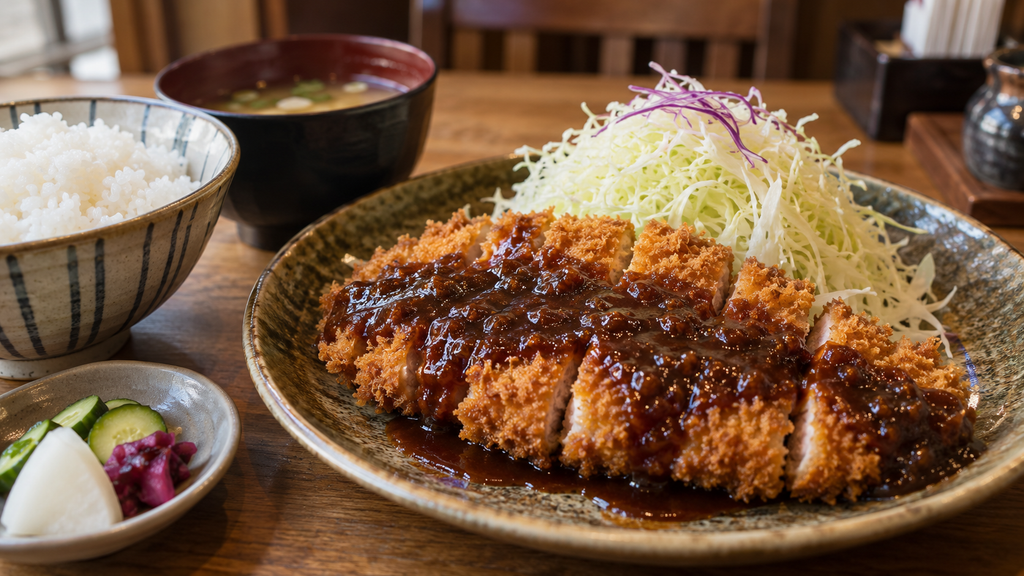
Meals are part of the journey. A crisp pork cutlet with dark miso sauce or a slow café breakfast can reveal a regional personality that feels different from Tokyo or Kyoto.
This Aichi travel guide brings those experiences together, with practical planning advice and a Japanese perspective on the objects, flavors, and traditions behind them.
Why Visit Aichi?
Nagoya, Aichi’s capital, is a useful base along Japan’s main travel corridor. Stay for several nights and you can explore contrasting places without moving hotels every day.
The prefecture suits travelers interested in history, everyday food, and craftsmanship. Its appeal often lies in details: the texture of dyed cloth, a teapot that pours neatly, or the way an old merchant street still supports modern shops.
For a first visit, choose Nagoya plus one or two excursions. Inuyama lies north of the city, while Tokoname is south toward the airport. Treat them as separate outings rather than trying to connect every destination in a single day.
1. Discover Nagoya Castle and the City Around It
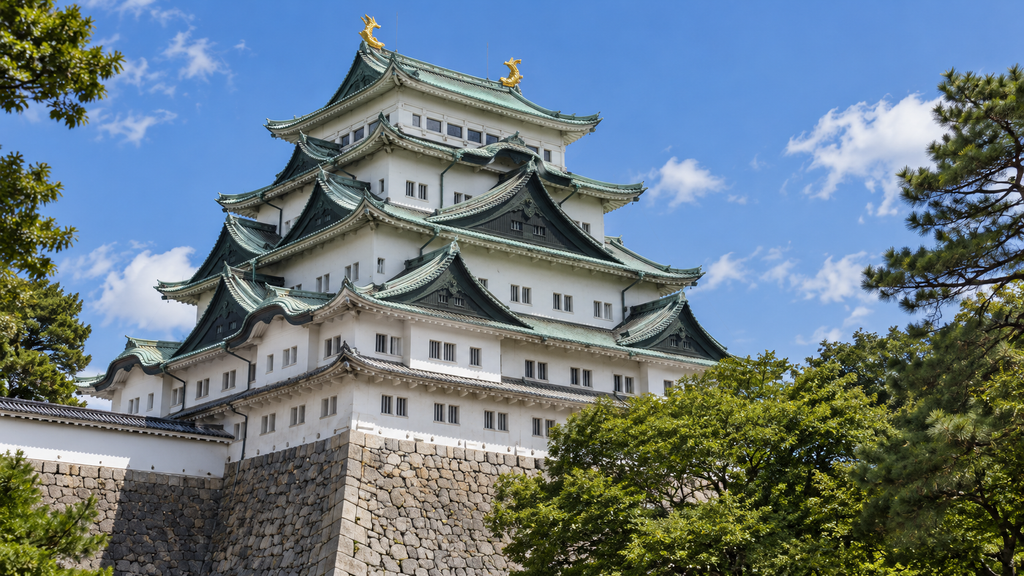
Nagoya Castle provides a starting point for understanding the city’s connection to the Tokugawa period. Look for the golden shachihoko ornaments above the roofs: creatures traditionally depicted with a tiger’s head and a fish’s body.
The reconstructed Hommaru Palace introduces a different side of castle life through elaborate reception rooms and decorative interiors. It helps visitors imagine the formal setting in which authority was displayed.
Planning note: At the time of checking, the main tower keep is closed to visitors because of aging and earthquake-resistance concerns. Plan around the palace and accessible grounds, and check the official castle website before visiting.
Leave time for contemporary Nagoya too. Osu offers shopping streets and casual food stops, while Sakae works well for an evening meal. Choose a neighborhood and explore it on foot instead of spending the entire day changing trains.
Japanese Perspective: Reading a Reconstructed Landmark
A reconstructed building can still tell an important story, but knowing what you are looking at matters. Nagoya’s castle keep and palace were destroyed during the Second World War; the buildings visitors see today reflect later reconstruction efforts.
The experience is therefore about both earlier history and the choices involved in preserving a city’s cultural identity. Read the on-site interpretation rather than assuming every structure has survived unchanged for centuries.
2. Slow Down at Atsuta Jingu
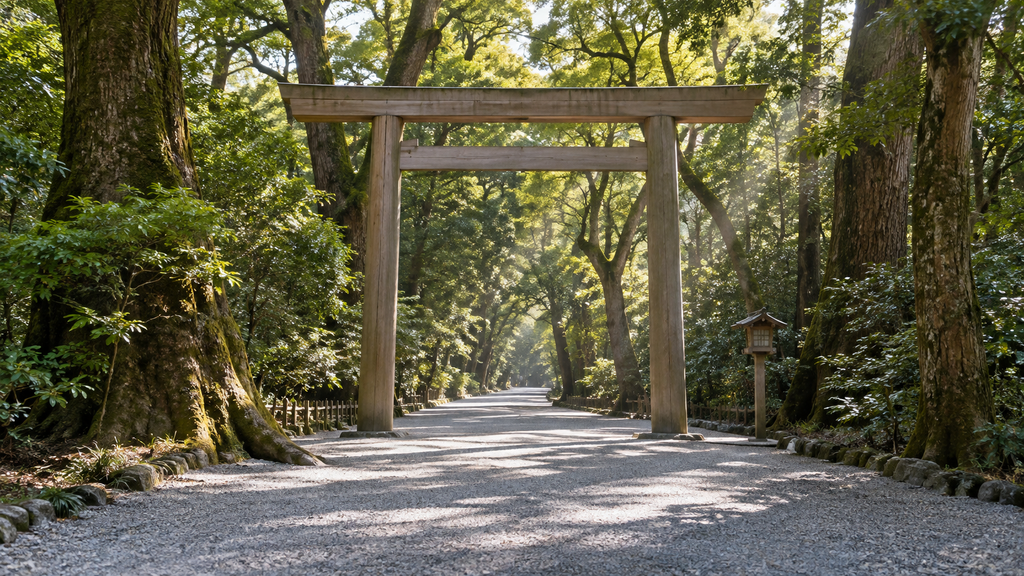
Atsuta Jingu offers a quieter setting within the city. Its wooded grounds create a welcome change of pace, particularly after a busy morning of sightseeing.
This is an active Shinto shrine. Allow people space to pray, follow photography signs, and keep conversations unobtrusive around worship areas. You do not need to perform a ritual to visit respectfully.
Japanese Perspective: A Shrine Is Part of Daily Life
For many visitors, a shrine first appears as a historic attraction. For worshippers, it can also be a place connected to family occasions, gratitude, or hopes for the future. These relationships vary from person to person.
Remembering that the space has a purpose beyond sightseeing makes its quieter details more meaningful. Watch how people use the grounds, and avoid blocking entrances while taking photographs.
3. Take a Day Trip to Inuyama
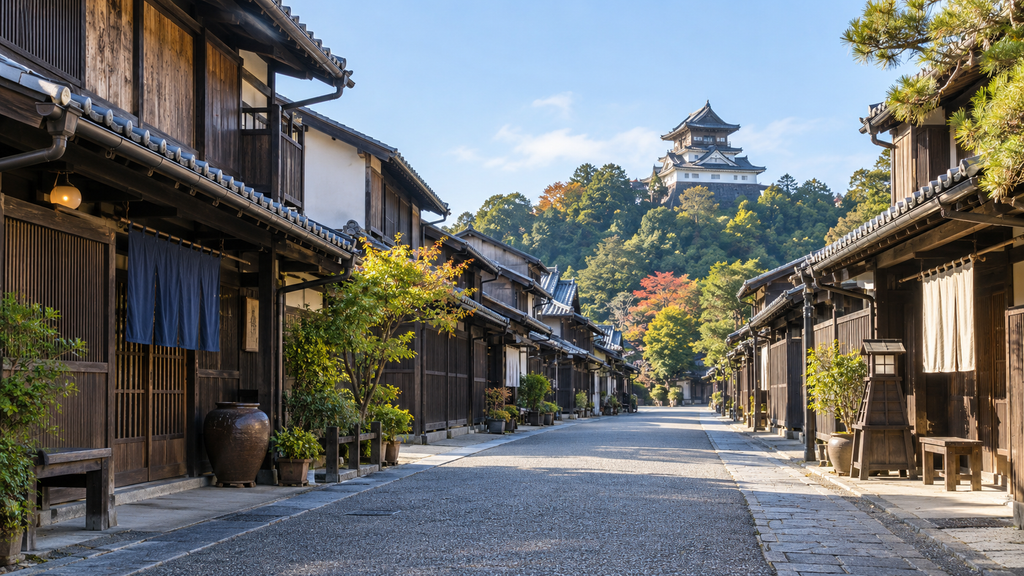
Inuyama combines a surviving historic castle keep with a town that invites unhurried wandering. The castle stands above the Kiso River, and its elevated setting is an important part of the experience.
The interior has steep stairs. Travelers with limited mobility should check access information beforehand and consider enjoying the town and exterior views instead.
Below the castle, traditional buildings accommodate shops and places to eat. Allow time for side streets as well as the main approach, and use designated eating areas when buying snacks.
Japanese Perspective: The Town Beyond the Castle
A castle town was organized around more than its landmark. Merchants, craftspeople, and samurai households helped shape its streets and economic life. Inuyama’s historic street layout makes this relationship easier to appreciate.
Look at the scale of storefronts and the transitions between commercial streets and quieter surroundings. The town adds context that a visit to the keep alone cannot provide.
4. Walk Tokoname’s Pottery Footpath
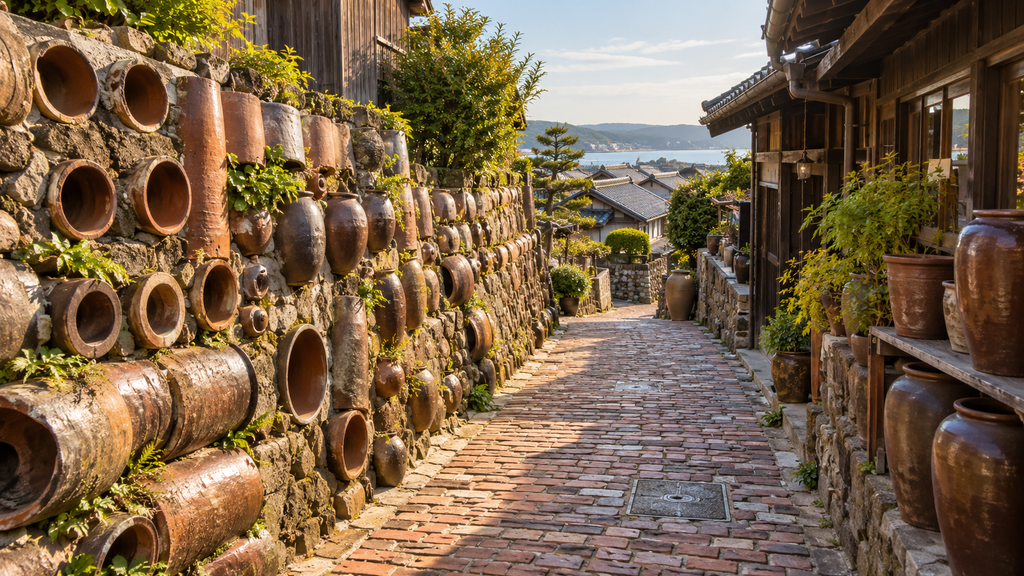
Tokoname is one of Aichi’s most rewarding places for travelers who like ceramics. Its pottery heritage appears in workshops, old kiln structures, and lanes where ceramic objects form part of the built environment.
The official Pottery Footpath has two routes. Course A is approximately 1.6 kilometers and makes a manageable introduction; Course B is longer. Use the official walking information to choose a route and leave extra time for galleries and cafés.
Wear comfortable shoes for sloping lanes. Workshop schedules vary, so book ahead if a pottery experience is central to your visit.
Japanese Perspective: Craft You Can Use
Ceramics become easier to understand when you think about their function. A teapot is not simply a display object: its weight, handle, lid, and pouring action affect a familiar daily routine.
If you buy a piece, ask about care and intended use. A modest cup that becomes part of your day can be a more personal souvenir than an object chosen only for its appearance.
5. Explore Arimatsu and Aichi’s Making Traditions
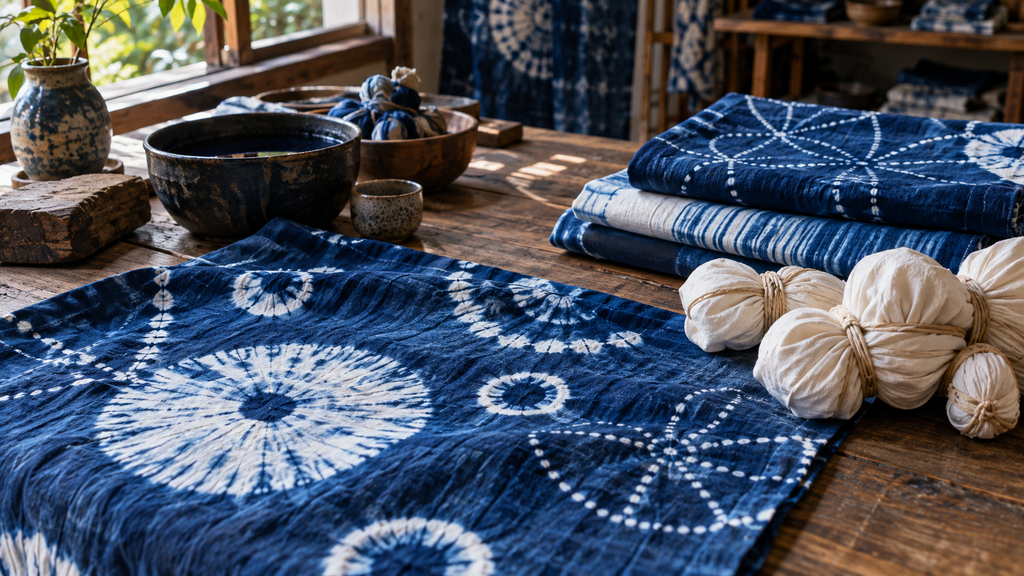
Arimatsu, in southern Nagoya, is associated with shibori, a family of textile techniques that resist dye through methods such as tying and stitching. Its historic streetscape gives the craft a setting beyond a souvenir shelf.
Visit the Arimatsu Narumi Shibori Hall or explore specialist shops. If you want a hands-on session, confirm availability, language arrangements, and whether advance booking is necessary.
Japanese Perspective: From Handwork to Industry
The word monozukuri is often translated as “making things.” In a travel context, it is a useful invitation to notice materials, processes, and the work behind a finished object. It should not be treated as a claim that all Japanese people share one attitude toward craftsmanship.
For another view of production, visit the Toyota Commemorative Museum of Industry and Technology. Its textile and automobile displays connect Aichi’s manufacturing history with machinery and demonstrations. This is a museum visit, not a factory tour, and it makes a useful alternative on a rainy day.
6. What to Eat in Aichi
Start with a few dishes rather than turning every meal into a checklist.
- Miso katsu: Breaded pork cutlet with a rich miso-based sauce.
- Hitsumabushi: Grilled eel over rice, commonly enjoyed first as served, then with condiments, and finally with broth or tea according to the restaurant’s guidance.
- Kishimen: Broad, flat noodles, often served in a savory broth.
- Tebasaki: Seasoned chicken wings, popular for a casual evening meal.
- Ogura toast: Toast with sweet red bean paste, often encountered in the local café scene.
Japanese Perspective: Regional Flavor and the Café Morning
Japanese food changes noticeably between regions. Aichi’s enthusiasm for miso-based dishes offers an approachable example: familiar ingredients create a different balance of sweetness, depth, and richness.
Another small pleasure is the café “morning,” a breakfast offer associated with ordering a drink. What is included, what costs extra, and when it is available vary by shop. Read the menu before assuming breakfast is complimentary.
For dietary restrictions, confirm the sauce and broth ingredients as well as the main item. A vegetable topping alone does not tell you what is in the stock.
Best Time to Visit Aichi
| Season | What to plan for |
|---|---|
| Spring | Comfortable walking days and blossom outings; popular dates can be busy. |
| Summer | Heat and humidity; alternate outdoor walks with museums and cafés. |
| Autumn | Pleasant walking conditions and seasonal color, with timing varying by location. |
| Winter | Cooler city sightseeing and warming meals; check year-end closures. |
Spring and autumn are convenient starting choices for a first trip. Avoid designing a tight itinerary around an exact blossom or foliage date, as conditions vary each year.
Getting There and Getting Around
Nagoya is served by the Tokaido Shinkansen, making Aichi a practical stop between Tokyo and Kyoto or Osaka. Chubu Centrair International Airport provides another gateway, with Meitetsu rail connections toward Nagoya.
Use the subway for many central Nagoya sights and Meitetsu services for excursions such as Inuyama, Tokoname, and Arimatsu. Check the actual stopping pattern and destination of your train. Reserved-seat services may require an additional ticket.
A car is unnecessary for the itinerary below. Staying near Nagoya Station favors regional connections; Sakae can suit travelers who prioritize restaurants and evenings in the city.
Check individual attraction calendars before assigning days, especially for museums and workshops. Plan around a small number of anchors and leave room for meals and local exploration.
A Simple Three-Day Aichi Itinerary
Day 1: Nagoya’s History and Local Food
Visit Nagoya Castle and the accessible palace and grounds. After lunch, choose Atsuta Jingu for a quieter afternoon or the Toyota museum for an industrial-history focus. End with a local dinner.
Day 2: Inuyama
Give the castle and town most of the day. Start early if you want a calmer walk, then make time for lunch and the river setting before returning to Nagoya.
Day 3: Tokoname or Arimatsu
Choose Tokoname for ceramics and a longer walking outing, or Arimatsu for textiles and a workshop. Keeping one main destination makes the day more relaxed. With a fourth day, visit the other town.
If departing from Centrair after Tokoname, leave generous time for luggage collection, rail travel, and airport procedures.
FAQ: Visiting Aichi for the First Time
Is Aichi the same as Nagoya?
No. Aichi is the prefecture; Nagoya is its capital city. Inuyama and Tokoname are separate cities within Aichi, while Arimatsu is part of Nagoya.
How many days do I need?
Three days allow a useful introduction to Nagoya and two excursions. Four days provide more room for both pottery and textiles without rushing.
Can I visit without renting a car?
Yes. The places in this itinerary are practical by train and on foot, although walking distances, slopes, and castle stairs deserve consideration.
Can I enter Nagoya Castle’s main tower?
The main keep is currently closed. Check the official website for changes and plan your visit around the palace and accessible grounds.
Which day trip should I choose?
Choose Inuyama for a castle and historic streets, Tokoname for pottery, or Arimatsu for dyed textiles. Your interests matter more than trying to visit all three quickly.
What should I eat first?
Miso katsu is an accessible introduction if you eat pork. Hitsumabushi suits travelers interested in eel, while a café breakfast offers a gentler start to the day.
Explore More of Chubu
Aichi sits at the heart of central Japan, making it a convenient starting point for exploring the mountains, historic towns and scenic landscapes of the wider Chubu region.
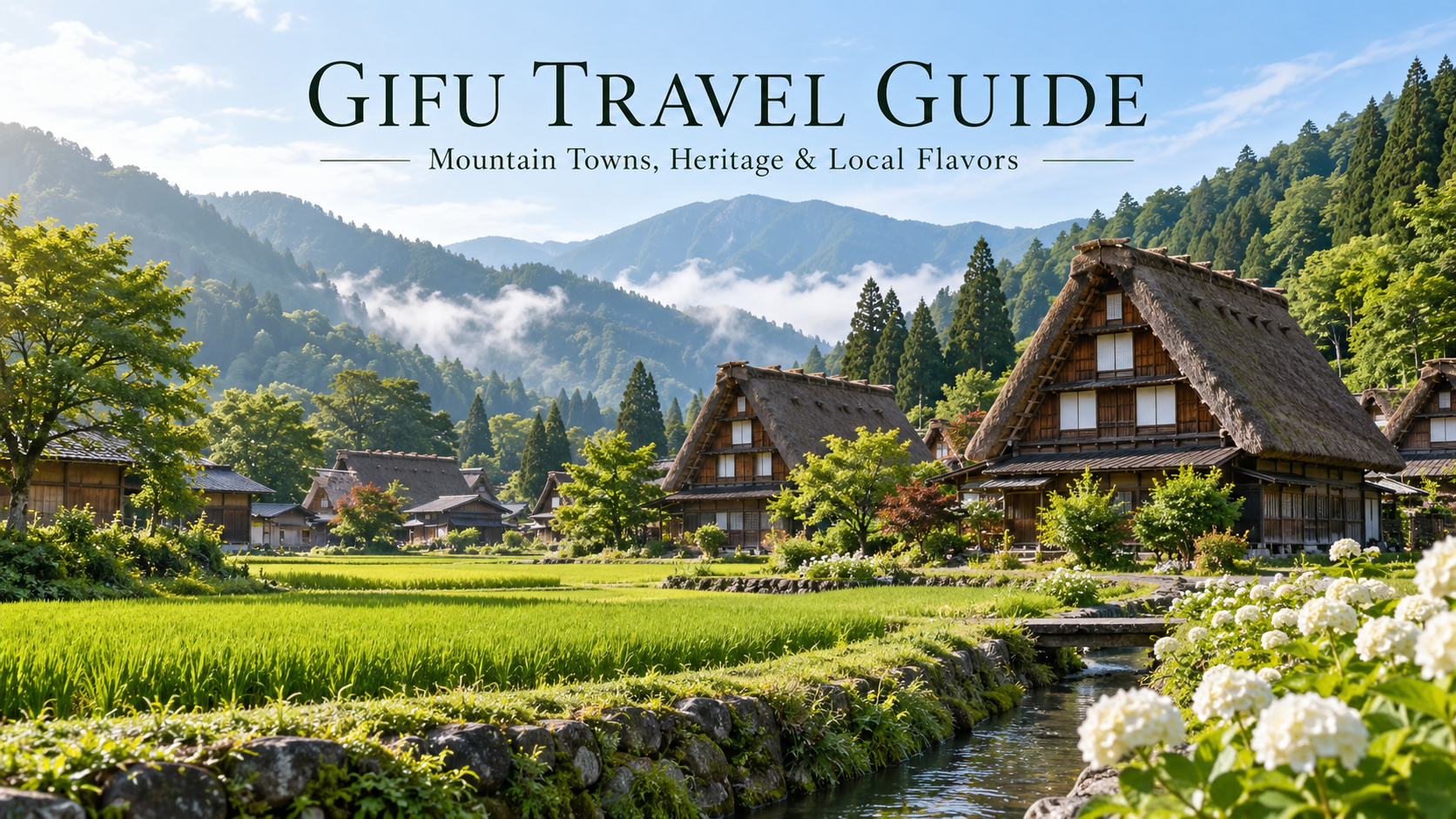
Gifu Travel Guide
Travel north from Nagoya toward Takayama, Shirakawa-go and Gero Onsen for mountain scenery, historic streets and traditional hot-spring culture.
Read next: Gifu Travel Guide: Mountain Towns, Heritage, and Local Flavors
Shizuoka Travel Guide
Continue east along Japan’s main travel corridor to discover Mount Fuji views, green tea culture, Suruga Bay and the coastal landscapes of the Izu Peninsula.
Read next: Shizuoka Travel Guide: Fuji Views, Tea, and Coastal Escapes
Nagano Travel Guide
Head into the Japanese Alps for Matsumoto Castle, Kamikochi, historic post towns, temples and mountain cuisine.
Read next: Nagano Travel Guide: Mountains, Heritage, and Local Flavors
Discover more destinations in our Chubu Travel Guides.