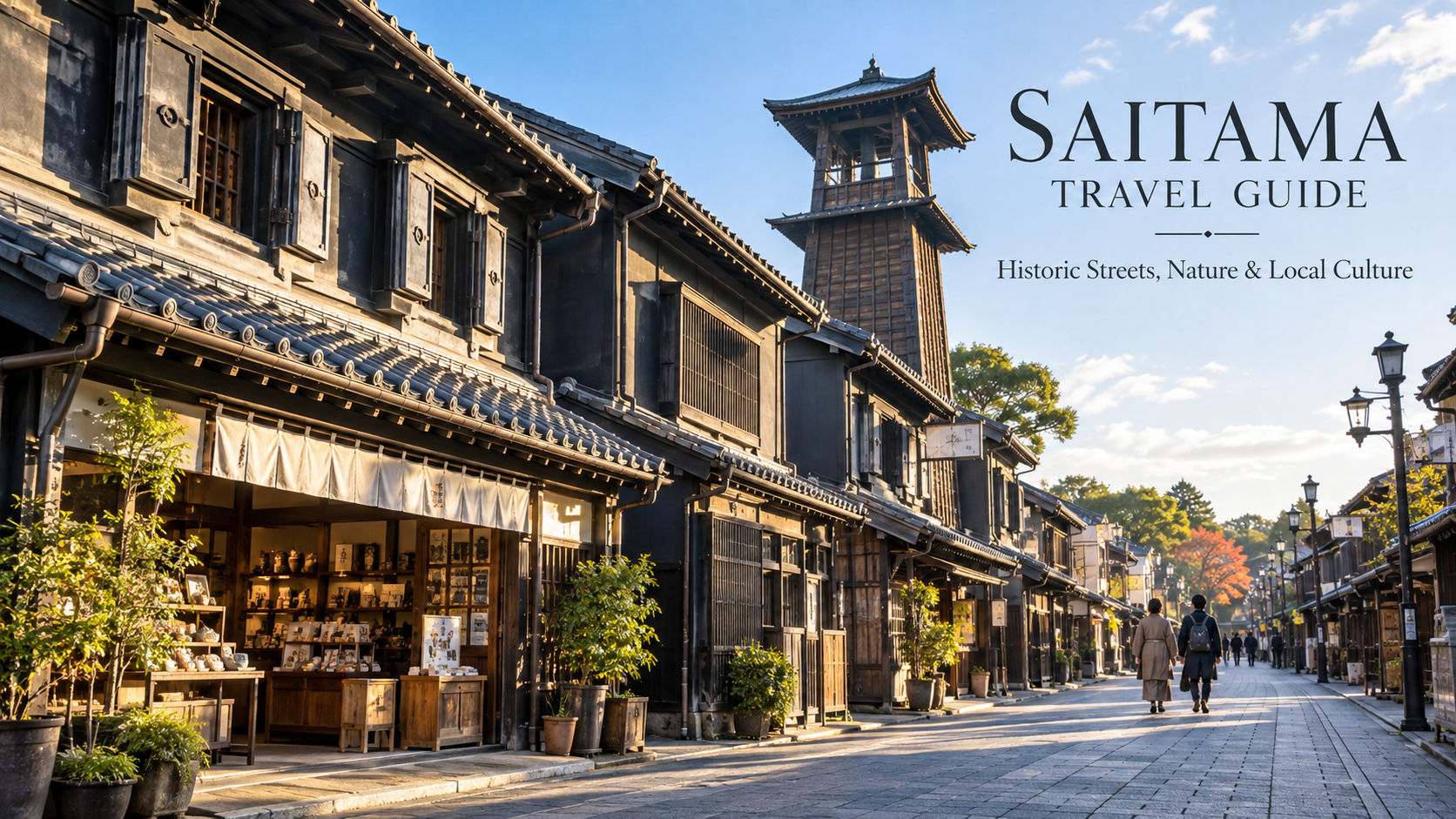
Just north of Tokyo, Saitama offers a different rhythm: merchant streets in Kawagoe, river scenery in Nagatoro, mountain landscapes around Chichibu, and carefully tended bonsai in Omiya. You can visit for a day, but an overnight stay gives the western countryside room to unfold.
This Saitama travel guide brings together places to visit, regional food, transport advice, and Japanese perspectives that help explain what you are seeing. For a first trip, choose one area each day. Saitama is a prefecture with several distinct destinations, and crossing between them can take longer than a map suggests.
Images in this guide are original AI-generated illustrations inspired by Saitama. They convey the atmosphere of each subject and are not documentary photographs or exact reproductions of individual locations.
Why Visit Saitama?
Saitama suits travelers who enjoy combining a recognizable attraction with ordinary local life. A historic street can lead to a neighborhood lunch spot; a museum visit can end with a walk beneath tall trees.
Use these areas to shape your plans:
- Kawagoe: traditional streets, sweets, and merchant history.
- Omiya in Saitama City: bonsai, a major shrine, and railway heritage.
- Chichibu and Nagatoro: countryside, seasonal flowers, and riverside scenery.
Kawagoe and Omiya work well as separate Tokyo day trips. Chichibu and Nagatoro reward a slower schedule, particularly if you want to stay at a Japanese inn.
1. Explore Kawagoe’s Historic Merchant Streets
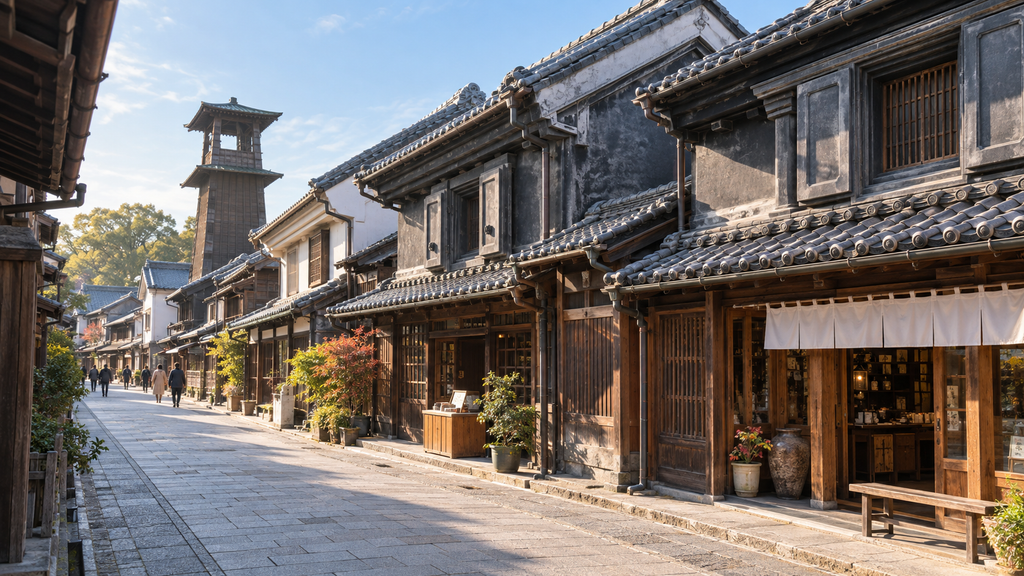
Kawagoe is often called Koedo, or “Little Edo.” Its warehouse district preserves the atmosphere of a prosperous merchant town, with substantial plaster walls, tiled roofs, and wooden storefronts. Look closely at the buildings instead of treating the whole street as a single photo stop.
The Toki no Kane bell tower is a familiar landmark. The present tower was rebuilt in 1894 after the previous year’s major fire: its appeal includes the town’s history of rebuilding, as well as continuity. Follow your walk with Kashiya Yokocho, the candy alley, or a sweet potato snack.
Allow time to walk from your arrival station or take a local bus. The historic center is not immediately outside Kawagoe Station. An earlier start makes walking easier, while shops may open later than your train arrives. Remember that parts of the sightseeing area carry regular traffic.
Japanese Perspective: A Merchant Town, Still in Use
“Old Japan” can sound like a place where time stopped. Kawagoe is more interesting when you notice adaptation: traditional buildings housing businesses that serve today’s visitors and residents. Buying a small local product, respecting shop entrances, and asking before photographing interiors lets you participate in that living streetscape.
2. Enjoy Nagatoro’s River and Rock Terraces
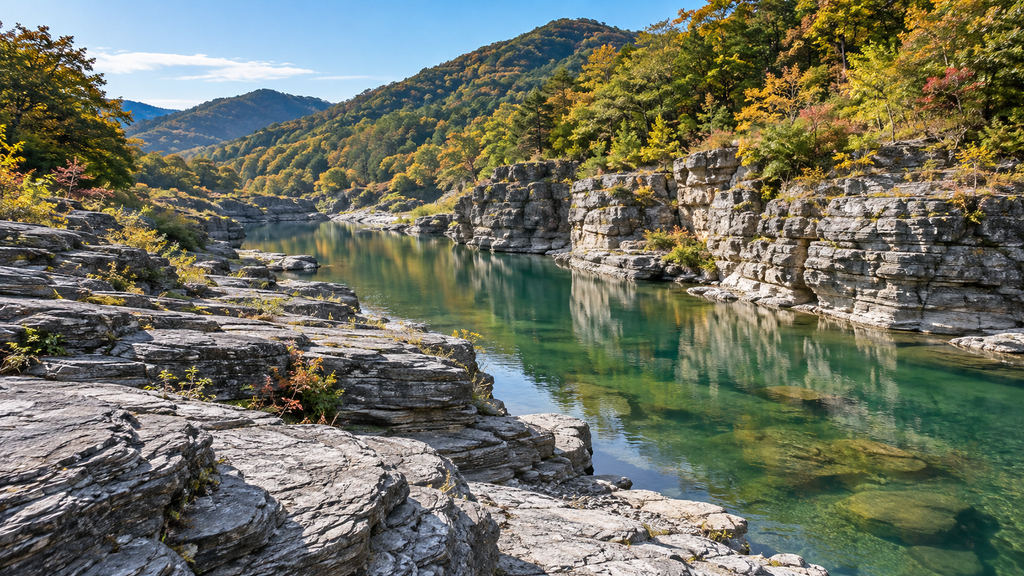
Nagatoro is a good choice for a countryside outing without committing to a mountain hike. Near Nagatoro Station, the Iwadatami rocks form broad, layered surfaces beside the Arakawa River. Their name evokes rock tatami mats, a useful way to picture their stepped appearance.
Walk slowly, find a comfortable viewpoint, and leave time for lunch. A traditional riverboat trip can add another perspective, but services depend on weather, water conditions, and the operator’s schedule. Check the Nagatoro tourism website before making boating the main purpose of your visit.
Wear shoes with grip: the rock surface is uneven, and wet sections can be slippery. Stay away from the edge and keep children close. Autumn foliage adds color, while the green season offers a different mood. A riverside visit and a demanding outdoor activity need very different preparation.
3. Discover Bonsai Culture in Omiya
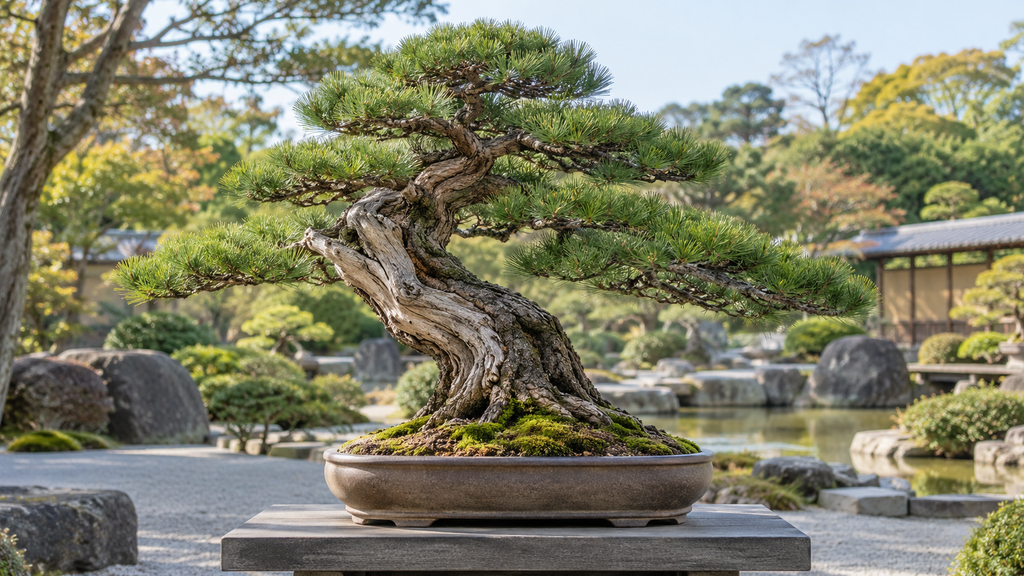
The Omiya Bonsai Art Museum offers an approachable introduction to a living art. You do not need specialist knowledge to enjoy it. Start with the trunk, look at the visible roots, and then follow the branches outward.
The museum’s own viewing guidance encourages imagining a much larger landscape within the tree and its container. That changes the experience: a bonsai becomes a suggestion of wind, age, terrain, and seasons.
Nearby Omiya Bonsai Village adds context through its bonsai gardens and residential setting. Check individual opening arrangements and photography rules; a working garden is not automatically open for unrestricted sightseeing. The museum is accessible on foot from Toro Station or Omiya-koen Station.
Japanese Perspective: Looking at Time Through a Tree
Bonsai invites attention to gradual change. A trunk’s texture and the relationship between branches matter as much as an immediately striking shape. Try spending several minutes with one tree before moving on. This is a useful way to engage with the art, without reducing it to a general claim that all Japanese people share the same aesthetic values.
4. Slow Down in Chichibu
Chichibu gives western Saitama a mountain-town dimension. Build a visit around the town center and Chichibu Shrine, then add one seasonal or countryside stop according to your interests.
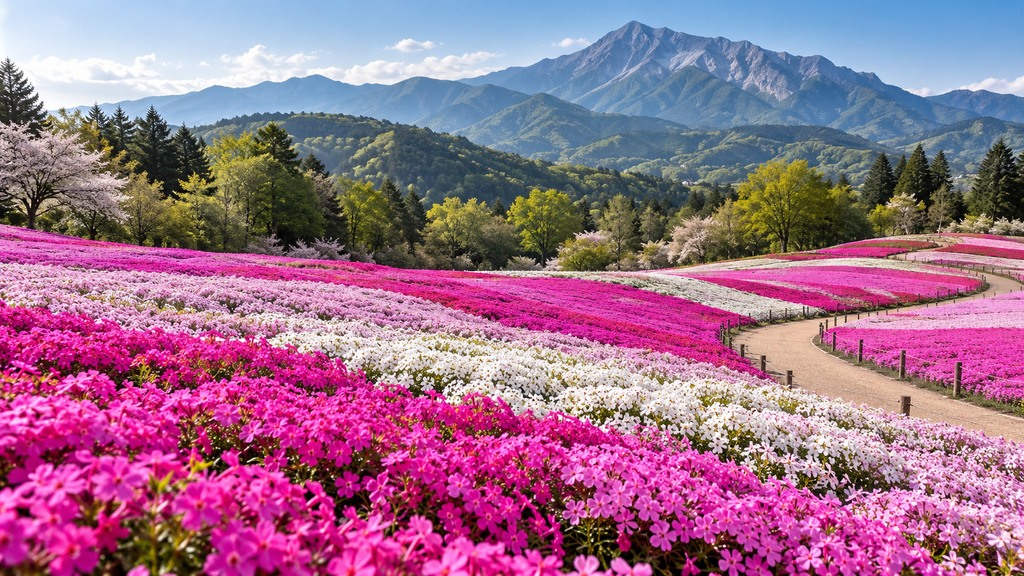
In spring, Hitsujiyama Park is known for shibazakura, or moss phlox: low flowers that create pink, white, and purple carpets. These are different from cherry blossoms growing on trees. Flowering is generally associated with April and early May, but the best timing varies, so check local bloom updates before traveling specifically for the display.
Chichibu is also known for its December Night Festival. A festival visit needs a separate plan for crowds, accommodation, and the journey home. On an ordinary day, the town offers a quieter experience. Staying overnight can make a next-day visit to Nagatoro more relaxed.
Avoid adding distant mountain shrines to an already full itinerary. A destination within the same region may still involve a substantial bus journey.
5. Walk the Approach to Hikawa Shrine
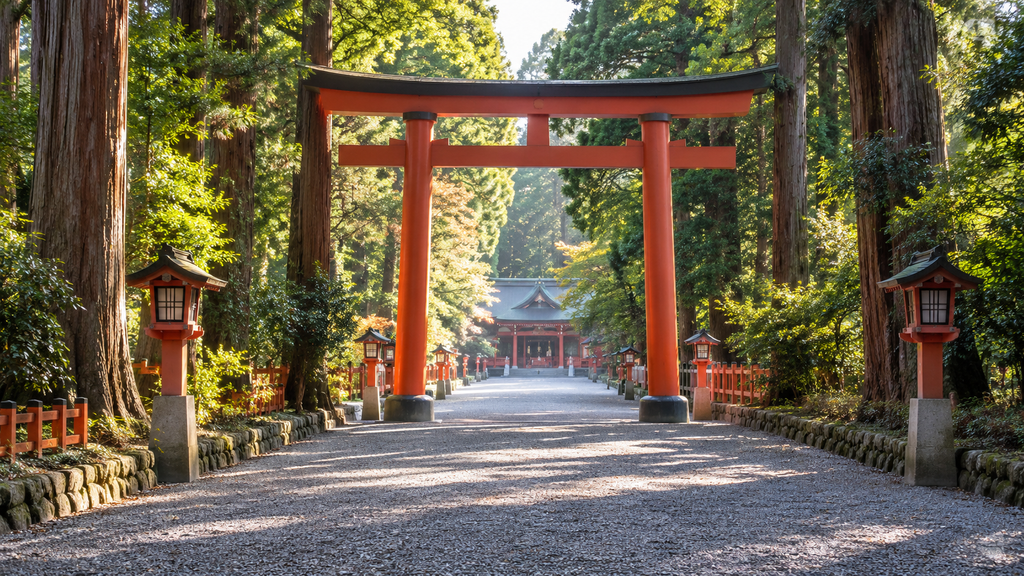
Musashi Ichinomiya Hikawa Shrine in Omiya offers a change of pace from nearby urban streets. Let the approach form part of the visit: trees, gateways, and the transition into the grounds are as meaningful as reaching the main worship area.
This is a different shrine from Kawagoe Hikawa Shrine. Enter the full name when checking directions to avoid traveling to the wrong city.
Pair it with time around Omiya Park, or make it the main afternoon stop after a museum visit. At the shrine, follow posted guidance, keep your voice low, and avoid blocking people who are worshipping.
Japanese Perspective: Leave Space for Everyday Worship
A shrine may be a sightseeing destination and a place of personal significance at the same time. You might see visitors marking family occasions or making a quiet everyday visit. Observe respectfully, and ask before photographing individuals. You do not have to imitate every ritual to appreciate the setting.
6. Visit the Railway Museum
The Railway Museum in Omiya makes an appealing indoor option for families and anyone curious about how Japan moves. Historic rolling stock provides the immediate attraction, while exhibits also explore engineering, railway work, and the relationship between trains and society.
Give it several hours if trains are a particular interest. Check the official calendar and ticket guidance first; some interactive experiences use additional booking or selection procedures. Admission does not guarantee access to every simulator.
The museum is reached via the New Shuttle from Omiya to Tetsudo-Hakubutsukan Station. Choose between a substantial museum visit and a packed day of several Omiya attractions. Children may enjoy having time to linger more than another transfer.
What to Eat in Saitama
Musashino Udon
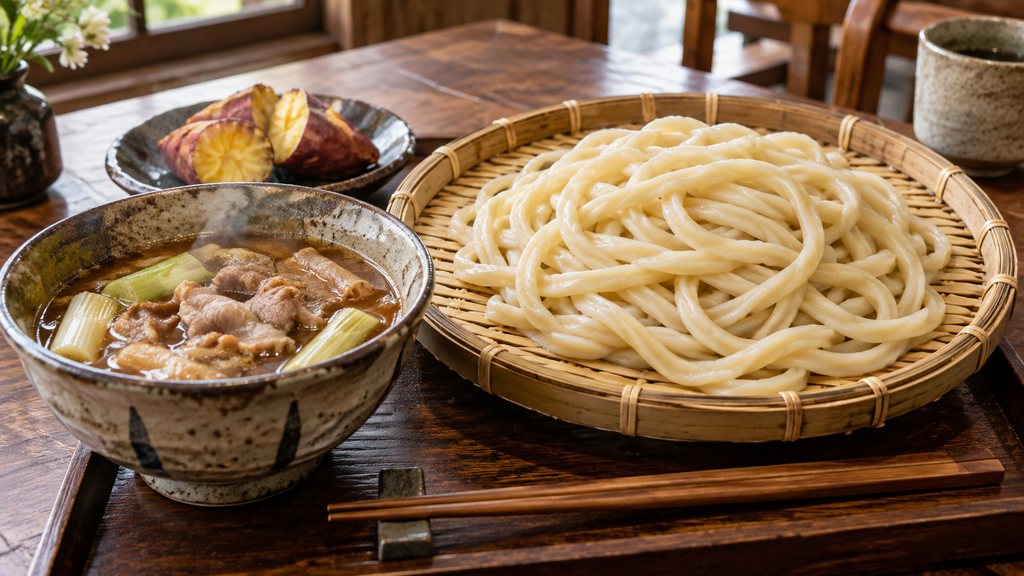
Musashino-style udon is known for a firm, substantial texture. A familiar serving style pairs the noodles with a separate hot dipping broth, often containing pork. Dip a manageable portion at a time rather than pouring all the broth onto the noodles. Recipes and serving styles vary by restaurant.
Kawagoe Sweet Potato Treats
Sweet potatoes appear in many Kawagoe snacks and desserts. Pick something that appeals to you, whether a warm potato-based sweet or a packaged souvenir. Checking the ingredients is useful for dairy or egg restrictions; the main ingredient does not describe the entire recipe.
Explore Regional Noodle Variations
Saitama’s noodle culture extends beyond one dish. Konosu’s kawahaba udon is particularly wide, while other towns and restaurants have their own approaches. Follow your route when choosing lunch: a local specialty is more enjoyable when reaching it does not consume the afternoon.
Japanese Perspective: Let Lunch Explain the Region
Regional food is often called meibutsu, meaning a local specialty. It can point toward ingredients, farming, trade, or a town’s identity. Asking what a shop is known for can be a better starting point than searching for a single “best” restaurant. Small choices make the journey feel specific to the place.
Best Time to Visit Saitama
| Season | Good reasons to visit | Planning notes |
|---|---|---|
| Spring | Flower displays and town walks | Confirm bloom conditions; popular flower sites attract crowds. |
| Summer | Green river landscapes and indoor museums | Plan around heat, humidity, and possible thunderstorms. |
| Autumn | Nagatoro foliage and comfortable sightseeing days | Leaf color varies by elevation and weather. |
| Winter | Museums, clear-day walks, and seasonal events | Western areas can be cold; check conditions before rural excursions. |
For a first visit, spring or autumn is an appealing starting point. Indoor Omiya attractions make a useful alternative when outdoor conditions are poor.
Getting There and Around
For Kawagoe: Tobu Tojo Line services connect Ikebukuro with Kawagoe. Seibu services reach Hon-Kawagoe from Seibu-Shinjuku, while JR offers another approach. Choose the station and route that suit your Tokyo base, then allow extra time to reach the old town.
For Omiya: JR connections make Omiya a practical gateway. Saitama Prefecture and Saitama City are not interchangeable destinations; use the specific attraction name in your route search.
For Chichibu: Seibu’s limited express from Ikebukuro to Seibu-Chichibu takes roughly 80 minutes on relevant services. It requires a limited-express ticket in addition to the basic fare. Confirm the current timetable and seat availability.
For Nagatoro: Use the Chichibu Railway, with connections via Kumagaya or the Chichibu area depending on your starting point. Seibu-Chichibu and Ohanabatake are separate stations linked by a walk. Check the transfer rather than assuming a same-platform connection.
A car is optional for the main places in this guide, but may help with dispersed rural stops. Compare actual trips before buying any rail pass: JR and private railways have different coverage.
A Relaxed Three-Day Saitama Itinerary
Day 1: Kawagoe
Spend the day around the warehouse district, bell tower, and candy alley, with a proper lunch break. Return to your Tokyo base afterward. This keeps luggage out of a day centered on walking and shops.
Day 2: Chichibu
Travel from Ikebukuro to Seibu-Chichibu. Explore the town and shrine, adding Hitsujiyama Park when the flowers are relevant. Stay locally and confirm dinner arrangements in advance, especially if your accommodation includes meals.
Day 3: Nagatoro
Transfer to the Chichibu Railway via Ohanabatake and head to Nagatoro. Walk around Iwadatami, have lunch, and consider boating if operating conditions suit. Plan luggage storage before leaving your accommodation, then check your onward route back to Tokyo.
Prefer museums to countryside? Replace Days 2 and 3 with an Omiya day trip, choosing the Railway Museum or bonsai as your main attraction and adding Hikawa Shrine if time permits.
Practical Tips for First-Time Visitors
- Carry some cash for small shops and rural purchases.
- Check closing days before traveling for a particular museum or garden.
- Save your return journey, especially after a rural bus connection or evening event.
- Eat purchased snacks where the shop indicates, and take rubbish with you when needed.
- Ask about broth ingredients if you avoid meat or fish; a vegetable topping does not mean a vegetarian dish.
- For limited mobility, check the complete route. Station access does not guarantee easy access across river rocks, hills, or older buildings.
FAQ: Visiting Saitama
Is Saitama worth visiting on a first trip to Japan?
Yes, if historic streets, bonsai, railway heritage, or countryside appeal to you. Choose one area that matches your interests and give it a full day.
What is the easiest Saitama day trip from Tokyo?
Kawagoe is a straightforward choice for a walking and food day. Omiya is another convenient option, particularly for museums. The easiest route depends on where you stay in Tokyo.
Can I visit Kawagoe and Chichibu in one day?
It is possible to travel between them, but combining both leaves less time to explore. For a first visit, separate days offer a more satisfying pace.
Do I need to rent a car?
Not for the main town centers and attractions described here. More remote destinations require additional planning, and a car may become useful when linking several rural stops.
Is Nagatoro suitable for families?
It can be, with suitable supervision around uneven rocks and water. Check boat operators’ age, accessibility, and safety requirements before choosing an activity.
How many days should I spend in Saitama?
One day works for Kawagoe or Omiya. Two days allow a slower Chichibu and Nagatoro trip. Three days combine a historic town visit with an overnight countryside stay.
Explore More of Kanto
Saitama makes an easy escape from Tokyo and also provides a natural gateway toward the mountains and hot-spring destinations of northern Kanto.
Tokyo Travel Guide
Combine a quieter day in Kawagoe or Omiya with Tokyo’s temples, shopping districts, gardens and food culture.
Read next: Tokyo Travel Guide: Neighborhoods, Food and Japanese Culture
Gunma Travel Guide
Continue north for famous hot-spring towns, mountain landscapes and local traditions in Kusatsu, Ikaho and beyond.
Read next: Gunma Travel Guide: Onsen Towns, Mountain Scenery and Local Culture
Tochigi Travel Guide
Discover Nikko’s temples and shrines, mountain lakes, waterfalls, hot springs and local food.
Read next: Tochigi Travel Guide: Nikko, Mountain Scenery, Hot Springs and Local Food
Explore the region further through our Kanto Travel Guides.