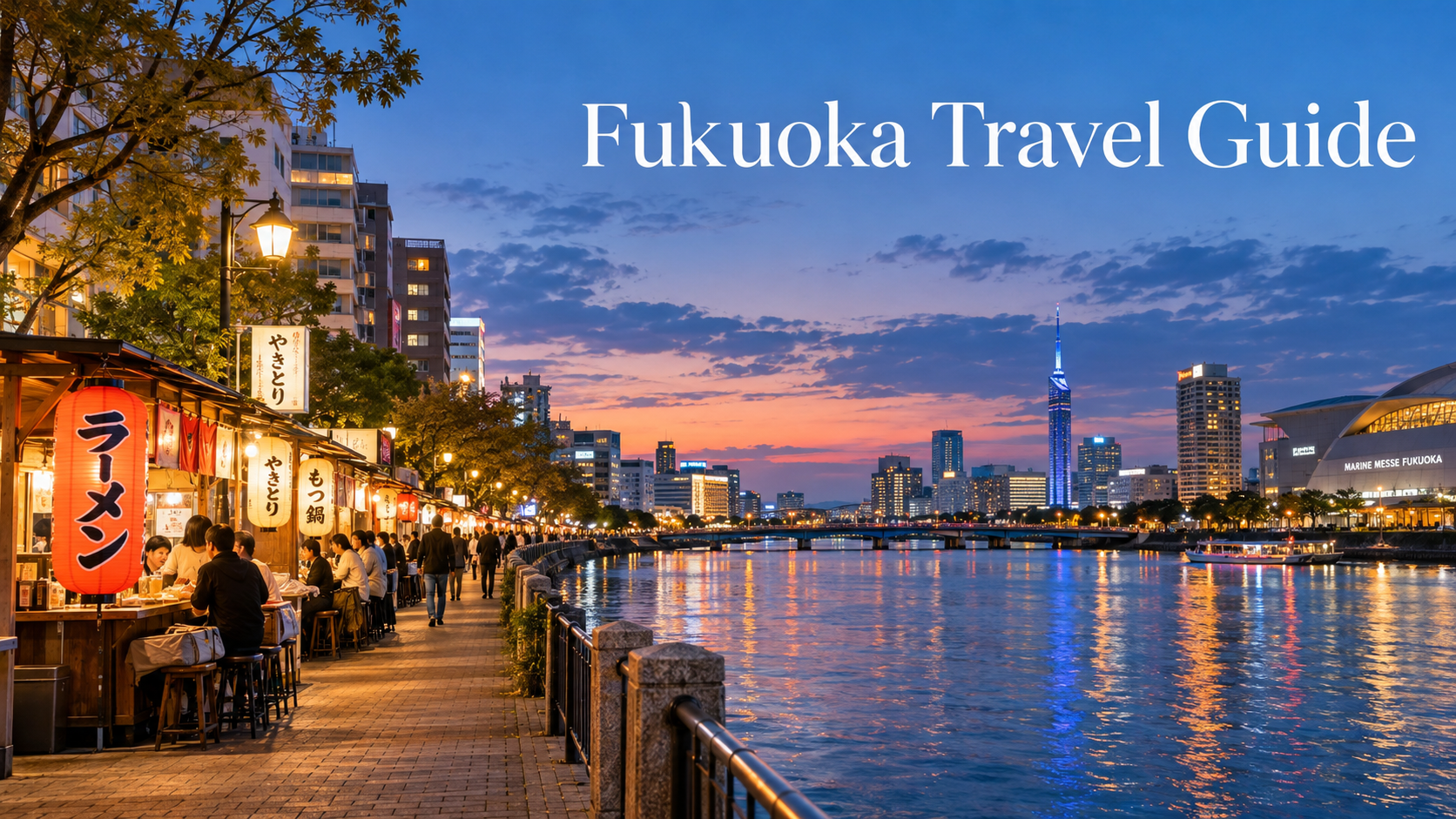
Fukuoka makes an inviting introduction to Kyushu. You can spend the morning beside a park lake, enjoy a bowl of Hakata ramen for lunch, and finish the evening at a small outdoor food stall. Beyond the city, the prefecture offers shrine gardens, canal boats, historic port streets and a coastline made for an unhurried afternoon.
The key is deciding how much of Fukuoka you want to explore. Fukuoka City is a convenient base, but the prefecture stretches well beyond it. This guide combines city highlights with day trips you can choose according to your interests, rather than squeezing every destination into one short visit.
Understand Fukuoka and Hakata Before You Arrive
Fukuoka is both the name of the prefecture and its capital city. Hakata is part of that city and the name of its major railway station. When booking a train, you will usually be looking for Hakata Station rather than a station simply called Fukuoka.
Hakata and Tenjin are useful starting points for visitors. Choose Hakata for rail connections and easy arrival logistics, or Tenjin for shopping, restaurants and Nishitetsu services toward southern destinations. Kitakyushu, home to Mojiko, is a separate city within Fukuoka Prefecture.
Japanese Perspective: Local names carry history. “Hakata” remains especially visible in food, crafts and festivals, even when an address says Fukuoka City. Recognizing both names helps you connect what appears on maps with what appears on restaurant signs.
1. Experience a Fukuoka Yatai Evening
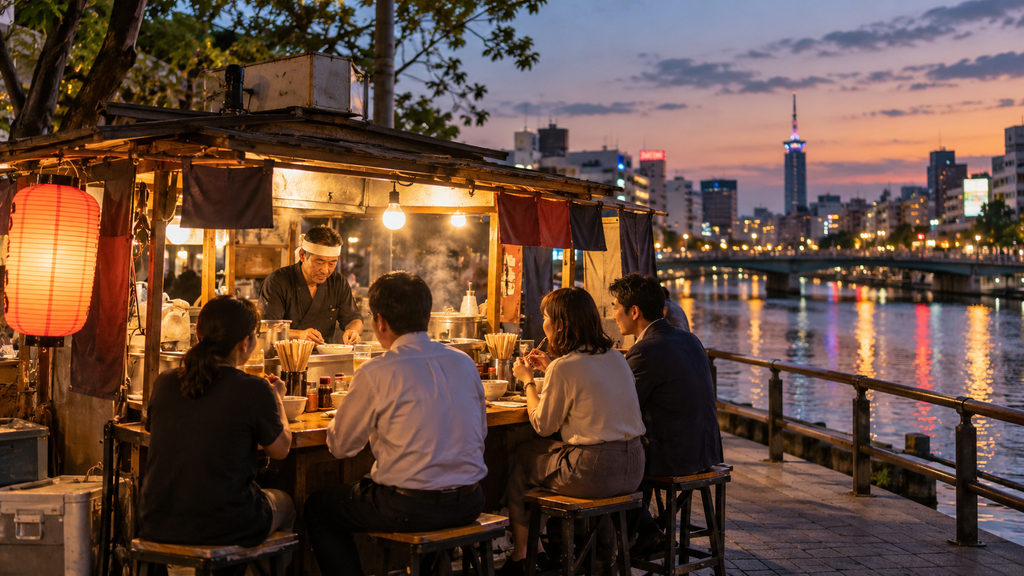
Yatai are compact outdoor food stalls where the counter puts you close to the cooking. Nakasu and Tenjin are familiar areas to begin exploring, while Nagahama offers another setting. Menus differ: ramen may share space with grilled skewers, oden or the owner’s specialties.
Choose a stall with a menu and prices you understand. Ask about seating before settling in, order something for each person, and keep luggage out of the narrow walkway. Bring cash and avoid arriving with a large group expecting to sit together.
The experience depends on the evening. Weather and individual operators affect whether a stall opens, so have a nearby restaurant in mind as an alternative. You can enjoy yatai without drinking alcohol.
Japanese Perspective: These counters bring people into close proximity, but conversation is an invitation, not an obligation. A greeting, considerate use of space and asking before taking photographs matter more than trying to perform an outgoing personality. When people are waiting, finish your meal without occupying a seat indefinitely.
2. Learn the Small Details of Hakata Ramen
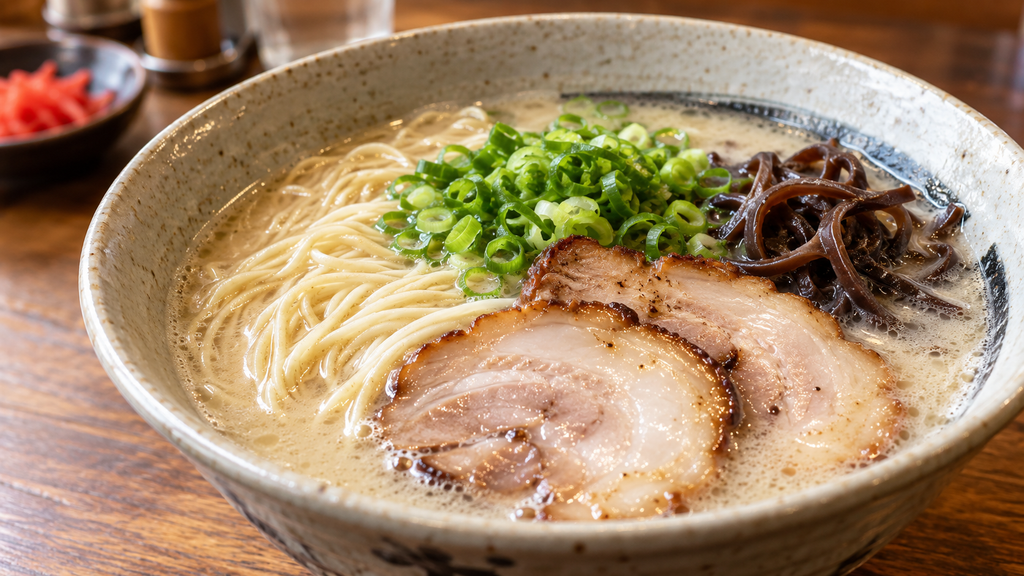
Hakata ramen is associated with thin noodles and tonkotsu, a pork-bone broth. Individual shops vary in richness, aroma and toppings, making a simple lunch a good opportunity to notice regional differences.
You may be asked how firm you want the noodles. If unsure, request the standard texture. Some shops offer kaedama: an extra serving of noodles added to the broth you already have. Keep enough broth in the bowl if you intend to order it; kaedama is not a second complete bowl of ramen.
Taste the soup before adding table condiments. Ginger, sesame or other seasonings can change the balance, and you can add them gradually.
Fukuoka’s food story extends beyond ramen. Consider mizutaki chicken hotpot, motsunabe made with offal, or mentaiko, seasoned pollock roe. Check ingredients if you avoid pork, seafood or alcohol-based seasonings. Removing a topping does not change the underlying broth.
Japanese Perspective: Ordering details are part of everyday food culture. Asking a short question is perfectly reasonable; you do not need to know every ramen term before entering a restaurant.
3. Visit Dazaifu Tenmangu with Cultural Context
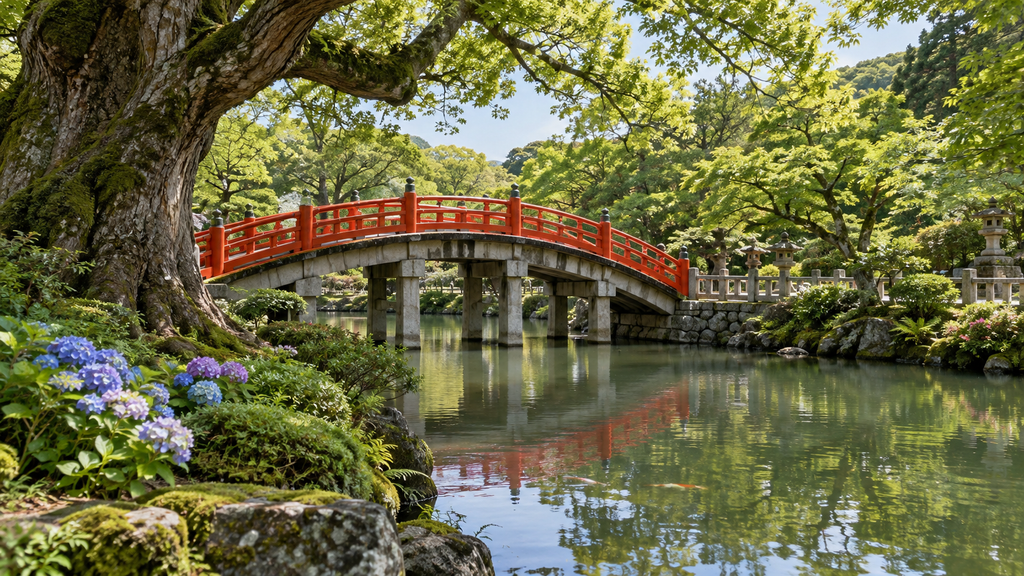
Dazaifu Tenmangu is dedicated to Sugawara Michizane, revered as Tenjin, the deity associated with learning, culture and the arts. That connection explains why you may see visitors praying for academic success or choosing study-related amulets.
Allow a generous half day for the approach street, shrine grounds and a break for umegae mochi, a grilled rice cake filled with sweet bean paste. A plum design does not mean the filling is plum flavored. If museums are a priority, give Dazaifu a full day and consider the nearby Kyushu National Museum after checking its exhibition calendar.
The shrine has undertaken major sanctuary restoration and provided a temporary worship hall. Check its official notices for the arrangements on your travel date; do not plan around older photographs or assume a completion date guarantees unrestricted access.
Japanese Perspective: A shrine remains a place of worship even when it attracts many visitors. Keep voices low near prayer areas, follow photography signs and let worshippers move freely. You are welcome to observe without participating in a ritual.
4. Take a Canal Boat in Yanagawa
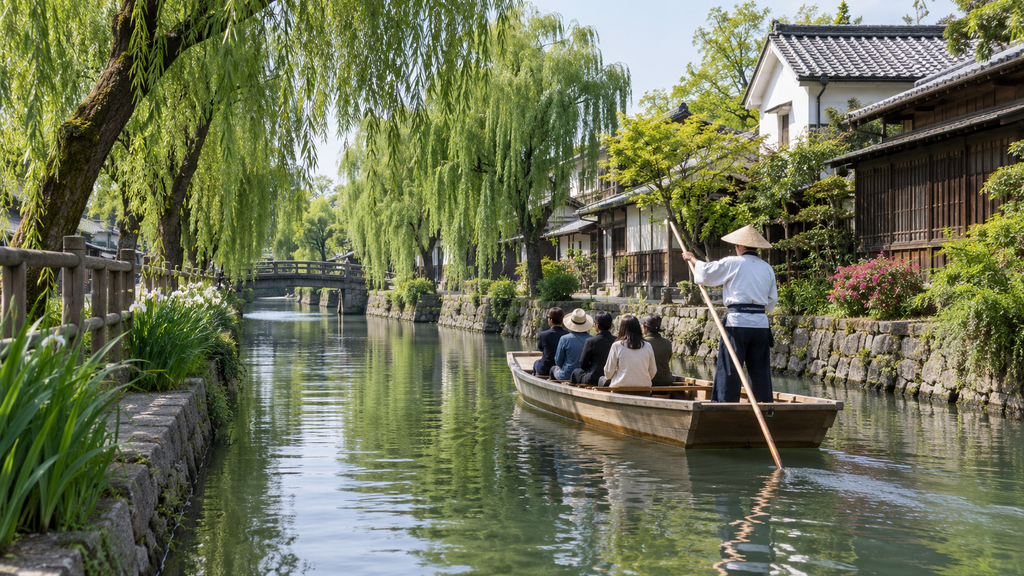
Yanagawa offers a quieter day built around water. Its sightseeing boats travel through a historic network of canals and moats, with boatmen guiding the craft using long poles. Although tours are often described as river cruises, the intimate waterways are central to the experience.
Nishitetsu services connect the Tenjin area with Nishitetsu Yanagawa Station. Choose your boat operator before arriving: departure points, route lengths and finishing locations differ. Confirm how you will get back to the station rather than assuming every cruise returns to its starting point.
Leave room for a leisurely lunch. Unagi no seiro-mushi, eel and seasoned rice steamed together, is a well-known local dish. If eel is outside your budget or dietary preferences, identify another restaurant in advance.
Japanese Perspective: The waterways are part of a lived landscape. Enjoy the boatman’s commentary, follow boarding instructions and keep cameras away from private interiors along the route. Language availability varies, but you can appreciate the pace and scenery without understanding every word.
5. Explore Mojiko’s Historic Waterfront
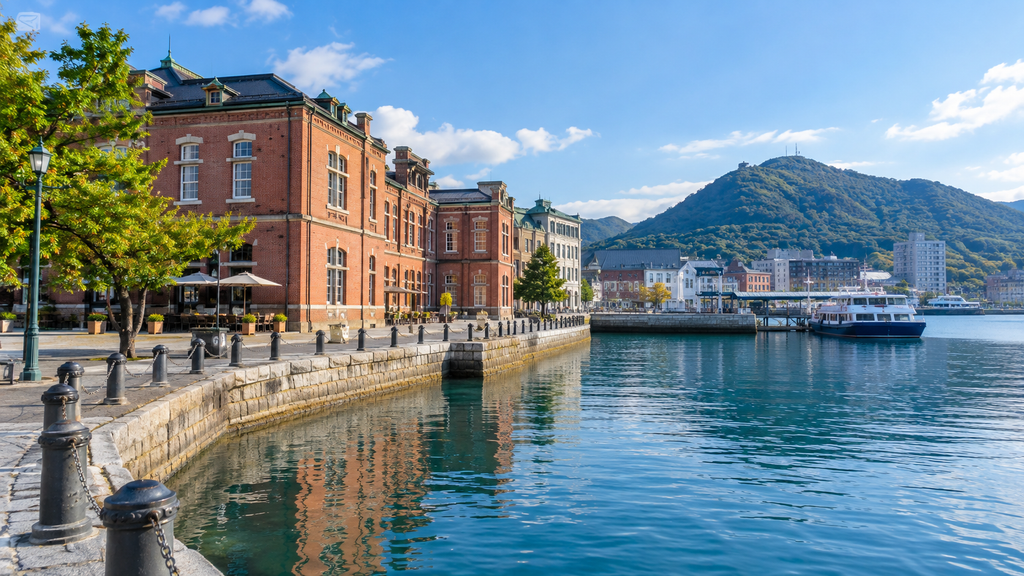
Mojiko sits in Kitakyushu beside the Kanmon Strait. Its preserved and restored port architecture gives the waterfront a different atmosphere from central Fukuoka: brick buildings, maritime views and a railway arrival that feels like part of the visit.
Travel toward Kokura and continue to Mojiko Station. Check the whole route when comparing fares; a fast train to Kokura does not take you directly to the waterfront. Once there, give yourself time to walk rather than treating each building as a quick photograph.
Yaki curry, baked curry usually served over rice, is a popular lunch choice. Recipes vary, so check ingredients rather than assuming all versions are identical.
Japanese Perspective: This area introduces another layer of Japanese history: ports, trade and modern transport. The mix of architectural influences reflects those connections. Reading a few building labels can make the neighborhood more rewarding than simply calling it “retro.”
6. Enjoy a Coastal Day in Itoshima
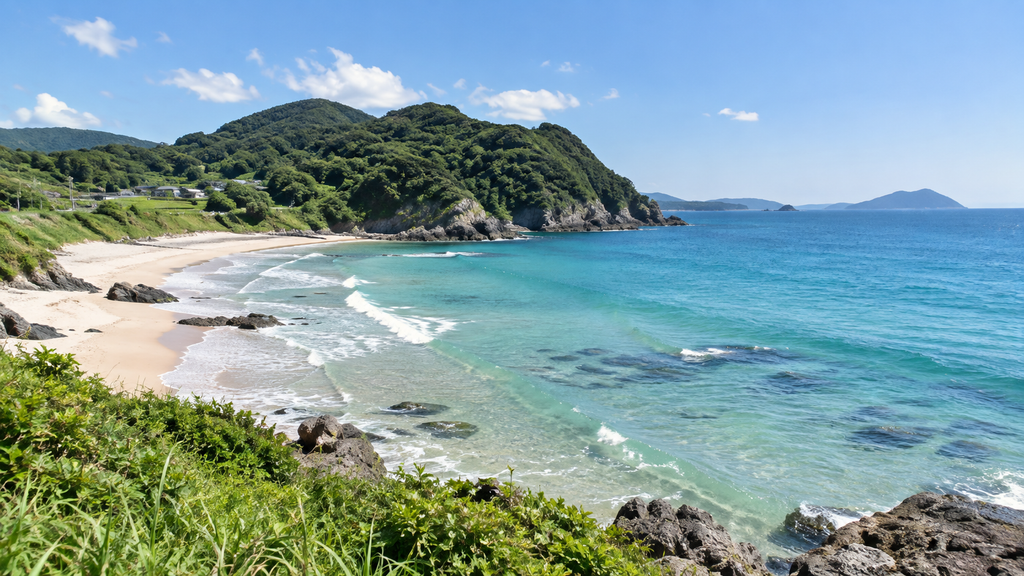
Itoshima offers sea views, cafes and a slower change of pace west of the city. Sakurai Futamigaura, known for its paired offshore rocks and seaside torii, is one established destination, but you do not need a long list of photo stops to enjoy the coast.
Choose one stretch of shoreline and a nearby lunch stop. Rail can bring you toward the area, but the coast requires additional transport. Check the bus route for your exact destination, including the return service. A car provides flexibility, especially when visiting several places, but parking and weekend traffic still shape the day.
For a sunset visit, arrange the journey home first. Follow beach notices, respect sacred areas, and use public access rather than crossing private property. A photogenic shoreline is not automatically a supervised swimming beach.
Practical Information for a First Visit
Airport and Rail Arrivals
Fukuoka Airport’s subway station serves the domestic terminal. International arrivals should allow time to transfer to the domestic side by the airport’s free shuttle if using the subway, or compare available buses from the international terminal. Include immigration and baggage collection when planning your arrival day.
Hakata Station connects with the shinkansen network. For day trips, check whether your journey uses JR, Nishitetsu, subway or bus services. A rail pass does not automatically cover every operator or every train.
Where to Stay and How Long to Spend
For a first visit, I would choose one hotel in Hakata or Tenjin and explore from there. Three days works for the city and one substantial excursion. Four or five days lets you add another region while keeping meals and evenings relaxed.
Stay around Kokura or Mojiko if Kitakyushu becomes the main focus of your trip. Otherwise, changing hotels for every day trip usually creates unnecessary packing and check-in time.
Seasons and Everyday Planning
Spring and autumn would be my first choices for a trip with plenty of walking. Blossom and foliage timing varies, so plan around the destination as well as the season. Summer requires breaks from heat and flexibility around heavy rain or storms. Winter can work well for food and museums, though coastal wind may feel cold.
Keep one indoor alternative, carry some cash and check restaurant closing days. For dietary restrictions, prepare a short Japanese explanation that includes ingredients you cannot eat, not just the name of a diet.
A Flexible Four-Day Fukuoka Itinerary
Day 1: City Walks and Yatai
Start with Ohori Park and a relaxed lakeside walk. Spend the afternoon in Tenjin or Hakata, then choose a yatai for dinner if conditions are suitable. Keep arrival day light if you have flown a long distance.
Day 2: Dazaifu
Visit the shrine and approach street in the morning. Add a museum if it interests you, then return for a sit-down dinner. This day benefits from open time rather than multiple distant stops.
Day 3: Yanagawa
Take the train south, join a canal cruise and enjoy lunch. Confirm your cruise endpoint and return transport. Avoid adding another major excursion simply because the train journey looks short on a map.
Day 4: Choose Mojiko or Itoshima
Choose Mojiko for architecture and port history, or Itoshima for a coastal outing. These lie in different directions, so give the selected area the day. With a fifth day, visit the other destination.
FAQ: Visiting Fukuoka
Is Fukuoka suitable for a first trip to Japan?
Yes. The city offers convenient transport, varied dining and manageable day trips. It works particularly well as the starting point for a longer Kyushu itinerary.
Are Hakata and Fukuoka different cities?
Hakata is part of Fukuoka City today. Hakata Station is the main rail hub visitors use for shinkansen and many onward journeys.
Do I need a rental car?
No for the city, Dazaifu, Yanagawa and Mojiko with appropriate connections. Itoshima requires more attention to the final leg; a car can help but is not the only option.
Can I visit yatai alone?
Yes. A small counter can suit a solo meal. Check prices, ask where to sit and order at your own pace. There is no need to drink alcohol or start conversations.
Can I combine Dazaifu and Yanagawa in one day?
It is possible with careful scheduling, but this guide recommends separate days for a relaxed visit. Boat departures, museum time and restaurant queues can make a combined day feel rushed.
What if it rains?
Use the day for museums, covered shopping areas and restaurants. Recheck boat operations and outdoor plans rather than assuming that every attraction runs normally in bad weather.
Explore More of Kyushu
Fukuoka is one of the easiest starting points for a wider Kyushu journey. From here, continue toward pottery towns, historic port cities and some of Japan’s most famous hot-spring destinations.
Saga Travel Guide
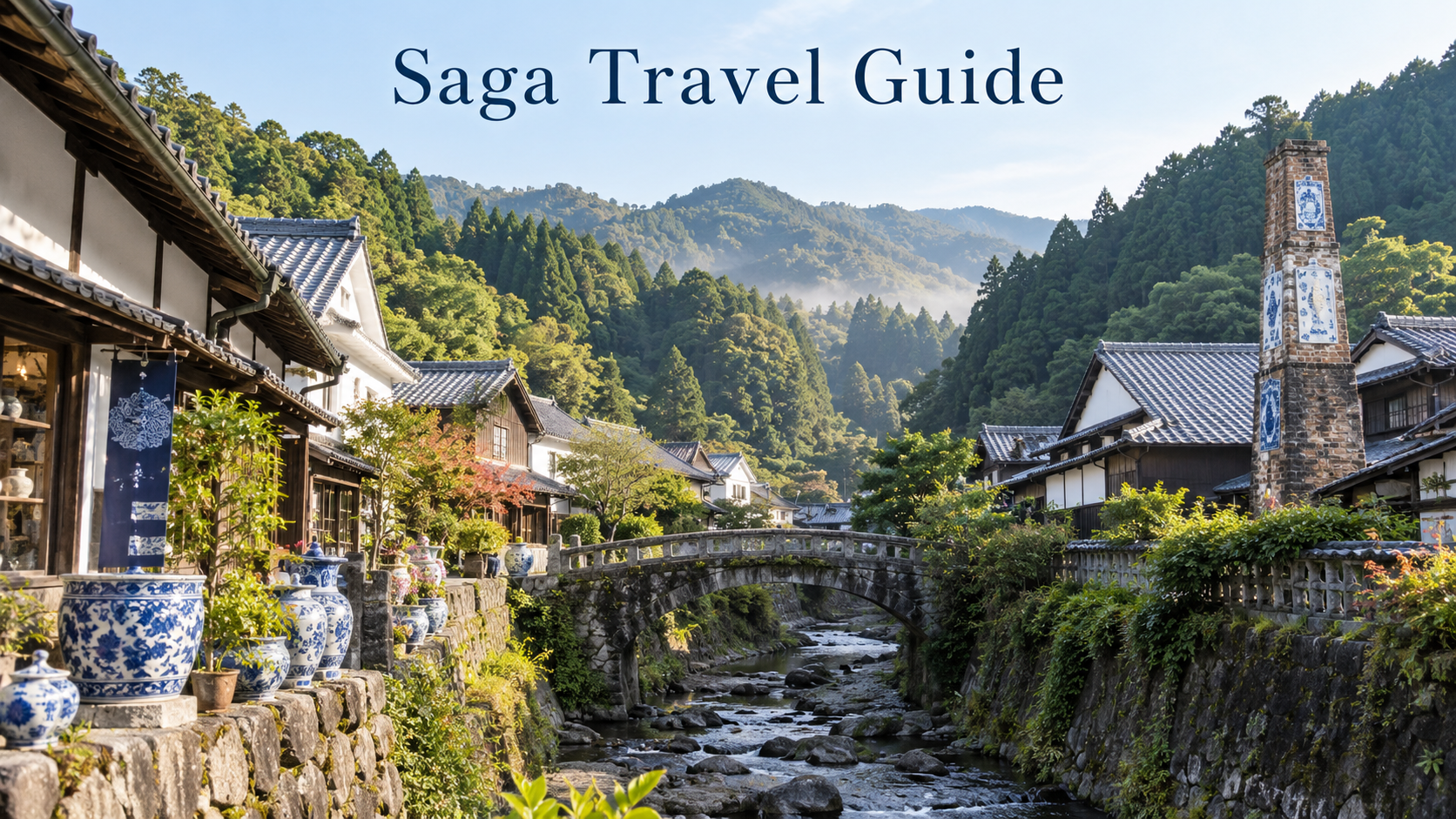
Travel west into Saga for Arita and Imari pottery, Ureshino Onsen, historic sites and quieter landscapes that offer an easy contrast to Fukuoka City.
Read next: Saga Travel Guide: Pottery Towns, Restful Onsen and Coastal Discoveries
Nagasaki Travel Guide
Continue farther west to Nagasaki for harbor scenery, centuries of international history, distinctive local food and island journeys.
Read next: Nagasaki Travel Guide: Harbor Views, Layers of History and Island Escapes
Oita Travel Guide
Head east toward Beppu and Yufuin for steaming geothermal landscapes, traditional onsen culture and a slower side of Kyushu.
Read next: Oita Travel Guide: Beppu Hot Springs, Yufuin and a Deeper Side of Kyushu
Discover more destinations in our Kyushu & Okinawa Travel Guides.