Hyogo is a prefecture of changing landscapes. Around Kobe, mountains rise behind a busy port city. Farther west, Himeji Castle preserves the imposing architecture of an earlier Japan. Across the mountains to the north, Kinosaki offers a slower rhythm of traditional inns and public baths, while Awaji Island opens onto coastal scenery in the south.
That variety makes Hyogo rewarding, but it also makes route planning important. These destinations are spread across the prefecture, and the northern hot-spring towns require more travel time than a quick glance at the map might suggest.
This Hyogo travel guide introduces its major experiences, local food, and a practical first itinerary, with a Japanese perspective on the history and customs you will encounter.
1. Explore Kobe’s Waterfront and Neighborhoods
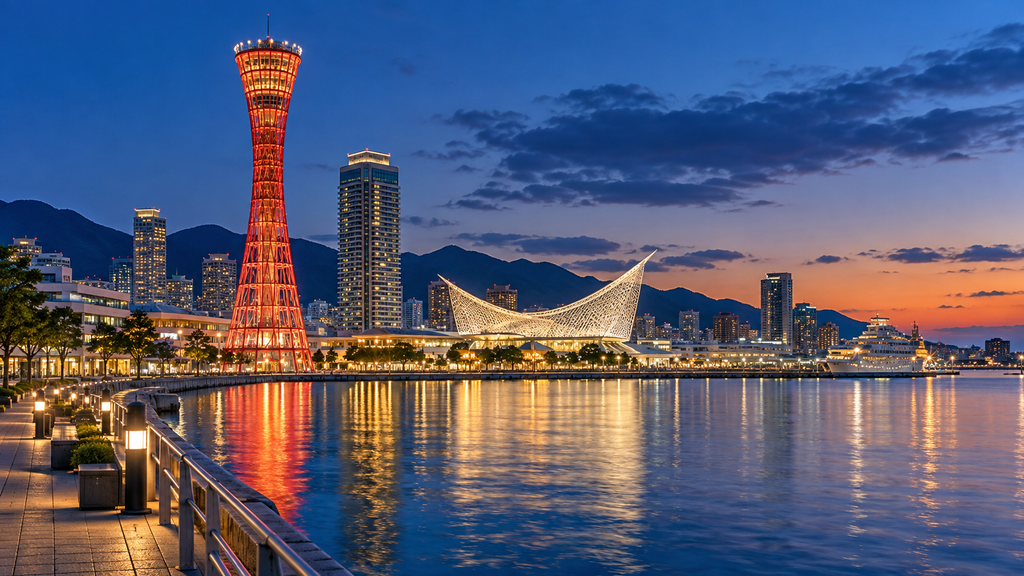
Kobe is a comfortable place to begin a Hyogo trip. Its central districts combine shopping and dining with easy opportunities to walk toward the harbor. Meriken Park and Harborland offer waterfront scenery, with the city’s distinctive architecture and evening lights reflected in the bay.
Give yourself time to explore beyond the water. Nankinmachi, Kobe’s Chinatown, is a lively place to look for a meal or snack, while the Kitano area introduces another part of the city’s international history through its historic foreign residences. Kitano involves uphill walking, so choose a manageable route rather than trying to fit every neighborhood into one afternoon.
Sannomiya is a useful transport hub and a convenient accommodation base. From there, organize your day by area: neighborhood sightseeing first, a waterfront walk later, and dinner without another long transfer.
Japanese Perspective: A Port City’s Identity Comes from Exchange
Kobe’s character has been shaped by people, goods, and ideas moving through its port. Its international influences are part of local history rather than something separate from Japanese culture. Notice how different food traditions and building styles sit alongside everyday shops and residential streets.
2. Discover the Wooden Architecture of Himeji Castle
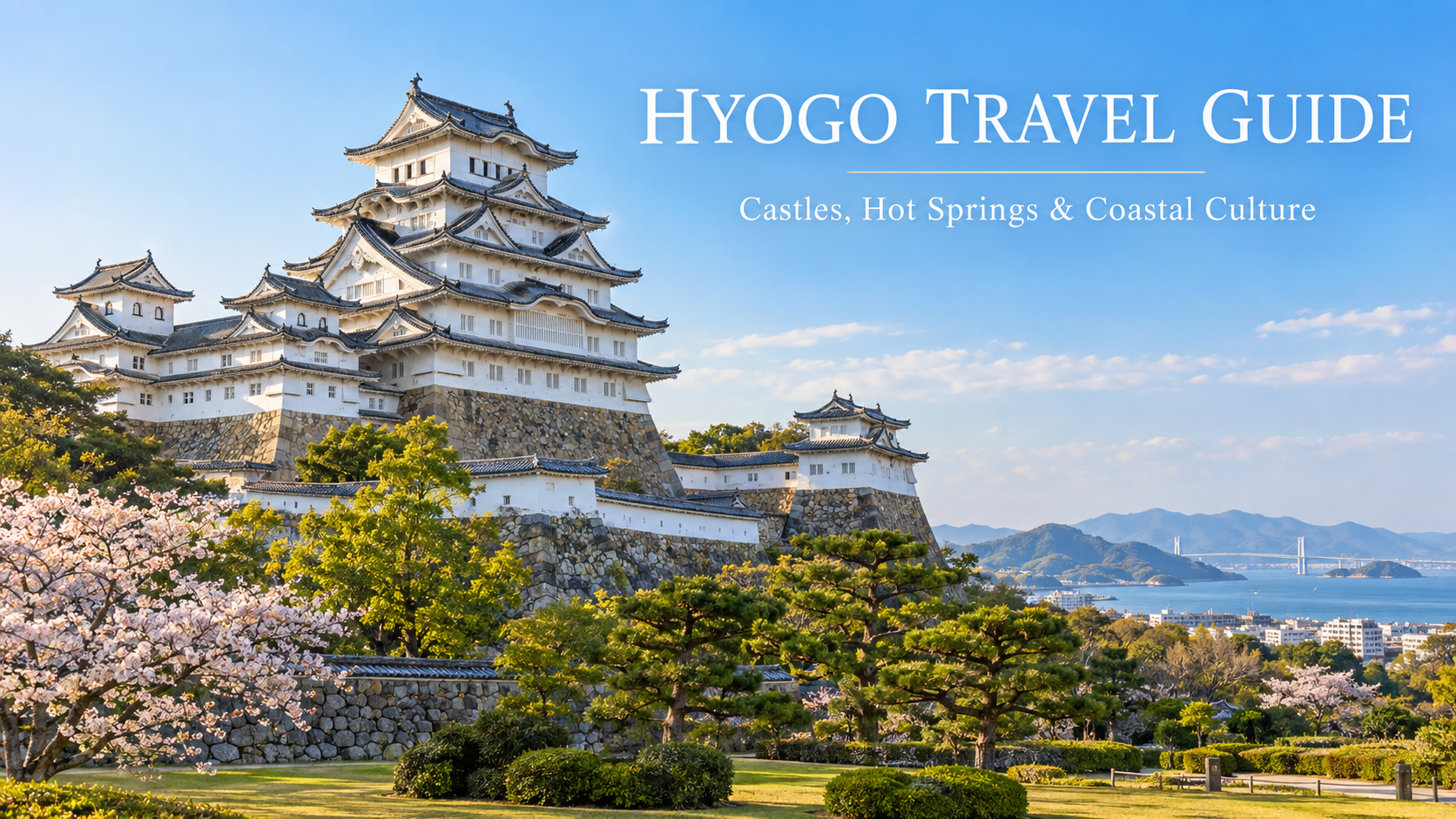
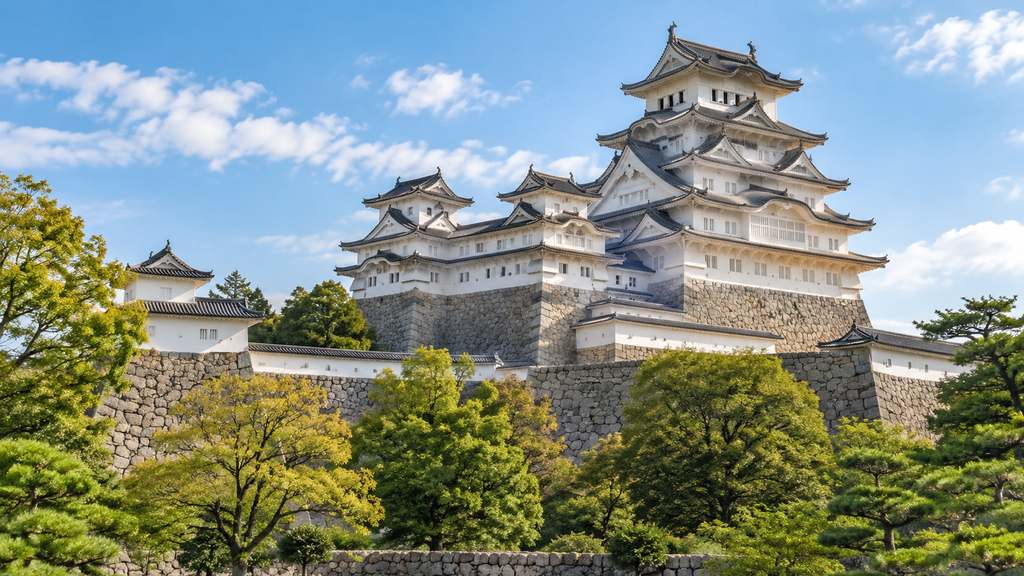
Himeji Castle is one of Japan’s most important surviving castle sites and a UNESCO World Heritage property. Its white walls and layered roofs explain its familiar nickname, the White Heron Castle, but the interior and defensive layout make the visit more than a beautiful exterior view.
Unlike a modern reconstructed tower with museum-style interiors, Himeji preserves a historic wooden keep. Pay attention to the structure, narrow passages, and changing views as you move through the site. The route toward the keep also reveals how the castle controlled access.
Check the official Himeji Castle visitor information before visiting. The grounds include slopes, and the buildings have steep stairs. Outdoor shoes must be removed inside designated buildings, so wear footwear that is easy to take off and carry only what you need.
Allow a substantial part of the morning or afternoon rather than treating the castle as a brief stop. The surrounding grounds also offer worthwhile views if climbing the keep does not suit your mobility.
Japanese Perspective: Notice the Work of Preservation
An old wooden building survives through continued care. Following routes, handling your belongings carefully, and respecting restricted areas help protect the experience for later visitors. The architecture is both a historical object and a responsibility shared by the people who maintain and visit it.
3. Stay Overnight in Kinosaki Onsen
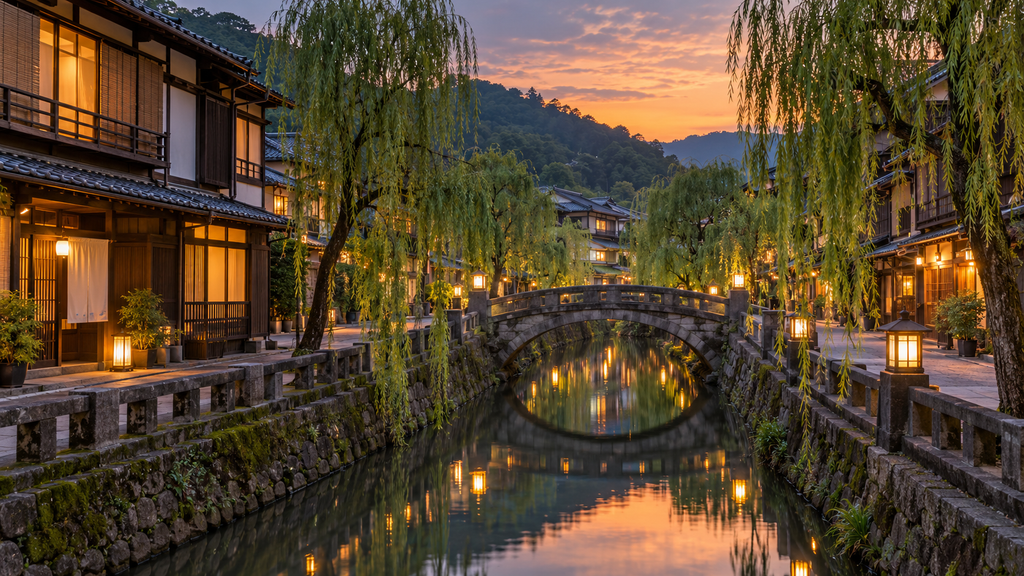
Kinosaki Onsen lies in northern Hyogo and makes a rewarding overnight destination. Its canal, willow trees, bridges, and traditional inns connect into a compact town where the walk between baths becomes part of the experience.
Choose a few public bathhouses rather than trying to visit every one. Take breaks, enjoy a meal, and leave room for an unhurried evening. A ryokan stay may include dinner, breakfast, and public-bath access, but these benefits depend on the booking plan, so read the details before reserving.
Kinosaki’s official tourism website states that its public onsen bathhouses welcome tattoos without covering. This does not automatically apply to every ryokan’s own facilities. Check your accommodation separately and consult the current public-bath opening schedule.
Japanese Perspective: The Town Is Part of the Inn Experience
In Kinosaki, guests often walk through town in yukata provided by their accommodation. Follow your inn’s advice on how and where to wear it, keep voices considerate in the evening, and avoid blocking doorways for photographs. The relaxed atmosphere depends on visitors and residents sharing the same small streets.
Planning tip: Kinosaki is not beside Kobe. Plan the intercity journey carefully and arrive before your ryokan’s check-in or dinner deadline. One night allows far more breathing room than a rushed return trip.
4. Experience Arima Onsen Near Kobe
Arima Onsen offers a different hot-spring experience within Kobe’s mountain surroundings. Its compact streets, bathhouses, and inns make it suitable for a focused day visit or an overnight break from the city.
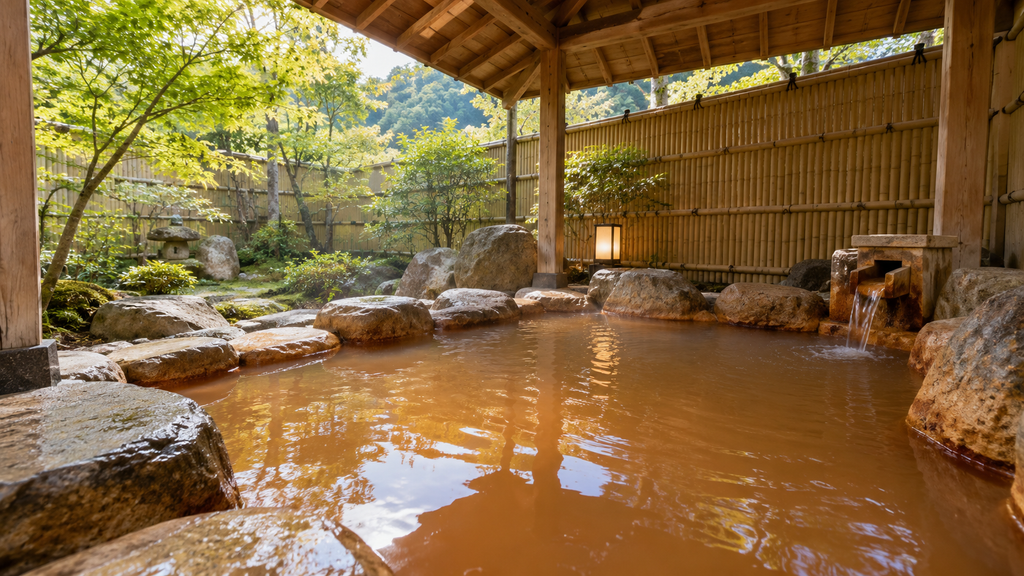
The town is associated with kinsen, or “golden” water, and ginsen, or “silver” water. Kinsen is known for its reddish-brown appearance, while ginsen is clear. The baths and water types available depend on the facility, so check what your chosen admission or accommodation plan includes.
If you prefer to bathe with your partner or family, look for a reservable private bath. Confirm its capacity, time limit, and water source; a private bathroom and a private onsen are not necessarily the same thing.
Wash before entering a shared bath, keep towels out of the water, and follow the facility’s swimwear and tattoo policies. Leave phones and cameras outside changing and bathing areas. The official Kobe guide to Arima is a useful starting point for planning.
5. Make Time for Awaji Island
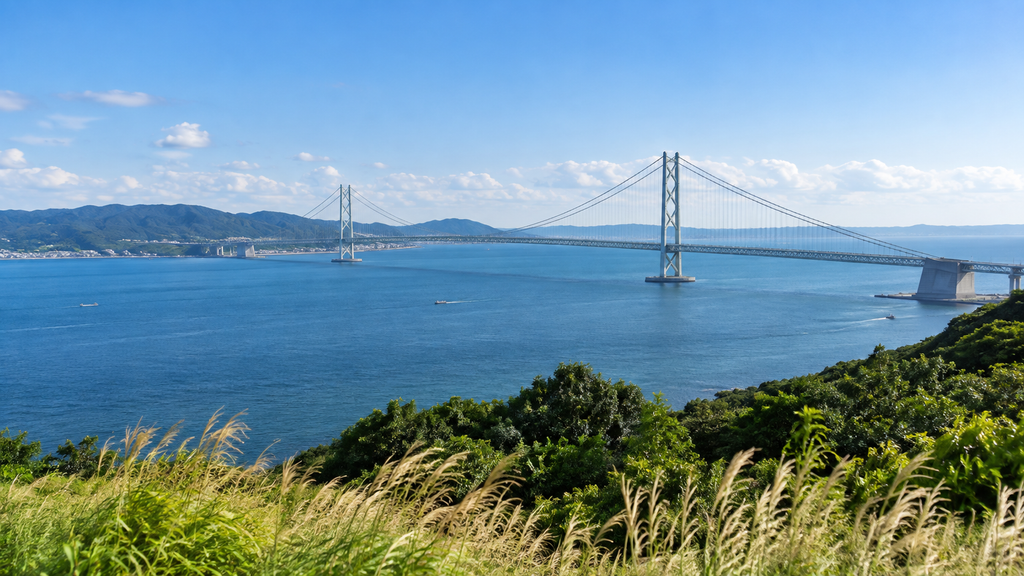
Awaji Island brings a coastal change of pace, with sea views, local food, and destinations spread across the island. The Akashi Kaikyo Bridge connects its northern end with the Kobe side of the mainland, making the approach part of the experience.
For a first visit, choose a limited area rather than planning to circle the island in one day. A northern-island outing can focus on coastal scenery and a meal, while a longer stay allows more time for other districts and accommodation near the sea.
Highway buses and local buses provide access, but the connection from one attraction to the next needs planning. There is no passenger railway on the island. A rental car can make a dispersed itinerary easier, although tolls, parking, and driving time still belong in the budget.
Planning tip: Check the official Awaji access information before booking. Make sure you know your return service and the distance from the last attraction to its bus stop.
6. What to Eat in Hyogo
Kobe beef is the prefecture’s best-known food name, but it has a specific meaning. It is a certified brand from qualifying Tajima cattle raised within Hyogo, subject to defined standards. Beef served in Kobe is not automatically Kobe beef, so check the restaurant’s description and the menu before ordering.
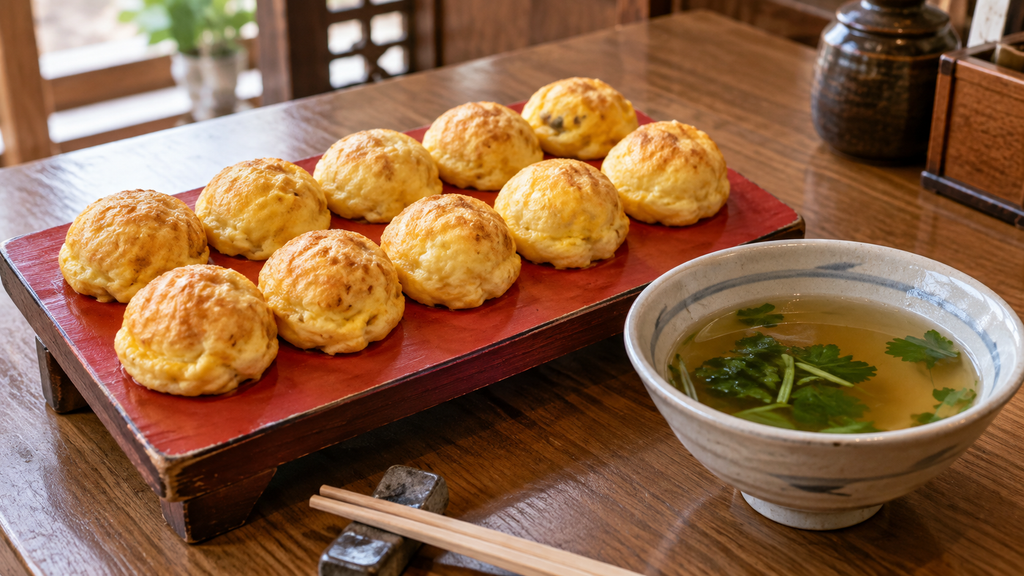
For a more casual regional meal, try akashiyaki in Akashi. These soft, egg-rich dumplings contain octopus and are typically dipped into broth. Their gentle texture makes them a different experience from sauce-topped Osaka takoyaki. Let them cool slightly and handle them carefully with your chopsticks.
Along the coasts, seafood adds another dimension to Hyogo’s food culture. Northern inns often feature regional seafood, with seasonal dishes depending on the booking plan and catch. Ask what is included instead of assuming a photograph represents every dinner.
Japanese Perspective: A Regional Name Can Tell a Story
Food names often carry information about place, ingredients, or production. Comparing a famous certified beef with a modest local dumpling dish helps reveal the range of Hyogo’s food culture. Both can be meaningful travel experiences, and an expensive meal is not a requirement for enjoying the prefecture.
Best Seasons to Visit Hyogo
Spring and autumn are comfortable starting points for city walks and castle visits. Blossom and foliage dates vary, and popular locations become busy during their peak periods.
Summer brings heat and humidity, especially during extended outdoor sightseeing. Plan shaded or indoor breaks and keep coastal activities flexible when weather changes.
Winter can be atmospheric for an onsen stay, but northern Hyogo may have snow and transport disruption. Conditions around Kobe can differ considerably from those in Kinosaki. Pack for the areas you will actually visit rather than treating the whole prefecture as one climate.
Getting Around and Choosing a Base
Kobe and Himeji are well suited to rail-based travel. Shin-Kobe, the shinkansen station, and Sannomiya, the main central hub, are different places. Check the full route to your hotel, including the final local connection.
Kobe makes a practical base for a first southern-Hyogo itinerary. Staying in Himeji can make an early castle visit easier, while an overnight stay in Arima or Kinosaki gives the hot-spring experience more time.
Reserve transport where required and compare a rail pass with the journeys you actually plan to take. Coverage differs by operator and ticket. Keep some cash for small shops or local services, and store bulky luggage before visiting the castle or walking through compact onsen streets.
A Practical Three-Day Hyogo Itinerary
Day 1: Kobe. Explore a manageable central neighborhood, then head toward the waterfront in the late afternoon. Choose dinner according to your interests and budget.
Day 2: Himeji. Travel to Himeji for the castle and surrounding area. Leave enough time for the full visit before returning to Kobe or staying locally.
Day 3: Arima Onsen. Plan a bath and a town walk, checking day-use hours in advance. For a slower finish, book an overnight stay with meals.
Add two days for a Kinosaki extension, allowing time for the journey, an overnight stay, and onward travel. Alternatively, add a day or two for Awaji Island. Avoid combining Kinosaki and an island excursion into the same short trip unless you have enough extra days.
Frequently Asked Questions
How many days do I need in Hyogo?
Three days works for Kobe, Himeji, and Arima. Add time for northern Hyogo or Awaji Island; these are substantial additions rather than nearby stops on the same walking route.
Can I visit Himeji Castle from Osaka?
Yes, it is a practical rail excursion. Check the service and ticket type, and leave enough time between arriving at Himeji Station and entering the castle.
Should I choose Arima or Kinosaki Onsen?
Arima fits more easily into a Kobe-based visit. Kinosaki suits an overnight trip built around the town and its public baths. Choose according to your route and available time.
Can travelers with tattoos use Kinosaki’s baths?
The public bathhouses welcome tattoos according to the official tourism guidance. Policies at individual accommodation facilities can differ, so ask before booking.
Do I need a car in Hyogo?
Not for the main Kobe–Himeji route or a carefully planned Kinosaki visit. A car can help with dispersed Awaji or rural destinations, but check buses before deciding.
Is Himeji Castle suitable for visitors with limited mobility?
The historic interior has steep stairs and access limitations. Check the official accessibility information and consider enjoying exterior viewpoints and accessible parts of the grounds instead of climbing the keep.
Related Japan Guides
Browse our Japan Travel guides for your next destination. For another region with distinctive seasons and food, explore our Hokkaido travel guide or Aomori travel guide.
Hyogo rewards a trip with room to pause: a castle interior, a quiet bath, or a simple regional meal can be just as memorable as a famous skyline.