Ehime offers a gentle way into Shikoku: a castle above a lively city, a historic public bathhouse, and island views that invite you to travel more slowly. Beyond Matsuyama, merchant-town streets and riverside buildings reveal another side of the prefecture, while the Shimanami Kaido turns the journey itself into an attraction.
Food gives the trip a strong local identity. Citrus appears in drinks and sweets, and the name taimeshi can describe two quite different sea-bream dishes. Learning which version is on your menu is part of the pleasure.
This Ehime travel guide focuses on Matsuyama, Dogo, the Imabari side of the Shimanami Kaido, and the historic towns of Uchiko and Ozu. Allow three full days for Matsuyama and one excursion. Stay longer for cycling or a slower journey south.
Why Visit Ehime?
Ehime combines experiences that fit different travel styles. Matsuyama suits visitors who enjoy walking, food and public transport. Imabari is a gateway to cycling among islands. Uchiko and Ozu reward people who like old buildings, small shops and an unhurried lunch.
These areas are connected, but they are not one compact sightseeing district. Imabari lies in a different direction from Uchiko and Ozu. Choose an excursion according to your interests instead of repeatedly returning to Matsuyama after long days on the road.
A useful first-trip pattern is two days in Matsuyama and Dogo, followed by either island scenery or a historic town. That leaves room for the small discoveries that make a regional trip memorable.
1. Dogo Onsen: A Bathhouse and a Neighborhood
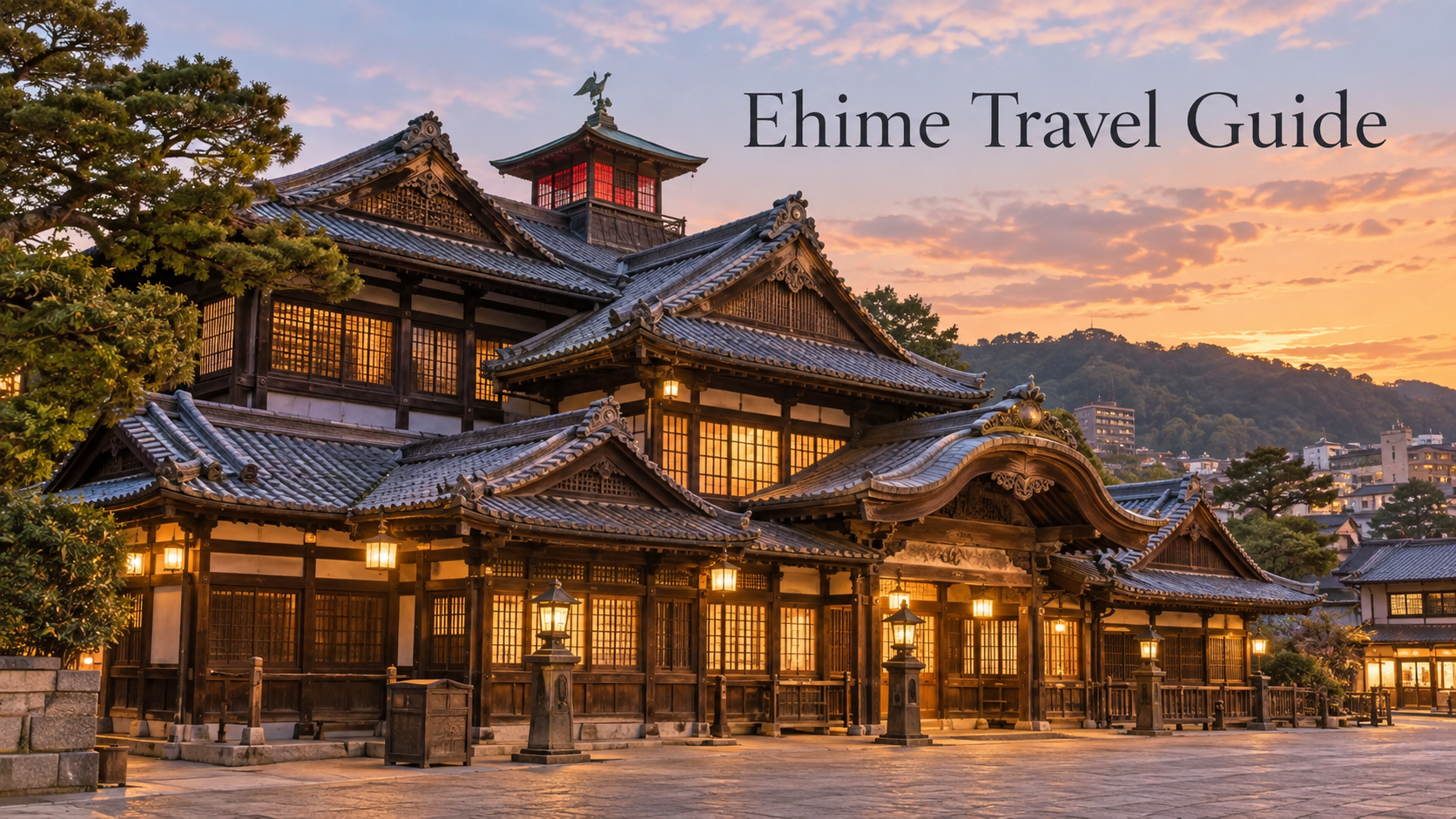
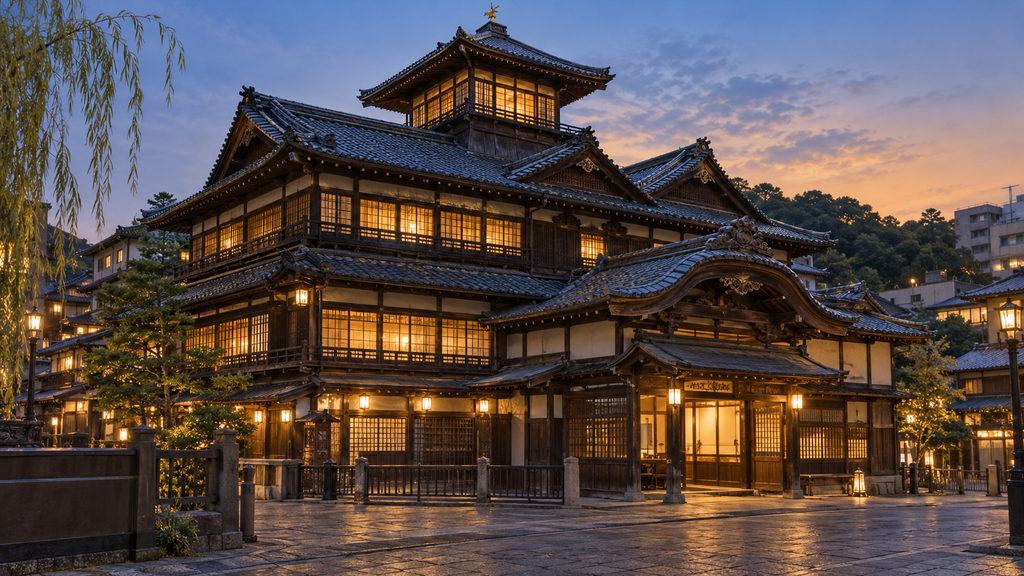
Dogo Onsen Honkan is a historic public bathhouse in Matsuyama, recognizable for its layered roofs and timber architecture. Its significance lies partly in the fact that bathing remains its purpose: this is a heritage building you can experience through an ordinary activity.
Consult the official Dogo Onsen website before visiting. Bathing courses differ in what they include, such as access to particular baths or resting spaces. Check reservation arrangements and what towels or amenities are supplied for the course you choose.
Dogo also has other public bathing facilities, including Asuka-no-Yu and Tsubaki-no-Yu. They offer different settings, so you can choose according to your interests and the day’s availability rather than assuming the Honkan is the only option.
Leave time to walk around the neighborhood before or after bathing. A stay nearby makes an evening visit easier, but you can also reach Dogo from central Matsuyama by local transport.
Japanese Perspective: Shared Water, Shared Consideration
At a communal bath, wash and rinse before entering the tub. Keep towels and hair out of the water, and leave phones and cameras outside changing and bathing areas. Follow the facility’s instructions on clothing and other rules.
You do not need to stay in hot water for a long time to enjoy the experience. A short soak and a quiet rest can be enough. Ask about your chosen facility’s tattoo and private-bathing policies rather than applying a rule you encountered somewhere else in Japan.
2. Matsuyama Castle: Look at the Whole Hilltop
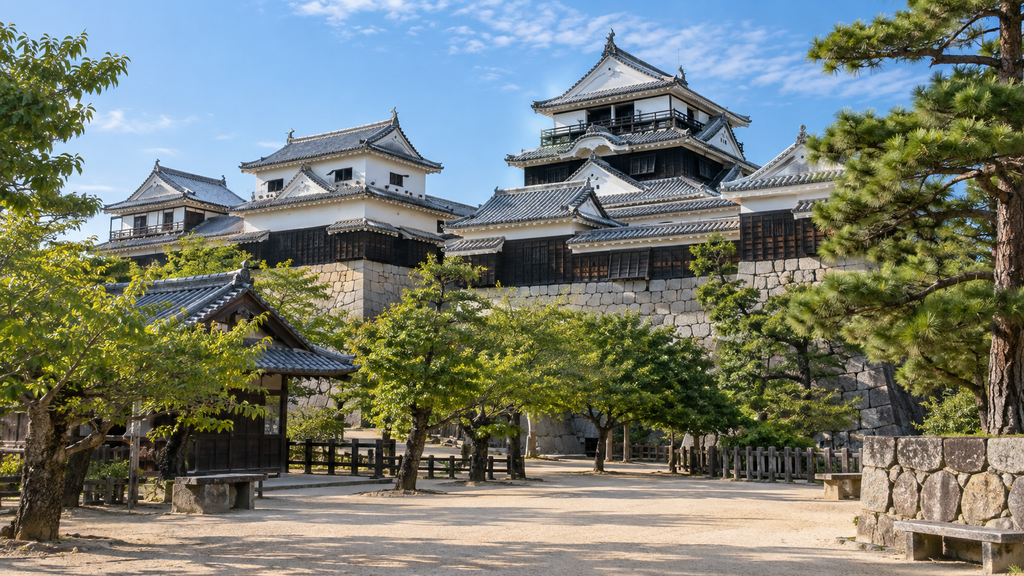
Matsuyama Castle rises above the city on Mount Katsuyama. Its surviving historic keep, gates and stone defenses provide a sense of how a Japanese hilltop stronghold was organized.
A ropeway or chairlift can shorten the ascent, but you still need to walk after the upper station. The keep involves stairs, so check access information if anyone in your group has difficulty with slopes or steps. Traveling light makes the visit more comfortable.
Allow an unhurried half-day as a planning starting point, including the approach, castle and views. Walk around the grounds as well as entering the keep. The position of the walls and gateways helps explain the site in ways that a distant photograph cannot.
Check the castle and ropeway schedules separately. Their final admission and operating times are not necessarily identical, and weather can affect your plans.
3. Imabari and the Shimanami Kaido: Choose Your Distance
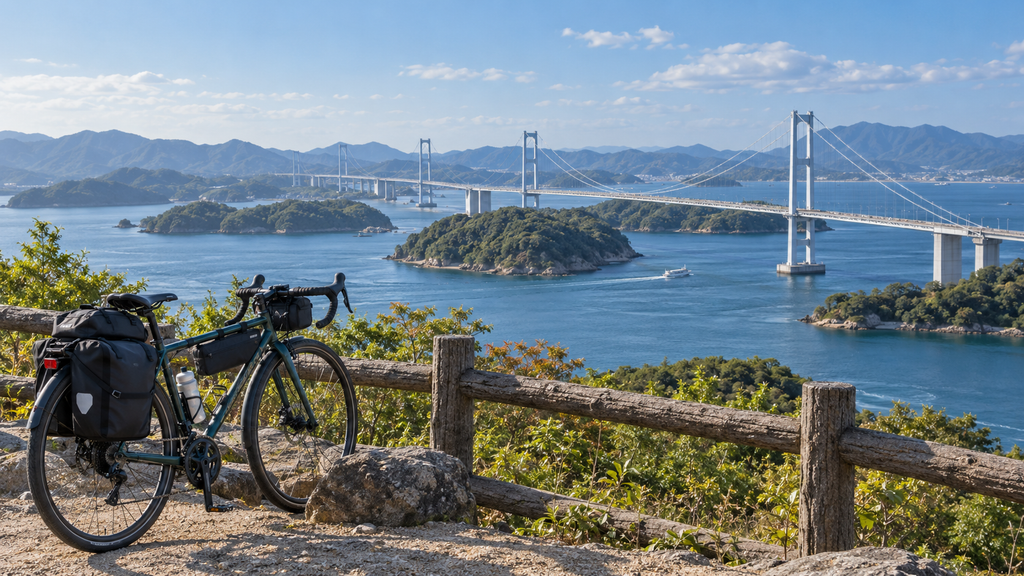
The Shimanami Kaido links Imabari in Ehime with Onomichi in Hiroshima across the Seto Inland Sea. The recommended cycling route is approximately 70 kilometers one way, including island roads and bridge approaches.
That distance is a substantial ride, particularly with sightseeing stops. Confident cyclists may complete it in a day, but two days offer more room for meals, photographs and changing conditions. Beginners can choose a shorter section instead of aiming for the entire crossing.
From the Imabari side, the Kurushima Kaikyo bridges are a striking introduction. Plan your starting point carefully: arriving at Imabari Station is not the same as arriving at a bridge-side rental terminal. Confirm your pickup location, bike type and return procedure.
Check whether your rental permits a one-way return, especially for electric bicycles. Arrange luggage and accommodation before a multi-day ride, and do not rely on an unverified ferry or bus to take you and your bicycle back.
Japanese Perspective: The Route Passes Through Everyday Life
Island roads also serve residents, deliveries and local traffic. Ride considerately, park only where permitted and avoid blocking a shop entrance while taking a break. Choosing a distance that leaves you comfortable makes it easier to notice the place around you rather than focusing only on finishing.
4. Uchiko: Read the Town Through Its Buildings
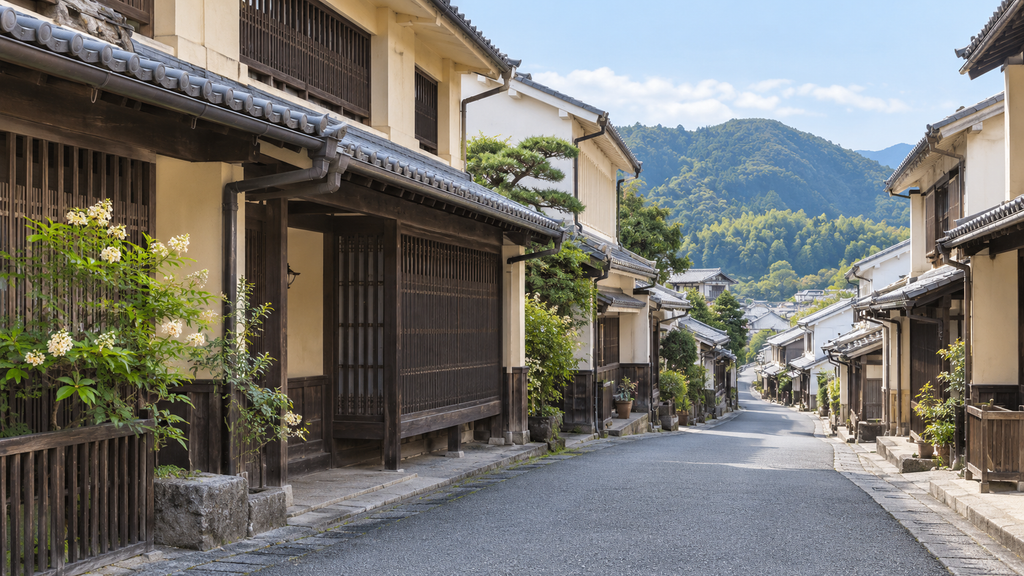
Uchiko’s historic Yokaichi and Gokoku streetscape reflects prosperity associated with wax production and trade. Cream-colored walls, timber details and substantial merchant houses reward a slow walk rather than a quick drive through town.
Choose a few buildings or visitor facilities that are open, and allow time to understand what their owners produced and sold. A local map helps distinguish public interiors from private homes.
Uchiko-za Theatre is undergoing major restoration. The tourism association reports a closure that began in September 2024 and is expected to last about four years. Check current official notices for any limited exhibitions or special access, but do not plan on a normal interior tour during the closure.
The town remains worth visiting for its streets, food and other heritage sites. If arriving by rail, include the walk from the station in your schedule and choose lunch before kitchens begin closing.
Japanese Perspective: Preservation Includes Daily Use
An old street is more than a backdrop. Some buildings remain homes or workplaces, and a quiet frontage does not mean it is open to visitors. Stay on public routes, keep voices low and ask before photographing people at close range.
5. Ozu: A Castle Town Beside the Hiji River
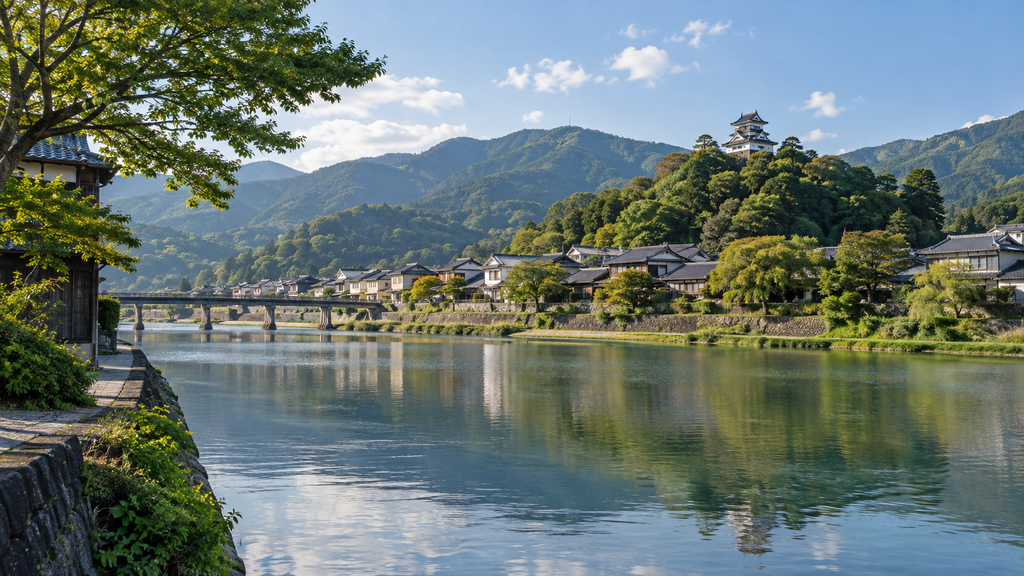
Ozu offers riverside scenery and a historic townscape that feels different from Matsuyama. Its castle stands above the Hiji River, while a walk through the older streets creates opportunities for small museums, cafes and architectural details.
Distinguish the castle’s history from the age of its present keep. The main keep was reconstructed in wood in 2004; it is not an untouched original keep. That reconstruction is part of the story of how the town has cared for its heritage.
Garyu Sanso is another potential stop for travelers interested in architecture and gardens. Check opening and access information, and give the visit time rather than treating it as an extra photo stop before the train.
Uchiko and Ozu can be combined with suitable transport and an early start. For a relaxed first visit, however, choose one for a full excursion or stay overnight to enjoy both without rushing.
What to Eat in Ehime
Two Styles of Taimeshi
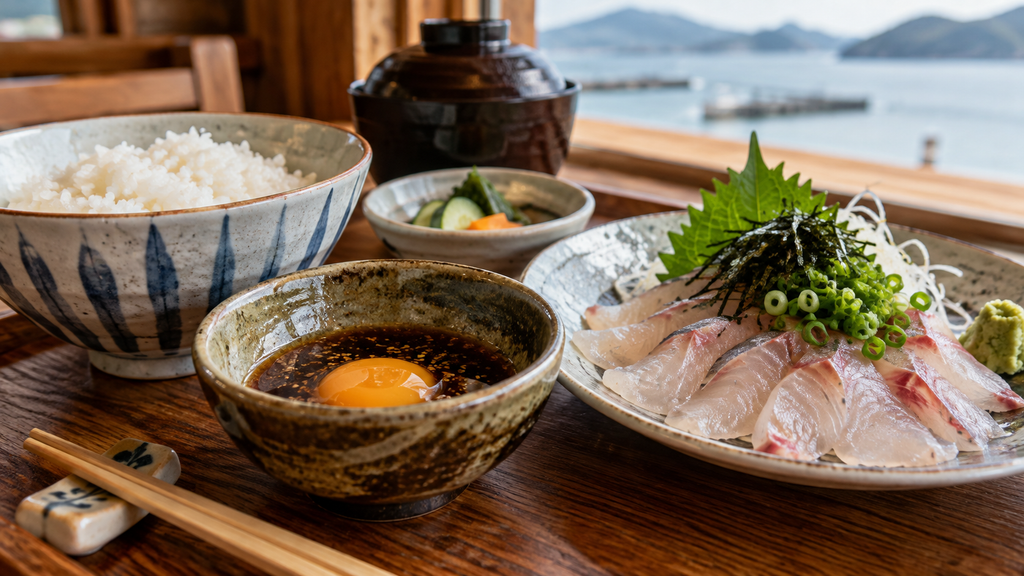
Taimeshi means sea bream with rice, but the preparation varies. A cooked style associated with the Matsuyama and Hojo area brings together cooked sea bream and seasoned rice. Uwajima-style taimeshi uses raw sea bream with an egg-and-sauce mixture served over rice.
Ask which style a restaurant offers before ordering. Travelers who prefer cooked fish can look for the cooked preparation; the names should not be treated as interchangeable on a menu.
Citrus and Local Snacks
Ehime is known for citrus. Try a juice or dessert and notice the variety listed, since sweetness and acidity differ. Seasonal availability changes, so a shop’s current selection is more useful than expecting one fruit throughout the year.
Jakoten, a regional fried fish cake, is another local food to look for. If you have dietary restrictions, check the fish, egg, wheat and seasoning ingredients rather than relying only on a dish’s appearance.
Practical Information for First-Time Visitors
Getting There and Around
Matsuyama Airport is a convenient gateway for the central part of the prefecture. Rail travelers from Honshu can connect through Okayama toward Shikoku and Matsuyama. Ferry routes also link the Hiroshima area with Matsuyama; compare arrival ports and onward city transfers before booking.
Ehime has no Shinkansen station. Within Matsuyama, local trams and walking cover many visitor journeys. JR Matsuyama Station and Matsuyama City Station are different places, so read the station name carefully when choosing a hotel or connection.
For Uchiko, Ozu and Imabari, check current train schedules and the final local journey to your destination. A rental car adds flexibility for rural areas, but is not necessary for the basic Matsuyama stay.
Where to Stay
Central Matsuyama suits dining and urban sightseeing. Dogo is appealing for an onsen-focused evening. Imabari is a practical base for a cycling departure, while Uchiko or Ozu can suit travelers continuing through southern Ehime.
For smaller-town accommodation, confirm dinner, check-in and transfers in advance. A property described as being in a region may still be some distance from its railway station.
Best Seasons
Spring and autumn generally suit walking and cycling. Summer brings heat and humidity, making an early start and regular breaks valuable. Winter can be pleasant for an onsen stay, but sea winds and colder inland conditions affect outdoor plans. Check forecasts and transport notices, particularly before a long ride or ferry journey.
A Realistic Three-Day Ehime Itinerary
Day 1 — Matsuyama Castle and the City: Explore the castle at an easy pace, then enjoy a local lunch and central streets. Leave the evening flexible after your arrival journey.
Day 2 — Dogo: Choose a bathing course, explore the surrounding neighborhood and make time for a cafe or citrus snack. Add another city sight only if it fits comfortably.
Day 3 — Choose an Excursion: Visit Uchiko or Ozu for heritage and town walks, or head to Imabari for a preplanned short cycling experience. Confirm transport and rental arrangements before selecting the latter.
Add one or two days for both historic towns or a longer Shimanami ride. A full cycling crossing should be treated as its own excursion, with an early start, suitable fitness and a clear finish plan.
FAQ
How many days should I spend in Ehime?
Three full days cover Matsuyama, Dogo and one excursion. Add time for multiple historic towns, southern Ehime or a longer cycling journey.
Is Dogo Onsen Honkan a hotel?
No. It is a public bathhouse. Book accommodation separately if you want to stay in the Dogo neighborhood.
Can beginners enjoy the Shimanami Kaido?
Yes, by choosing a manageable section. The full route is around 70 kilometers one way and should not be assumed to be an easy short ride.
Can I tour Uchiko-za Theatre?
Normal visits are affected by the major restoration closure that began in September 2024. Check official notices for the latest status and any limited special access.
Is all taimeshi cooked?
No. Uwajima-style taimeshi uses raw fish, while the Matsuyama/Hojo-associated style is cooked. Confirm the preparation when ordering.
Do I need a car?
Not for Matsuyama and Dogo. Rail works for several regional towns, while rural extensions and some cycling logistics require more advance planning.
Explore More of Shikoku
After experiencing Dogo Onsen, Matsuyama and the Shimanami Kaido, consider exploring more of Shikoku. Each neighboring prefecture has a distinctive character, from Tokushima’s mountain valleys to Kagawa’s food culture and Kochi’s wild rivers and Pacific coast.
Tokushima Travel Guide
Watch the Naruto Whirlpools and explore the secluded Iya Valley, where steep mountains, traditional villages and vine bridges create one of Shikoku’s most memorable landscapes.
Read more: Tokushima Travel Guide: Naruto Whirlpools, Iya Valley and a Japanese Perspective
Kagawa Travel Guide
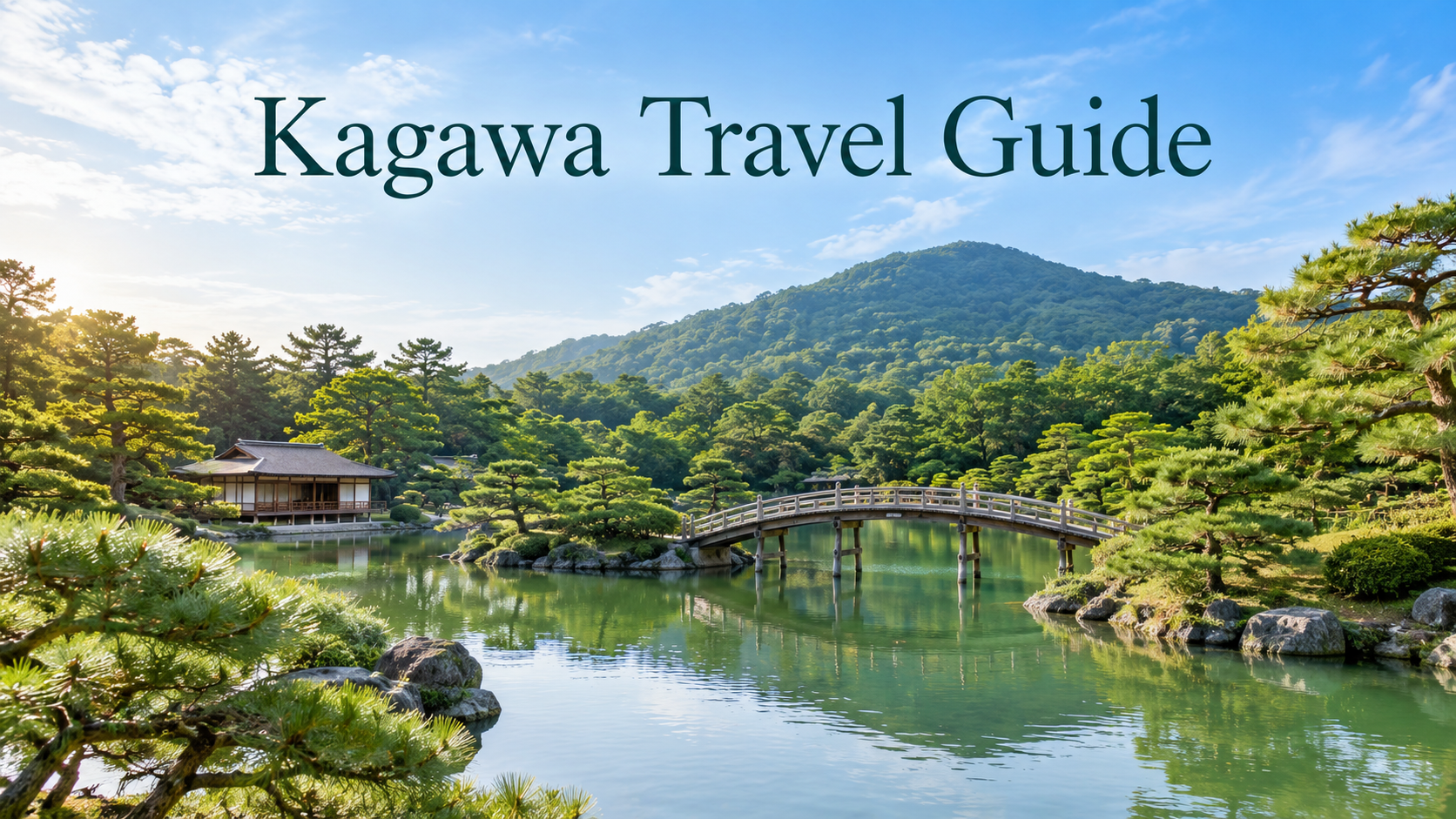
Taste authentic Sanuki udon, visit Ritsurin Garden and Kotohira-gu, and discover art, beaches and island scenery in the Seto Inland Sea.
Read more: Kagawa Travel Guide: Sanuki Udon, Gardens and Seto Inland Sea Islands
Kochi Travel Guide
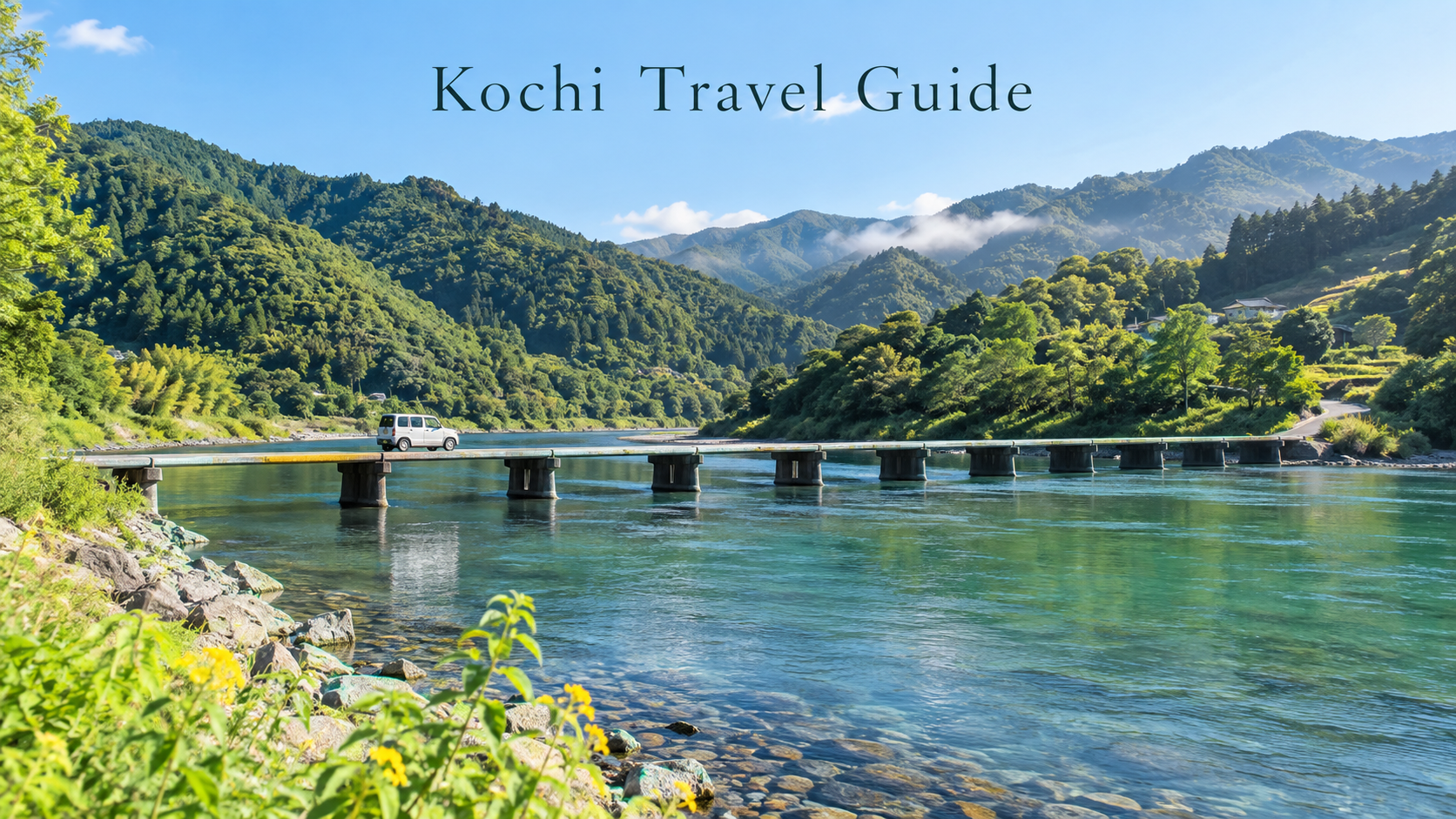
Experience the atmosphere of Kochi Castle, sample katsuo no tataki, and travel through a prefecture famous for crystal-clear rivers and rugged coastal scenery.
Read more: Kochi Travel Guide: Clear Rivers, Castle Views and the Taste of Shikoku
Find more destinations and travel ideas in our Shikoku Travel Guides.