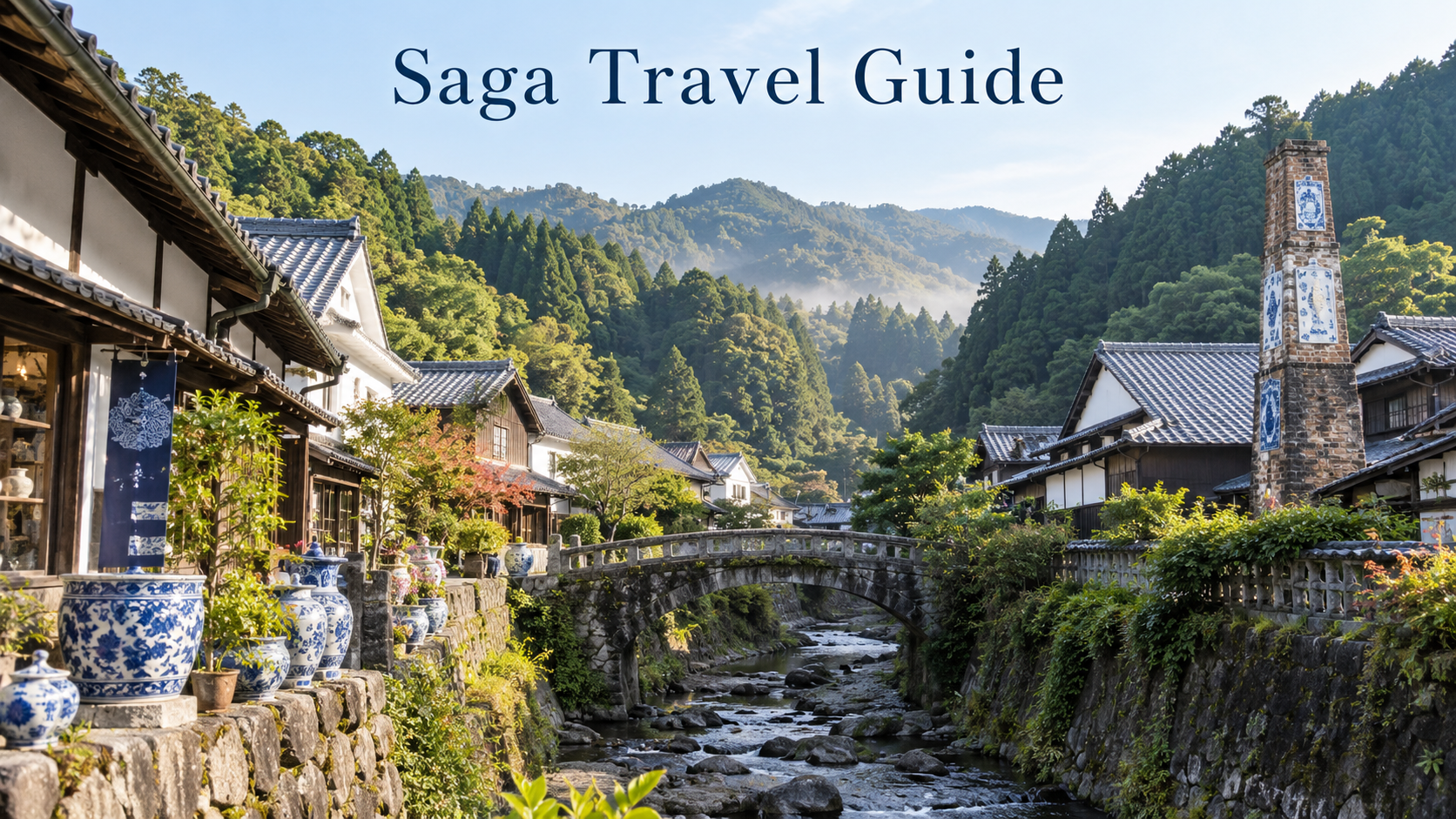
Saga rewards travelers who enjoy looking closely. A porcelain cup can lead you into the history of a town; a quiet hot spring stay can introduce a regional way of eating; a coastal castle can become the starting point for a day of seafood and sea views.
Located in northwestern Kyushu, between Fukuoka and Nagasaki prefectures, Saga offers enough variety for several days without requiring a packed checklist. This Saga travel guide focuses on Arita and Imari’s ceramics, Ureshino’s hot springs, Yoshinogari’s ancient history and the northern coast around Karatsu.
Why Visit Saga?
Saga is a good fit for travelers who want hands-on craft experiences, regional meals and time in smaller towns. It also works well as part of a longer Kyushu journey, provided you choose your route before booking accommodation.
Think of the prefecture in separate clusters. Saga City and Yoshinogari form an eastern starting point. Arita, Imari, Takeo and Ureshino lie farther west, while Karatsu and Yobuko belong to a northern coastal outing. Places that look close on a regional map may require several connections by public transport.
For a first visit, choose pottery and hot springs as the core of your trip, then add the coast if you have extra time. A slower itinerary leaves space for the small discoveries that make this region memorable.
1. Find Your Favorite Piece of Arita Porcelain
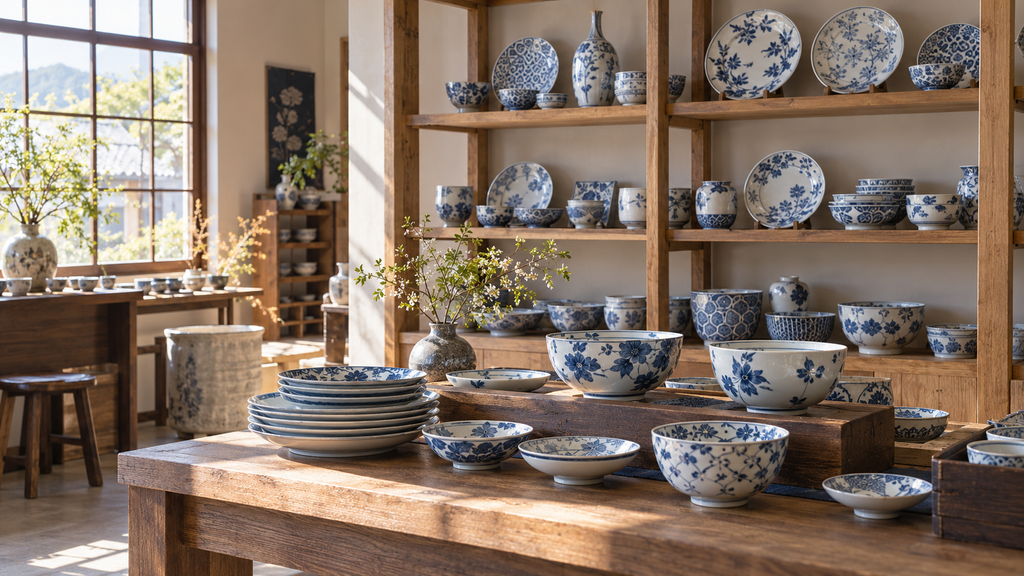
Arita is one of Japan’s great porcelain centers. Browse shops and exhibitions to see how much variety fits within that description: delicate painted surfaces, restrained everyday tableware and pieces intended for display.
Give yourself time to compare shapes as well as decoration. A small plate, tea cup or rice bowl is easier to carry home than a large vase and may become something you use every day. Ask about microwave and dishwasher suitability rather than assuming all ceramics can be treated alike.
If you want to try decorating or making a piece, book a workshop ahead. Confirm what the session includes, when firing will be complete and whether international shipping is available. The finished work may not be ready before you leave Japan.
Japanese Perspective: The word utsuwa refers to vessels or tableware and often appears in conversations about food presentation. The pleasure is not limited to owning an expensive object: a bowl’s weight, rim and color can change how an ordinary meal feels. Shop with your own kitchen in mind.
2. Walk through Okawachiyama in Imari
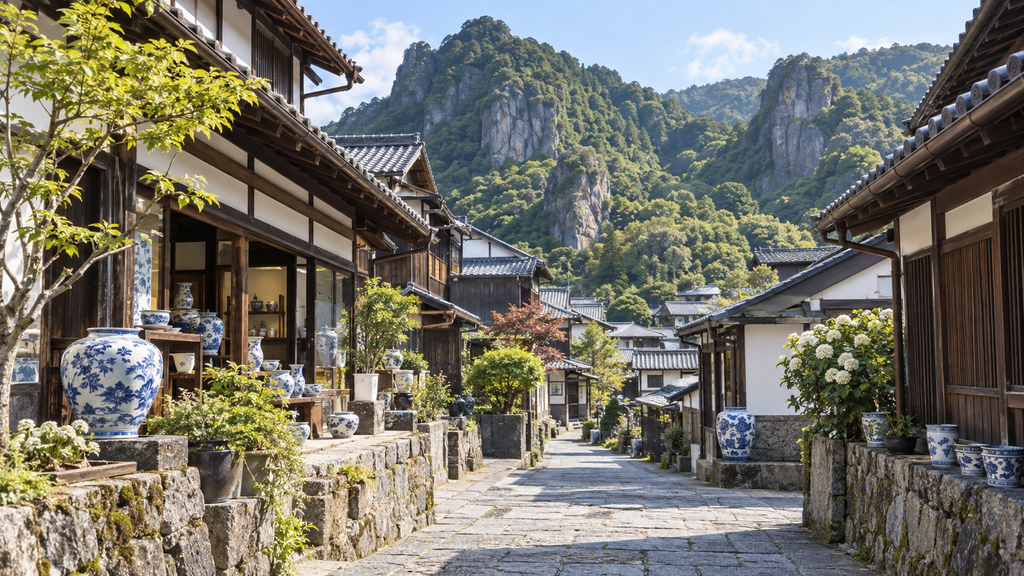
Okawachiyama offers a different setting for exploring ceramics. Nestled against steep hills in Imari, the village is associated with the Nabeshima domain’s kilns and the protection of specialized production techniques.
Walk slowly through the village, browsing open shops and noticing ceramic details in the surroundings. It is a working place as well as a sightseeing destination. An attractive doorway may belong to a workshop or home, so ask before entering areas that are not clearly open to visitors.
Do not mistake Imari Station for the village itself. Plan the onward bus or taxi journey and confirm your return before setting out. With public transport, a dedicated half day is more comfortable than treating Okawachiyama as a brief stop between distant attractions.
Japanese Perspective: Regional craft names can reflect overlapping histories of production, patronage and trade. Arita and Imari are closely connected, but you need not memorize a classification system to enjoy them. Asking a shop which kiln made a piece is a useful first question.
3. Make Time for Ureshino Onsen
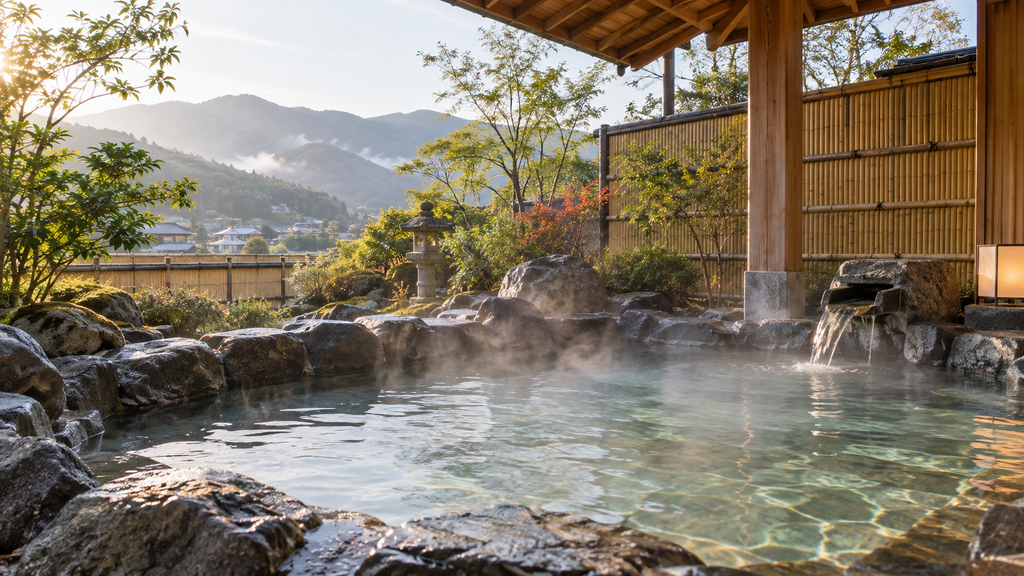
Ureshino is a natural place to slow the trip down. Rather than fitting a bath between two trains, consider an overnight stay with time to arrive, settle in and enjoy dinner.
Compare accommodation plans carefully. A room-only booking and a stay including dinner and breakfast create different schedules and budgets. Check the dinner arrival deadline, whether private baths are available, and any reservation or additional-charge requirements.
Ureshino-Onsen Station serves the Nishi Kyushu Shinkansen, but the station and the central hot spring district are separate locations. Ask your accommodation about the final transfer; do not assume an included shuttle operates whenever you arrive.
Japanese Perspective: A ryokan stay often follows a gentle rhythm of arrival, bathing, dinner and breakfast. Arriving on time supports that rhythm and the staff preparing your meal. In communal baths, wash before entering, keep towels out of the water and follow the facility’s rules. Ask about tattoo policies in advance because they vary.
4. Step into Ancient History at Yoshinogari
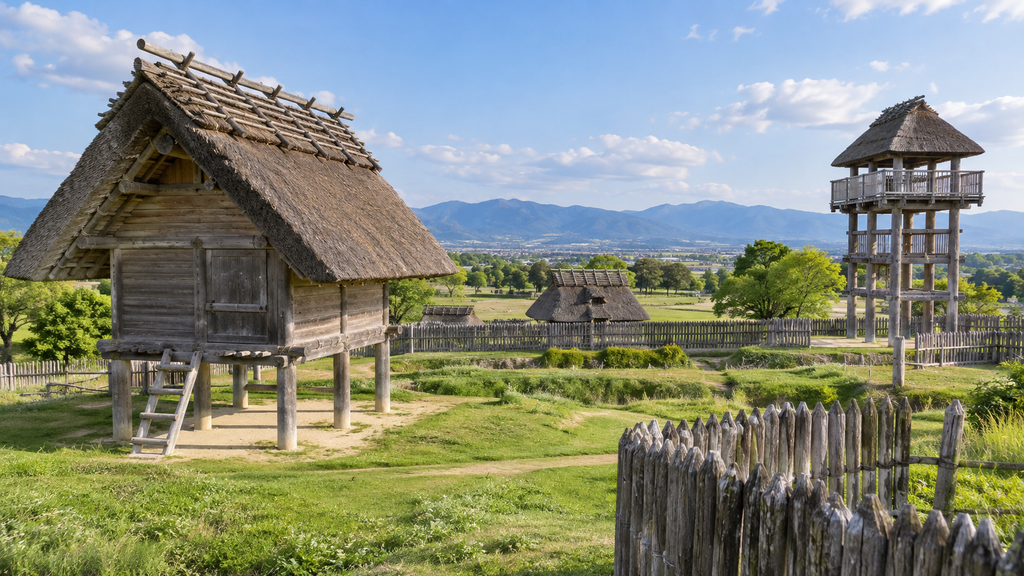
Yoshinogari Historical Park introduces the Yayoi period through archaeological remains, displays and reconstructed buildings. Raised storehouses, defensive features and settlement layouts help visitors imagine aspects of life long before Japan’s familiar samurai castles.
Treat the buildings as interpretations based on archaeological evidence, rather than structures that have survived intact from ancient times. Read the explanations alongside them: the most interesting questions concern how people stored food, organized communities and interacted with neighboring groups.
The park covers a large area. Choose your priorities, wear comfortable shoes and allow several hours. In hot weather, build in shade and rest stops instead of attempting every section. Check current opening hours and workshop schedules before visiting.
Japanese Perspective: Japan’s history extends far beyond warriors and temples. Yoshinogari offers a way to think about agriculture, settlement and social organization. Avoid treating speculative links with famous ancient rulers as established fact; archaeology often leaves important questions open.
5. Enjoy Karatsu and the Northern Coast
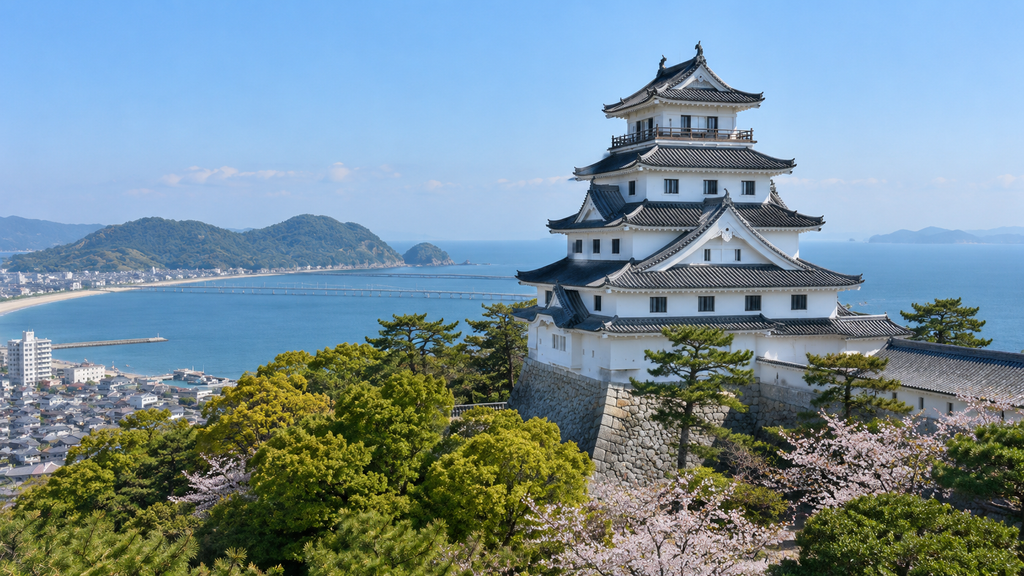
Karatsu brings the trip back toward the sea. Start with the castle and surrounding views, then leave time for the town rather than immediately moving on. The present castle tower was built in 1966 as a cultural and sightseeing facility; it is not an original surviving feudal-era keep.
Ceramics remain part of the story here too. Karatsu ware provides another reason to look at the dishes used for your lunch or tea, especially after visiting Arita and Imari.
Yobuko is a separate coastal excursion known for its morning market and squid dishes. If it is a priority, stay in Karatsu and go early the next day. Confirm bus connections or arrange a car; Yobuko is not simply a short walk from Karatsu Station.
Fresh seafood availability depends on catches and conditions. Choose a restaurant with options you are comfortable eating, and ask for a cooked preparation if raw squid is not for you.
6. Taste Ureshino Tofu and Other Saga Specialties
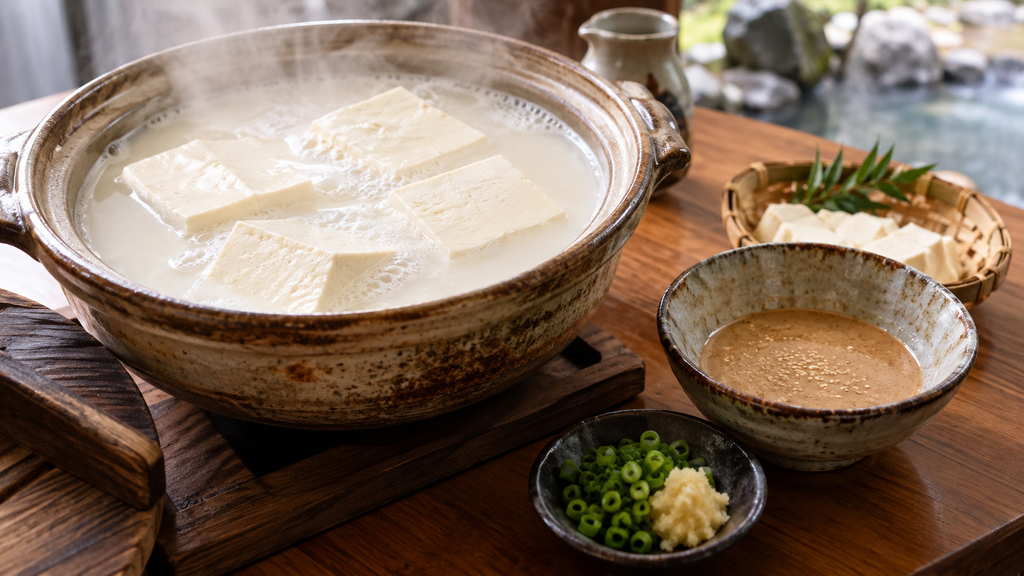
Ureshino’s onsen yudofu is a gentle introduction to local cooking. The tofu is simmered using water associated with the hot spring tradition, producing a soft texture and cloudy broth. Enjoy it at an established restaurant; the dish is not an invitation to cook with water taken from a public bath.
Tea is another part of Ureshino’s identity. Pause for a cup or choose a small package to take home, asking for brewing guidance if the tea is unfamiliar.
Elsewhere, Saga beef may suit a special meal, while seafood gives a coastal visit its own character. You do not need to order every specialty in a single day. Choose one memorable meal and leave room for simpler lunches.
Japanese Perspective: A tofu dish is not automatically vegetarian or vegan. Dipping sauces, side dishes and stock may contain fish or other animal ingredients. Explain the specific ingredients you avoid when asking a restaurant about its menu.
Practical Information for Planning Your Trip
Getting to Saga and Around
From Fukuoka, Hakata is a useful rail gateway for Saga City and western destinations. JR Kyushu’s Relay Kamome connects with the Nishi Kyushu Shinkansen at Takeo-Onsen for journeys toward Ureshino-Onsen and Nagasaki. Check the exact service and stops when booking.
Karatsu uses a different approach from the Fukuoka side, so choose your route according to your destination. Do not automatically travel via Saga City for every northern coastal stop.
Public transport can work well with a focused itinerary. A rental car gives more flexibility for village visits and the coast, but you should still allow time for parking and local roads. For any rail pass, check the operators and services actually included before purchasing.
Where to Stay
Saga City is a practical base for eastern sightseeing. Takeo can work as a transport base for western exploration, while Ureshino suits an overnight hot spring stay. Choose Karatsu for a coastal extension.
For a short trip, avoid changing accommodation every night unless the route clearly benefits. Check whether evening meals are available near rural accommodation, especially if your booking does not include dinner.
Best Seasons and Reservations
For the walking suggested here, spring and autumn would be my first choices. Summer requires plans for heat and rain; winter can suit ceramics and hot springs, though outdoor sightseeing still calls for warm clothing.
Pottery events and holiday periods can change the atmosphere and accommodation availability considerably. Check specific dates rather than assuming a normal weekday schedule. Reserve workshops and ryokan meals ahead, carry some cash, and confirm current admission fees on official websites.
A Relaxed Three-Day Saga Itinerary
Day 1: Yoshinogari and Saga City
Begin at Yoshinogari Historical Park and focus on the reconstructed settlement and exhibits. Continue to Saga City for the evening. Keep this day light if you are arriving from elsewhere in Japan.
Day 2: Arita and a Western Base
Travel west for a day of porcelain shops, exhibitions or a booked workshop. Stay around Arita or Takeo according to the next day’s connections. A workshop may fill more of the day than expected, so avoid scheduling several museums around it.
Day 3: Choose Imari or a Longer Ureshino Stay
For more ceramics, visit Okawachiyama and plan your onward journey around the bus timetable. For a slower finish, travel to Ureshino, have lunch and stay overnight at a ryokan. With four days, enjoy both options on separate days rather than rushing the transfer before dinner.
Optional Coastal Extension
Add one or two nights in Karatsu for the castle, town and a morning in Yobuko. Plan the transfer from western Saga explicitly; public transport may take longer than the road distance suggests. If you only have a day from Fukuoka, choosing Karatsu alone is a satisfying alternative to the longer itinerary.
FAQ: Visiting Saga for the First Time
Is Saga worth visiting on a Kyushu trip?
Yes, particularly for ceramics, hot springs and regional food. Choose a few places that match your interests and give them enough time.
How many days should I spend?
Three days is a useful starting point for eastern and western highlights. Add time for both pottery towns, an overnight onsen stay or the northern coast.
Can I visit without a car?
Yes, but check connections beyond railway stations. Okawachiyama, central Ureshino and Yobuko need particular attention to the final stage of the journey.
Should I choose Arita or Imari?
Choose Arita for a broad introduction to porcelain shops and exhibitions. Okawachiyama in Imari offers a distinctive village setting. If ceramics are a main interest, visit both on separate outings.
Can visitors with tattoos use Ureshino’s baths?
Policies differ by facility. Ask directly before booking, including whether a private bath is available and whether separate conditions apply.
Are Yoshinogari’s buildings original?
The visible reconstructed buildings help explain an archaeological site. They are not intact buildings surviving from the Yayoi period; exhibits provide the context for their interpretation.
Explore More of Kyushu
Saga’s pottery towns, hot springs and coastal landscapes fit naturally into a longer journey across northern and western Kyushu.
Fukuoka Travel Guide
Travel east to Fukuoka for lively yatai nights, Hakata ramen, shrine visits and easy day trips from one of Kyushu’s main transport hubs.
Read next: Fukuoka Travel Guide: Yatai Nights, Shrine Visits and Memorable Day Trips
Nagasaki Travel Guide
Continue west from Saga toward Nagasaki for historic trading districts, harbor views, regional cuisine and island scenery.
Read next: Nagasaki Travel Guide: Harbor Views, Layers of History and Island Escapes
Kumamoto Travel Guide
Head south into central Kyushu for Kumamoto Castle, the volcanic landscapes of Aso and peaceful hot-spring towns.
Read next: Kumamoto Travel Guide: Castles, Aso Landscapes and Peaceful Onsen
Continue exploring through our Kyushu & Okinawa Travel Guides.