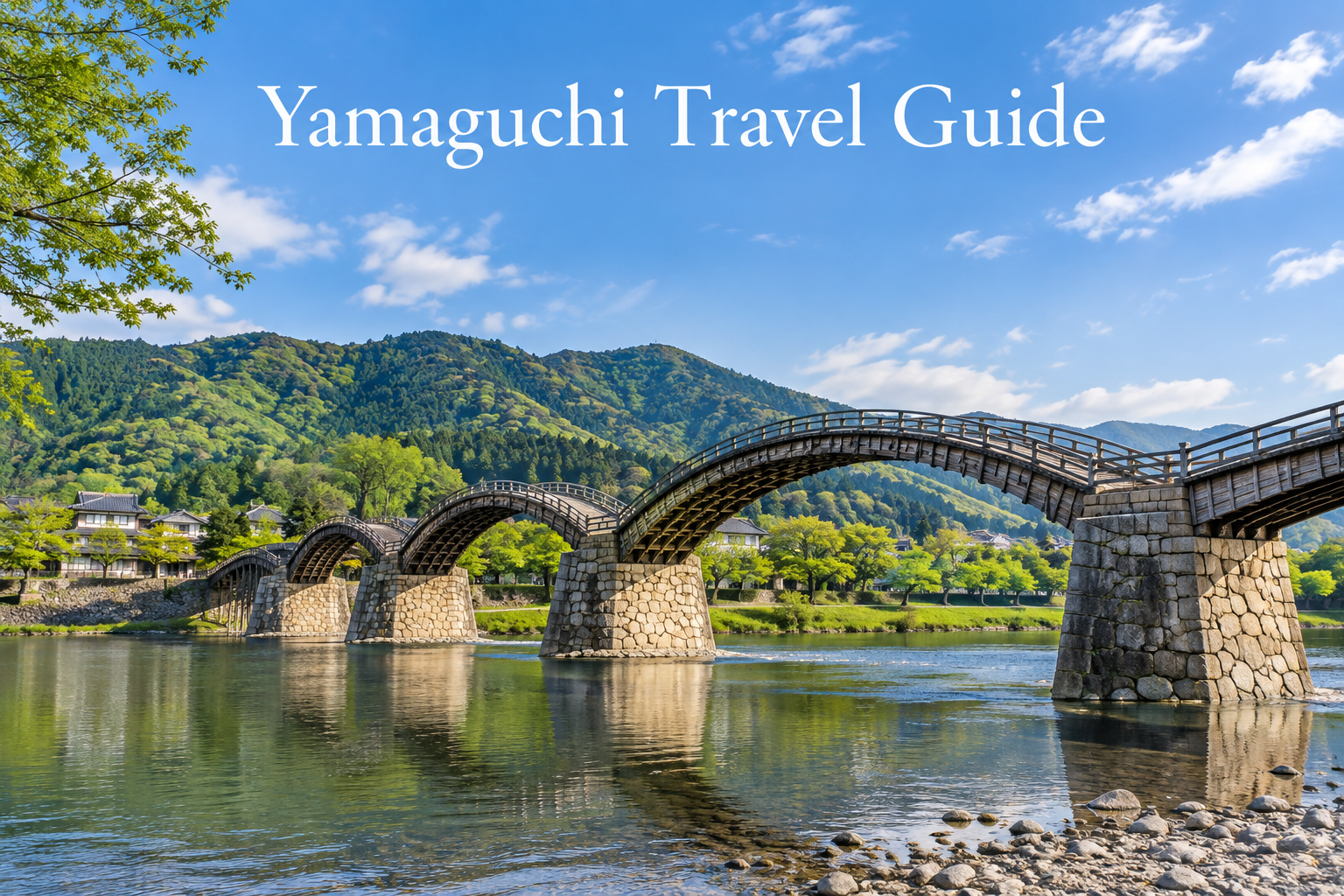
Yamaguchi offers a journey of changing textures. In Iwakuni, timber arches rise above a river. In Hagi, white walls and pottery shops invite a slower walk. Inland, pale limestone breaks through open grassland, while Shimonoseki brings the movement of boats and a seafood lunch beside the strait.
At the western end of Honshu, this prefecture can fit naturally into a trip between Hiroshima and northern Kyushu. Yet it deserves more than a stop between trains. Its historic towns and rural landscapes reward travelers who choose a few places and give them enough time.
This Yamaguchi travel guide introduces six highlights, a Japanese perspective on local culture, and a realistic approach to getting around. Use the four-day itinerary as a starting point, then add time if the northern coast is a priority.
The images in this article are original illustrations inspired by Yamaguchi. They are not documentary photographs of exact structures, viewpoints or present conditions.
1. Kintaikyo Bridge: Appreciate the Craft of Iwakuni
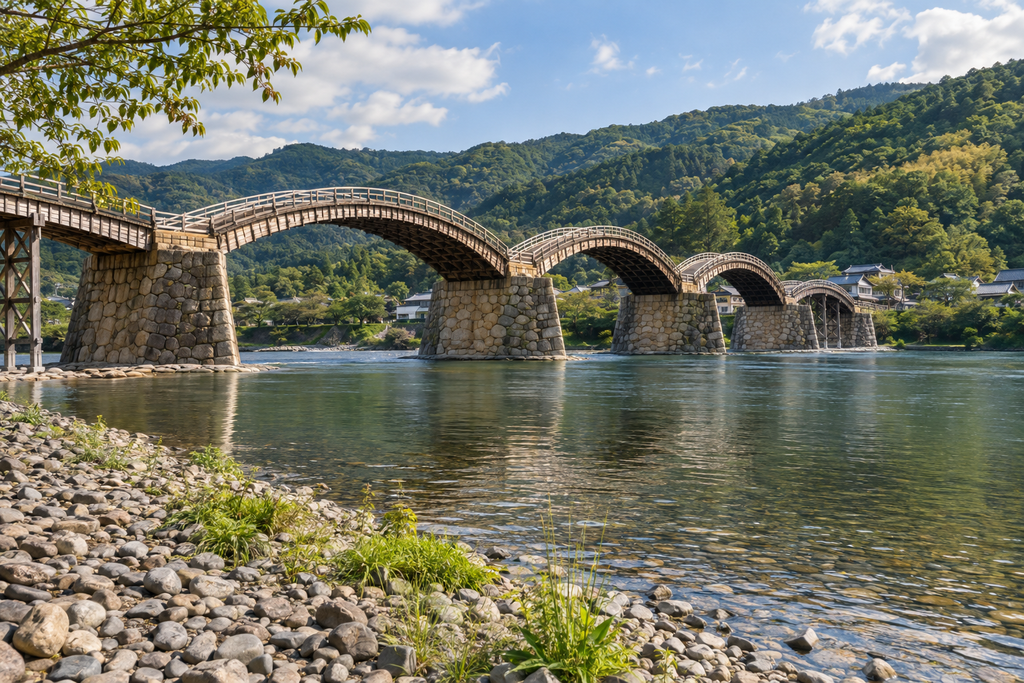
Kintaikyo is one of Yamaguchi’s most recognizable sights. Its five-span wooden design crosses the Nishiki River, combining a practical river crossing with an elegant rhythm of timber and stone.
The bridge was first built in 1673, but the structure you see today reflects rebuilding and maintenance over time. Read the local interpretation before crossing, then look at the bridge from the riverside to appreciate its shape from another angle.
Allow a comfortable half-day for the bridge and nearby surroundings. The rising and falling walkway includes steps, so check accessibility arrangements if needed. Iwakuni Station and Shin-Iwakuni Station are different arrival points; neither name means that you have arrived at the bridge itself.
Consult the official bridge website for current visitor information. If adding other attractions, leave time for their separate transport and opening arrangements rather than assuming everything is included in a bridge visit.
Japanese Perspective: Heritage Can Mean Passing on Skills
A historic wooden structure does not have to contain only its earliest materials to have cultural value. Repairs and rebuilding can also preserve knowledge: how wood is selected, shaped and joined, and how a demanding structure is cared for.
Thinking about that work makes Kintaikyo more than a beautiful outline. It also helps explain why preservation involves an ongoing relationship between a place and the people who maintain it.
2. Hagi: Walk Through History and Meet Living Craft
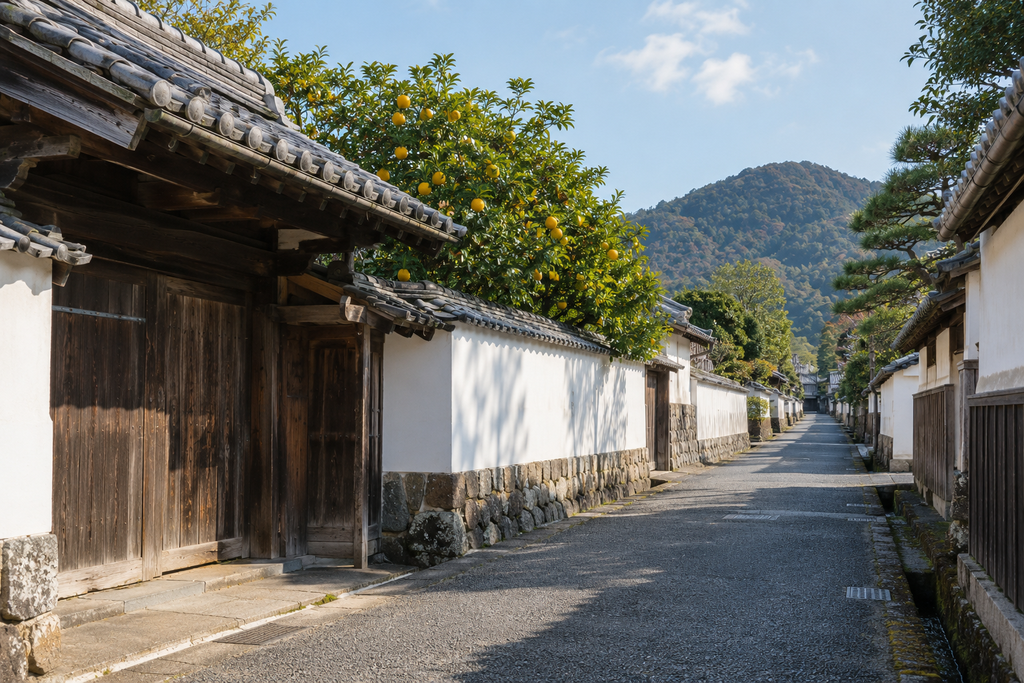
Hagi is best approached on foot and without too many appointments. Its former castle-town districts offer white walls, old residences and streets that encourage you to imagine how a town was organized around different kinds of work and status.
Choose one or two historic interiors or interpretation sites rather than trying to enter every building. Hagi’s wider history is connected with the Choshu domain and the changes that led toward modern Japan, but a first visit can begin with understanding the town itself.
Make room for Hagi ware, or Hagi yaki. Browse a pottery shop, ask about the maker, or book an available pottery experience. The Hagi sightseeing guide introduces craft activities; check booking requirements, firing time and delivery options before expecting to take a finished piece home that day.
Japanese Perspective: Understand a Bowl by Using It
Craft becomes easier to appreciate when you imagine it at your own table. Notice how a cup feels in your hand and how its glaze looks in daylight. Ask the shop about care rather than treating all handmade ceramics in the same way.
The town is also a residential place. Stay out of private entrances, keep conversations considerate and ask before photographing people. A quiet atmosphere is something visitors help preserve.
3. Akiyoshidai: See a Different Side of Japan’s Landscape
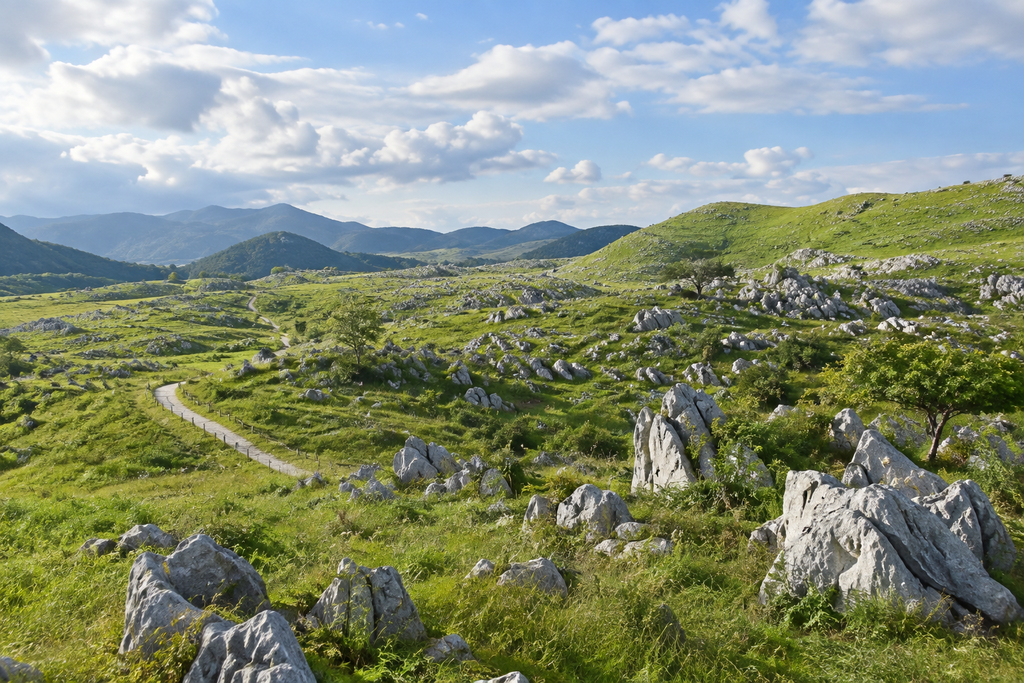
Akiyoshidai can feel unexpectedly open after Japan’s densely wooded hills and busy cities. Limestone outcrops punctuate broad grassland, creating a landscape that invites you to look both across the horizon and down at the ground.
This is a karst landscape, shaped by processes involving limestone and water. You do not need specialist geological knowledge to enjoy it, but a little interpretation adds meaning to the scattered rocks and the caves below.
Start with an established viewing area, then choose a marked walk suited to the weather and your available time. Bring water and sun or rain protection as appropriate. The openness that creates the view also means less shelter than you might expect.
Keep to designated routes and do not climb on rocks merely for a photograph. A scenic drive or short walk can be enough; there is no need to turn every landscape stop into a long hike.
4. Akiyoshido: Continue the Journey Underground
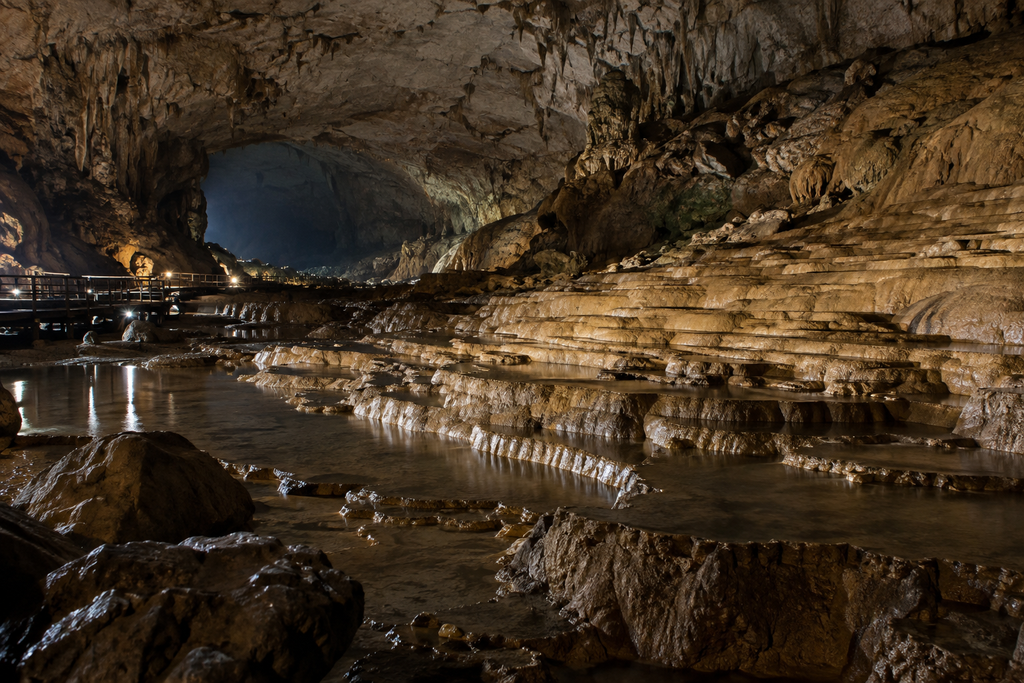
Akiyoshido complements the plateau with a very different experience. Inside, large underground spaces, flowing water and limestone formations shift your attention from a wide horizon to shapes revealed by light and shadow.
Read the explanations along the visitor route and take your time. Some formations are best appreciated by standing still rather than immediately moving toward the next named feature.
Check the official cave information before visiting, especially if stairs, dim lighting or uneven surfaces are concerns. Wear shoes with good grip and follow the public route. Avoid touching formations or stepping beyond barriers.
Plan the cave and plateau as one dedicated outing, including the connection between them. Confirm which entrance and exit you will use and how you will return to your bus stop or parked car. A cave visit is not automatically an out-and-back route unless you choose it that way.
Japanese Perspective: Make Room for Learning
Travel does not always need a dramatic personal challenge. Reading an explanation, asking a guide a question or noticing a small formation can make an ordinary sightseeing visit memorable. The care taken around natural monuments matters as much as the photograph you bring home.
5. Motonosumi Shrine: Plan a Separate Coastal Excursion
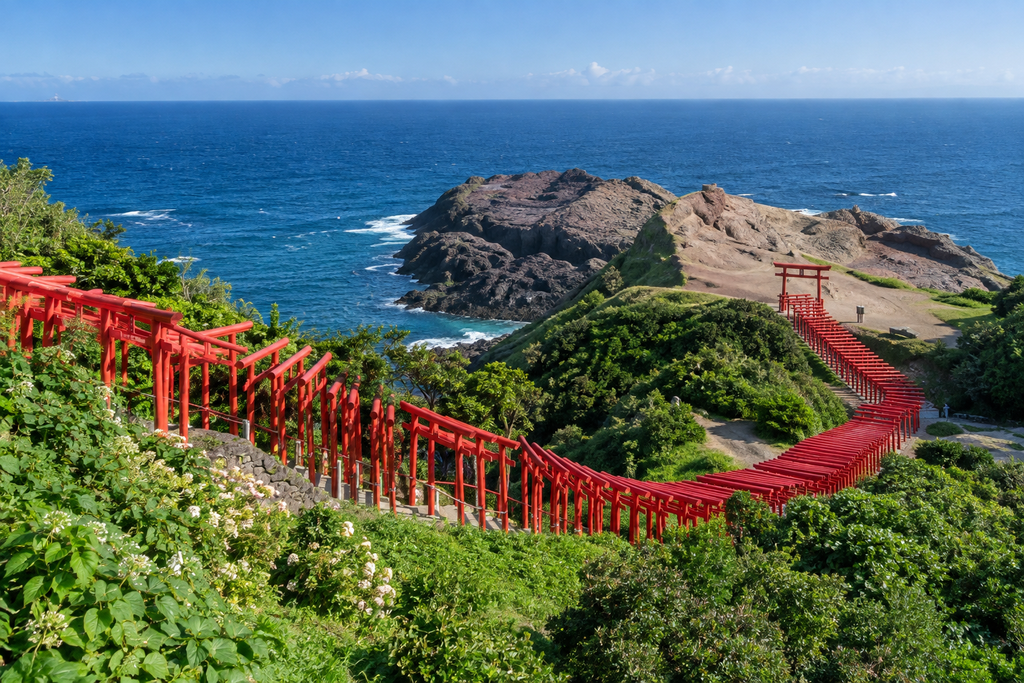
Motonosumi Shrine is known for red torii gates against the blue Sea of Japan. The contrast is striking, but the visit requires more preparation than a central-city shrine stop.
Treat it as a northern-coast excursion with transport arranged in advance. Compare a rental car, a suitable tour or a prearranged taxi, and make sure the return journey is included in your plan.
Access note checked September 13, 2026: the official notice lists restrictions on Saturdays, Sundays and public holidays during March–November 2026, with specific exceptions for May and August. During restricted periods, visitors cannot walk through the red torii gates. Consult the official date-by-date guidance before booking; do not assume the route is open because the car park is operating.
At the site, respect worshippers, barriers and instructions. Coastal wind and wet surfaces can affect comfort, so wear practical shoes and stay within permitted areas. Enjoy the view without moving onto exposed rocks for a better angle.
6. Shimonoseki: Explore the Waterfront Through Food
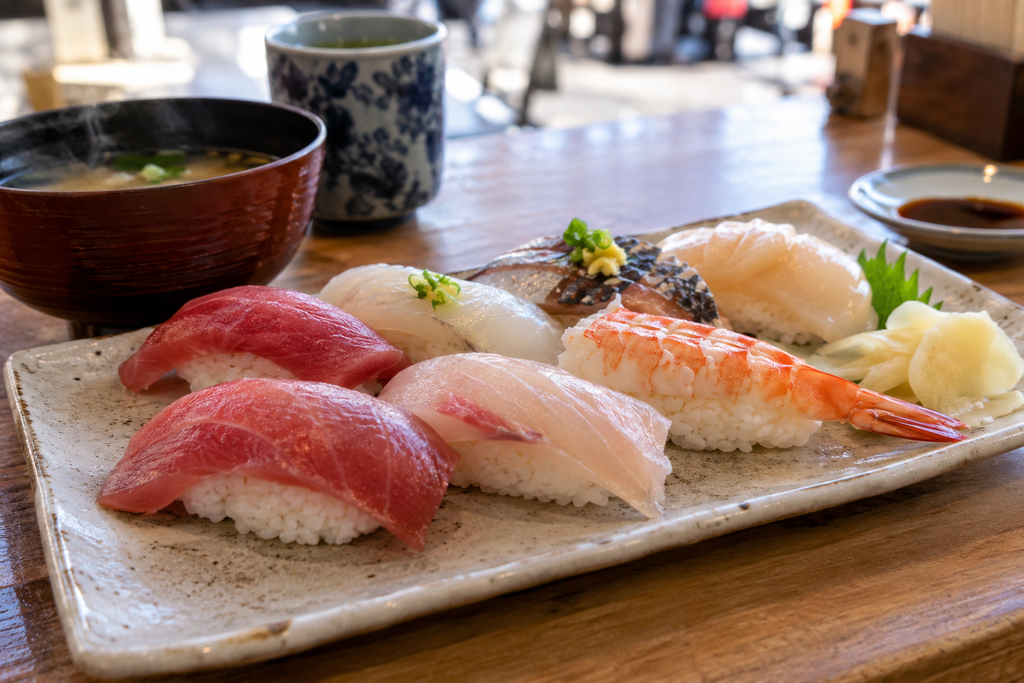
Shimonoseki brings a maritime ending to a Yamaguchi journey. Around Karato, a meal and a waterfront walk provide a relaxed way to experience the city’s relationship with the Kanmon Strait.
Karato Market is well known for seafood, but check what is happening on your chosen day. Its Ikiiki Bakangai food event is generally held on Fridays, Saturdays, Sundays and public holidays, rather than every weekday. The official calendar distinguishes visitor food-event dates from wholesale-market schedules.
Choose a few items you want to try and follow the vendor’s ordering and seating instructions. If the event is not running, arrange a restaurant meal instead of expecting the same stalls and atmosphere.
Fugu is a well-known local specialty, but it is only one part of the city’s seafood culture. A regular sushi or cooked-fish meal can be equally enjoyable. For a specific dish, check the restaurant’s menu and reservation arrangements before arriving.
Japanese Perspective: Markets Have Their Own Working Rhythm
A market is a place of trade as well as a visitor attraction. Keep passages clear, ask before photographing staff and avoid handling products unless invited. Buying food with a little patience and attention makes the experience smoother for everyone.
Practical Information for Your First Yamaguchi Trip
Getting There and Around
The Sanyo Shinkansen serves several stations in the prefecture, including Shin-Iwakuni, Shin-Yamaguchi and Shin-Shimonoseki. Choose your arrival station according to your first destination rather than assuming one station serves the whole prefecture.
Local buses and trains are important for the final part of the journey. The prefecture’s transport guide is a useful starting point, followed by current operator timetables for your travel date.
Hagi and the northern coast require more planning than destinations beside the Shinkansen corridor. A rental car can make rural combinations easier, while a car-free trip works best with fewer stops and carefully checked connections. Save the return timetable before starting an excursion.
Where to Stay
Iwakuni suits an eastern arrival and a bridge-focused visit. Hagi rewards an overnight stay if you want unhurried time in the old town. Accommodation near Shin-Yamaguchi can help with onward rail connections, while Shimonoseki is convenient for the waterfront and travel toward northern Kyushu.
For a four-day journey, changing bases once or twice may be more practical than repeatedly crossing the prefecture. Check luggage storage and evening meal options before choosing a small or rural property.
Seasons and Packing
Spring and autumn are useful starting points for walking-focused travel. Seasonal flowers and foliage vary each year, so avoid building the entire visit around a predicted peak date.
Summer can bring heat and rain; exposed plateau walks need appropriate preparation. Winter conditions vary between coastal and inland areas, with cold weather potentially affecting travel. Check local forecasts close to departure rather than relying on a general picture of western Japan.
Bring comfortable shoes, rain protection and a light layer for changes in conditions. Keep some cash for smaller businesses and local transport, and confirm payment options for major bookings.
A Manageable Four-Day Yamaguchi Itinerary
This route suits travelers moving broadly from the Hiroshima side toward northern Kyushu. It requires checking actual connections and does not include every attraction above.
- Day 1 — Iwakuni: Visit Kintaikyo and explore its surroundings. Stay locally or make a planned evening transfer toward your next base.
- Day 2 — Hagi: Allow for the journey, then focus on the castle-town streets and one craft or historical visit. Stay overnight rather than rushing away immediately.
- Day 3 — Akiyoshidai and Akiyoshido: Dedicate the day to the cave and plateau, with confirmed onward transport. Stay near a convenient connection point for Shimonoseki.
- Day 4 — Shimonoseki: Explore Karato and the waterfront. Match a food-event visit to the calendar, or choose a restaurant lunch before traveling onward.
Add a fifth day for Motonosumi and a northern-coast stay, subject to the shrine’s access calendar. If traveling entirely by public transport, simplify the route further whenever connections leave too little sightseeing time.
Frequently Asked Questions
How many days do I need in Yamaguchi?
Four days is a useful starting point for several main areas. Two or three days can work if you select fewer destinations. Add time for the northern coast.
Can I visit without a rental car?
Yes, but plan around local transport. Iwakuni, Shimonoseki and selected bus-linked destinations are easier to organize than a flexible coastal circuit.
Are Akiyoshidai and Akiyoshido the same place?
They are related but different experiences: Akiyoshidai is the limestone plateau, while Akiyoshido is a cave beneath the area. Allow time for both and for moving between visitor access points.
Is Kintaikyo entirely the original bridge from 1673?
No. Its history includes rebuilding and maintenance. The inherited design and construction knowledge are important parts of its heritage.
Can I walk through Motonosumi’s torii gates every day?
No. The official 2026 schedule includes restricted dates. Check the current notice before making a special journey.
Does Karato Market serve its famous visitor food event daily?
No. Ikiiki Bakangai generally runs on Fridays, weekends and public holidays. Confirm the event calendar, which differs from wholesale-market operations.
Continue Exploring Japan
Browse our Japan Travel collection to plan the next part of your trip. If your journey continues farther south through Kyushu, see our Kagoshima travel guide for another region where landscapes, local history and food shape the experience.