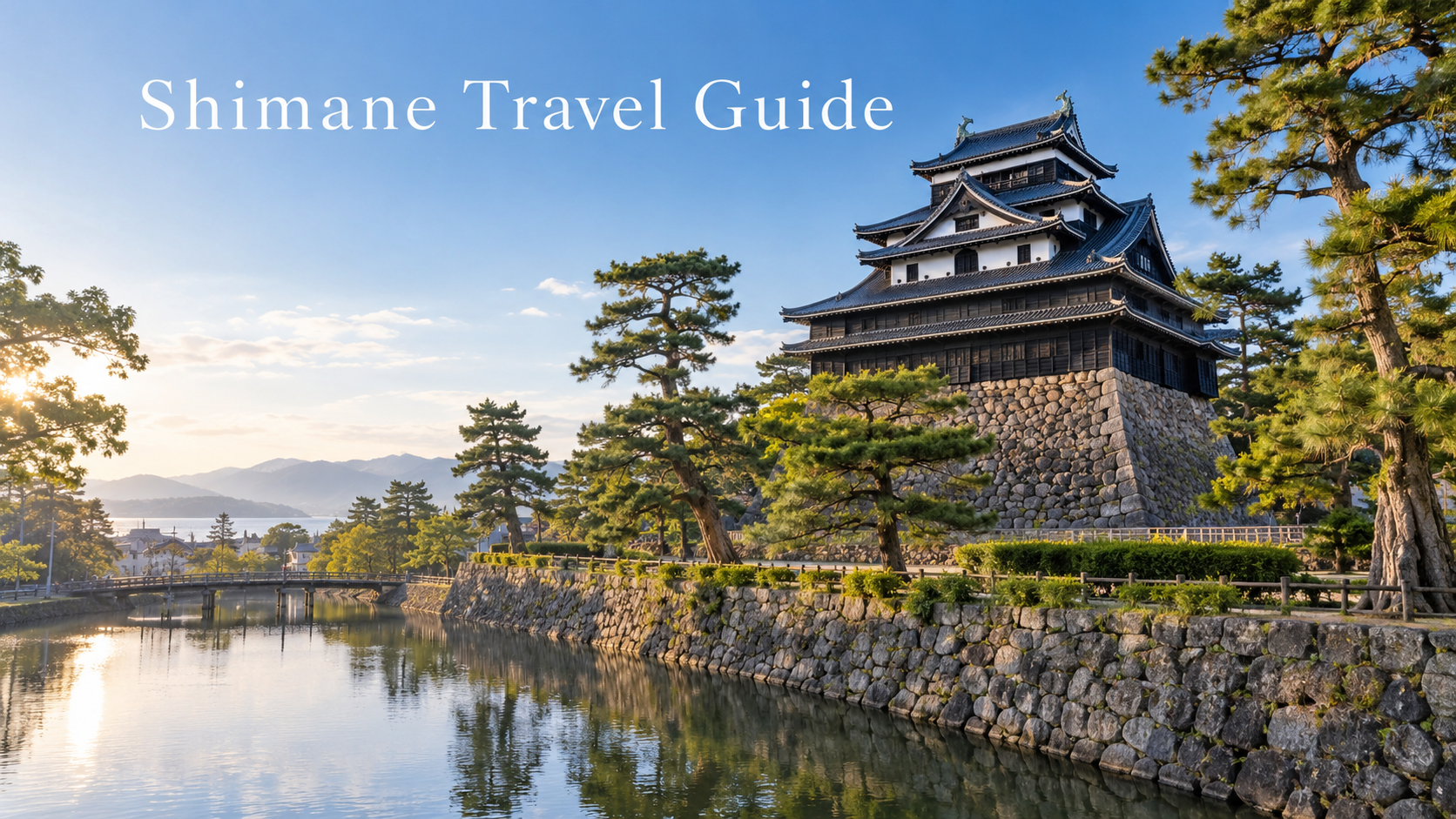
Shimane invites you to slow down. A shrine visit can lead into a conversation about human connections; a castle walk can end with matcha and a seasonal sweet. At Lake Shinji, the evening’s main attraction may simply be the changing color of the sky.
On the Sea of Japan coast in western Honshu, this prefecture brings together sacred places, historic towns, gardens and regional food. Its sights are spread out, so a rewarding trip begins with choosing a manageable area rather than trying to cover everything.
This Shimane travel guide focuses on Matsue, Izumo and Yasugi for a first visit, with Iwami Ginzan as an additional excursion. Three full days suit the eastern highlights. Add another day or more for the mining heritage landscape and its surrounding towns.
Why Visit Shimane?
Shimane is a good choice if you enjoy understanding a place through small details: the texture of an old wooden building, the way soba is served, or the relationship between a garden and the hills beyond it.
The prefecture also connects naturally with a broader Sanin trip, the region along this side of western Honshu. However, distances matter. Eastern Shimane, the Iwami area farther west and the offshore Oki Islands should be treated as distinct parts of a journey.
For a first stay, Matsue offers a useful base. From there, plan dedicated outings to Izumo and the Adachi Museum of Art rather than collecting both between train departures.
1. Izumo Taisha: A Shrine Associated with Connections
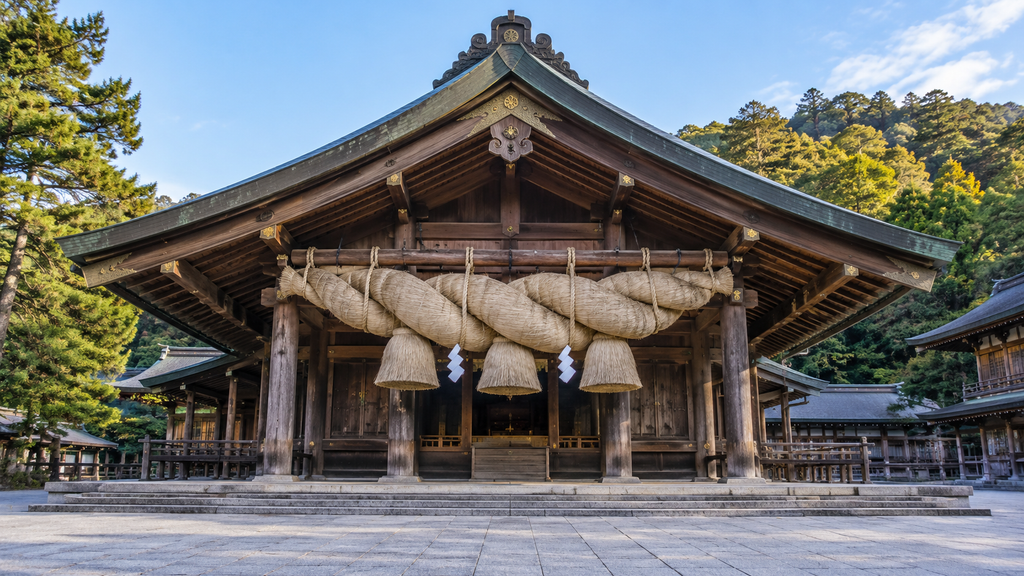
Izumo Taisha, also called Izumo Oyashiro, is one of Japan’s major Shinto shrines. Its roots appear in early written traditions, although its precise founding date is uncertain. The broad approach, mature trees and substantial wooden buildings make the visit feel different from a quick stop at a neighborhood shrine.
Give yourself time to understand the precincts. The huge sacred straw rope often seen in photographs hangs at the Kaguraden hall; it should not be confused with the main sanctuary. Sacred ropes, called shimenawa, help mark a boundary associated with sacred space.
Follow the shrine’s own guidance when praying: two bows, four claps and one final bow. This differs from the two-clap sequence familiar at many other shrines. You can also observe respectfully without participating.
Afterward, browse the approach street and sit down for Izumo soba. Inasa-no-hama Beach makes a possible extension if you have enough time and suitable weather, but check onward transport before walking farther from the main visitor area.
Japanese Perspective: Enmusubi Is Broader Than Romance
Izumo is closely associated with enmusubi, often translated as matchmaking. That translation can make the idea sound exclusively romantic. A more useful introduction is the formation of meaningful connections between people and in life.
You do not need to arrive with a relationship wish to appreciate the shrine. Consider the people and encounters that have shaped your own life, while remembering that this is a living religious place. Keep paths clear and give worshippers space.
2. Matsue Castle and the Old Town
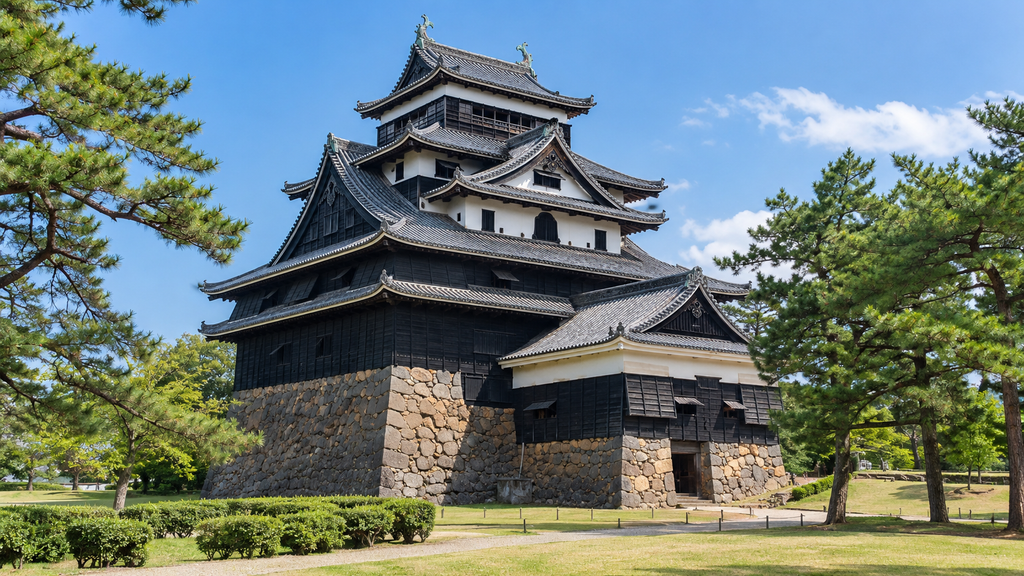
Completed in 1611, Matsue Castle preserves an original historic keep and is designated a National Treasure. Its dark exterior and substantial interior timbers make it a memorable place to encounter Japanese castle architecture.
Allow time for the grounds as well as the keep. Inside, steep wooden stairs require care; check accessibility information if stairs are difficult for anyone in your group. The castle is best enjoyed without carrying large luggage.
Continue toward Shiomi Nawate, where the moat and historic streetscape help explain the shape of the former castle town. Choose a museum or historic residence according to your interests, then leave time for tea rather than filling every available hour.
A sightseeing boat trip around the castle waterways can offer another perspective. Check the day’s operation and boarding arrangements before planning around it, especially in poor weather.
Japanese Perspective: Tea as Part of the Visit
Matsue’s tea culture is associated with Matsudaira Harusato, known as Lord Fumai, a feudal lord and tea practitioner. Matcha and Japanese sweets are a natural part of exploring the city, not an activity that requires advanced knowledge.
At a casual tea service, follow the host’s instructions and enjoy the balance between a sweet and the tea’s bitterness. Notice the sweet’s seasonal shape or color. This small pause can reveal as much about the city’s cultural character as another sightseeing stop.
3. Lake Shinji: Leave an Evening Unscheduled
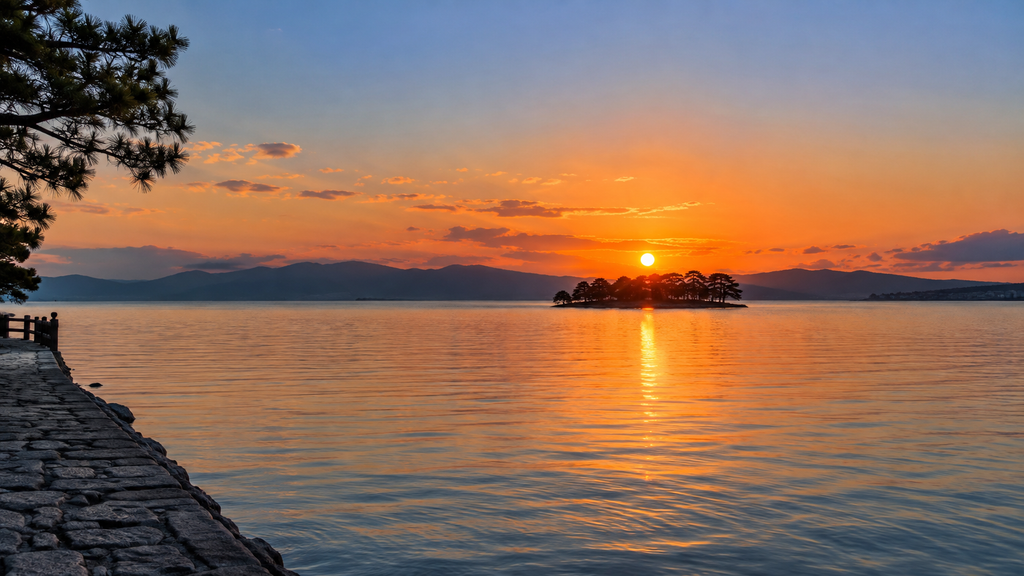
Lake Shinji stretches between the Matsue and Izumo areas and is known for its sunset views. From the Matsue side, an open waterfront view can provide a gentle end to a day of walking.
The experience depends on the weather. A clear horizon may bring strong colors, while clouds can create a quieter, softer scene. Avoid treating a sunset photograph as something that can be guaranteed or reserved.
Check the sunset time for your date and arrive before it. Choose a public viewing area with a straightforward route back to your accommodation. The lakeshore can feel cool or windy even after a warm afternoon.
The lake also connects the scenery to local food. Shijimi clams are a regional specialty, commonly encountered in soup. Trying them at breakfast or dinner gives the landscape another point of connection with daily life.
4. Adachi Museum of Art: A Garden You View Like a Painting
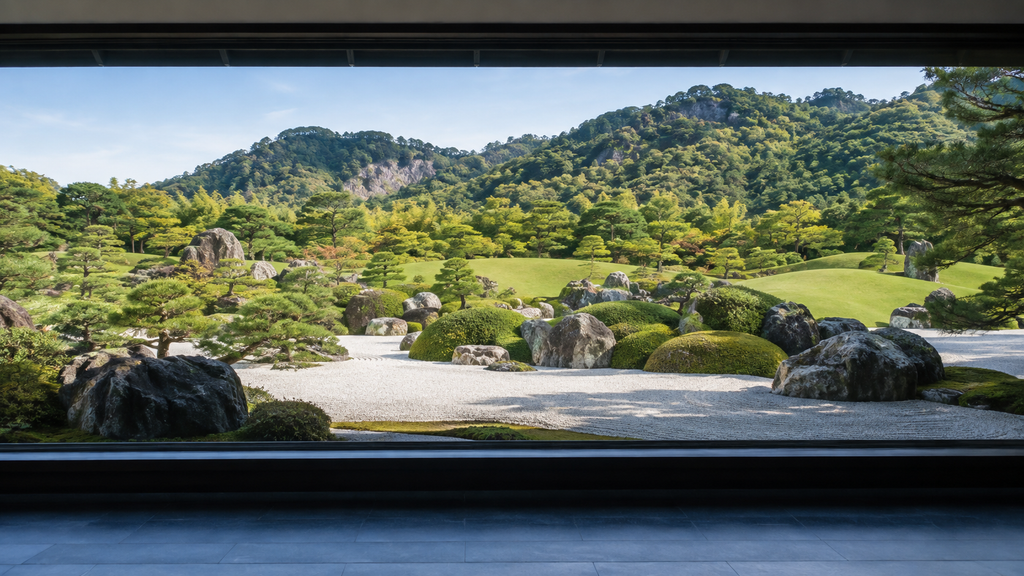
The Adachi Museum of Art in Yasugi pairs Japanese art with carefully maintained gardens. White gravel, pines, stones and surrounding hills form compositions that change with the season and your viewing position.
One practical detail matters: visitors view the gardens from the museum building and designated viewing areas; they cannot walk into the gardens. Plan for looking closely rather than strolling across the gravel or moss.
Allow a generous half-day including transport, especially if you want to spend time with the exhibitions. JR Yasugi Station has a museum shuttle connection. Check the current timetable, capacity arrangements and return procedure on the museum’s website before traveling.
Japanese Perspective: Looking Is an Activity
A garden visit does not have to involve constant movement. Try staying at one window and noticing the relationship between foreground stones, middle-distance trees and hills beyond the grounds. The scene can feel different as clouds pass over it.
You do not need to identify every design principle. Giving one view your full attention is a useful starting point. Follow photography restrictions in exhibition spaces, which may differ from the rules for garden views.
5. Iwami Ginzan and Omori: History Beyond the Mine
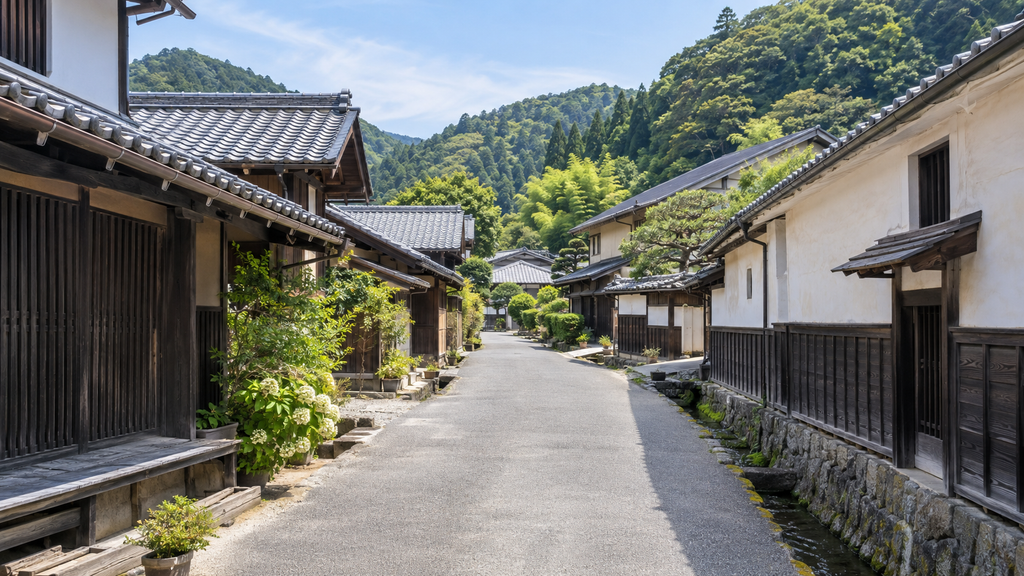
Iwami Ginzan’s UNESCO-listed cultural landscape connects silver mining with the settlements and routes that supported it. The appeal extends beyond entering a tunnel: Omori’s streets, houses and wooded setting help explain how people lived around the industry.
Start with a map and choose a realistic walking route. The World Heritage Center can provide context, while Omori rewards a slower walk among historic buildings and small businesses. Ryugenji Mabu is a mine shaft open to visitors, subject to current operating conditions.
The heritage center, town and mine areas are not one compact attraction beside a railway station. Check local bus connections from the Oda area and allow time for walking between sights. If driving, follow visitor parking guidance rather than assuming you can park at every stop.
Omori is also a residential community. Stay out of private entrances, ask before photographing people and keep noise low along quiet streets. A full additional day is more useful here than a hurried detour from Matsue.
What to Eat in Shimane
Izumo Soba
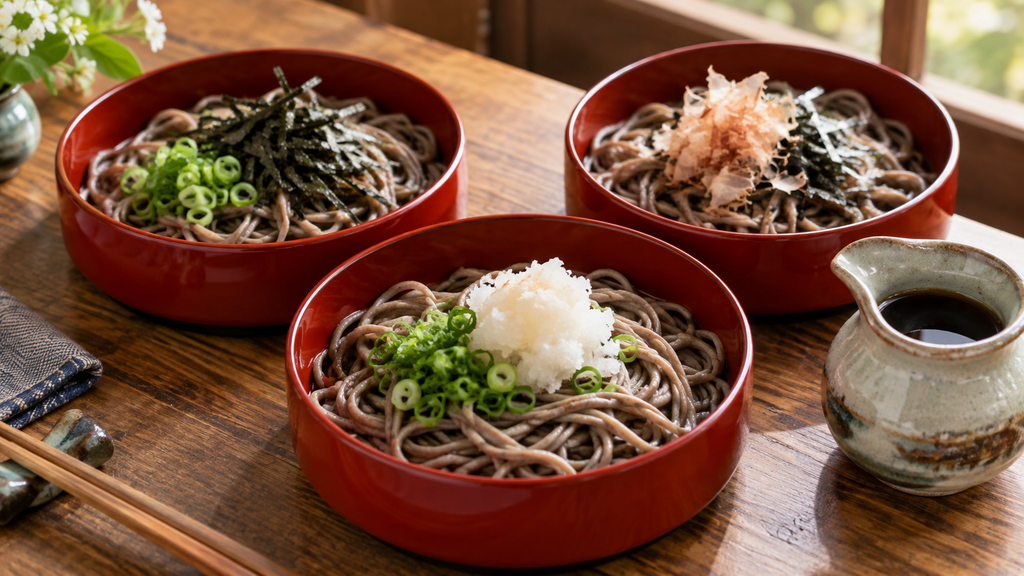
Warigo soba is an approachable introduction to regional food: noodles arrive in small round dishes, often stacked for serving. Add a little sauce and your chosen condiments directly to the noodles, following the restaurant’s guidance.
Izumo soba is typically darker and more rustic in appearance than some other styles. Kamaage soba offers another way to try it, served with the noodle cooking water. Ask which preparations are available rather than assuming every shop has the same menu.
Tea, Sweets and Seafood
In Matsue, look for matcha with wagashi, traditional Japanese confectionery. Along the coast, seafood meals reflect seasonal availability. Shijimi soup is another distinctive local choice.
Travelers with dietary restrictions should ask about ingredients in dipping sauces and stock, not only visible toppings. Soba contains buckwheat and may also contain wheat, while apparently simple broths can contain fish or shellfish.
Practical Information for First-Time Visitors
Getting There and Around
Shimane has no Shinkansen station. One rail approach is to change at Okayama for the Yakumo limited express toward Matsue and Izumo. Check current seat-reservation requirements and connections with JR West.
Izumo Airport is another gateway; Yonago Airport in neighboring Tottori can also be useful for eastern Shimane. Compare the complete journey, including airport transfers, rather than the flight alone.
Trains and buses work for the main eastern itinerary, but services may be less frequent than in major cities. Save the return timetable before starting an excursion. A rental car adds flexibility for rural travel, while city and shrine visits still involve parking and walking.
Where to Stay
Matsue suits castle sightseeing, lake evenings and rail connections. Izumo is convenient for a dedicated shrine day. Tamatsukuri Onsen offers a hot-spring stay near Matsue; confirm transfers, dinner times and bathing arrangements with your accommodation.
For Iwami Ginzan, consider accommodation in the Oda area or a longer westward journey. The Oki Islands need their own transport and weather planning and are not included in this short itinerary.
Best Seasons
Spring and autumn generally offer comfortable conditions for walking. Blossom and foliage timing varies each year. Summer can be hot and humid, with periods of rain; winter can bring cold winds, snow and transport disruption. Check forecasts and leave flexibility around longer connections.
A Realistic Three-Day Shimane Itinerary
Day 1 — Matsue: Explore the castle and a manageable section of the old town. Pause for matcha and a sweet, then visit the Lake Shinji waterfront if the weather suits.
Day 2 — Izumo: Dedicate the day to Izumo Taisha, the approach street and soba lunch. Add Inasa-no-hama only if time and transport allow. Return to your base or stay in Izumo.
Day 3 — Yasugi or an Onsen Stay: Visit the Adachi Museum of Art with time for both gardens and exhibitions. Keep the remaining hours flexible for travel or a prearranged hot-spring stay.
Additional day — Iwami Ginzan: Plan Omori and your selected heritage sights as a separate outing. Check the actual bus connections and walking distances before choosing accommodation or booking onward travel.
FAQ
How many days should I spend in Shimane?
Three full days suit the eastern highlights. Add at least another day for Iwami Ginzan, and more for western towns or the Oki Islands.
Can I visit Shimane without a car?
Yes, especially Matsue, Izumo and the Adachi Museum. Plan around train, bus and shuttle timetables. Rural extensions require more preparation.
Is Izumo Taisha only for couples?
No. The shrine’s association with enmusubi concerns meaningful connections more broadly. Visitors can respectfully appreciate the place regardless of relationship status.
Can I walk inside the Adachi Museum gardens?
No. The gardens are viewed from the museum and its designated viewing spaces. They are not a public strolling garden.
Is Matsue Castle an original castle?
Its historic keep survives from the early seventeenth century. The present castle grounds contain structures and features with different histories, so distinguish the keep from the entire complex.
Can I add the Oki Islands as a quick side trip?
For this itinerary, a separate stay is more practical. Ferry or flight schedules, island transport and weather conditions need their own planning and a return buffer.
Related Japan Guides
Explore more destinations through our Japan Travel collection. For another regional journey, see our Hokkaido travel guide and Aomori travel guide.