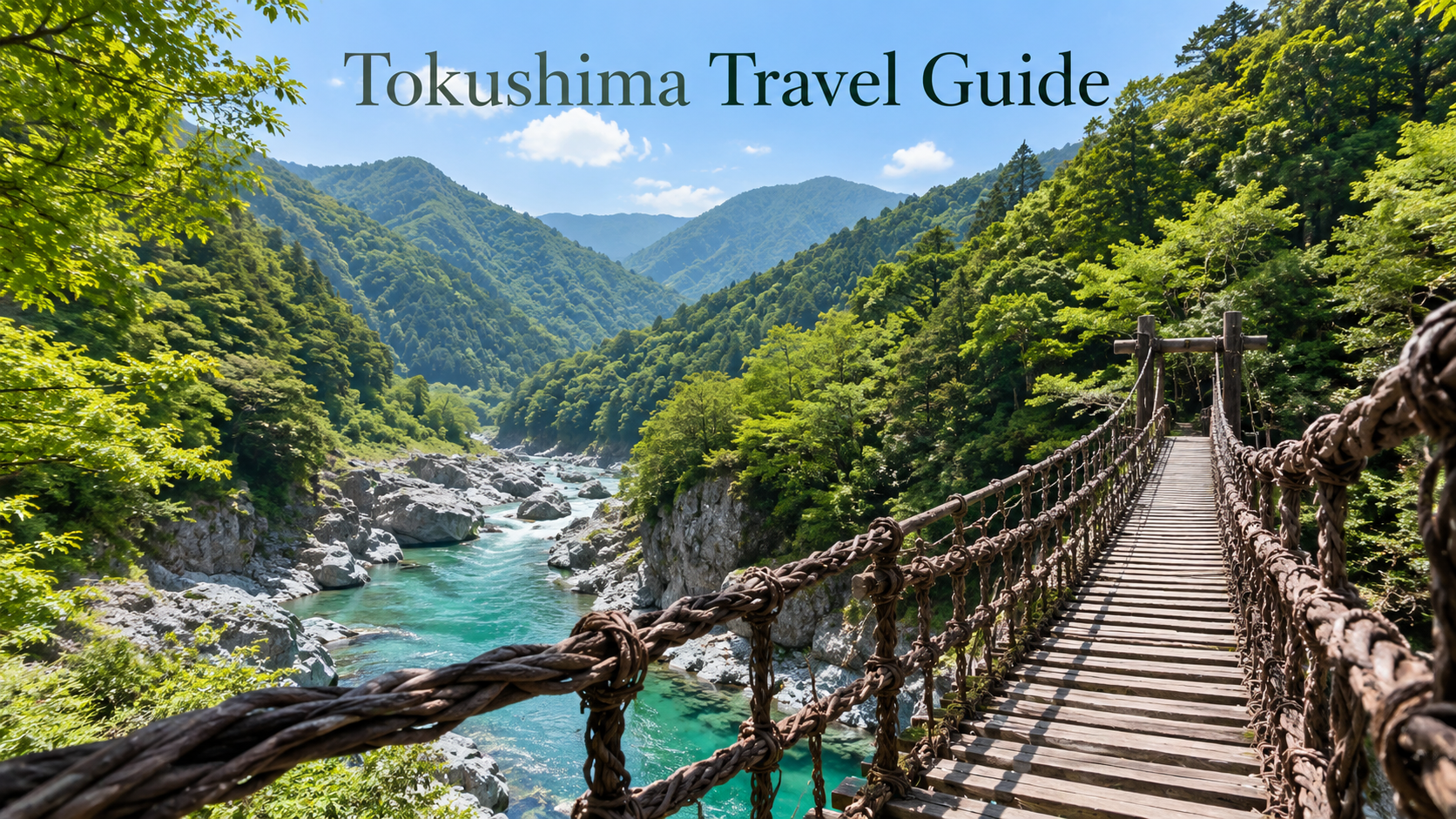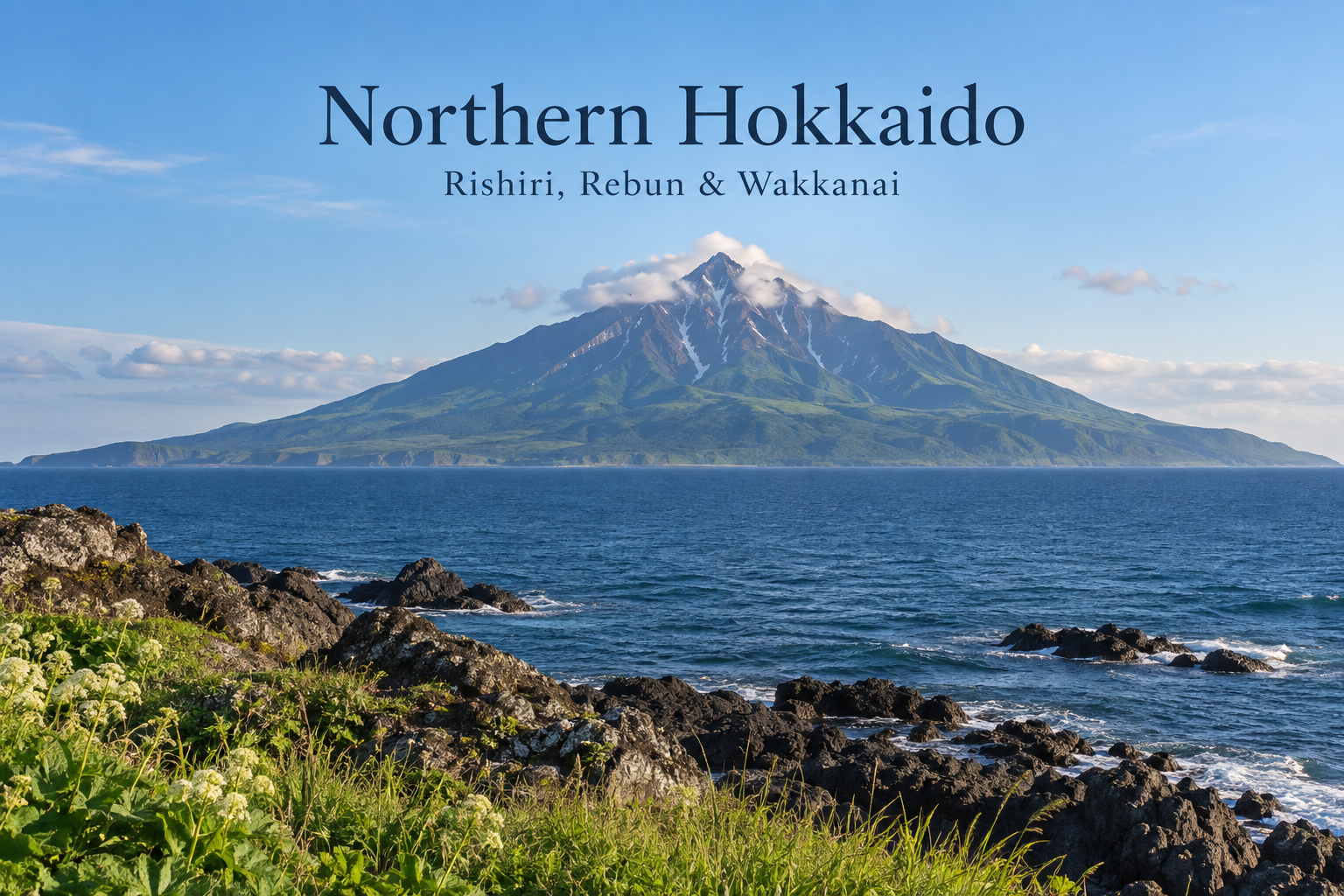
Your next Hokkaido trip could begin beside a forest lake in Shiraoi, in a small restaurant serving charcoal-grilled pork, or along a merchant street facing the Sea of Japan. Beyond the island’s familiar introduction, there are places that reveal its cultural history and the everyday meals of individual towns.
Our Hokkaido Travel Guide for First-Time Visitors introduces Sapporo, Otaru, Furano and Biei, Hakodate, Noboribetsu and Shiretoko, alongside well-known foods such as ramen and soup curry. This companion guide adds different destinations and specific regional dishes to help you plan another visit.
These suggestions cover several parts of Hokkaido. Choose one of the routes below instead of attempting every stop in a short holiday.
The images in this article are original illustrations. They evoke the destinations and dishes described, rather than documenting exact views or restaurant servings.
Choose Your Next Hokkaido Experience
| Interest | Places to consider | Suggested time |
|---|---|---|
| Ainu culture, regional food and lake scenery | Shiraoi, Muroran and Lake Toya | 3–4 days |
| Maritime history and a castle town | Esashi and Matsumae, using Hakodate as a gateway | 3–4 days |
| A food-focused stay | Obihiro and nearby Tokachi | 2–3 days |
These are planning suggestions, not fixed tours. Arrival times, public transport and the season may justify another night.
1. Shiraoi: Learn About Ainu Culture at Upopoy
Shiraoi offers something essential to understanding Hokkaido: an opportunity to learn about the Ainu, an Indigenous people whose culture remains alive today. Beside Lake Poroto, Upopoy brings together the National Ainu Museum, park spaces and cultural programs.
Begin with the museum, then choose a performance or workshop from the day’s timetable. Exhibitions explore subjects including language, history, work and relationships with the natural world. Allow around half a day if you want time to read, attend a program and pause by the lake.
Upopoy is approximately a ten-minute walk from JR Shiraoi Station, making it a practical cultural stop without a rental car. Check the official Upopoy website for opening days and program arrangements. Monday is normally a closing day, with adjustments around public holidays.
Japanese Perspective: Make Space for Ainu Voices
Hokkaido’s history deserves more attention than a quick label about wilderness or pioneers. A useful approach is to listen to how Ainu people present their own language, traditions and contemporary lives. Avoid treating cultural performances as a costume attraction; follow photography instructions and give explanations the same attention as the performance itself.
If you want a meaningful souvenir, consider a book or a craft with clearly identified makers. Knowing who produced an object adds far more to it than a generic “traditional” label.
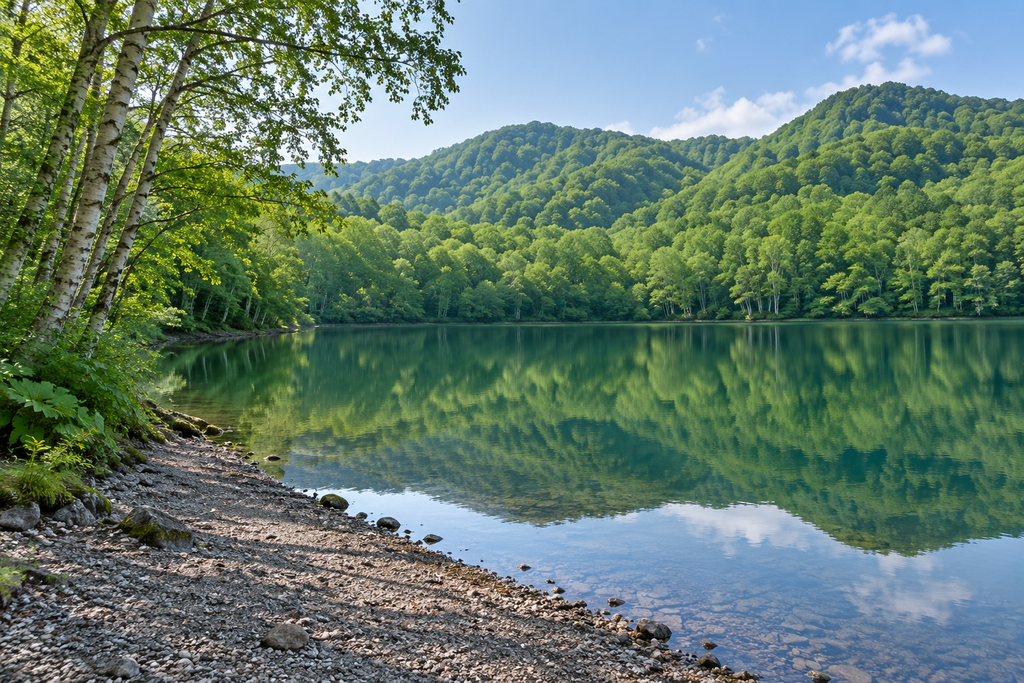
2. Lake Toya: Slow Down Beside a Volcanic Landscape
Lake Toya combines open water, wooded islands and a landscape shaped by volcanic activity. Its lakeside setting gives a stay here a different rhythm: an unhurried walk, changing light across the water and time to sit down between outings.
Toyako Onsen is a convenient overnight base. Choose a lakeside stroll, a cruise or an excursion toward Mount Usu according to your interests and the operating conditions. You do not need to fill every hour to appreciate the area.
For visitors arriving by rail, JR Toya Station and the lakeside resort are separate places. Allow for the onward bus journey, generally around twenty minutes, plus waiting time. The Toyako Onsen Tourist Association’s access page is useful when arranging that connection.
For a one-night visit, arrive early enough to enjoy the waterfront before dinner. Two nights give you flexibility if poor visibility affects your planned outing. Check where your accommodation sits: a hotel described as being in the Lake Toya area may be some distance from the main lakeside bus terminal.

3. Esashi: Merchant Streets and Herring Soba
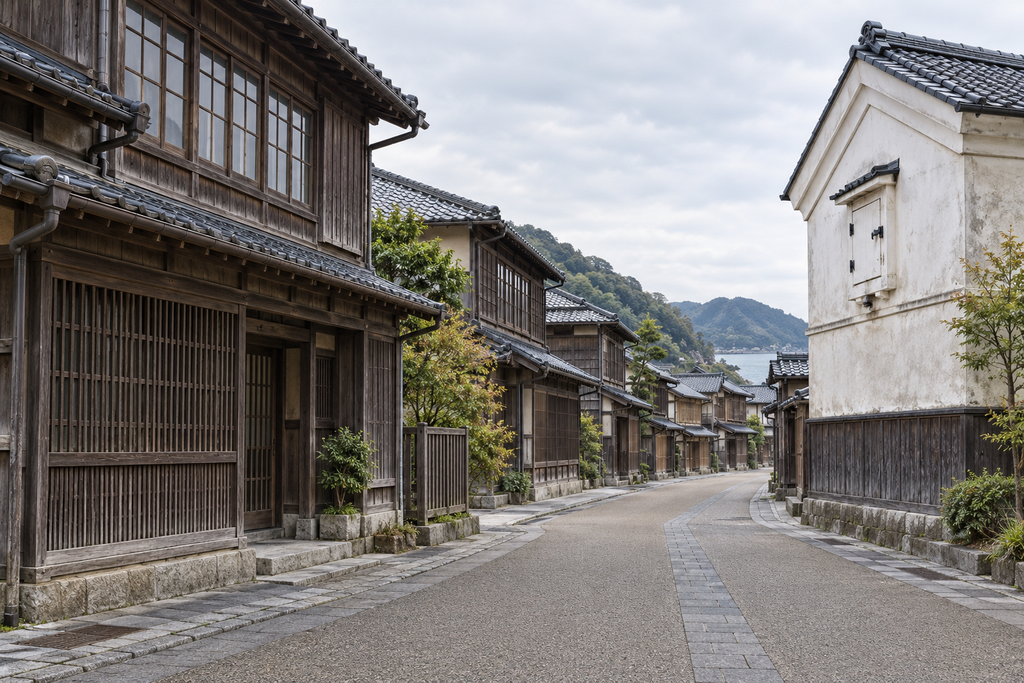
On the western coast of southern Hokkaido, Esashi introduces the island’s maritime trading past. Along Inishie Kaido, merchant houses and storehouses help explain a town whose prosperity was connected to shipping and the herring trade.
Explore at walking pace. Look at the scale of the buildings and the materials used in their facades, then visit an open heritage property or museum to put the streetscape in context. Check individual opening arrangements rather than assuming every historic building welcomes visitors inside.
Esashi Oiwake, the town’s distinctive folk-song tradition, offers another way into that history. If music interests you, check the program at Esashi Oiwake Kaikan before fixing your visit; a scheduled performance can give the day a useful focal point.
What to Eat: Nishin Soba
Nishin soba pairs buckwheat noodles with herring, commonly simmered with a sweet-savory seasoning. It makes an appealing lunch after exploring the merchant district and connects a meal to the town’s maritime story.
Herring soba is also found elsewhere in Japan, so it is better understood as a food with a meaningful local connection than something exclusive to Esashi. Check a restaurant’s actual menu and opening day before building your lunch around it.
4. Matsumae: A Castle Town in Southern Hokkaido
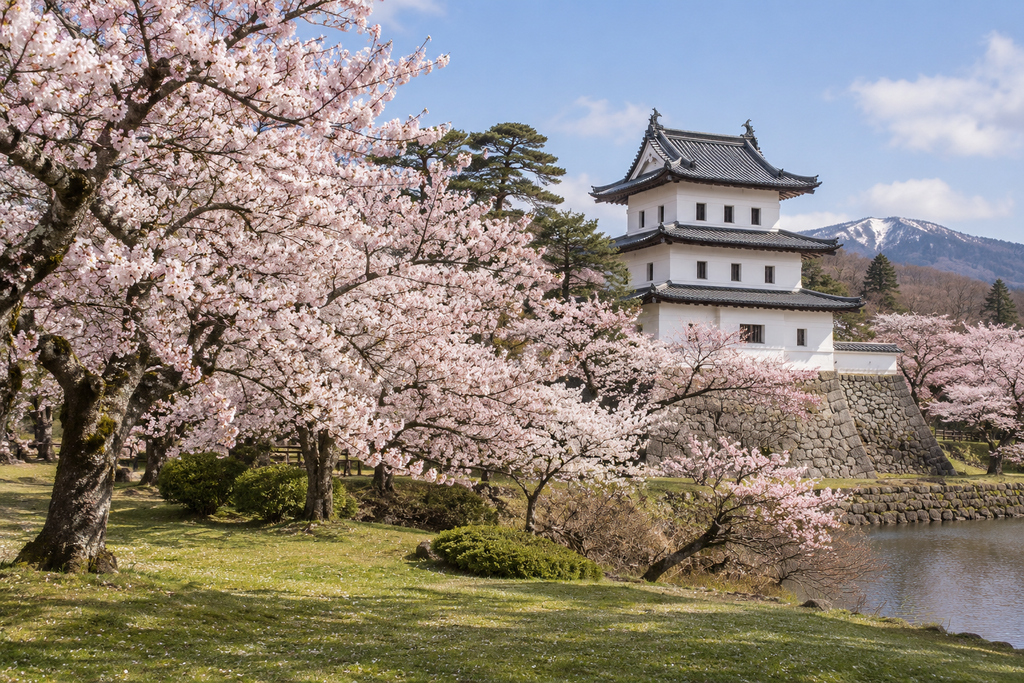
Matsumae brings castle-town history into a Hokkaido itinerary. The present castle keep is reconstructed, while the Honmaru Omon gate is an important surviving historic structure. That distinction makes it easier to appreciate both the preserved fabric and the museum’s interpretation of the past.
Combine the castle area with a walk through the nearby temple district. Spring adds cherry blossoms, although the best timing varies with the weather and the varieties in bloom. Plan from current flowering reports rather than assuming your dates will match photographs from another year.
Matsumae takes commitment to reach. It works well as part of a southern Hokkaido trip with an overnight stay nearby. If using public transport, confirm the full rail-and-bus connection and the last return service before departure. A car offers more flexibility for linking Matsumae and Esashi, but the coastal journey still deserves its own time.
5. Obihiro: Make Butadon the Reason for a Visit
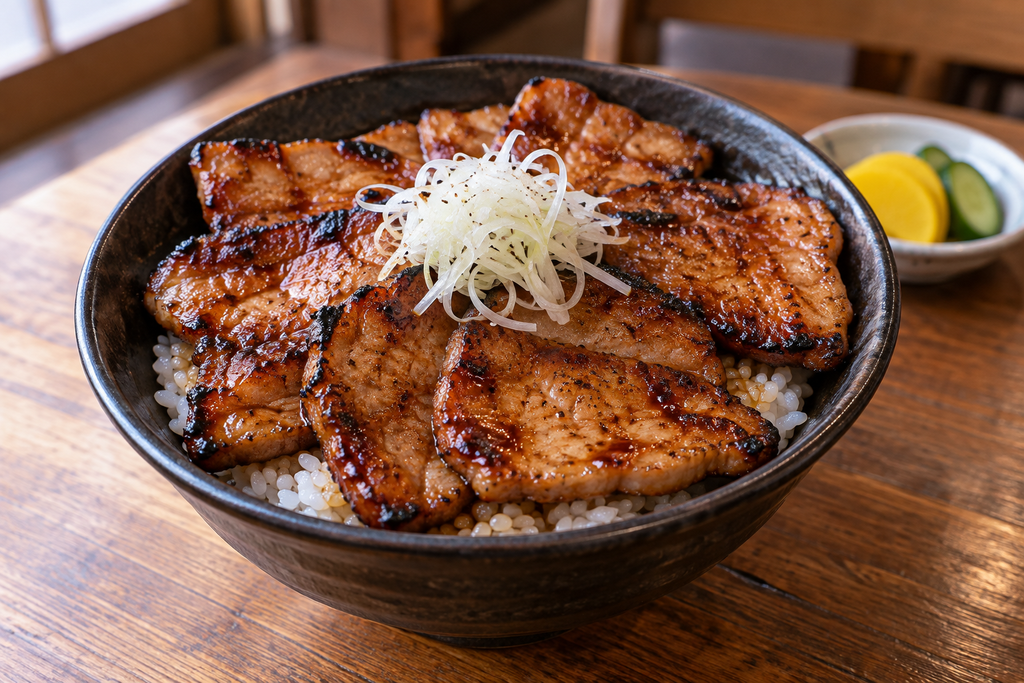
Obihiro, in the Tokachi region, is a rewarding choice for travelers who enjoy organizing a day around a local meal. Its signature butadon is a bowl of rice topped with substantial slices of pork and a sweet-savory sauce.
The contrast is the attraction: browned edges, tender meat and sauce soaking into the rice below. Some shops emphasize charcoal aroma; cuts and portion sizes also vary. Check whether the menu offers loin, belly or a combination, and order according to your appetite.
Butadon is a straightforward dish, yet comparing two versions over a short stay can be more interesting than searching for a single definitive winner. Leave room between meals and explore central Obihiro on foot rather than rushing immediately to the next restaurant.
Japanese Perspective: Understand a Place Through Its Everyday Food
The idea of gotōchi gurume, or local specialty food, is a useful way to approach regional travel in Japan. A modest bowl or skewer can tell you about ingredients, work and the habits of a town. It also gives a smaller destination a reason to remain in your memory after its best-known view has faded.
For Obihiro, make a food-focused stay the main plan. Add countryside outings only after checking their distance and transport. Tokachi is a broad region, and a hotel near the station does not make every rural attraction easy to reach.
6. Muroran: Try the Pork Dish Called Yakitori
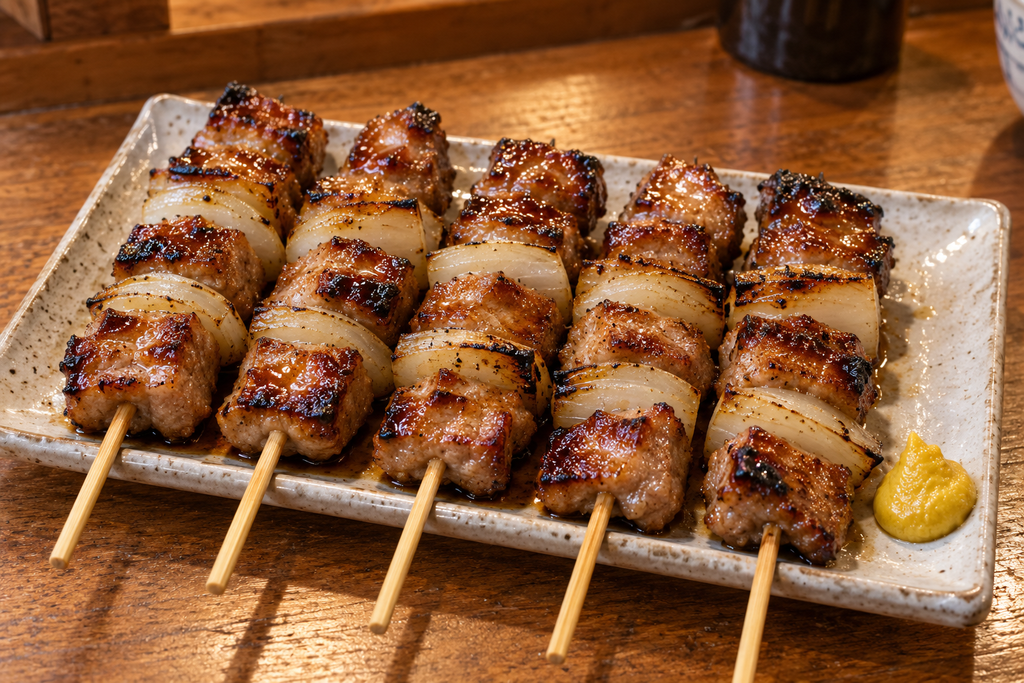
Muroran yakitori offers a small surprise for anyone who associates yakitori only with chicken. The characteristic local version uses pork and pieces of onion, finished with sweet-savory sauce and served with sharp karashi mustard.
This food tradition is associated with Muroran’s industrial history and workers’ meals. Today, it offers a good reason to make space for dinner in the city. Order a few skewers first, taste the mustard cautiously, and then decide whether you want another round.
If you avoid pork, ask about ingredients before ordering; translating the dish name literally will not be enough here. For any dietary restriction, show a clear written explanation and check sauces as well as the main ingredient.
An overnight stay makes an evening meal easier to enjoy. When booking, look at the restaurant’s location in relation to your hotel and station, and check return transport if you are continuing elsewhere that night.
Three Practical Ways to Plan the Trip
Four Days: Shiraoi, Muroran and Lake Toya
Spend the first night near your arrival gateway if your flight lands late. On day two, visit Upopoy, then continue to Muroran for dinner and an overnight stay. On day three, travel to Toyako Onsen and spend the afternoon beside the lake. Use day four for a short lakeside morning and the return journey, keeping enough time before your flight.
Reorder the days if Upopoy’s closing day falls within your trip. With an early arrival and suitable connections, you could shorten this to three days, but four gives more breathing room.
Four Days: Esashi and Matsumae
Use Hakodate as the arrival and departure gateway, with the first night there if needed. Travel to Esashi on day two, explore the heritage area and stay locally. Continue to Matsumae on day three for the castle and temple district, then return toward Hakodate on day four.
This suggestion is most straightforward with a car in suitable road conditions. Public-transport travelers should build the route around actual bus timetables; returning through a transport hub or allowing another day may work better than following the same sequence.
Two or Three Days: Obihiro
Stay centrally, plan one butadon meal and leave the rest of your time open for another restaurant, a neighborhood walk or an individually chosen outing. Use the extra day for a prearranged excursion if you want to see more of Tokachi. Treat this as a separate eastern Hokkaido stay rather than a quick detour from Matsumae.
Seasons and Booking Tips
For lake walks and travel between smaller towns, late spring through early autumn is a practical starting point. Matsumae’s cherry blossoms offer a spring focus, while a food-and-museum trip can also work outside the warmest months.
Winter requires a different transport plan. If you lack experience on snowy roads, use rail, buses or an arranged transfer and allow spare time for weather disruption. Check whether seasonal facilities are operating before reserving an overnight stop around them.
Reserve accommodation before committing to a rural route, then work backward through the transport connections. Confirm dinner arrangements when staying in a small town: a room booking does not necessarily include a meal, and a nearby restaurant may close early or on your arrival day.
FAQ: Exploring More of Hokkaido
Are these places suitable for a first visit too?
Yes. Choose the ones that fit your interests and route. Shiraoi and Lake Toya are especially useful additions when cultural learning and a slower lakeside stay matter more to you than covering several cities.
Do I need a rental car?
No for every destination. Upopoy is walkable from Shiraoi Station, and Lake Toya has an onward bus connection from Toya Station. A car becomes more useful for a combined Esashi–Matsumae route and rural Tokachi outings.
Is Upopoy only about the past?
No. It introduces Ainu culture and the people keeping it alive. Approach the museum and programs as opportunities to understand both history and contemporary cultural life.
Is Muroran yakitori chicken?
The signature local style uses pork and onion. Restaurants may sell other skewers, so check the individual item rather than assuming everything follows one recipe.
Can I visit all six places in four days?
That would leave too much of the trip to travel. Choose one route, with time for meals and local connections. Obihiro is particularly awkward to combine with the far southwest on a short visit.
What should I read before planning transport?
Start with our first-time Hokkaido travel guide for the island-wide overview. Then check current operator timetables for the particular stations, buses and dates you intend to use.