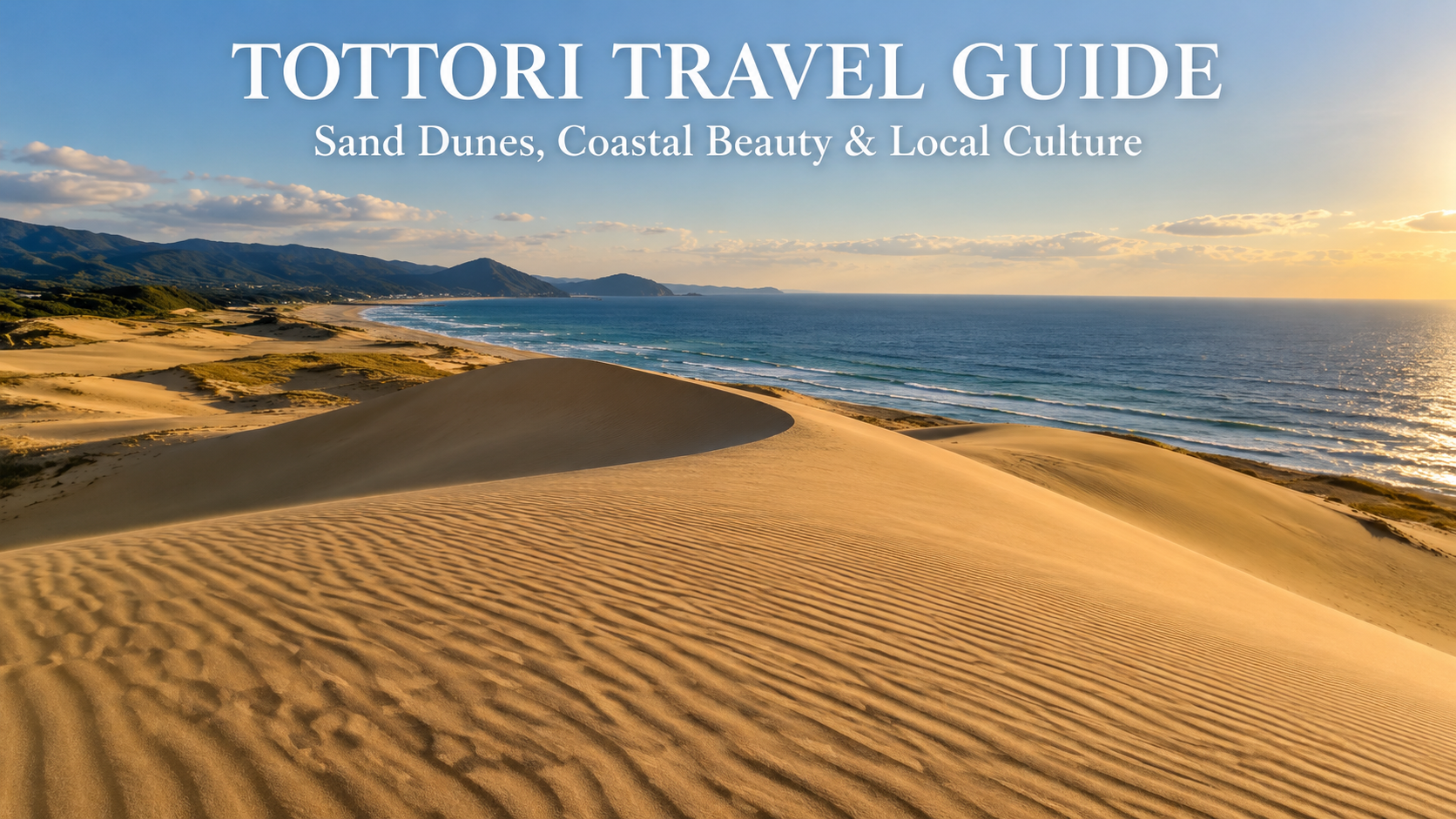
Tottori offers a different rhythm from Japan’s largest cities. Here, a day might begin on a sand ridge above the sea, continue through a town of white-walled storehouses, and end with a meal shaped by local fishing or farming.
The prefecture stretches along the Sea of Japan in the Chugoku region. Its eastern side includes Tottori City and the famous dunes, while the west offers Mount Daisen, Yonago, and the port town of Sakaiminato. Between them, Kurayoshi adds a quieter historical stop.
This Tottori travel guide introduces the main places to visit, regional food, and practical ways to plan your route. Japanese Perspective sections explain the cultural context behind the landscapes, streets, and stories you encounter.
1. Walk Across the Tottori Sand Dunes
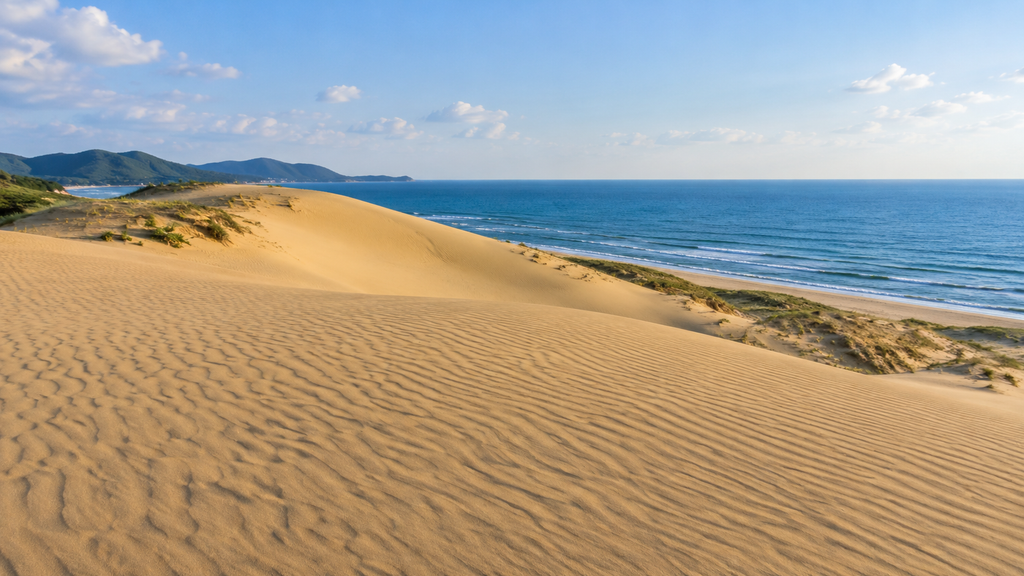
The Tottori Sand Dunes are the prefecture’s signature landscape. Wind-shaped sand stretches toward the Sea of Japan, and climbing a ridge reveals a striking meeting of beach, water, and sky. These are coastal dunes, rather than a desert climate transplanted into Japan.
The experience changes with the light and weather. Earlier or later in the day can be appealing for photography, but wind, cloud, and recent rain all affect the appearance of the sand. Pristine ripples are never guaranteed.
Walking uphill on loose sand takes more effort than a paved walk. Wear suitable shoes, bring water and sun protection, and allow time to return to the entrance. The exposed landscape offers little shade. Visitors with mobility needs should consult local accessibility information before planning to cross the dunes.
Japanese Perspective: Treat the Landscape as Something Shared
The dunes are a protected natural setting. Local guidance prohibits taking sand away, drawing or writing on it, and swimming at the beach directly beyond the dunes. Follow the visitor center’s instructions and leave the patterns for the next person to enjoy.
The nearby visitor center can help explain how the dunes formed. The Sand Museum offers another perspective through sculpture, but check its exhibition calendar before adding it to your day; displays and closure periods change.
2. Explore the Uradome Coast
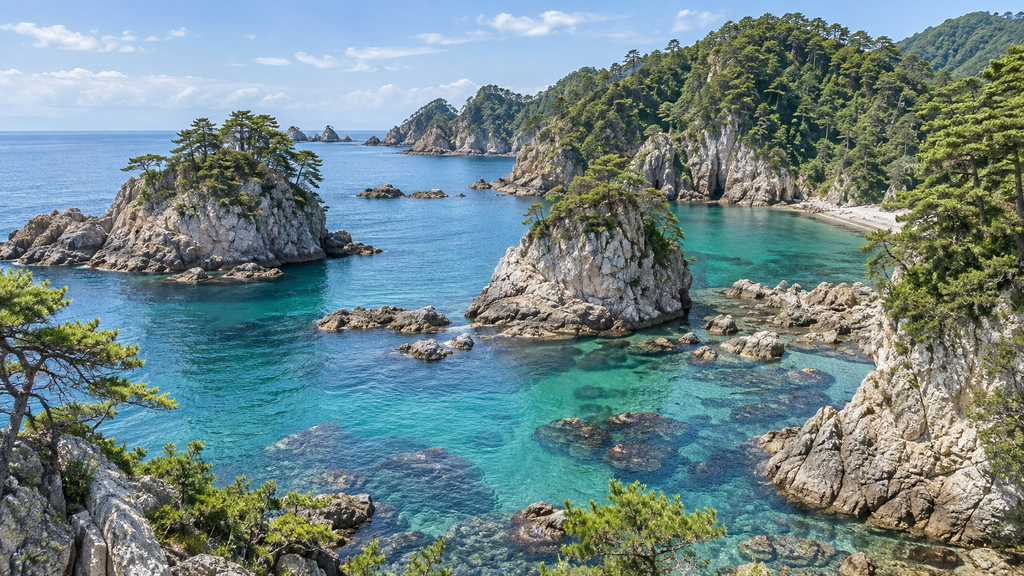
East of Tottori City, the Uradome Coast offers rocky headlands, small islands, and coves where clear water reveals a different side of the prefecture. Pines growing above the rocks add a distinctly Japanese coastal character.
A sightseeing boat can provide views that are difficult to appreciate from the road. If you prefer to remain on land, choose an established coastal viewpoint or a suitable walking section. Check the terrain before assuming a short route will be level or easy.
Boat trips depend on operating schedules and sea conditions. Confirm departures on the day and keep a land-based alternative available. The bright turquoise water often seen in photographs also depends on sunlight and weather, so arrive with room for a different atmosphere.
Planning tip: Uradome and the dunes can form an eastern-Tottori stay, but public transport connections need attention. Check the return bus as carefully as the outward journey, especially if you are combining a cruise with another attraction.
3. Slow Down in Kurayoshi’s White Wall District
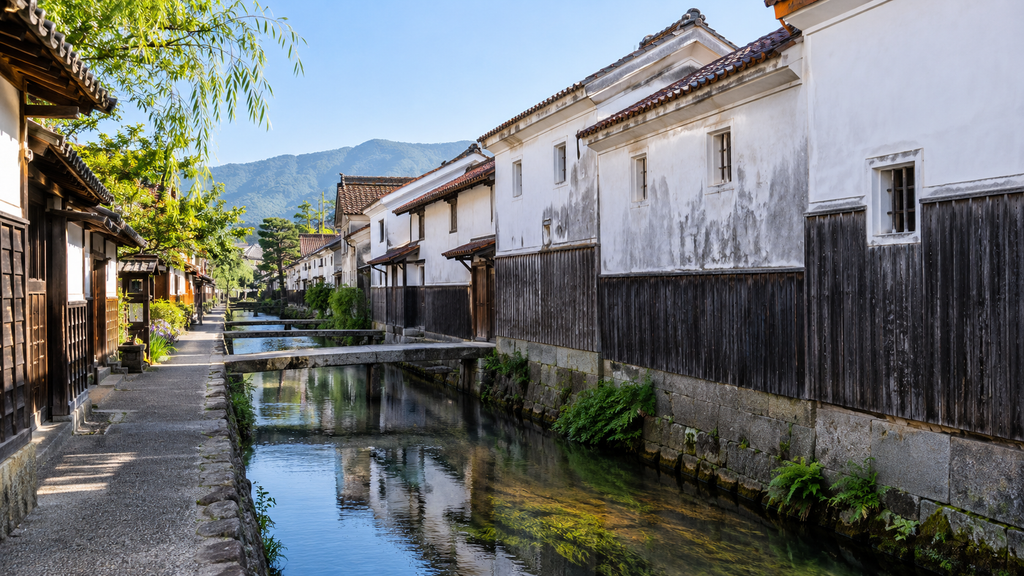
Kurayoshi’s Shirakabe Storehouses district introduces a smaller-scale historical experience. White plaster walls, dark timber, red tiled roofs, and waterways give the streets a distinctive appearance. The preserved buildings reflect the area’s commercial past, with structures dating from the Edo and Meiji periods.
Walk slowly, look at the small bridges and building details, and leave time for a shop or café. The appeal is in the streetscape and everyday scale rather than one enormous landmark.
The historic district is separate from Kurayoshi Station, so include the local bus or taxi journey in your plan. Check individual shop opening days if there is something you especially want to visit.
Japanese Perspective: Historic Streets Are Still Used
A preserved district can also be a place where people work and live. A photogenic doorway is not necessarily a public entrance. Keep crossings clear, ask before photographing staff, and respect signs distinguishing shops from private spaces. Buying a locally made item can add a personal connection to the visit.
4. Discover Mount Daisen’s Scenery and Sacred History
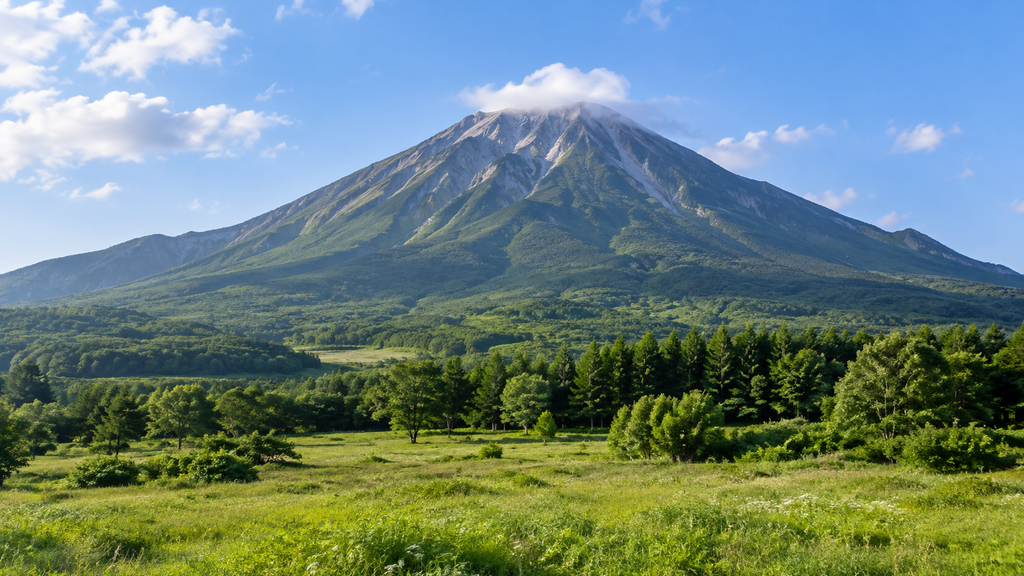
Mount Daisen dominates western Tottori’s landscape. Its shape changes with the viewing direction, and its foothills offer a rewarding visit even if you have no plans to climb.
Begin around the Daisen temple area and use local visitor information to choose a walk that suits your time and ability. Daisenji connects the mountain to a long history of religious practice. Forest approaches, stone paths, and temple buildings give the landscape meaning beyond its appearance.
A summit hike is a separate undertaking from a village or temple walk. It requires suitable equipment, fitness, an early start, and current weather and trail information. Winter conditions call for specialist preparation; do not treat a snowy mountain route as ordinary sightseeing.
Japanese Perspective: Mountains Can Be Religious Places
Daisen has a history of mountain worship and religious training. For visitors, this means that a forest route may also be a sacred approach. Follow signs, keep voices considerate near worship spaces, and avoid entering restricted areas for a photograph.
Planning tip: Yonago is a useful gateway, but onward buses are less frequent than city transport. Check the complete return journey before leaving. A foothill visit is enough for travelers who want scenery and cultural context without a climb.
5. Visit Sakaiminato for Port Life and Yokai Stories
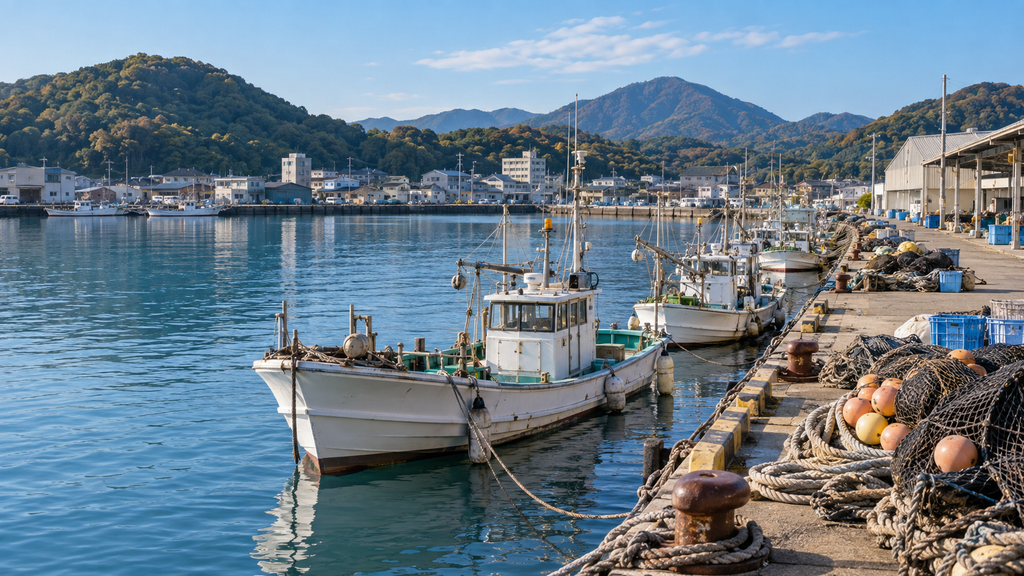
Sakaiminato combines a working fishing-port identity with a strong connection to manga artist Shigeru Mizuki. Mizuki Shigeru Road and the memorial museum introduce the imaginative world associated with his work, including GeGeGe no Kitaro.
You do not need to know the manga before visiting. The street provides an approachable introduction, while the museum adds context about the artist and his creative life. Check the museum’s current visitor information if it is a priority.
Leave time for a seafood meal or a look at the town beyond the character-themed attractions. Port businesses have their own schedules, and working quays are not automatically open sightseeing spaces. Stay in public areas and avoid obstructing fishing activity.
Japanese Perspective: Yokai Are More Than “Monsters”
Yokai is a broad term for strange beings and supernatural phenomena in Japanese storytelling. They can be frightening, playful, or puzzling. Mizuki’s work helped introduce these traditions to new audiences, so Sakaiminato offers a connection between folklore and modern popular culture.
6. What to Eat in Tottori
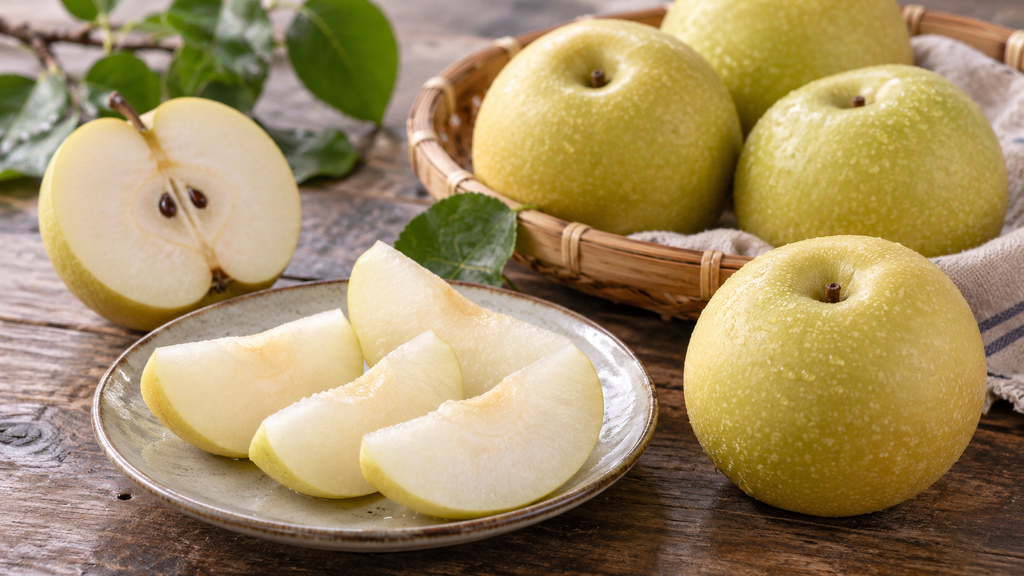
Tottori’s nashi pears make an appealing introduction to its agricultural side. The Nijisseiki, or “Twentieth-Century,” pear is associated with the prefecture and is known for its crisp, juicy texture. Fresh fruit is seasonal, while pear-based sweets and other products offer additional ways to try the flavor.
Winter visitors may encounter Matsuba crab, the local name used for adult male snow crab. Availability, preparation, and price vary, so check what a restaurant or accommodation plan actually includes. A crab photograph on a booking page does not mean that every meal plan serves the same dish.
Sakaiminato also has a strong association with red snow crab, a different crab from Matsuba. Asking about the catch and the menu can make a seafood meal more interesting than ordering only by a familiar English label.
For everyday travel, balance a special meal with simpler local options. A café stop in Kurayoshi, seasonal fruit, or a seafood lunch can all contribute to a memorable trip without requiring an expensive dinner every evening.
Best Seasons to Visit Tottori
Spring and autumn are comfortable starting points for a trip with plenty of walking. Conditions still vary between the coast and Daisen, so pack layers and check the local forecast.
Summer can bring beautiful coastal colors, along with heat and strong sun at the dunes. Plan exposed walks conservatively and keep water activities dependent on local guidance and sea conditions.
Winter offers seasonal food and a different landscape, but snow and rough seas can affect transport, mountain access, and boat departures. Choose winter for the experiences available then, rather than expecting the same itinerary as a summer visit.
Getting Around and Where to Stay
Tottori City is a convenient base for the dunes and eastern coast. Kurayoshi works for the central area, while Yonago is useful for western Tottori, including onward trips toward Daisen and Sakaiminato.
Rail links connect the main towns, but the final journey to an attraction often involves a bus. Tottori does not have a shinkansen station. Plan the regional train or highway-bus connection from your previous destination, and check any required reservations.
A rental car can help with coastal viewpoints and rural stops, though it is not essential for every route. Public transport works best when you choose a small number of destinations and build the day around their connections. Carry some cash and save your accommodation name and address in Japanese.
Tottori Airport and Yonago Airport serve different parts of the prefecture. Choose an arrival point according to your route, and confirm current flight and onward-transport options before booking.
A Comfortable Three-Day First Trip
Day 1: Tottori City and the dunes. Arrive with enough time for the sand dunes and visitor center. Add the Sand Museum if its calendar and your arrival time allow. Stay in Tottori City.
Day 2: Uradome Coast. Plan a cruise or coastal walk around weather and transport. Return to Tottori for dinner, keeping the day flexible if the sea is rough.
Day 3: Kurayoshi. Travel west to explore the White Wall District, allowing for the local connection from the station. Continue onward or stay in the central area.
Add two days for western Tottori: use Yonago as a base and give Daisen and Sakaiminato a day each. A summit hike deserves its own weather-dependent plan. If you have only three days and manga or mountains are your priority, focus on the west instead of attempting the whole prefecture.
Frequently Asked Questions
Is Tottori worth visiting on a first trip to Japan?
Yes, if coastal scenery, smaller towns, or regional food appeal to you. It fits best when you can give it several days rather than adding a long detour for one photograph.
Are the Tottori Sand Dunes a desert?
They are coastal sand dunes beside the Sea of Japan. Their open appearance can look desert-like, but the region has seasonal rain and can receive winter snow.
Can I visit without renting a car?
Yes, with careful train and bus planning. Check attraction access and return departures in advance, especially around Uradome and Daisen.
Can beginners enjoy Daisen without hiking to the summit?
Yes. Foothill scenery and the temple area offer a separate experience. Choose walks according to their actual slopes, steps, weather, and your mobility.
Is Sakaiminato only for manga fans?
No. Its port and seafood culture add another reason to visit. Learning a little about yokai and Mizuki’s work can make the themed street more enjoyable for beginners.
How long should I stay?
Three days suits an eastern and central itinerary. Around five days gives more room for both sides of the prefecture, with extra flexibility for coastal weather and mountain visits.
Related Japan Guides
Explore our Japan Travel guides to plan your wider journey. For more regional landscapes and seasonal food, read our Hokkaido travel guide or Aomori travel guide.
Tottori rewards time spent noticing small details: a pattern in the sand, a bridge beside an old storehouse, or the first crisp bite of a local pear.