Miyagi Prefecture is one of the easiest and most varied destinations in northern Japan. Its capital, Sendai, is the largest city in the Tohoku region and can be reached from Tokyo in about 90 minutes by Shinkansen. From this comfortable urban base, travelers can visit samurai landmarks, one of Japan’s most celebrated coastal views, peaceful hot spring towns, volcanic mountains, and communities along the Sanriku Coast.
For first-time visitors, Miyagi offers an appealing balance. Sendai provides convenient transportation and restaurants, while Matsushima, Naruko, and Mount Zao reveal landscapes shaped by nature and history. The prefecture is also known for gyutan, oysters, seafood, zunda, and sasa kamaboko.
This Miyagi travel guide introduces the best places to visit, local foods, ideal seasons, transportation, and a practical itinerary. It also includes a Japanese perspective on Date culture, festivals, scenic appreciation, and the meaning of visiting communities affected by the 2011 Great East Japan Earthquake.
Why Visit Miyagi?
Miyagi is sometimes called a gateway to Tohoku, but deserves more than a brief stop. Few prefectures combine a major city, historical scenery, mountains, hot springs, and a productive coastline so conveniently.
Sendai’s sightseeing bus connects important historical locations, and local trains reach Matsushima in around 30 minutes. Longer journeys lead to Naruko Onsen, Zao, and the Sanriku Coast. Spring brings blossoms, summer brings festivals, autumn colors Naruko Gorge, and winter is ideal for seafood and hot springs. Two days cover Sendai and Matsushima, but three or four reveal much more.
Best Things to Do in Miyagi
1. Explore Sendai and the Legacy of Date Masamune
Sendai was developed in the early seventeenth century by Date Masamune, one of Japan’s most recognizable feudal lords. Known for his crescent-moon helmet and political ambition, Masamune built a prosperous domain with strong cultural and international interests.
Begin at the Sendai Castle ruins, also called Aoba Castle. Most of the original structures are gone, but the elevated site offers a broad view over the modern city. The famous equestrian statue of Masamune has become one of Sendai’s defining images.
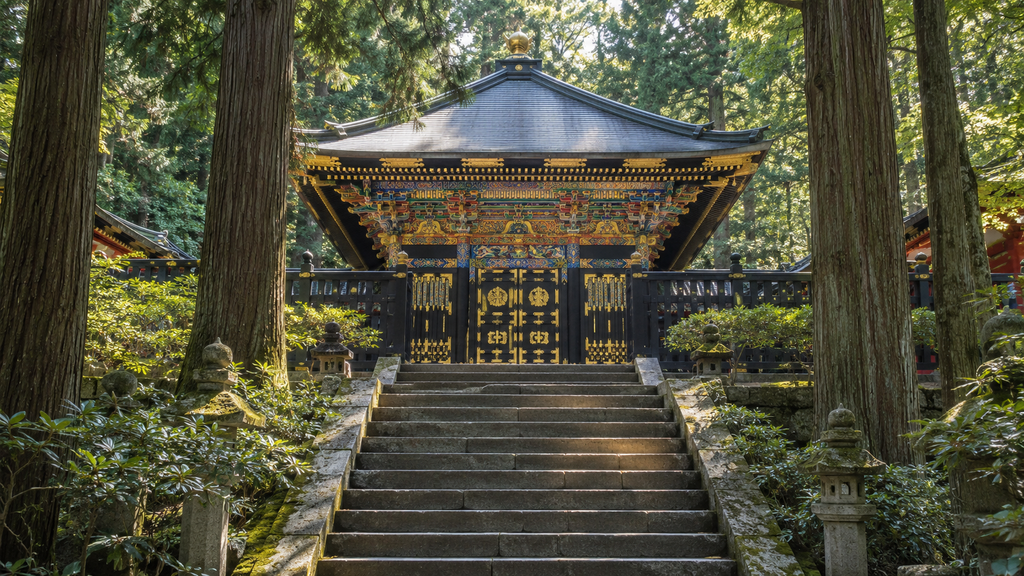
Next, visit Zuihoden, Masamune’s mausoleum. Surrounded by cedars, its vivid colors and detailed decoration reflect the luxurious Momoyama style and the Date family’s taste.
The Loople Sendai sightseeing bus links these sites with central attractions. Allow at least half a day for the main Date-related locations.
Japanese Perspective: Date Masamune and Local Pride
In Japan, historical figures are often closely connected with regional identity. Date Masamune is not remembered in Miyagi only as a warrior. He represents Sendai’s independence, elegance, ambition, and willingness to engage with the wider world.
His crescent-moon symbol appears on souvenirs and local designs, reflecting how castle-town history still shapes civic pride. Learning about Masamune makes Sendai’s architecture, food stories, and festivals feel connected.
2. See the Pine-Covered Islands of Matsushima Bay
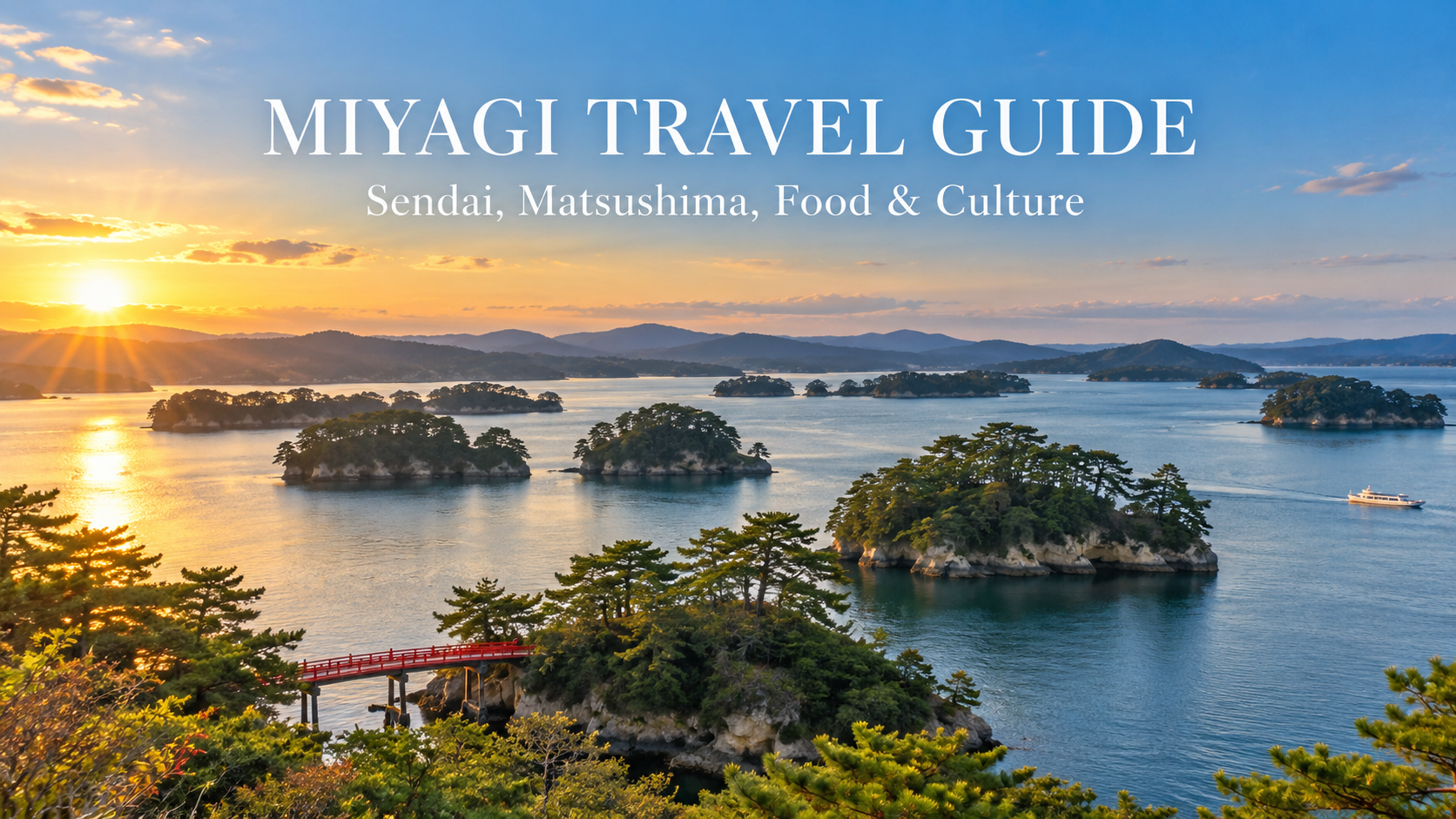
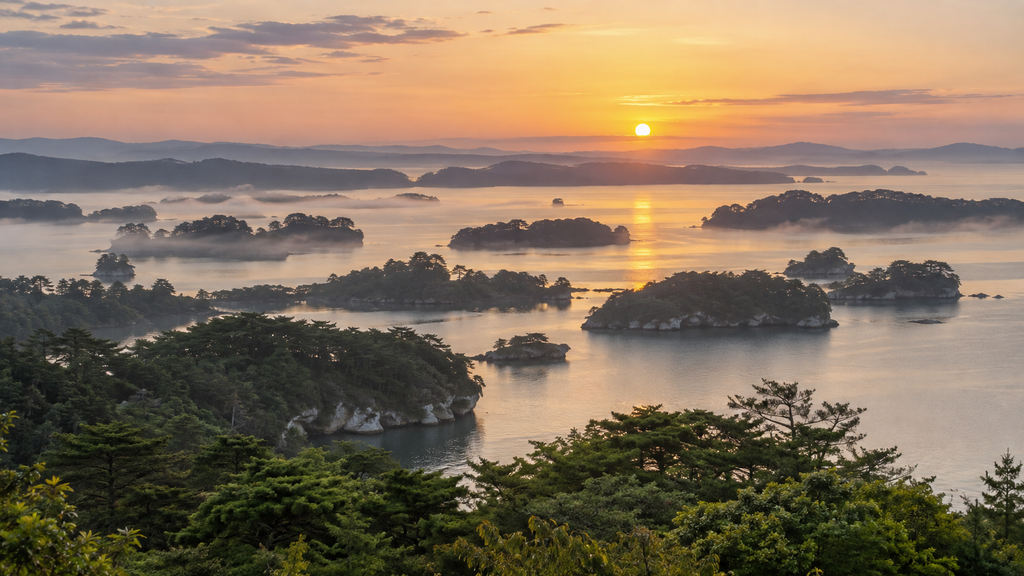
Matsushima Bay is traditionally counted among the Three Scenic Views of Japan. Hundreds of small islands, many topped with wind-shaped pine trees, spread across the calm water. The landscape is beautiful from the shore, but a sightseeing cruise reveals the unusual shapes and layers of the islands more clearly.
Matsushima is also a cultural destination. Zuiganji Temple, rebuilt under Date Masamune in the early seventeenth century, combines Zen history with the visual confidence of samurai-era architecture. Nearby, Godaido Hall stands on a small island reached by short bridges, while Entsuin Temple is known for its tranquil garden and connection to the Date family.
Walk along the waterfront, cross to Fukuurajima Island, try grilled oysters, and stay until the afternoon light softens. Matsushima is an easy day trip, though one night reveals its quieter side.
Japanese Perspective: Why Matsushima Is a Famous View
Matsushima’s appeal is not based on one enormous landmark. It comes from rhythm and suggestion: islands appearing and disappearing in mist, pine silhouettes, open water, and changing light.
This appreciation has roots in Japanese poetry, painting, and garden design. Matsuo Basho’s visit connected the bay with Japan’s literary imagination. Pause at several viewpoints and notice how water, sky, and islands change together.
3. Experience the Sendai Tanabata Festival
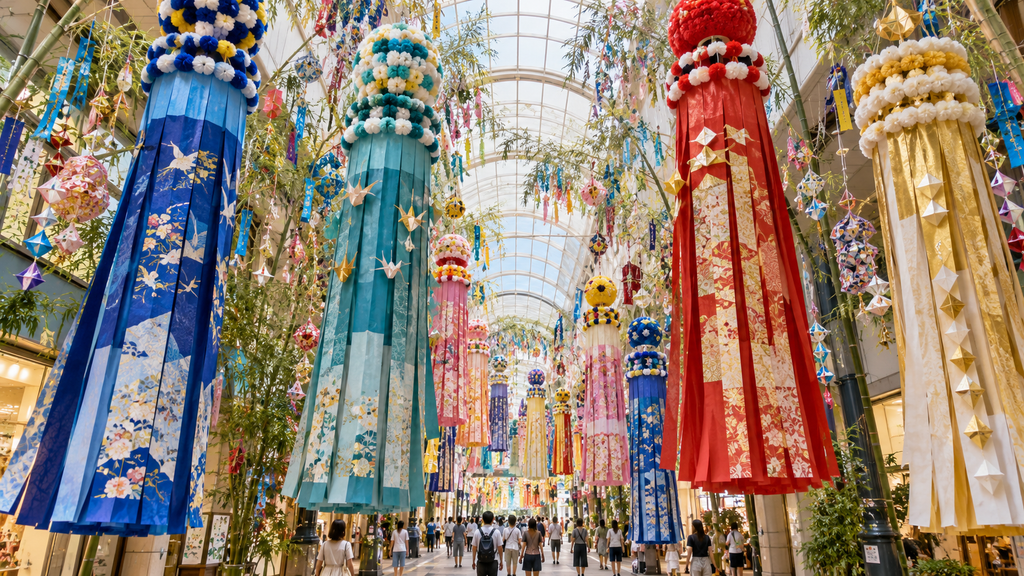
The Sendai Tanabata Festival, usually held from August 6 to 8, fills central shopping streets with enormous handmade paper streamers. The decorations hang from long bamboo poles and transform the city into a colorful moving gallery.
Tanabata festivals are inspired by two celestial lovers allowed to meet once a year. Sendai celebrates a month later than many parts of Japan, following a regional calendar tradition connected with Date Masamune’s era.
The decorations include forms associated with wishes for learning, health, business, craftsmanship, safety, and gratitude. Arrive early for more space and reserve accommodation well ahead.
Japanese Perspective: Festivals Are Community Work
Visitors often see a Japanese festival as a spectacular public event, but local people also experience it as months of preparation. Shop owners, craftspeople, neighborhood groups, volunteers, and sponsors all contribute.
The streamers are admired partly because they are temporary. Great effort is devoted to objects that will be displayed for only a short period. This reflects a familiar Japanese appreciation for seasonal beauty: its limited duration makes it more precious.
4. Enjoy Autumn Colors and Hot Springs at Naruko
Northwestern Miyagi is home to Naruko Onsen-kyo, a group of hot spring areas surrounded by mountains. The region has numerous sources and a wide variety of mineral qualities, making it especially attractive to travelers who enjoy comparing different baths.
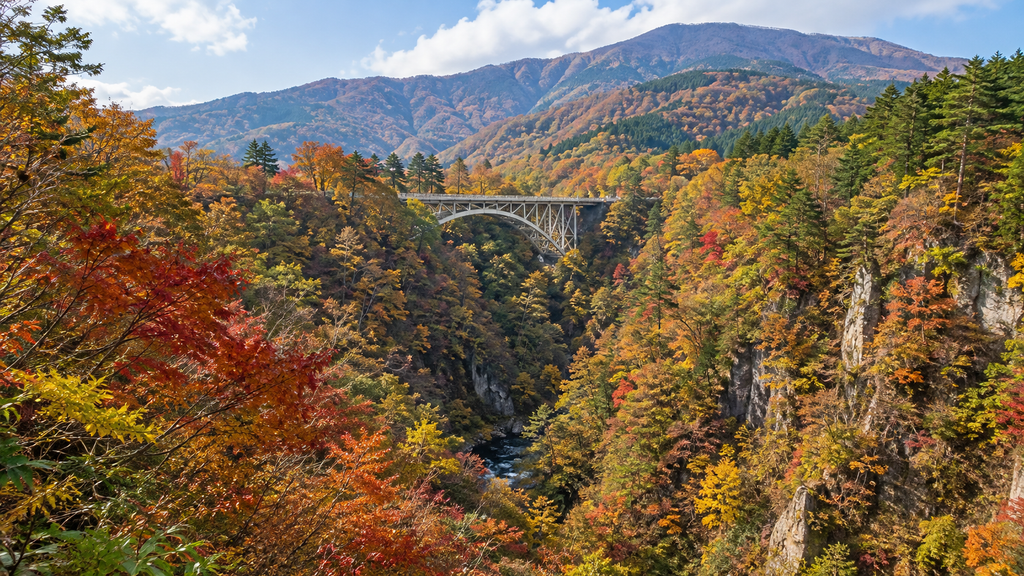
Nearby Naruko Gorge is one of Miyagi’s best-known autumn destinations. From around mid-October to early November in a typical year, steep slopes turn red, orange, and gold. The classic view includes a bridge crossing high above the gorge, framed by dense foliage.
Naruko is also associated with kokeshi, wooden dolls traditionally made in Tohoku hot spring communities. Workshops introduce a craft shaped by local wood, winter work, and onsen souvenir culture.
Spend a night at a ryokan if possible. Bathing, seasonal dinner, yukata, and a quiet morning walk together create a fuller onsen experience than a short daytime visit.
5. Visit Mount Zao and the Okama Crater
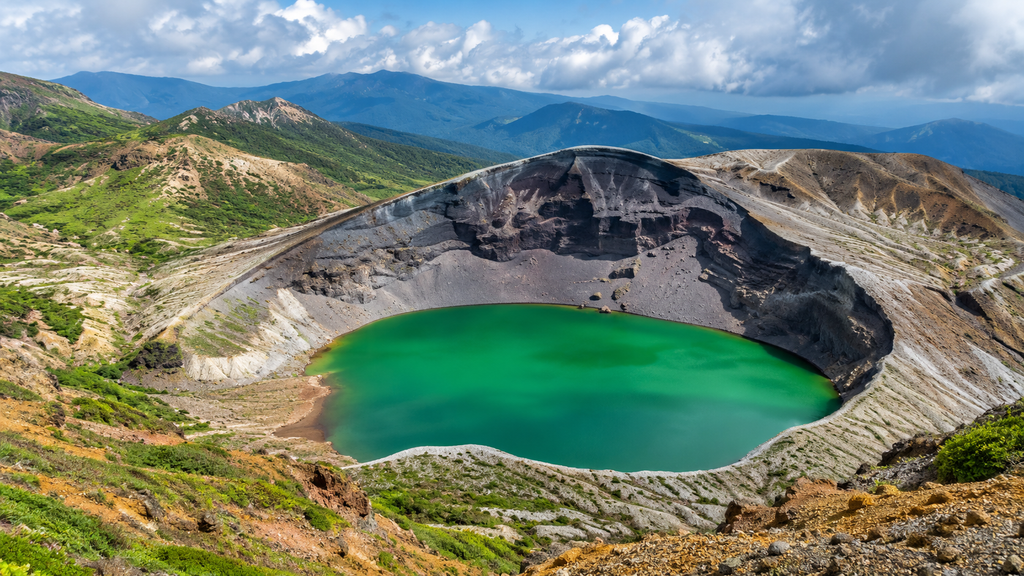
The Zao mountain range crosses the border between Miyagi and Yamagata. On the Miyagi side, its best-known landmark is Okama, a volcanic crater lake surrounded by rugged peaks. Its water can appear green, blue, or turquoise depending on the weather and light.
The Zao Echo Line and Zao High Line provide seasonal access. They normally close from early November until late April, so Okama is not a standard winter stop. Mountain weather changes quickly; bring an extra layer and check road conditions.
Public transportation is limited, making a rental car, seasonal bus, or organized tour the most practical choice. Do not approach restricted areas around the crater, and follow posted safety information.
6. Travel Along the Sanriku Coast
Miyagi’s coastline includes Ishinomaki, Minamisanriku, and Kesennuma, with seafood markets, islands, scenery, and local industries.
Understanding the modern coast requires acknowledging the Great East Japan Earthquake and tsunami of March 11, 2011. Memorial facilities preserve survivor testimony and pass disaster-prevention lessons to future generations. Visiting can be emotionally difficult, but adds depth and responsibility to a coastal journey.
Japanese Perspective: Visiting Disaster Memorials Respectfully
The Japanese phrase kataritsugu means continuing to tell and pass down a story. Memorial museums look back while helping communities protect lives in the future.
Enter these spaces quietly, follow photography rules, and give yourself time to read personal testimony. Avoid treating damaged buildings as dramatic backdrops. Buying local food, staying overnight, and using local guides can also support communities whose recovery continues beyond physical reconstruction.
What to Eat in Miyagi
Miyagi is often promoted as a “food kingdom” because fertile plains, mountain agriculture, and the Sanriku fishing grounds supply an unusually broad range of ingredients.
Gyutan
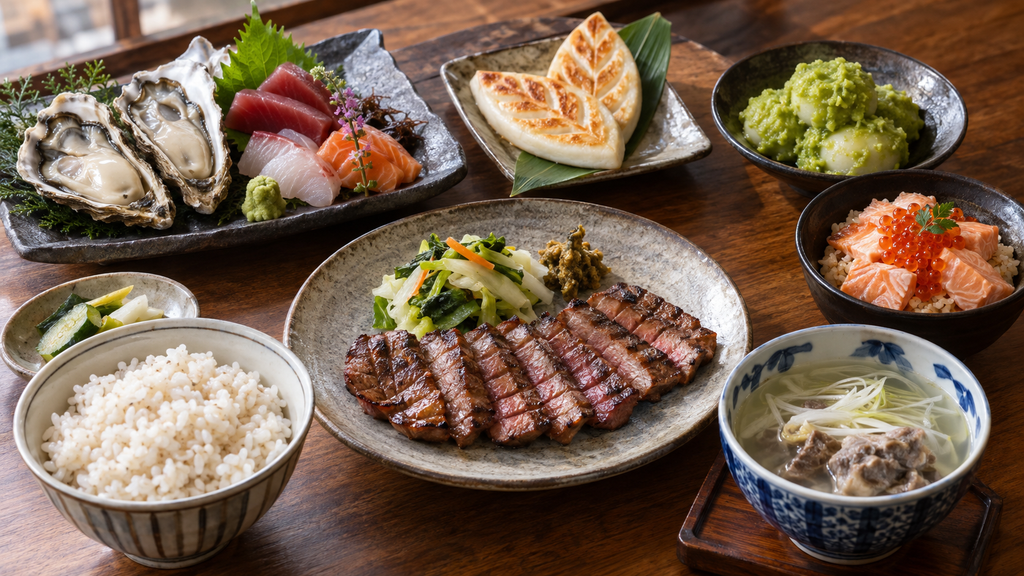
Sendai’s signature gyutan is sliced beef tongue grilled over charcoal and served with barley rice, oxtail soup, and pickles. Careful scoring and grilling make it tender and savory.
Oysters and Sanriku Seafood
Matsushima is especially famous for oysters, while Shiogama, Ishinomaki, and Kesennuma offer sushi, tuna, bonito, oysters, and seasonal fish. Market restaurants are excellent places to try kaisendon, a bowl of rice topped with assorted seafood.
Zunda
Zunda is a sweet paste made from crushed young soybeans, sugar, and salt. The classic version is served over mochi, but zunda also appears in shakes, cakes, and modern desserts. Its bright green color and slightly textured consistency are part of its character.
Sasa Kamaboko and Harako Meshi
Sasa kamaboko is a grilled fish cake shaped like a bamboo leaf and makes an easy snack or souvenir. Harako meshi, associated with the southern coastal area, combines seasoned salmon, rice cooked in savory broth, and salmon roe. It is particularly connected with autumn.
Japanese Perspective: Local Food as Omiyage
Japanese travelers often buy omiyage, regional gifts for family or coworkers. Shareable sasa kamaboko and zunda sweets express the idea of bringing part of a journey back to your social group.
Best Time to Visit Miyagi
Spring: Blossoms and Comfortable Sightseeing
Spring is well suited to Sendai, Matsushima, and historical sites. Cherry blossoms usually reach Miyagi later than Tokyo, but timing changes each year.
Summer: Tanabata and Coastal Travel
Summer brings the Sendai Tanabata Festival, lush landscapes, and active coastal destinations. August can be hot and humid, and festival accommodation should be booked early.
Autumn: Naruko Gorge and Seasonal Food
Autumn is arguably Miyagi’s best all-round season. Naruko’s foliage, mild city weather, mountain color, oysters, salmon, and harvest dishes make it ideal for a food-and-nature itinerary.
Winter: Seafood, Onsen, and Snow
Winter is excellent for hot springs and rich seafood. Sendai receives less snow than many inland Tohoku areas, but Naruko and mountain districts can be snowy. Okama’s normal road access is closed in winter.
How to Get to and Around Miyagi
The Tohoku Shinkansen connects Tokyo and Sendai in about 90 minutes on the fastest services. Sendai Airport is linked to Sendai Station by rail and also handles domestic and selected international routes.
Within Sendai, subways, buses, and the Loople Sendai sightseeing bus cover most visitor needs. The JR Senseki Line is useful for Matsushima and Ishinomaki, while other railways connect Naruko and parts of the coast.
Public transport works well for Sendai and Matsushima. A rental car becomes valuable for Mount Zao, rural hot springs, and multi-stop coastal travel. Check the final bus or train of the day carefully, as rural services may be infrequent. Winter drivers need appropriate experience and a properly equipped vehicle.
How Many Days Do You Need in Miyagi?
Allow three days for a satisfying first visit. Add a fourth day for Naruko, Zao, or the northern coast.
Suggested 3-Day Miyagi Itinerary
Day 1: Sendai and Date History
Arrive from Tokyo, visit the Sendai Castle ruins and Zuihoden, explore the city center, and eat gyutan for dinner.
Day 2: Matsushima and Shiogama
Visit a seafood market or sushi restaurant in Shiogama, continue to Matsushima for a bay cruise, Zuiganji, Godaido, and a waterfront walk, then return to Sendai or stay by the bay.
Day 3: Choose Mountains or Coast
Choose Naruko for hot springs and kokeshi culture, Mount Zao for seasonal mountain scenery, or Ishinomaki and the Sanriku Coast for seafood and modern history.
Practical Travel Tips
- Use Sendai as your first base. It has the prefecture’s best transport connections and widest accommodation range.
- Check seasonal access. Mountain roads, trails, festivals, and boat services may operate only during certain periods.
- Reserve festival and foliage stays early. Sendai in August and Naruko during peak autumn color can become busy.
- Carry some cash. Smaller baths, buses, workshops, and rural restaurants may not accept every international card.
- Separate distant areas. Naruko, Zao, and Kesennuma lie in different directions and should not be forced into one day.
- Dress for local conditions. Coastal wind, mountain cold, summer humidity, and winter snow can differ greatly from central Sendai.
- Confirm current schedules. Transport times, admission details, and closures can change.
Frequently Asked Questions About Miyagi
Is Miyagi worth visiting for first-time travelers to Japan?
Yes. Sendai’s convenience makes Miyagi approachable, while Matsushima, samurai history, hot springs, festivals, and excellent food offer experiences that feel distinct from Tokyo and Kyoto.
Can I visit Miyagi as a day trip from Tokyo?
A long day trip to Sendai or Matsushima is possible, but staying at least two nights is strongly recommended. Miyagi’s major destinations are spread across the prefecture.
Is Matsushima a day trip from Sendai?
Yes. Matsushima is around 30 minutes from Sendai by local train, depending on the station and service. Allow most of a day for the cruise, temples, islands, and food.
Do I need a car in Miyagi?
Not for Sendai and Matsushima. A car is useful for Mount Zao and itineraries combining rural or coastal destinations, but winter driving requires experience.
What food is Miyagi famous for?
Miyagi is famous for gyutan, oysters, sushi and Sanriku seafood, zunda mochi, sasa kamaboko, harako meshi, rice, and local sake.
When is the Sendai Tanabata Festival?
It is traditionally held from August 6 to 8. Confirm the current year’s official program before arranging transportation and accommodation.
Final Thoughts: Who Will Love Miyagi?
Miyagi offers a lively regional city alongside nature, history, and local traditions. You can learn about a samurai lord, watch pine islands from a boat, and finish the day with gyutan or seafood.
Its deeper value comes from connection. Date history still shapes Sendai’s identity, temporary festival decorations express community effort, coastal memorials carry lessons forward, and local foods connect sea, farmland, and season. Travel slowly enough to notice those relationships, and Miyagi becomes far more than a gateway—it becomes one of Tohoku’s most complete destinations.
Explore More of Tohoku
Miyagi is often called a gateway to Tohoku, making it an excellent base for exploring the surrounding prefectures. Continue your journey toward World Heritage temples, mountain onsen and historic samurai towns.
Iwate Travel Guide
Travel north from Miyagi to Hiraizumi, Morioka and the Sanriku Coast for Buddhist history, spectacular coastal scenery and distinctive regional cuisine.
Read next: Iwate Travel Guide: Hiraizumi, Sanriku Coast, Food & Hidden Gems
Yamagata Travel Guide
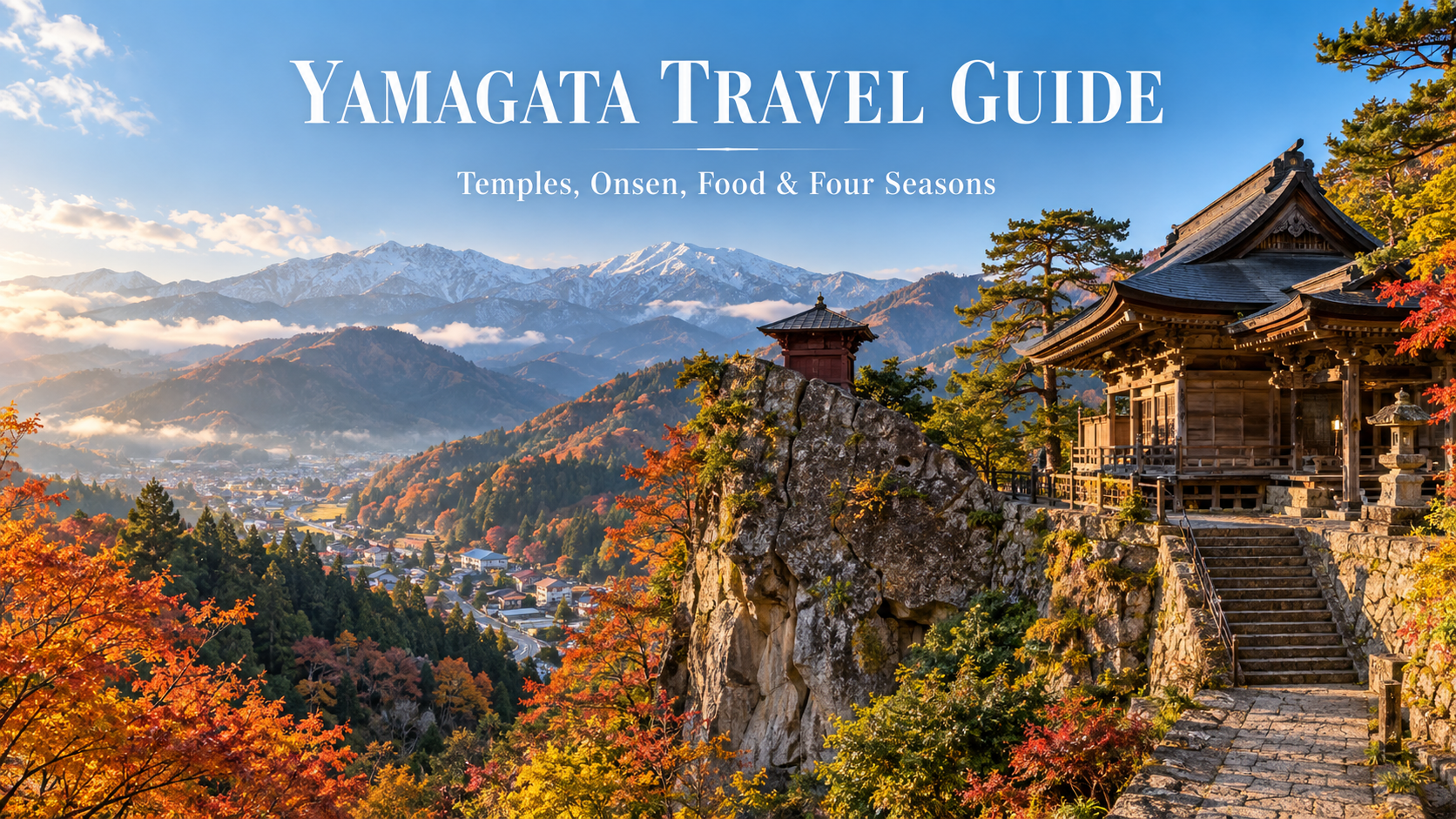
Cross the mountains into Yamagata for Yamadera, Ginzan Onsen and Mount Zao. The Zao mountain range itself stretches across the Miyagi–Yamagata border, making the two prefectures especially easy to combine.
Read next: Yamagata Travel Guide for First-Time Visitors: Temples, Onsen, Food & Four Seasons
Fukushima Travel Guide
Continue south for Aizu-Wakamatsu’s samurai history, Ouchi-juku, volcanic mountain landscapes, scenic railways and Fukushima’s rich regional food culture.
Read next: Fukushima Travel Guide for First-Time Visitors: Samurai Towns, Nature, Food & Recovery
Find more ideas in our Tohoku Travel Guides.