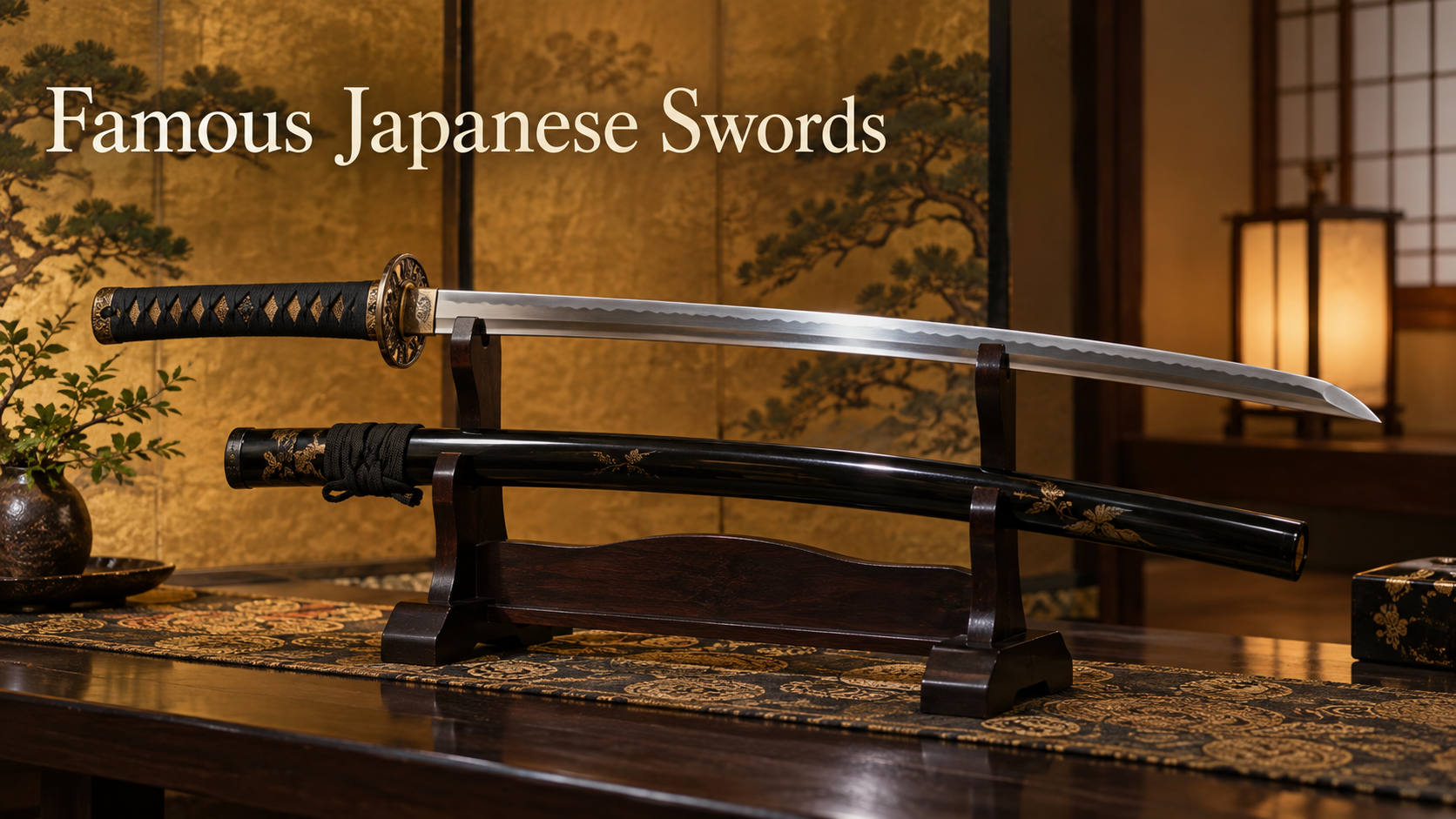
Japanese swords preserve craftsmanship, power and memory. Their beauty lies in both the steel and the stories passed down with it.
How to Look at a Japanese Sword
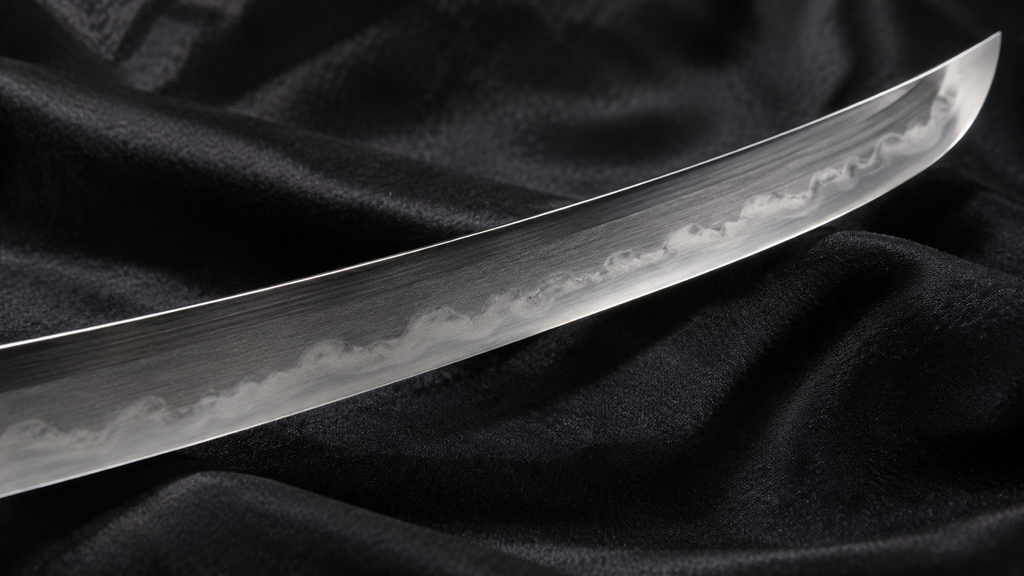
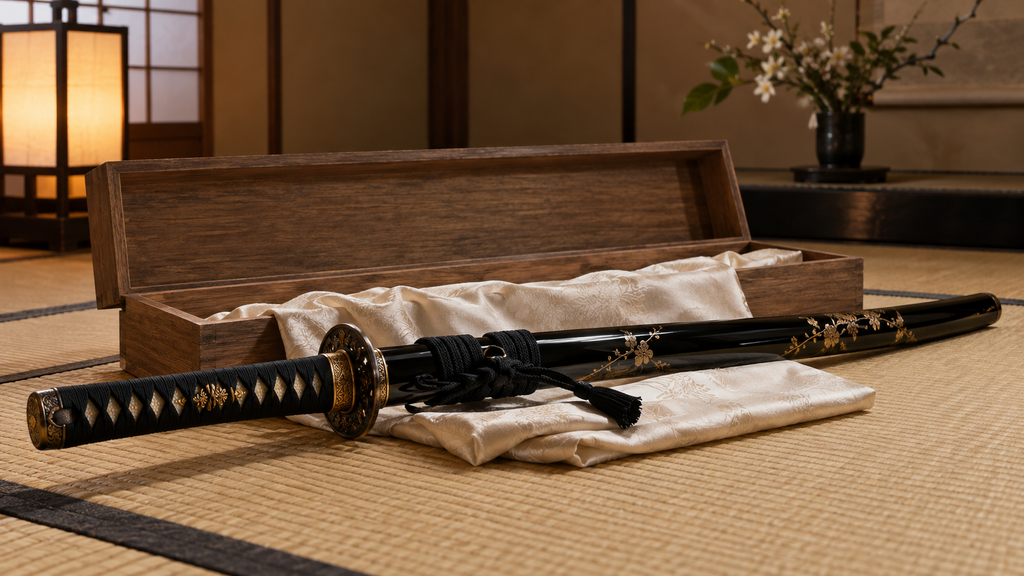
Start with the curve, then the hamon: the pattern along the hardened edge. Not every Japanese sword is a katana; older tachi were generally worn suspended, edge down.
Four Famous Japanese Swords
Mikazuki Munechika
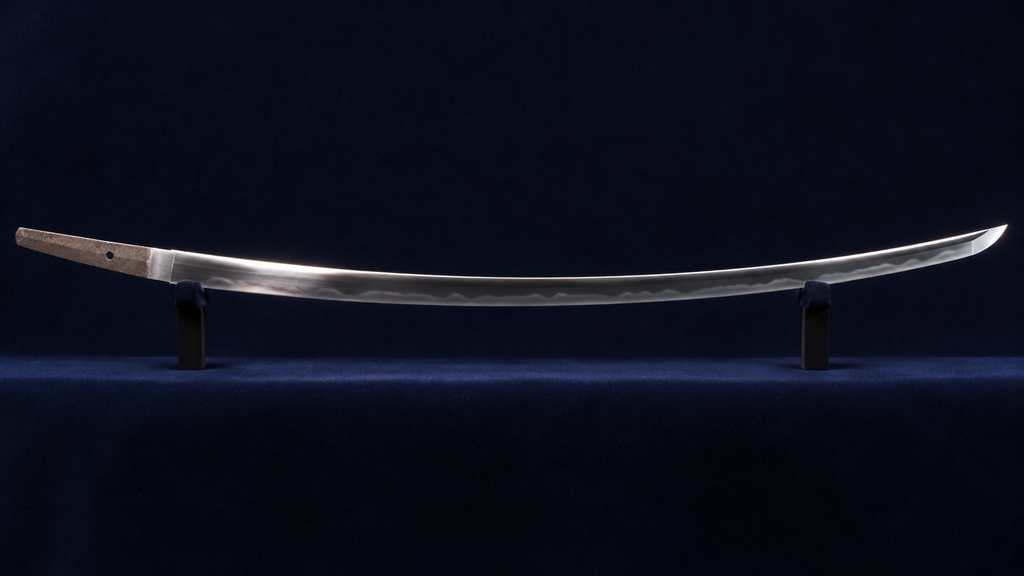
This Heian-period tachi takes its “crescent moon” name from patterns in its hamon. Preserved at Tokyo National Museum, it rewards slow, close looking.
Dojigiri Yasutsuna
Legend connects this sword with Minamoto no Yorimitsu defeating the demon Shuten Doji. That is folklore; its later ownership by Toyotomi Hideyoshi and Tokugawa Ieyasu is recorded in the museum catalogue.
Heshikiri Hasebe
Associated with Oda Nobunaga, this blade was given to Kuroda Kanbei, according to Fukuoka City Museum. Its dramatic name comes from a transmitted cutting story, not a modern test of its abilities.
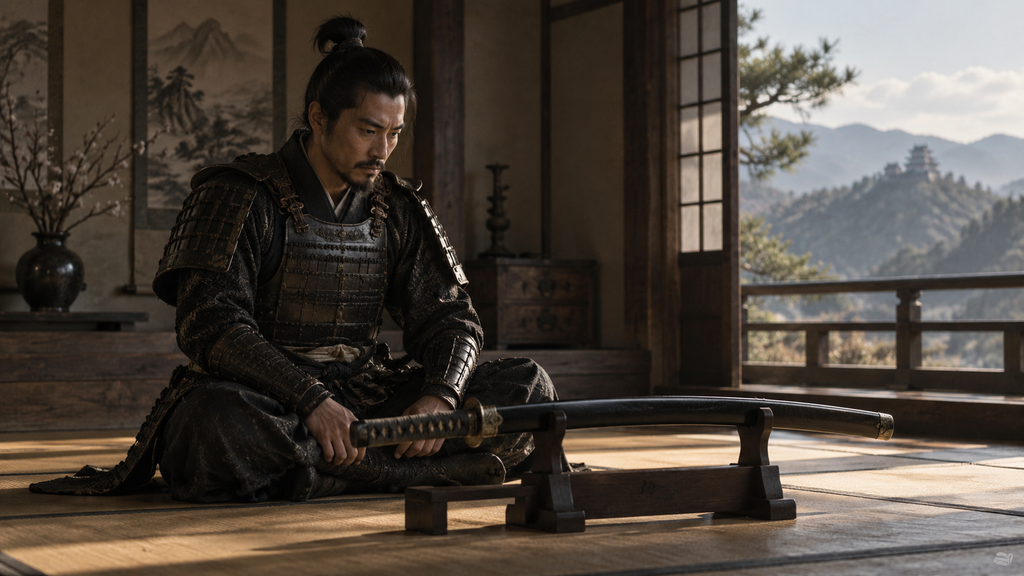
Nikko Ichimonji
Passed down through the Hojo family, this tachi was presented to Kanbei after his mediation during the 1590 Odawara campaign. A sword could express gratitude as well as military prestige.
Japanese Perspective: An Heirloom’s Value
These histories reveal swords as gifts and family treasures. Asking who preserved a blade, and why, opens a richer view of Japanese culture than simply asking how sharp it was.
Seeing Swords in Japan
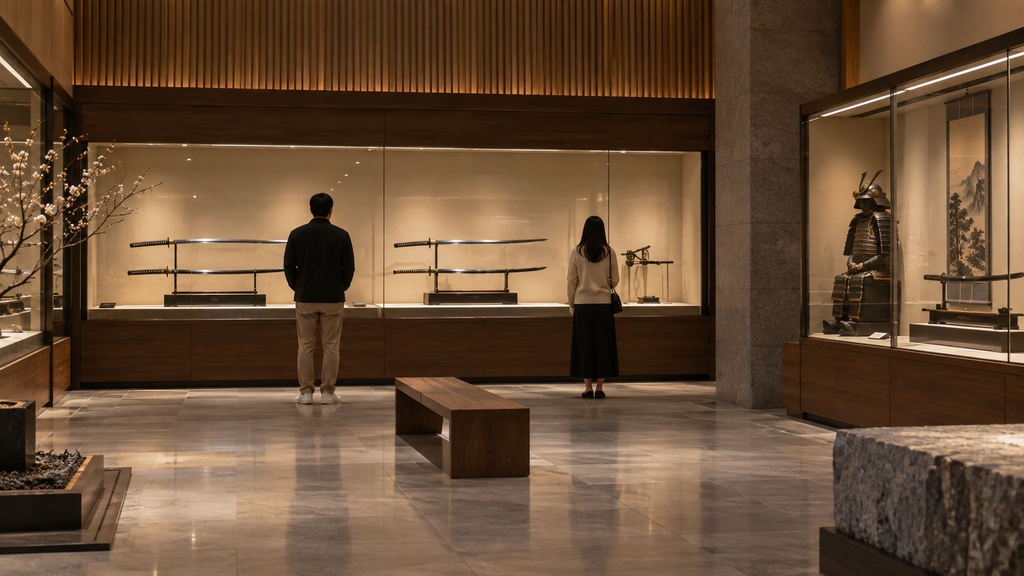
Explore Tokyo National Museum, Fukuoka City Museum or Tokyo’s Japanese Sword Museum. Check current displays before traveling; ownership does not guarantee exhibition. Follow photography rules.
FAQ
Did every famous owner use the sword in battle?
No. Ownership alone does not prove battlefield use.
Where should beginners start?
Compare two blades’ curves and hamon before reading their labels.
Related Japan Guides
Continue exploring with Explore Japan with Yotsuha.