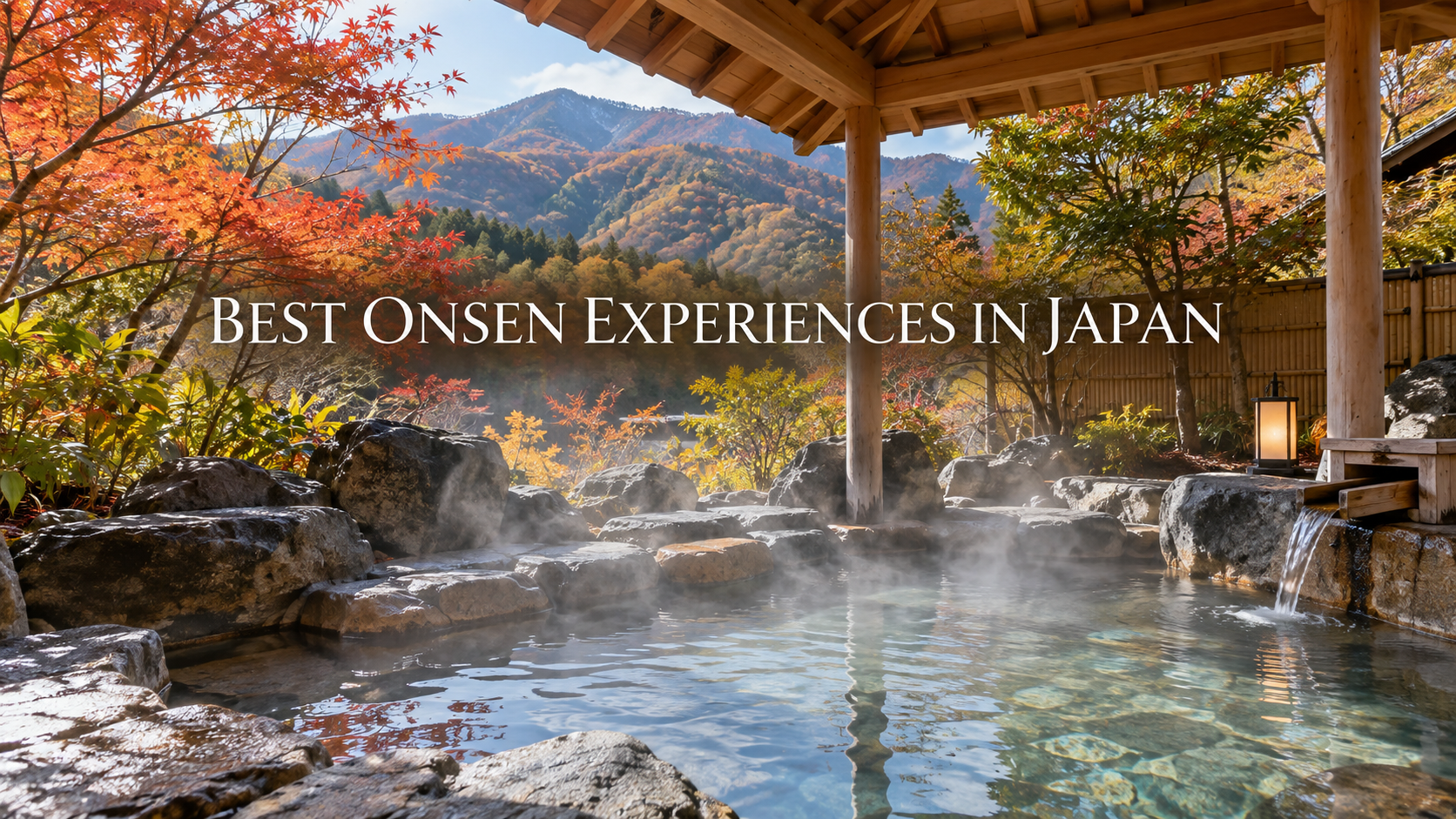
A memorable onsen trip might begin with steam rising through winter air, a wooden bath overlooking a garden, or an evening walk between small-town bathhouses. Japan’s hot springs offer very different experiences, and choosing the right one can make your first visit feel much easier.
The best onsen experiences in Japan depend on what you enjoy: privacy, mountain scenery, traditional inns, or local food. This guide highlights six destinations by their strengths, with a Japanese perspective on bathing culture and practical advice for booking.
You do not need to visit them all. Choose one that fits your wider route, leave space in your schedule, and give yourself permission to slow down.
Choose Your Onsen Experience
| Destination | Best suited to | Planning consideration |
|---|---|---|
| Hakone, Kanagawa | A private bath or Tokyo-area escape | Confirm the exact bath and booking plan |
| Kinosaki, Hyogo | Walking between public bathhouses | Check bath opening days and accommodation policies |
| Kusatsu, Gunma | A town centered on hot-spring culture | Allow for the mountain transfer |
| Beppu, Oita | Bathing combined with geothermal food and sights | Bathing and sightseeing facilities are separate |
| Kurokawa, Kumamoto | A quiet inn and outdoor baths | Arrange onward transport before arrival |
| Noboribetsu, Hokkaido | A hot-spring stay alongside volcanic scenery | Allow for winter conditions and local buses |
These are editorial suggestions for different travel styles, rather than an official ranking.
1. Hakone: Enjoy a Private Bath Near Tokyo
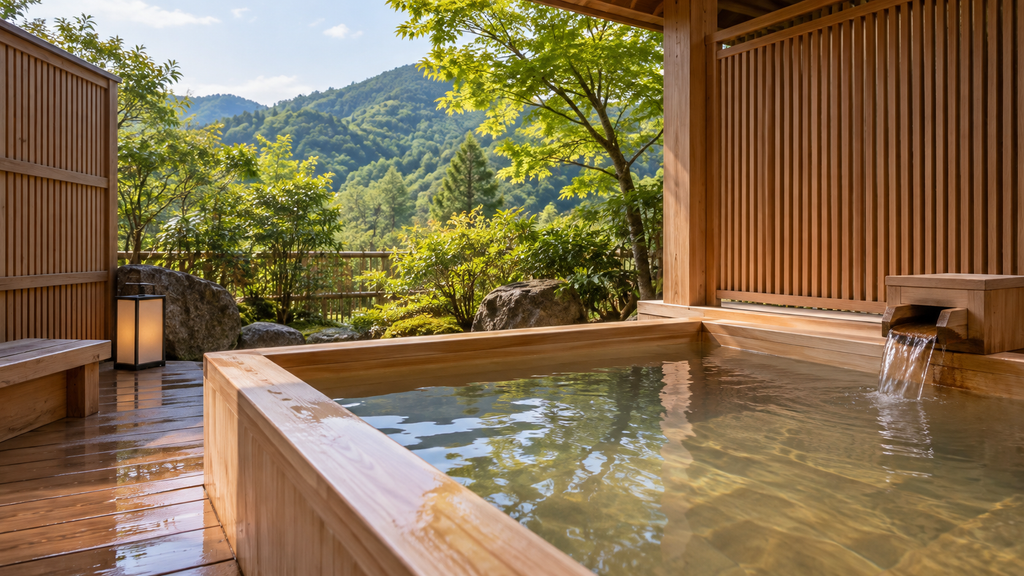
Hakone is a useful introduction to onsen travel because it combines mountain surroundings with a range of accommodation and day-use options. A private bath can be especially appealing if communal bathing feels unfamiliar or you want to bathe with your partner or family.
Look closely at the wording when booking. A room with an open-air bath, a reservable private bath elsewhere in the property, and access to a shared bath are different products. A private bathtub does not automatically contain natural hot-spring water either; confirm the water source if that matters to you.
The official Hakone private hot-spring listings provide a starting point. Check session length, capacity, reservation rules, and whether the price includes admission or only the private room.
Planning tip: A day visit works well when bathing is your main activity. For a ryokan dinner and an unhurried morning, stay overnight and avoid filling arrival day with distant sightseeing stops.
2. Kinosaki: Make the Whole Town Part of Your Stay
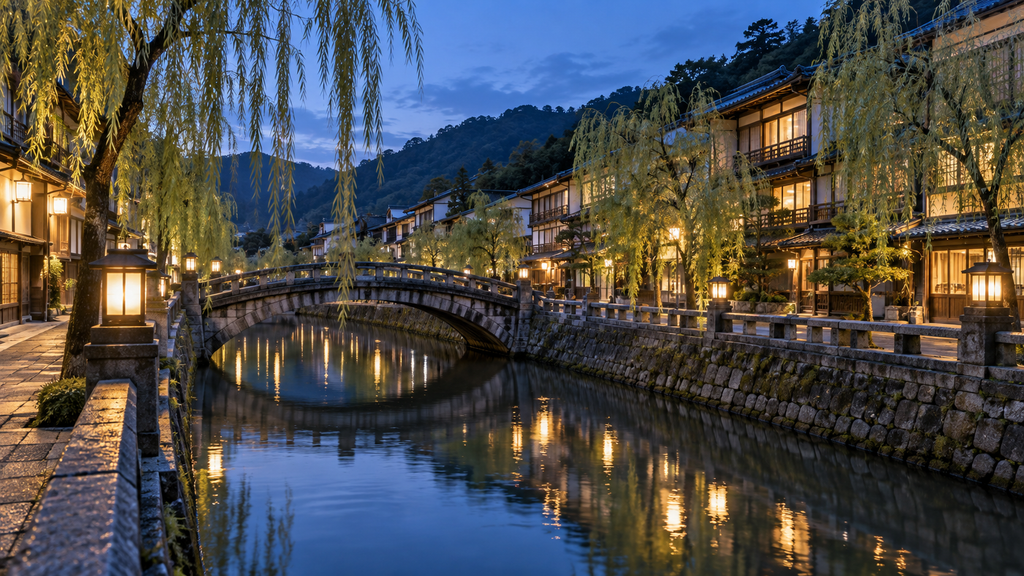
Kinosaki Onsen in Hyogo is a strong choice if you want the experience to continue outside your accommodation. Its canal, bridges, and streets connect inns, shops, and public bathhouses, making a gentle town walk part of the visit.
Instead of trying to enter every bath, choose a small number and take breaks between them. An overnight stay gives you time to settle in, have dinner, and enjoy the town after daytime visitors leave.
Kinosaki’s tourism office states that its public onsen bathhouses welcome tattoos of all sizes without covering. This does not automatically describe the policy of every private ryokan bath. Check the official tattoo guidance and ask your accommodation separately.
Japanese Perspective: An Onsen Town Is a Shared Space
Walking in a yukata supplied by your inn is part of the atmosphere in towns such as Kinosaki. Follow your accommodation’s advice on where it can be worn, keep voices considerate at night, and remember that local people also use the streets and baths. Enjoying the town gently is part of being a welcome guest.
3. Kusatsu: See Hot-Spring Culture at the Center of Town
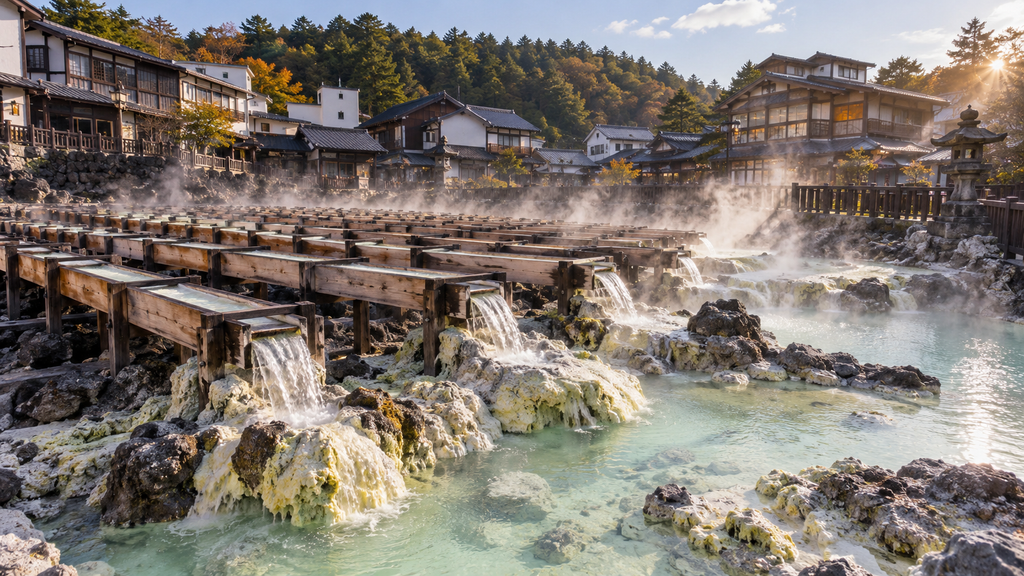
Kusatsu in Gunma puts its geothermal character on display. The Yubatake, or “hot-water field,” is a landmark where hot-spring water flows through wooden channels. Steam and mineral deposits make the town’s relationship with its springs visible before you enter a bath.
The Yubatake itself is not a bathing pool. Walk around the designated public areas, then visit a bathing facility appropriate to your plans. Allow time for the streets and shops around the center instead of treating it only as a photo stop.
Kusatsu also has the tradition of yumomi, in which water is stirred with large wooden paddles to help cool it. If a demonstration interests you, check its current schedule through local visitor information.
Planning tip: Kusatsu requires a mountain journey, often including a bus connection. An overnight stay is usually a more relaxed choice than a rushed excursion from Tokyo. Follow each bath’s posted instructions rather than assuming every pool has the same temperature.
4. Beppu: Combine a Bath with Steam-Cooked Food
Beppu in Oita offers an onsen trip with plenty to explore between baths. Geothermal activity appears in the townscape, visitor attractions, and local cooking traditions.
The famous jigoku, or “hells,” are geothermal sights to view, not pools to enter. Their striking water and steam can help you appreciate the natural energy behind the area’s bathing culture. Book or choose a separate bathing facility for your soak.
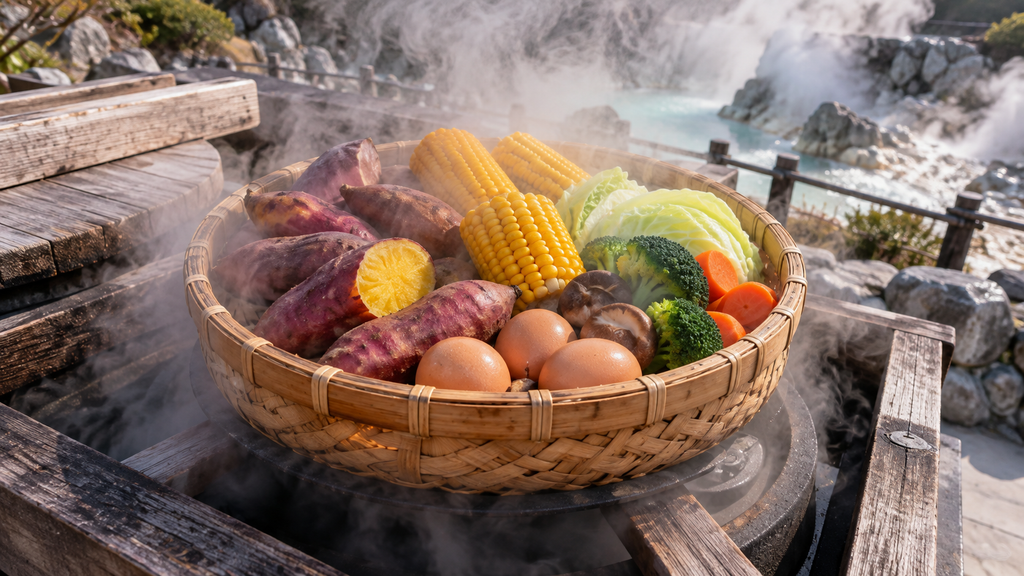
One distinctive food experience is jigoku mushi: ingredients cooked using hot-spring steam. Vegetables, eggs, and other foods become part of an experience that connects the meal to the place. Follow staff instructions at visitor cooking facilities, and check whether you need a reservation or must purchase ingredients on site.
Japanese Perspective: Hot Springs Can Shape Everyday Life
Beppu shows how geothermal resources can influence more than leisure. Cooking with steam gives visitors a tangible connection to local practices. A meal and a neighborhood walk can be just as revealing as trying another bath.
5. Kurokawa: Stay at a Mountain Ryokan
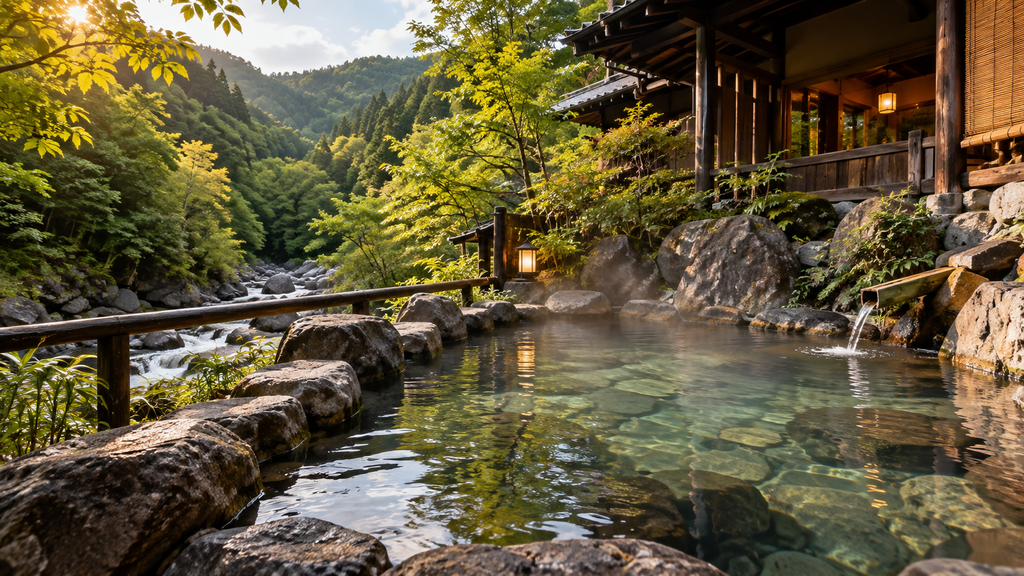
Kurokawa Onsen in Kumamoto suits travelers who want a small mountain-town setting and time at an inn. Outdoor baths, wooded surroundings, and traditional accommodation make it an appealing place to build a trip around one slow evening.
A rotenburo means an open-air bath. The atmosphere varies between properties, from a sheltered garden pool to a more rustic stone setting. Choose the bath and room that fit your preferences rather than assuming all inns offer the same view or facilities.
Kurokawa has a bathing-pass system for participating facilities. Check the official bathing status before setting out, since availability and access conditions can change.
Planning tip: Plan bus connections or driving arrangements before booking. For a meal-inclusive stay, arrive by the stated check-in time and communicate dietary needs in advance. Staying at the inn is a central part of the visit, so leave the evening open.
6. Noboribetsu: Pair Bathing with Hokkaido’s Volcanic Landscape
Noboribetsu is a compelling option for a Hokkaido itinerary. The nearby Jigokudani, or Hell Valley, makes the geothermal landscape visible through steam vents and rugged terrain. Stay on designated paths and check access conditions before walking.
A hotel or ryokan bath gives you a different way to experience the area after sightseeing. Compare the available baths and accommodation styles: a larger resort and a smaller inn can produce very different stays.
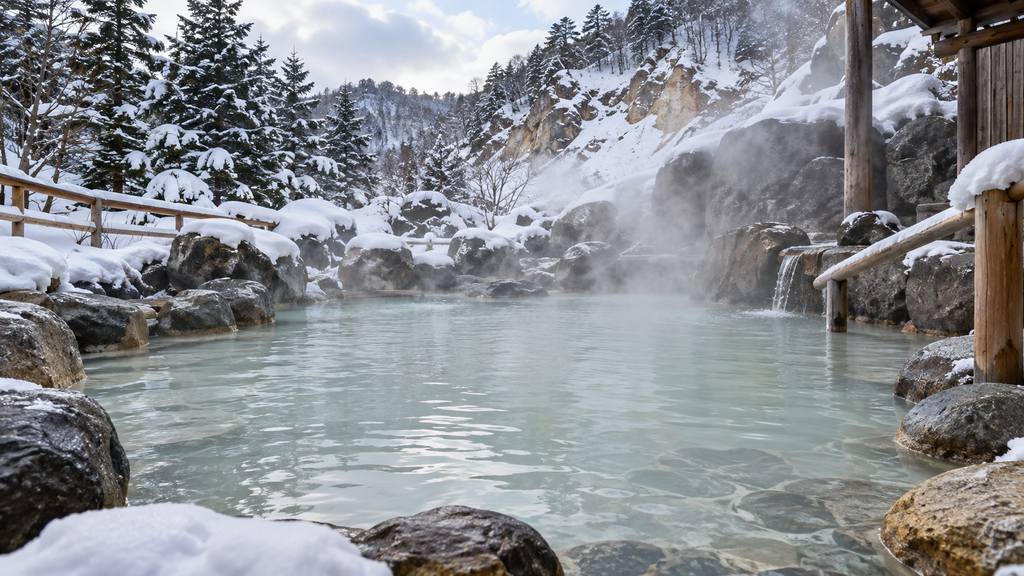
Winter can bring a memorable contrast between cold outdoor air and steaming water, but snowfall and views are never guaranteed. Paths may be icy or restricted, and the journey from the railway station involves onward transport to the onsen area.
Planning tip: Include Noboribetsu as part of a Hokkaido route rather than making a major detour solely for one bath. Our Hokkaido travel guide can help you plan the wider trip.
Japanese Perspective: Why Bathing Etiquette Matters
Shared bathing works because everyone helps keep the water and surrounding space pleasant. The routine may feel unfamiliar at first, but the guiding idea is consideration for others.
Wash and rinse thoroughly at the washing station before entering. Keep soap, towels, and long hair out of the bath. Most conventional shared onsen are separated by gender and used without swimwear; follow the facility’s specific rules, including any designated exceptions.
Keep your phone and camera away from changing and bathing areas. An apparently empty bath is not permission to photograph it. Speak quietly, avoid splashing, and dry off before returning to the changing room.
You do not need to remain in the water for a long time to enjoy the experience. Take breaks, drink water, and avoid bathing after drinking alcohol. Follow posted bathing guidance and leave the bath if you feel uncomfortable.
How to Plan Your First Onsen Stay
For a first visit, one night is often enough to enjoy arrival, dinner, and a relaxed breakfast. Two nights can suit a remote town or a slower schedule. Choose an onsen close to your existing route rather than trying to connect all six destinations in this guide.
Compare complete booking plans. A room-only rate may exclude dinner, breakfast, private baths, and local bathing taxes. Day-use admission may charge separately for towels. Check the final total and cancellation conditions before paying.
For couples or families wishing to bathe together, look for a kashikiri-buro, a bath reserved for private use, or a suitable in-room onsen. Ask about capacity, children’s rules, water temperature, and accessibility. “Private” does not necessarily mean step-free.
Autumn and winter can be atmospheric, while spring and summer offer green scenery and different travel conditions. Book ahead for weekends and major holidays, especially when you want a particular private-bath room.
Frequently Asked Questions
What is the difference between an onsen and a sento?
Onsen refers to qualifying natural hot-spring water and facilities using it. A sento is a public bathhouse, commonly using heated ordinary water, though some use hot-spring water. Check the facility description rather than judging by its appearance.
Which onsen is best for a first-time visitor?
Hakone is a practical option for a Tokyo-based trip, especially with a private bath. Kinosaki suits visitors who want an overnight town experience. The easiest choice is usually the one that fits your route and comfort level.
Can I enter an onsen with tattoos?
Policies vary. Kinosaki’s public bathhouses welcome tattoos, while other facilities may restrict them or permit covering. Confirm the policy for the specific bath before booking, including private baths.
Can I wear a swimsuit?
Usually not in a conventional shared onsen. Some mixed-use or leisure facilities have different rules. Check in advance if bathing without swimwear is not comfortable for you.
Do I have to stay overnight?
No. Many facilities offer day-use bathing, but hours and reservations vary. An overnight ryokan stay adds meals and time to enjoy the town at a slower pace.
Is an expensive ryokan necessary?
No. Public baths and day-use facilities can offer rewarding experiences. Higher room prices may reflect accommodation, meals, service, or privacy rather than a universally better bath.
Related Japan Guides
Explore our Japan Travel guides for regional planning, or continue north with our Aomori travel guide.
The most satisfying onsen visit leaves enough time to enjoy its setting. Choose the experience that fits you, learn the local routine, and make room for a quiet evening.