Introduction
Akihabara rewards curiosity, but a little planning makes the experience much better. Behind its bright shopfronts are manga shelves, miniature collectibles, capsule toys, game machines, and specialist stores that can absorb an entire afternoon.
This Akihabara anime guide helps you choose what matters to you: finding merchandise from a favorite series, trying Japanese arcades, exploring retro games, or understanding a maid cafe before stepping inside. For a first visit, prioritize two shopping interests and one experience. You will remember a relaxed discovery more fondly than ten shops visited in a rush.
Why Visit Akihabara?
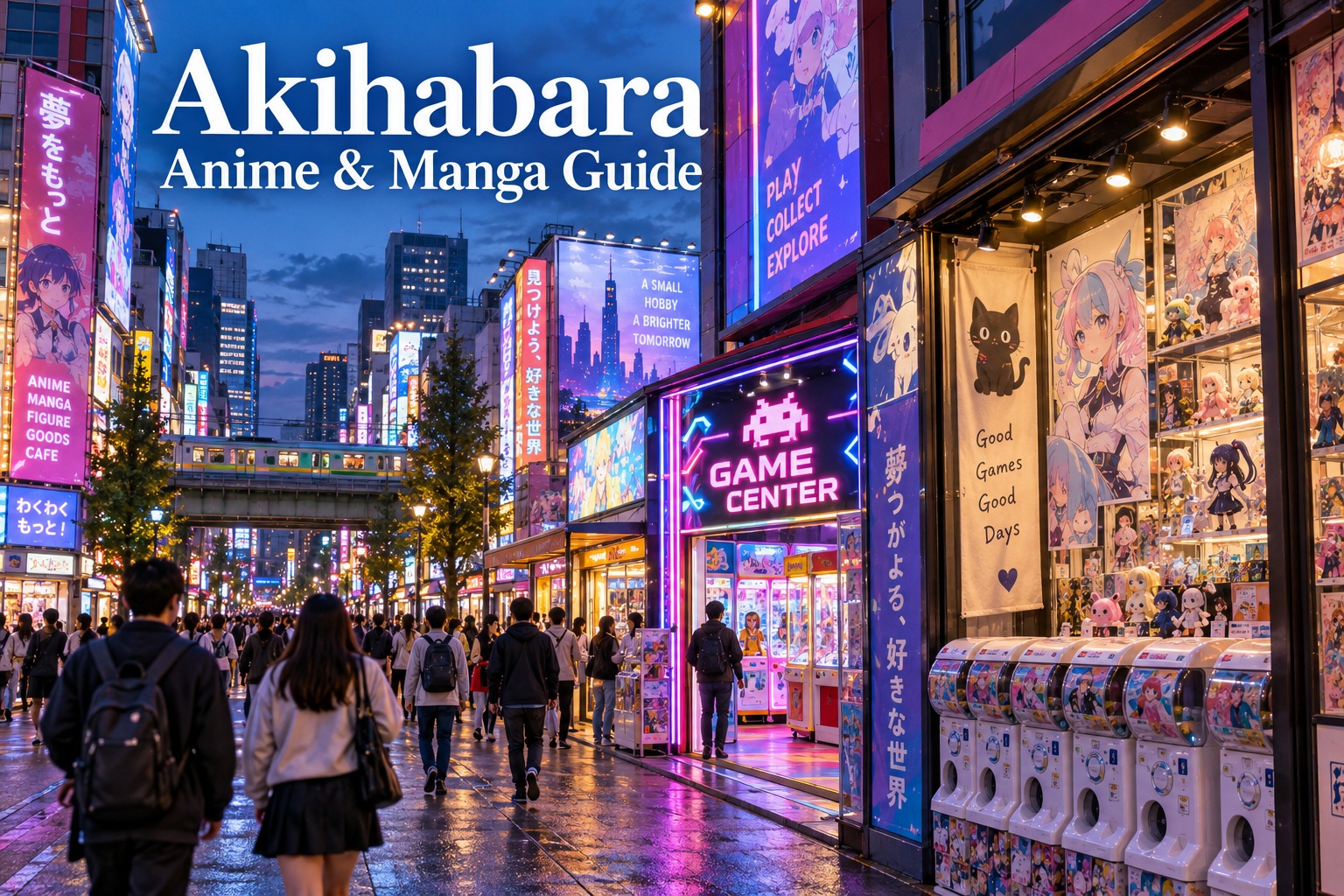
Akihabara brings anime, manga, gaming, electronics, and collecting into a compact district. Its appeal is the variety within walking distance: you can browse character goods, investigate computer parts, and try a rhythm game without crossing Tokyo. Tokyo’s official tourism guide traces its development from postwar electronics trading to a neighborhood associated with specialist fandoms. [1]
Treat it as a working shopping district. There is no single attraction that contains the whole experience, and browsing does not require an admission ticket. You also do not need encyclopedic anime knowledge to enjoy the craftsmanship, playful design, and unusual shop specialisms.
Best Areas to Explore in Akihabara
Electric Town Exit: Start with Your Bearings
For the main shopping district, use JR Akihabara Station’s Electric Town Exit. Akihabara is served by the JR Yamanote, Keihin-Tohoku, and Chuo-Sobu local lines, the Hibiya subway line, and Tsukuba Express; their exits are not interchangeable. If arriving underground, follow a map to the shopping area rather than assuming you will emerge at the JR gate. [1]
Save your starting point and two priority destinations on your phone. Radio Kaikan, near the station, is a useful orientation landmark for character and hobby shopping. Do not confuse it with Radio Centre, associated with electronics and radio equipment. [1]
Chuo-dori: The Main Shopping Spine
Use Chuo-dori as your north–south reference. Major shopfronts make orientation easier here; read the building directory before entering. A shop can occupy several floors, while another building houses unrelated businesses behind different entrances.
Side Streets and Specialist Shops
Explore the lanes west of Chuo-dori for more focused browsing. Save a promising shop’s name and entrance: similar-looking stairways can become surprisingly difficult to retrace. The broader Sotokanda shopping area contains much of the anime and gaming browsing described below.
Allow time for elevators and narrow aisles. If stairs are difficult, check access for your chosen stores before committing to a route. A dense cluster on a map does not necessarily mean effortless movement between every floor.
If you prefer exploring Akihabara with a local guide, look for a walk that matches your interests and leaves time to browse. A history-focused introduction and a merchandise hunt offer different experiences.
Best Things to Do in Akihabara
Anime & Manga Shopping
Start with a broad selection, then specialize. animate Akihabara is a practical first stop for character merchandise and books. Its official information reflects a 2026 refurbishment, so use the current floor directory. The published guide places books in Building 2 and lists foreign books among its selection; that does not establish that your preferred manga has an English edition in stock. [2]
Bring the Japanese title, character name, or a reference image of the item you want. Merchandise may be grouped by series rather than product type. Check whether a shelf item is available to purchase or merely advertises a preorder.
Most manga you encounter will be Japanese editions. Ask about language before paying, especially when buying a gift. For Blu-ray and DVD purchases, check the specific edition’s subtitles and playback compatibility; familiar cover art does not establish either.
Look carefully at blind-box labels. A pictured lineup usually shows possible designs, not everything inside one box. For reading ideas before your visit, explore [INTERNAL LINK: Manga Reviews].
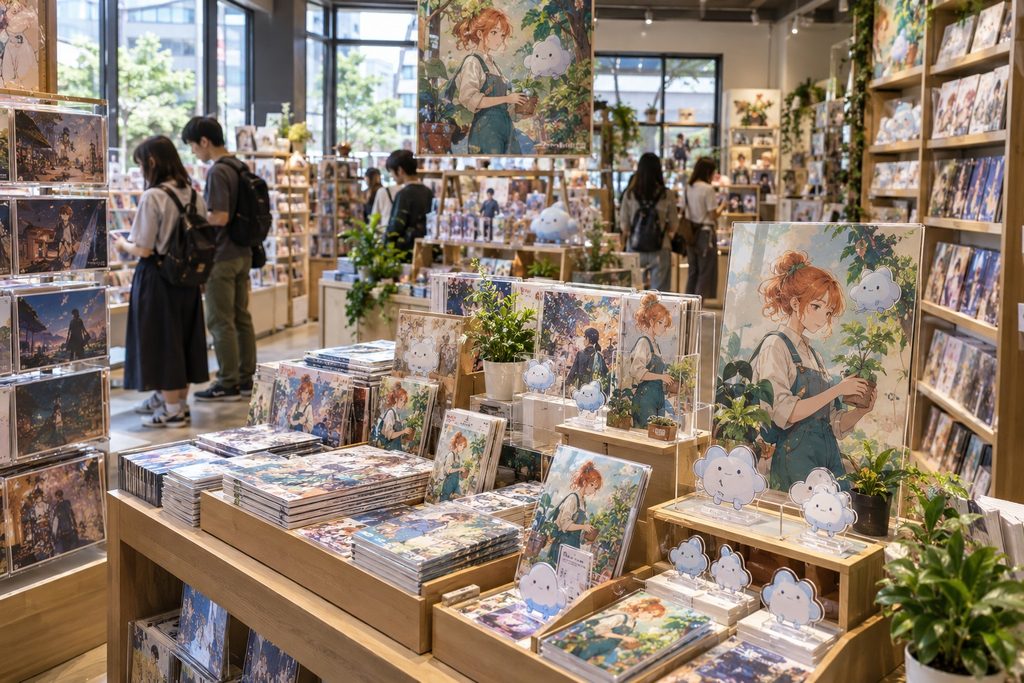
Anime Figures and Collectibles
Distinguish an affordable prize figure from a premium scale figure before comparing prices. Size, sculpting, paintwork, accessories, and packaging all affect what you are buying. “Limited” describes availability, not whether an item suits your budget.
Mandarake Complex is a useful specialist stop, and its official page also links to Complex 2. Check both current directories rather than following old guides that assign every category to the original building. Complex currently lists noon–8 p.m. opening hours. [3]
For secondhand purchases, ask about missing parts, opened packaging, fading, repairs, and box damage. An unopened item can still have an imperfect box. “Junk” stock should not be assumed functional or complete. Ask staff to explain condition notes and the return policy before buying.
Compare the exact manufacturer and edition, not just the character. Do not open sealed boxes or handle display figures without permission. Photograph condition labels only if allowed. Keep receipts and leave enough luggage space for protective packaging.
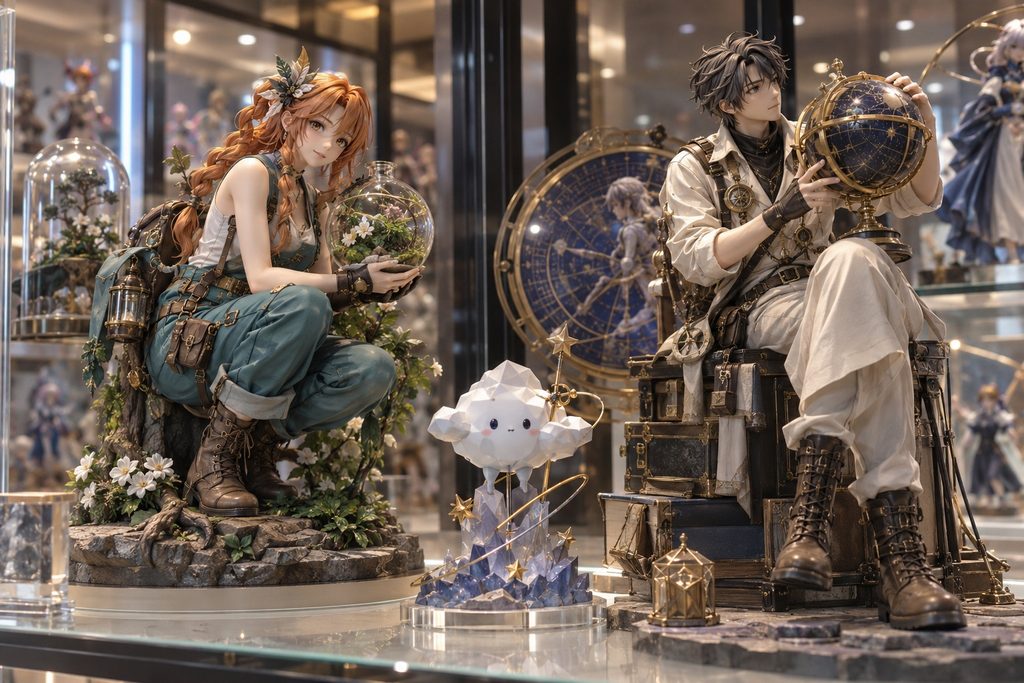
Once your figure is home, a correctly sized display case can make it easier to enjoy while limiting dust. Measure the base and the highest accessory before choosing a case; a figure’s nominal scale is not its actual footprint.
This article contains affiliate links. If you purchase or book through them, we may earn a commission. As an Amazon Associate I earn from qualifying purchases.
Gachapon: Small Souvenirs with a Surprise
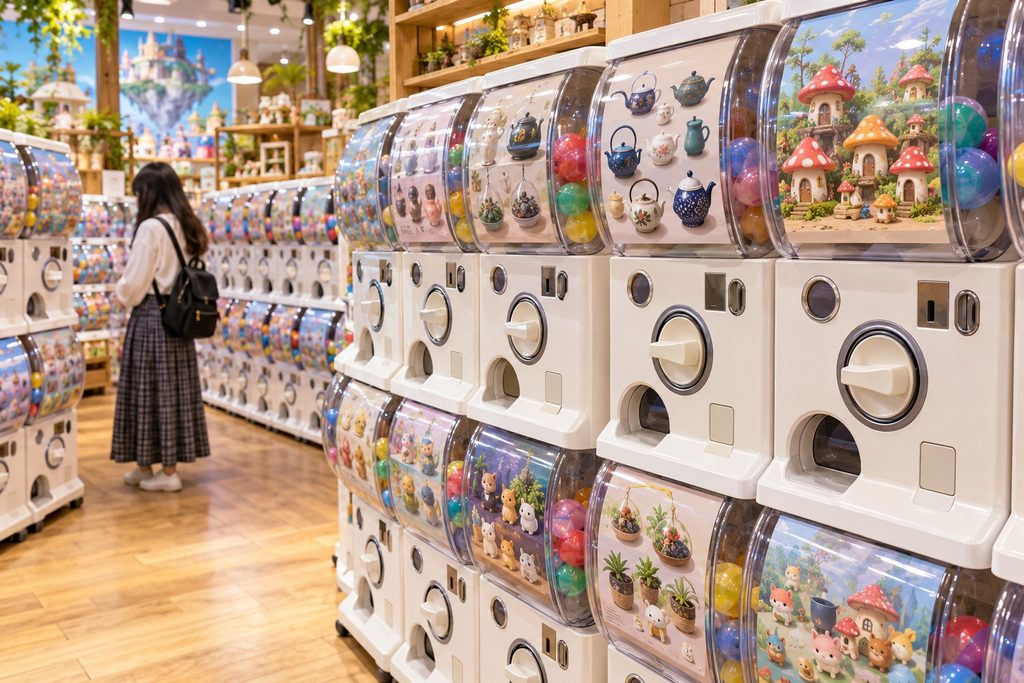
Gachapon are capsule toy machines: you pay the displayed amount and receive one item from the advertised series. The surprise is part of the appeal, whether you like character miniatures, tiny everyday objects, or peculiar animals.
Gashapon Bandai Official Shop Akihabara has an official store and inventory page, making it a useful option to check before visiting. Stock can change between checking and arrival. [4]
Read the machine’s payment instructions, insert the correct amount, turn the handle as directed, and collect your capsule. Keep coins available; do not assume every machine accepts a card. Decide how many attempts you want beforehand, since duplicates are possible and repeated tries do not guarantee a complete set.
Use designated capsule collection bins where provided. Keep small parts away from young children. For a fuller explanation, read [INTERNAL LINK: Gachapon in Japan: A Beginner’s Guide to Capsule Toys and Gacha Culture].
Japanese Arcades: Play for the Experience
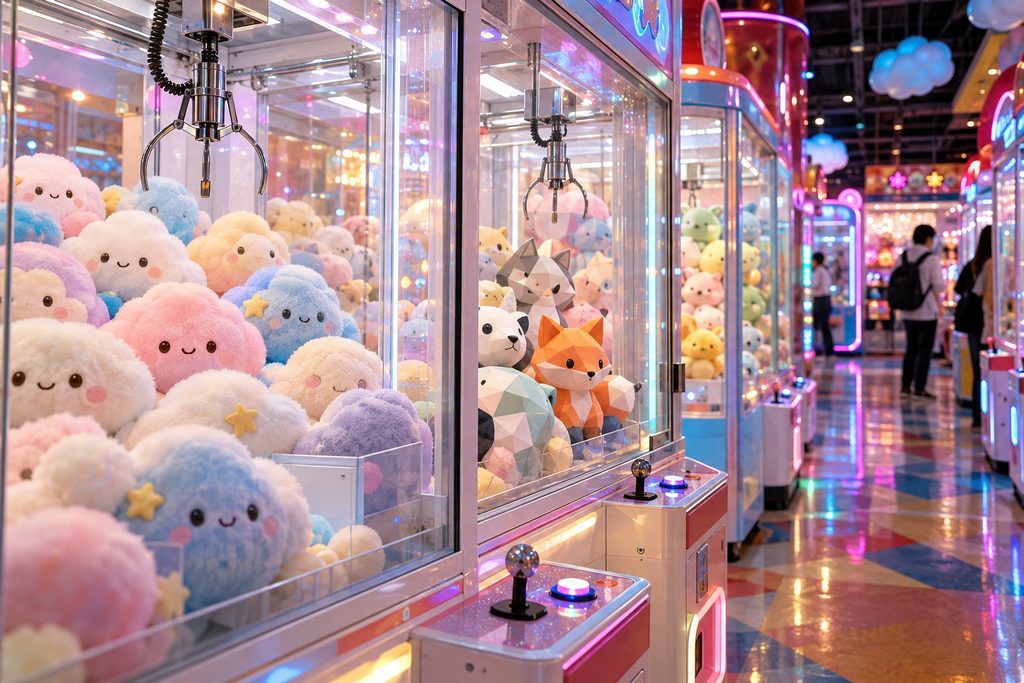
Japanese arcades combine skill, spectacle, and social routines. Crane games are an easy starting point, while rhythm games make an excellent short activity even if you do not recognize the music.
GiGO Akihabara 3 is a currently listed option on Chuo-dori. Its official page lists crane, rhythm, driving, and other game categories, with main arcade hours of 10 a.m.–11:30 p.m.; individual facilities can differ. [5]
You may recognize the name UFO Catcher, Sega’s crane-game brand. Different crane machines use different mechanisms and prize setups. Watch a turn, read the controls, and ask staff for basic guidance if necessary. Treat spending as entertainment, not a guaranteed way to acquire a particular figure cheaply.
Choose beginner difficulty for a first rhythm game. Check whether you can play as a guest before buying any player card. Follow the queue system, step away after your turn when others are waiting, and ask before filming players.
Retro Games: Browse with Compatibility in Mind
For older Nintendo, PlayStation, and Sega releases, Super Potato Akihabara is an established browsing option with a current official shop page. Its listed location is on the upper floors of the Kitabayashi Building at 1-11-2 Sotokanda. [6]
Treat nostalgia and usability as separate questions. Before buying, check the exact console version, game language, region restrictions, save functionality, included cables, and condition. Compatibility varies by platform and edition; Japanese packaging alone cannot answer these questions.
For hardware, verify the power requirements and whether you can connect it to your television. A travel plug adapter does not automatically solve voltage differences. Ask about overseas warranty support, and compare total cost against an option you can already use at home. A collectible can still be worthwhile even when you decide against buying functioning hardware.
Maid Cafes and Concept Cafes
A maid cafe is themed hospitality and entertainment: staff perform a role within a playful setting, sometimes with food decoration, short routines, or optional souvenir photos. Established maid cafes are not sexual-service venues. The broader term “concept cafe,” however, covers many formats, including places with different age policies and evening atmospheres.
maidreamin publishes a multilingual introduction and admission system; at-home cafe also publishes its visitor system. Use the specific branch’s official information when choosing. [7][8]
Before entering, ask about the seat or admission charge, minimum order, time limit, extensions, and optional photo or performance fees. Your total may combine several of these. Request the price for the experience you actually want, rather than assuming a drink price covers everything.
Photography of food, interiors, and staff may follow different rules. Ask first. Treat employees as professionals: do not touch them, request personal contact details, or photograph them outside the agreed system. You can enjoy the atmosphere without purchasing every optional extra.
For a first visit, choose a clearly identified venue with understandable pricing. Check reservations, English support, child admission, and dietary needs beforehand. Follow the cafe’s queue instructions; a tour booking does not automatically include entry or priority seating.
Akihabara maid cafe experience→
Japanese Perspective: A Neighborhood of Different Enthusiasms
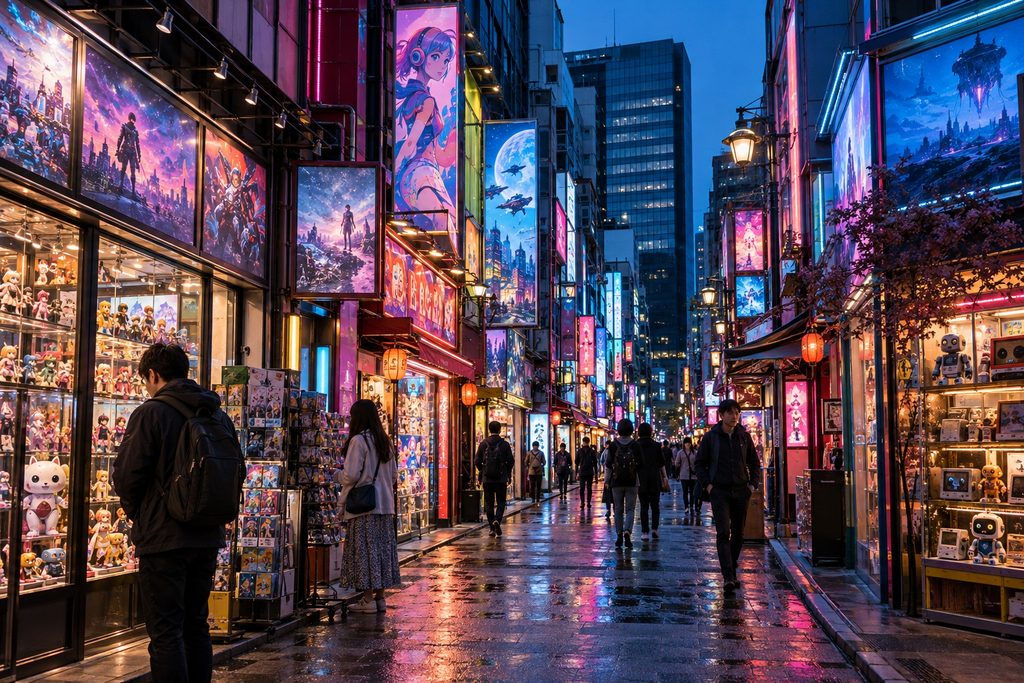
From a Japanese perspective, it is useful to see Akihabara as several overlapping worlds. Someone comparing computer components, a visitor seeking one particular acrylic stand, and a tourist enjoying neon streets may occupy the same block with very different purposes.
Its electronics heritage still helps explain that atmosphere: specialist knowledge, comparison shopping, and looking closely at small differences are part of the neighborhood’s appeal. Anime retail grew alongside those interests; electronics did not simply disappear when overseas visitors began associating the area with manga. [1]
The word otaku needs context. It can be used as a self-description for a strong interest, sometimes beyond anime, but its tone depends on the speaker and situation. Not every Japanese anime viewer adopts the label, and it is better not to assign it to strangers.
Likewise, colorful advertising does not make everyone part of a performance. Staff and shoppers deserve ordinary privacy. Do not expect a permanent cosplay parade or assume that every Japanese person knows the series you love. For related context, explore [INTERNAL LINK: Cosplay Culture in Japan] and [INTERNAL LINK: Comic Market / Comiket Guide].
What to Buy in Akihabara
Choose souvenirs by recipient, luggage space, and how you will use them.
| Souvenir | Why consider it? | Check before buying |
|---|---|---|
| Anime figures | A centerpiece for a favorite collection | Authenticity, condition, box size |
| Manga | A physical reminder of a series | Language, volume, edition |
| Keychains and character goods | Portable, useful gifts | Chosen design versus blind packaging |
| Acrylic stands | Easy to display on a desk | Base and protective film included |
| Gachapon | Small, playful keepsakes | Random designs and small parts |
| Japanese stationery | Practical for journals and everyday use | Paper size and refill availability |
| Retro games | Nostalgia or collecting interest | Platform, region, language, condition |
Akihabara is especially relevant to character-themed shopping, but it need not supply every souvenir. Save general stationery shopping for a broader Tokyo stop if the local selection does not suit you. See [INTERNAL LINK: Best Japanese Souvenirs].
Keep the Pop Culture Feeling at Home
Washi tape, flake stickers, bookmarks, and a small reading stand can make everyday routines a reminder of your trip. Flake stickers are individual cut-out stickers, while washi tape is decorative paper tape commonly used in journals and crafts. Choose designs you will actually enjoy using.
For more ideas, explore [INTERNAL LINK: Japanese Kawaii Stationery] and [INTERNAL LINK: Japanese Kawaii Culture]. Products described as Japanese-style are not necessarily made in Japan; check the seller’s details if origin matters to you.
Akihabara vs Ikebukuro vs Nakano Broadway
These are overlapping shopping scenes, not strict categories of fans. Choose by what you want to find.
| Area | Strong starting interests | Best fit for a first itinerary |
|---|---|---|
| Akihabara | Anime, manga, games, electronics, arcades | A varied shopping-and-play afternoon |
| Ikebukuro | Major anime stores, character goods, otome-oriented interests | A focused merchandise outing |
| Nakano Broadway | Older collectibles, vintage items, specialist shops | Patient browsing for unusual finds |
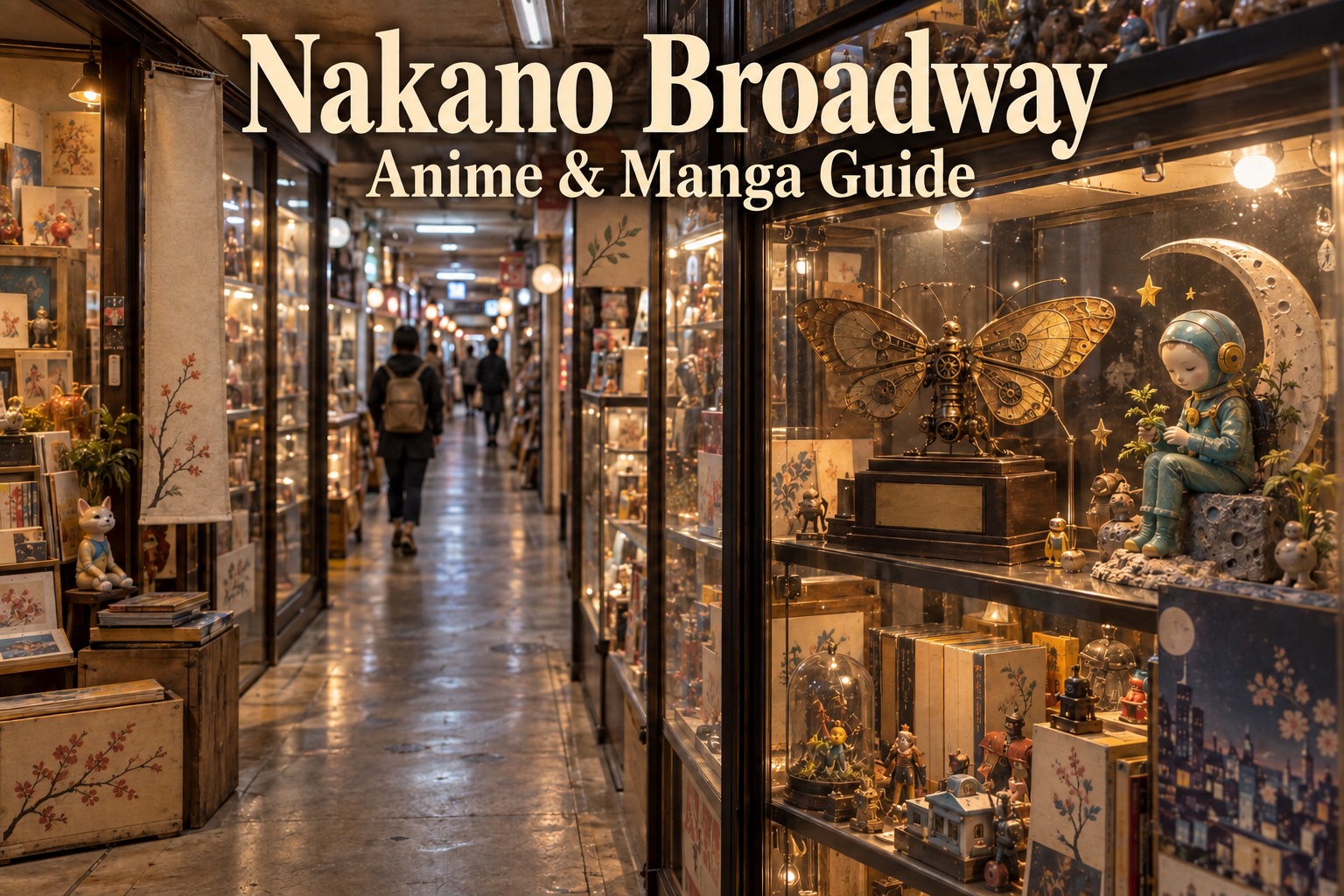
Ikebukuro’s Otome Road is associated with manga and games marketed toward women; that is a retail history, not a rule about who belongs there. Nakano Broadway offers a different concentration of specialist collecting shops. Neither area guarantees stock of a particular item. [9][10]
Continue with [INTERNAL LINK: Ikebukuro Anime Guide] or [INTERNAL LINK: Nakano Broadway Guide]. For choosing between them, see [INTERNAL LINK: Akihabara vs Ikebukuro], [INTERNAL LINK: Akihabara vs Nakano], and [INTERNAL LINK: Best Anime Shopping in Tokyo].
First-Time Visitor Tips
Timing, Crowds, and Luggage
Late morning is a practical starting point, but noon works better if secondhand shopping is your priority. Current examples differ: animate lists 10 a.m. opening for Buildings 1 and 2, while Mandarake Complex lists noon. [2][3] Save night photography for after shopping rather than arriving after your priority store closes.
Prefer a weekday if you want a calmer pace. Weekends can involve queues, busy elevators, and slower browsing. Do not build plans around pedestrianized streets without checking that day’s arrangements. Keep crossings and entrances clear when taking pictures.
Leave a large suitcase at your accommodation when possible. Lockers are useful when available, but the right size may be occupied. Wear comfortable shoes, carry water, and schedule a seated break before your attention turns into shopping fatigue.
Payment and Tax-Free Shopping
Carry both a payment card and some cash, including coins. Large retailers may accept several payment methods, but this does not guarantee acceptance at every small shop or individual machine.
Tax-free shopping depends on eligibility, the retailer, and your travel date. Bring your passport and ask before paying. Japan’s refund method begins November 1, 2026: eligible shoppers pay tax-inclusive prices, obtain customs confirmation when taking the goods out within 90 days of purchase, and receive the tax refund afterward through the retailer’s process. Before that change, the existing system applies. Do not assume an automatic airport cash refund. [11]
Store Etiquette and Shopping Budget
Ask before taking interior photographs, keep bags close in narrow aisles, and avoid blocking shelves. Do not open wrapped books or sealed merchandise. For expensive items, confirm the condition and return policy while staff can explain them.
Set separate limits for shopping, food, and games. For example, you could allocate ¥1,500 for a meal, ¥1,000 for games, and ¥2,000 for small souvenirs: ¥4,500 as your own spending plan, not a quoted local package price. Add a separately checked cafe allowance and any major collectible purchase. Browsing itself can remain a low-cost activity.
Suggested Half-Day Akihabara Itinerary
This flexible noon–5 p.m. route suits mixed interests. It assumes you choose a few stops, not every store named above.
| Time | Activity | How to keep it manageable |
|---|---|---|
| 12:00 | Arrive and orient near Electric Town Exit | Save your return point and priority shops |
| 12:15 | Anime and manga shopping | Browse one broad shop before specializing |
| 13:15 | Gachapon | Choose a spending limit before playing |
| 13:35 | Lunch | Take a proper seated break |
| 14:15 | Arcade | Try one crane or rhythm-game session |
| 14:55 | Figures, collectibles, or retro games | Pick one category and compare carefully |
| 16:00 | Optional maid or concept cafe | Allow for queues and the venue’s time system |
| 17:00 | Finish or continue to dinner | Return for neon views after sunset if desired |
Skip the cafe if collecting matters more, or shorten shopping if you want a guided introduction. Sunset varies by season, so this route does not promise darkness at 5 p.m. You can also start at 10 a.m. with an early-opening store, then visit noon-opening specialists after lunch.
Fit the neighborhood into a wider trip with [INTERNAL LINK: Tokyo Travel Guide].
How Long Should You Spend in Akihabara?
Two to three hours: Good for curious first-timers or companions who want one shop, a capsule toy stop, and a short arcade visit. Skip a time-consuming search for a rare collectible.
Half a day: The most balanced choice for many anime fans. You can compare stores, eat, and try one paid experience without forcing every interest into the schedule.
A full day: Useful for serious collectors, retro-game enthusiasts, or anyone with a long wish list. Take breaks and allow flexibility for stock disappointments.
If guided exploration appeals to you, compare route focus, group size, language, and inclusions in [INTERNAL LINK: Best Anime & Manga Tours in Tokyo: Akihabara, Nakano & Ikebukuro]. A knowledgeable guide can explain context; no tour should be assumed to guarantee rare stock or exclusive access.
FAQ
Is Akihabara worth visiting if I am not an anime fan?
Yes, if electronics, games, design, or distinctive shopping streets interest you. A two-hour visit can be enough. You do not need to buy collectibles to enjoy the area.
How many hours do you need in Akihabara?
Allow two to three hours for a sample, around five hours for a varied visit, and a full day for detailed collecting. Cafe queues and browsing speed matter more than the walking distances.
Is Akihabara expensive?
It depends on your choices. Browsing can cost nothing, while rare figures and games can be expensive. Set separate limits for random toys, arcade play, and planned purchases.
Can you buy English manga in Akihabara?
Some shops may carry foreign-language books, but selection is limited compared with Japanese stock. animate’s current floor guide lists foreign books; contact the store about a specific English title rather than assuming availability. [2]
Are maid cafes tourist-friendly?
Some established venues provide multilingual guidance. Check the exact branch’s system, current prices, and photography rules. You can choose a simple visit without adding every optional photo or performance.
Is Akihabara good for kids?
Selected toy shops and daytime arcade visits can work well. Adults should check floor directories for age-restricted merchandise, supervise small capsule toys, and confirm arcade age and evening-entry rules. Not every cafe welcomes every age.
What is the best time to visit Akihabara?
Late morning or noon gives you a useful shopping window. Choose an evening extension for illuminated streets, but check individual closing times before postponing your main purchases.
Is Akihabara better than Ikebukuro for anime fans?
Choose Akihabara for a mix of merchandise, arcades, retro games, and electronics. Consider Ikebukuro for a more concentrated character-goods outing and otome-related interests. Your favorite series and preferred activity matter most.