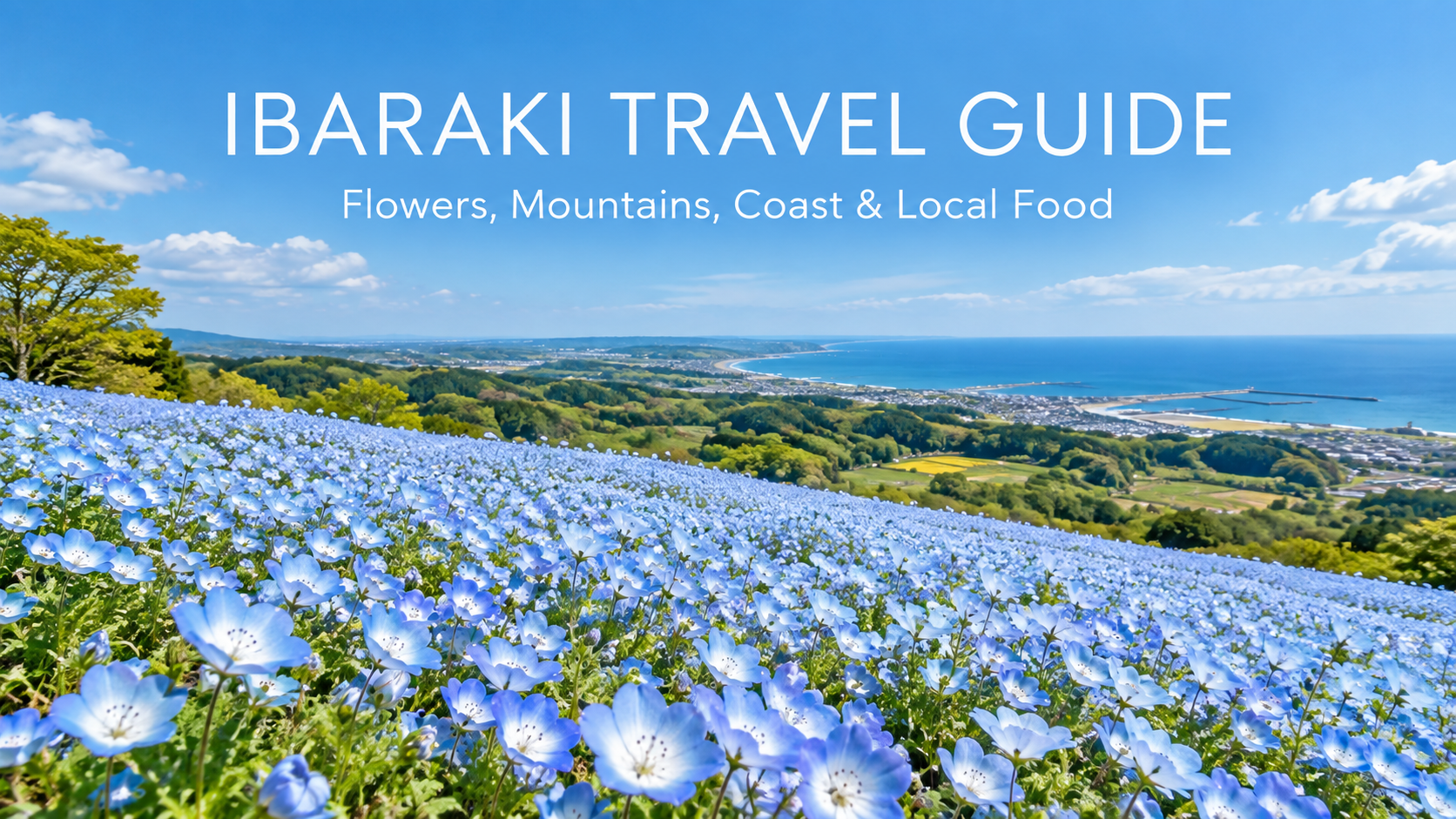
Ibaraki Prefecture sits northeast of Tokyo, yet it remains far less familiar to international visitors than many other parts of the Kanto region. That makes it an appealing choice for travelers who want impressive scenery and local culture without building an itinerary around Japan’s busiest destinations.
The prefecture offers blue flower hills, a feudal garden, a celebrated waterfall, a sacred mountain, a Pacific shrine and towns shaped by farming, fishing and pottery.
This Ibaraki travel guide covers the best places, food, seasons and transport from Tokyo, while explaining the Japanese perspective behind the landscapes.
Why Visit Ibaraki Prefecture?
Central Ibaraki has Mito, Kairakuen and Oarai’s coast. Northern areas offer waterfalls, valleys and hot springs, while Mount Tsukuba rises above the southern plains.
Some highlights work as day trips, but the prefecture rewards two or three days. Distances are greater than they appear on a map, and rural connections can be infrequent. Choose one area per day rather than trying to collect every famous sight.
1. Hitachi Seaside Park: Ibaraki’s Famous Flower Hills
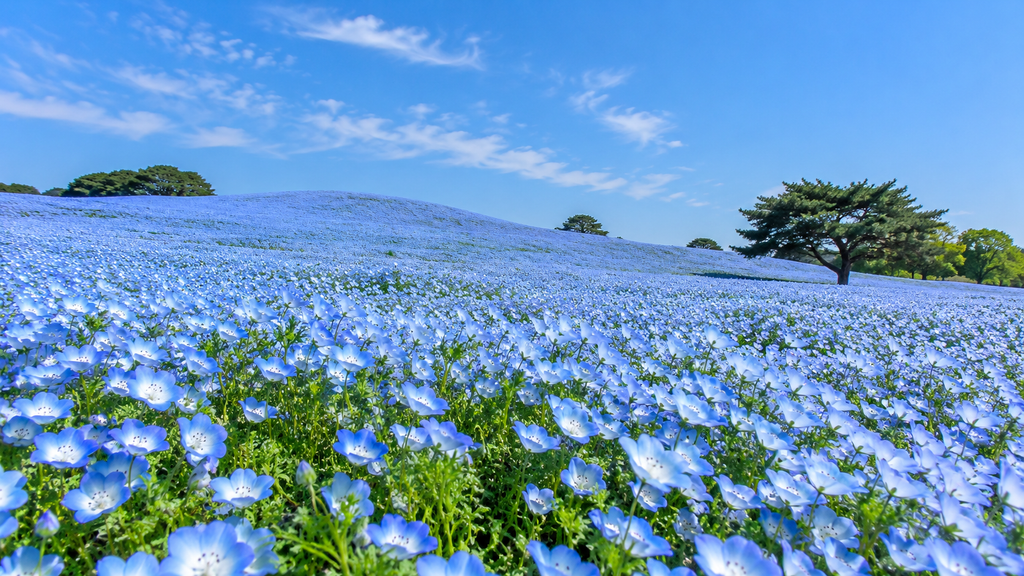
Hitachi Seaside Park in Hitachinaka is Ibaraki’s most internationally recognized attraction. Its signature landscape is Miharashi Hill, where pale blue nemophila spread beneath the spring sky. In autumn, rounded kochia bushes turn from green to vivid red. Tulips, narcissus, sunflowers and other seasonal plants add color at different times of year.
Allow several hours rather than visiting only the main hill. Walking paths, rental bicycles and a sightseeing train connect gardens, open fields and traditional farmhouses.
Flowering dates vary with weather. Check the official bloom report shortly before traveling, and expect crowds during peak nemophila and kochia periods. Arriving near opening time is usually calmer than the middle of the day.
Japanese Perspective: Seasonal Beauty Is Brief by Nature
Japanese flower viewing is closely connected to shun, the idea that something has a particular season when it is at its best. Visitors do not expect nature to look identical every week. The anticipation, short peak and gradual fading are all part of the experience.
This sensitivity is expressed through mono no aware—beauty is moving partly because it does not last. Enjoy the conditions you find rather than treating one photograph as a promise.
2. Kairakuen Garden and Mito’s Cultural History
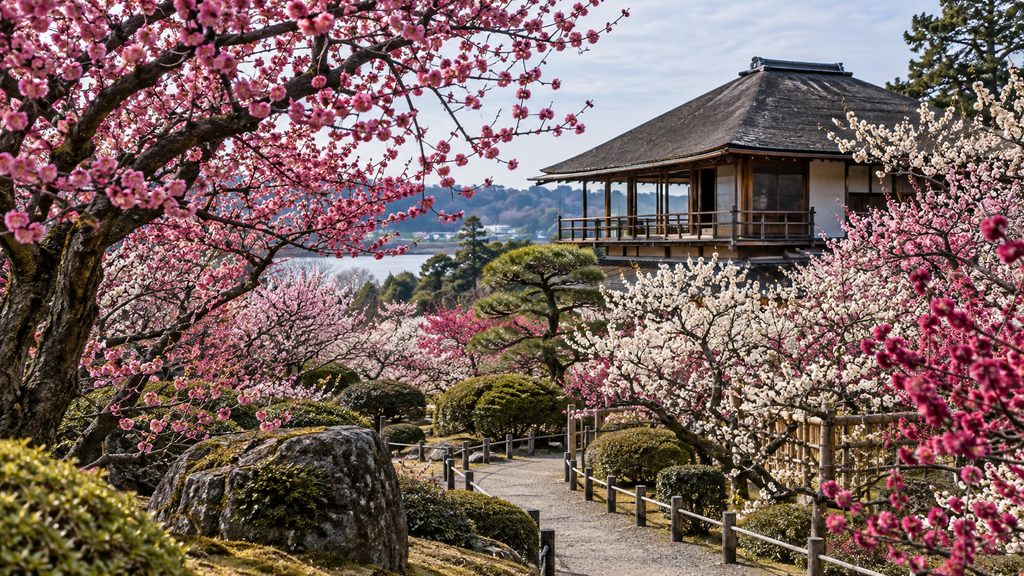
Kairakuen in Mito is traditionally counted among Japan’s three great landscape gardens. Tokugawa Nariaki, the ninth lord of the Mito Domain, established it in 1842. Its name can be understood as a garden “to enjoy together,” reflecting its role as a place of recreation as well as cultivation.
Thousands of plum trees bloom white, pink and deep red from late winter into early spring. Unlike cherry blossoms, plum flowers appear while the air is still cold, suggesting endurance and approaching spring.
Walk beyond the busiest flower area into bamboo and cedar woods, visit Kobuntei when open, and combine the garden with Lake Senba. Kodokan, the Mito Domain’s former school, adds samurai history.
Japanese Perspective: Why Plum Blossoms Matter
Plum blossoms have an old place in Japanese literary and garden culture. Their fragrance and cold-season flowering made them symbols of resilience and renewal.
Notice differences in blossom shape, shade, fragrance and timing. Attention to seasonal distinctions is central to traditional Japanese appreciation of nature.
3. Fukuroda Falls and the Rural North
Fukuroda Falls lies in Daigo, in northern Ibaraki. Water descends over a broad, four-tiered rock face, creating a scene that changes dramatically with rainfall and season. Fresh green surrounds the falls in early summer, autumn colors frame the rock, and cold winters can partially freeze the cascade.
An observation tunnel and platforms provide access without a demanding hike, though surrounding paths include slopes and steps. The nearby village has restaurants and accommodation.
Fukuroda can be reached by train and local transport, but connections require planning. A rental car makes it easier to combine the falls with hot springs, Tsukimachi Falls or countryside stops. In the busiest autumn weeks, arrive early and allow extra travel time.
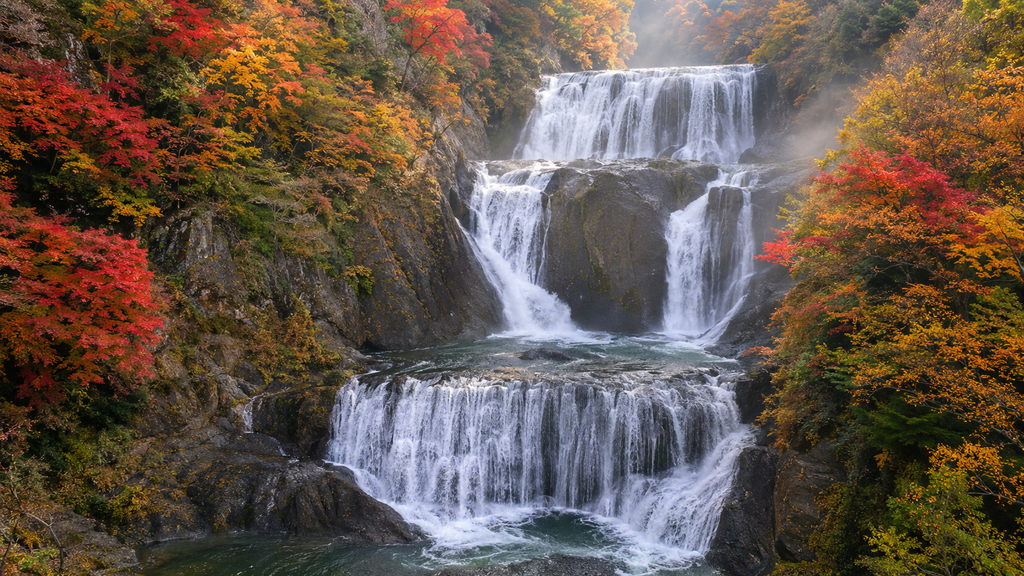
Japanese Perspective: One Landscape, Four Seasons
Fukuroda is sometimes associated with the idea of viewing it in all four seasons before fully understanding its beauty. Whether or not a traveler returns four times, the thought is revealing: a Japanese landscape is not considered visually fixed.
Rain, ice, leaves and light alter the waterfall. Rather than asking which version is best, notice what the current season contributes.
4. Mount Tsukuba: A Sacred Mountain with Open Views
Mount Tsukuba’s twin peaks stand prominently above the Kanto Plain. Forest trails pass unusual rocks, while a cable car and ropeway make the upper mountain accessible to more visitors.
Tsukubasan Shrine stands near the mountain’s base and is closely connected to the peaks. In Japanese tradition, mountains can be sacred presences rather than simply outdoor recreation areas. The two summits, Nantai and Nyotai, are associated with male and female creator deities.
Even when using mechanical transport, wear walking shoes because summit paths can be rocky and slippery. Visibility changes quickly; clear days may reveal an extensive sweep of the plain, while mist gives the forest a quieter atmosphere. Check operating information and weather before departure.
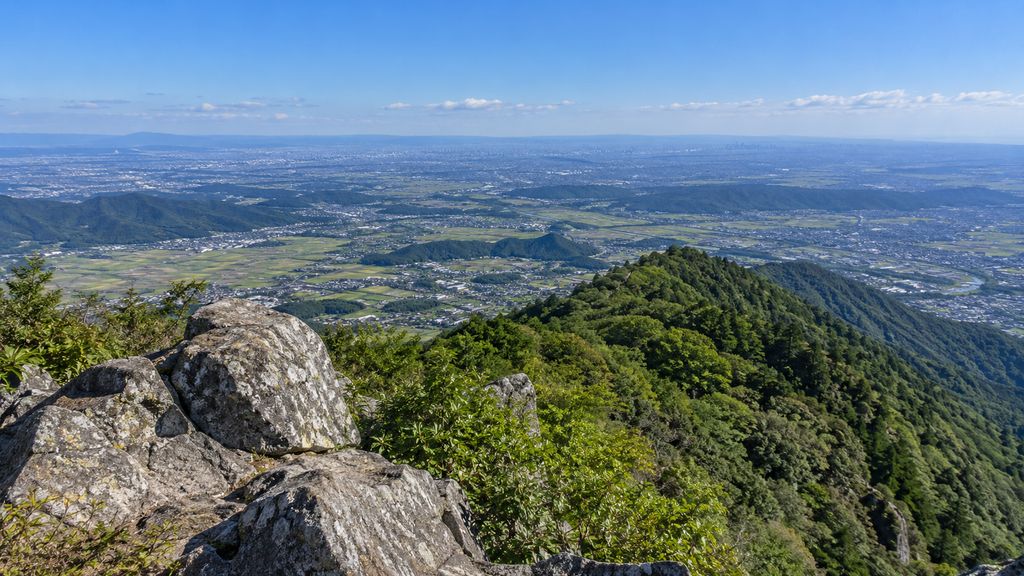
Japanese Perspective: Worship and Hiking Share the Same Path
At Mount Tsukuba, shrine visits and mountain walking naturally overlap. This reflects sangaku shinko, mountain worship found in different forms across Japan. A trail may be physical exercise, a route through nature and an approach to a sacred place at the same time.
Walk quietly through shrine grounds and avoid climbing on sacred rocks. You need not share a belief to recognize the mountain’s cultural meaning.
5. Oarai Isosaki Shrine and the Pacific Coast
Oarai Isosaki Shrine is known for the Kamiiso-no-Torii, a gate standing on rocks where waves break along the Pacific shore. Sunrise is especially atmospheric, but the coast can be windy and powerful. Stay behind barriers and never step onto slippery rocks for a photograph.
The main shrine stands inland above the coast. Visiting both areas reveals the relationship between sea, approach and sacred space. Its long history reflects prayers for safety and prosperity.
Oarai also has a strong fishing-town identity. Combine the shrine with Nakaminato Fish Market, the waterfront or other nearby attractions, but verify opening days. Public transport is possible from Mito using the Kashima Rinkai Railway and local bus or walking connections.
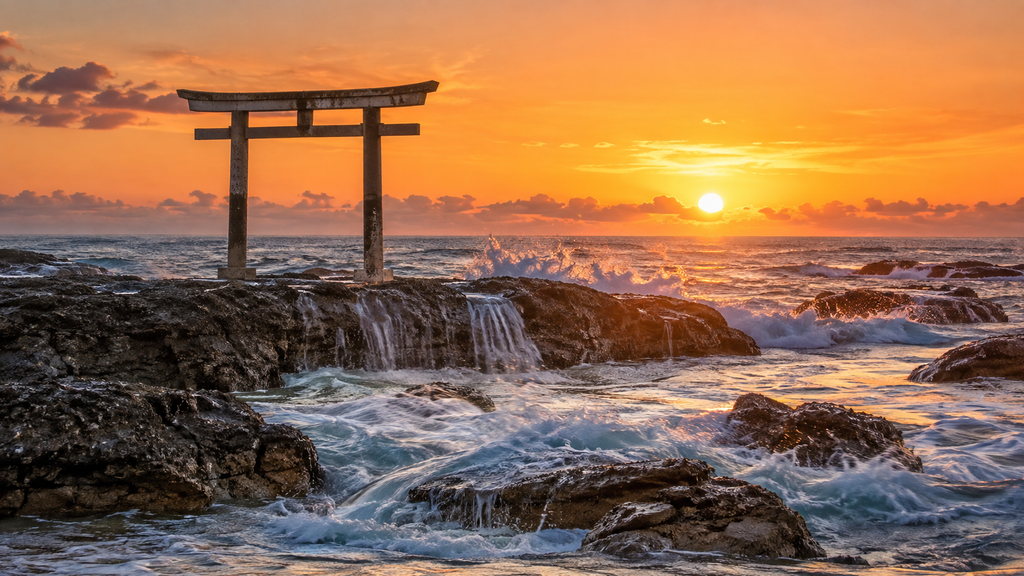
Japanese Perspective: Nature Is Not Merely a Backdrop
A torii marks a transition into sacred space. At Oarai, the gate among the rocks makes the sea itself feel inseparable from the shrine. The view is beautiful, but its meaning is deeper than a sunrise composition.
Japanese spiritual traditions acknowledge nature with gratitude and caution. Watch safely, lower your voice near worshippers and listen to the waves.
6. Kasama: Pottery, Shrines and Everyday Craft
Kasama is known for Kasama-yaki pottery. Contemporary ceramics include varied forms, glazes and individual approaches, and galleries sell vessels intended for daily use.
Crafthills Kasama and the Ibaraki Ceramic Art Museum are useful starting points. Some studios offer workshops; reserve when required. Kasama Inari Shrine adds another cultural layer.
The annual Himatsuri pottery festival is popular, but Kasama is rewarding outside festival dates when workshops and galleries are less crowded.
Japanese Perspective: Beauty Belongs in Daily Life
Japanese pottery is appreciated through touch and use. An irregular rim, varied glaze or comfortable weight can give a vessel character. This is yo no bi, beauty in practical objects.
Ask how to care for purchased ceramics. One cup used regularly can be more meaningful than a decorative souvenir.
What to Eat in Ibaraki
Agriculture shapes Ibaraki’s cuisine, while its coast and northern mountains add seafood and regional meats.
- Natto: Fermented soybeans are closely associated with Mito. The aroma and sticky texture surprise some first-time visitors; mix them with mustard and sauce, then try a small amount over hot rice.
- Anko nabe: Monkfish hot pot is a winter specialty of the coast. Different parts of the fish are simmered with vegetables in a rich broth.
- Hoshiimo: Steamed and dried sweet potato has natural sweetness and a pleasantly dense texture. It is convenient as a snack or souvenir.
- Hitachi beef: This regional wagyu is served as steak, grilled meat or sukiyaki at specialist restaurants.
- Hitachi Aki soba: Aromatic buckwheat noodles associated with northern Ibaraki are excellent served simply so the flavor remains clear.
- Fruit and chestnuts: Ibaraki produces melons and other fruit, while Kasama is particularly known for chestnuts and chestnut sweets.
- Okukuji shamo: Firm, flavorful local chicken appears in hot pots, grilled dishes and oyakodon.
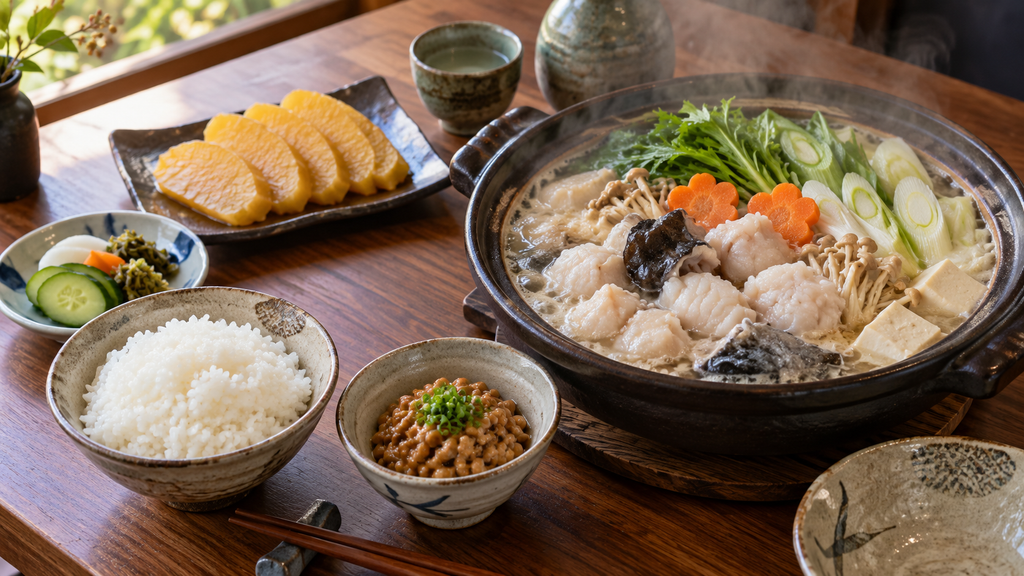
Japanese Perspective: Natto Is Ordinary, Regional and Personal
Natto is sometimes presented overseas as a challenge, but for many Japanese people it is breakfast. Some add green onion, egg or grated radish; others avoid it.
Mito’s connection to natto turns an everyday food into regional identity. Try it with curiosity: food culture includes daily habits as much as elaborate cuisine.
Best Time to Visit Ibaraki
Spring: March to May
Plum blossoms around Mito are followed by cherry blossoms and nemophila. Peak flower periods draw crowds, so book early.
Summer: June to August
Fresh greenery, hydrangeas and coastal trips are appealing, but the weather is hot and humid. Early summer often brings rain. Carry water and plan shaded breaks.
Autumn: September to November
Red kochia, mountain foliage and comfortable hiking conditions make autumn especially varied. Northern Ibaraki and Fukuroda Falls become busy during peak color.
Winter: December to February
Winter suits monkfish hot pot, clear views and early plum blossoms. Fukuroda Falls may partly freeze, depending on weather. Dress warmly.
How to Get Around Ibaraki
- From Tokyo to Mito: JR Joban Line limited express trains are convenient; local trains are slower.
- Hitachi Seaside Park: Travel to Katsuta Station, then use a bus. Extra services may operate during major flower seasons.
- Mount Tsukuba: The Tsukuba Express connects Tokyo with Tsukuba Station; a shuttle bus continues toward the mountain.
- Fukuroda Falls: Use Fukuroda Station, then local transport or a substantial walk. Check connections.
- Oarai: Use the Kashima Rinkai Railway from Mito, then walk or take local transport.
- Rental car: A car is valuable for northern Ibaraki, rural food stops and itineraries combining distant areas.
- IC cards and cash: IC cards work on many major routes, but carry cash for rural buses, small shops and admission counters.
Always check official timetables, seasonal buses, facility closures and weather conditions before departure.
Suggested 3-Day Ibaraki Itinerary
Day 1: Mito and Oarai
Explore Kairakuen and Lake Senba, then continue to Oarai. Visit the shrine and view the coastal torii safely. Eat seafood or winter anko nabe.
Day 2: Hitachi Seaside Park and Kasama
Start early at Hitachi Seaside Park, then continue to Kasama for pottery and Kasama Inari Shrine. If connections are inconvenient, give Hitachinaka the full day.
Day 3: Mount Tsukuba
Hike Mount Tsukuba or use the cable car and ropeway, then visit Tsukubasan Shrine. Choose museums or pottery in poor weather.
Practical Travel Tips
- Check live flower reports instead of relying on dates from previous years.
- Visit popular seasonal locations early in the morning.
- Do not combine northern Ibaraki and Mount Tsukuba in one rushed day.
- Wear shoes with grip at waterfalls, mountains and coastal viewpoints.
- Keep away from waves and slippery rocks around the Oarai torii.
- Reserve pottery workshops when required and ask about shipping finished work.
- Carry a small towel and reusable water bottle in humid weather.
- Confirm the last bus or train before eating dinner in a rural area.
Frequently Asked Questions About Ibaraki
Is Ibaraki worth visiting from Tokyo?
Yes. It offers famous flower scenery, gardens, mountains, waterfalls and coastal culture within the Kanto region, but generally feels less urban than Tokyo.
Can I visit Ibaraki on a day trip?
Yes. Mito and Kairakuen, Hitachi Seaside Park, Mount Tsukuba or Ushiku Daibutsu can each form a separate day trip. Fukuroda Falls is possible but requires careful timetable planning.
When is the best time for Hitachi Seaside Park?
Nemophila usually draws visitors in spring and red kochia in autumn, but exact peak dates vary annually. Use the park’s official flowering information before traveling.
Do I need a rental car?
Not for the main destinations if you plan around trains and buses. A car is helpful for northern Ibaraki, countryside restaurants and trips linking several distant attractions.
How many days should I spend in Ibaraki?
One day works for a focused excursion. Two or three days allow you to combine a garden or flower park with the coast, a mountain and regional food.
What food is Ibaraki famous for?
Well-known specialties include Mito natto, monkfish hot pot, dried sweet potato, Hitachi beef, Hitachi Aki soba, melons, chestnuts and Okukuji shamo chicken.
Final Thoughts
Ibaraki does not fit a single travel image. Its appeal comes from contrasts: designed gardens and open flower fields, research cities and sacred peaks, quiet pottery workshops and a powerful Pacific coast.
The prefecture becomes most memorable when you look beyond the photograph. Notice the cold air around early plum blossoms, the changing water at Fukuroda, the shrine path continuing into a mountain, or the everyday usefulness of a handmade bowl. These details reveal a Japanese perspective in which season, place and daily life give scenery its meaning.
Choose one or two areas, leave room for local transport and let the season guide part of the experience. Ibaraki may be close to Tokyo, but it offers a journey with a character entirely its own.
Explore More of Kanto
Ibaraki offers flowers, gardens, mountains and Pacific scenery within reach of Tokyo. Continue your journey through neighboring parts of Kanto.
Chiba Travel Guide
Follow the Pacific side of Kanto south toward historic Narita and Sawara, mountain temples and the Boso Peninsula coastline.
Read next: Chiba Travel Guide: Temples, Coastal Scenery, Local Food and Easy Trips from Tokyo
Tochigi Travel Guide
Head northwest for Nikko’s sacred sites, dramatic waterfalls, mountain lakes and relaxing hot-spring destinations.
Read next: Tochigi Travel Guide: Nikko, Mountain Scenery, Hot Springs and Local Food
Tokyo Travel Guide
Use Tokyo as a base or contrast Ibaraki’s quieter landscapes with the capital’s historic districts, modern neighborhoods and food culture.
Read next: Tokyo Travel Guide: Neighborhoods, Food and Japanese Culture
See more destinations in our Kanto Travel Guides.