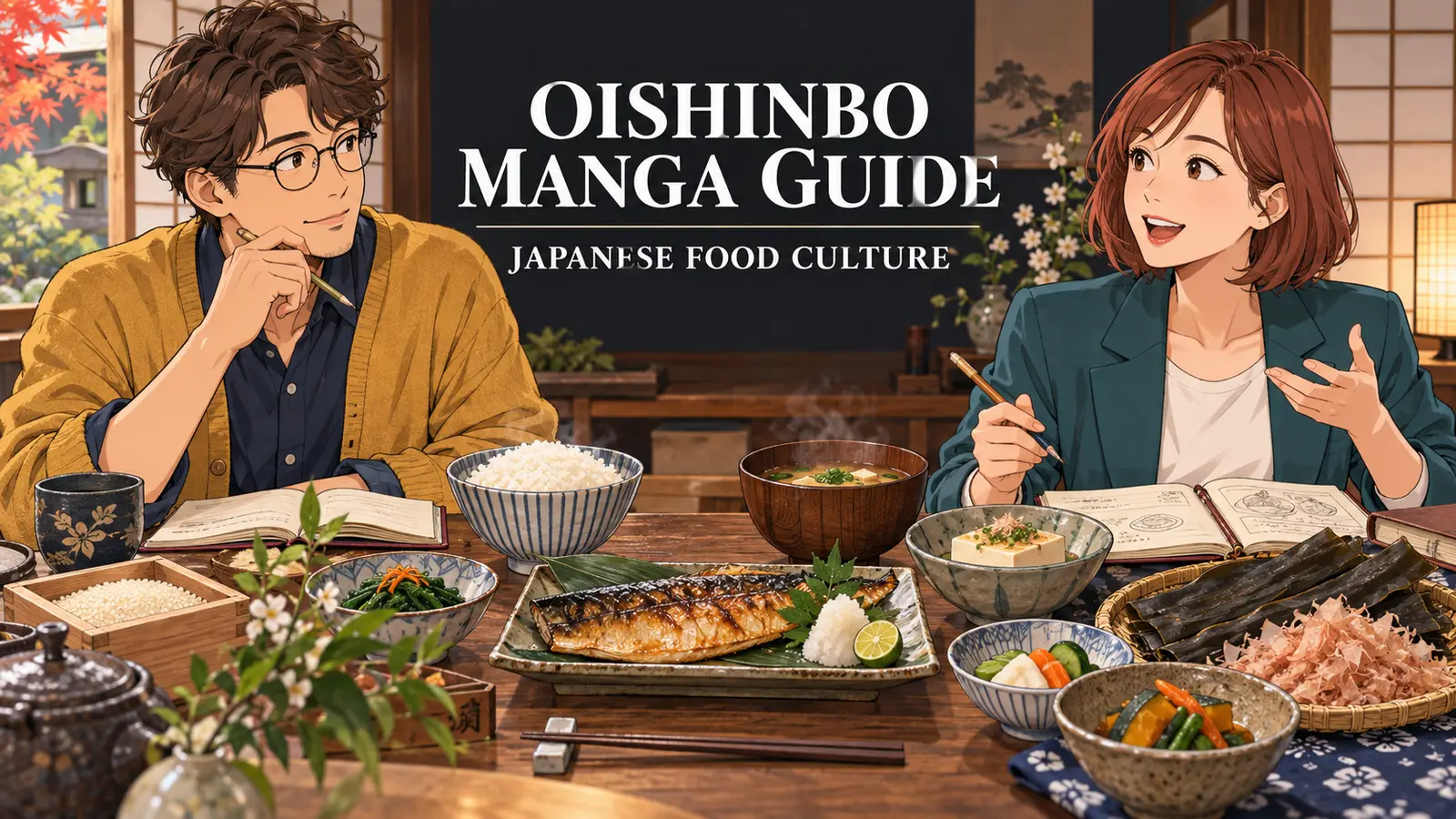
Oishinbo is one of Japan’s best-known food manga, but it is more than a collection of food stories. Written by Tetsu Kariya and illustrated by Akira Hanasaki, the series uses meals to examine craftsmanship, regional identity, family conflict, agriculture, and the changing ways people eat in Japan.
For an overseas reader, it is an entertaining introduction to dashi, seasonality, local dishes, and the value placed on carefully prepared simple food. It is also a drama with strong opinions—not a neutral textbook. This guide explains its appeal, the English editions, and where a new reader can begin.
Copyright note: Oishinbo was created by Tetsu Kariya and Akira Hanasaki and is published by Shogakukan. Images on this page are original illustrations created for this website. They are not reproductions of manga panels, covers, or copyrighted characters.
What Is Oishinbo About?
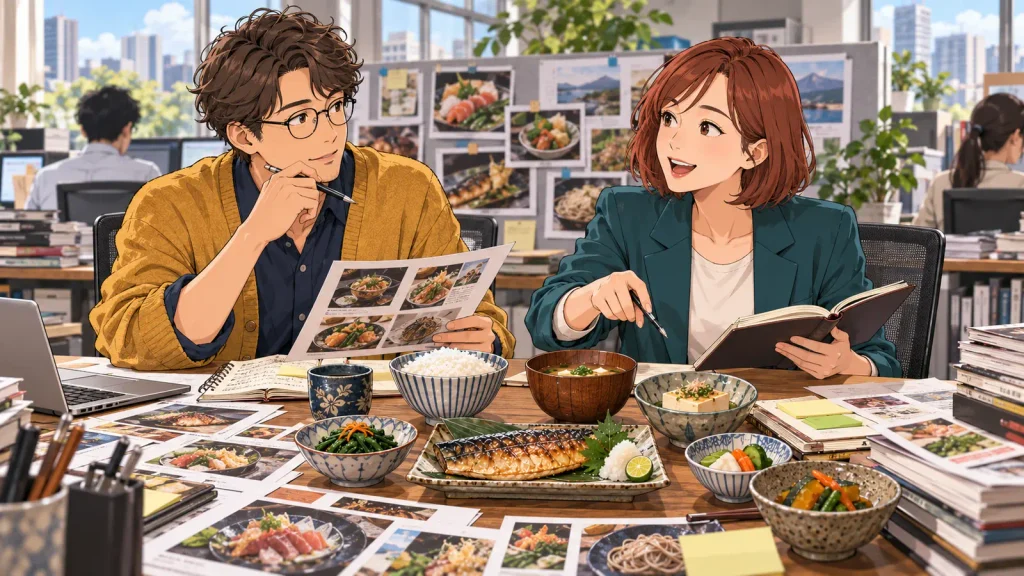
The main character, Shiro Yamaoka, works for the fictional Tozai News. Although he appears lazy, he has a sensitive palate and deep knowledge of food. He and his colleague Yuko Kurita are chosen for the newspaper’s “Ultimate Menu” project, an attempt to represent the finest qualities of Japanese cuisine.
The project soon brings Yamaoka into conflict with his estranged father, Yuzan Kaibara, a famous artist and culinary authority. Kaibara leads a rival “Supreme Menu” project. Their competition gives the story its larger structure, but the arguments are rarely only about which dish tastes better. Food becomes a language for discussing pride, memory, responsibility, and the damaged relationship between father and son.
Many chapters begin with a small problem: a restaurant’s food lacks character, a guest dismisses a humble ingredient, or two people disagree about authenticity. Yamaoka investigates the ingredients, preparation, and cultural background. The solution may depend as much on understanding the diner as on technical skill.
Why Oishinbo Is More Than a Food Manga
Food in Oishinbo is both the subject and the method of storytelling. A discussion of broth or rice can become a dispute about farming, restaurant culture, business ethics, or family expectations. Culinary knowledge is part of the drama rather than an interruption to it.
The series also questions whether expensive ingredients automatically create a superior meal. Carefully cooked rice, balanced soup, or a seasonal vegetable may matter more than prestige. Good food is presented as the result of attention, knowledge, and respect rather than price alone.
Sushi and ramen appear, but so do regional specialties, preserved foods, broths, pickles, and home-style meals that receive little attention in general travel guides.
Five Japanese Food Ideas the Manga Helps Readers Notice
1. Dashi: the foundation that is easy to overlook
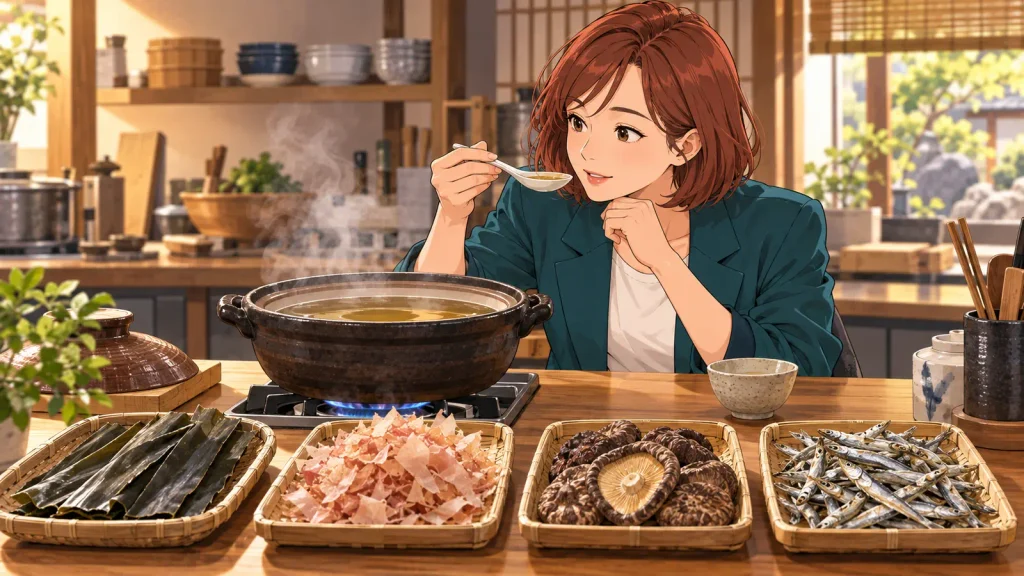
Dashi is the stock beneath many Japanese soups, simmered dishes, and sauces. Common ingredients include kombu kelp, dried bonito, dried sardines, and shiitake mushrooms. The broth may look simple, so a first-time visitor can easily miss how much it shapes the taste.
Oishinbo asks readers to notice these foundations. Miso soup, udon broth, and simmered dishes can use different forms of dashi, and each choice affects aroma, depth, and balance.
The lesson is not that one stock is always “correct,” but that simple food often depends on choices the diner cannot see.
2. Shun: enjoying an ingredient in its season
The Japanese word shun refers to the time when an ingredient is considered at its seasonal best—when a fish is especially flavorful, a vegetable has the right texture, or a dish suits the weather.
Modern distribution makes many ingredients available year-round, but seasonal awareness remains visible in restaurant menus, supermarket displays, sweets, and home cooking. In Oishinbo, timing is part of quality rather than decoration.
For travelers, a seasonal menu or regional market may reveal more about local food culture than a list of nationally famous dishes.
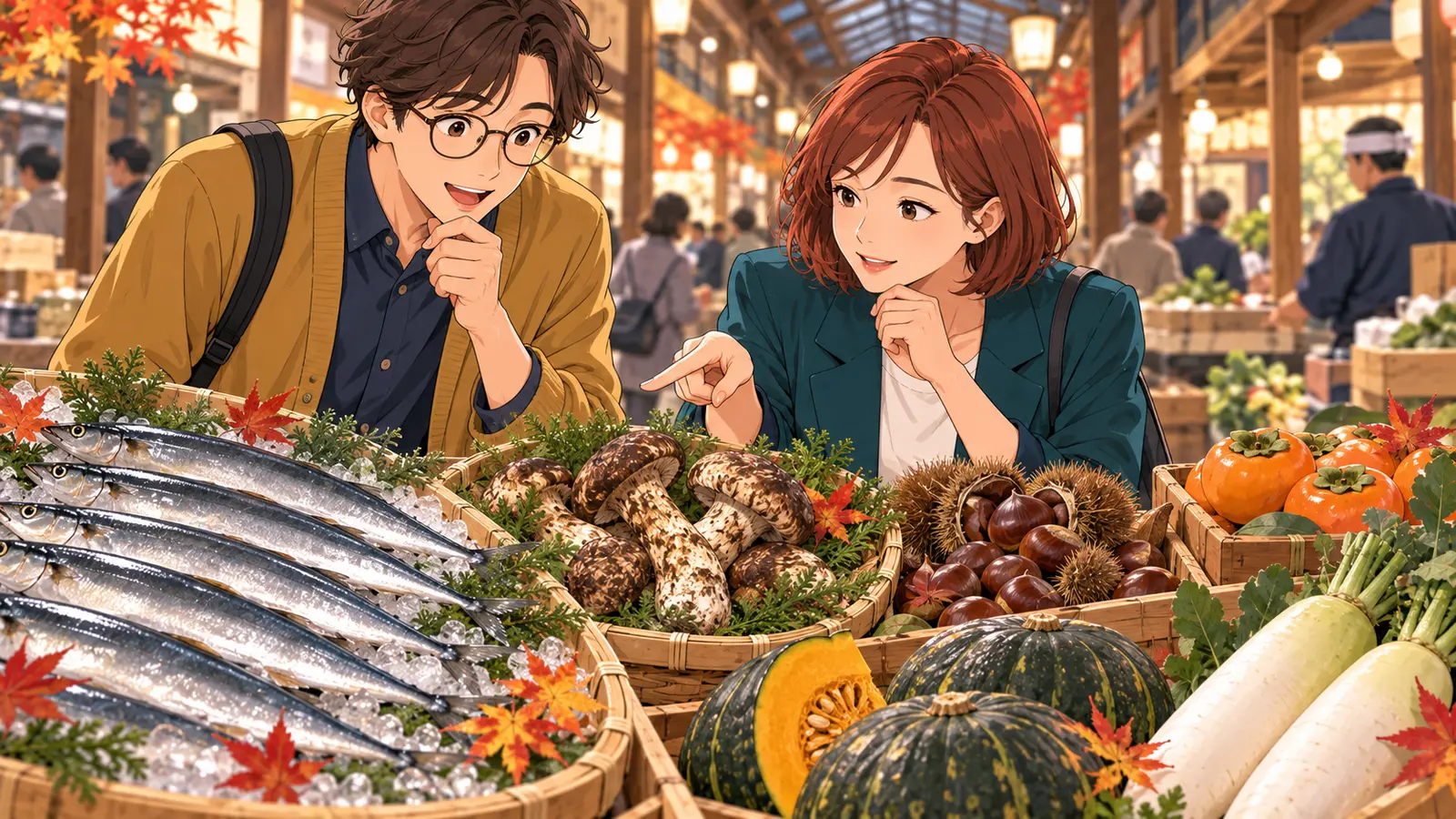
3. Regional cuisine is part of local identity
Japanese cuisine is not uniform. Climate, agriculture, access to the sea, preservation, and local history have produced distinctive dishes across the country. Japan’s Ministry of Agriculture, Forestry and Fisheries documents the origins, recipes, and local background of such dishes in its official regional-cuisine database.
Oishinbo treats regional food as an expression of home and community, not merely a novelty. This is why its food arguments can become personal: criticizing a dish may feel like criticizing someone’s memories or identity.
4. Simplicity can reveal skill
A highly decorated dish can hide small weaknesses; simple food often cannot. Carefully selected and cooked rice needs little embellishment. Clear soup exposes its stock, and fresh fish leaves nowhere for an off flavor to hide.
This does not mean all Japanese food is light or minimalist. Japan also has rich curries, fatty ramen, fried food, and robust pub dishes. The point is that simplicity can be deliberate and may require as much skill as complexity.
5. A meal depends on context
The “best” food in Oishinbo is not always the most technically impressive. A dish can suit a guest, repair a misunderstanding, recall home, or arrive at the right moment. Serving food therefore involves observation as well as cooking.
This is not uniquely Japanese, but the manga makes the context visible: who prepared the food, who receives it, and why the meal matters now.
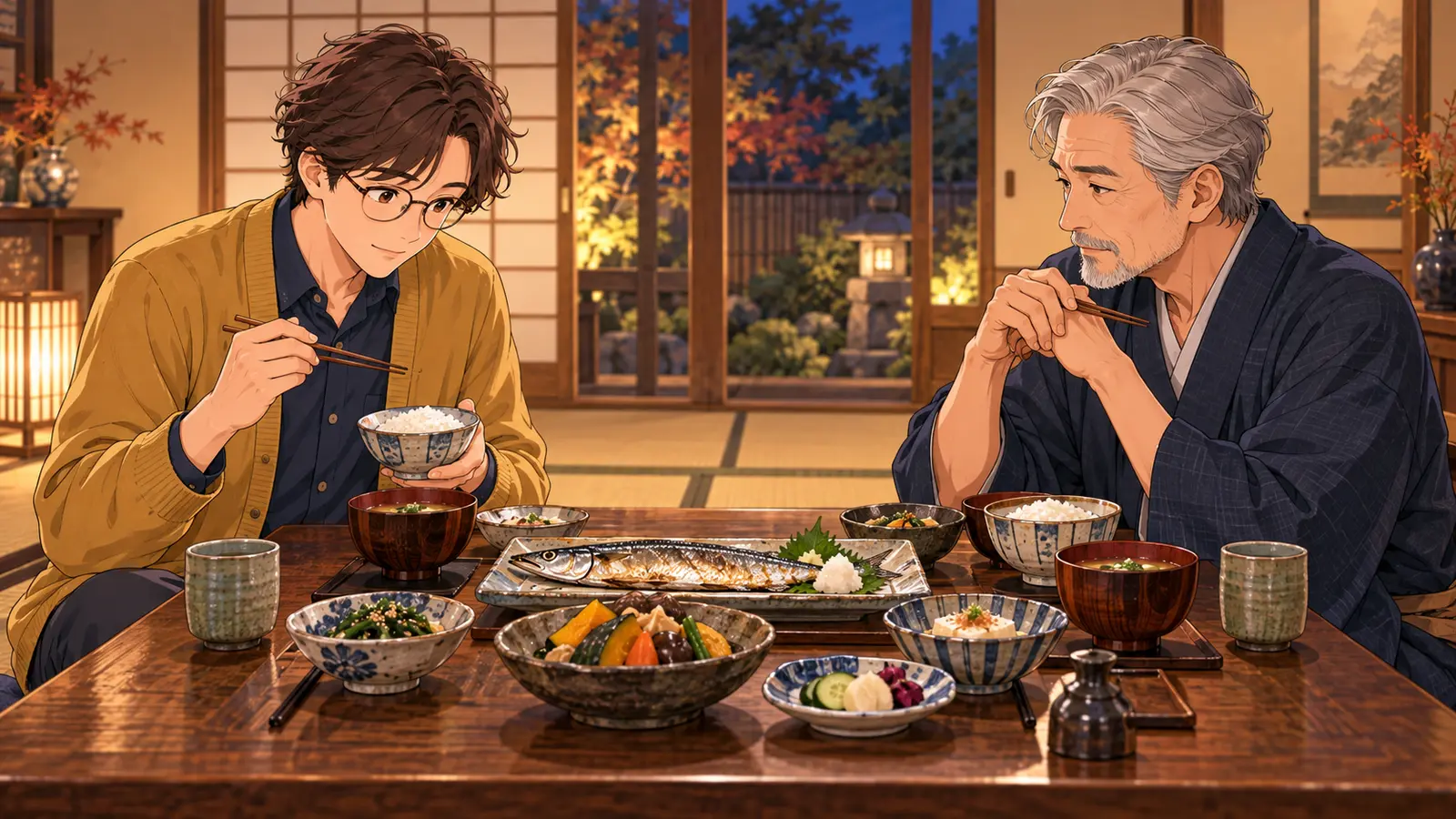
Japanese Perspective: Food Arguments Are Also Relationship Arguments
From a Japanese cultural perspective, many of Oishinbo‘s loud culinary debates conceal quieter emotional conflicts. A character may call a technique wrong when the deeper issue is wounded pride or a failure to understand someone else’s circumstances. Yamaoka and Kaibara’s food knowledge connects them, but also gives them a weapon.
My reading is that the series is strongest when food lets characters say what they cannot express directly. A remembered dish can become an apology; recognizing an ingredient’s origin can restore respect.
This keeps the story engaging even when an ingredient is unfamiliar. The human question remains clear: will knowledge be used to dominate someone, or to understand them?
What Oishinbo Gets Right—and Why Readers Should Still Think Critically
Oishinbo encourages readers to ask where ingredients come from, why methods differ by region, and how food connects to history. Farmers, fishers, craftspeople, and cooks are treated as important sources of knowledge.
However, it is not a current scientific or food-safety authority. The series spans many years, and some claims or industry conditions reflect when a chapter was written. Nutrition, environmental evidence, and safety guidance can change. Dramatic dialogue may also make one character’s forceful opinion sound like settled fact.
For claims affecting health or safety, check current public guidance. For cultural topics, compare more than one source. This does not reduce the story’s value; it makes the reading more thoughtful.
How the English Editions Work
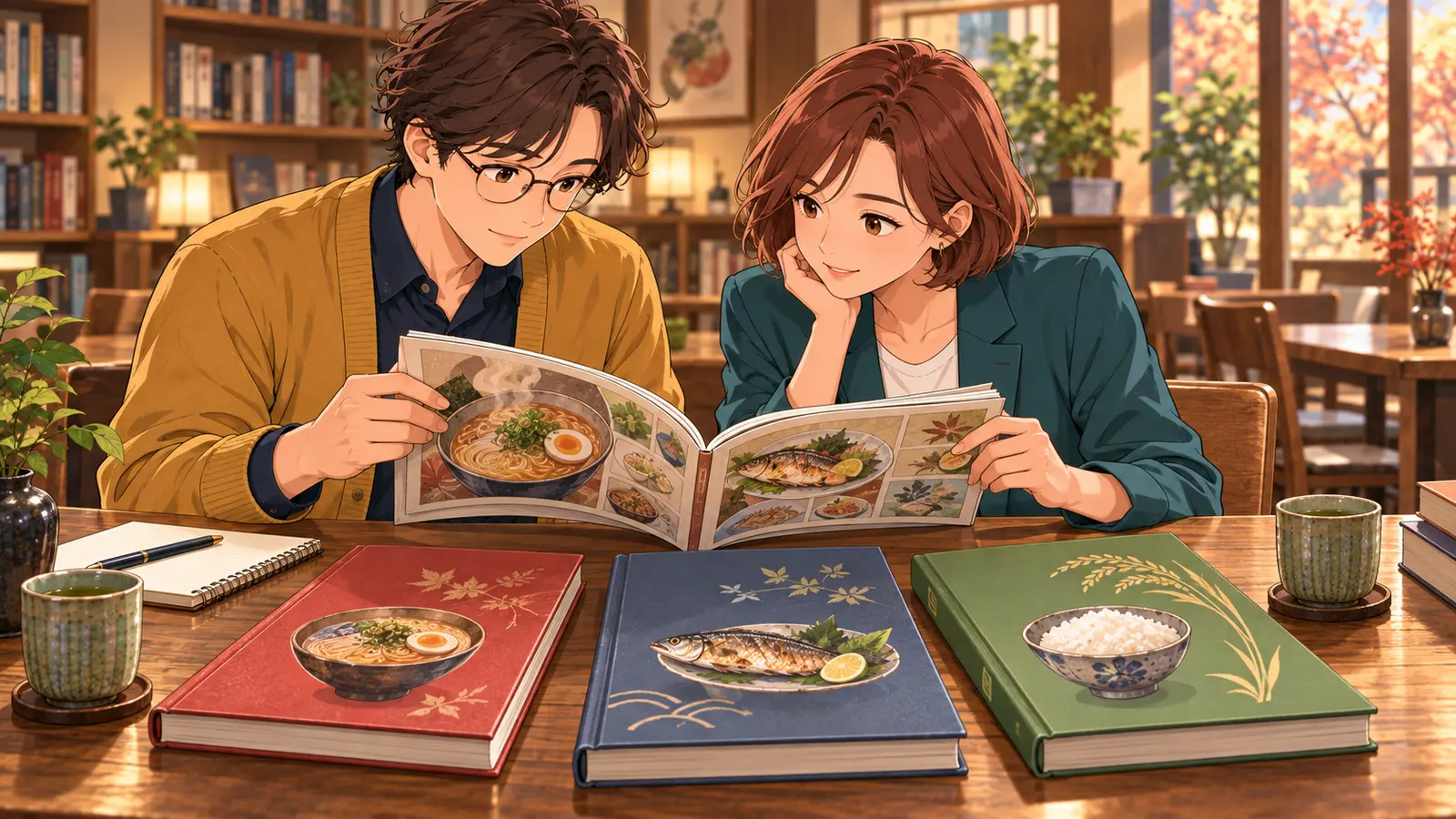
English readers will usually encounter VIZ Media’s Oishinbo: A la Carte. These books are themed selections from the larger Japanese series, not a complete release in its original order.
The format lets beginners choose Japanese cuisine, sake, ramen and gyoza, fish and sushi, vegetables, rice, or izakaya food. The trade-off is that relationships and the menu rivalry do not develop as smoothly as in a chronological edition.
For broad cultural context, start with Japanese Cuisine. If one subject already interests you, choose its themed volume. Readers who want the full narrative in Japanese can begin with Shogakukan’s original first volume.
Where Should a Beginner Start?
There are three sensible starting points:
- For a broad introduction in English: begin with Oishinbo: A la Carte—Japanese Cuisine.
- For a particular food interest: choose the themed English volume closest to what you already enjoy, such as ramen, sushi, rice, or izakaya food.
- For the story in its original sequence: read Japanese Volume 1, if you are comfortable reading Japanese.
Our separate Oishinbo Volume 1 guide looks more closely at the first Japanese volume and the dishes used in its early conflicts. This page, by contrast, is a general guide to the series and its cultural themes.
Who Will Enjoy Oishinbo?
The manga suits readers who enjoy food history, restaurant culture, regional traditions, or debates about craftsmanship. It can also give travelers more context before eating in Japan.
It is less suitable for someone expecting fast action or a recipe book. Much of the drama comes from explanation and disagreement, and educational passages are a major part of the experience.
No advanced food knowledge is required, provided you remember that the manga offers a viewpoint—not the final answer on every subject.
Reading Oishinbo Alongside a Trip to Japan
The series can change how you view everyday meals in Japan. Notice the stock in noodles, seasonal fish, local miso, and the balance of rice, soup, and side dishes rather than seeking only expensive restaurants.
Our guides to ramen, sushi, and Japanese curry explain what visitors encounter today. Browse the Japanese Food category for more dishes and ordering advice.
The goal is not to judge every meal like Yamaoka or Kaibara, but to become curious about the choices behind it.
Interested in Reading Oishinbo?
The English A la Carte editions are the easiest entry point for many overseas readers. Check the title and language before ordering because Japanese and English versions may appear together.
View Oishinbo on Amazon (paid link)
As an Amazon Associate I earn from qualifying purchases.
Frequently Asked Questions
Is Oishinbo a cookbook?
No. It is a story-driven manga with detailed discussion of ingredients, techniques, and food culture, not a tested recipe book.
Do I need to read Japanese to enjoy Oishinbo?
No. VIZ Media published themed English selections as Oishinbo: A la Carte. The complete original sequence is in Japanese.
Are the English volumes in chronological order?
Not exactly. The English A la Carte books organize selected chapters by food theme, so they do not reproduce the entire Japanese series in its original order.
Is Oishinbo suitable for beginners to Japanese food?
Yes. Begin with a broad or personally interesting theme and use unfamiliar terms for further reading.
Are all of the manga’s food claims still current?
Not necessarily. Some scientific, nutritional, environmental, or food-safety claims may be dated or disputed. Check current official guidance when health or safety is involved.
Which Oishinbo volume should I read first?
For English readers, Japanese Cuisine offers the broadest introduction. Otherwise, choose a favorite theme. Readers in Japanese can start with original Volume 1.
Final Thoughts
Oishinbo rewards readers interested in why food matters, not only how it tastes. Its strongest chapters connect technique with people, place, and feelings that characters struggle to express directly.
Read its opinions critically, especially claims about science or safety. With that caution, the series remains a rich introduction to season, origin, craft, hospitality, memory, and identity. Treat it as a passionate conversation about food, then explore beyond the page.