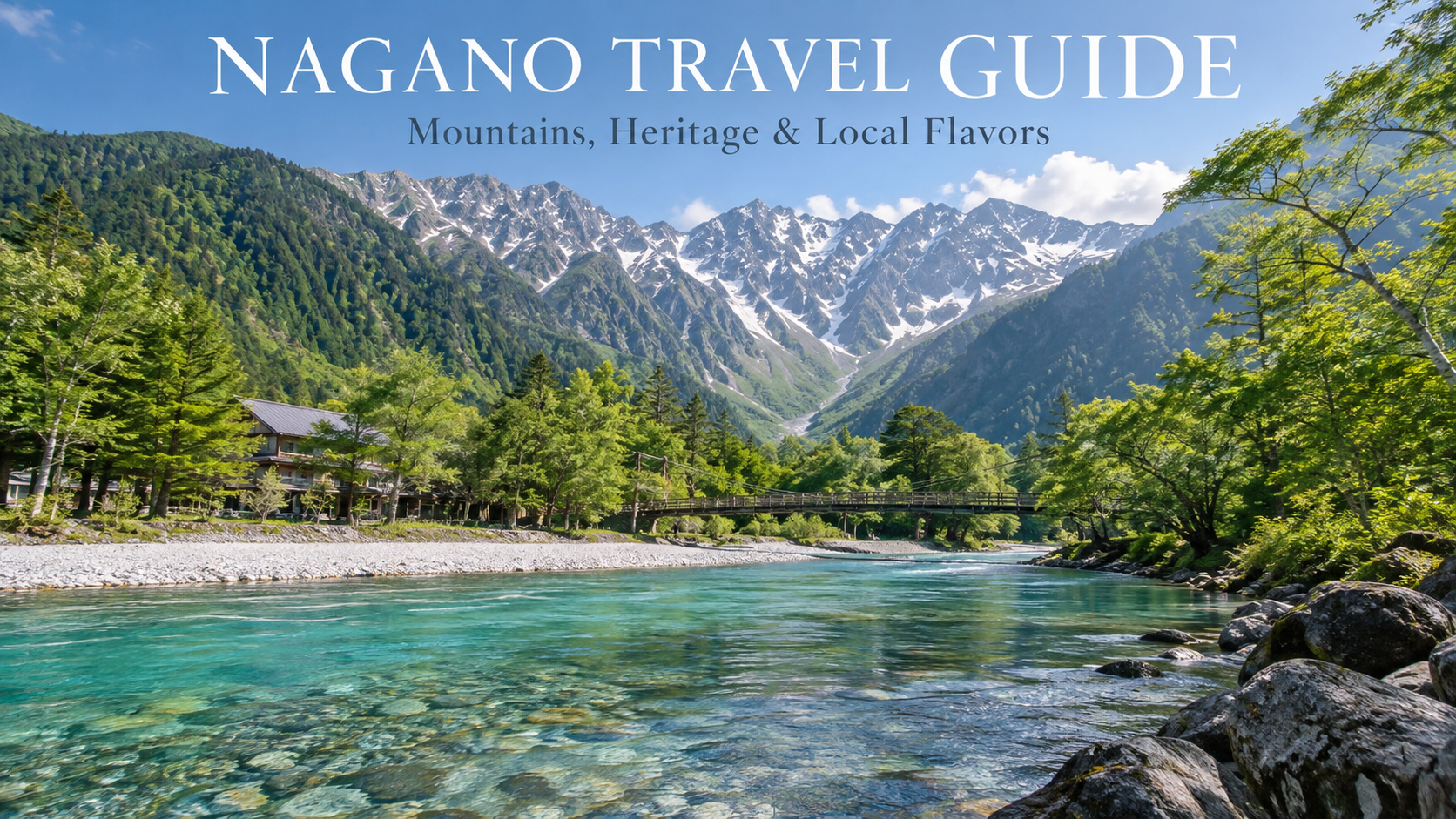
Nagano offers a different rhythm from Japan’s biggest cities. Mountain ridges frame castle towns, wooden streets preserve traces of old travel routes, and a simple lunch of soba noodles can become a memorable part of the day.
For first-time visitors, the challenge is deciding which part of this large, inland prefecture to explore. Matsumoto, Nagano City, the Kiso Valley, and the alpine resorts serve different kinds of trips. Choose a comfortable base and leave room for the weather.
This Nagano travel guide combines well-known sights with a Japanese perspective on the food, faith, and everyday details that connect them.
Why Visit Nagano?
Nagano combines historic streets, mountain scenery, and regional cooking in one prefecture. You can explore a castle town without hiking, enjoy a riverside walk without climbing a peak, or spend several days around temples and hot springs.
You will also encounter the name Shinshu, a historical regional name still used for local food and products. Seeing “Shinshu soba” on a menu is a small introduction to that continuing regional identity.
For a first visit, choose Matsumoto for the castle, Kamikochi, and Narai-juku. Choose Nagano City for Zenkoji and onward travel toward the snow monkey area. Combining both works best when you have extra days.
1. Matsumoto: A Castle Town Worth Exploring Slowly
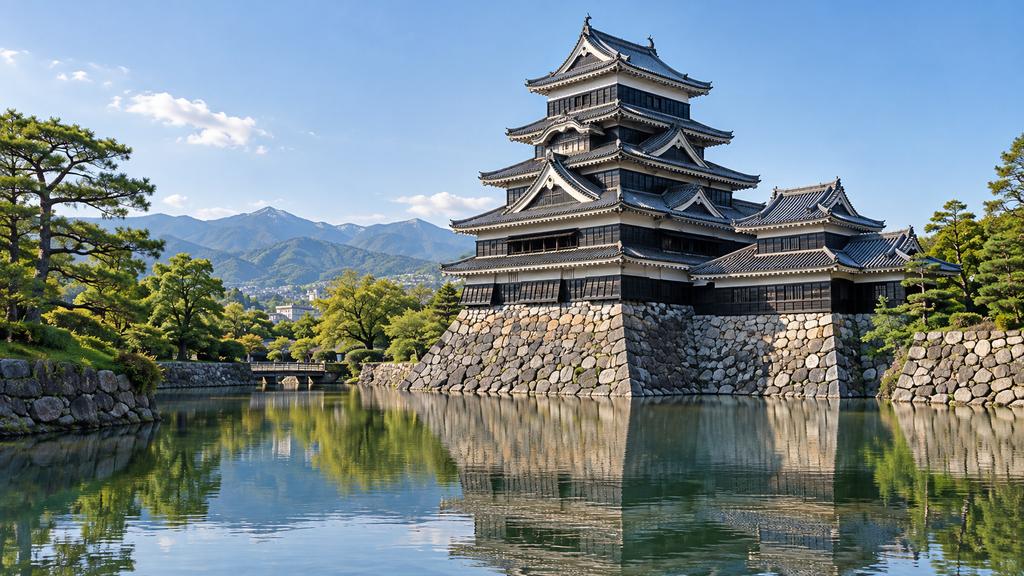
Matsumoto Castle is the city’s visual centerpiece, with dark timber, pale plaster, and a moat reflecting its silhouette. Walking around the outside gives you time to appreciate the structure before deciding whether to enter.
The keep’s interior involves steep, narrow stairs, and there is no elevator. Shoes must be removed and carried inside. Visitors with limited mobility may prefer the grounds and exterior views; check the official visitor information before planning an interior visit.
Afterward, spend time in the surrounding town. Browse small shops, find a cafe, and enjoy lunch without immediately moving to the next destination. A castle visit feels more complete when you also experience the streets around it.
Japanese Perspective: Look Beyond the Landmark
Try noticing the transition between the castle grounds and ordinary town life: a neighborhood shop opening for the day, bicycles parked outside a cafe, or a locally made bowl in a window. These details help connect a historic monument to the contemporary city that looks after it.
2. Kamikochi: Experience the Japanese Alps at River Level
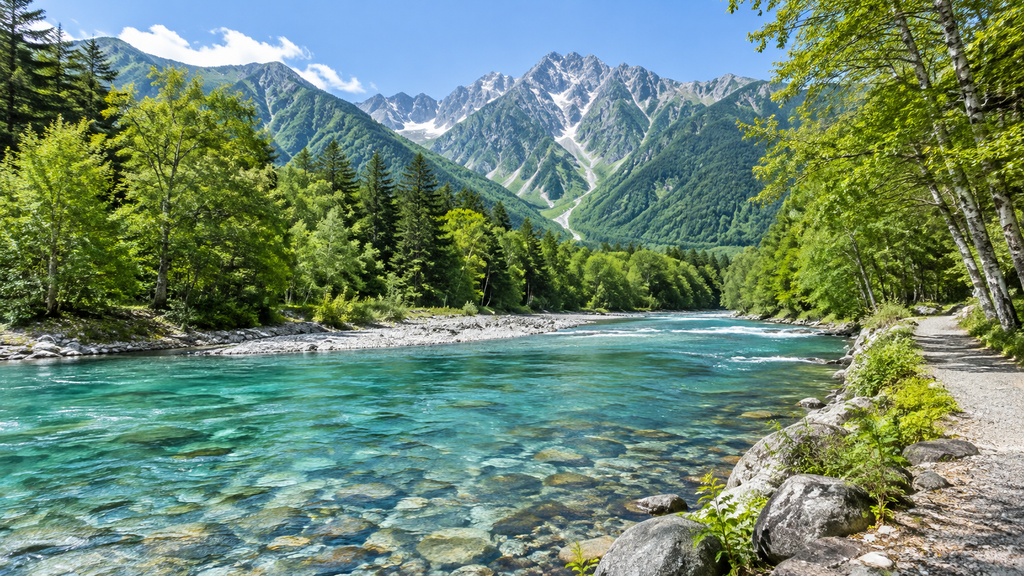
Kamikochi is one of Nagano’s most rewarding places to experience alpine scenery. The Azusa River, wooded banks, and surrounding mountains create an inviting setting for a day outside.
Start with a manageable walk near the main visitor area and Kappa Bridge. Extend your route only when the weather, daylight, and return transport allow it. Valley walking and mountain climbing require very different preparation; a pleasant riverside itinerary does not imply that nearby summit routes are easy.
Normal visitor services operate seasonally, generally from mid-April to mid-November. Individual facilities may open later or close earlier. Check official access information and notices for your dates, especially after heavy rain.
Private cars cannot enter Kamikochi. Drivers transfer to a bus or taxi at designated access points. From Matsumoto, public transport commonly involves a train toward Shin-Shimashima followed by a bus, with other services depending on the season.
Pack a rain layer, warm clothing, drinking water, and shoes suited to uneven paths. Confirm the final return departure before setting out.
3. Zenkoji: Discover Nagano City’s Temple Heart
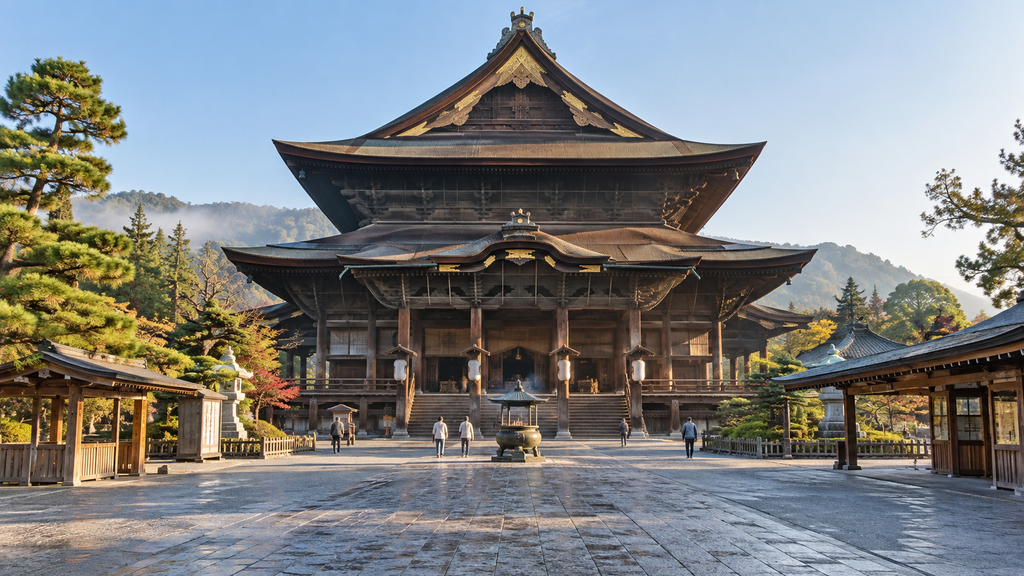
Zenkoji is a major Buddhist temple and a natural starting point for exploring Nagano City. Its approach provides a gradual change of pace, moving from urban streets toward gates, courtyards, and the main hall.
Allow time to walk the approach, look inside shops, and sit down for something local to eat. Check the temple’s visitor guide for the areas included in each admission option and any current restrictions.
Japanese Perspective: Visit as a Guest
Zenkoji is an active place of worship. Keep conversations quiet near people praying, follow photography signs, and let ceremonies take priority over your preferred camera angle.
If you want to offer a prayer, observe the posted instructions or ask a staff member. There is no need to perform unfamiliar gestures for a photograph. Paying attention and showing consideration are meaningful ways to participate.
4. Narai-juku: Walk an Old Mountain Travel Route
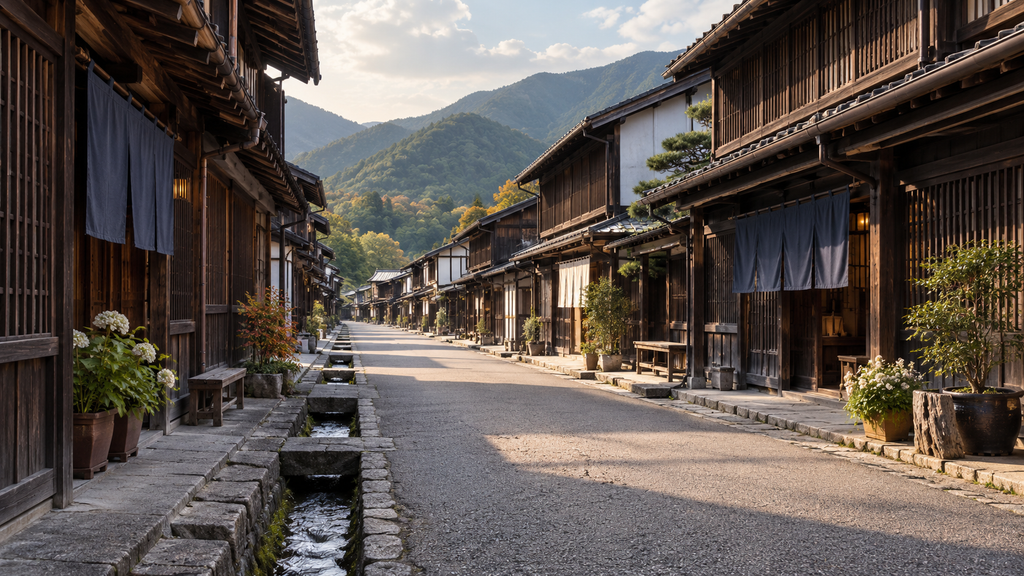
Narai-juku preserves a striking stretch of wooden buildings along the former Nakasendo, the historic route connecting Edo, present-day Tokyo, and Kyoto.
The town rewards an unhurried walk. Look at the overhanging eaves, narrow frontages, and mountains rising beyond the street. Visit an open historic building or browse regional crafts when time allows.
Narai Station provides access by local train, making this a practical excursion from the Matsumoto area. Check connections carefully: a rural train schedule leaves less room for improvisation than central Tokyo’s network.
Japanese Perspective: A Historic Street Is Also a Neighborhood
Some buildings remain homes or working businesses. Keep doorways clear, ask before photographing people or shop interiors, and avoid entering private spaces for a better view.
If you want a longer Nakasendo hike, plan it separately. Visiting Narai does not automatically include the better-known walking route between other post towns farther south.
5. Jigokudani: Observe the Snow Monkeys Respectfully
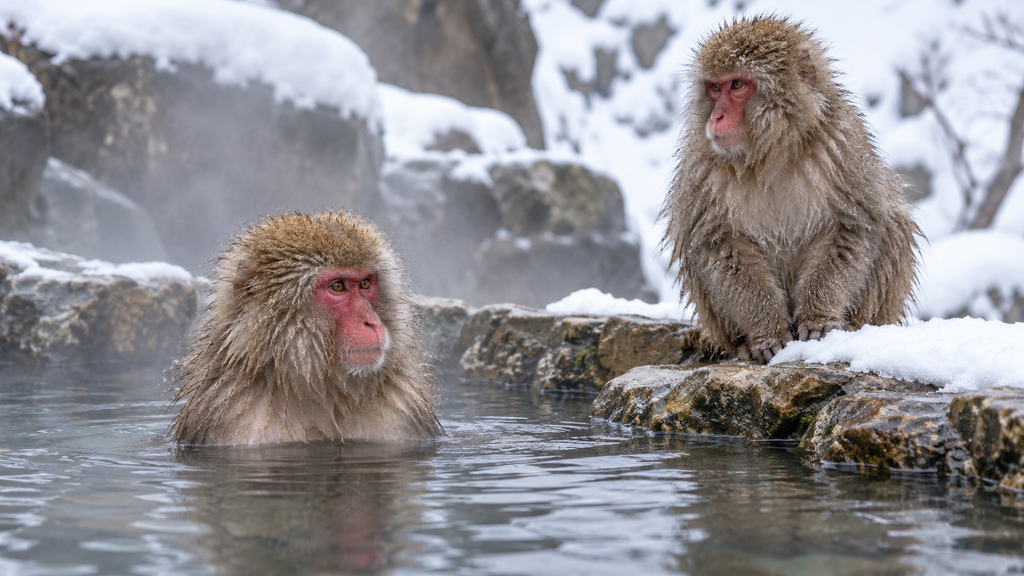
Jigokudani Yaen-Koen is known for Japanese macaques and its hot-spring setting. Winter photographs have made the area famous, but the monkeys are wild animals, and their behavior is not a scheduled performance.
Neither snow nor a monkey soaking in the pool is guaranteed. On some days, monkeys may not come to the park. Check the official park website before traveling.
The visit includes a forest approach on foot. Mud, ice, and snow can make it slower than expected, so choose suitable footwear and allow a generous margin for your return journey.
Do not feed or touch the monkeys. Keep food put away, avoid staring into their eyes, and follow staff instructions. Watch from a respectful distance rather than trying to create a close-up interaction.
This outing fits more naturally with a Nagano City or nearby hot-spring stay than with a tightly packed Matsumoto day.
What to Eat in Nagano
Shinshu Soba
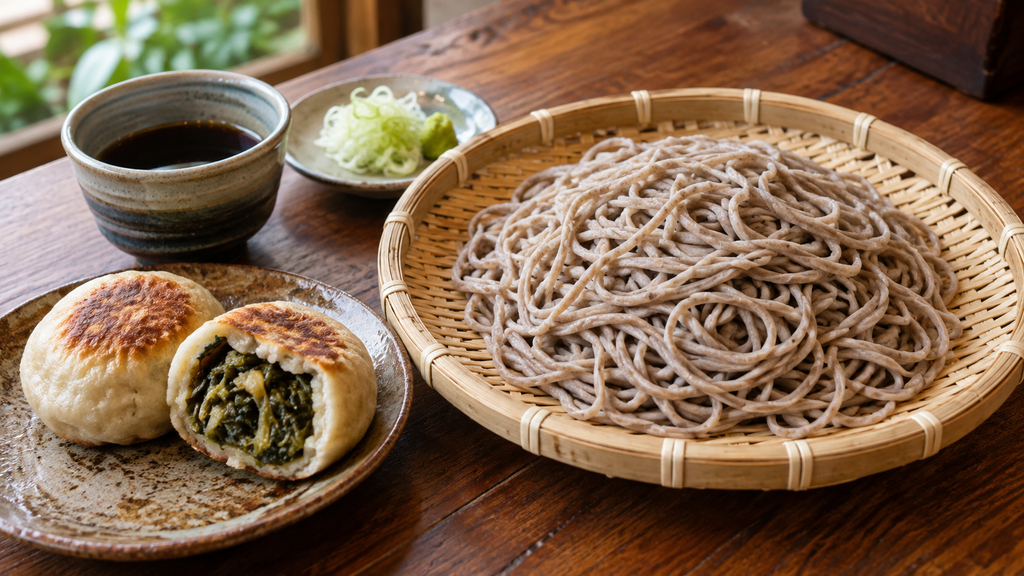
Soba is a rewarding introduction to Nagano’s food culture. Try cold noodles with dipping sauce to appreciate their texture, or choose a warm bowl on a chilly day.
If a restaurant serves soba-yu, the cloudy water used to cook the noodles, you can add it to the remaining dipping sauce. Ask how the restaurant recommends enjoying it.
Oyaki
Oyaki are filled buns or dumplings associated with Nagano. Fillings range from vegetables, including nozawana greens, to sweet bean paste. Cooking styles vary, so sampling them at different shops can reveal different textures.
More Local Flavors
Look for apples, pickled vegetables, and miso-based dishes as you travel. Rather than ordering everything at one meal, choose one regional item each time you stop.
Vegetable fillings do not always mean a dish is vegetarian. Soba dipping sauce may contain fish stock, and noodles may include wheat. Explain dietary requirements clearly before ordering.
Japanese Perspective: Let a Simple Meal Be the Experience
A small soba restaurant or a warm oyaki eaten during a break can tell you as much about a place as an elaborate tasting menu. Leave enough time to eat comfortably and notice the ingredients, tableware, and pace of service.
Best Time to Visit Nagano
Nagano’s elevation varies greatly. Conditions in a city and a mountain valley can differ on the same day.
| Season | Good reasons to visit | Planning note |
|---|---|---|
| Spring | Town walks, blossoms, fresh greenery | Snow can remain at altitude; alpine services resume gradually. |
| Summer | Alpine scenery and longer walking days | Pack rain protection; monitor thunderstorms and heat. |
| Autumn | Foliage, clear-day views, seasonal food | Higher areas change earlier and become cold quickly. |
| Winter | Snow scenery, skiing, hot-spring stays | Roads and paths may be icy; Kamikochi’s normal visitor services close. |
For a first trip combining towns and Kamikochi, choose dates within the operating season and keep the mountain day flexible. For snow sports, select a resort and check its own transport and opening information.
Getting to and Around Nagano
Choose the Right Arrival Station
From Tokyo, the Hokuriku Shinkansen serves Nagano Station. For Matsumoto, the Limited Express Azusa from Shinjuku is a useful route. Travelers from Nagoya can use the Limited Express Shinano toward Matsumoto and Nagano.
Check current journey planners rather than assuming all attractions are close to Nagano Station. The prefecture’s name and its capital’s name are the same, which can make distances easy to underestimate.
Trains, Buses, and Cars
Public transport works well for the main towns, with local trains and buses connecting selected rural destinations. Write down the last return service before heading into the mountains.
A rental car can help with dispersed countryside stops, but does not remove Kamikochi’s vehicle restrictions. Winter driving requires suitable equipment and confidence in snowy conditions.
Do not assume a rail pass covers every connection. In particular, check separate fares for private railways and mountain buses.
Where to Stay
Matsumoto is convenient for this guide’s core three-day route. Nagano City suits Zenkoji and the northern area. A hot-spring inn can add a quieter evening, but check transfers, meal times, and luggage arrangements before booking.
A Realistic Three-Day Nagano Itinerary
Day 1: Arrive in Matsumoto
Visit the castle, have a soba lunch, and explore the surrounding streets. Stay in Matsumoto so the next morning does not begin with a long transfer.
Day 2: Kamikochi in Suitable Conditions
Use the day for transport and a comfortable valley walk. Reserve required services in advance and leave enough time for the return bus. If conditions are poor or access is closed, keep the day in Matsumoto and explore indoor attractions or cafes instead.
Day 3: Narai-juku
Take a local train to Narai, explore the historic street, and enjoy lunch before returning or continuing onward. Check the timetable before deciding how long to stay.
Add Two Days for Northern Nagano
With five days, add a transfer to Nagano City and a visit to Zenkoji, followed by a separate day for the Jigokudani area. This gives the northern sights room in the schedule instead of treating them as quick detours.
In winter, replace Kamikochi with a town-based day or an appropriately planned snow activity.
Frequently Asked Questions
Is Nagano worth visiting without skiing?
Yes. Castle towns, temples, regional food, and historic streets offer plenty to enjoy outside the ski season.
Can I explore Nagano without a car?
Yes, especially with a route built around Matsumoto, Nagano City, and rail-accessible towns. Mountain excursions require more careful bus planning.
How many days should I spend in Nagano?
Three days work well for one base and nearby excursions. Around five days allow a more comfortable combination of Matsumoto and northern Nagano.
Can I visit Kamikochi in winter?
Normal visitor transport and services close for winter. Do not treat winter entry as a regular sightseeing outing; choose another destination for an ordinary first-time visit.
Will I definitely see monkeys bathing?
No. Wildlife presence, weather, and bathing behavior vary. Plan the visit around observation rather than a guaranteed photograph.
Is Nagano suitable for travelers with limited mobility?
Some city sightseeing can be adapted, but castle stairs, rural paths, and forest approaches create barriers. Ask each attraction and transport operator about your specific needs before booking.
Explore More of Chubu
Nagano’s castles, historic post towns and alpine landscapes sit at the center of several rewarding journeys through Chubu. Continue toward dramatic mountain routes, traditional villages or Japan’s snow country.
Toyama Travel Guide
Cross the Japanese Alps through the Tateyama Kurobe Alpine Route and discover Toyama’s mountain landscapes, traditional villages and seafood from Toyama Bay.
Read next: Toyama Travel Guide: Mountains, Heritage, and Coastal Flavors
Gifu Travel Guide
Continue the story of Japan’s historic travel routes in Gifu, where Magome, Takayama, Shirakawa-go and Gero Onsen combine mountain scenery with preserved townscapes.
Read next: Gifu Travel Guide: Mountain Towns, Heritage, and Local Flavors
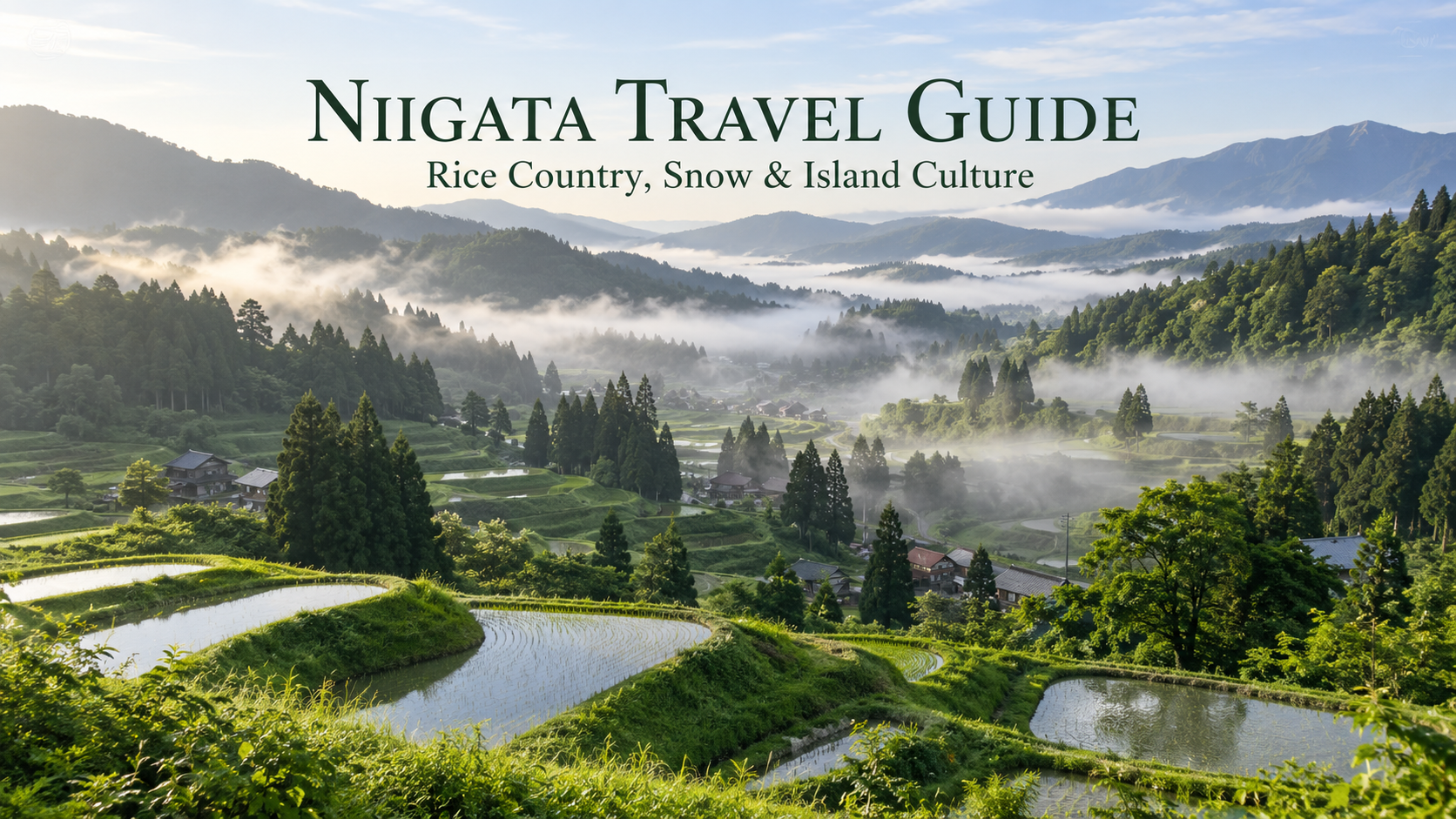
Niigata Travel Guide
Head north toward Niigata for snow-country landscapes, hot springs, rice-growing regions, local sake and the unique history and coastline of Sado Island.
Read next: Niigata Travel Guide: Rice Country, Snow and Island Culture
See more destinations in our Chubu Travel Guides.