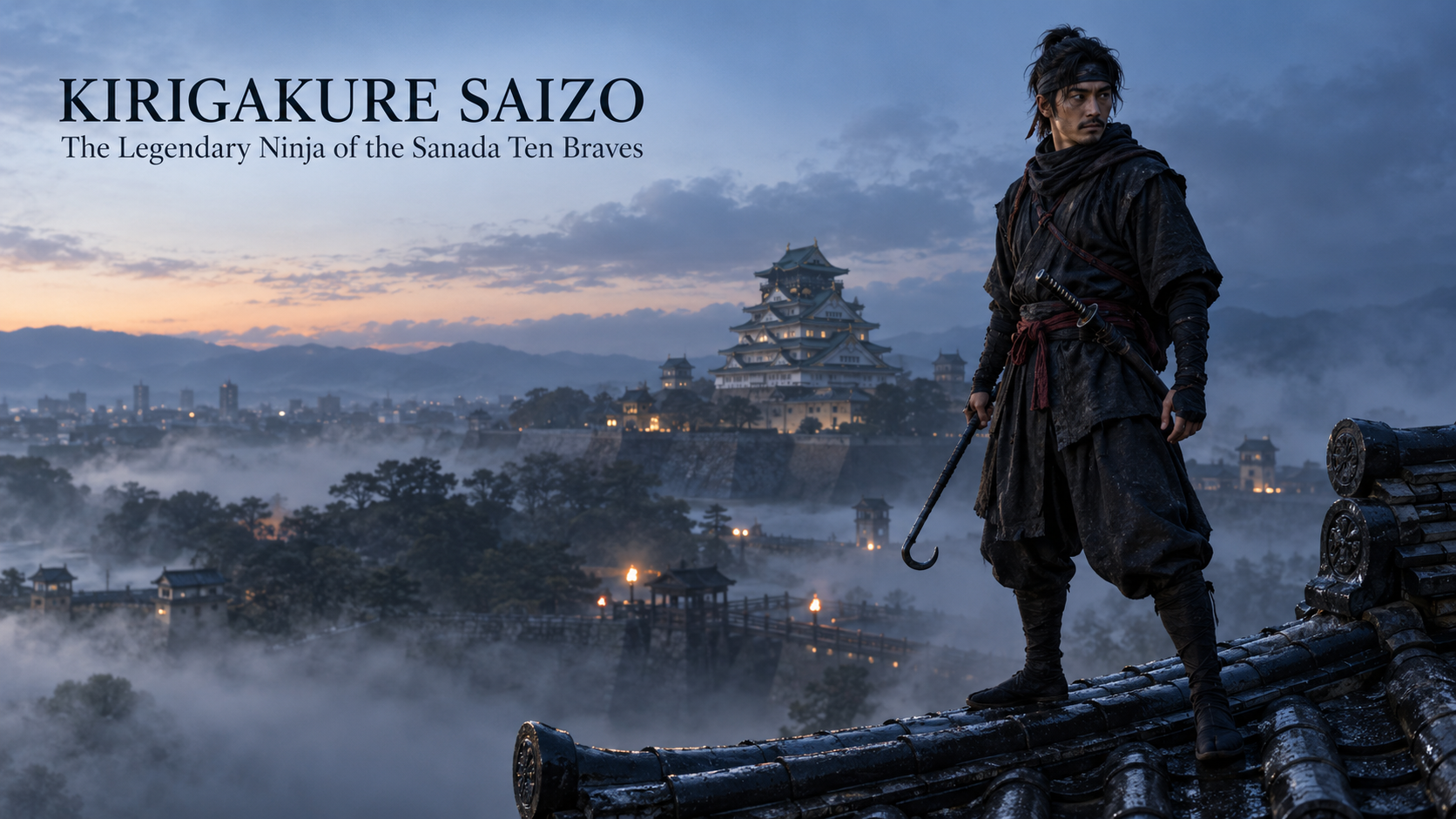
Kirigakure Saizo seems to have everything a legendary ninja needs. His name evokes mist and concealment. He is usually portrayed as a master of stealth, illusion and infiltration. He serves the heroic samurai Sanada Yukimura, competes with Sarutobi Sasuke and slips through enemy defenses during the Siege of Osaka.
There is only one problem: historians do not consider Kirigakure Saizo a documented Sengoku-period warrior.
Rather than diminishing his appeal, this makes his story even more interesting. Saizo shows how Japan remembers history through a mixture of real people, local legends, dramatic performance and popular literature. He belongs to the Sanada Ten Braves, a fictional team built around the historical struggle of Sanada Nobushige—better known by the legendary name Yukimura.
For overseas readers, Saizo offers two journeys at once. The first leads into the imagined world of daring shinobi. The second leads through real places such as Osaka, Kudoyama, Ueda and the ninja regions of Iga and Koka. Together, they reveal why a character created centuries after the battles he supposedly fought can feel inseparable from Japanese history.
Who Was Kirigakure Saizo?
Kirigakure Saizo is one of the best-known members of the Sanada Ten Braves, or Sanada Juyushi. These ten heroic retainers are said in popular stories to have served Sanada Yukimura during the final conflict between the Toyotomi and Tokugawa forces.
In Saizo’s traditional fictional biography, he is the son of a retainer connected to the defeated Azai clan. He learns Iga-style ninjutsu from the legendary master Momochi Sandayu and eventually meets Sarutobi Sasuke. After testing their skills against each other, the two become comrades under Yukimura.
This background should not be read as a verified life story. Saizo was shaped through kodan storytelling and inexpensive adventure books, especially the Tatsukawa Bunko series published around the end of the Meiji and beginning of the Taisho periods. The National Diet Library preserves records of Kirigakure Saizo: Sanada Family Ninjutsu Master, the fifty-fifth volume in that series.
The books transformed older war tales into exciting stories for a new mass audience. Saizo became a cool, controlled counterpoint to the energetic Sarutobi Sasuke. One was associated with shadow and mist; the other with speed, trees and acrobatic movement.
Why Saizo’s Name Is So Memorable
The family name Kirigakure is written with characters meaning “mist” and “hide.” It sounds almost too perfect for a ninja, which is one clue to the character’s literary nature. The name immediately creates an image: a figure who disappears before the enemy can understand what happened.
In Japanese storytelling, a meaningful name can communicate personality before a character speaks. Saizo’s name promises secrecy, elegance and uncertainty. It also distinguishes him from the louder, more playful Sasuke.
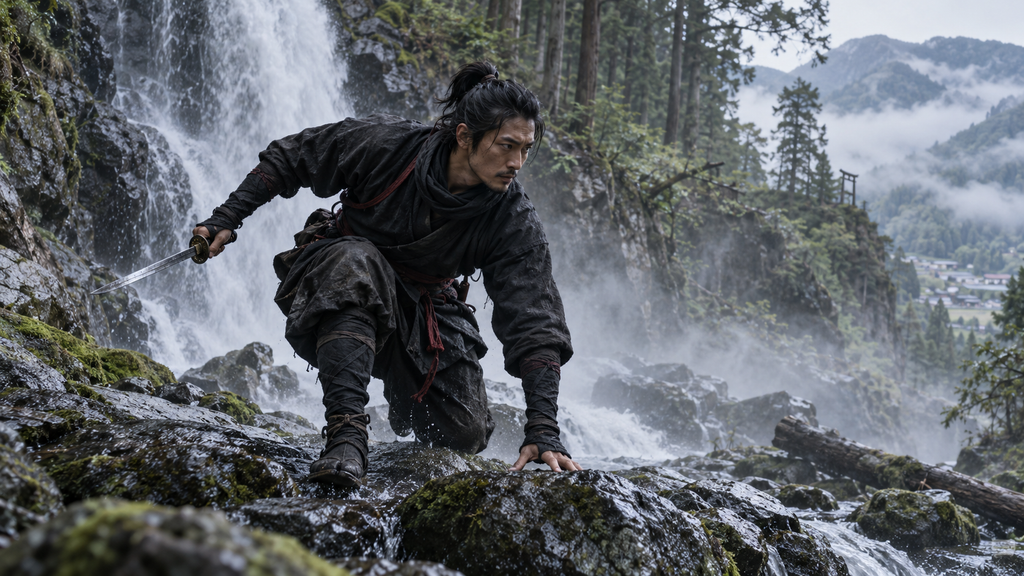
Popular versions differ, but Saizo is often depicted as serious, observant and technically refined. He may use disguise, misdirection, smoke, climbing tools or silent movement. His strength is not simply winning a sword fight. It is controlling what the enemy can see and know.
Kirigakure Saizo and the Siege of Osaka
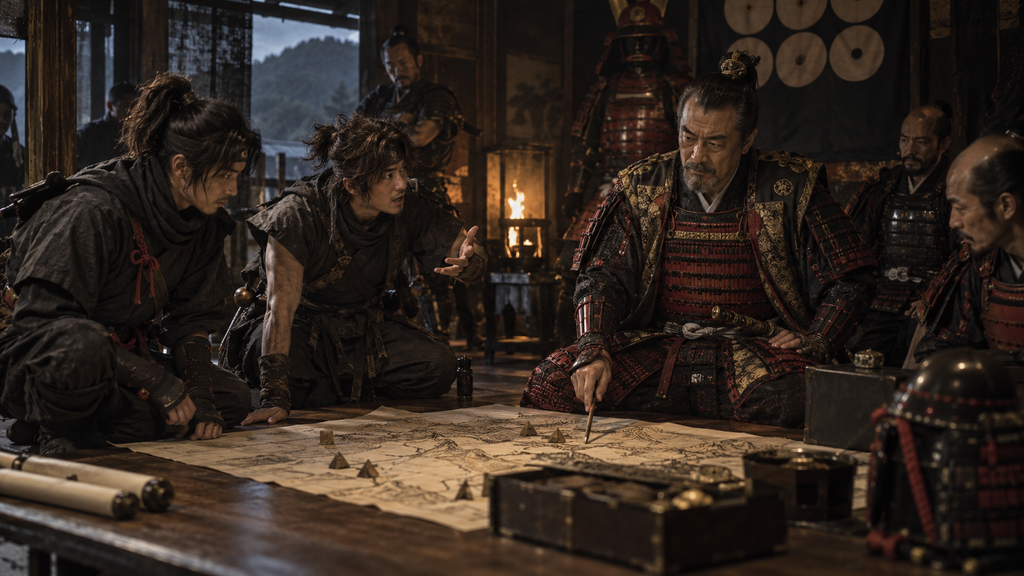
The dramatic setting behind the Ten Braves is real. In 1614 and 1615, Tokugawa forces attacked Osaka Castle, where supporters of the Toyotomi family gathered. Sanada Nobushige defended the fortress known as the Sanada Maru during the Winter Campaign and fought a final battle in the Summer Campaign.
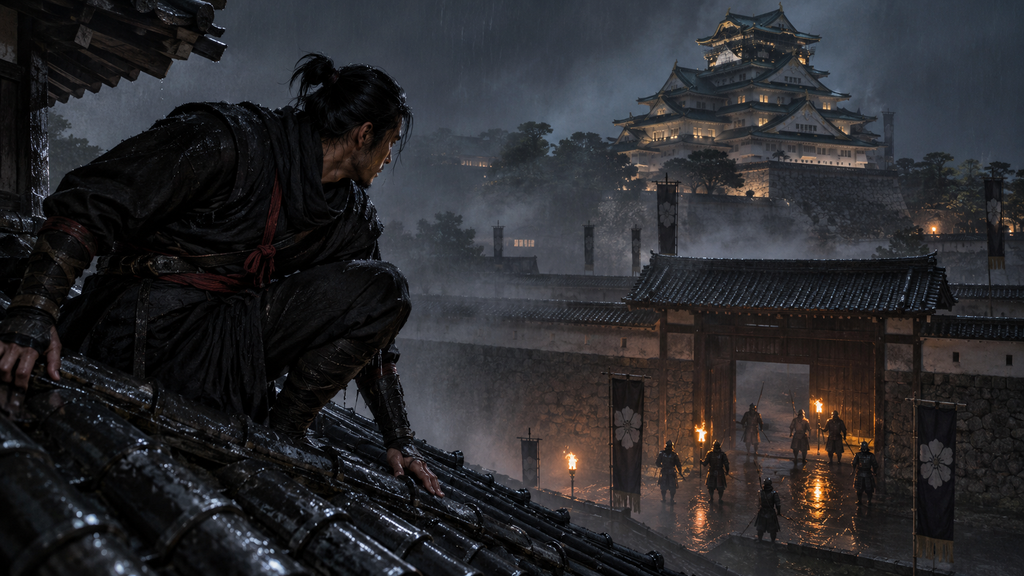
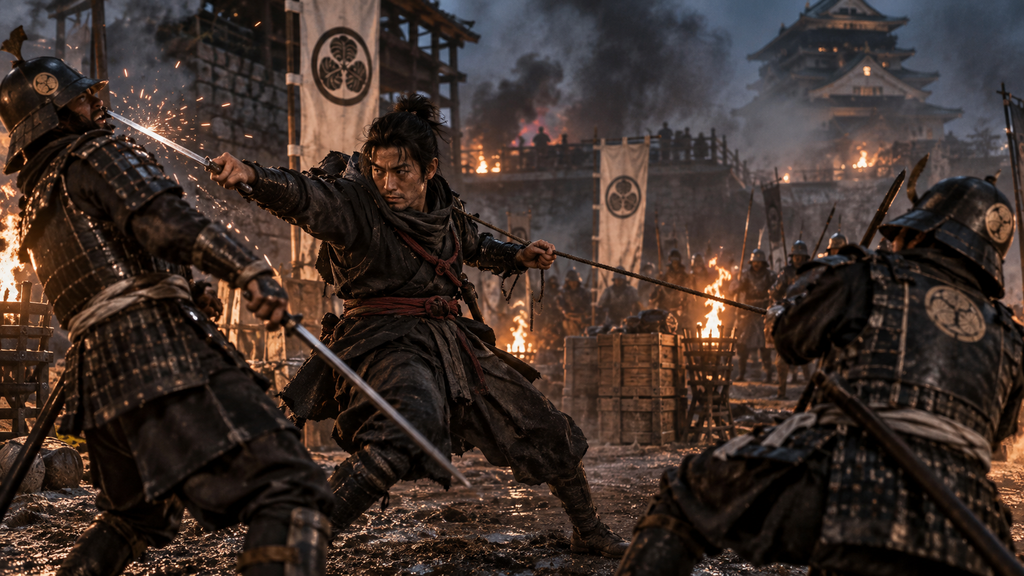
Saizo’s secret missions belong to fiction, but the historical crisis gives them emotional force. Stories send him into enemy camps, through castle defenses and across burning battlefields. Because readers already know that the Toyotomi side will lose, every escape and act of resistance feels precious.
This is why the Ten Braves are more than a Japanese version of a superhero team. They stand beside a doomed commander. Their loyalty cannot reverse history, but it can give defeat dignity.
Fictional Ninja vs. Real Shinobi
Saizo can vanish into mist in stories, but real shinobi were not magical warriors dressed permanently in black. Historical ninjutsu emphasized information gathering, observation, communication, disguise, survival, fire, medicine and knowledge of terrain.
Dark clothing could be practical at night, but successful infiltration often required looking ordinary. A traveler, merchant, priest or laborer could move through a community more easily than a visibly armed “ninja.” Avoiding combat was usually more valuable than defeating multiple guards.
Saizo therefore exaggerates the real skills of the shinobi without abandoning them entirely. His fictional mist techniques express concealment. His sudden appearances dramatize stealth. His ability to confuse armies turns information warfare into visual entertainment.
This distinction helps travelers appreciate ninja culture without treating every theatrical trick as historical fact.
Japanese Perspective: Why a Fictional Hero Can Feel Historical
Japanese popular culture does not always place a hard wall between history and legend. Historical fiction often uses real names, battles and locations while inventing private conversations, secret retainers and impossible adventures.
Saizo also reflects hangan biiki—the traditional sympathy for a brave person or group destined to lose. Sanada Yukimura became beloved partly because he resisted overwhelming Tokugawa power during the last days of Osaka Castle. The Ten Braves give that tragic hero the loyal companions that popular imagination felt he deserved.
Another important value is chugi, or loyalty. Saizo is dangerous not because he seeks fame for himself, but because he places his skills at his lord’s service. Modern audiences may question such absolute devotion, yet it remains central to the emotional language of many samurai and ninja stories.
Finally, Saizo represents the Japanese affection for a well-balanced group. The Ten Braves combine different personalities, weapons and specialties. Their strength comes from contrast: the quiet expert beside the energetic trickster, the strategist beside the fighter. Long before modern manga teams became popular, this structure was already powerful entertainment.
Saizo and Sarutobi Sasuke: Shadow and Sunlight
Kirigakure Saizo and Sarutobi Sasuke are often remembered as the two great ninja of the Ten Braves. Their relationship changes from one adaptation to another, but they commonly begin as rivals and become trusted comrades.
Sasuke tends to be quick, expressive and bold. Saizo tends to be controlled, mysterious and precise. This contrast creates aun no kokyu—the sense of two people whose timing fits together so naturally that little explanation is needed.
Their partnership also makes the Ten Braves feel human. Loyalty is not only directed upward toward Yukimura. It exists horizontally between companions who argue, compete and still risk their lives for one another.
The Sanada Ten Braves as Japan’s Legendary Hero Team
The membership of the Ten Braves became standardized through popular literature. Alongside Saizo and Sasuke, the group includes warriors such as Miyoshi Seikai, Miyoshi Isa, Anayama Kosuke, Unno Rokuro, Kakei Juzo, Nezu Jinpachi, Mochizuki Rokuro and Yuri Kamanosuke.
Some names may have been inspired by older tales or historical family names, but their united adventures are literary creation. Each member contributes a recognizable specialty. That makes the team easy to follow and endlessly adaptable.
They later appeared in stage entertainment, children’s books, films, television, manga, anime and games. Individual portrayals vary widely, so there is no single definitive visual design for Saizo. The constant elements are his ninja identity, connection to the Sanada cause and reputation for quiet skill.
Where to Explore Kirigakure Saizo’s World in Japan
There is no authenticated birthplace or grave of Saizo because he is a fictional figure. Instead, visit places connected to the real Sanada story, the Siege of Osaka and Japanese ninja history.
1. Osaka Castle and the Sanada Maru Area, Osaka
Osaka Castle is the most important starting point. The current main keep is a modern reconstruction and museum, while the surrounding grounds preserve the scale of the fortress landscape.
For a closer connection to Sanada Nobushige, continue south to the former Sanada Maru area. Sanko Shrine is known for a legendary “Sanada escape tunnel,” and nearby Shinganji Temple stands in an area associated with the defensive fortification. These places help visitors imagine the tense setting used in Ten Braves stories.
2. Kudoyama Sanada Museum, Wakayama
After the Battle of Sekigahara, Sanada Masayuki and Nobushige were exiled to Kudoyama. The Sanada Museum presents their story and also acknowledges the continuing legend of the Ten Braves.
Kudoyama is a good destination for travelers who enjoy quiet historic towns. It can be combined with a longer journey toward sacred Mount Koya.
3. Ueda Castle and Sanada Country, Nagano
Ueda was the center of the Sanada family’s power. Ueda Castle Park, local museums and the surrounding countryside explain why the clan became famous for defending difficult terrain against larger forces.
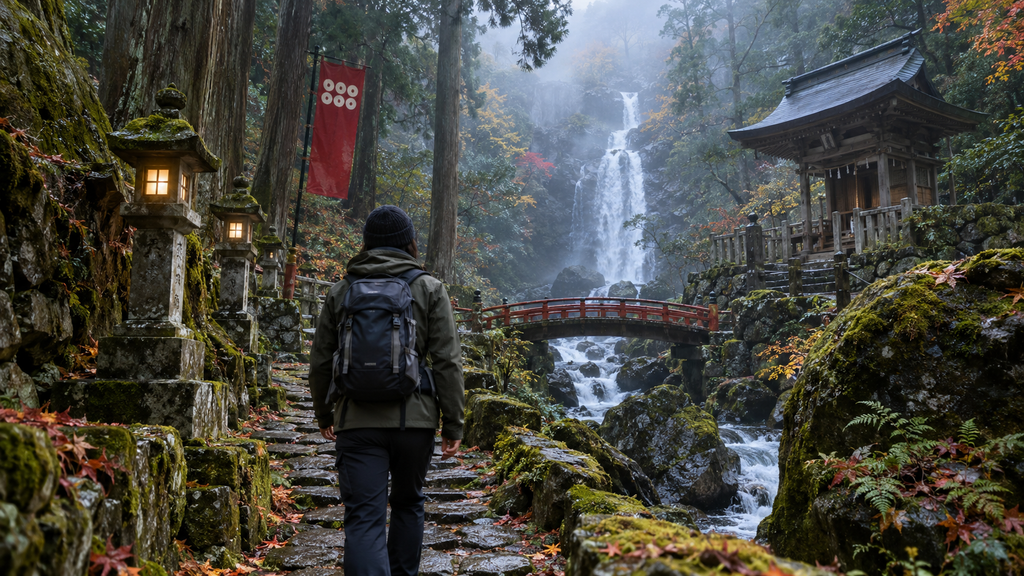
Sengo Falls in the Sugadaira area is locally associated with a legend that Kirigakure Saizo trained there. This is not evidence that he existed, but it is a wonderful example of how fictional heroes become attached to real landscapes.
4. Iga, Mie
Saizo is usually described as an Iga-style ninja. Iga offers museums, demonstrations and historic context for learning how real shinobi differed from popular entertainment. It is one of the best additions to a Kansai itinerary centered on Osaka.
5. Koka, Shiga
Koka is another major region in ninja history and is often connected with Sarutobi Sasuke in popular tradition. Visiting both Iga and Koka helps travelers understand that “ninja” did not describe one uniform organization or costume.
Suggested Three-Day Saizo and Sanada Itinerary
Day 1: Osaka Castle and Sanada Maru
- Visit the Osaka Castle Museum in the morning.
- Walk through the southern castle area and learn about the 1614–1615 campaigns.
- Continue to Sanko Shrine and Shinganji Temple.
- Finish with dinner in central Osaka.
Day 2: Ninja History in Iga or Koka
- Choose Iga for Saizo’s traditional fictional school.
- Choose Koka for a broader comparison of regional ninja culture.
- Check museum opening days and experience schedules in advance.
Day 3: Kudoyama
- Travel to Kudoyama and visit the Sanada Museum.
- Explore the historic town at a relaxed pace.
- If time allows, continue toward Mount Koya or stay overnight in Wakayama.
Ueda and Sengo Falls are better treated as a separate Nagano trip rather than squeezed into this three-day Kansai route.
Practical Travel Tips
- Best seasons: Spring and autumn are comfortable for castle grounds, temple walks and ninja-region excursions.
- Recommended trip length: Two to three days for Osaka plus Iga, Koka or Kudoyama; add another two days for Ueda.
- Transport: Osaka sites are accessible by train and on foot. Rural waterfalls and some ninja locations may require buses, taxis or a rental car.
- Weather: Mist creates atmosphere, but wet stone paths can be slippery. Wear shoes with good grip.
- Historical expectations: Saizo-related attractions celebrate legend rather than archaeological evidence of his life.
- Before visiting: Confirm current opening hours, admission fees, transportation and seasonal closures on official websites.
FAQ About Kirigakure Saizo
Was Kirigakure Saizo a real ninja?
No reliable contemporary evidence confirms him as a historical person. Reference works generally identify Saizo as a fictional ninja popularized by the Tatsukawa Bunko adventure series.
Who were the Sanada Ten Braves?
They were a legendary team of ten heroes said in popular stories to have served Sanada Yukimura. Their united adventures are fictional, although their world includes historical people and events.
Was Sanada Yukimura real?
Yes. The historical commander was Sanada Nobushige. “Yukimura” became the better-known name through later storytelling.
What kind of ninja was Saizo?
Fiction usually presents him as a master of Iga-style ninjutsu, stealth, disguise and mist-related techniques. These portrayals vary by book, film, manga and game.
Where should Saizo fans visit first?
Start with Osaka Castle and the Sanada Maru area for the story’s main historical stage. Add Kudoyama for Sanada history, Iga for ninja culture and Ueda for the clan’s homeland and local Saizo legends.
Is the Sanada escape tunnel at Sanko Shrine real?
It is presented as a legend associated with Sanada Nobushige. Visitors should enjoy it as local historical folklore rather than assume it has been conclusively verified as a route to Osaka Castle.
Why Kirigakure Saizo Still Matters
Kirigakure Saizo never needed to be a documented warrior to become an important Japanese ninja. He gave shape to an ideal: intelligence without boasting, skill used for comrades and loyalty maintained even when victory was impossible.
His story also teaches a useful way to explore Japan. History is not found only in verified dates and surviving objects. It also lives in the stories that communities repeat, the landscapes linked to beloved heroes and the emotions later generations attach to defeat.
Visit Osaka, Kudoyama or Ueda and you will not find proof that Saizo walked there. You will find something different—the real history that inspired him and the continuing imagination that refuses to let the mist close completely.