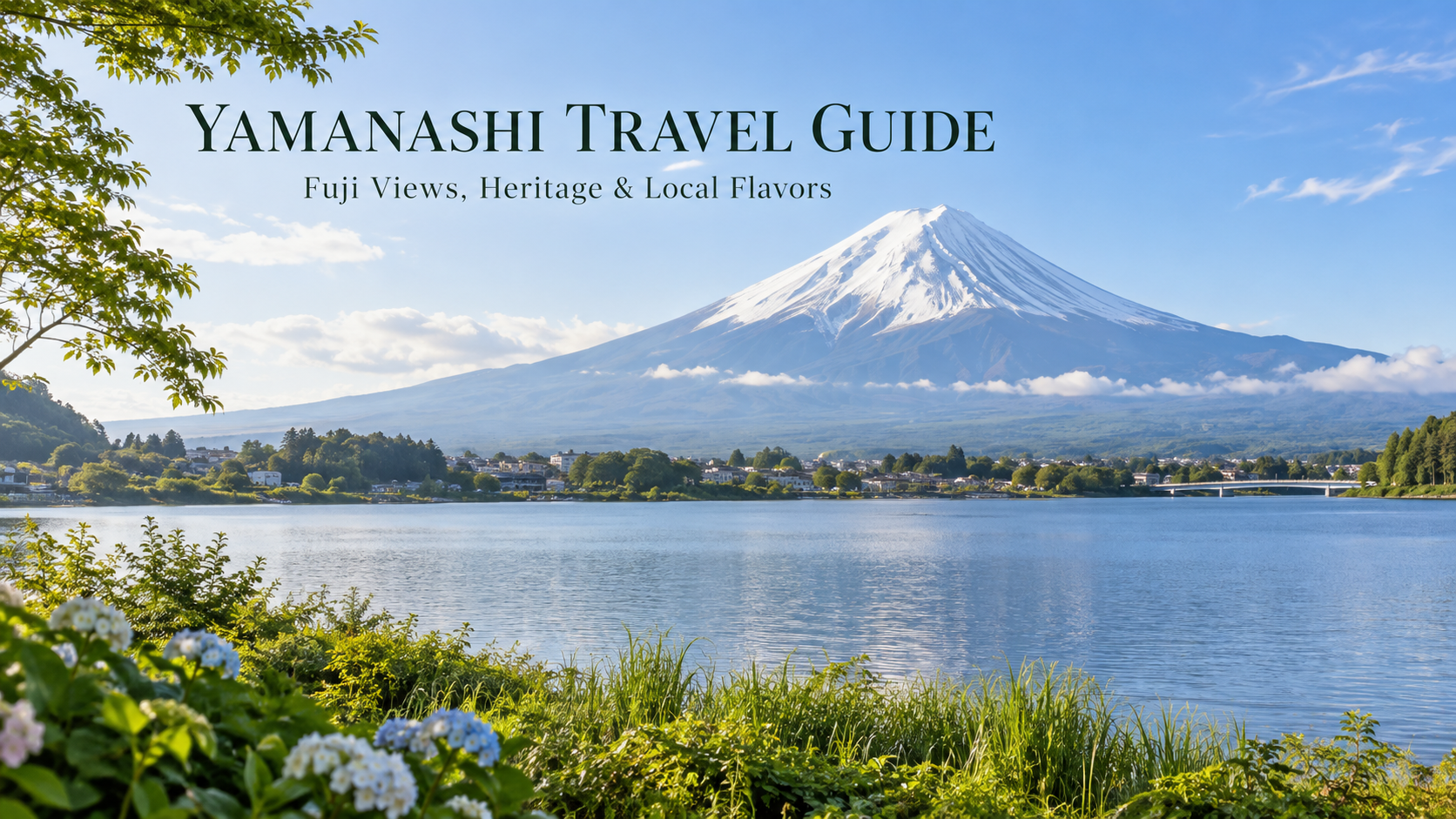
Yamanashi is often introduced through a single image: Mount Fuji rising above a lake. That view can be unforgettable, but it is only one reason to stay.
Beyond the Fuji Five Lakes, the prefecture offers a granite gorge, historic sites connected with Takeda Shingen, vineyards, orchards, and a warming bowl of hoto noodles. It is a rewarding destination for travelers who want both scenery and a stronger sense of regional life.
This Yamanashi travel guide helps you choose a comfortable base, plan realistic excursions, and appreciate the cultural details behind the famous landscapes.
Why Visit Yamanashi?
Yamanashi is an inland prefecture in central Japan’s Chubu region. Its landscapes include the northern side of Mount Fuji, the Kofu Basin, and surrounding mountain areas.
For a first visit, think in two main areas. Kawaguchiko suits a trip focused on Fuji views and nearby lakes. Kofu and the Koshu area suit history, Shosenkyo Gorge, and wine-related visits.
These areas are connected, but they are not interchangeable bases. A plan that looks compact on a prefecture map can involve substantial travel between attractions. Choose one area for a short trip or allow an extra day to combine them.
1. Lake Kawaguchiko: Give the View Time to Appear
Lake Kawaguchiko is a practical introduction to the Fuji Five Lakes region, with accommodation, transport connections, and places to enjoy the waterfront.
Choose a lakeside walk and leave time to pause. Mount Fuji may be clear, partly covered, or completely hidden by cloud. An overnight stay gives you another opportunity to look, but cannot guarantee visibility.
Build a day that remains enjoyable without the mountain panorama. A local meal, a museum visit, or a relaxed cafe stop can keep the trip satisfying when the weather changes.
Avoid chasing every viewpoint. A few well-chosen stops usually leave more time to enjoy the place than repeatedly boarding buses for another photograph.
Japanese Perspective: Fuji Is More Than a Landmark
Mount Fuji’s cultural significance includes mountain worship, pilgrimage, and artistic inspiration. Its UNESCO listing recognizes these associations.
The lakes and communities around the mountain belong to that broader cultural landscape. Understanding this helps turn a scenic visit into something more meaningful than collecting a familiar image.
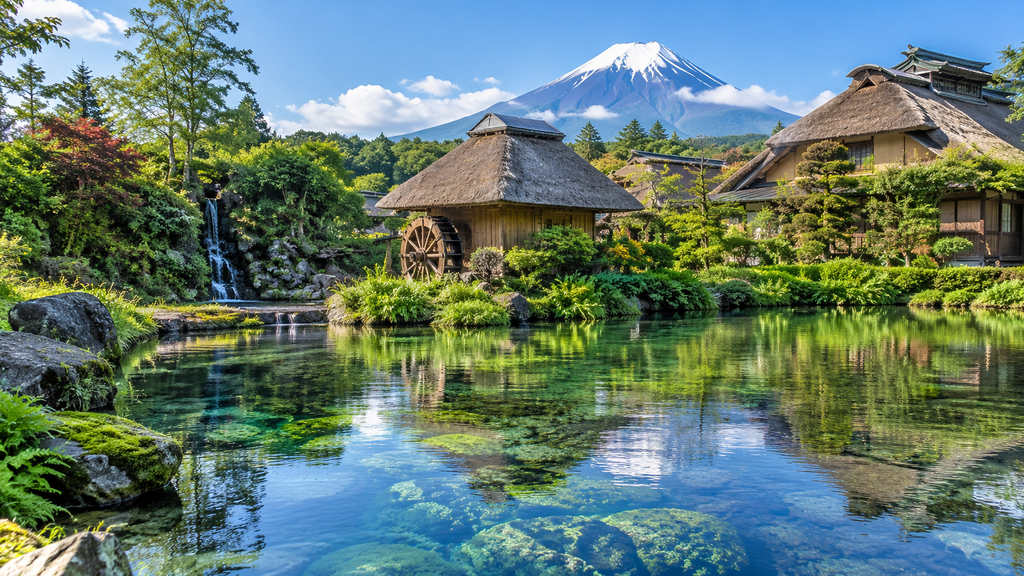
2. Oshino Hakkai: Explore the Springs Considerately
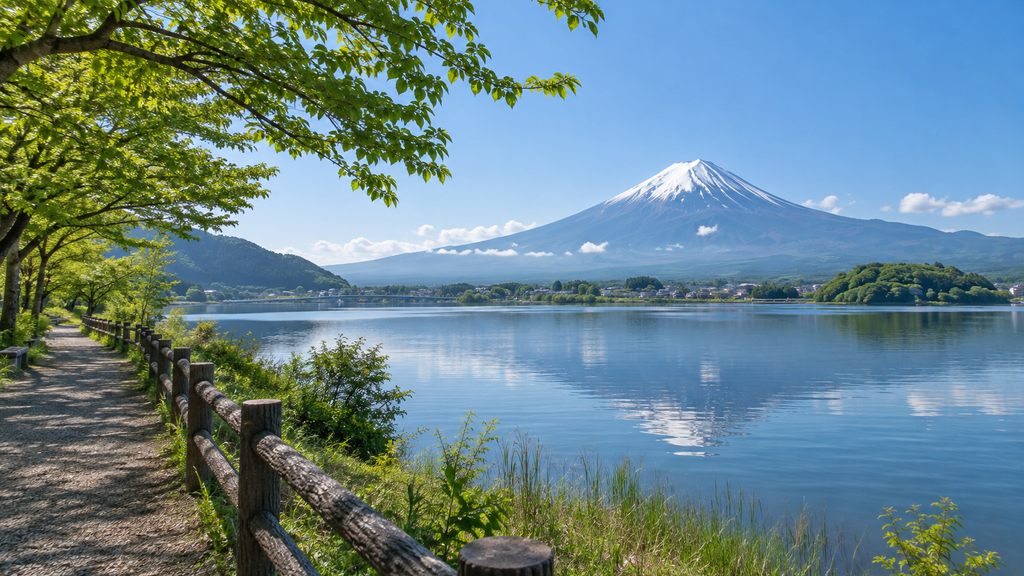
Oshino Hakkai is a group of eight spring-fed ponds in the Fuji area. Clear water and the surrounding village setting make it a popular excursion.
Take time to look at the water itself, not only the background. The ponds are the main reason to visit, even when Fuji is hidden.
Check your bus route before setting out from Kawaguchiko or another nearby base. Confirm the return stop and departure time rather than assuming a frequent city-style service.
Japanese Perspective: A Scenic Village Is Still a Neighborhood
Shops, homes, and visitor spaces sit close together. Keep paths and entrances clear, follow local photography guidance, and stay out of private gardens.
Do not throw coins or other objects into the ponds. Use only designated facilities if drinking water is offered, and follow the instructions displayed there.
A considerate visit leaves residents room to continue their day while you enjoy yours.
3. Shosenkyo Gorge: Discover Yamanashi Beyond Fuji
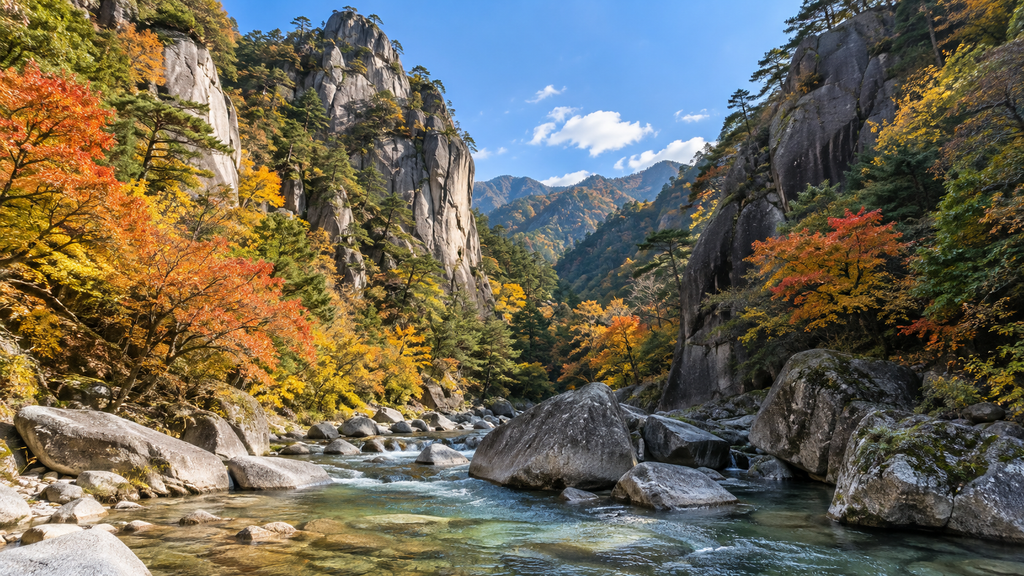
Shosenkyo, outside Kofu, offers a different kind of mountain scenery. Granite cliffs, wooded slopes, and flowing water give the landscape a strong sense of scale.
Plan a walk that matches your time and mobility. The area has different access points, so check where your bus arrives and where you intend to finish before choosing a route.
Autumn foliage is a popular reason to visit, but green-season scenery can also be rewarding. Color and weather vary, so avoid building your expectations around a single photograph.
Wear shoes with a reliable grip and check local notices after heavy rain. Leave enough time for the last return service rather than extending a walk because the next viewpoint looks close.
If conditions are unsuitable, keep the day in Kofu and choose an indoor attraction or a regional meal instead.
4. Kofu and Takeda Shrine: Add Historical Context
Kofu is Yamanashi’s prefectural capital and a useful base for the central part of the region. Its association with the Takeda family offers an introduction to the area’s history.
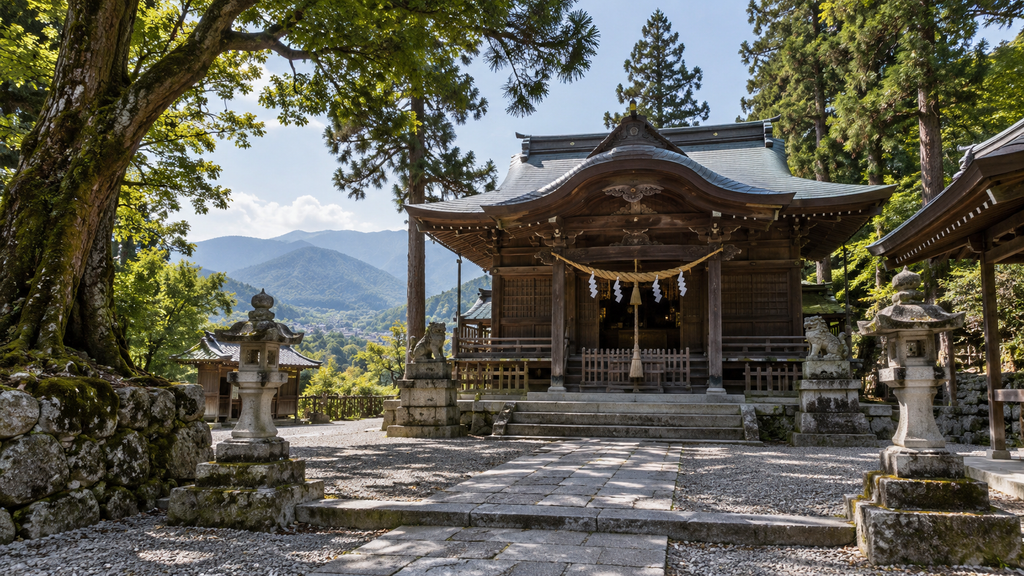
Takeda Shrine honors Takeda Shingen, a major warlord of the sixteenth century. A visit can add historical context to names and symbols you encounter elsewhere in Yamanashi.
You do not need detailed knowledge of Japan’s wars to appreciate the site. Read the interpretation available and allow time to explore the grounds at a quiet pace.
Japanese Perspective: History and Worship Can Share a Place
A shrine connected with a historical figure is also a place where people come to pray. Keep conversations considerate near worshippers and follow signs about access and photography.
Try approaching the visit with two questions: what can this place tell you about the past, and how is it used today? Both help explain why historical figures remain present in regional identity.
5. Koshu and Katsunuma: Meet Japan’s Wine Country
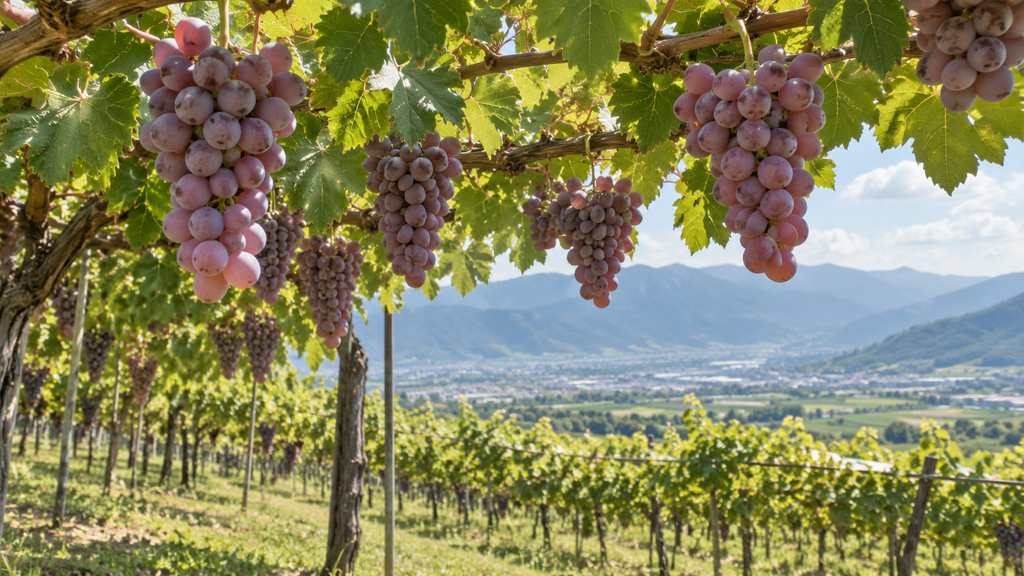
Yamanashi is an important Japanese wine region, and the Katsunuma area offers opportunities to learn about growing grapes and making wine.
Koshu grapes are closely associated with the region. A tasting can introduce their wines, but a museum or guided visit can be just as useful for understanding local winemaking history.
Choose one or two places rather than trying to visit every winery on a map. Check whether reservations are required, what language support is available, and how you will reach the next stop.
Arrange transport that lets you enjoy a tasting without driving. If traveling with someone who does not drink, check for alternative drinks or other activities before booking.
Japanese Perspective: Agriculture Is Part of the Experience
Vineyards and orchards are working places. Fruit on a vine is someone’s crop, even when it looks ideal for a photograph.
Join an advertised picking experience if you want to harvest fruit, follow the farm’s instructions, and confirm what the price includes. Available varieties and dates depend on the farm and the season.
What to Eat in Yamanashi
Hoto: A Bowl Shaped by Regional Life
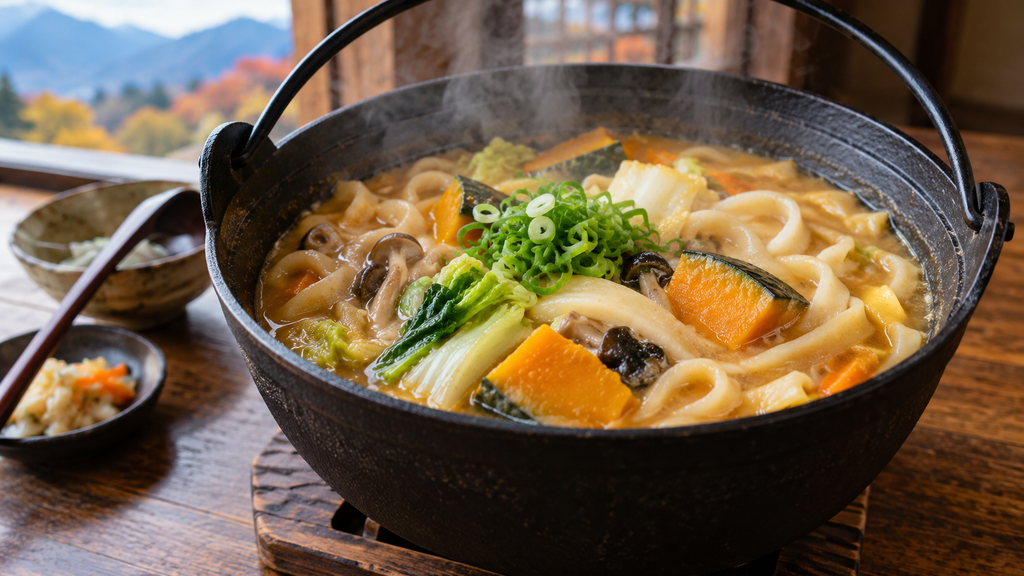
Hoto features broad wheat noodles simmered with vegetables in miso broth. Pumpkin is a familiar ingredient, adding sweetness and body as it softens.
The dish is closely associated with Yamanashi’s mountain communities, where wheat-based meals provided an alternative in places less suited to rice cultivation.
That background gives a simple restaurant lunch a deeper meaning. Hoto is not just a local name for any bowl of udon; its preparation and texture are part of its identity.
More Regional Flavors
Look for Yoshida udon in the Fujiyoshida area, known for its firm texture. Around Kofu, chicken motsuni offers another local specialty for visitors who enjoy offal dishes.
Seasonal fruit can make a memorable dessert or snack. Choose what is available locally instead of expecting every grape or peach variety throughout the year.
Ask about ingredients if you have dietary requirements. Vegetable-heavy hoto may still contain fish stock or meat, and its noodles contain wheat.
Seeing Mount Fuji and Climbing It Are Different Trips
You can enjoy Yamanashi without climbing Mount Fuji. Lakeside sightseeing, cultural visits, and mountain views from below are worthwhile experiences in their own right.
A summit climb requires separate preparation for altitude, weather, physical effort, and overnight or transport arrangements. It should not be added casually to a sightseeing day.
Use the official Mount Fuji climbing website to check the current season, trail-specific entry rules, fees, reservations, and safety information. Requirements differ by trail and may change between seasons.
This guide’s itinerary covers ordinary sightseeing and does not include a summit climb.
Best Time to Visit Yamanashi
| Season | Good reasons to visit | Planning note |
|---|---|---|
| Spring | Blossoms, lake walks, and fresh greenery | Conditions differ between the basin and higher areas. |
| Summer | Green scenery and seasonal fruit | The basin can be hot; cloud may obscure Fuji. |
| Autumn | Foliage, grape-related visits, and comfortable walks | Harvest schedules and leaf color vary by location. |
| Winter | Crisp-day views and warming regional food | Snow and ice can affect roads and paths; visibility is never guaranteed. |
Choose your season around the activities you most want to enjoy. Keep a flexible outdoor day and an indoor alternative, especially if Fuji views are a major reason for traveling.
Getting to and Around Yamanashi
From Shinjuku, the Limited Express Azusa or Kaiji provides access toward Kofu. For Kawaguchiko, a rail option involves traveling to Otsuki and changing to the Fujikyu Railway. Highway buses also serve the lake area.
Check current journey planners and reservations for your dates. Road congestion can affect bus travel, particularly on busy weekends.
Kofu and Kawaguchiko serve different parts of the prefecture. When combining them, allow a dedicated transfer period and check luggage arrangements before planning activities at both ends.
Public transport works for a focused itinerary, but rural services may be limited. A rental car can help reach dispersed locations; wine tasting requires a transport plan that does not involve drinking and driving.
For accommodation, choose Kawaguchiko for a lake-focused stay, Kofu for central sightseeing, or a suitable inn around Isawa for a quieter evening. Confirm station transfers and meal times directly with the property.
A Comfortable Three-Day Yamanashi Itinerary
Day 1: Arrive at Kawaguchiko
Leave your luggage and enjoy a lakeside walk. Have hoto for dinner and stay overnight, giving yourself another opportunity to see Fuji the following morning.
Day 2: Choose One Excursion, Then Transfer
Visit Oshino Hakkai if the bus schedule leaves comfortable time for both the outing and your transfer toward Kofu.
If connections are awkward, enjoy another lakeside stop instead. Travel to Kofu with enough time to check in and eat without rushing.
Day 3: Shosenkyo or Wine Country
Choose Shosenkyo for nature, or a prebooked Koshu-area visit for wine and agriculture. Add Takeda Shrine only when the transport and opening hours leave a reasonable margin.
With four days, give the gorge and wine country separate days. For a shorter trip, stay in one area and save the other for another visit.
Frequently Asked Questions
Is Mount Fuji entirely in Yamanashi?
No. Mount Fuji straddles Yamanashi and Shizuoka. This guide focuses on the Yamanashi side and nearby destinations.
Can I enjoy Yamanashi without climbing Fuji?
Yes. The lakes, gorge, historical sites, food, and wine region offer plenty for a sightseeing trip.
Will I definitely see Mount Fuji from Kawaguchiko?
No. Clouds and haze can hide it. Plan other activities so the trip does not depend on one view.
How many days should I spend in Yamanashi?
Two days work for a focused stay around one base. Three or four days allow a more comfortable combination of the lakes and central Yamanashi.
Can I visit without a car?
Yes, if you plan around rail and bus connections. Check rural timetables before choosing accommodation and excursions.
Is hoto vegetarian?
Not necessarily. Ask about the broth and other ingredients before ordering, even when the visible toppings are vegetables.
Explore More of Chubu
Yamanashi offers mountain scenery, vineyards, historic sites and some of the most famous views of Mount Fuji. Continue your journey into neighboring regions shaped by the mountain landscapes of central Japan.
Shizuoka Travel Guide
Experience Mount Fuji from its southern side while discovering Shizuoka’s tea fields, Suruga Bay, coastal scenery and relaxing hot-spring destinations.
Read next: Shizuoka Travel Guide: Fuji Views, Tea, and Coastal Escapes
Nagano Travel Guide
Head north into Nagano for Matsumoto Castle, Kamikochi, historic post towns, mountain temples and the landscapes of the Japanese Alps.
Read next: Nagano Travel Guide: Mountains, Heritage, and Local Flavors
Continue exploring central Japan with our Chubu Travel Guides.