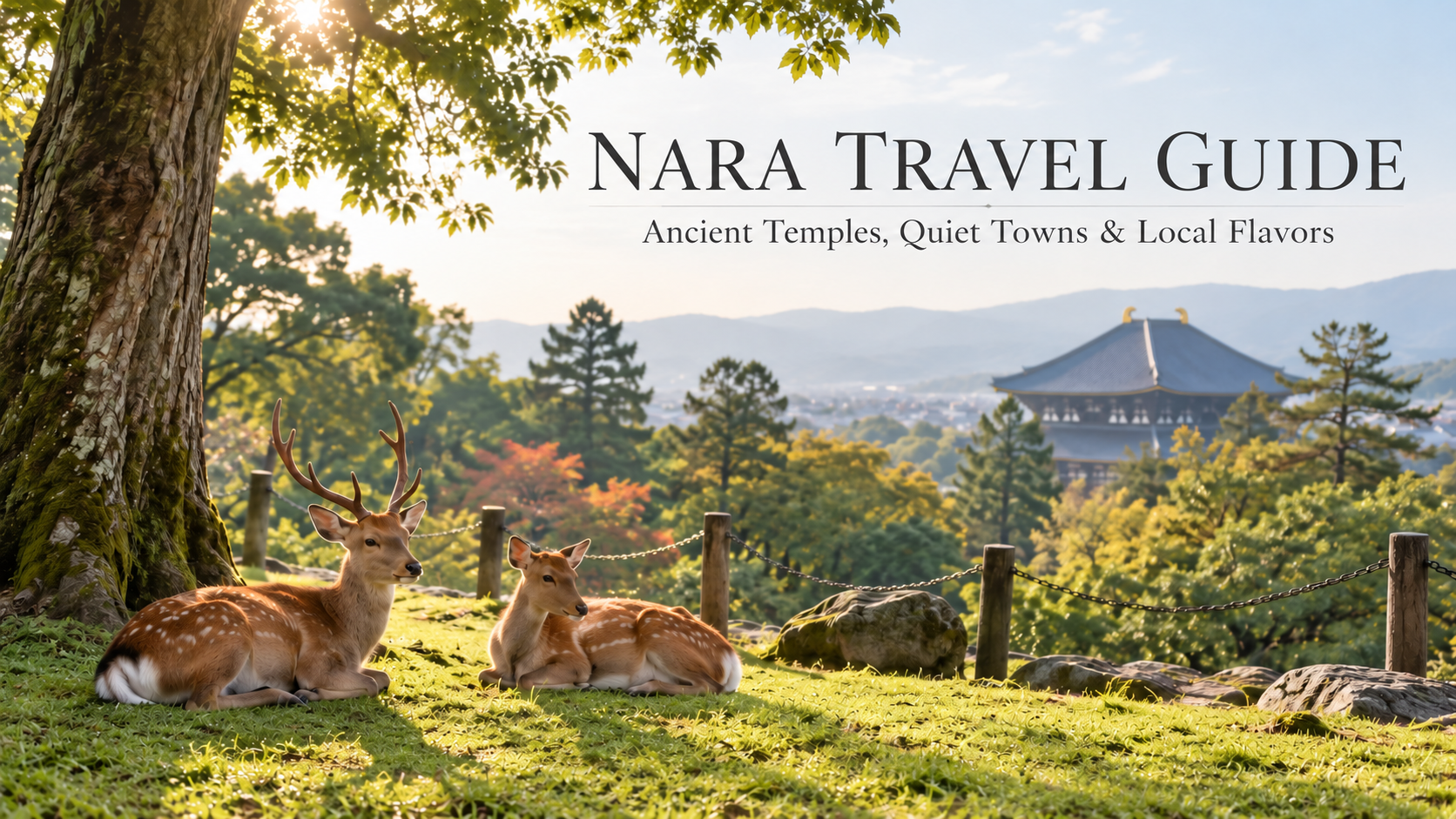
Nara is often introduced through its deer, but the prefecture offers far more than one memorable encounter. In Nara City, monumental Buddhist buildings stand within walking distance of wooded shrine approaches and traditional neighborhoods. Farther south, Asuka reveals history among fields and villages, while Yoshino brings mountain scenery into the journey.
The pleasure comes from changing pace: looking up at a vast temple roof, stopping for tea in Naramachi, or following a quiet rural lane without rushing to the next landmark.
This Nara travel guide combines the major sights with practical planning and a Japanese perspective on the places, animals, and traditions you will encounter.
Why Spend More Than a Day in Nara?
A day trip from Kyoto or Osaka can introduce Nara Park and a major temple. Staying longer lets you spread the walking across different days and explore beyond the busiest routes.
Nara City and Nara Prefecture are not the same thing. Asuka and Yoshino are separate destinations that require rail journeys and local transport planning. Treat them as dedicated excursions rather than nearby additions to an afternoon in the park.
For a first visit, consider two days in the city and a third in either Asuka or Yoshino. Choose according to your interests: rural archaeology and cycling, or mountain views and religious heritage.
1. Enjoy Nara Park and Respect Its Deer
Nara Park provides a spacious setting for walking between some of the city’s best-known sights. Deer may appear beside paths or rest beneath trees, creating a striking contrast with the surrounding temples and everyday activity.
They are wild animals, even when accustomed to people. Enjoy watching them from a comfortable distance and do not chase, grab, or tease them. Keep children close and avoid approaching fawns.
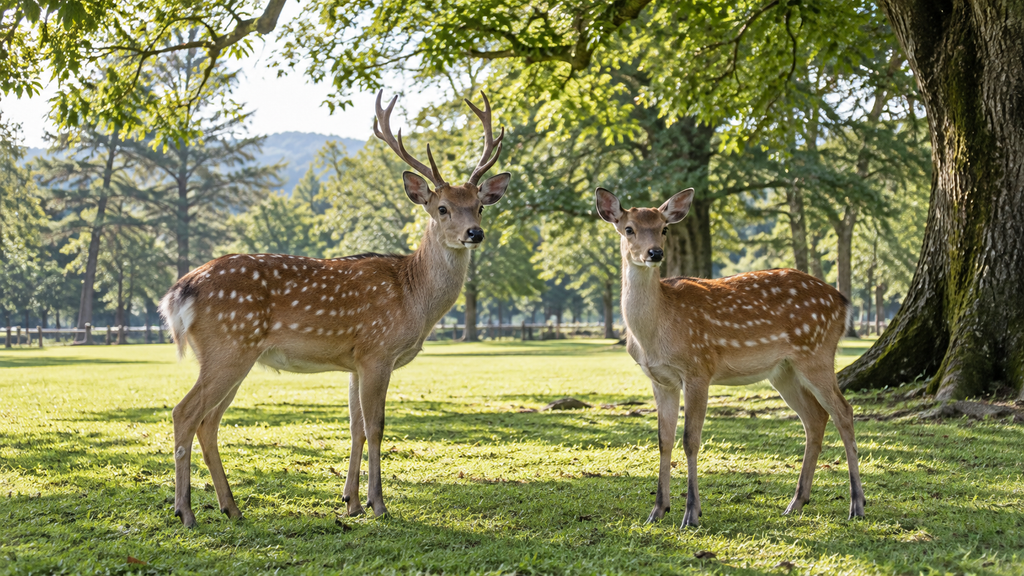
If you choose to feed the deer, use only the designated shika senbei sold for that purpose and follow local instructions. Do not offer ordinary snacks, paper, or packaging. Keep bags and food out of reach, and remember that feeding is optional: observation can be just as rewarding.
Japanese Perspective: Sacred Associations and Living Animals
The deer have a long association with Kasuga Taisha, where tradition connects them with divine messengers. That cultural significance helps explain why they occupy such a distinctive place in Nara’s identity.
It does not make their behavior predictable. Respecting the tradition and respecting the animals lead to the same practical approach: give them space, follow guidance, and avoid turning an encounter into a performance for a photograph.
2. Experience Todaiji Beyond Its Scale
Todaiji’s Great Buddha Hall is one of Nara’s most powerful introductions to Buddhist architecture. Its broad roof and enormous timber structure prepare you for the Great Buddha inside, but allow time to absorb the setting rather than treating it as a quick photo stop.
The temple’s history includes destruction and rebuilding. The present hall dates to the Edo period, so the building visible today should not be described as an unchanged structure from the eighth century.
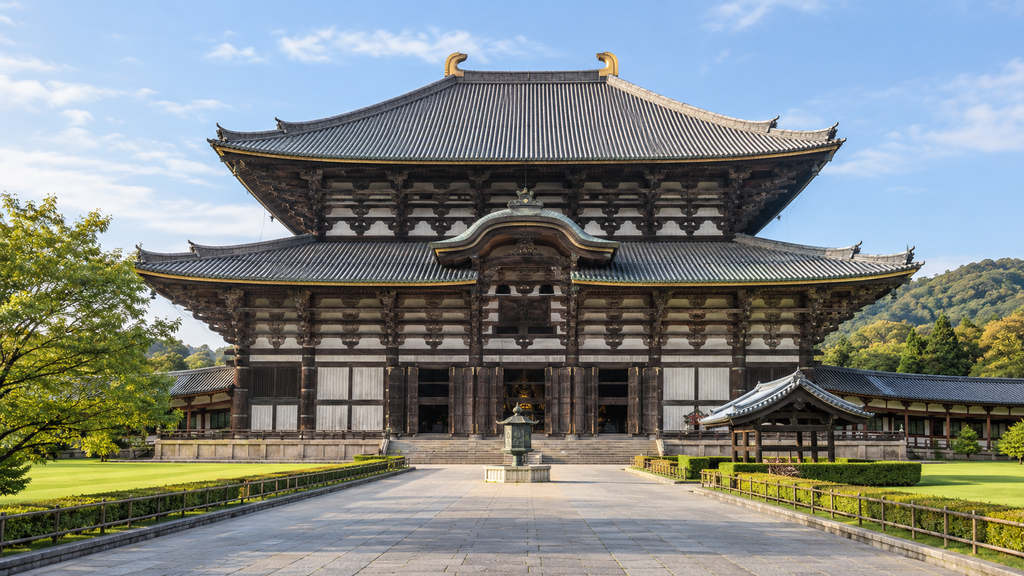
Check the official visitor information for current opening arrangements and the areas you want to enter. The wider temple precinct deserves attention too, and walking distances can add up during a hot day.
Japanese Perspective: An Image of Worship, Not Just an Exhibit
A Buddhist statue can be studied as art while also remaining an object of devotion. Watching visitors pray helps place the Great Buddha in a context that scale alone cannot explain.
You do not need detailed knowledge of Buddhism to visit thoughtfully. Keep your voice low around worship, avoid blocking others, and follow photography signs. At temples, do not automatically copy the clapping practice you may have seen at Shinto shrines.
3. Follow the Lanterns Toward Kasuga Taisha
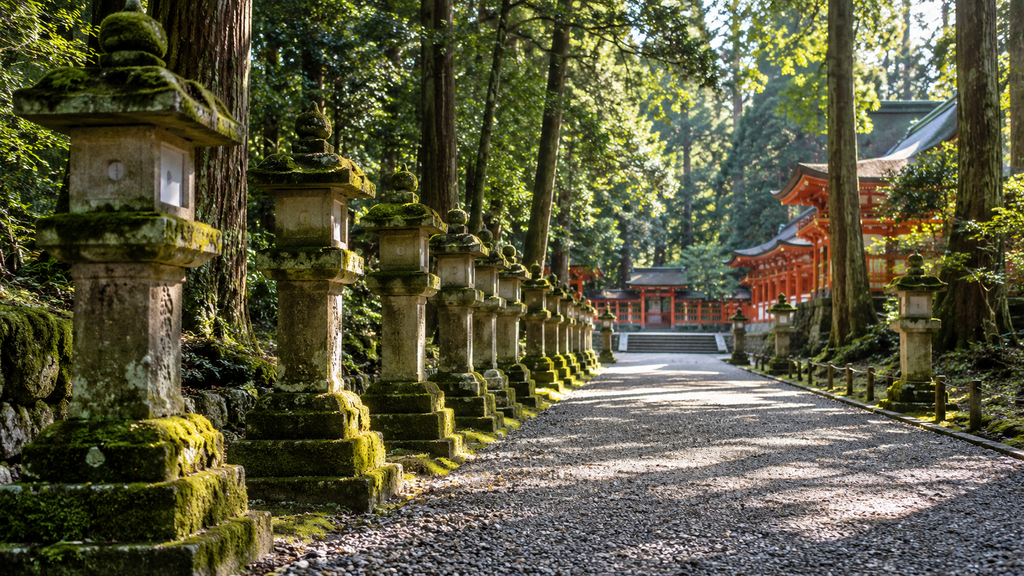
Kasuga Taisha offers a different atmosphere from Todaiji. Trees, stone lanterns, and vermilion architecture draw your attention toward smaller details and the changing light along the approach.
The shrine’s lanterns reflect a long tradition of donations. Look closely at their materials and placement rather than expecting every lantern to be illuminated during an ordinary daytime visit.
Japanese Perspective: Understanding a Shrine Visit
Shinto shrines and Buddhist temples both appear throughout Nara, but their buildings, rituals, and histories are not interchangeable. A simple first step is to notice the name of the place and observe its own visitor guidance.
At Kasuga Taisha, give worshippers room and follow restrictions around sacred areas. Access to particular spaces may differ from access to the general approach, so check the shrine’s official guide before planning the visit around a specific interior.
4. Slow Down in Naramachi
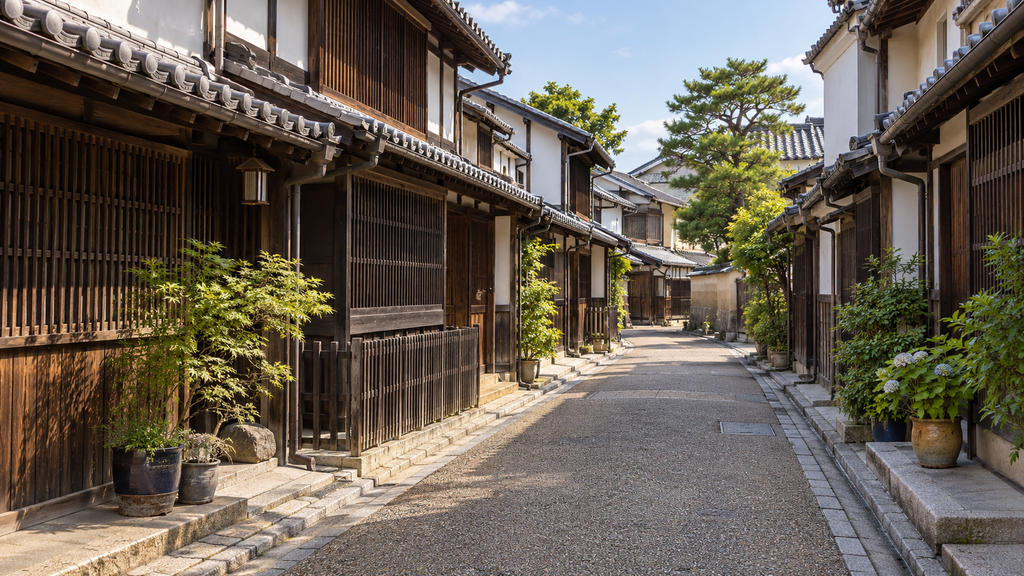
Naramachi is a good place to move from monumental sights to a more intimate streetscape. Timber latticework, modest shopfronts, and narrow streets reward a walk without a crowded schedule.
Explore craft shops, stop for tea, and choose a small museum or historic house if its opening hours fit. Gangoji adds another important temple to the neighborhood, but you do not have to enter every site to enjoy the area.
Japanese Perspective: A Historic Neighborhood Still Has Residents
The appeal of an old streetscape comes partly from its human scale. Remember that doors, gardens, and side lanes may belong to private homes, even when the surrounding buildings look picturesque.
Stay on public routes, ask before photographing inside shops, and keep conversations considerate. A quiet lunch or a purchase from a local craft business can be a meaningful part of the visit without turning the neighborhood into a checklist.
5. Explore Asuka’s Fields and Ancient Sites
Asuka provides a different view of Nara’s past. Here, archaeological sites, temples, and burial monuments sit within a rural landscape rather than a concentrated urban park.
Ishibutai’s exposed stone burial chamber is a useful starting point. Pair one or two historical sites with time to appreciate the fields and villages between them. On-site explanations make the remains easier to understand than judging them only by their appearance.
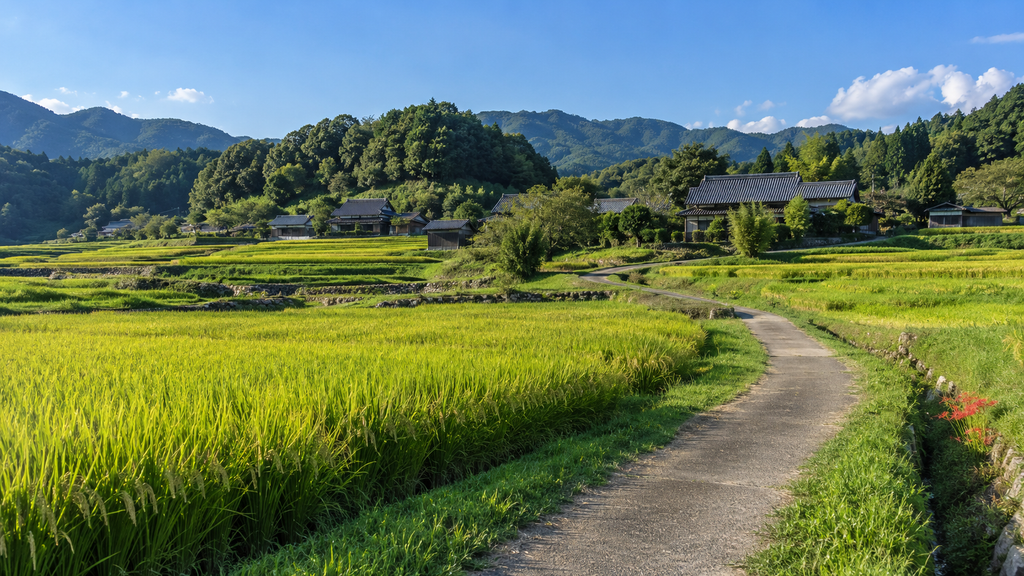
Cycling can work well, but the area is not uniformly flat and the sights are spread out. Ask a rental shop about an appropriate route, electric-assist options, and return times. Buses or taxis may suit your plans better, particularly in heat or rain.
Japanese Perspective: History Within a Working Landscape
Asuka invites you to imagine how political and religious centers once fitted into the land. The fields you see today are also working spaces, not open-access scenery.
Use designated routes, avoid stepping into rice paddies, and leave room for agricultural vehicles. Appreciating ancient history and respecting present-day work belong together here.
6. Give Yoshino a Full Day
Yoshino is famous for cherry blossoms across mountain slopes, but the setting also rewards visits for green scenery, autumn color, and temple-town walks. Choose a route suited to the elevation changes and the amount of walking you want.
Cherry blossoms open at different times across the slopes. A photograph of a fully blooming mountain is not a promise for a particular date; check seasonal reports and expect crowds during popular spring periods.
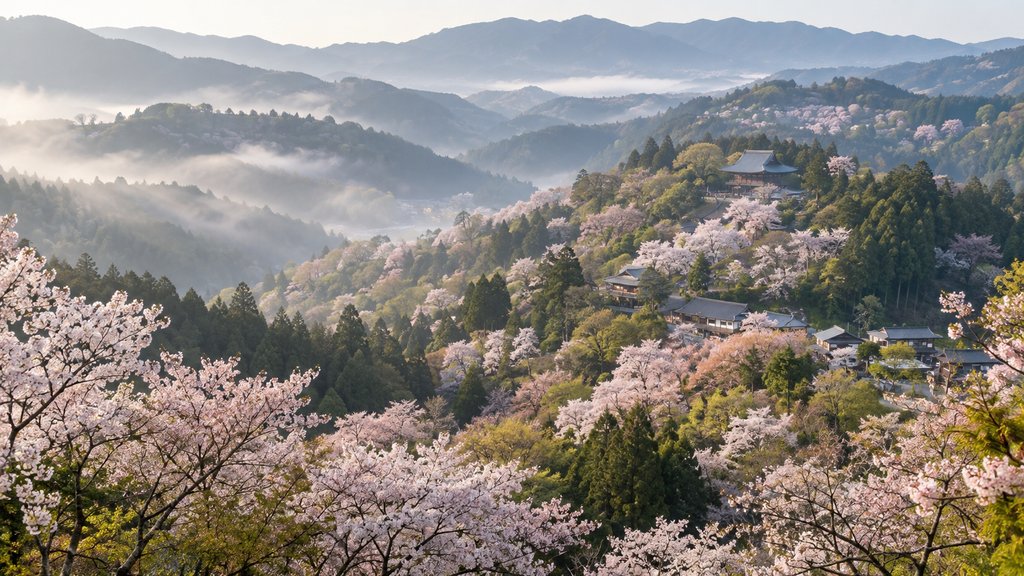
Japanese Perspective: A Mountain with Religious Meaning
Yoshino is connected with Shugendo, a tradition involving religious practice in mountain environments. This gives the area a significance beyond seasonal sightseeing.
A temple-town visit and a demanding pilgrimage trek are different activities. For a first trip, stay with established visitor routes. Check opening arrangements, local transport, and weather, and plan your return before exploring higher parts of the town.
What to Eat in Nara
Food provides an approachable way to connect the city and countryside. Look for a few regional specialties rather than trying to fit everything into one meal.
- Kakinoha sushi: Pressed sushi wrapped in persimmon leaves, often with mackerel or salmon. Unwrap the leaf before eating the sushi.
- Chagayu: Rice porridge made with tea, offering a gentle alternative to a large lunch.
- Narazuke: Vegetables preserved using sake lees, typically served in small amounts as an accompaniment to rice.
- Kuzu sweets: Soft or jelly-like sweets associated especially with Yoshino, enjoyable with tea.
- Yamato vegetables: Local vegetable varieties that appear in seasonal dishes and carefully prepared set meals.
Japanese Perspective: Preservation and Regional Taste
Leaf-wrapped sushi and sake-lees pickles reveal how preparation and preservation shape regional food. Their appeal is not only an unusual ingredient: texture, aroma, and serving size also matter.
Try a small portion if a flavor is unfamiliar. Ask about fish stock, alcohol-related ingredients, and other dietary needs rather than assuming a vegetable-based dish automatically meets them. Shop staff can also explain how to store take-away food and when to eat it.
Best Time to Visit Nara
| Season | Planning considerations |
|---|---|
| Spring | Blossoms and comfortable walks, with heavy demand at famous viewing spots. |
| Summer | Green parkland and countryside, but heat and humidity call for breaks. |
| Autumn | Pleasant walking weather and foliage, varying by site and elevation. |
| Winter | Quieter opportunities outside holidays; mountain areas may have snow, ice, or reduced services. |
Spring and autumn are easy starting choices for a first visit. Avoid basing the whole trip on one exact flowering date, and keep a museum or café option for poor weather.
Getting There and Getting Around
Nara City is served by both JR and Kintetsu trains from the surrounding Kansai region. JR Nara Station and Kintetsu-Nara Station are separate stations; check which one your route uses before choosing a meeting point or hotel.
Kintetsu-Nara is closer to the main park approach, while buses help connect city districts and sights. Walking works well for many central visits, but the full park and temple circuit can be tiring.
Asuka and Yoshino require their own routes and local connections. Consult the official transport guide and operator schedules for your date. Limited express trains can require an additional ticket, and rural services may be less frequent than city trains.
A car is unnecessary for the basic itinerary below. Staying near a station is useful for excursions; staying closer to the park or Naramachi may better suit slow city exploration.
A Relaxed Three-Day Nara Itinerary
Day 1: Nara Park and Todaiji
Start with the park and a respectful deer encounter, then visit Todaiji. Leave time for lunch and the surrounding precinct instead of rushing to every nearby attraction.
Day 2: Kasuga Taisha and Naramachi
Enjoy the shrine’s wooded approach in the morning. Spend the afternoon in Naramachi with a café stop, shops, and one small cultural visit. Stay locally for dinner.
Day 3: Asuka or Yoshino
Choose Asuka for rural history and a carefully planned cycling or bus route. Choose Yoshino for mountain scenery and a temple-town walk. With a fourth day, visit the other area rather than combining both in one outing.
FAQ: Visiting Nara for the First Time
Is one day enough for Nara?
One day covers an introduction to the park and a major sight. Two or three days allow a calmer city visit and an excursion beyond it.
Are the deer tame?
No. They are wild animals accustomed to visitors. Keep your distance, supervise children, and follow the park’s feeding guidance.
Do I have to feed the deer?
No. Watching them is enough. If feeding, use only the designated deer crackers and do not tease them with food.
Can I visit temples and shrines without being religious?
Yes, in areas open to visitors. Respect worshippers, photography restrictions, and each site’s guidance.
Should I choose Asuka or Yoshino?
Choose Asuka for fields and archaeological sites, or Yoshino for mountain views and temple-town scenery. Both merit a dedicated day.
What is a simple local food to try?
Kakinoha sushi is a convenient option if you eat fish. Chagayu or kuzu sweets offer other introductions, with ingredients best confirmed at the shop.
Related Japan Guides
Continue planning through our Japan Travel guides. For contrasting regional landscapes and food, explore the Hokkaido travel guide and Aomori travel guide.