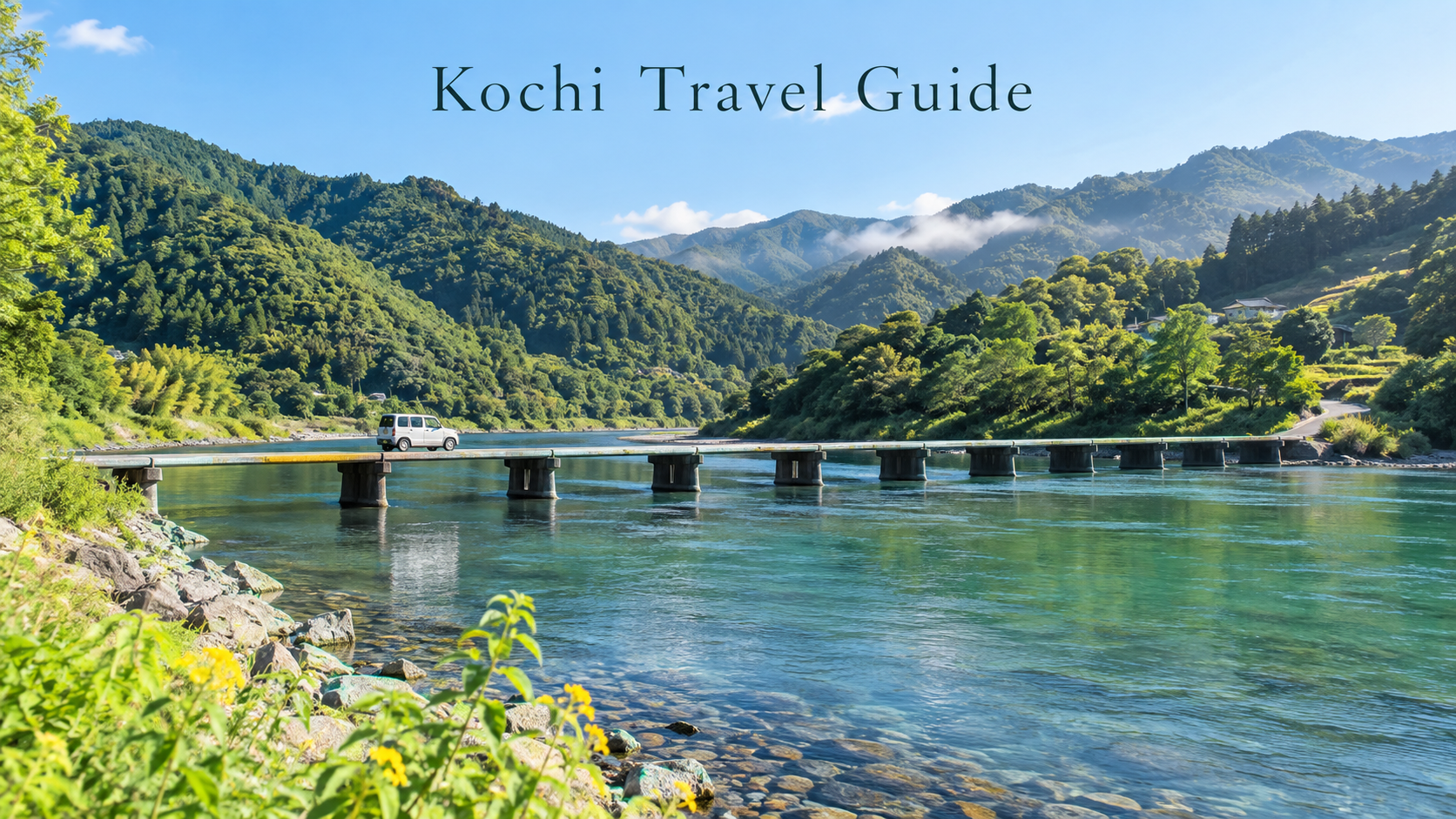
Kochi invites you to build a trip around simple pleasures: a plate of smoky bonito, a morning among vegetable stalls, the view from an old castle, and an afternoon beside clear water. On the Pacific side of Shikoku, mountains and long stretches of coastline shape both the scenery and the distances between destinations.
This Kochi travel guide starts in the prefectural capital, then looks west toward two different river regions. Give yourself time to enjoy each place. A city break with one countryside excursion works beautifully; exploring the Shimanto River deserves extra nights.
The images in this article are original AI-generated travel illustrations. They evoke local scenery and food but are not documentary photographs; actual appearances and conditions vary.
Why Visit Kochi?
Kochi suits travelers who enjoy regional food, historic buildings and outdoor scenery. Its appeal becomes clearer when you spend time between the headline sights: browse a market, stop for lunch, or watch the light change across a river.
Think of your visit in three parts. Kochi City offers a convenient base for the castle, markets and Katsurahama. The Niyodo River basin makes a rewarding countryside excursion with transport arranged. Farther west, the Shimanto River has its own towns, accommodation and activity providers.
Japanese Perspective: You will encounter the name “Tosa,” the historical provincial name associated with Kochi, on food, crafts and tourism signs. Recognizing that word helps connect a restaurant menu or paper-making workshop with the region’s longer history.
1. Explore Kochi Castle
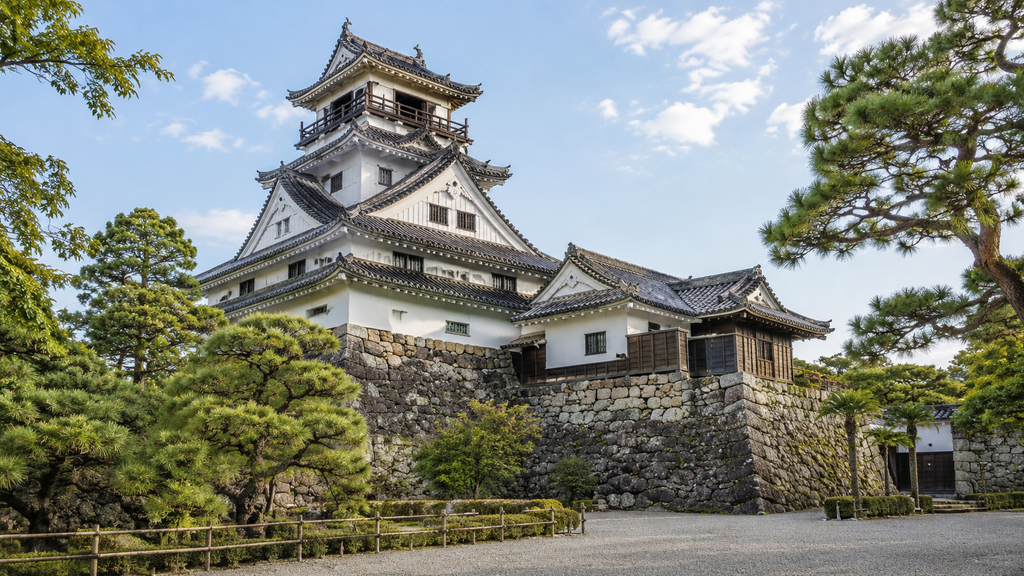
Start with Kochi Castle, where surviving historic structures give the visit a strong sense of continuity with the castle town below. Approach slowly through the grounds, looking at the stonework and changing rooflines before entering the keep.
Inside, allow time for the building itself rather than rushing directly to the view. Timber interiors and steep stairs make this a different experience from a modern observation tower. Wear comfortable shoes and check accessibility information if stairs present a difficulty.
Pair the visit with lunch nearby. This keeps your first day compact and leaves room for a museum or the covered shopping streets if rain arrives.
Japanese Perspective: A castle visit is also a way to read a city’s layout. Notice how the grounds, surrounding roads and nearby commercial streets relate to one another. The historical center still helps organize a visitor’s day.
2. Taste Katsuo no Tataki and Eat at Hirome Market
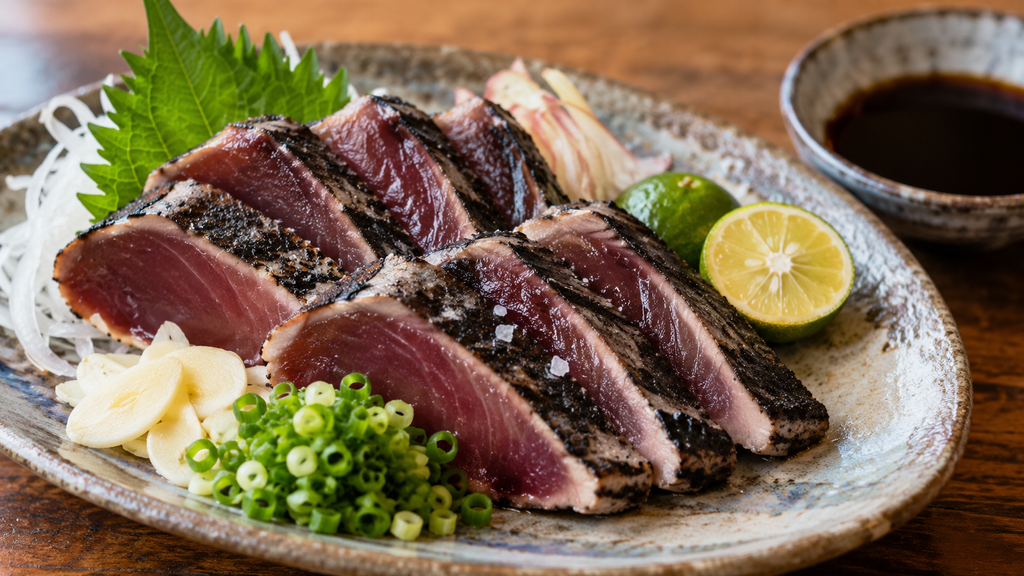
Katsuo no tataki is Kochi’s signature dish: bonito seared on the outside and served with a largely raw center. Straw-fire cooking gives it a distinctive smoky edge. Depending on the restaurant, you may find salt or a citrus-based sauce alongside garlic and other garnishes.
Try a small portion first so you can appreciate the contrast between the seared surface and the fish inside. If you prefer fully cooked fish, ask for a different preparation; tataki is not cooked through.
Hirome Market brings food stalls and shared seating together under one roof. It is a useful introduction to local eating, especially when companions want different dishes. Walk around before ordering and follow the venue’s seating and clearing arrangements. A quieter mealtime can make the experience easier with children or luggage.
Japanese Perspective: Shared tables can create opportunities for conversation, but friendliness does not require joining strangers or drinking alcohol. Ask before taking an apparently empty seat, respect other diners’ space, and enjoy the meal at your own pace.
3. See the Pacific at Katsurahama
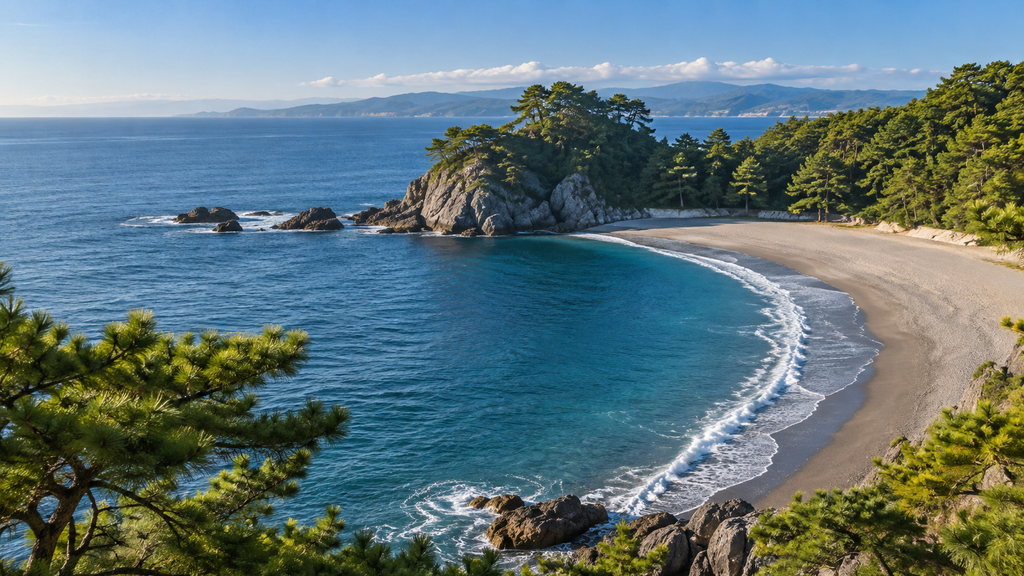
Katsurahama offers a broad Pacific view framed by sand, rocks and pine trees. It is a place for coastal walks and looking out to sea. Swimming is prohibited because of strong currents and large waves. Stay back from the water and follow local signs even when conditions look calm.
The nearby statue of Sakamoto Ryoma introduces one of Kochi’s best-known historical figures. Visit the Sakamoto Ryoma Memorial Museum if you want more context than a photograph of the statue can provide.
Plan a relaxed half day, including transport and perhaps lunch. The MY-YU sightseeing bus serves Katsurahama, but check the current timetable and identify your return departure before setting out.
Japanese Perspective: Ryoma’s presence here reflects local historical memory as well as a visitor attraction. Learning a little about him makes the names and imagery you encounter around Kochi more meaningful.
4. Discover Niyodo Blue at Nakatsu Gorge
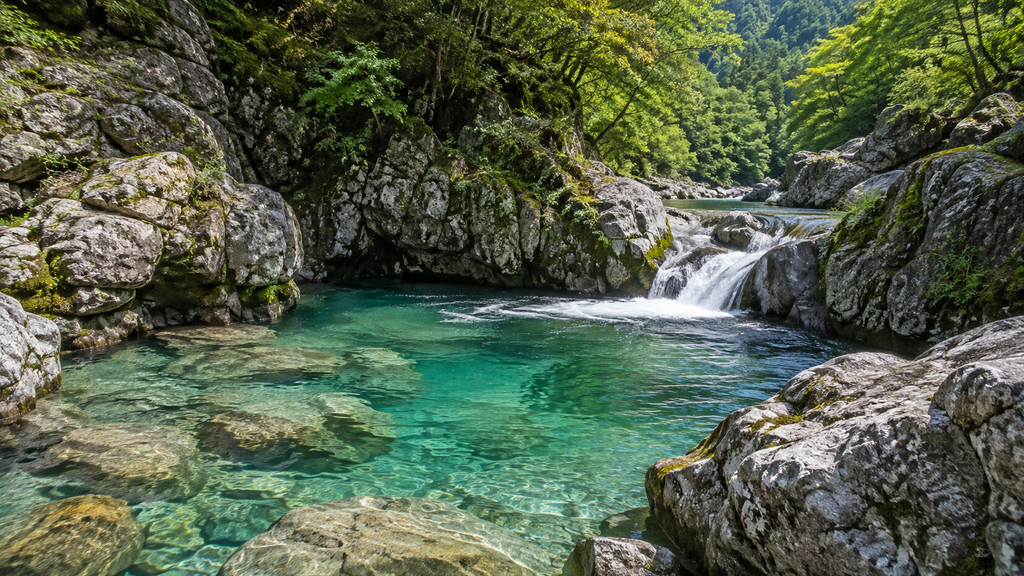
“Niyodo Blue” describes the striking blue tones associated with clear water in the Niyodo River basin. Some celebrated views are along tributaries and gorges, so choose an actual destination rather than simply entering the river’s name into a navigation app.
Nakatsu Gorge is one option for a walk among rock formations, forest and flowing water. Make it the main outing of the day, with time for lunch and the drive back. Wear shoes with grip, check trail conditions, and remember that wet steps and rocks can be slippery.
Water color changes with light, weather and recent rainfall. The experience is still worthwhile when the river looks green or subdued rather than intensely blue.
For canoeing or stand-up paddleboarding, book a designated activity with a local operator. A scenic gorge walk and a paddling trip require different access points and arrangements.
5. Slow Down beside the Shimanto River
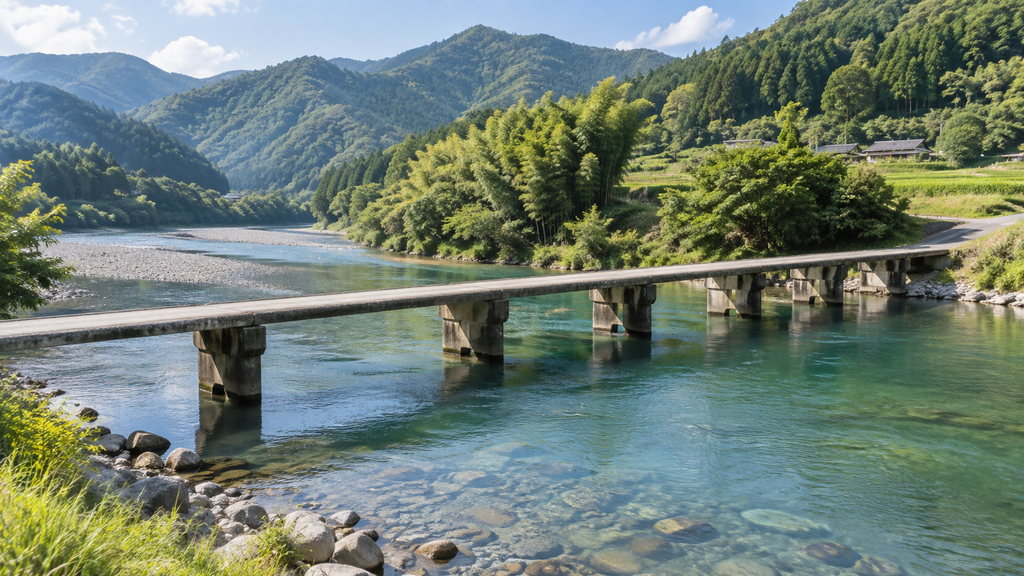
The Shimanto River belongs in a separate western Kochi stay. Use Shimanto City’s Nakamura area as one possible base for the lower river, and choose accommodation according to your booked activity’s meeting point.
Its low submersible bridges, called chinkabashi, are among the river’s most recognizable features. Many have no railings and remain connected to everyday local travel. View them from an appropriate public place, keep access clear, and follow closures. Do not assume a bridge is a safe place for jumping into the water.
A guided canoe outing, a riverboat experience or a short planned cycling route can provide a stronger memory than driving between many bridges. Ask providers about transport, weather cancellation policies and what equipment is included.
Japanese Perspective: This landscape is also a place where people work and live. Respecting farm entrances, parking rules and residents’ journeys helps preserve the quiet atmosphere that visitors come to enjoy.
6. Spend Sunday Morning at the Street Market
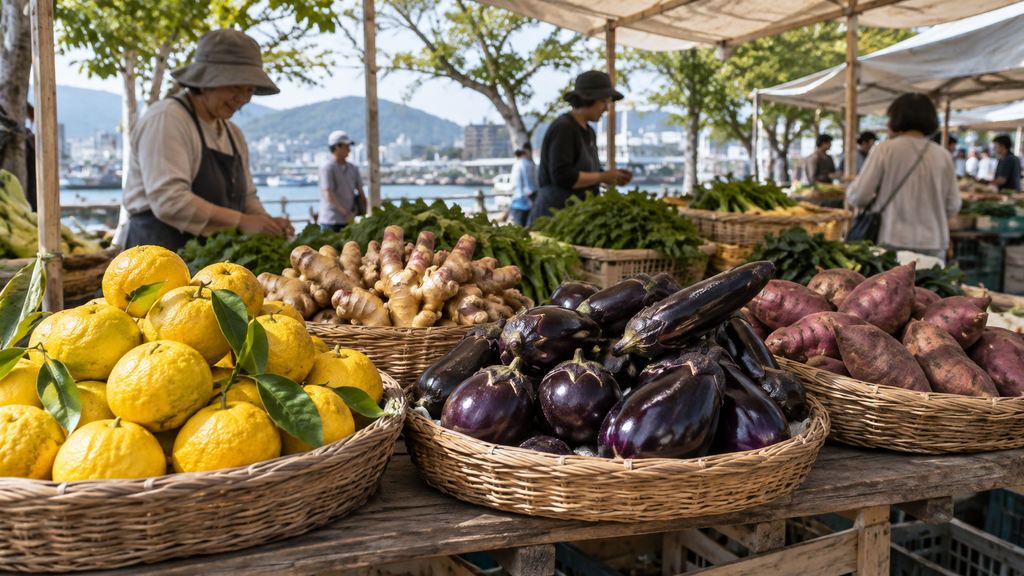
If your dates allow, arrange a Sunday morning in Kochi City. The Sunday Market runs along Otesuji near the castle and has a history stretching back more than three centuries. Visit in the morning for a wider choice before popular items sell out.
Look for seasonal produce, local snacks and handmade goods. Imoten, or sweet potato tempura, makes an easy first taste. Inaka sushi, country-style sushi often featuring vegetables, offers another side of regional cooking. Anyone avoiding fish should still check ingredients and seasonings.
Bring small cash and a reusable bag. Ask before photographing stallholders, and step aside when stopping to eat.
Japanese Perspective: Browse beyond souvenir foods. The vegetables and kitchen items reveal a working market that serves local households, making ordinary shopping part of the travel experience.
Practical Information for Your Kochi Trip
Getting There and Around
Kochi Ryoma Airport has domestic connections and bus access to the city. By rail, travel via Okayama and take a Limited Express Nanpu service toward Kochi. Allow roughly three hours for the Okayama–Kochi leg, then check your specific departure and connection.
Walking and trams work well for central sights. Check accepted payment methods before boarding instead of assuming your usual transit card will work. For rural excursions, a rental car, organized tour or prearranged transfer can simplify the final stretch. A railway station near a river does not necessarily provide easy access to a gorge or activity base.
Where to Stay
Choose central Kochi for restaurants and sightseeing, or the station area for convenient onward travel. For the Shimanto extension, stay in the western region rather than repeatedly returning to Kochi City. With rural accommodation, check dinner availability, arrival deadlines and transport before booking.
When to Visit
For this itinerary, spring or autumn would be my first choice for balancing city walks and countryside time. Summer calls for extra breaks and careful planning around heat and rain. Coastal and river activities depend on weather; keep a flexible indoor alternative. Winter can suit food and city sightseeing, while mountain conditions need separate checking.
Costs and Reservations
The biggest planning difference is often transport. Compare a full-day rural excursion with a rental car’s insurance, fuel and parking costs. Book guided activities ahead, check current admission fees on official sites, and carry some cash for small purchases.
A Realistic Three-Day Kochi Itinerary
Day 1: Castle and Local Food
Explore Kochi Castle, have lunch around the city center, and browse the shopping streets. Eat at Hirome Market or choose a quieter restaurant. If this is Sunday, visit the street market first.
Day 2: Katsurahama and History
Take the sightseeing bus to Katsurahama, walk around the park and visit the Ryoma museum if it interests you. Return with time for a relaxed dinner. Avoid adding several distant stops just because they appear on the same regional map.
Day 3: One Niyodo River Outing
With transport arranged, dedicate the day to Nakatsu Gorge or a guided river activity. Choose one main experience. In poor weather, replace it with a city museum and a longer lunch rather than forcing an outdoor schedule.
Optional Days 4–5: Shimanto Extension
Travel west and settle into accommodation around your chosen river base. Use the following day for a booked activity and a nearby viewpoint. Check onward connections before committing to an afternoon tour; an additional night may give you a more comfortable departure.
FAQ: Visiting Kochi for the First Time
Is Kochi worth visiting on a first trip to Japan?
Yes, particularly if regional food and rivers appeal to you. Allow enough time to reach Shikoku and enjoy the region without rushing between major cities.
How many days do I need?
Three days is a useful starting point for Kochi City, Katsurahama and one countryside outing. Add at least two days for a more relaxed Shimanto River extension.
Can I visit without renting a car?
Yes. Central Kochi and Katsurahama are manageable with walking and public transport. For rural activities, confirm transfers or book a tour before reserving accommodation.
Are the Niyodo and Shimanto rivers the same destination?
No. They are separate river systems with different access routes. Give each its own plan and allow travel time between regions.
Can I swim at Katsurahama?
No. Swimming is prohibited. Enjoy the coastal scenery from safe public areas and follow signs and staff instructions.
What should I eat if I do not like raw fish?
Try imoten, vegetable dishes or fully cooked options at local restaurants. Ask about preparation and fish-based stock if you have specific dietary needs.
Explore More of Shikoku
Kochi’s rivers, castle, local cuisine and Pacific landscapes make it one of Shikoku’s most distinctive destinations. But a journey across the island can also take you to remote mountain valleys, famous hot springs, historic gardens and the islands of the Seto Inland Sea.
Tokushima Travel Guide
Experience the Naruto Whirlpools and venture into the mountains of the Iya Valley for dramatic scenery, traditional villages and a quieter side of Japan.
Read more: Tokushima Travel Guide: Naruto Whirlpools, Iya Valley and a Japanese Perspective
Kagawa Travel Guide
Explore Japan’s home of Sanuki udon, beautiful Ritsurin Garden, historic Kotohira-gu and the artistic islands of the Seto Inland Sea.
Read more: Kagawa Travel Guide: Sanuki Udon, Gardens and Seto Inland Sea Islands
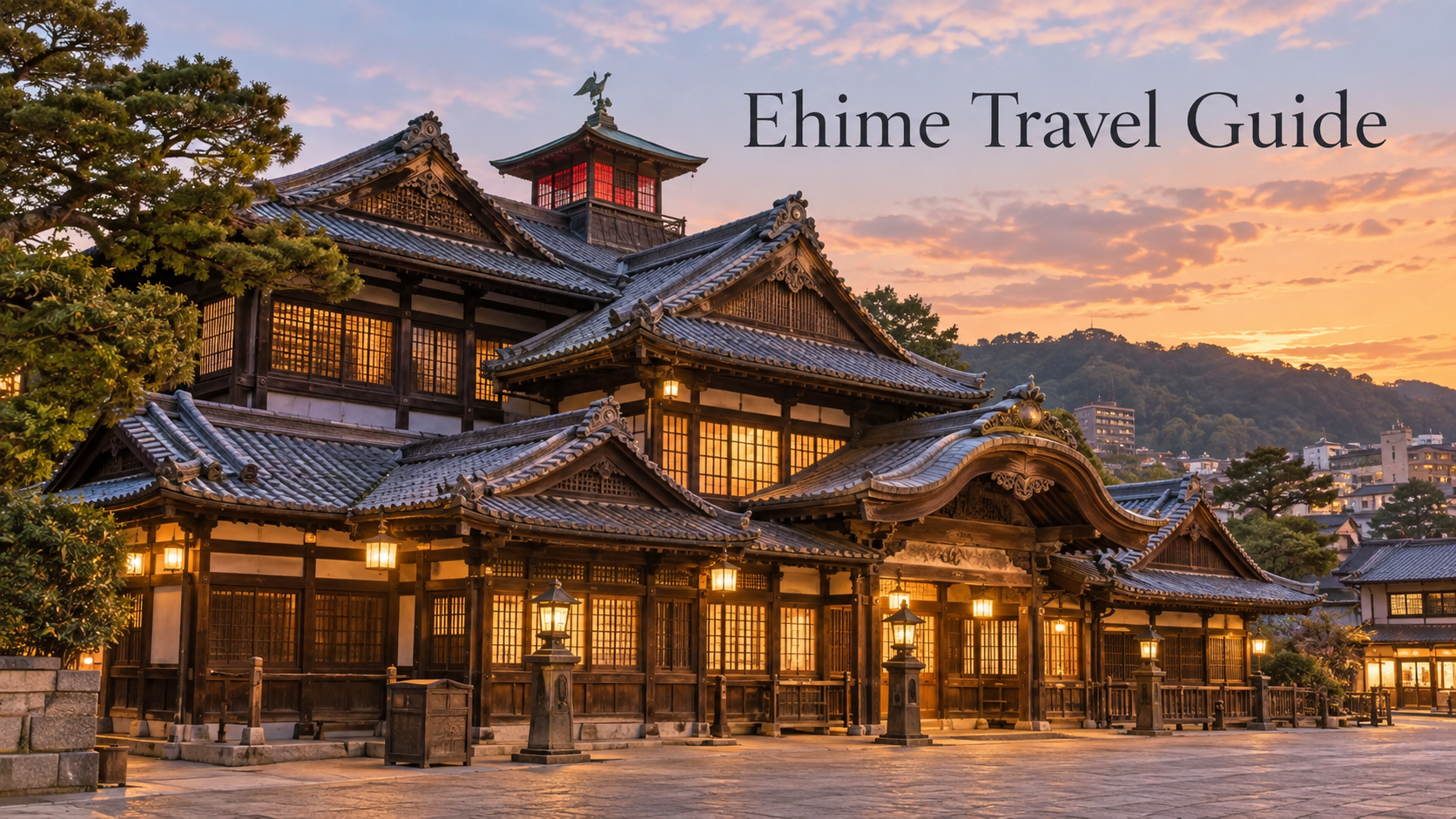
Ehime Travel Guide
Visit Dogo Onsen and Matsuyama Castle, enjoy Ehime’s citrus culture, and travel along the scenic islands and bridges of the Shimanami Kaido.
Read more: Ehime Travel Guide: Dogo Onsen, Matsuyama and a Japanese Perspective
Explore the whole region through our Shikoku Travel Guides.