
Ishigaki is the kind of place where a view can change your plans. You might leave your hotel thinking about a busy sightseeing day, then find yourself lingering beside a turquoise bay or taking a longer lunch over a bowl of Yaeyama soba.
Part of Okinawa Prefecture’s Yaeyama Islands, Ishigaki combines a useful transport hub with subtropical scenery and a strong local identity. It is a destination to enjoy in its own right, as well as a starting point for visiting neighboring islands.
This Ishigaki Island travel guide brings together six experiences, practical advice and a four-day itinerary. The focus is a balanced first visit: time near the sea, an introduction to island culture, and enough flexibility to adapt when the weather changes.
1. Take in the Colors of Kabira Bay
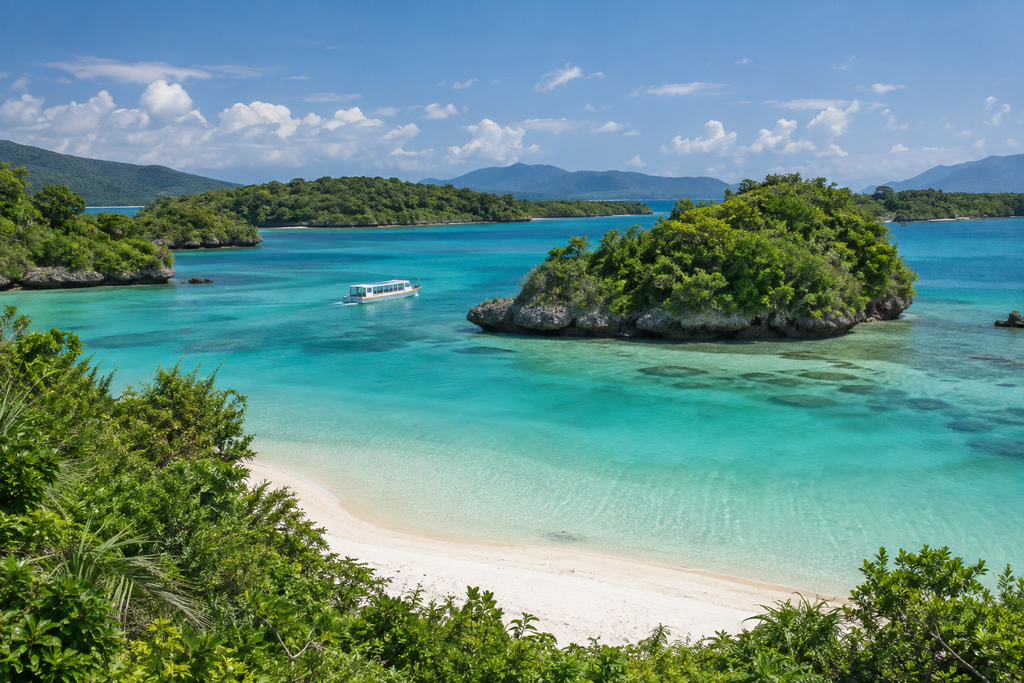
Kabira Bay is a natural starting point for an Ishigaki trip. Its pale shoreline, wooded islets and changing shades of blue create a landscape worth enjoying slowly.
Walk around the public viewing area, pause in the shade, and leave time to see how the water changes with the light. A glass-bottom boat tour offers another way to appreciate the marine environment without entering the sea.
Swimming is not allowed at Kabira Bay’s sightseeing beach. Plan this as a scenic stop, and arrange swimming or snorkeling separately at an appropriate location. The official Okinawa snorkeling guide makes this distinction clear.
Check boat operations locally, because visibility and weather affect the experience. If you are using buses, confirm the return departure before settling into lunch. It is easier to relax when you already know how you will get back.
Japanese Perspective: A Famous View Is Also a Working Place
Tourism is only one activity around the bay. Follow marked routes, keep access clear for boat crews, and respect instructions even when the water looks inviting. Appreciating a landscape includes understanding how people use and care for it.
2. Discover the Sea with a Responsible Guide
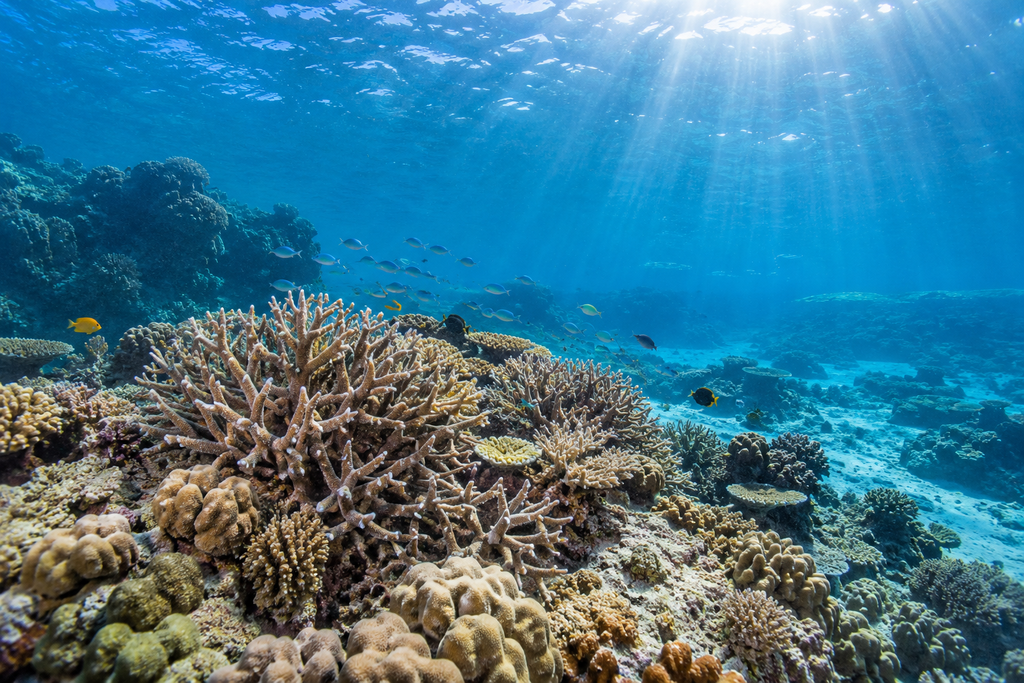
Ishigaki is known for snorkeling and diving, with underwater experiences ranging from small reef fish to the possibility of seeing manta rays. The official Yaeyama diving guide introduces the region’s marine settings.
Choose an activity that matches your swimming ability and experience. Tell the operator if you are nervous in deep water or unfamiliar with equipment, and ask what support is provided. A welcoming briefing matters more than a long list of promised sightings.
Manta rays are wild animals, so encounters cannot be guaranteed. Let the operator choose an appropriate site for the day rather than expecting a particular animal or route regardless of conditions.
Keep away from coral, avoid standing on the reef, and do not chase or feed wildlife. Listen to the guide’s positioning instructions and give animals space. A quiet observation can be far more rewarding than trying to get closer for a photograph.
If you prefer to stay on land, make a beach afternoon part of the trip instead. Check local swimming arrangements, facilities and current guidance before entering the water; a beautiful shoreline is not automatically a managed swimming beach.
3. Explore Ishigaki’s Mangrove Landscapes
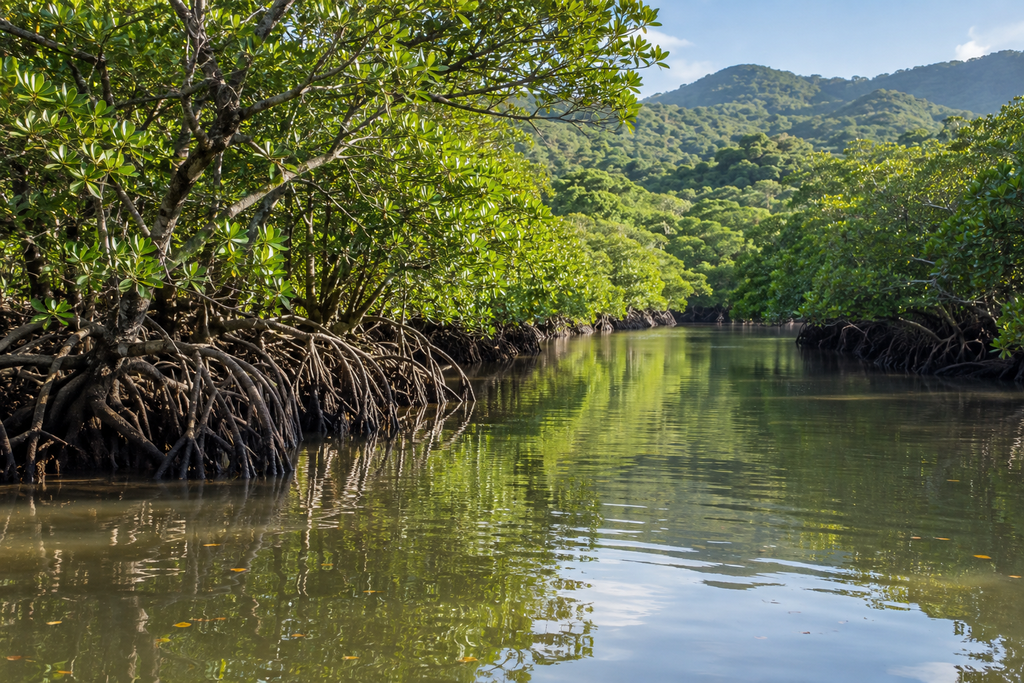
Move away from the coast and Ishigaki offers another kind of waterside experience. Mangroves occupy the meeting place between land and tidal water, creating intricate roots, shaded channels and habitats that reward close observation.
A guided outing around a mangrove river, such as Fukido, can help you notice details beyond the obvious green scenery. Ask how tides affect the route, whether the activity is suitable for beginners, and what clothing or footwear to bring.
The appeal is different from a fast sightseeing stop. You might spend time looking at roots, reflections or small movements near the waterline. Keep expectations open instead of measuring the outing by how many animals appear.
Japanese Perspective: Follow the Environment’s Rhythm
Nature activities work best when visitors adapt to local conditions. A change of departure time or a shorter route may reflect the guide’s judgment about tides and weather. Treat that flexibility as part of understanding the place, and avoid entering channels or muddy banks independently just to reproduce a photograph.
Explore Ishigaki’s Mangroves & Blue Cave
Want to experience both Ishigaki’s mangrove landscapes and its tropical waters? A guided SUP or canoe tour combined with snorkeling can be an easy way to enjoy two very different sides of the island in one outing.
(affiliate link)
View Ishigaki Mangrove & Snorkeling Tours →
4. Listen to Yaeyama Music and Notice Living Traditions
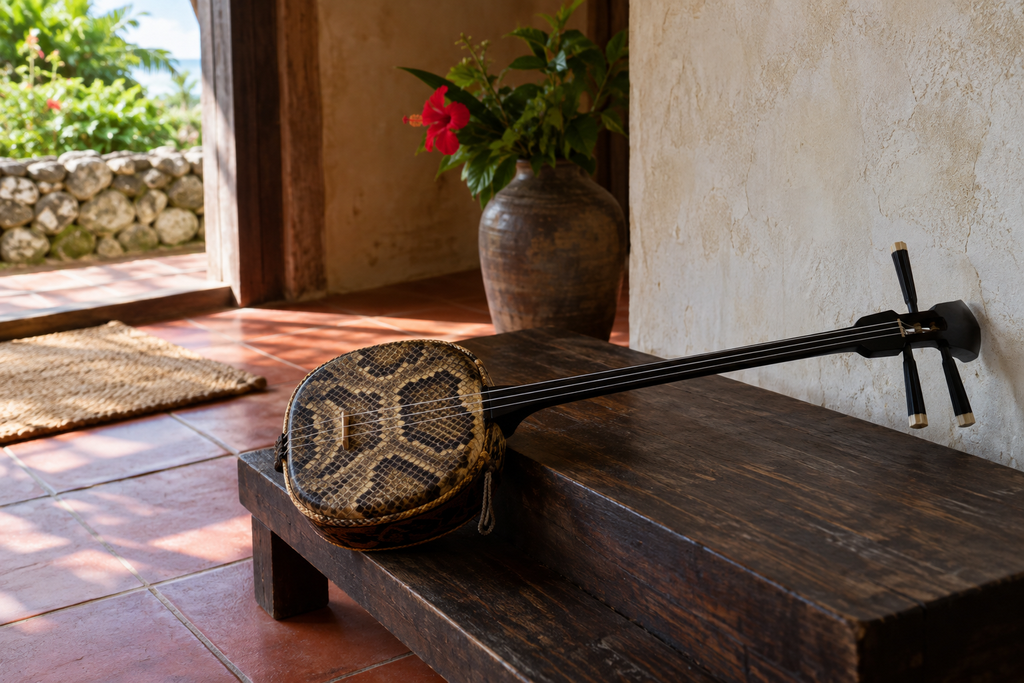
An evening of island music can give your trip a different emotional texture. The sanshin, a three-stringed instrument, accompanies songs that carry local memories and feeling. Ishigaki’s musical traditions include Tubarama, associated with expressive lyrics and flowing melodies.
Look for an advertised performance or an introductory music experience. Before booking, check the schedule, language support and any cover charge. In a restaurant, find out whether the music is the main event or part of the dining atmosphere.
You do not need to understand every lyric to listen attentively. Ask about a song’s meaning when there is an appropriate opportunity, and get permission before recording performers.
Japanese Perspective: Okinawa Is Not One Uniform Culture
Yaeyama has its own local traditions within Okinawa’s wider cultural landscape. Avoid assuming that something you learned in Naha explains every custom on Ishigaki.
Community ceremonies also have purposes beyond entertaining visitors. Harvest celebrations and maritime festivals are tied to local life and may follow the lunar calendar. If an event coincides with your stay, use the local tourism association’s guidance to check visitor etiquette and confirmed arrangements. An open street does not mean every ritual space is open to tourists.
5. Make Time for Yaeyama Soba and Island Food
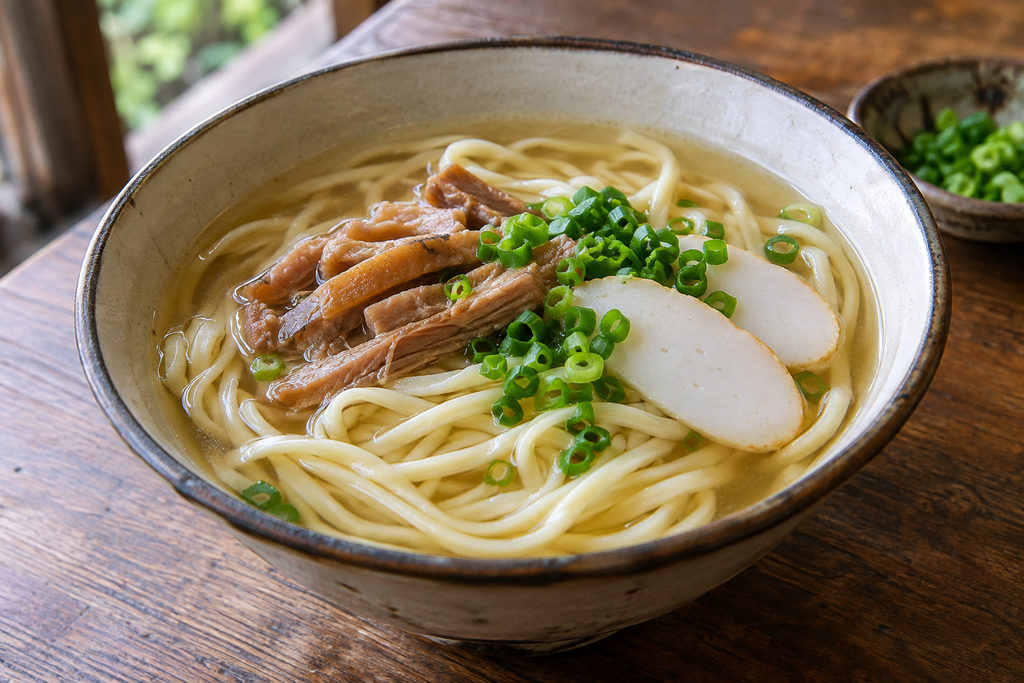
Yaeyama soba is a good place to begin exploring Ishigaki’s everyday food. Despite the word soba, its noodles are made from wheat rather than buckwheat. Enjoy the broth first, then add condiments gradually so you can appreciate the shop’s preparation.
Ishigaki beef offers another local food experience, while island-grown pineapple and mango can be appealing when in season. You do not need an expensive meal every evening: alternate a planned restaurant visit with a simple noodle lunch and whatever seasonal produce catches your interest.
Ask about ingredients if you have dietary restrictions. Broth can contain meat or fish even when the visible toppings seem suitable, and removing a topping does not change the stock.
Japanese Perspective: Everyday Meals Deserve Attention
Regional food is not only about famous brands or elaborate presentation. A neighborhood bowl of noodles can show how people eat during an ordinary day. Leave room for modest places, respect queues and closing times, and avoid turning every meal into a hunt for the single “best” restaurant.
6. Take a Thoughtful Day Trip to Taketomi Island
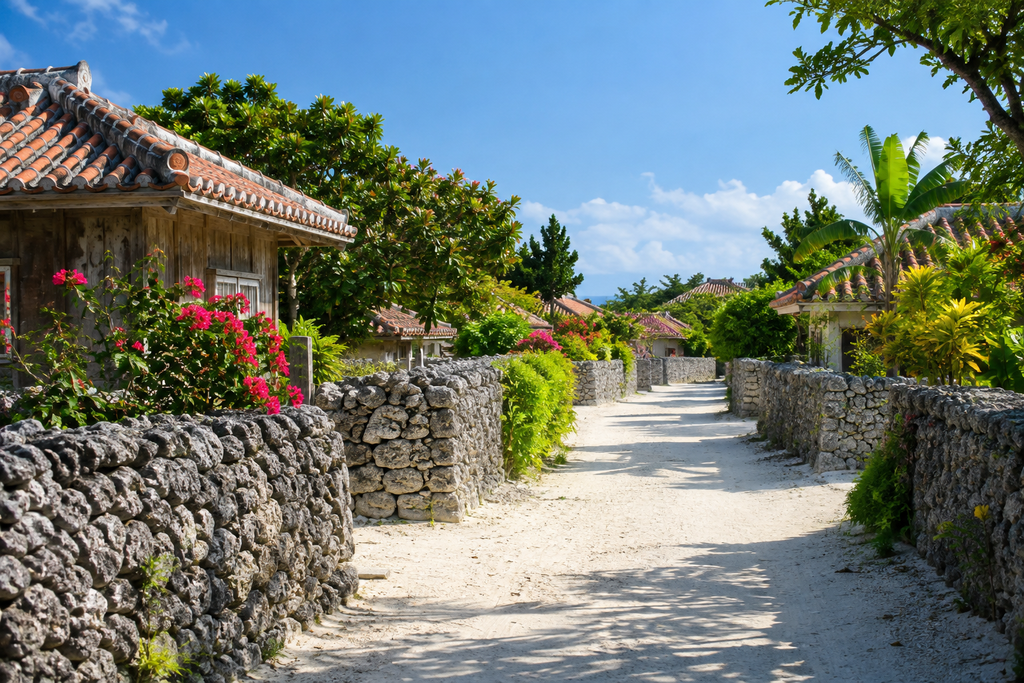
Taketomi is a neighboring island, not a district of Ishigaki. Its village scenery, stone walls and red-tiled roofs make it a rewarding change of pace, and its compact size suits a day spent walking or cycling.
Choose a small number of stops and allow time for the village itself. The official Taketomi guide provides background on local architecture, beaches and crafts.
Homes remain private, even when they look picturesque. Stay out of gardens, avoid blocking gateways, and ask before photographing residents. Keep beach sand and natural objects where they belong.
Check both outward and return sailings before leaving Ishigaki. A short crossing still depends on operating conditions, and the last boat should not be your only workable return option. Schedule this outing before your final travel day.
Iriomote is another possible extension, but its nature activities deserve separate planning. On a short first visit, choosing one neighboring island usually makes a more enjoyable trip than trying to visit several in rapid succession.
Visit Taketomi Island from Ishigaki
Taketomi Island makes an easy day trip from Ishigaki, especially if you want to experience traditional Yaeyama village scenery alongside the sea. A guided experience can simplify transport and help you make the most of a limited day.
(affiliate link)
View Taketomi Island Tours & Experiences →
Practical Information for First-Time Visitors
Getting to Ishigaki
Fly to Painushima Ishigaki Airport. Ishigaki is separate from Okinawa’s main island, so a stay in Naha does not put you within driving distance. Check airline routes for your departure city and allow adequate connection time if traveling via another airport.
The airport’s official bus and taxi page lists access options toward the city and ferry terminal. Consult linked operator timetables for your arrival date instead of assuming every service follows the same route.
Getting Around and Choosing a Base
Central Ishigaki is convenient for restaurants, the ferry terminal and transport connections. A stay near Kabira or another coastal area can suit travelers who want more time outside town, but check dining and evening transport options before booking.
A rental car gives flexibility for spread-out attractions. Buses and guided excursions can work well if you plan around their schedules. Compare the total cost, including parking and transfers, rather than just the daily car rate or hotel price.
For a first visit, one base is often enough. Moving accommodation repeatedly can consume time that would be better spent outside.
When to Visit
Spring and autumn are worth considering for a mix of sightseeing and outdoor activities, though neither guarantees dry days or calm water. Okinawa’s rainy season generally falls around May and June, with local timing varying each year.
Summer brings strong heat and the possibility of typhoon disruption. Winter can be appealing for food and culture, but warm air does not guarantee comfortable swimming conditions.
Use the official seasonal guide for an overview and check Ishigaki-specific forecasts near departure. Read cancellation conditions before booking weather-dependent activities.
Keeping Plans Flexible
Choose one main activity per day and keep a few alternatives in town. Flights and ferries can be affected by severe weather, so leave room between an island excursion and an important onward journey. A buffer reduces pressure but cannot guarantee uninterrupted travel.
Reserve key experiences first, then build the surrounding day around their meeting points. Check whether equipment, hotel pickup and meals are included. This prevents a seemingly convenient booking from creating unexpected transport problems.
A Flexible Four-Day Ishigaki Itinerary
- Day 1 — Arrive and settle in: Transfer to your accommodation, have Yaeyama soba and explore central Ishigaki at an easy pace. Add an advertised music performance if arrival time permits.
- Day 2 — Visit Taketomi: Take a confirmed ferry, walk or cycle around the village, and return with time to spare. Swap this day with another if conditions are unsuitable.
- Day 3 — Choose your nature focus: Combine Kabira Bay with a suitably timed mangrove outing, or devote the day to a guided marine activity instead. Do not force all three into one day.
- Day 4 — Enjoy a slow morning and depart: Keep the morning close to your base, allow ample time for airport transport, and avoid a ferry excursion before your flight.
Add a fifth day if you want both a full marine outing and the Kabira–mangrove combination. For a shorter stay, skip the neighboring-island trip and enjoy Ishigaki itself.
Frequently Asked Questions
How many days should I spend on Ishigaki?
Four days is a useful starting point for a relaxed introduction. Five or more days gives you room for additional outdoor activities and weather changes.
Can I swim at Kabira Bay?
No. The sightseeing beach is not a swimming location. Enjoy the views or a glass-bottom boat, and arrange swimming elsewhere with current local guidance.
Do I need a rental car?
Not necessarily. A central base, buses and tours can work, while a car makes flexible trips to spread-out places easier. Decide after comparing your chosen activities and transport schedules.
Are manta ray sightings guaranteed?
No. They are wild animals, and sightings depend on conditions and other factors. Choose an operator for its guidance and responsible practices rather than a promise of a particular encounter.
Is Taketomi suitable for a day trip?
Yes, when ferry operations and your schedule allow. Confirm both journeys, respect the village’s residential spaces, and avoid placing the trip immediately before an onward flight.
Is Ishigaki the same as Okinawa’s main island?
No. It belongs to Okinawa Prefecture but lies in the separate Yaeyama island group. Plan airport transfers and accommodation specifically for Ishigaki.
Continue Your Southern Island Journey
Ishigaki introduces the distinctive culture and landscapes of the Yaeyama Islands. Continue exploring Japan’s southern islands to discover different histories, ecosystems and local traditions.
Okinawa Travel Guide
Experience another side of Okinawa Prefecture on the main island through Ryukyu royal heritage, pottery traditions, local food, beaches and the forests of Yanbaru.
Read next: Okinawa Travel Guide: Ryukyu Heritage, Island Seas and Local Flavors
Yakushima Travel Guide
Compare Ishigaki’s coral seas and subtropical island culture with Yakushima’s rain-soaked cedar forests and mountain landscapes.
Read next: Yakushima Travel Guide: Forest Walks, Where to Stay and a 4-Day Itinerary
Kagoshima Travel Guide
Return to mainland southern Kyushu for Sakurajima, volcanic hot springs, historic gardens and regional food.
Read next: Kagoshima Travel Guide: Sakurajima, Onsen and Island Forests
Browse more destinations in our Kyushu & Okinawa Travel Guides.