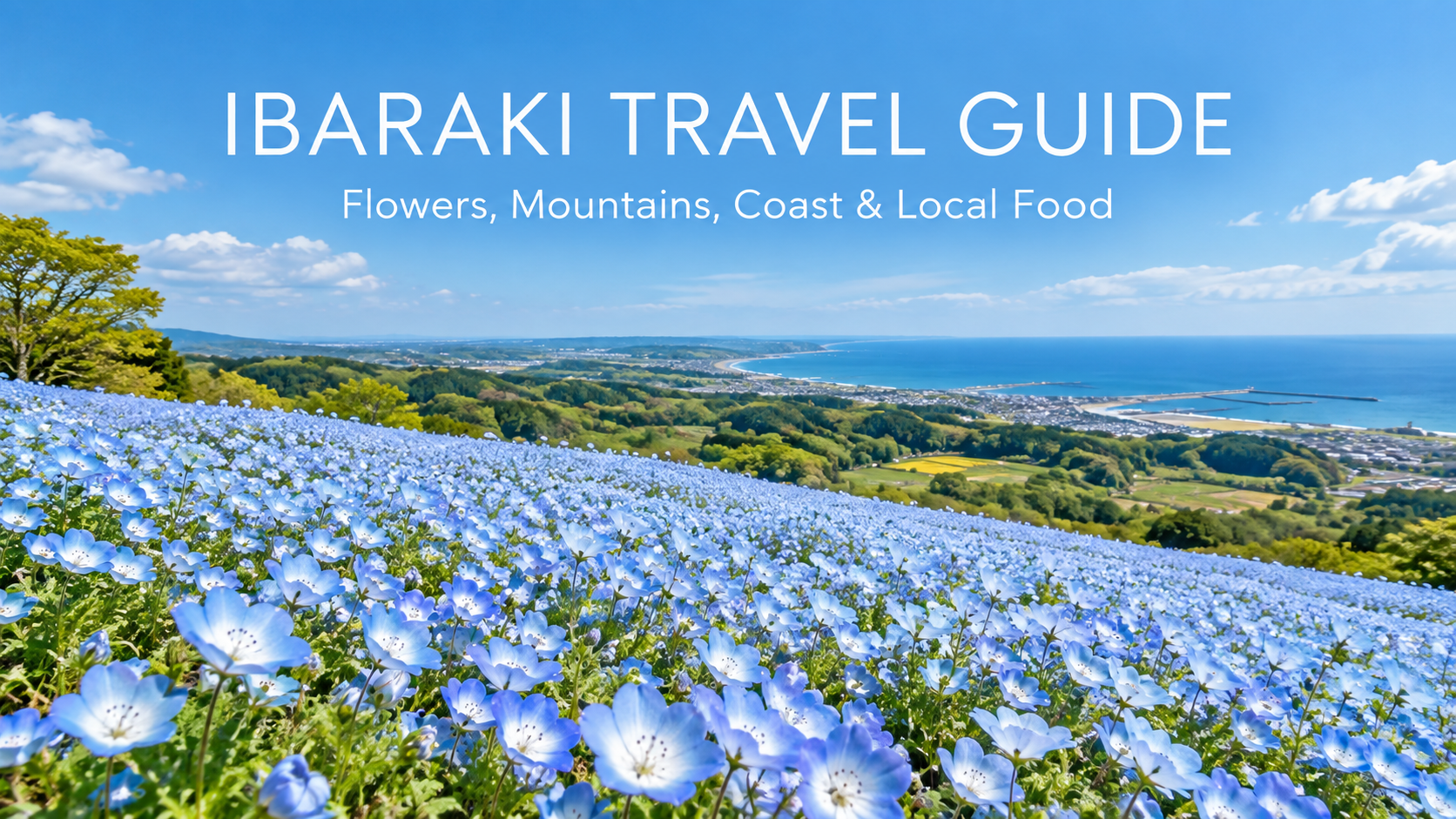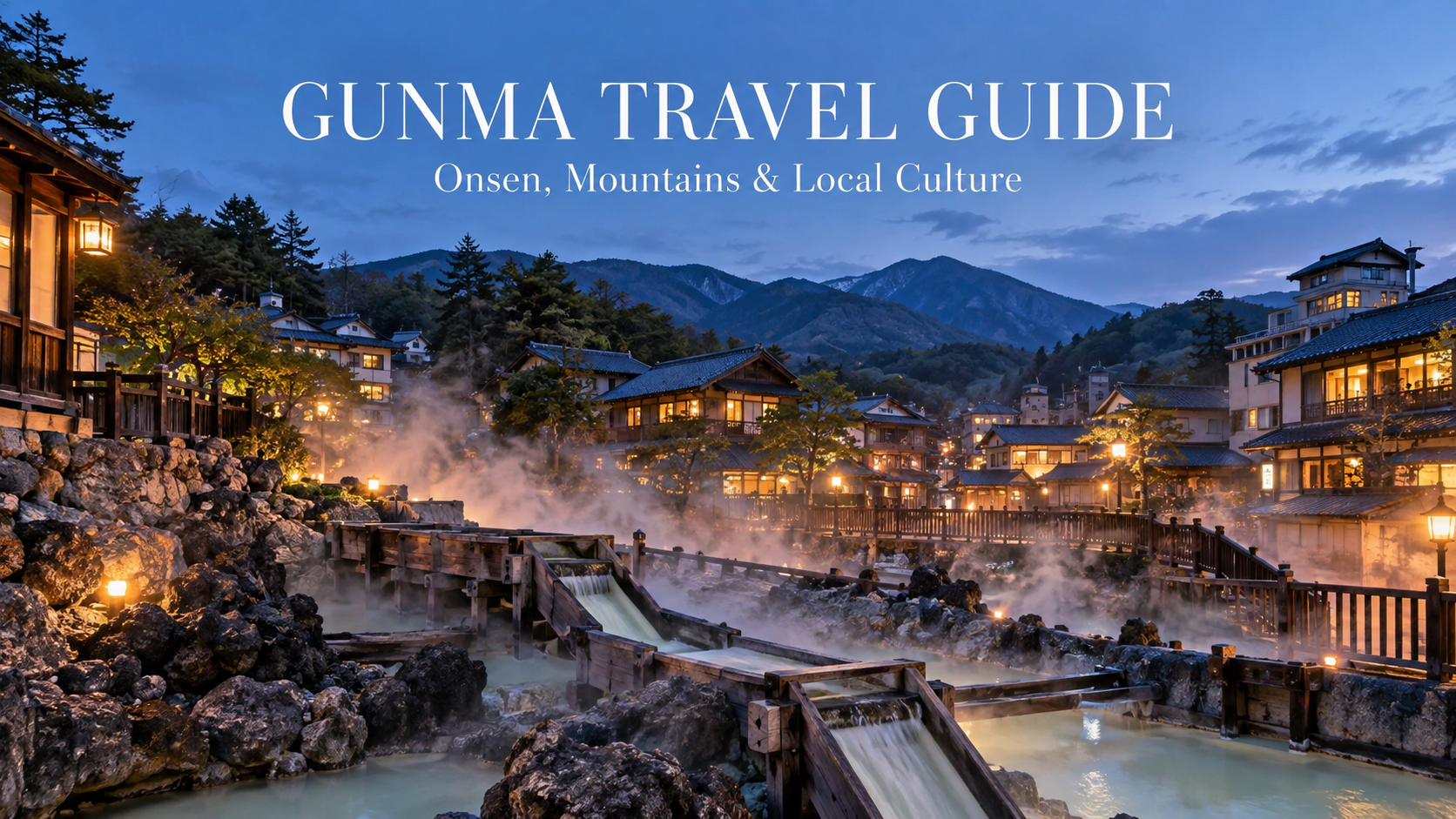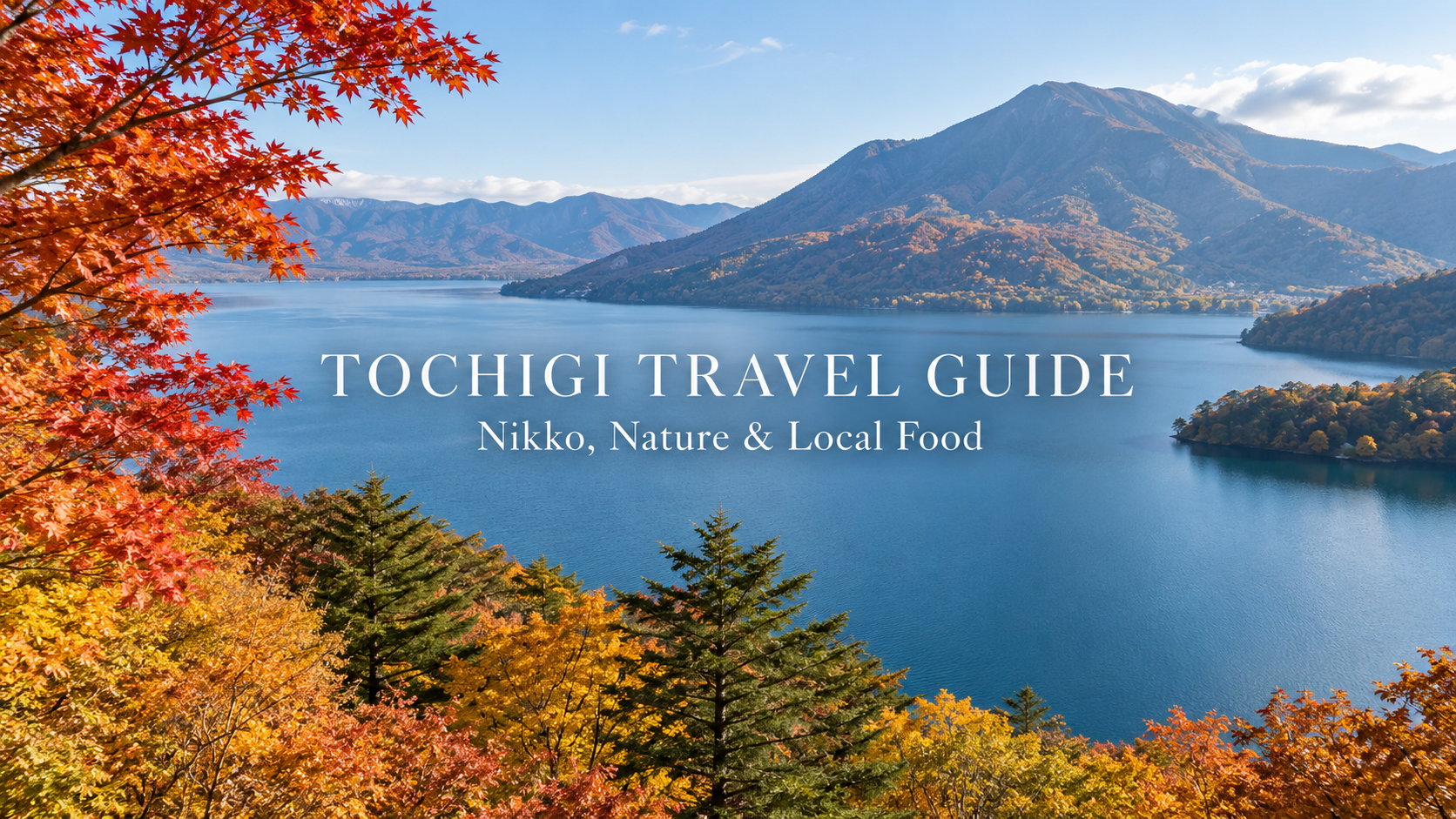
Tochigi Prefecture is where a trip north from Tokyo can lead from ornate shrine gates into cedar forests, mountain lakes and hot-spring towns. Nikko is the headline destination, but the prefecture also rewards travelers who make time for wisteria gardens, underground stone quarries, highland scenery and a plate of freshly cooked gyoza.
This Tochigi travel guide introduces the main places to visit, regional food and practical ways to build a manageable itinerary. It also looks at the Japanese perspective behind the attractions: how religion shaped Nikko, why cultivated gardens deserve a closer look, and how an overnight stay can become the focus of a journey.
Images in this guide are original AI-generated illustrations inspired by the destinations and food described.
Why Visit Tochigi Prefecture?
Tochigi is an inland prefecture in northern Kanto. Its southern cities connect with the Tokyo region, while the north rises into mountains. That difference matters when planning: a warm afternoon in Utsunomiya does not mean a mountain trail near Nikko will be equally comfortable.
For a first visit, choose Nikko for history and nature, Utsunomiya for food and Oya stone, Ashikaga for seasonal flowers, or Nasu for an overnight highland escape. These areas are distinct destinations, so give each enough time.
Two or three days suit a focused introduction. You can also visit one area on a day trip from Tokyo, especially if you resist adding distant stops simply because they share the same prefecture.
1. Nikko: Shrines, Temples and the Tokugawa Legacy
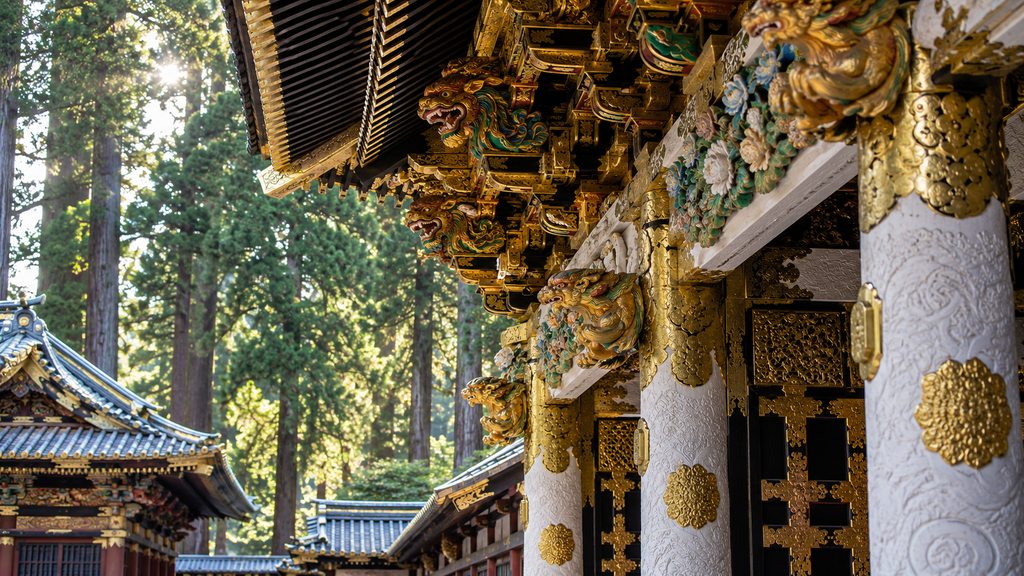
Nikko’s wooded religious district contains some of Japan’s most elaborate sacred architecture. Toshogu enshrines Tokugawa Ieyasu, founder of the Tokugawa shogunate. Its lavish decoration developed through the patronage of his successors, particularly his grandson Iemitsu.
Look closely at the painted carvings, lacquerwork and gilded details. The famous Three Wise Monkeys and Sleeping Cat attract attention, but the buildings reward more than a quick search for recognizable symbols. Nearby Rinnoji Temple and Futarasan Shrine help explain the wider religious landscape included in the UNESCO-listed Shrines and Temples of Nikko.
Allow most of a day for the area, with a lunch break and time to walk between sites. Tickets and photography rules differ by facility. Stone steps and sloping approaches can be tiring, especially in rain, so comfortable shoes are essential.
Japanese Perspective: Why a Shrine District Also Contains Temples
Visitors sometimes expect Shinto shrines and Buddhist temples to belong to completely separate worlds. For much of Japanese history, their beliefs and practices were closely intertwined, a relationship known as shinbutsu shugo.
Nikko’s sacred mountains and religious institutions developed within that layered tradition. Later political changes separated many Shinto and Buddhist institutions, but the landscape still carries traces of their shared history. Exploring several sites gives a fuller picture than treating Toshogu as an isolated monument.
Follow the instructions at each worship area. Clapping is customary at many shrines, while Buddhist temple prayer generally uses joined hands without clapping.
2. Lake Chuzenji, Kegon Falls and Okunikko
Above central Nikko, the winding Irohazaka road leads into Okunikko, a higher landscape of lakes, forests and wetlands. Lake Chuzenji lies beneath Mount Nantai, offering lakeside walks and, when operating, sightseeing cruises.
Nearby Kegon Falls drops approximately 97 meters from the lake’s outflow into a steep gorge. Water volume and visibility vary, so photographs taken in another season cannot guarantee the same view. An elevator provides access to a lower observation area for a separate fee.
If you enjoy walking, consider the Senjogahara wetlands farther inland. Choose a route suited to the day’s conditions and check current trail information before setting out. A lakeside stroll is a perfectly worthwhile alternative to a longer hike.
Give Okunikko its own day. Autumn traffic can delay buses substantially, and mountain weather changes quickly. Bring a layer even when your Tokyo hotel room felt warm that morning.
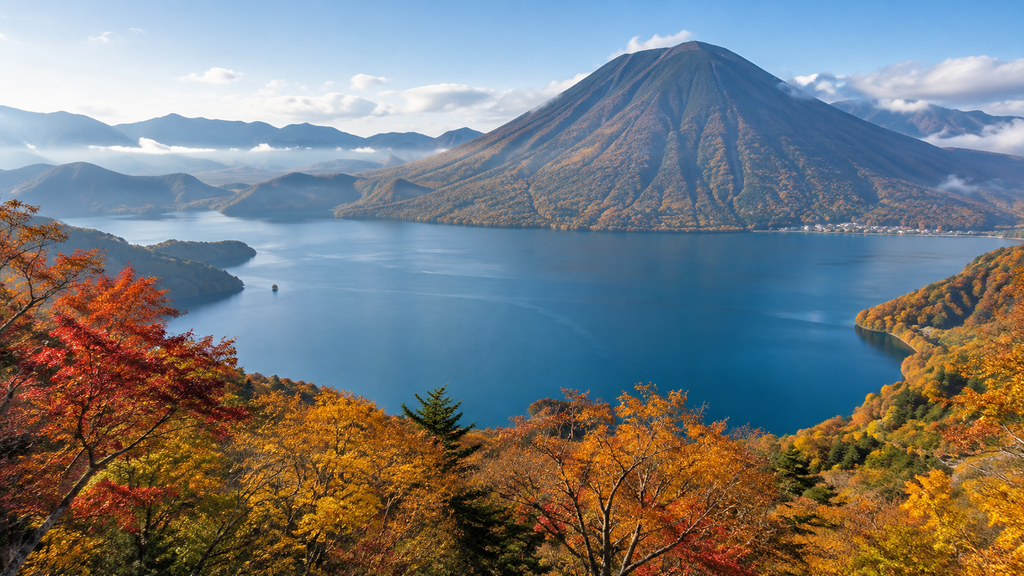
Japanese Perspective: Autumn Viewing Is a Seasonal Journey
Momijigari means going out to appreciate autumn leaves. The pleasure includes walking, changing light and noticing different shades rather than reaching one designated photo spot.
Because color develops at different elevations, Okunikko and central Nikko do not necessarily peak together. Build your day around current conditions. A quieter path with mixed green and gold can be as memorable as a crowded viewpoint at its reddest.
3. Ashikaga Flower Park: Wisteria and Patient Gardening
Ashikaga Flower Park is famous for cascading wisteria flowers supported across extensive trellises. Late April and early May are typical planning windows, although varieties bloom at different times and weather shifts the display each year.
The park also features other seasonal flowers and winter illuminations. Check the official flowering report, admission price and opening hours before departure: the park adjusts aspects of its operation around seasonal events and bloom conditions.
Use Ashikaga Flower Park Station on the JR Ryomo Line for straightforward rail access. During peak spring dates, allow for crowded trains and a slower walk through the gardens. A weekday visit may feel more relaxed.
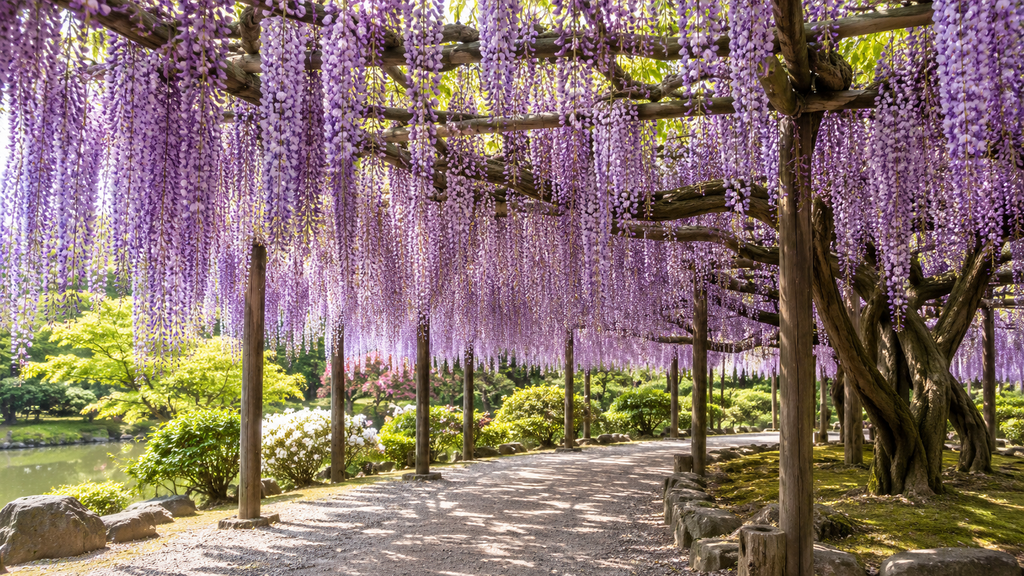
Japanese Perspective: Appreciate the Work Behind the Flowers
A mature wisteria canopy is also the result of pruning, training and years of care. The supporting framework makes that human contribution visible.
Looking at the trunk, branches and trellis adds something to the experience: the flowers are brief, but the work that makes them possible continues through the year. Stay on paths and avoid touching hanging blossoms so others can enjoy them too.
4. Utsunomiya and the Underground World of Oya Stone
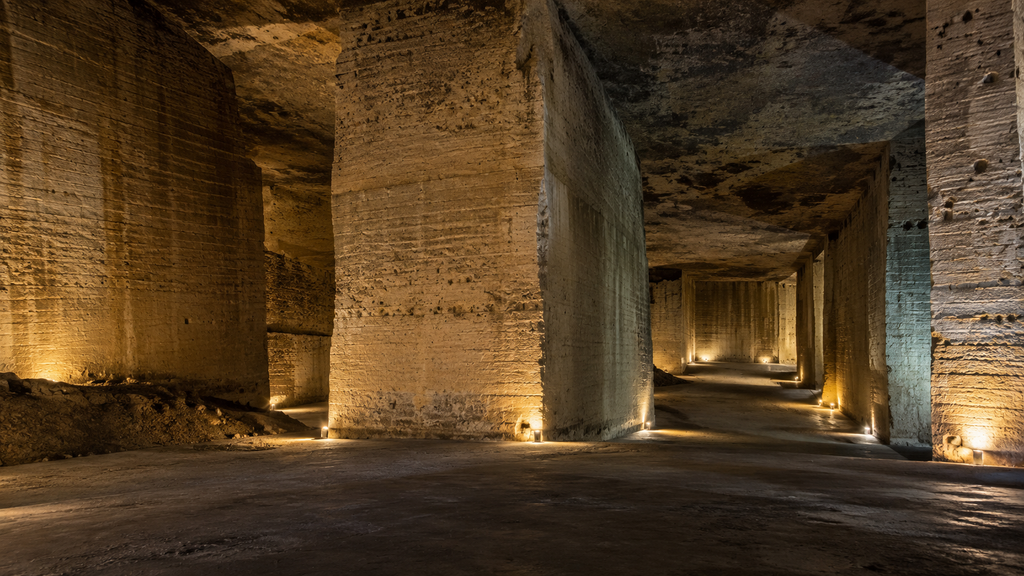
Utsunomiya, Tochigi’s prefectural capital, makes a convenient base for food and local sightseeing. Its most surprising excursion is the Oya History Museum, where former underground quarry chambers reveal the scale of stone extraction.
The enormous walls and pillars are human-made spaces cut from Oya stone, a volcanic tuff associated with the area. Bring a light jacket: underground conditions can feel much cooler than the street above. Expect stairs and check accessibility information if steps are difficult for you.
Combine the museum with nearby Oya-ji Temple if time permits, then return to Utsunomiya for gyoza. The quarry district requires a bus, taxi or car journey from the central station area; it is not a quick walk between downtown restaurants.
5. Nasu and Tochigi’s Hot-Spring Stays
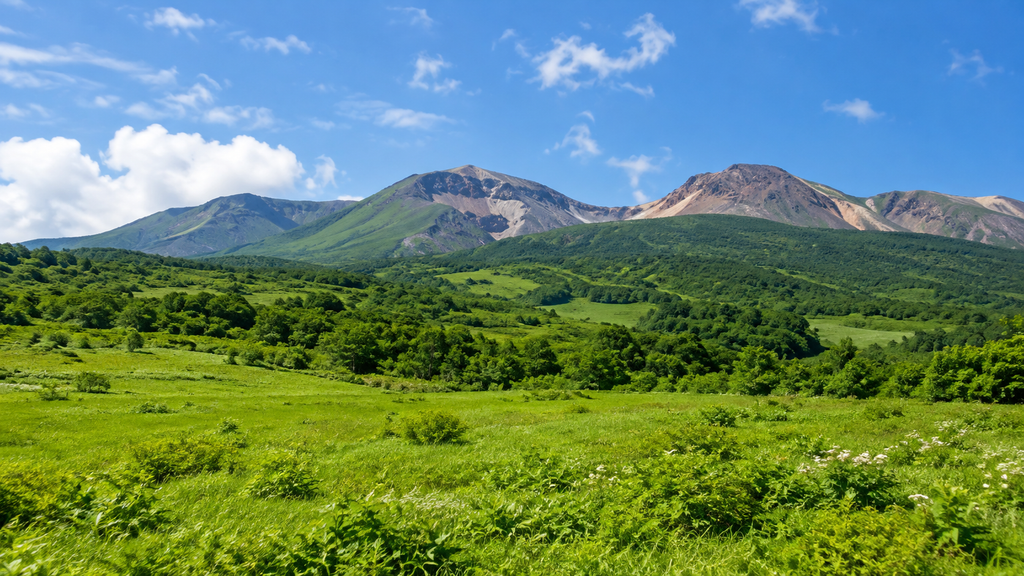
Nasu offers a different rhythm: highland scenery, cafes, dairy products and accommodation that encourages an overnight visit. Outdoor travelers can explore the mountain area, while others may prefer a gentle countryside outing followed by an onsen bath.
Mount Chausu is an active volcano. Check current official alerts, trail restrictions and ropeway operation before planning mountain activities. Do not assume that proximity to a ropeway makes summit walking suitable in all conditions.
Kinugawa Onsen and Shiobara Onsen provide other options for a hot-spring stay. Choose according to your route and the specific accommodation rather than treating all onsen towns as interchangeable. Confirm shuttle availability, meal times and private-bath options before booking.
Japanese Perspective: The Inn Can Be the Destination
For many Japanese travelers, an onsen trip centers on the accommodation itself: an early arrival, a bath, dinner and an unhurried morning. Leave space for that routine instead of arriving after a full evening of sightseeing.
Wash before entering shared baths and keep towels out of the water. Tattoo policies vary by property; check beforehand. A reservable private bath can suit visitors who want more privacy or are unfamiliar with communal bathing.
6. Mashiko: Pottery for Everyday Use
If ceramics interest you, add Mashiko as a separate excursion. The town’s pottery tradition and its association with the Mingei folk-craft movement offer a different cultural experience from Nikko’s monumental architecture.
Browse shops for cups, bowls and plates that appeal through their texture and comfortable shape. Workshops may require advance reservations, and completed pieces usually need firing before collection or shipping.
A useful question is not only whether an object looks beautiful, but whether you would enjoy using it. Ask about care instructions and packing, particularly if you plan to carry fragile ceramics through the rest of Japan.
What to Eat in Tochigi
Utsunomiya Gyoza
Pan-fried dumplings are Utsunomiya’s signature food. Restaurants vary in wrapper thickness, seasoning and vegetable balance, and some offer boiled or deep-fried versions. Order a small portion first if you want to compare styles at more than one shop.
Nikko Yuba
Yuba is the delicate layer that forms when soy milk is heated. In Nikko it appears fresh, rolled, simmered or alongside noodles. Its mild flavor makes texture especially important. Yuba itself is plant-based, but sauces and broth may contain fish, so vegetarian travelers should ask about the complete dish.
Sano Ramen, Strawberries and Nasu Dairy
Sano ramen is associated with springy noodles traditionally made using bamboo-assisted kneading and rolling. Tochigi’s strawberries are another highlight, with greenhouse picking available at participating farms during their operating season. Reserve where required and check the time limit and available varieties.
Around Nasu, look for dairy products such as milk, yogurt and ice cream. Regional foods make useful stops, but plan them around your route rather than crossing the prefecture for every specialty.
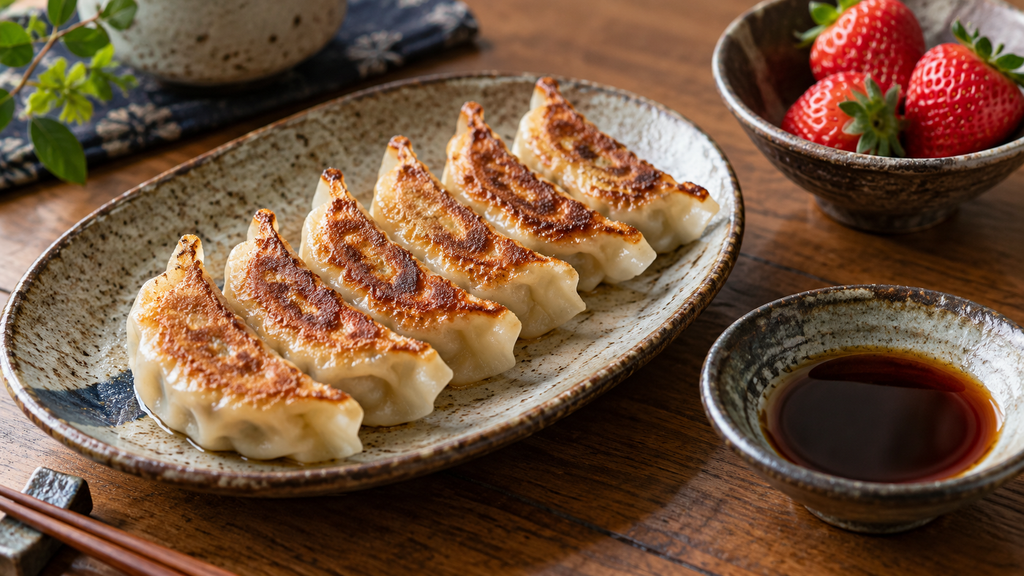
Japanese Perspective: Local Pride Can Begin with an Ordinary Meal
Gyoza is everyday food in Japan, yet it becomes a reason to travel when a city develops a distinctive restaurant culture around it. This is part of the appeal of meibutsu, a celebrated local specialty.
You do not need an expensive tasting menu to understand regional identity. Comparing a crisp dumpling, asking about a strawberry variety or choosing a locally made bowl can make that connection tangible.
Best Time to Visit Tochigi
| Season | Good reasons to visit | Planning considerations |
|---|---|---|
| Spring | Wisteria, fresh greenery and strawberries | Bloom dates vary; Golden Week is busy. |
| Summer | Highland stays, lakes and forest walks | Lowland heat, rain and mountain thunderstorms require flexibility. |
| Autumn | Nikko foliage and walking in cooler weather | Color varies by elevation; popular roads become congested. |
| Winter | Onsen stays and seasonal illuminations | Snow, ice and shorter daylight affect mountain travel. |
Choose the season for your main activity. Wisteria and autumn foliage belong to different travel windows, while hot-spring accommodation can be enjoyable throughout the year.
Getting There and Around
Nikko: Tobu Railway offers routes from Tokyo’s Asakusa area. Another option is JR travel via Utsunomiya and the Nikko Line. Limited express and Shinkansen travel cost more than ordinary local services; compare the complete journey and required tickets.
Utsunomiya and Nasu: The Tohoku Shinkansen serves Utsunomiya and Nasushiobara. Local trains provide alternatives, while buses or accommodation shuttles handle onward travel where available.
Within the prefecture: Buses are important for Nikko’s sights and Okunikko. A car is useful in Nasu and rural areas, but heavy traffic can reduce its advantage during foliage season. Ashikaga and Mashiko need separate route planning.
Check current timetables, last departures and pass coverage with the operator. Keep some cash for smaller businesses and allow a buffer between a rural bus and a reserved train.
Suggested 3-Day Tochigi Itinerary
Day 1: Central Nikko
Arrive in Nikko and leave your luggage at your accommodation. Explore Toshogu and choose nearby temple or shrine visits according to your energy. Have a yuba lunch and stay in central Nikko or at Lake Chuzenji, depending on onward transport.
Day 2: Okunikko
Start early for Kegon Falls and Lake Chuzenji. Add a short lakeside walk or a suitable wetland route only if transport and weather allow. Stay a second night in Nikko; book dinner in advance if your accommodation requires it.
Day 3: Utsunomiya and Oya
Travel to Utsunomiya, leave luggage near the station and visit the Oya History Museum. Return for gyoza before continuing to Tokyo. Check museum opening days and bus connections before committing to this order.
For a flower-focused spring trip, replace Day 3 with Ashikaga. Add Nasu or Mashiko on an extra day rather than squeezing them into this route.
Practical Travel Tips
- Check forecasts for the actual mountain destination, not only Tokyo.
- Reserve popular trains and inns during holidays and foliage season.
- Confirm separate admission charges at Nikko’s religious sites.
- Wear shoes suitable for wet stone steps and uneven paths.
- Check trail notices and wildlife guidance before forest walks.
- Ask about ingredients if avoiding fish broth, meat or allergens.
- Keep your inn informed if delayed before a scheduled dinner.
Frequently Asked Questions
Is Tochigi the same place as Nikko?
Nikko is a city and major destination within Tochigi Prefecture. Utsunomiya, Nasu, Ashikaga and Mashiko offer other reasons to visit.
Can I visit Nikko from Tokyo in one day?
Yes, particularly for the central shrine and temple district. Stay overnight if you also want Lake Chuzenji, Kegon Falls or longer walks.
Do I need a rental car?
Not for a carefully planned Nikko, Utsunomiya or Ashikaga trip. A car helps with scattered rural attractions, especially around Nasu.
When should I visit Ashikaga for wisteria?
Late April to early May is a useful starting point, but check the park’s current bloom report before choosing your date.
How long should I spend in Tochigi?
Two or three days work well for Nikko plus one additional area. Allow longer if including both Nasu and southern Tochigi.
Which foods should I try first?
Start with Utsunomiya gyoza or Nikko yuba, then add strawberries, Sano ramen or Nasu dairy when they fit your route.
Explore More of Kanto
Tochigi combines samurai history, sacred landscapes, mountains and hot springs. Continue exploring northern Kanto or return south toward Tokyo.
Tokyo Travel Guide
Tokyo is a natural starting point for a Nikko journey. Explore the capital’s neighborhoods and culture before heading north into the mountains.
Read next: Tokyo Travel Guide: Neighborhoods, Food and Japanese Culture
Gunma Travel Guide
For another side of mountain Japan, discover Kusatsu and Ikaho onsen, forest scenery and Gunma’s distinctive regional culture.
Read next: Gunma Travel Guide: Onsen Towns, Mountain Scenery and Local Culture
Ibaraki Travel Guide
Travel east for seasonal flowers, Kairakuen Garden, Fukuroda Falls, Mount Tsukuba and Pacific coastal scenery.
Read next: Ibaraki Travel Guide: Flowers, Mountains, Coastal Shrines and Local Food
Continue planning with our Kanto Travel Guides.