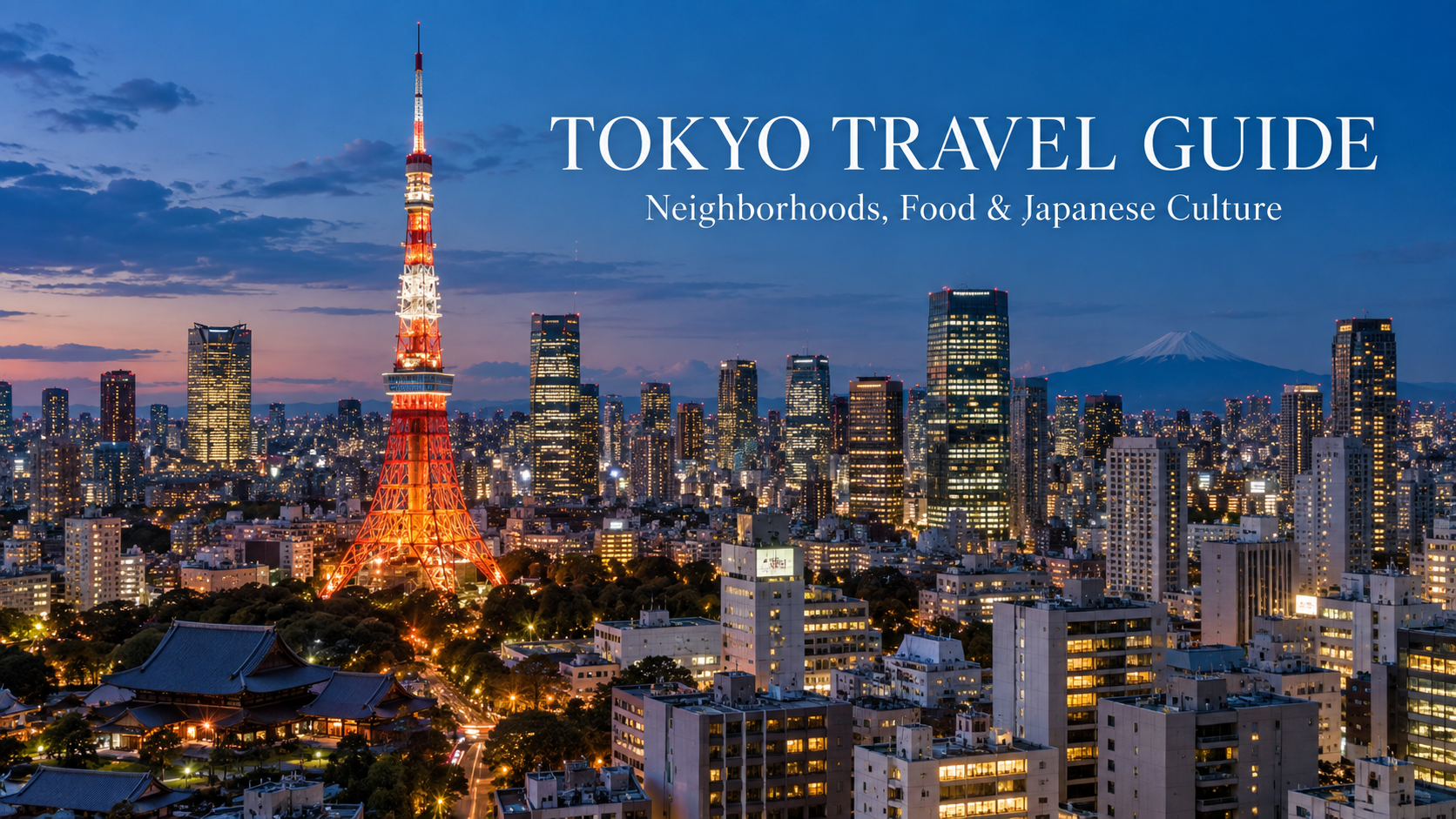
Tokyo can feel enormous before you arrive. Its railway map is dense, its famous neighborhoods seem endless, and every travel list suggests another essential stop. Yet a satisfying first visit can be surprisingly simple: explore one part of the city at a time, enjoy a good meal, and leave space to notice everyday life.
This Tokyo travel guide combines recognizable sights with gardens, neighborhood streets, and cultural context. From Asakusa’s temple grounds to Shibuya’s busy crossing, the reward is discovering how many different experiences fit within one destination.
How to Plan Your First Tokyo Visit
Three full days give you an introduction; four or five allow a more comfortable pace and time for individual interests. Avoid scheduling an ambitious sightseeing day immediately after a long international flight.
Think in neighborhood groups:
- Asakusa and Ueno: temple culture, museums, and older shopping streets.
- Harajuku and Shibuya: a shrine forest, fashion, and contemporary city life.
- Shinjuku: gardens, restaurants, shopping, and evening streets.
- Yanaka and Nezu: smaller streets, neighborhood shops, and a slower walk.
This guide focuses on urban Tokyo. Tokyo Metropolis also includes western mountain areas and islands, which deserve separate planning rather than an extra stop squeezed into a city itinerary.
1. Begin with Asakusa and Senso-ji
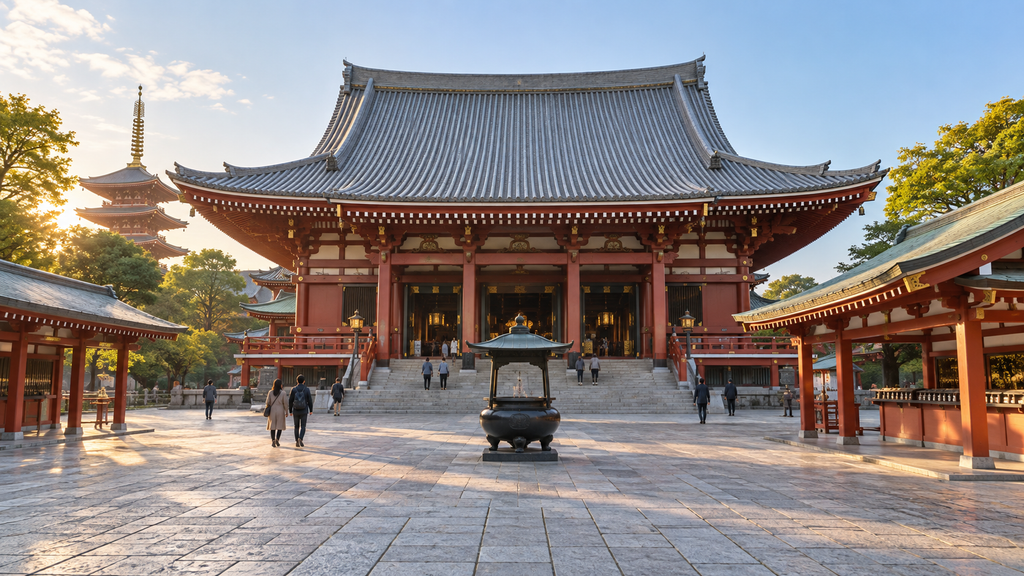
Senso-ji gives a first Tokyo morning a clear focal point. Enter the Asakusa area with enough time to appreciate the temple grounds, the gates, and the surrounding streets. Nakamise, the shopping approach, introduces traditional snacks and souvenirs, while nearby side streets offer more places to browse.
The temple’s origins are associated with a Kannon image found in the Sumida River, according to its founding tradition. Kannon is a Buddhist figure associated with compassion. Understanding that connection adds meaning beyond the familiar red architecture.
Arrive early for a calmer walk, but remember that shops may open later. If the main approach becomes crowded, take a break on a quieter street or head toward the Sumida River. Follow local guidance about where to eat purchased snacks.
Japanese Perspective: A Temple Is Also a Place of Worship
Senso-ji is a Buddhist temple; nearby Asakusa Shrine belongs to Shinto. The two traditions have long existed alongside one another in Japan, but their worship practices are not identical. Do not assume that clapping, often associated with shrine worship, belongs in every religious setting. Observe posted instructions and leave room for people praying.
2. Experience Shibuya Beyond the Crossing
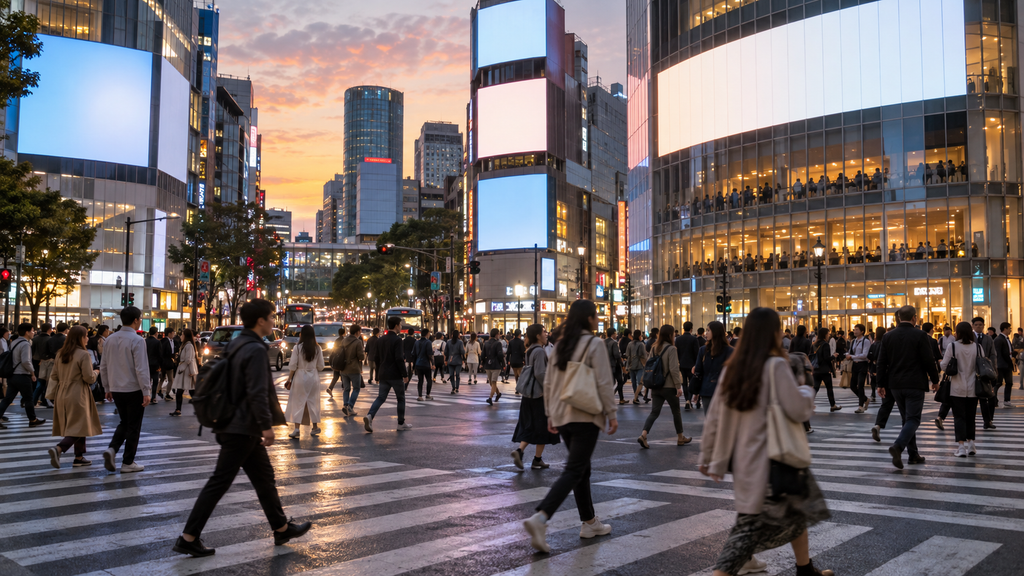
Shibuya’s scramble crossing is an enjoyable introduction to the city’s energy. Cross with the pedestrian signal, keep moving, and save photographs for a place where you will not obstruct others. A few minutes may be enough to enjoy the scene.
Then explore according to your interests: fashion, music, shopping, or a cafe break. The surrounding streets often make a stronger impression than repeatedly crossing the same intersection. If you want a skyline view, research an observation deck and its reservation arrangements before the day of your visit.
Shibuya Station is large and can be confusing. Check the recommended exit for your destination, and allow time to find it. Choose a specific meeting point if traveling with others rather than simply agreeing to meet “at the station.”
Japanese Perspective: Small Acts Keep a Busy City Moving
Tokyo’s crowded spaces work more comfortably when people make small adjustments: stepping aside to check a phone, letting passengers leave a train first, and keeping bags close. These are practical ways to share limited space. You do not need to memorize an elaborate etiquette code; notice the flow around you and avoid blocking it.
3. Walk Through Meiji Jingu’s Forest
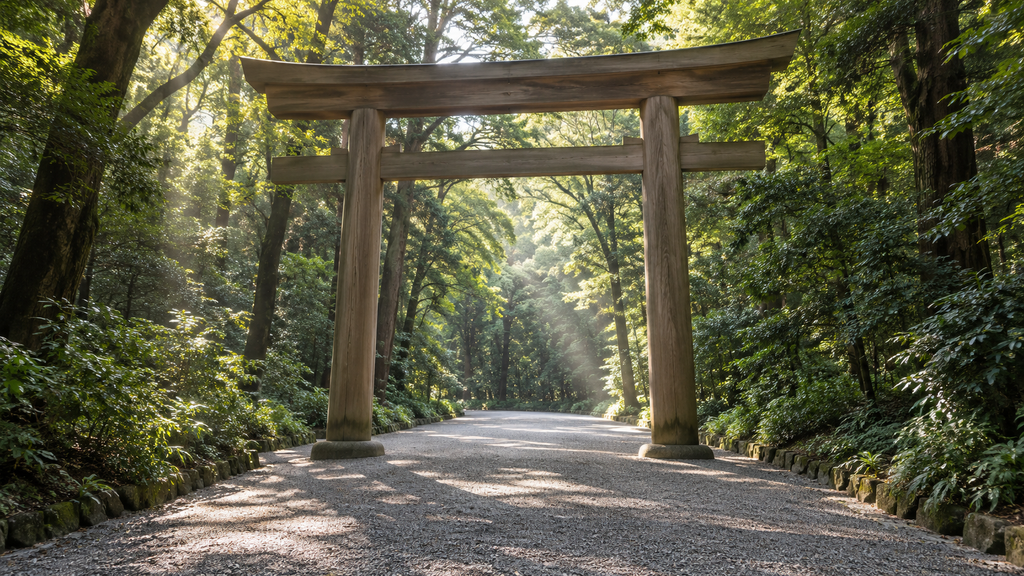
Near Harajuku, Meiji Jingu offers a transition from busy shopping streets to a wooded shrine approach. The walk is part of the experience, so allow time between the entrance and the main shrine buildings.
Visit during the day and check seasonal opening times. The shrine’s schedule follows daylight, making it a poor choice for an unplanned late-evening stop. Stay on designated paths and respect photography restrictions: the shrine specifically prohibits photographs and videos at the main sanctuary where people pray.
Japanese Perspective: Participate Respectfully, Without Pressure
If you wish to pray, Meiji Jingu explains the sequence as two bows, two claps, and a final bow. You can also simply observe quietly. Taking part in a travel experience does not require pretending to share a belief. Attention to the setting and consideration for worshippers matter more than performing for a photograph.
Afterward, choose either Harajuku’s shopping streets or a gentler walk toward Omotesando. Trying to explore every nearby shopping area can make the afternoon tiring.
4. Take a Garden Break at Shinjuku Gyoen
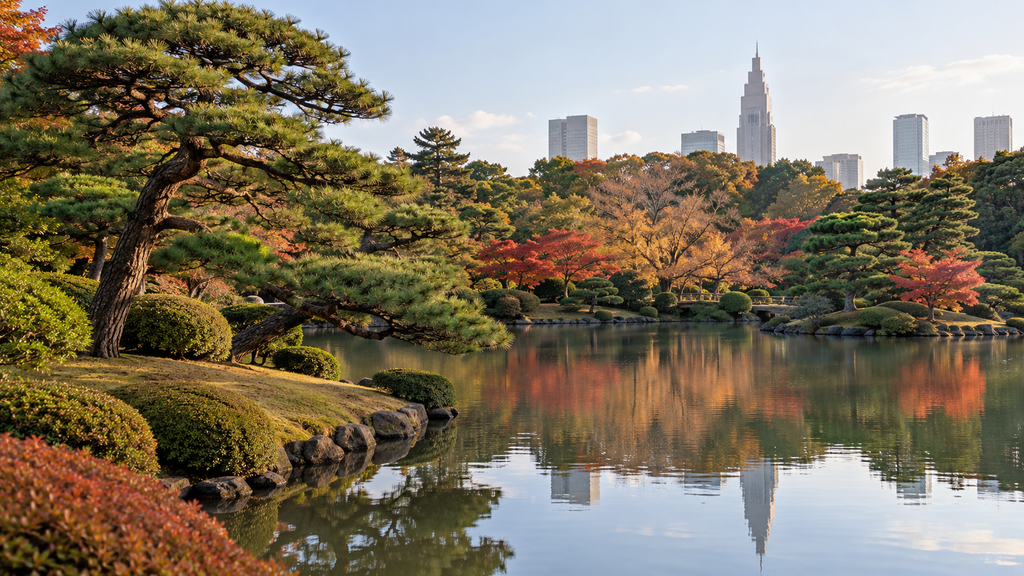
Shinjuku Gyoen provides space to slow down between more intensive sightseeing days. Follow the paths around lawns, trees, and garden scenery instead of treating it as a quick photo stop.
Seasonal changes give repeat visitors something different to notice. Spring blossoms are popular, while autumn offers changing foliage. Exact timing varies each year, and a trip planned around one flower display should include flexibility.
Check the official visitor guide for opening days, admission, current entry arrangements, and garden rules. There are several entrances; choosing one close to your arrival station saves unnecessary walking.
Pair the garden with lunch and a modest amount of Shinjuku exploration. A relaxed afternoon can be more memorable than another long sequence of attractions.
5. Explore Yanaka and Nezu at Walking Speed
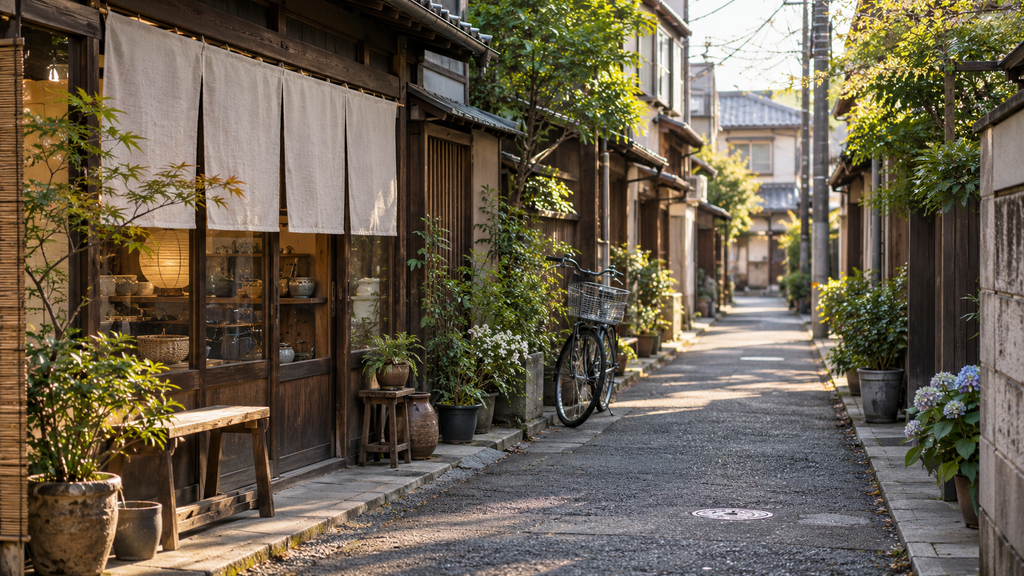
Yanaka and Nezu introduce Tokyo through smaller streets, independent shops, temples, and residential corners. Yanaka Ginza is a useful starting point for browsing, while a longer walk can include the surrounding lanes or Nezu Shrine.
The pleasure here lies in details: potted plants outside a doorway, a shop specializing in one product, or a cafe that invites a longer break. Shop hours vary, so an extremely early visit may be quiet but offer fewer opportunities to browse.
Japanese Perspective: Understanding Shitamachi
Shitamachi is often translated as Tokyo’s old downtown. It carries associations with the city’s merchant and artisan neighborhoods rather than today’s skyscraper business districts. It does not mean every building is ancient or that local life has remained unchanged. Look for continuity in neighborhood scale, shops, and daily routines.
These are residential areas as well as visitor destinations. Keep conversations considerate, avoid photographing into homes, and ask before taking close portraits of shopkeepers.
6. Make Room for Your Own Interests
Tokyo rewards a personal choice. Museum lovers can devote substantial time to Ueno; manga and electronics fans may prefer browsing Akihabara. Architecture and shopping might lead you toward Tokyo Station, Marunouchi, or Ginza.
Choose one interest-based area instead of treating these as mandatory additions. A museum exhibition, small specialist shop, or long bookstore visit can become the highlight of the trip. Confirm opening days and ticket requirements for the exact venue you choose.
What to Eat in Tokyo
Edomae Sushi and Soba
Tokyo’s food history is closely connected with Edo, the city’s former name. Edomae sushi reflects techniques such as seasoning and preparing seafood, while soba developed as a popular urban meal. Both can be enjoyed without turning every meal into a formal occasion.
Choose a restaurant with clear prices and a format that suits your comfort level. At a sushi counter, follow the chef’s guidance on seasoning. For soba, dipping noodles and noodles served in hot broth offer different experiences.
Monjayaki in Tsukishima
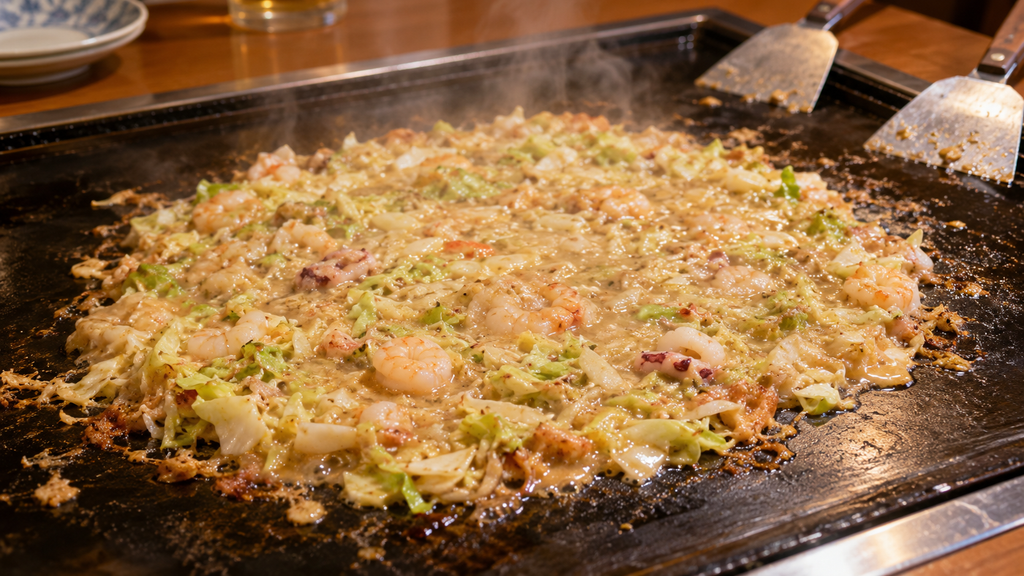
Monjayaki is a Tokyo specialty cooked on a flat griddle. Its loose mixture of batter and finely chopped ingredients remains softer than a firm pancake. Small spatulas are commonly used to eat it from the cooking surface.
Tsukishima is known for restaurants serving it. Ask staff for help if you are unfamiliar with the cooking process, and let the food cool enough before eating. Check ingredients because seafood, meat, and broth vary by order.
Japanese Perspective: Local Food Can Be Informal
A regional specialty does not have to be expensive or visually elaborate. Monjayaki’s appeal includes sharing the cooking and taking time over a casual meal. Tokyo’s food culture becomes easier to understand when you include everyday dishes alongside a special restaurant booking.
Best Time to Visit Tokyo
| Season | What to enjoy | What to plan around |
|---|---|---|
| Spring | Blossoms and neighborhood walks | Popular flower locations can be crowded; bloom dates vary. |
| Summer | Evening outings and indoor attractions | Heat, humidity, and heavy rain can affect outdoor plans. |
| Autumn | Gardens and comfortable walking days | Foliage timing changes with the weather and location. |
| Winter | Museums, shopping, and clear-day city views | Cold evenings and holiday closures require some flexibility. |
For a first visit centered on walking, spring or autumn is a useful starting point. Give each day an indoor alternative rather than depending entirely on favorable weather.
Getting Around and Choosing a Base
Tokyo’s rail network includes JR, Tokyo Metro, Toei Subway, and other operators. A transport IC card can simplify many ordinary journeys, but check current purchase or mobile setup options with the provider. Some services require an additional ticket.
The Tokyo Subway Ticket covers Tokyo Metro and Toei Subway lines. It does not cover every train in the city, including JR services. Compare your actual route before buying a pass.
Choose accommodation near a useful station and consider the walk from its exit to your hotel. Ueno or Asakusa can suit eastern Tokyo sightseeing; Shinjuku or Shibuya can suit western neighborhoods. Tokyo Station’s surroundings may be convenient for onward rail journeys. The best base depends on your itinerary, luggage, and budget.
Haneda and Narita have different airport connections. Narita is in Chiba Prefecture, so do not assume it is close to your Tokyo hotel. Compare rail and bus options for your arrival terminal and time. Check the last practical connection if arriving late.
A Manageable Three-Day Tokyo Itinerary
Day 1: Asakusa and Ueno
Start at Senso-ji, browse nearby streets, and have lunch. Spend the afternoon in Ueno, choosing a museum or a walk according to your energy. Keep the evening simple if you are still adjusting to the time difference.
Day 2: Meiji Jingu, Harajuku, and Shibuya
Visit Meiji Jingu in the morning, then have lunch around Harajuku or Omotesando. Continue to Shibuya for shopping and the crossing. Add an observation deck only if you have planned the booking and still have enough time.
Day 3: Shinjuku Gyoen and One Personal Choice
Begin with the garden when open, then enjoy lunch in Shinjuku. Choose a focused afternoon activity nearby. If Yanaka is your priority, give it its own half-day and allow time for the cross-city journey, or replace the garden day with Yanaka and Nezu entirely.
With a fourth day, add the neighborhood or food experience you missed, such as Tsukishima. You do not need to leave Tokyo on a day trip to fill a longer stay.
Practical Tips
- Check the exact station exit and allow walking time inside large stations.
- Avoid peak commuter periods with large luggage when possible.
- Keep some cash alongside your usual payment method.
- Reserve specific popular attractions rather than filling every hour with bookings.
- Check broth and sauce ingredients when choosing vegetarian or allergy-sensitive meals.
- Save your return route: trains do not run continuously through the night.
- Check step-free routes in advance if needed; the nearest exit may have stairs.
FAQ: Visiting Tokyo
How many days do I need in Tokyo?
Three full days provide a first introduction. Four or five give more room for museums, shopping, gardens, and unhurried meals.
Do I need a rental car?
A car is generally unnecessary for the urban destinations in this guide. Rail travel and walking are usually more practical for this itinerary.
Is Tokyo suitable for travelers who do not speak Japanese?
Yes. Start with clear destination names, save your accommodation address, and use translation assistance when needed. Communication becomes easier when you ask one short question at a time.
Is Tokyo expensive?
It depends strongly on accommodation, dates, and dining choices. Balance paid attractions with neighborhood walks and choose meals with clearly displayed prices. Compare hotels before committing to a location.
Can I see Tokyo in one day?
You can enjoy one area well. Choose Asakusa and a nearby stop, or Meiji Jingu and Shibuya, rather than attempting all the city’s famous districts.
Are Tokyo Disney Resort and Narita Airport in Tokyo?
Both are in Chiba Prefecture. Include travel time when fitting either into a Tokyo-based itinerary.
Explore More of Tokyo and Kanto
Tokyo has far more to discover beyond its most famous neighborhoods. If anime, manga and Japanese pop culture are part of your trip, explore two of Tokyo’s most distinctive shopping areas.
Akihabara Anime & Manga Guide
Explore anime and manga shops, arcades, gachapon, electronics and the unique atmosphere of Tokyo’s famous Electric Town.
Read next: Akihabara Anime & Manga Guide: Shops, Arcades & Cafes
Nakano Broadway Anime & Manga Guide
Looking for vintage figures, secondhand manga and unusual collectibles? Nakano Broadway offers a different experience from Akihabara and is especially rewarding for collectors.
Read next: Nakano Broadway Anime & Manga Guide: Figures & Vintage Finds
Kanagawa Travel Guide
Continue beyond Tokyo to Yokohama, Kamakura, Enoshima and Hakone for harbor scenery, temples, coastal landscapes and hot springs.
Read next: Kanagawa Travel Guide: Coastal Towns, Culture and Hot Springs
Chiba Travel Guide
If your journey includes Narita Airport or Tokyo Disney Resort, take time to discover more of Chiba, including temples, coastal scenery and local food.
Read next: Chiba Travel Guide: Temples, Coastal Scenery, Local Food and Easy Trips from Tokyo
Want to explore beyond the capital? Browse our Kanto Travel Guides for more destinations around Tokyo.