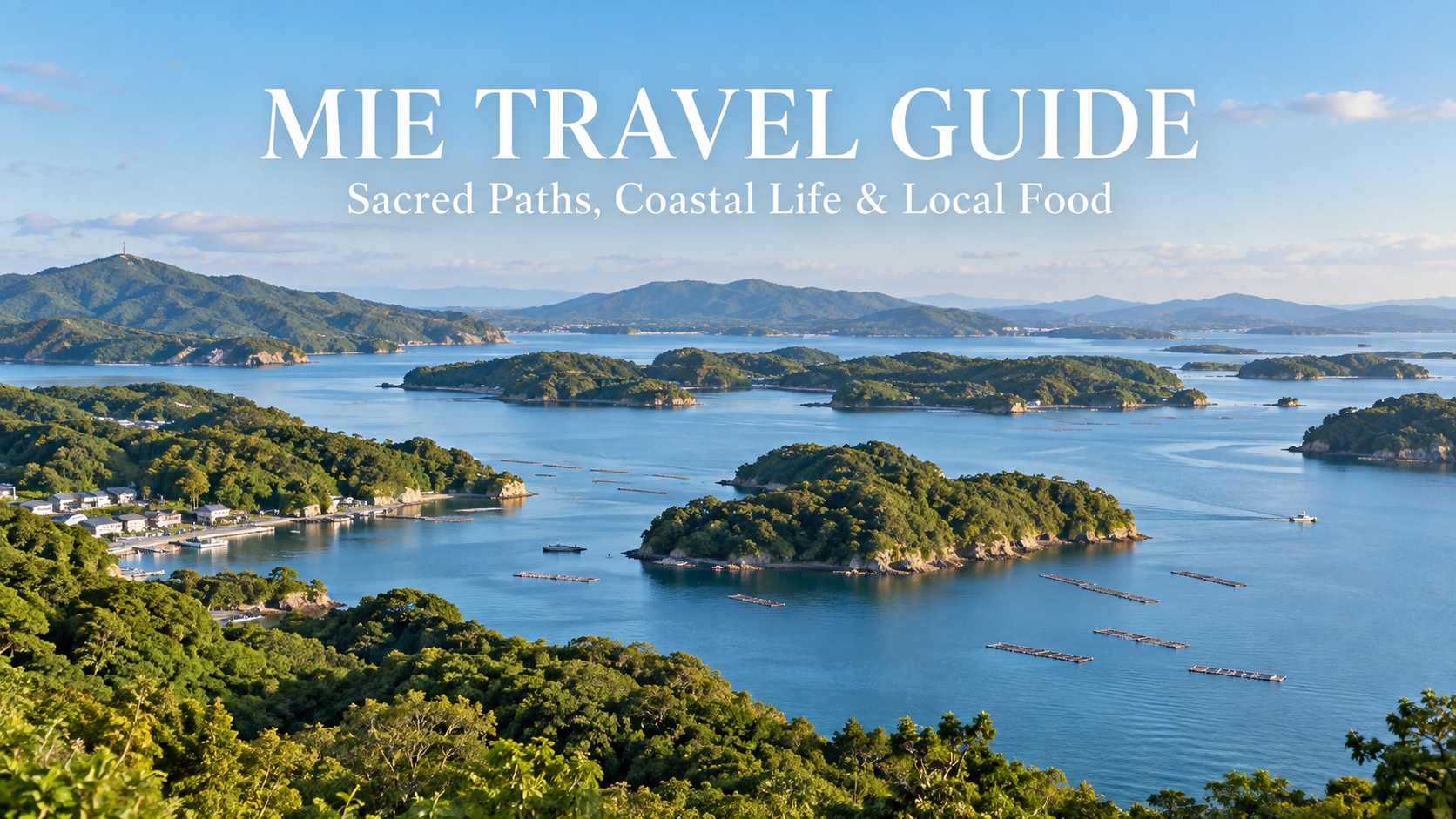
Mie offers several very different ways to experience Japan. You can walk beneath tall trees at Ise Jingu, look across the island-filled waters of Shima, or follow an old stone path through the forests of the Kumano Kodo. Inland, Iga introduces another side of the prefecture through its ninja heritage.
Food connects these places to everyday life. Soft Ise udon, seafood meals, and carefully prepared Matsusaka beef make Mie rewarding even when your plans revolve around little more than walking and lunch.
This Mie travel guide helps first-time visitors choose a manageable route, with a Japanese perspective on the living traditions behind the scenery.
Why Visit Mie?
Mie stretches along the eastern side of the Kii Peninsula. Its attractions cover a large area, so a successful visit starts with choosing a focus.
For most first-time travelers, Ise, Toba, and Shima form a satisfying introduction. They combine shrine visits, coastal views, and food without requiring you to cross the entire prefecture.
The southern Kumano area and inland Iga deserve additional time. Although both belong to Mie, they work better as dedicated extensions than as quick stops between Ise and the coast. Leave room for local transport and enjoy fewer places more fully.
1. Visit Ise Jingu with Time to Slow Down
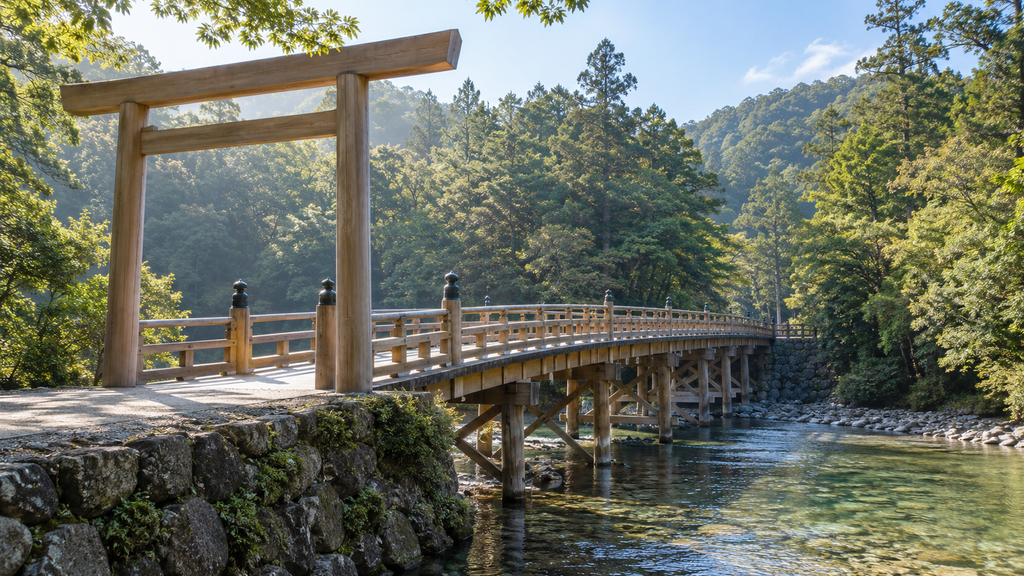
Ise Jingu is a major Shinto shrine complex, with Naiku, the Inner Shrine, and Geku, the Outer Shrine, as its two principal centers. They occupy separate sites, so allow time to travel between them.
The experience is quieter than a checklist of impressive buildings might suggest. Forest paths, gravel beneath your feet, and simple wooden architecture encourage attention to your surroundings. The main sanctuaries are not open interiors that visitors can freely explore.
A practical day can begin at Geku near central Ise, followed by transport to Naiku. Use the official precinct and access information to plan your route.
Japanese Perspective: Continuity Through Renewal
At Ise Jingu, the Shikinen Sengu tradition renews principal shrine buildings on a twenty-year cycle, alongside the remaking of sacred furnishings and other objects. This introduces a different way to think about heritage: continuity can involve repeating skilled work as well as preserving old materials.
For visitors, the lesson is to look beyond the age of a particular piece of wood. The practices surrounding the buildings are part of their significance.
Remember that this remains a place of worship. Follow local photography restrictions, avoid obstructing people praying, and keep to permitted paths. You can visit respectfully without feeling obliged to perform unfamiliar rituals.
2. Explore Oharai-machi and Okage-yokocho
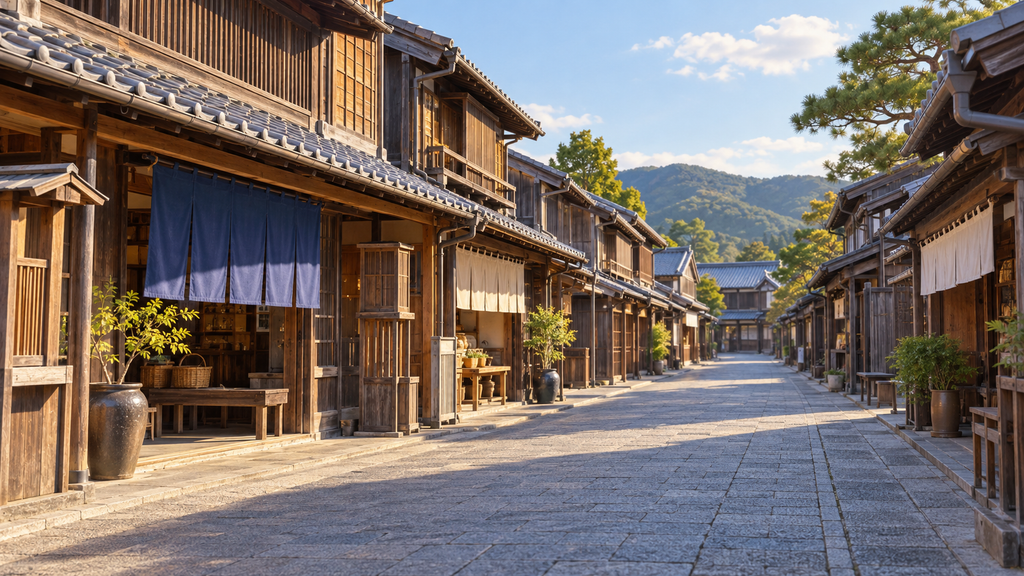
Near Naiku, Oharai-machi offers a lively contrast to the shrine grounds. Traditional-style storefronts, food shops, and places to rest make it a natural lunch stop. Okage-yokocho is a related visitor area where architecture, shopping, and local flavors come together.
Enjoy the details slowly: a shop curtain, a neatly arranged display, or a bowl of noodles prepared with a texture you have not encountered elsewhere in Japan.
Japanese Perspective: The Social Side of a Shrine Visit
A shrine journey can include both devotion and ordinary enjoyment. Eating, buying gifts, and spending time together need not feel disconnected from the visit itself.
That does not mean every visitor has the same beliefs or motivation. It simply helps explain why a busy shopping street can sit so naturally beside a sacred destination. When buying snacks, use the shop’s eating area where provided and keep entrances clear.
3. Discover Toba, Shima, and Ago Bay
The coast gives Mie a different rhythm. Toba is a useful gateway for seaside stays and experiences connected with marine life, while Shima offers sheltered bays and viewpoints across an intricate shoreline.
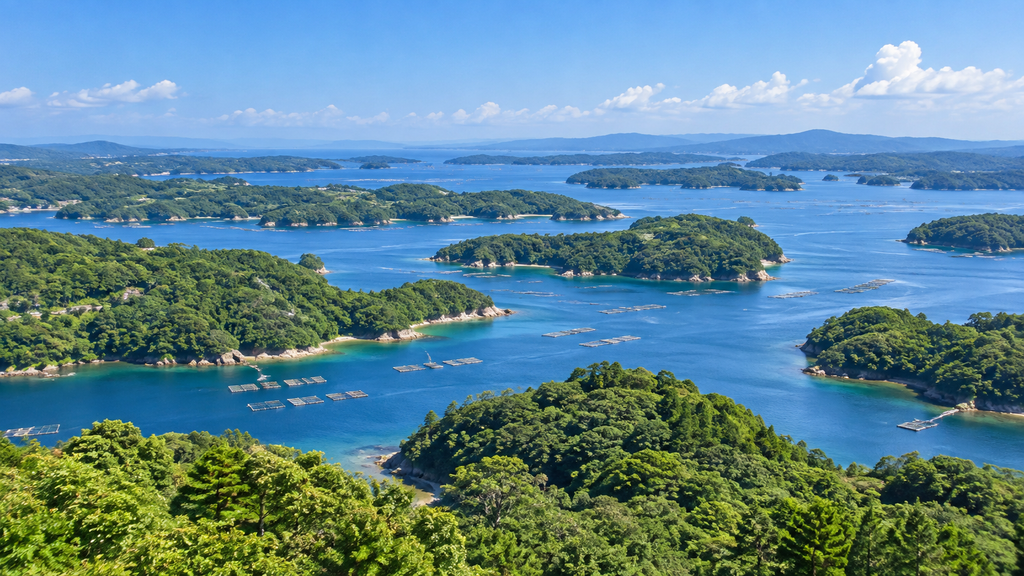
Around Ago Bay, wooded islands and peninsulas divide the water into a series of inlets. Pearl cultivation is part of this landscape, so the rafts you see are evidence of working coastal waters as well as an interesting visual detail.
Yokoyama’s viewpoints provide an elevated introduction to the bay. Check access before setting out: a train to the surrounding area does not take you directly to the viewing deck. Allow for the final journey, walking, and the weather.
Japanese Perspective: Learning About Ama Divers
Toba and Shima are associated with ama, traditionally women who harvest marine resources by breath-hold diving. An organized ama-hut meal can offer a chance to hear about their work while enjoying seafood.
The cultural value comes from listening to people’s accounts of their skills, working lives, and relationship with the sea. Treat the hosts as individuals rather than expecting a performance of an unchanging past.
Book through an established operator, confirm the menu and language arrangements, and ask before photographing anyone. A hut meal does not automatically include watching a dive. The regional tourism website lists experience options.
4. Walk a Section of the Kumano Kodo Iseji
The Kumano Kodo is a network of pilgrimage routes. Mie’s Iseji runs along the eastern side of the Kii Peninsula, linking the Ise area with the sacred destinations of Kumano. Historic sections form part of a wider UNESCO World Heritage property.
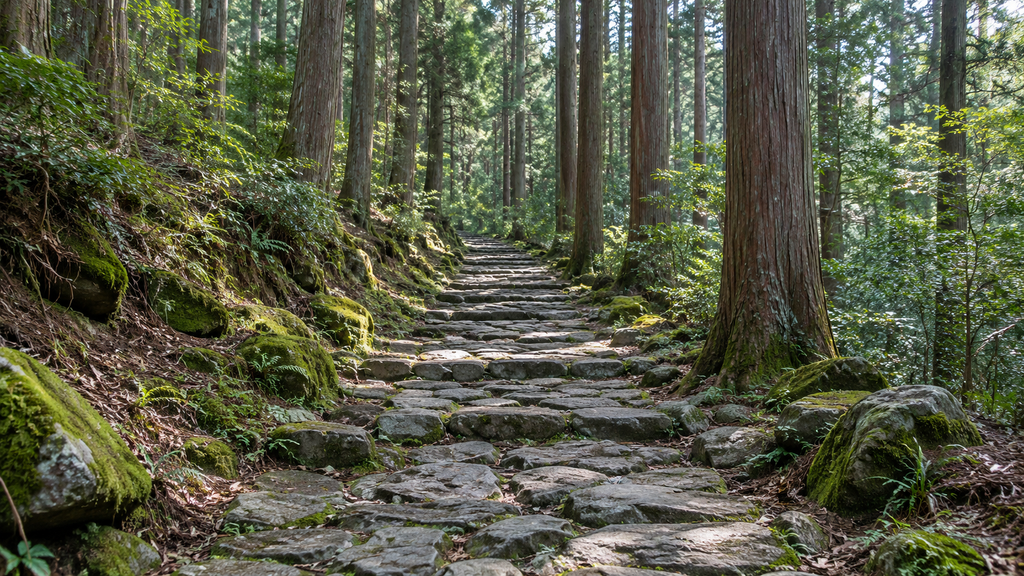
Magose Pass is a rewarding possibility for travelers interested in stone paving and forest scenery. The published route from Michi-no-eki Miyama to Owase Station is approximately 5.2 kilometers; allow additional time for breaks and transport rather than treating the distance as a short urban stroll.
Japanese Perspective: Walking a Route with a History
These paths carried people with religious intentions, but they also connected communities. Walking a section invites you to notice the practical effort of travel before modern roads and trains.
Check the official course information and current local conditions. Wet stones can be slippery, including after rain. Bring suitable footwear, water, food, and an offline map; plan to finish in daylight. Choose a shorter alternative or postpone if conditions are poor.
A southern overnight stay can make a hiking extension more comfortable than a long return journey to Ise after walking.
5. Explore Iga’s Ninja Heritage
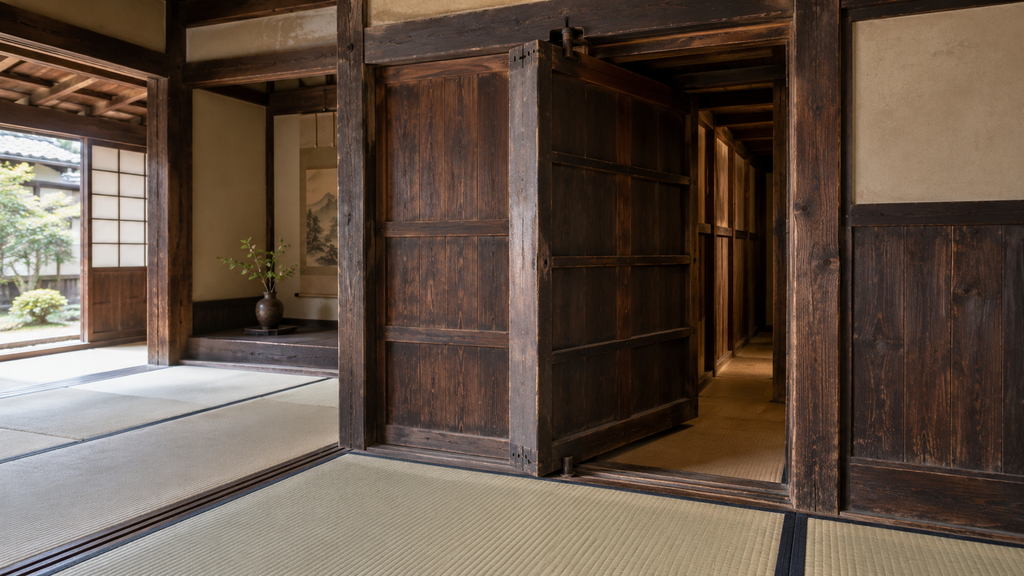
Iga appeals to travelers who know ninja through films, games, or manga and want more context. The Iga-ryu Ninja Museum introduces the subject through displays and a residence with concealed architectural features.
The setting is useful for understanding how observation, concealment, and practical ingenuity sit alongside the more dramatic popular image. Enjoy the demonstrations while paying attention to what the museum identifies as historical material, reconstruction, or interpretation.
Japanese Perspective: History and Entertainment Together
Ninja-themed activities can be fun without providing a complete picture of the past. A costume, a staged show, and a historical document each serve a different purpose.
Use the visit as a starting point for curiosity rather than assuming every familiar screen image represents everyday historical practice. Check the museum’s show calendar separately from general opening information: performances are not guaranteed every day.
Iga is inland and separate from the Ise-Shima coastal route. Give it a dedicated day and check connections through Uenoshi Station before booking the rest of your journey.
6. What to Eat in Mie
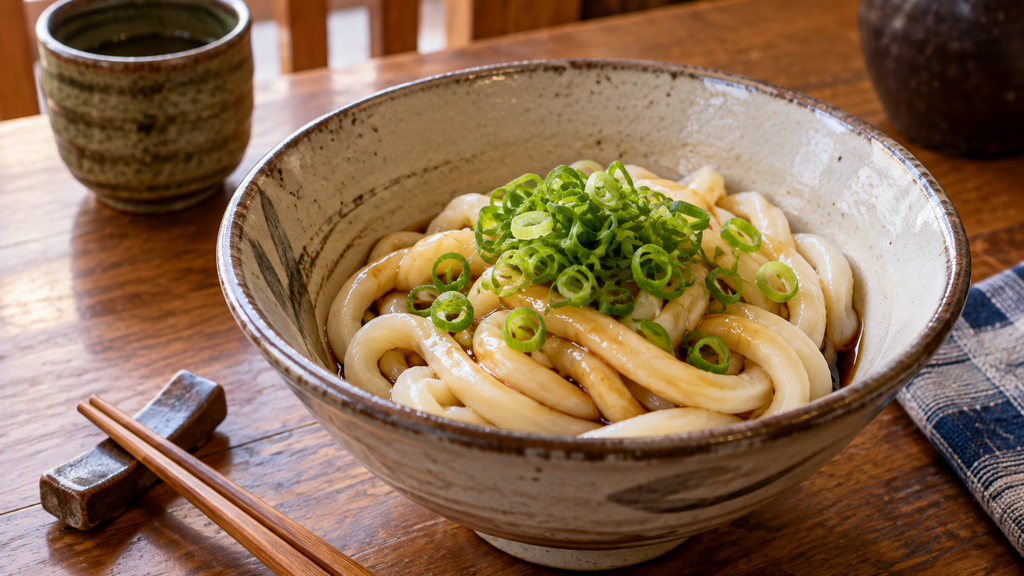
Ise Udon
Ise udon has thick, deliberately soft noodles served with a small amount of dark sauce, rather than a large bowl of broth. Mix gently so the noodles pick up the seasoning.
If you associate good udon with a firm, springy bite, this is a chance to experience a different regional preference. The softness is part of the dish’s character.
More Local Flavors
- Tekone sushi: A regional rice dish with marinated fish, often bonito or tuna, associated with the Ise-Shima fishing tradition.
- Matsusaka beef: A celebrated local beef option for a planned meal; compare the cut, preparation, and price before choosing.
- Coastal seafood: Let the day’s menu and seasonal availability guide you rather than expecting every specialty year-round.
- Rice cakes and tea: A simple break between walks and shrine visits.
Ask about ingredients if you have dietary restrictions. Noodle sauces may contain fish-based stock, and a seafood experience needs advance discussion if shellfish is unsuitable for you.
Best Time to Visit Mie
| Season | Planning considerations |
|---|---|
| Spring | Pleasant conditions for shrine visits and walking; popular holiday dates can be crowded. |
| Summer | Green landscapes and coastal outings, with heat, humidity, and rain to plan around. |
| Autumn | Comfortable walking weather on many days; monitor storm forecasts before coastal activities or hikes. |
| Winter | Quieter opportunities outside major holiday periods, with warm layers needed for outdoor visits. |
Spring and autumn are useful starting choices for a first trip focused on walking. At any time of year, keep flexibility for rain. New Year shrine visits can be especially busy, so avoid assuming winter always means empty paths.
Getting There and Getting Around
Kintetsu services connect major gateways such as Nagoya and Osaka with the Ise-Shima area. From Tokyo, a common approach is the Shinkansen to Nagoya followed by onward rail travel. Check your specific train, transfers, and ticket requirements using the official railway planner.
Kintetsu limited express travel requires a limited express ticket in addition to the basic fare. Pass coverage varies; compare it against the journeys you actually intend to take.
A car is not essential for a focused Ise-Toba-Shima visit, but local buses, taxis, walking, or accommodation shuttles may be needed beyond the stations. For southern hiking areas, check both outward and return connections before choosing a trail.
Stay in Ise for convenient shrine visits, or consider Toba and Shima for a seaside stay. Confirm meal times and transport arrangements if your accommodation is away from a station.
A Relaxed Three-Day Mie Itinerary
Day 1: Ise Jingu and the Shrine Town
Visit Geku and Naiku with time between them, then enjoy lunch around Oharai-machi. Stay in Ise and leave the evening unhurried.
Day 2: Toba and Coastal Culture
Travel to Toba. Choose one main activity, such as a prebooked ama-hut experience, and organize transport around it. Allow time for a seaside meal rather than filling every hour.
Day 3: Shima and Ago Bay
Head toward Shima for a viewpoint and a relaxed lunch. Plan your final local connection and onward train before setting out. Poor visibility may make a different coastal or indoor activity more rewarding.
With extra days, add either an Iga visit or a southern Kumano Kodo stay. Both extensions require their own transport planning; they are not spare-hour additions to this route.
FAQ: Visiting Mie for the First Time
How many days should I spend in Mie?
Three days work well for an introduction to Ise, Toba, and Shima. Add time for Iga or southern hiking rather than squeezing them into the same itinerary.
Is Ise Jingu open to international visitors?
Visitors can enter the permitted public grounds. The innermost sanctuaries have restricted access, and photography rules apply in some areas.
Can I visit Mie without a car?
Yes, particularly around the main Ise-Shima rail corridor. Check the last part of each journey, as viewpoints and coastal experiences may require additional transport.
Is the Kumano Kodo only in Wakayama?
No. The wider pilgrimage network includes Mie’s Iseji. Choose a specific route and location when booking accommodation or transport.
Can I see a ninja show every day in Iga?
Do not assume so. The museum and performance schedules differ; consult the official show calendar for your date.
What local food should I try first?
Ise udon is a simple introduction. Tekone sushi suits travelers who enjoy fish, while a Matsusaka beef meal can be a more substantial planned treat.
Related Japan Guides
Explore more destinations through our Japan Travel guides. For a contrasting regional journey, read the Hokkaido travel guide or the Aomori travel guide.