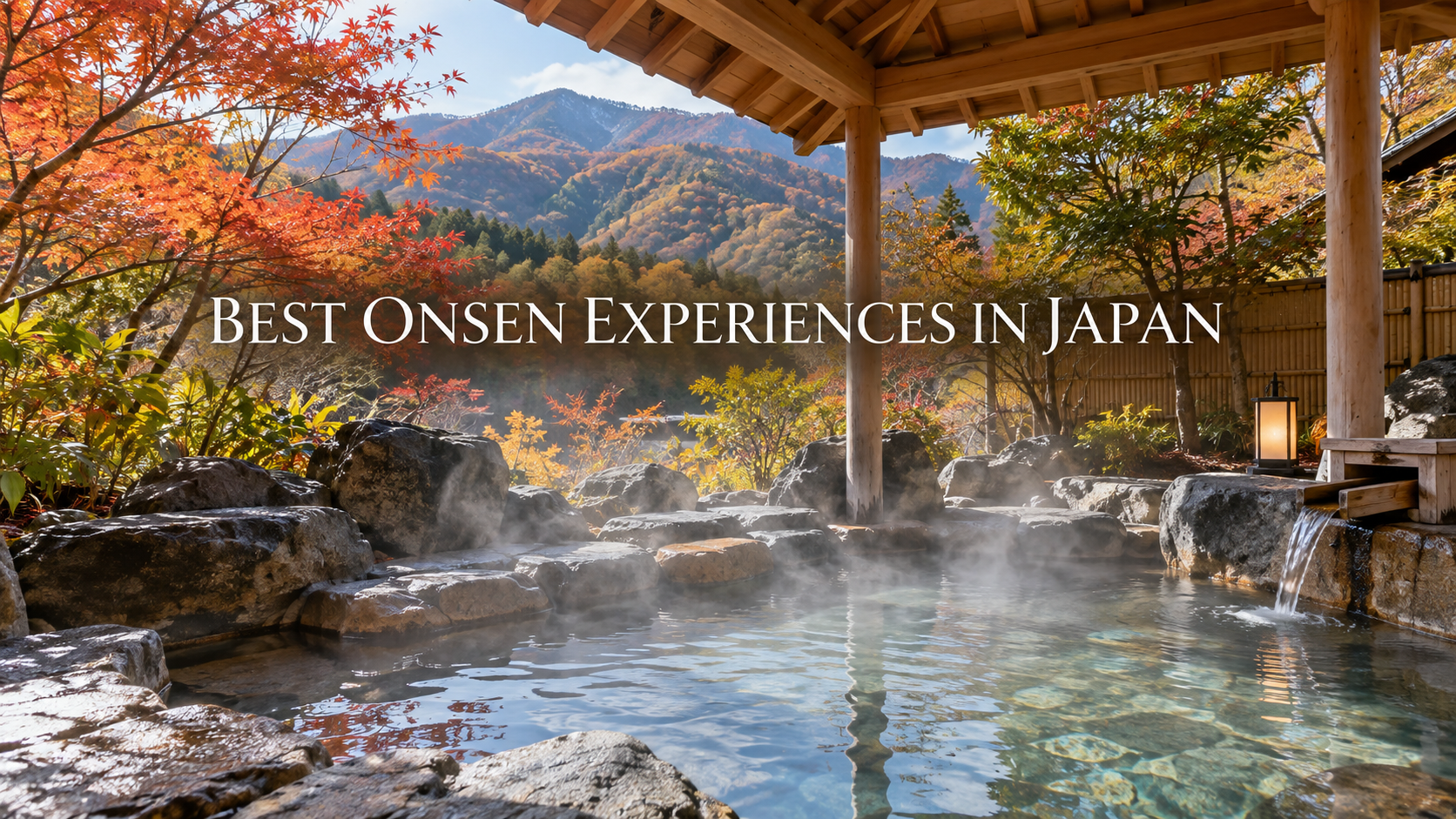
Wakayama brings together mountain temples, pilgrimage paths, seaside hot springs, and small towns shaped by food production. South of Osaka, it offers a different rhythm from Japan’s busiest sightseeing cities: an early temple breakfast, a forest walk, or an evening beside the Pacific.
The prefecture covers a large part of the Kii Peninsula, so choosing a route matters. Koyasan sits inland, Shirahama faces the western coast, and Nachi lies much farther around the peninsula. You will enjoy Wakayama more if you give a few places time instead of treating the whole prefecture as one day trip.
This Wakayama travel guide introduces its main experiences, practical planning advice, and a Japanese perspective on the traditions that make them meaningful.
1. Experience Temple Life in Koyasan
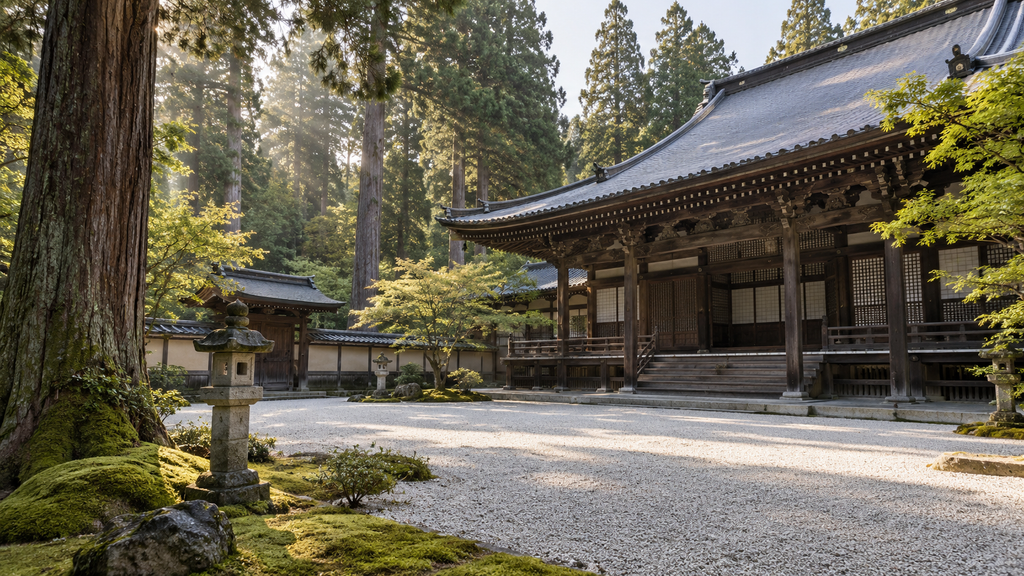
Koyasan, also called Mount Koya, is a major center of Shingon Buddhism. Temple buildings, forested approaches, and the expansive cemetery of Okunoin give the town a contemplative atmosphere. Plan enough time to walk slowly and understand the places you visit.
A stay in a shukubo, or temple lodging, can deepen the experience. Depending on the temple and booking plan, your stay may include shojin ryori, Buddhist vegetarian cuisine, and an opportunity to attend morning prayers. Rooms, bathing facilities, schedules, and available activities vary, so read the individual listing carefully.
Reserve through the Koyasan Shukubo Association or your chosen temple. Confirm check-in and dinner times before arranging transport; a late arrival may not fit the temple’s schedule.
Japanese Perspective: A Temple Has Its Own Daily Rhythm
A temple stay is an introduction to a living religious community. Removing shoes where requested, speaking quietly, and being ready at the stated meal time are simple ways to participate respectfully. At Okunoin, remember that the paths pass through a place of remembrance and worship. Follow photography restrictions and avoid blocking people who have come to pray.
2. Walk a Section of the Kumano Kodo
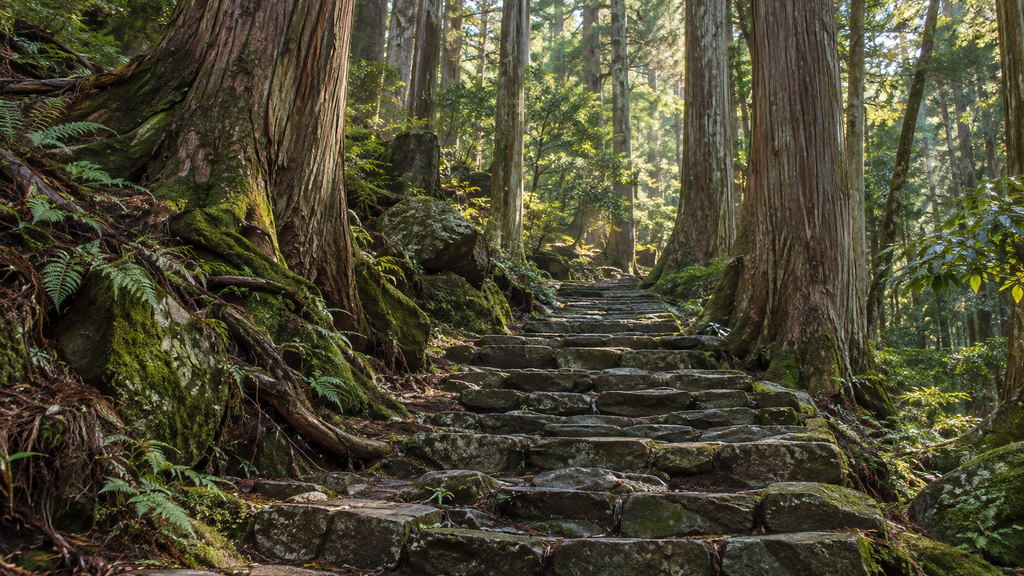
The Kumano Kodo is a network of pilgrimage routes, rather than a single trail. Some sections suit a short visit; others involve demanding mountain walking, limited services, and careful overnight planning.
For a first visit, choose a route using the Tanabe City Kumano Tourism Bureau’s suggested walks. Match the distance and elevation to your fitness, and check both the starting point and the transport from the finish. A short distance on a map can still include steep steps and slippery surfaces.
Carry water, food, rain protection, and suitable footwear. Download maps before setting out, check weather and current trail notices, and leave enough daylight for the walk. Rural buses can be infrequent, making the last departure an important part of your plan.
Japanese Perspective: The Journey Is Part of the Pilgrimage
These paths connect landscapes, communities, and sacred sites. Their significance extends beyond reaching a viewpoint. Keep to the route, respect small shrines and roadside markers, and leave offerings and stones undisturbed. A quieter pace also makes room for other walkers and local residents.
3. Visit Nachi Falls and Its Sacred Surroundings
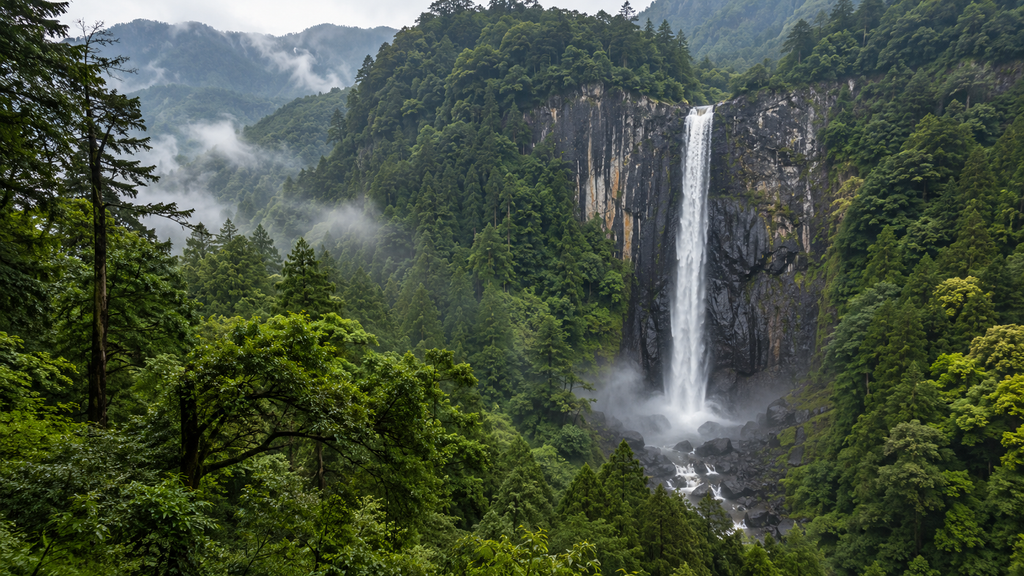
Nachi Falls is one of Wakayama’s most memorable sights: a tall stream of water falling against a forested cliff. The surrounding Nachisan area also includes Kumano Nachi Taisha, a Shinto shrine, and Seigantoji, a Buddhist temple. They are distinct religious sites within a landscape shaped by intertwined traditions.
Kii-Katsuura makes a useful base, with local buses serving the Nachisan area. If you would like to add a forest approach, consider Daimon-zaka, a stone stairway lined with trees. It is comparatively short, but the steps can still be strenuous, especially in humid weather or rain.
Allow time for the shrine, temple surroundings, and waterfall viewpoints instead of arriving for one photograph. Check bus times before walking between the different areas, and follow signs for restricted or paid sections.
4. Slow Down on the Shirahama Coast
Shirahama combines a white-sand beach, ocean scenery, and hot springs. Shirarahama Beach is the town’s best-known coastal setting, while the surrounding shoreline offers rocky landscapes and places to watch the changing light.
A night here gives you time for the coast and a relaxed meal without rushing back to a distant city. Choose accommodation by its location as well as its facilities: a beachside property, a hot-spring resort, and a hotel near the station may involve different bus or taxi journeys.
For swimming, follow local seasonal guidance and conditions on the day. Around rocky viewpoints, stay behind barriers and away from exposed edges during strong winds or high waves.
Japanese Perspective: Learn the Bathing Routine
At a shared onsen, wash before entering the bath and keep towels out of the water. Bathing arrangements and tattoo policies differ between properties. If you prefer privacy, look for a reservable private bath and check the conditions before booking.

5. Discover Soy Sauce Heritage in Yuasa
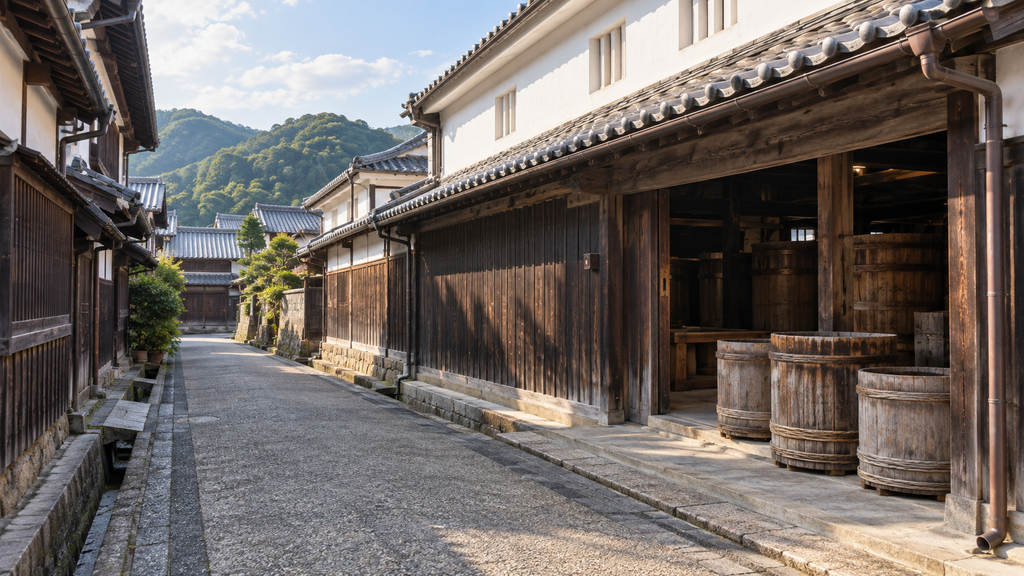
Yuasa offers a smaller-scale experience of Wakayama. Its preserved streets and long association with soy sauce production reveal how everyday food can shape a town’s identity.
Walk through the historic district, look for public exhibitions or shops, and check whether a producer offers visitor access. Opening days and tour arrangements vary. Traditional wooden buildings remain part of a working town, so an attractive entrance may belong to a private home or business.
Japanese Perspective: Pay Attention to Everyday Craft
Fermentation traditions connect ingredients, time, and local knowledge. Buying a small bottle from a local shop can be a meaningful souvenir, especially if you ask how it is used in cooking. Respect private spaces and ask before photographing staff or production areas.
6. What to Eat in Wakayama
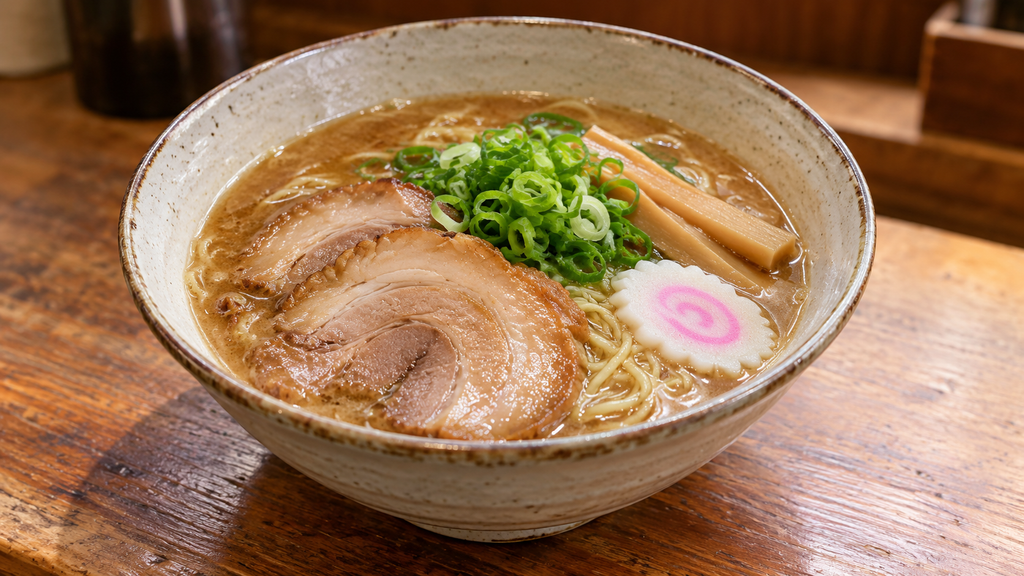
Start in Wakayama City with local ramen, often called chuka soba. Many bowls combine soy sauce seasoning with a pork-bone broth, although individual shops have their own styles. A modest neighborhood restaurant can be as rewarding as a famous stop.
Around Katsuura, tuna is an important local specialty. Choose a seafood restaurant or a market meal where available, and check opening hours rather than assuming fish-market activity continues all day.
Wakayama is also known for ume and citrus. Umeboshi, preserved Japanese plums, have a sharp, salty flavor that pairs well with rice. Mandarin oranges and citrus products make another approachable introduction to the prefecture’s agriculture. Seasonal availability varies.
At Koyasan, shojin ryori offers a different kind of meal, using plant ingredients and thoughtful preparation. Tell your accommodation about allergies in advance; the name of a cuisine alone does not confirm whether a particular meal meets your dietary needs.
When to Visit Wakayama
Spring and autumn are appealing for walking, though temperatures differ between the coast and Koyasan. Pack an extra layer for mountain evenings and early starts.
Summer brings beach weather along with heat, humidity, and heavy-rain risks. Plan demanding walks conservatively and check forecasts. Winter can offer quieter coastal sightseeing, while mountain destinations may have snow, ice, and much colder conditions.
Cherry blossoms and autumn foliage depend on location and the year. Choose your travel dates around the experience you want, then check local seasonal updates closer to departure.
Getting Around and Choosing a Base
Rail is useful along the coast, with onward buses serving many attractions. Koyasan requires a separate mountain approach, while inland pilgrimage areas rely heavily on bus connections. Check the entire journey rather than only the train segment.
Wakayama City works well for urban dining and the northern coast. Shirahama suits a beach and onsen stay. Kii-Tanabe is a useful gateway for parts of the Kumano Kodo, and Kii-Katsuura suits Nachi visits. Koyasan is best considered its own overnight destination.
A rental car can help with rural stops, but it does not eliminate winding mountain roads or long transfers. For a one-way hike, organize how you will return to your vehicle. Keep luggage manageable and check storage or forwarding arrangements directly with your accommodation.
A Realistic First Trip: Three Days on the Western Coast
Day 1: Wakayama City. Arrive, explore at a comfortable pace, and try local ramen. Stay overnight rather than beginning a long onward journey late in the day.
Day 2: Yuasa and Shirahama. Visit Yuasa’s historic district, then continue south to Shirahama. Check train connections and luggage storage in advance. Leave the evening free for dinner and a bath.
Day 3: Shirahama. Enjoy the beach area and coastal scenery before your onward journey. Keep weather-dependent activities flexible.
For Nachi, add two days with a stay in Kii-Katsuura and allow for the long coastal transfer. For Koyasan, plan a separate overnight branch with its own transport arrangements. A multi-day Kumano Kodo walk deserves a dedicated itinerary and accommodation bookings along the chosen route.
Frequently Asked Questions
Is Wakayama worth visiting on a first trip to Japan?
Yes, particularly if you enjoy temples, walking, regional food, or coastal stays. Select one area that fits your wider route instead of trying to include every major attraction.
Can I visit Wakayama as a day trip from Osaka?
Some northern destinations can work as day trips, depending on your departure point. Nachi and the southern coast require much more travel time; an overnight stay is more practical.
Do I need to hike to experience the Kumano area?
No. You can visit major sacred sites using public transport and local walking. Check steps, slopes, and accessible routes for each site, since bus access does not mean every area is step-free.
Is the Kumano Kodo suitable for beginners?
Certain short sections can suit beginners with appropriate preparation. Other routes are strenuous. Choose by elevation, terrain, weather, and transport access, not distance alone.
Can non-Buddhists stay at a Koyasan temple?
Many shukubo welcome visitors of different backgrounds. Read the temple’s booking information and follow its rules. Participation opportunities and daily schedules vary.
Should I book accommodation ahead?
Yes, especially for temple stays, pilgrimage-route lodging, and popular holiday periods. Meal-inclusive properties may need dietary requests before arrival.
Continue Exploring Japan
Browse our Japan Travel guides to plan your next destination. For a different regional landscape, explore our Hokkaido travel guide or Aomori travel guide.
Wakayama rewards time spent between its famous sights: a temple meal, a small-town shop, or a quiet stretch of coast can become the part of your journey you remember most.