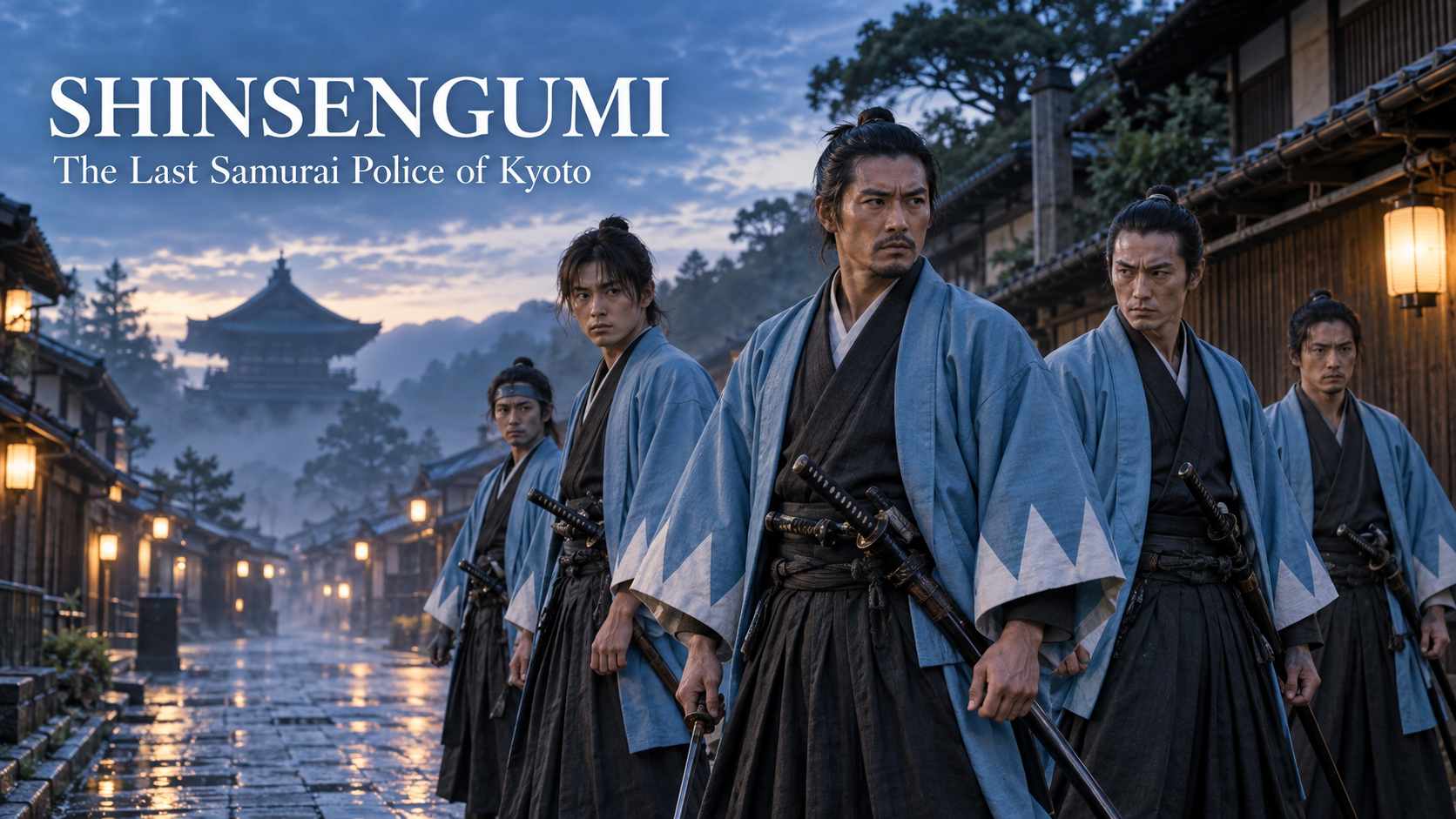
The Shinsengumi are often imagined as the last perfect samurai: blue-coated swordsmen charging through the streets of Kyoto beneath a banner marked with the character makoto, meaning sincerity or faithfulness. Their most famous members—Kondo Isami, Hijikata Toshizo and Okita Soji—have appeared in countless novels, films, television dramas, manga, anime and games.
The real history is more complicated and more compelling.
The Shinsengumi were not an ancient samurai clan. They emerged in 1863, only a few years before the Tokugawa shogunate collapsed. Many leading members came from farming or lower-status families rather than prestigious warrior houses. Through swordsmanship, discipline and political opportunity, they rose to serve as an armed police force in one of the most dangerous cities in Japan.
To their supporters, they were loyal guardians who protected Kyoto from political violence. To their enemies, they were ruthless agents of a failing military government. Their story is therefore not a simple battle between heroes and villains. It is the story of ambitious young men who found purpose in a strict organization—and continued fighting even when history turned against them.
This guide explains who the Shinsengumi were, why their short career became legendary and where travelers can still encounter their memory in Kyoto, Tokyo, Aizu and Hakodate.
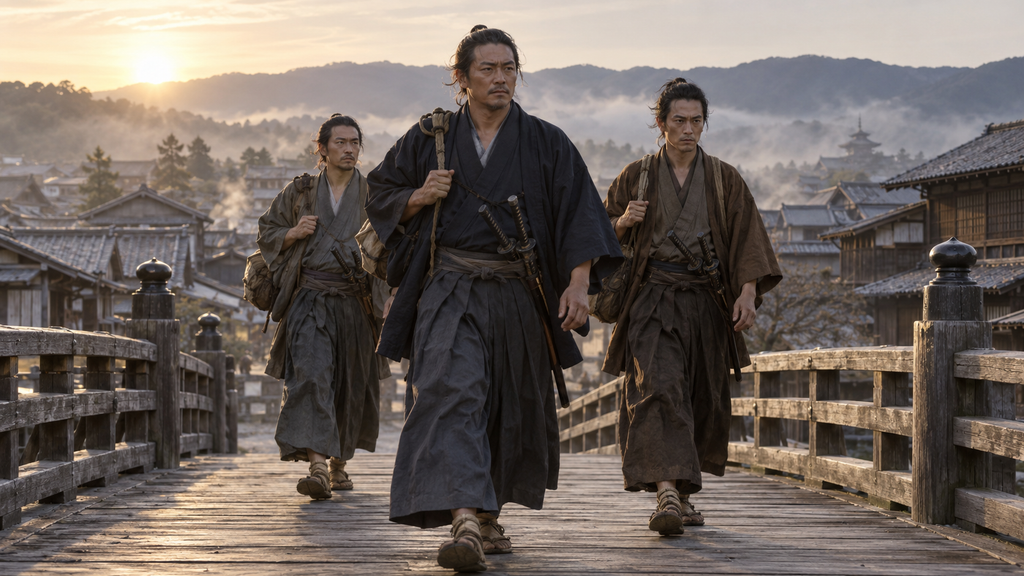
Japan at the End of the Samurai Age
In the 1850s and 1860s, the Tokugawa shogunate faced an intense crisis. Foreign ships demanded access to Japanese ports, unequal treaties damaged the government’s authority and political activists called for power to be restored to the emperor.
Kyoto became the center of the conflict. The emperor lived there, powerful domains competed for influence and radical sonno joi activists promoted “revere the emperor, expel the barbarians.” Assassinations and violent confrontations became part of city life.
In 1863, the shogunate organized a group of ronin, or masterless warriors, to accompany Shogun Tokugawa Iemochi to Kyoto. Most soon returned to Edo, but Kondo, Hijikata and several companions remained in the village of Mibu. Together with a faction led by Serizawa Kamo, they formed the Mibu Roshigumi.
Supported by Matsudaira Katamori of the Aizu domain, who served as Kyoto Protector, the group received the name Shinsengumi—usually translated as “Newly Selected Corps.” Their mission included patrols, investigations and the suppression of anti-shogunate activity.
From Rural Dojo to Kyoto’s Armed Police
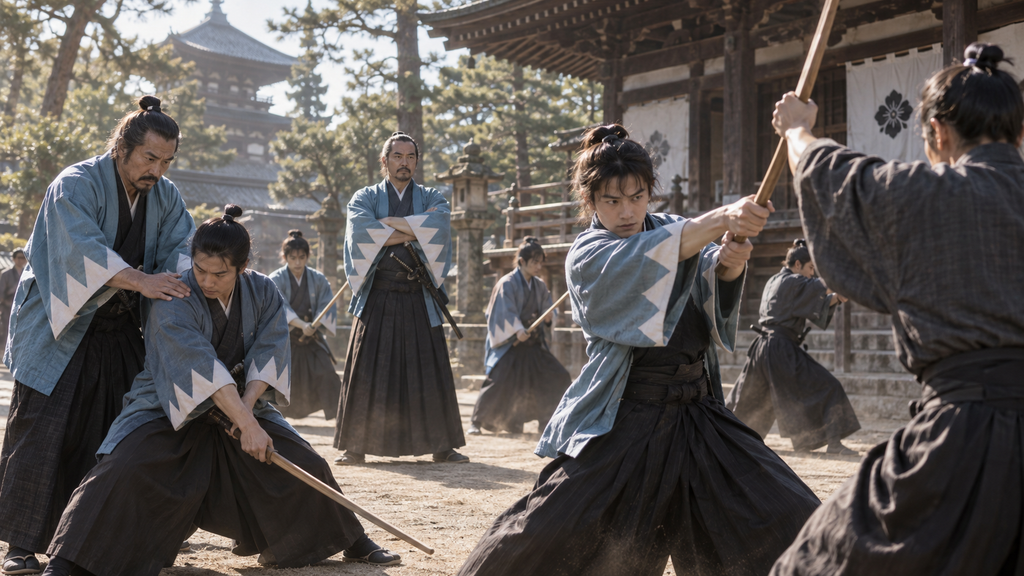
Kondo Isami, Hijikata Toshizo and several future officers were connected through the Tennen Rishin-ryu school of swordsmanship around Tama, west of Edo. This shared training created a bond before they entered national politics.
Kondo became the commander. He had been born into a farming family and was adopted by the master of the Shieikan dojo. His rise shows that the boundaries of samurai society were becoming unstable near the end of the Edo period.
Hijikata, the vice-commander, is remembered as the organization’s severe administrator. He helped turn an uncertain gathering of swordsmen into a disciplined force. Okita Soji, despite his youth and later illness, earned a reputation as one of its finest swordsmen.
The group trained and lived around Mibu, using residences such as the Yagi House and Maekawa House as early headquarters. Mibu-dera Temple’s grounds were associated with their exercises and daily life.
The Ikedaya Incident: The Night That Made Them Famous
The Shinsengumi’s defining action occurred in 1864. After arresting and interrogating the anti-shogunate activist Furukata Shuntaro, the group learned of a gathering at the Ikedaya inn in central Kyoto.
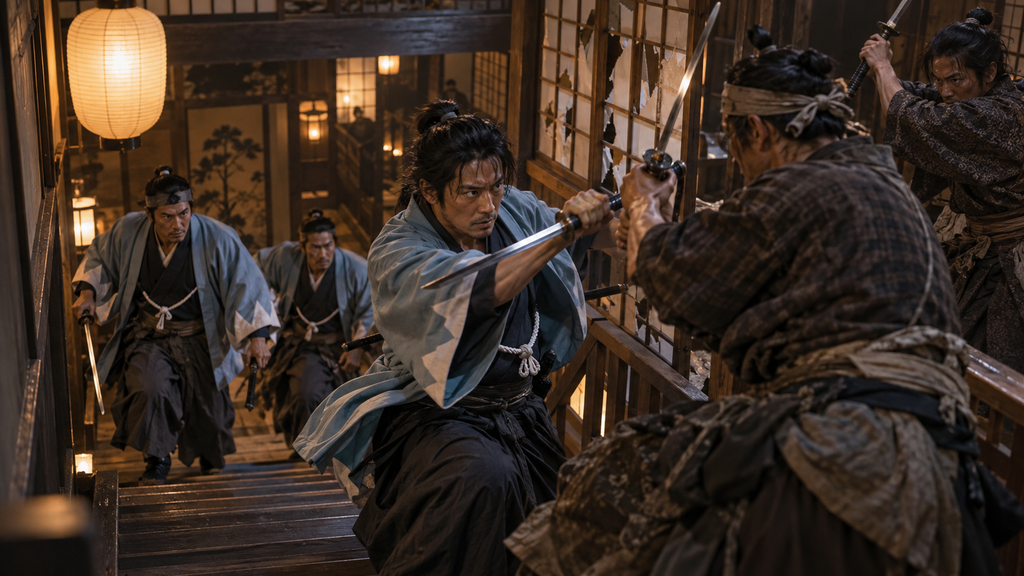
Kondo and a small unit entered the building without waiting for the full force to assemble. A violent sword fight broke out in the narrow rooms and staircase. Hijikata arrived later with reinforcements, and the Shinsengumi killed or captured several opponents.
The political intentions of those gathered at Ikedaya remain a subject of debate. Later stories claimed that they planned to burn Kyoto and seize members of the imperial court; historians treat some of these details cautiously. What is clear is that the raid greatly increased the Shinsengumi’s reputation and recruitment.
The physical setting also explains why the event became so dramatic in popular culture. Long swords were difficult to use inside a crowded inn. Low ceilings, stairs, darkness and confusion made training and nerve as important as elegant technique.
The Men Behind the Famous Names
Kondo Isami: The Commander
Kondo wanted the Shinsengumi to be recognized as true retainers rather than temporary hired swords. His confidence helped the corps grow, but success also pulled him deeper into the shogunate’s political struggle.
Hijikata Toshizo: The Demon Vice-Commander
Hijikata is popularly called the oni no fukucho, or “demon vice-commander.” The nickname reflects his reputation for enforcing discipline, but the surviving image of him is broader: he was practical, adaptable and capable of learning modern warfare as the conflict moved north.
Okita Soji: The Gifted Young Swordsman
Okita’s combination of talent, youth and illness made him a tragic favorite in later fiction. Reliable details about his personality are limited, and modern portrayals often romanticize him. He appears to have been a formidable instructor and fighter whose health deteriorated before the final campaigns.
Saito Hajime and the Survivors
Not every major member died with the old order. Saito Hajime survived the Boshin War and later served in the Meiji-era police. His life complicates the idea that the Shinsengumi belonged entirely to a world that vanished overnight.
The Meaning of “Makoto”
The character makoto—誠—is strongly associated with the Shinsengumi flag. It can mean sincerity, truthfulness, devotion or faithfulness. No single English word carries all of its emotional weight.
For the Shinsengumi, makoto expressed loyalty to comrades and duty to the shogunate. Yet sincerity does not automatically make an action morally correct. People on opposing sides of the Bakumatsu could act with complete conviction.
This is one reason the Shinsengumi remain fascinating in Japan. Their emblem does not erase political ambiguity. Instead, it asks what it means to live honestly according to a chosen path when the world itself is changing.
Japanese Perspective: Discipline, Loyalty and Social Ambition
International audiences sometimes interpret the Shinsengumi only through bushido. Loyalty certainly mattered, but their appeal also comes from social mobility.
Kondo and Hijikata were not born at the top of the warrior class. In a society where status was still largely inherited, swordsmanship offered them a route toward recognition. Joining the Shinsengumi allowed men from modest backgrounds to perform the identity of elite warriors at the very moment the samurai system was approaching its end.
The group’s strict rules are another major part of the legend. Later accounts describe regulations demanding loyalty, forbidding unauthorized departure and punishing serious violations with death. Some familiar versions of the code were recorded after the events and should not all be treated as perfectly preserved official documents. Nevertheless, internal executions and forced seppuku were real features of the organization.
From a modern perspective, this discipline can look cruel. Japanese audiences often feel both admiration and unease: the same commitment that gave ordinary men strength also trapped them inside a violent structure.
This connects with hangan biiki, sympathy for a courageous losing side. The Shinsengumi defended a government destined to fall. Their failure makes their loyalty appear more tragic, not less powerful.
Patrols, Fear and the Darker Side of the Shinsengumi
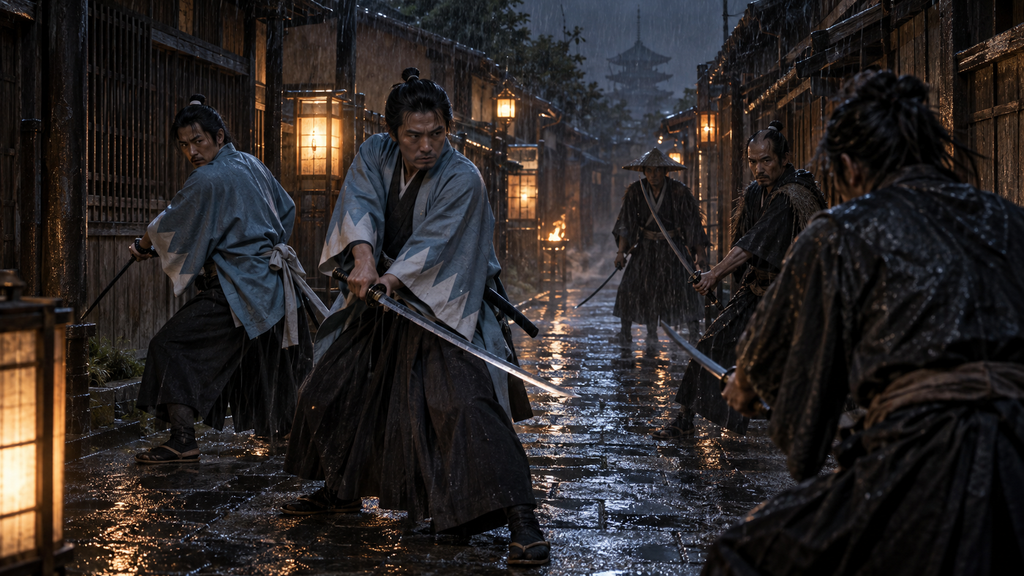
Kyoto’s streets were not a romantic stage. Both pro-shogunate and anti-shogunate groups used assassination, intimidation and violence. The Shinsengumi carried legal authority through the Aizu-backed security system, but their methods included surveillance, interrogation and lethal force.
Internal politics were also deadly. Serizawa Kamo was killed by fellow members in 1863. Yamanami Keisuke was forced to commit seppuku after leaving the corps. Ito Kashitaro and several followers were later attacked in the Aburanokoji Incident.
These events should not be removed from a travel article simply because the heroic image is more attractive. Understanding the fear surrounding the Shinsengumi makes Kyoto’s quiet streets and surviving buildings more meaningful.
The Fall of the Shogunate and the Shinsengumi
In 1867, the shogunate made leading Shinsengumi members official retainers. The achievement came just as the political system they had served was ending.
War began in early 1868. At the Battle of Toba-Fushimi near Kyoto, pro-shogunate forces were defeated by the imperial alliance. The battlefield demonstrated how quickly warfare was changing: swords and traditional courage now faced rifles, artillery and modern organization.
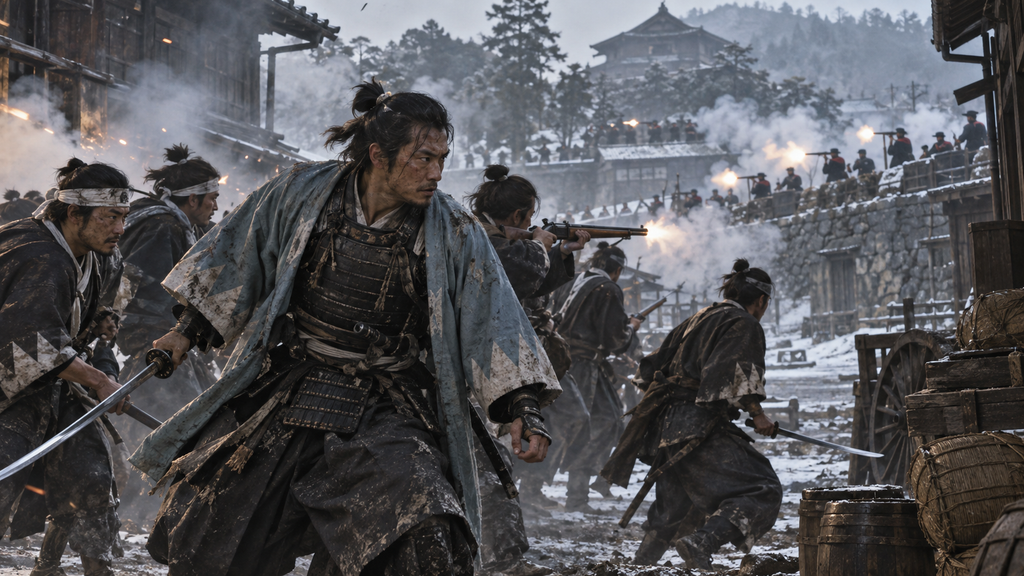
Kondo and Hijikata returned east and reorganized surviving members, but their paths soon separated. Kondo was captured and executed at Itabashi in 1868. Okita died from illness around the same period.
Hijikata continued through Aizu and into Hokkaido. He adopted Western-style clothing and participated in the final resistance based at Goryokaku. He was killed during the Battle of Hakodate in 1869, becoming the clearest symbol of the Shinsengumi’s refusal to surrender its identity.
Where to Explore Shinsengumi History in Japan
1. Mibu-dera Temple, Kyoto
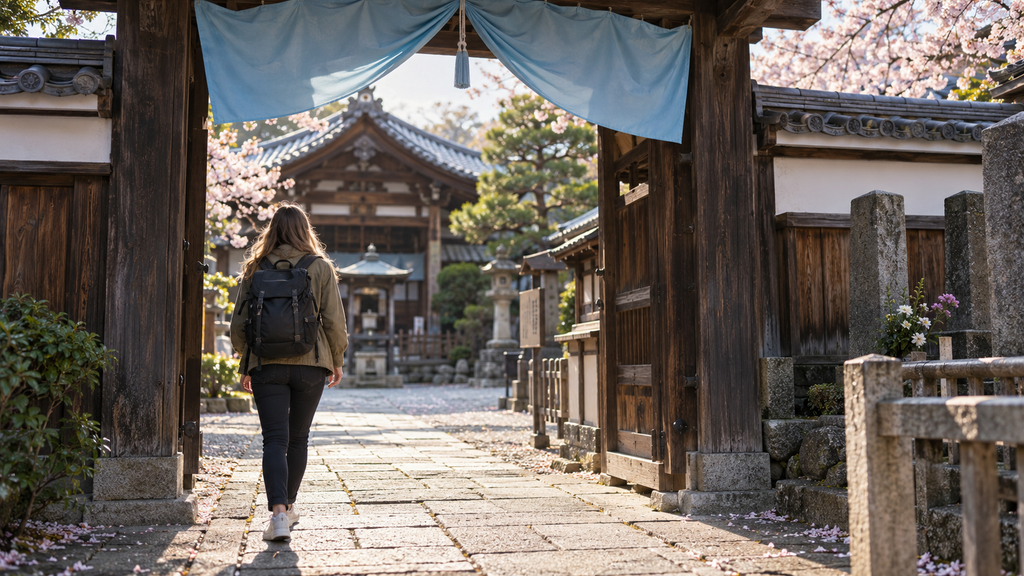
Mibu-dera is the essential starting point. The Shinsengumi trained nearby, and the temple grounds contain memorials connected to Kondo and other members. The site remains an active religious space, so visit quietly and follow photography rules.
2. Yagi Residence and Former Maekawa Residence, Kyoto
The Yagi Residence served as an early headquarters and preserves a strong connection to the group’s formative period. Admission arrangements and opening conditions may change, so check its official website before visiting.
The former Maekawa Residence is private property and is not normally open throughout the interior. Limited sales or special openings may occur, but travelers should not enter unauthorized areas.
3. Ikedaya Site, Kyoto
The original inn no longer survives. A marker identifies the area near Sanjo and Kawaramachi, allowing visitors to connect the modern entertainment district with the dangerous night of 1864.
4. Nishi Hongan-ji, Kyoto
The Shinsengumi later moved its headquarters to Nishi Hongan-ji. The temple is far larger than the Mibu sites and has a history extending well beyond the corps. Treat it first as a major Buddhist temple, not merely as a themed attraction.
5. Hino, Tokyo
Hino preserves the Tama roots of several leading members. Takahata Fudoson has monuments and materials connected to Hijikata and Kondo, while local museums and walking routes introduce the Tennen Rishin-ryu community from which the Shinsengumi emerged.
6. Aizu-Wakamatsu, Fukushima
Aizu supported the Shinsengumi through Matsudaira Katamori and later became a major Boshin War battlefield. Tsuruga Castle and local history museums provide the wider political context for the group’s retreat from Kyoto.
7. Goryokaku, Hakodate
Goryokaku is the final major destination in Hijikata’s story. From Goryokaku Tower, visitors can see the star-shaped fortress and displays connected to the Hakodate War. A bronze statue of Hijikata reinforces the city’s continuing attachment to him.
Suggested One-Day Shinsengumi Walk in Kyoto
- Morning: Begin at Mibu-dera and visit the Shinsengumi memorial area.
- Late morning: Tour the Yagi Residence if it is open, then view the former Maekawa Residence respectfully from the permitted area.
- Lunch: Eat around Shijo-Omiya, once the edge of the old Mibu village.
- Afternoon: Visit Nishi Hongan-ji and learn about the corps’ later headquarters.
- Evening: Continue to the Ikedaya site near Sanjo-Kawaramachi, where the modern city feels dramatically different after dark.
Allow extra time if you plan to visit the Ryozen Museum of History, which presents the Bakumatsu from a broader range of perspectives.
Practical Travel Tips
- Best seasons: Spring and autumn offer comfortable walking weather. Early summer suits the atmosphere of the Ikedaya story but can be hot and rainy.
- Recommended time: One full day for the main Kyoto sites; three to seven days for Kyoto, Hino, Aizu and Hakodate.
- Transport: Mibu is accessible from Omiya or Shijo-Omiya stations. Central Kyoto sites can be combined by rail, bus and walking.
- Opening information: Historic residences may close temporarily or restrict interior access. Check official websites immediately before visiting.
- Etiquette: Temples, graves, memorials and private residences are not costume sets. Keep voices low and respect signs.
- Historical balance: Pair Shinsengumi sites with museums covering the imperial loyalists and the Meiji Restoration for a fuller understanding.
FAQ About the Shinsengumi
Were the Shinsengumi real samurai?
Yes. They were a historical armed police force active during the final years of the Tokugawa shogunate. Many members did not begin as high-ranking samurai, but some were later formally recognized as shogunate retainers.
What does Shinsengumi mean?
It is usually translated as “Newly Selected Corps.” The exact English wording varies, but the name refers to their status as a selected unit serving the shogunate’s security system in Kyoto.
Why did the Shinsengumi wear blue haori?
The pale blue haori with white mountain-shaped sleeve patterns is their most famous visual symbol. Evidence suggests it was associated with the corps, although members probably did not wear the iconic uniform as constantly as films and anime suggest.
What was the Ikedaya Incident?
It was an 1864 raid on an inn where anti-shogunate activists had gathered. The close-quarters fight greatly increased the Shinsengumi’s fame and influence.
Who was the strongest Shinsengumi swordsman?
There is no objective answer. Okita Soji, Saito Hajime, Nagakura Shinpachi and several others had strong reputations. Later fiction has amplified these comparisons beyond what surviving evidence can prove.
Did the Shinsengumi survive the Meiji Restoration?
The organization did not survive as a functioning corps, but individual members did. Saito Hajime is the most famous example of a former officer who lived into the Meiji era.
What is the best Shinsengumi destination?
Choose Mibu in Kyoto for the group’s origins, Hino for the early lives of its leaders and Goryokaku for Hijikata’s final campaign.
Why the Shinsengumi Still Matter
The Shinsengumi lasted only a few years, yet their story captures the emotional violence of Japan’s transition into the modern age. They were ambitious outsiders who achieved the samurai identity they desired just as that identity was disappearing.
Their courage was real, but so was their brutality. Their loyalty was admirable, but it bound them to a losing political order. These contradictions explain why every generation reinterprets them.
Walking through Mibu today, travelers find temples, homes and narrow streets rather than constant reminders of sword fights. That quietness is valuable. It leaves room to imagine the young men who arrived in Kyoto seeking recognition—and discovered that sincerity alone could not stop history from changing.