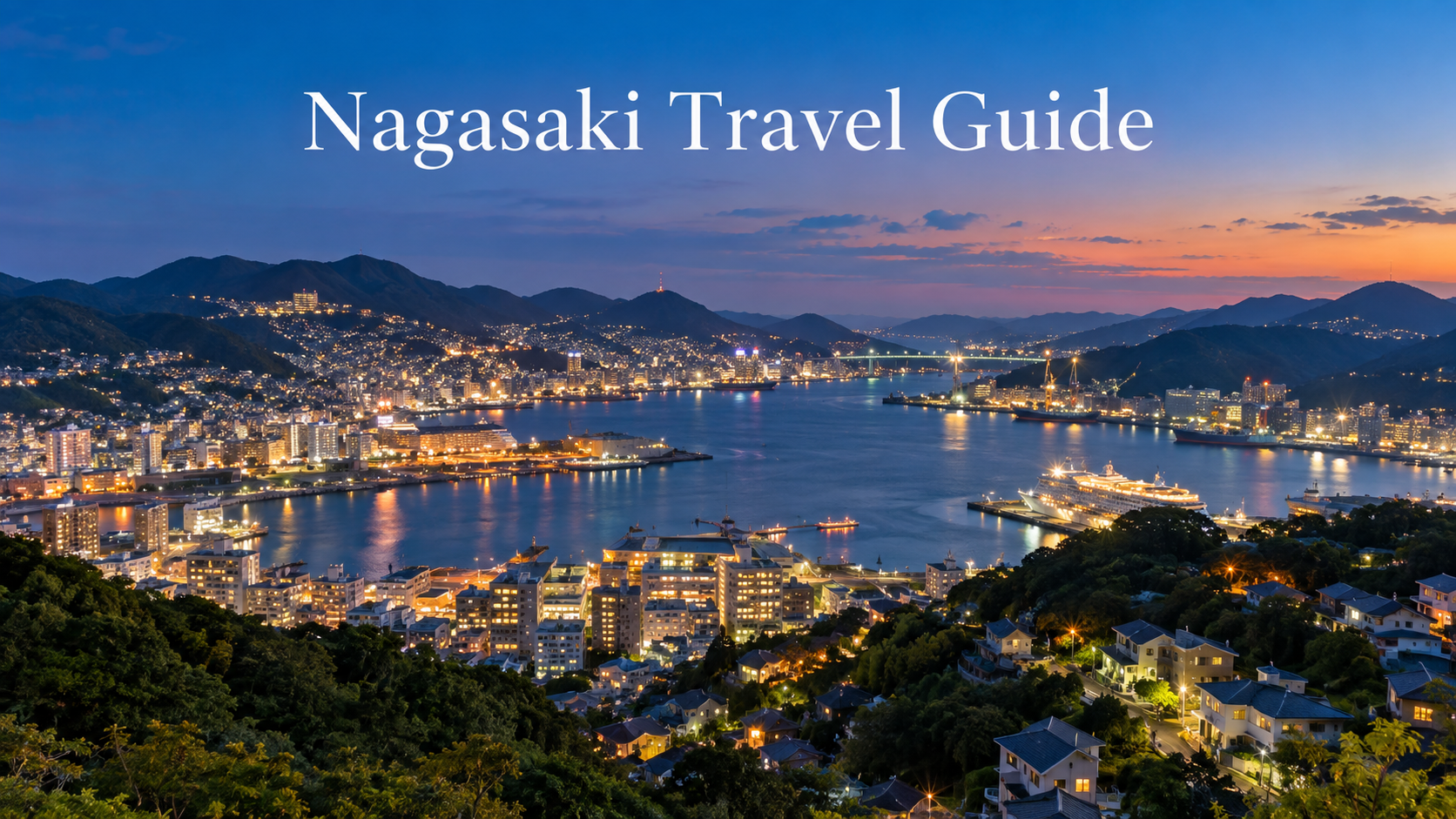
Nagasaki reveals itself in layers. A reconstructed trading post introduces centuries of exchange, hillside houses overlook a working harbor, and a bowl of champon tells another story about people arriving from overseas. The city’s peace sites ask visitors to slow down and listen. Beyond the city, island-dotted seas open the possibility of a longer journey.
This Nagasaki travel guide begins with three days in the city, then introduces Kujukushima near Sasebo and the Goto Islands as extensions. The prefecture covers much more than its capital, so choose a route that leaves enough time for both the places and the journeys between them.
Why Visit Nagasaki?
Nagasaki offers a distinctive combination of port history, regional cooking, remembrance and coastal scenery. It works well for travelers who enjoy museums and walking, but also want time for a cafe, a harbor view or a quiet evening meal.
Keep the geography clear. Nagasaki City is the starting point for the urban sights in this guide. Sasebo is a separate city farther north, while the Goto archipelago requires sea or air travel. These destinations can form one trip, but they should not be treated as neighboring city districts.
Japanese Perspective: Nagasaki complicates the familiar idea of a completely isolated historical Japan. Its past includes tightly regulated foreign contact, commerce and cultural exchange. Looking at the specific people and institutions involved gives a richer picture than describing every foreign influence as simply “Western.”
1. Understand Trade and Exchange at Dejima
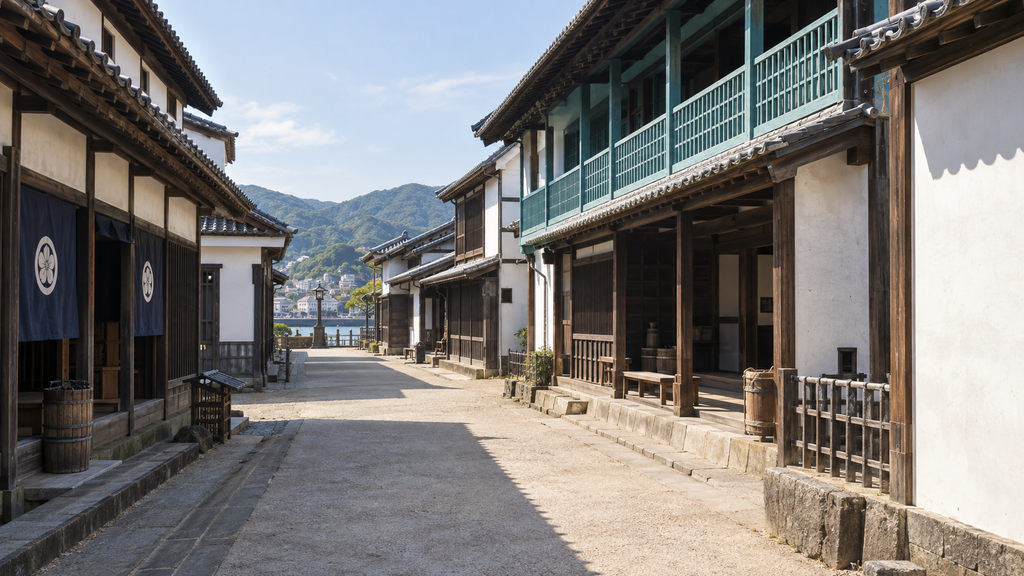
Dejima is a rewarding place to begin because its exhibits connect the harbor city with a much larger world. Associated particularly with Dutch trade during the Edo period, the site helps explain how goods and knowledge moved through carefully controlled channels.
The visitor experience includes reconstructed historic spaces. Read the building labels rather than assuming everything you see has survived unchanged. Notice how daily activities, work and living arrangements fit within a restricted trading environment.
Allow time for the interpretation, not just a photograph of the street. A slow visit makes later encounters with imported ingredients, architecture and commercial history more meaningful.
Japanese Perspective: “Sakoku,” often translated as national isolation, is a useful term only if its limits are understood. Contact did not disappear, and different routes and communities played different roles. Dejima provides one specific window into that history rather than an explanation of every relationship Japan had with the outside world.
2. Explore Glover Garden and the Hillside Streets
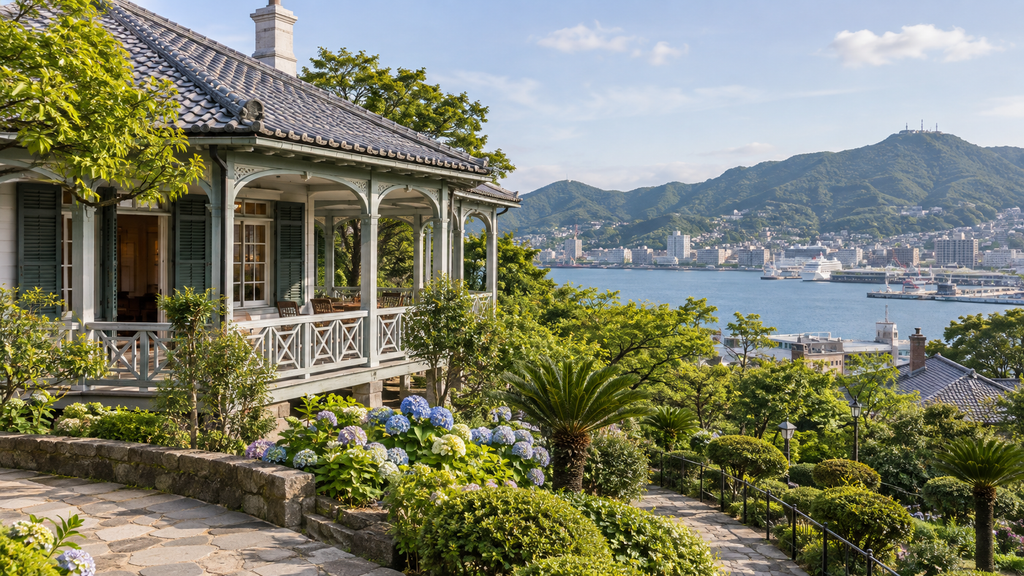
Glover Garden introduces another period of international connections through historic residences and harbor views. Look at the relationship between the houses and their setting: verandas, gardens and rooflines create a different experience from a museum entered directly off a flat city street.
Give yourself time for the slopes. Wear comfortable shoes and check the recommended entrance and accessible route if stairs are difficult. Buildings within the garden have different histories, including relocation and restoration, so the labels are worth reading closely.
The surrounding Minamiyamate area can form a relaxed half day with lunch. Avoid filling the schedule so tightly that the walk between attractions becomes a race.
Japanese Perspective: These buildings invite questions about the Japanese craftspeople, merchants and communities involved in international trade as well as the foreign residents whose names are prominent. Architecture is often the visible result of many people working across cultural boundaries.
3. Give the Peace Sites Time and Attention
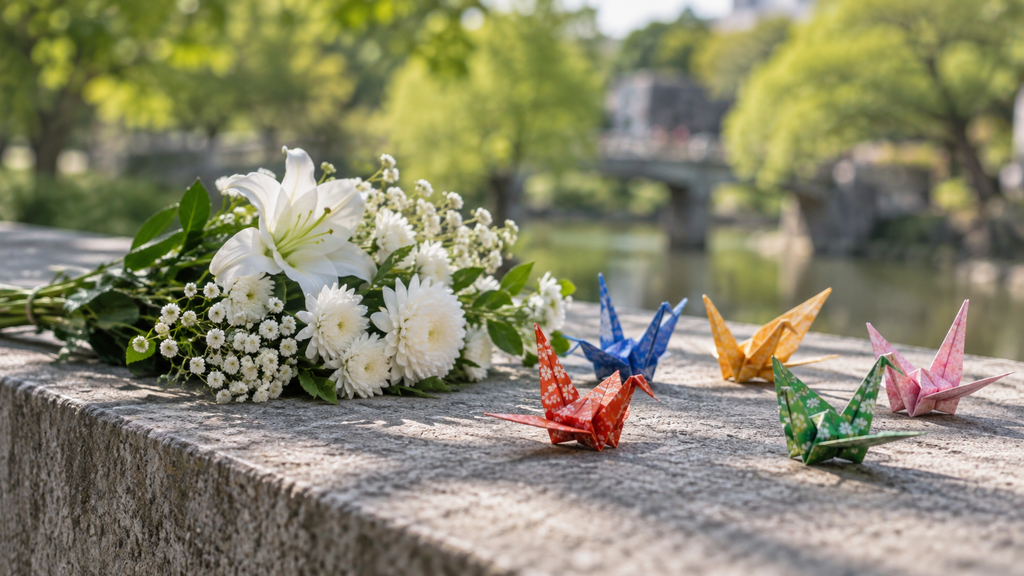
The atomic bombing of Nagasaki on August 9, 1945, is central to the city’s modern history. The Nagasaki Atomic Bomb Museum, the hypocenter area and Peace Park offer different ways to learn about the destruction, the people affected and the continuing work of remembrance.
Set aside a substantial part of the day. Read personal accounts and allow time to reflect rather than moving rapidly between landmarks. Museum material can be emotionally difficult; companions may want different amounts of time or a break afterward.
Keep your voice low around memorial spaces and follow photography rules. If visiting with children, prepare a simple explanation and choose how much detail to explore according to their needs.
Japanese Perspective: The word hibakusha refers to people affected by the atomic bombings. Their experiences are individual lives and testimonies, not just a historical category. Listening to those accounts can help visitors engage with the site thoughtfully, without assuming that everyone in Japan relates to this history in the same way.
4. Taste Champon, Sara Udon and Castella
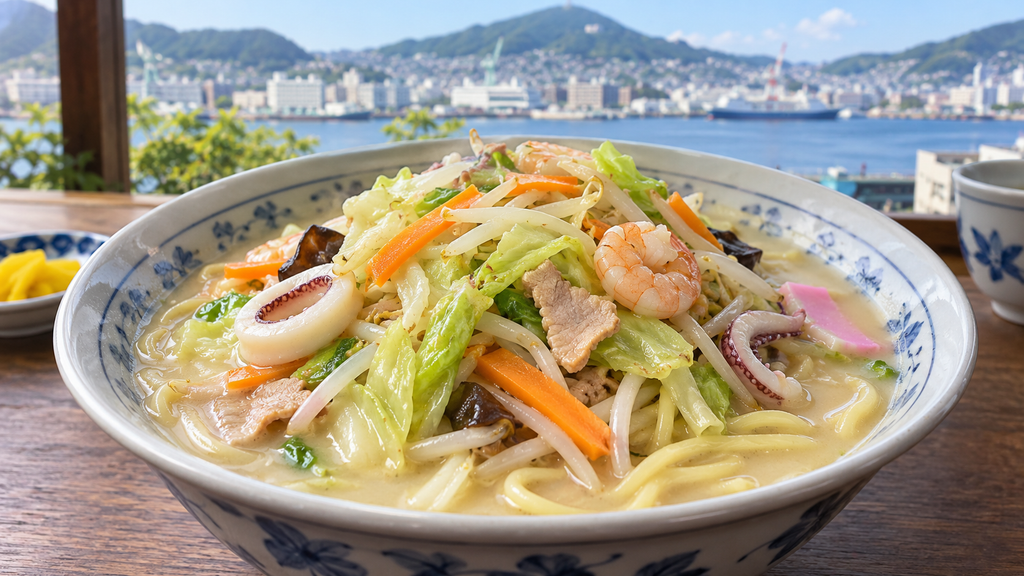
Champon is a satisfying introduction to Nagasaki’s food culture: thick noodles, vegetables and combinations of meat and seafood brought together in a savory broth. The local history of the dish is associated with Chinese restaurateurs and students, making lunch another way to encounter the city’s connections across the sea.
Sara udon offers a different texture, with a thick topping over noodles; restaurants may offer crisp thin noodles or a thicker noodle version. Check the menu instead of expecting one universal preparation.
For something sweet, try castella, the sponge cake closely associated with Nagasaki. Buy a small portion for a break or a boxed version for home, checking its best-before date and storage advice.
Japanese Perspective: These foods are part of Nagasaki’s local identity, even though their histories involve ideas and ingredients from elsewhere. Regional Japanese cuisine often grows through adaptation. If you have allergies or dietary restrictions, ask about broth, toppings and sauces together: removing visible shrimp does not necessarily remove seafood from a dish.
5. See the Island-Dotted Sea at Kujukushima
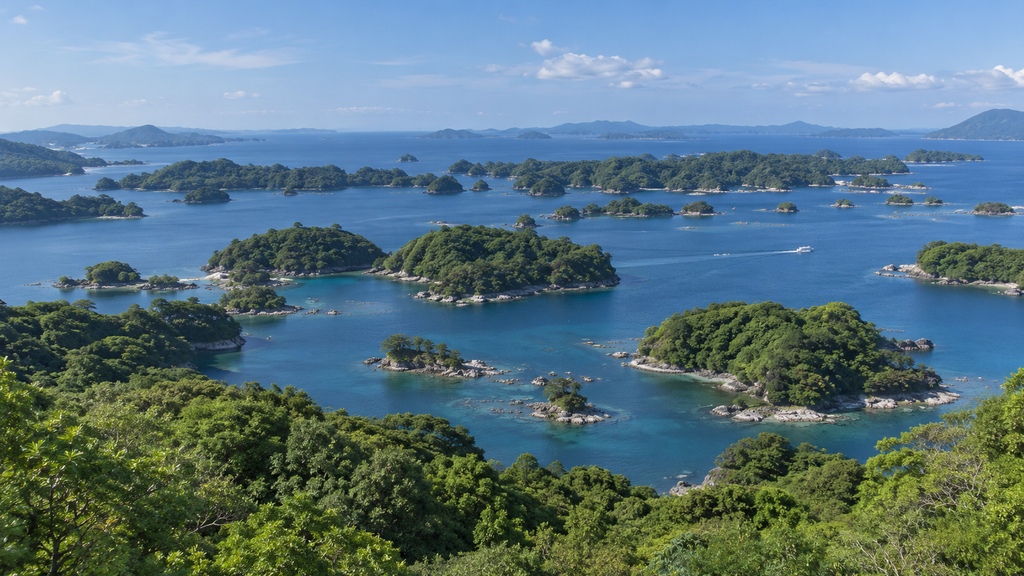
Kujukushima provides a change of pace from the city. Despite a name that translates as “Ninety-Nine Islands,” the area is described by local tourism authorities as containing 208 islands. The appeal is the intricate meeting of wooded land and water, best appreciated without hurrying.
Choose a sightseeing cruise, a mainland viewpoint, or both if transport allows. A cruise brings you closer to the channels, while a lookout helps you understand the broader pattern of the coastline.
Plan from Sasebo rather than assuming you can step off a Nagasaki City tram and reach the departure point. Check the last local connection as well as the main train journey. Staying in Sasebo makes a slower visit easier.
Japanese Perspective: Scenic coastal areas also support daily life and working waterways. Follow crew instructions, use designated viewpoints and avoid entering private land for a slightly different photograph. On windy days, let conditions determine the plan.
6. Add an Island Stay in Goto
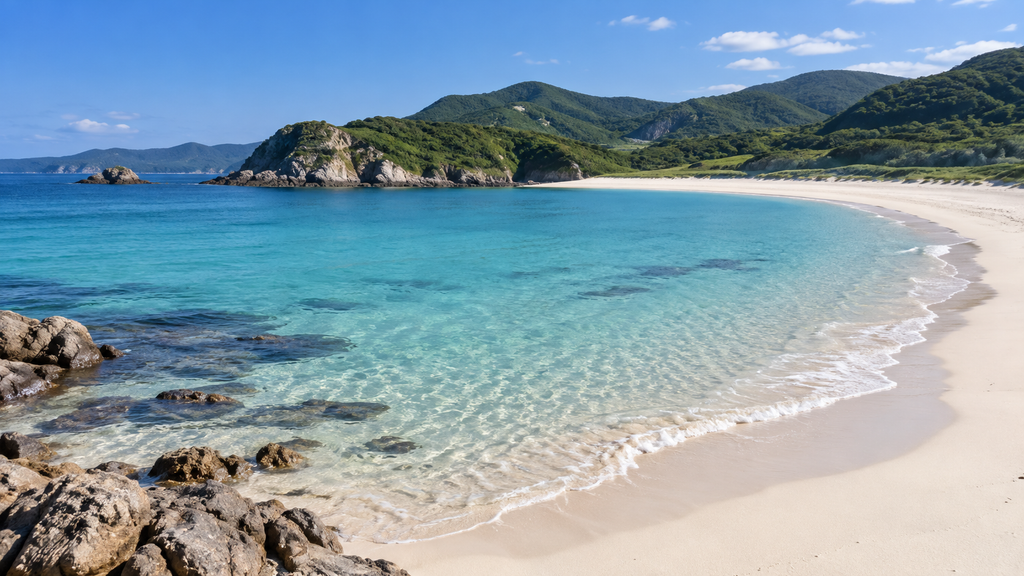
Goto deserves its own time in the itinerary. For a first visit, choosing Fukue Island keeps the planning simpler than trying to move between several islands. Combine coastal scenery with local food and a small number of historical stops.
Book the sea or air connection first, then arrange accommodation and transport on the island. A rental car or a booked tour can make dispersed sights easier to reach. Do not assume frequent buses connect every beach and church.
The region’s Christian heritage includes histories of persecution and faith maintained under difficult conditions. Visit churches and interpretive facilities with that context in mind. Some sites require advance arrangements, and active churches prioritize worship; check each location’s rules and avoid photographing interiors where prohibited.
Leave flexibility around the return journey because weather can affect crossings and flights. A beach illustration is not a guarantee of swimming conditions: follow local signs and seasonal guidance.
Practical Information for Planning Your Visit
Arriving and Getting Around
From Fukuoka, a common rail route combines Relay Kamome from Hakata with the Nishi Kyushu Shinkansen at Takeo-Onsen. Confirm the connection when booking; this is not a single direct shinkansen ride from Hakata to Nagasaki.
Nagasaki Airport serves the wider prefecture and requires onward travel. Airport buses have different city routes, so choose the stop closest to your accommodation and allow for traffic.
Within Nagasaki City, trams and walking work well for many sights. Check current ticket and transfer rules. Hills can make a short map distance more demanding than expected, so consider your hotel’s actual approach when traveling with luggage.
Night Views from Mount Inasa
On a clear evening, the harbor lights seen from Mount Inasa can be a memorable finish to the day. Arrive before darkness if you want to watch the view change, and arrange the return journey before going up.
Transport note: At the time of checking in September 2026, the official site carried a suspension notice for the Inasayama Slope Car. Check current park and ropeway notices for the available route; do not assume the slope car and ropeway are the same service or that both operate normally.
Where to Stay and When to Go
For the city portion, choose accommodation near Nagasaki Station or a convenient central tram stop. Stay in Sasebo for an easier Kujukushima visit, and reserve a separate island stay for Goto.
Spring and autumn would be my first choices for this walking-focused trip. Summer calls for heat breaks and flexibility around rain or storms; winter evenings and coastal viewpoints can be chilly. Night visibility and sea conditions matter more than a promise of perfect seasonal scenery.
Check admission charges and compare transport passes only after deciding your route. Reserve island transport and popular accommodation early, and carry some cash for smaller purchases.
A Flexible Three-Day Nagasaki Itinerary
Day 1: Dejima and Local Food
Explore Dejima, have champon or sara udon for lunch, and spend the afternoon around the central waterfront. Keep arrival day flexible. If the weather and transport allow, consider Mount Inasa in the evening.
Day 2: Peace and Remembrance
Give the museum, hypocenter area and Peace Park an unhurried visit. Leave the later afternoon open for a quiet meal or rest. Avoid attaching a rigid entertainment schedule immediately afterward.
Day 3: Glover Garden and Hillside Walks
Visit Glover Garden and nearby streets, stopping for lunch and castella. Use spare time for an exhibition or a neighborhood you want to explore further rather than rushing across the prefecture.
Extend the Trip
Add one or two days around Sasebo for Kujukushima. For Goto, allow at least two nights on your chosen island plus the necessary travel time. If you want both extensions, build a longer itinerary instead of compressing the three city days.
FAQ: Visiting Nagasaki for the First Time
How many days should I spend in Nagasaki?
Three days is a comfortable starting point for the city. Sasebo and the Goto Islands need additional time, especially if you want flexibility around weather.
Can I explore without renting a car?
Yes for many city sights using trams and walking. Check local connections for Kujukushima; island sightseeing may be easier with a car or organized tour.
Is Nagasaki suitable for a first trip to Japan?
Yes, particularly if history and regional food interest you. Allow enough time to reach western Kyushu and avoid treating the city as a brief stop between distant destinations.
Can I visit Goto as a quick day trip?
Some transport combinations may permit a short visit, but this guide recommends an overnight stay. Transfers, island distances and weather can leave little meaningful sightseeing time in a single day.
What should I eat first?
Start with champon, then try sara udon on another occasion. Castella makes an easy sweet break. Ask about ingredients if you avoid seafood, pork, eggs or wheat.
Is the night view guaranteed?
No. Clouds, rain and visibility change the experience, and transport may be suspended. Keep the evening flexible and check current notices before setting out.
Explore More of Kyushu
Nagasaki’s international history, island landscapes and distinctive food make western Kyushu unforgettable. Continue your journey through pottery country, lively cities and volcanic central Kyushu.
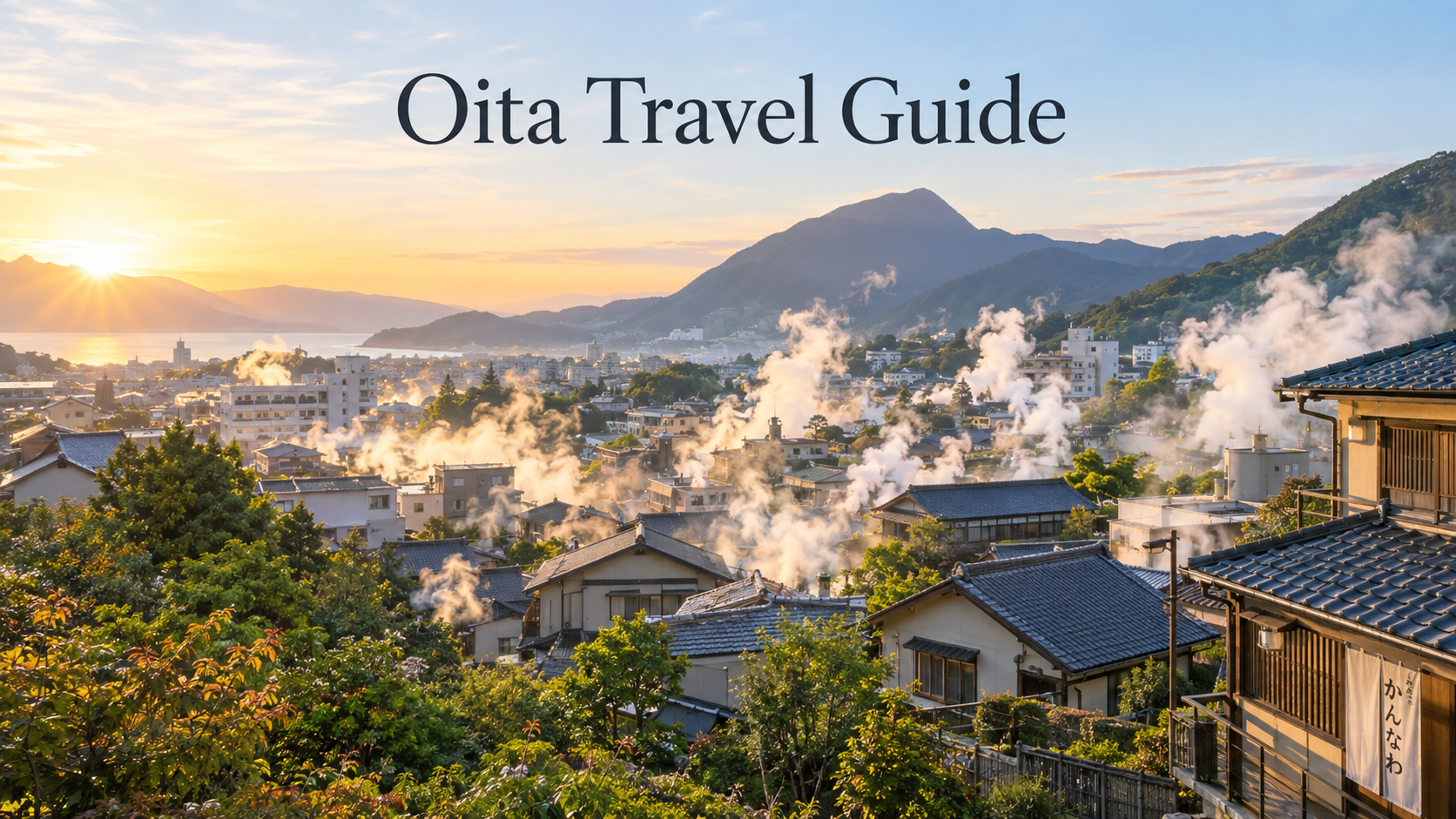
Saga Travel Guide
Travel east into Saga for Arita porcelain, Imari, Ureshino Onsen and a more relaxed side of northern Kyushu.
Read next: Saga Travel Guide: Pottery Towns, Restful Onsen and Coastal Discoveries
Fukuoka Travel Guide
Continue to Fukuoka for yatai dining, Hakata ramen, Dazaifu and an excellent transport base for the rest of Kyushu.
Read next: Fukuoka Travel Guide: Yatai Nights, Shrine Visits and Memorable Day Trips
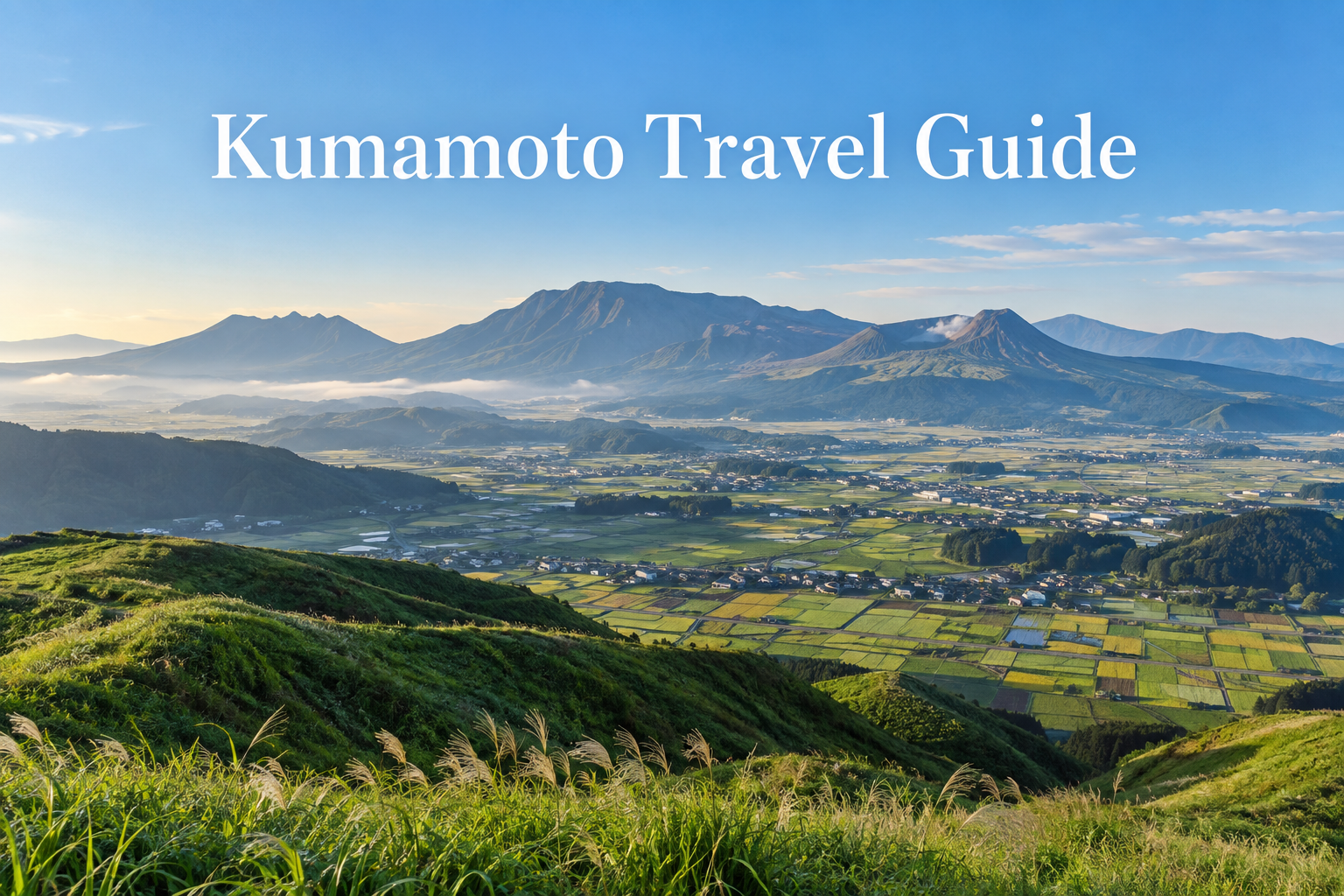
Kumamoto Travel Guide
Explore central Kyushu through Kumamoto Castle, Mount Aso, Kurokawa Onsen and the coastal landscapes of Amakusa.
Read next: Kumamoto Travel Guide: Castles, Aso Landscapes and Peaceful Onsen
Find more journeys in our Kyushu & Okinawa Travel Guides.