Okinawa invites you to slow down, but it also rewards curiosity. A beach morning can lead to an afternoon among handmade ceramics, a bowl of noodles, or a deeper understanding of the islands’ complicated history.
Japan’s southern island prefecture has a distinct cultural inheritance shaped by the Ryukyu Kingdom and centuries of exchange across East Asia. For a first visit, the most satisfying approach is to combine the sea with the places where that heritage remains part of everyday life.
This Okinawa travel guide focuses on the main island, with the Kerama Islands as an optional extension. It brings together six experiences, practical planning advice and a five-day itinerary that leaves room to enjoy each place.
1. Explore Shuri and the Legacy of the Ryukyu Kingdom
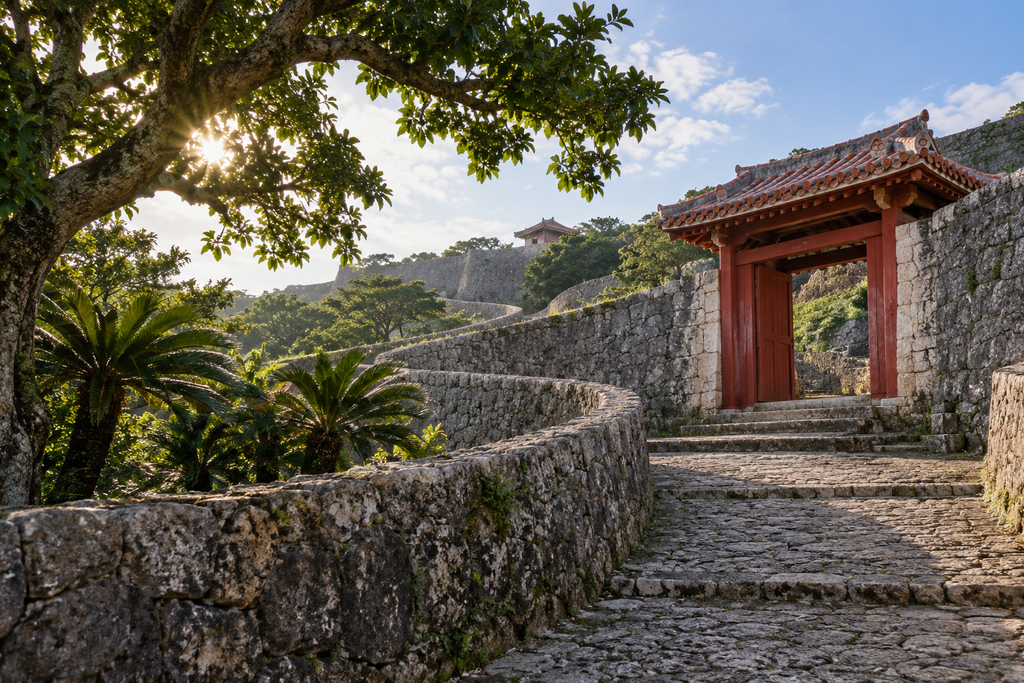
Begin in Shuri, the former royal center of the Ryukyu Kingdom. Its castle landscape makes more sense when you understand the kingdom as a maritime crossroads, with connections to China, Japan and Southeast Asia.
Stone walls, gateways and the surrounding streets offer an introduction to that history. Give yourself time to read the interpretation rather than treating the visit as a single photograph of a palace.
The 2019 fire destroyed major buildings, and restoration has been a central part of the site’s recent story. As checked on September 10, 2026, the Seiden’s public opening is scheduled for November 23, 2026. The announced system requires advance timed reservations for the Seiden interior. Check the official reopening information and reservation announcement for the arrangements that apply to your visit.
Japanese Perspective: Start with Okinawa’s Own History
Traveling within Japan does not mean encountering one uniform culture. Okinawa’s heritage deserves attention on its own terms. Reading about the Ryukyu Kingdom before visiting helps you recognize local architecture and customs without assuming they follow the same patterns as Kyoto or Tokyo.
2. Discover Yachimun in Naha’s Pottery Streets
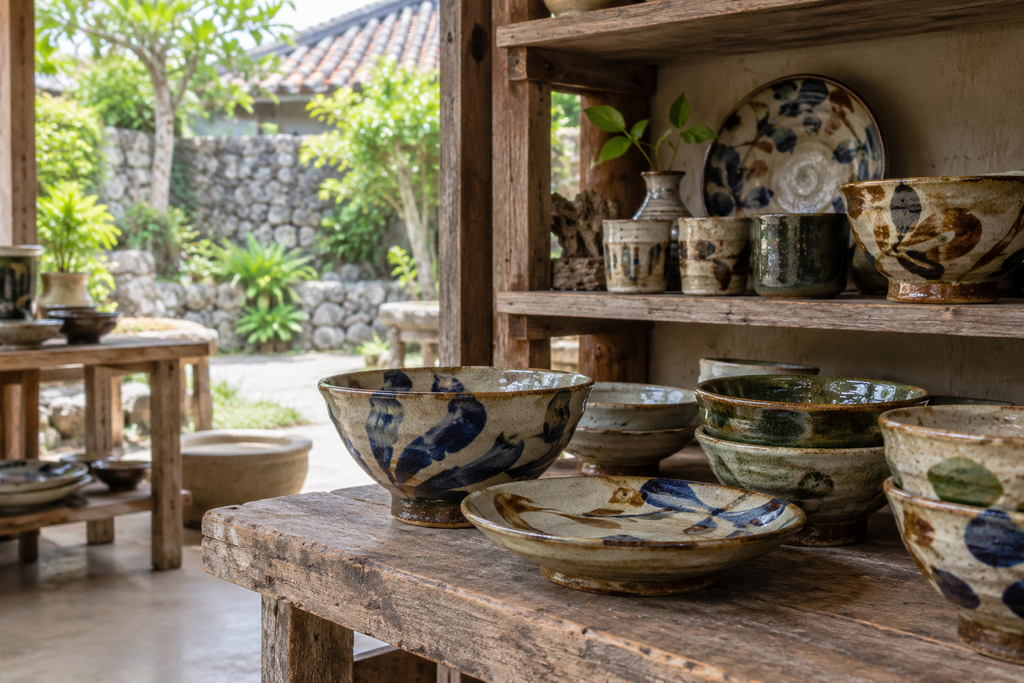
Tsuboya Yachimun Street in Naha offers a rewarding way to connect culture with ordinary objects. Yachimun is Okinawan pottery, and its bowls, cups and plates can make the local craft tradition feel immediately approachable.
The area’s pottery history stretches back centuries. Today, browsing its shops is a chance to notice differences in glaze, shape and brushwork, rather than looking for one definitive “Okinawan style.”
Choose a cup you would actually use, ask about its maker when possible, and check care instructions before buying. Fragile purchases are easier to manage when you leave space in your luggage and ask the shop to pack them carefully.
Japanese Perspective: Appreciate Craft Through Use
A handmade bowl does not need to remain a display piece. Thinking about the meal you might serve in it is one way to understand its appeal. Ask before photographing shop interiors, and remember that the surrounding lanes are also places where people live and work.
3. Spend Time in Yanbaru’s Subtropical Forests
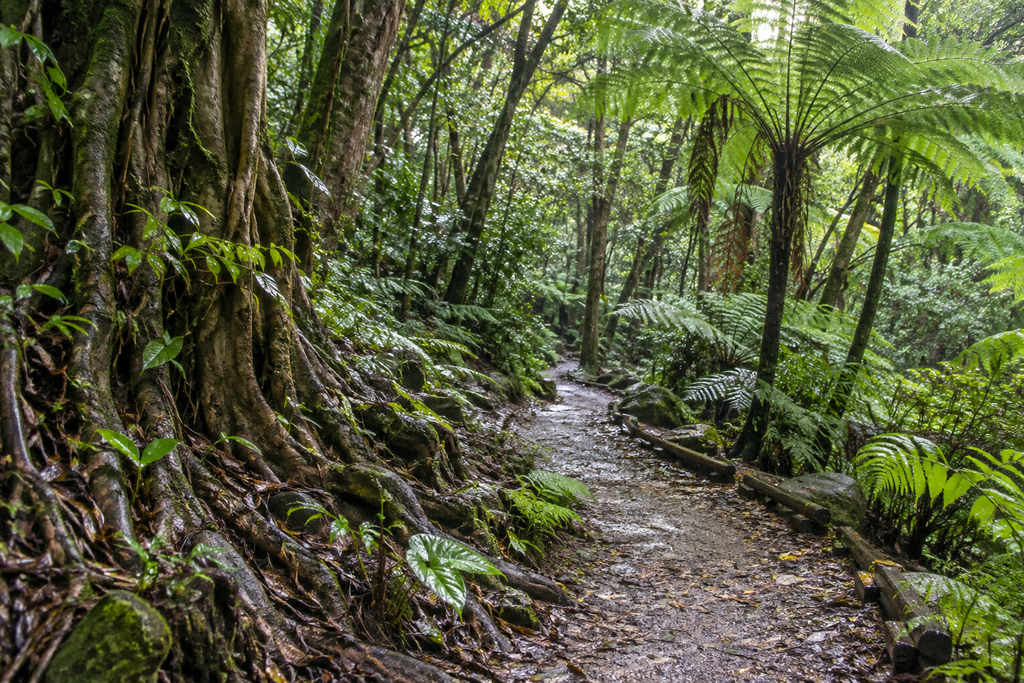
In the northern main island, Yanbaru introduces a different Okinawa: dense evergreen forests, quieter roads and habitats supporting distinctive wildlife, including the Okinawa rail.
The experience is less about collecting viewpoints and more about noticing the environment. A guided walk can help you understand plants, wildlife and conservation rules that are easy to miss on your own.
Choose an established activity suited to your fitness and the weather. A forest photograph cannot tell you whether a route is open, easy or appropriate for independent walking. Confirm those details with the operator, wear suitable footwear, and stay on permitted paths.
An overnight stay in the north can make this part of the trip more enjoyable. Driving from Naha, completing an activity and returning the same evening may leave little time to appreciate the landscape.
Japanese Perspective: Quiet Is Part of the Experience
Protected landscapes are living habitats. Keep voices low, avoid approaching wildlife, and take litter away. A good visit may involve observing very little wildlife directly while learning why the forest matters.
4. Add an Island Stay in the Keramas
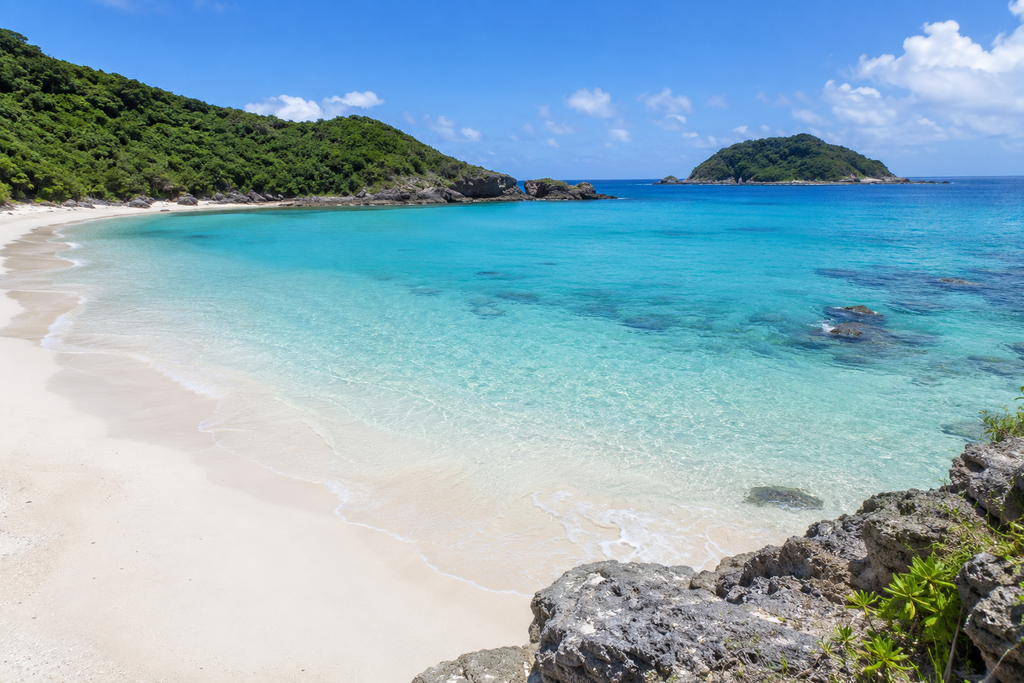
The Kerama Islands offer white sand, clear water and a smaller-island rhythm within reach of Naha by boat. Tokashiki and Zamami are among the options to consider, but choosing one island is usually more relaxing than trying to combine several on a short visit.
A day trip can work when transport and weather cooperate. Staying overnight gives you more time and reduces the pressure to fit every activity between ferry arrivals and departures.
For snorkeling, choose an operator who explains local conditions and marine etiquette. Do not touch or stand on coral, chase animals or feed fish. Use designated swimming areas and follow local guidance; clear water is not proof that conditions are safe.
Book the correct ferry route for your island and confirm how to reach your accommodation from the port. Leave a buffer before an important onward flight because sailings can be disrupted by weather.
Miyako and the Yaeyama Islands are separate destinations much farther from Naha. They deserve their own flight planning and several nights, rather than being added as casual main-island day trips.
5. Make Space for Remembrance in Southern Okinawa
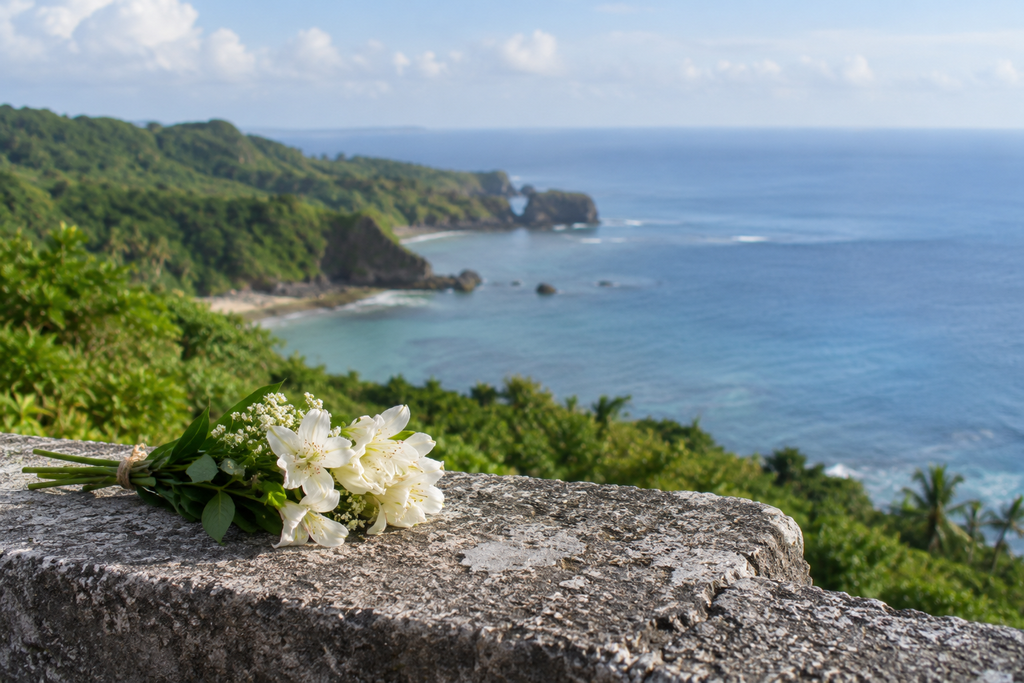
The Okinawa Peace Memorial Park in Itoman is an essential opportunity to learn about the Battle of Okinawa in 1945 and its devastating impact on civilians.
The museum provides historical context through exhibits and testimony. The Cornerstone of Peace commemorates people who died in the battle, across nationalities and military or civilian status.
Allow time for reading and reflection. This is not a stop that benefits from being squeezed between a beach visit and a dinner reservation. Follow photography rules and keep conversations considerate around people paying their respects.
Japanese Perspective: Let Local Testimony Lead
An understanding of Okinawa should include the experiences of people who lived through the battle. Approach the visit with a willingness to listen. Avoid treating the islands’ history as background scenery to a holiday, or assuming that every resident interprets that history in the same way.
6. Taste Okinawa Soba
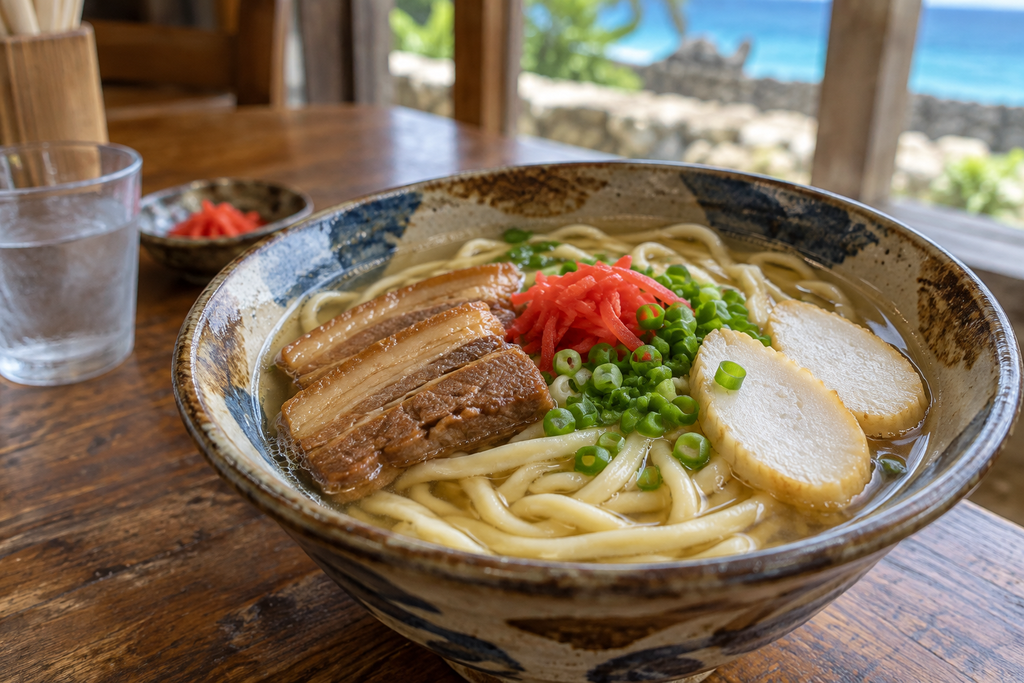
Okinawa soba is a welcoming introduction to local food. Despite its name, the noodles are made from wheat rather than the buckwheat associated with many other Japanese soba dishes.
Broths commonly use pork and bonito, with toppings that may include pork, fish cake and green onion. The combination varies by shop, and regional versions in Miyako and Yaeyama have their own characteristics.
Start with the broth before adding condiments, and try more than one shop if your schedule allows. A modest neighborhood lunch can be as memorable as a carefully planned restaurant meal.
If you avoid meat or fish, confirm the stock as well as the visible toppings. Removing pork does not necessarily make a bowl vegetarian. Travelers with dietary restrictions should ask about the full ingredients rather than relying on the dish’s name.
Practical Tips for Planning Your First Okinawa Trip
Getting There and Around
Naha Airport is the main arrival point for a main-island itinerary. The Yui Rail monorail connects the airport with parts of the Naha area, making it useful for an initial city stay. It is not an island-wide rail network.
For the north, compare buses, organized excursions and a rental car. A car can provide flexibility, but allow for traffic, parking and longer journeys than the map may suggest. Check driving-document requirements directly with your rental company before booking.
Use the official transport guide to start planning, then confirm current routes and reservations with each operator.
When to Visit
Spring and autumn can be attractive for a mix of sightseeing and outdoor activities. Okinawa’s rainy season generally runs from mid-May to late June, although timing varies. Summer can suit a sea-focused holiday, but heat and typhoons can affect plans.
Winter is milder than much of mainland Japan, yet wind and sea conditions still matter. Do not assume every winter day will suit swimming. Check the seasonal guide and weather forecasts close to departure.
Choosing a Base and Budget
Naha is practical for city culture, dining and transport connections. A northern overnight stay reduces repeated long drives when visiting Yanbaru. An island stay adds ferry logistics, so book accommodation and transport together.
Budget for transfers, activities, parking and possible changes as well as your room. Keeping some unscheduled time is particularly useful when an outdoor plan depends on weather.
A Five-Day Okinawa Main-Island Itinerary
- Day 1 — Arrive in Naha: Settle in, browse Tsuboya’s pottery shops if time allows, and have Okinawa soba for dinner.
- Day 2 — Explore Shuri: Visit the castle park according to current access arrangements, then leave the afternoon for nearby streets and a relaxed café stop.
- Day 3 — Visit southern Okinawa: Give the Peace Memorial Park and museum an unhurried visit. Return to Naha without adding a crowded checklist of attractions.
- Day 4 — Travel north: Transfer to your northern base. Arrange a short guided nature activity only if its starting time leaves a comfortable travel margin.
- Day 5 — Return toward Naha: Have a slow morning and allow generous time for the journey south. If your flight is early, spend the previous night closer to the airport instead.
To include the Keramas, add at least two nights and a weather buffer before your flight. If you have fewer days, choose between the northern forest and an island stay rather than forcing both into the schedule.
Frequently Asked Questions
How many days do you need in Okinawa?
Five days is a useful starting point for Naha and selected main-island experiences. Add time for a Kerama stay, and plan a separate multi-night section for Miyako or Yaeyama.
Do you need a car?
Not necessarily for Naha. Public transport and tours can also cover some excursions, while a rental car offers more flexibility in rural and northern areas.
Is Okinawa only a beach destination?
No. Shuri’s royal history, pottery traditions, Yanbaru’s forests, local food and places of remembrance all offer reasons to visit beyond the coast.
Can you visit Shurijo Castle during restoration?
Access varies by area and date. The Seiden is scheduled to open to the public on November 23, 2026, with advance timed reservations for its interior. Check the official park website before visiting.
Can you visit the Kerama Islands from Naha in one day?
Some ferry schedules make this possible, but availability and conditions matter. Confirm both journeys before booking activities, and avoid relying on a return sailing immediately before a flight.
Is Okinawa soba made from buckwheat?
It is typically made from wheat. Broths and toppings vary, so confirm ingredients directly if you have dietary restrictions.
Explore More of Southern Japan
Okinawa’s main island is only one part of Japan’s southern island world. Continue toward the Yaeyama Islands or compare Okinawa’s subtropical culture with the volcanic and forest landscapes farther north.
Ishigaki Island Travel Guide
Fly south to Ishigaki for Kabira Bay, snorkeling and diving, mangrove landscapes, Yaeyama food and easy access to neighboring islands such as Taketomi.
Read next: Ishigaki Island Travel Guide: Beaches, Yaeyama Culture and Island Adventures
Kagoshima Travel Guide
Travel north toward Kagoshima for Sakurajima, Kirishima, hot springs and a different expression of southern Japanese culture shaped by volcanic landscapes.
Read next: Kagoshima Travel Guide: Sakurajima, Onsen and Island Forests
Yakushima Travel Guide
For another island experience centered on nature, discover Yakushima’s ancient cedar forests, moss-covered trails and dramatic waterfalls.
Read next: Yakushima Travel Guide: Forest Walks, Where to Stay and a 4-Day Itinerary
Discover more in our Kyushu & Okinawa Travel Guides.