A good Yakushima trip begins with a choice: what kind of forest day do you actually want? You might dream of a long trek to an ancient cedar, or prefer a shorter walk with time to study moss, listen to water and return for an unhurried dinner.
Both can be rewarding. This mountainous island south of mainland Kagoshima offers much more than one famous tree, and matching the route to your interests makes the experience more enjoyable.
Our Kagoshima travel guide explains how an island stay fits into a wider southern Kyushu journey. This Yakushima travel guide goes deeper into the island itself: choosing forest walks, deciding where to stay, arranging transport and building a flexible four-day visit.
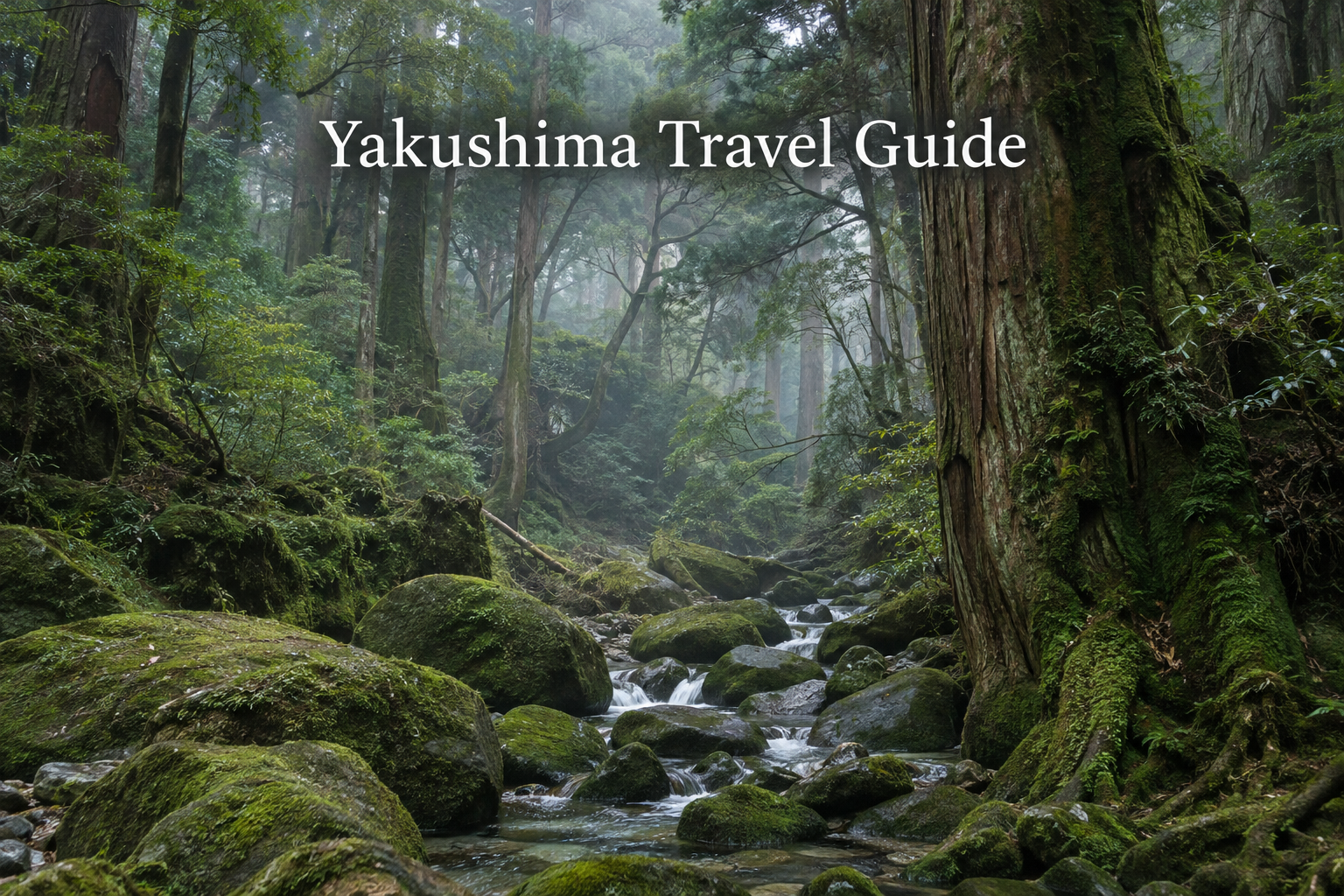
The images are original illustrations inspired by Yakushima. They are not documentary photographs or guides to exact trail conditions.
1. Shiratani Unsuikyo: Choose Your Forest Experience
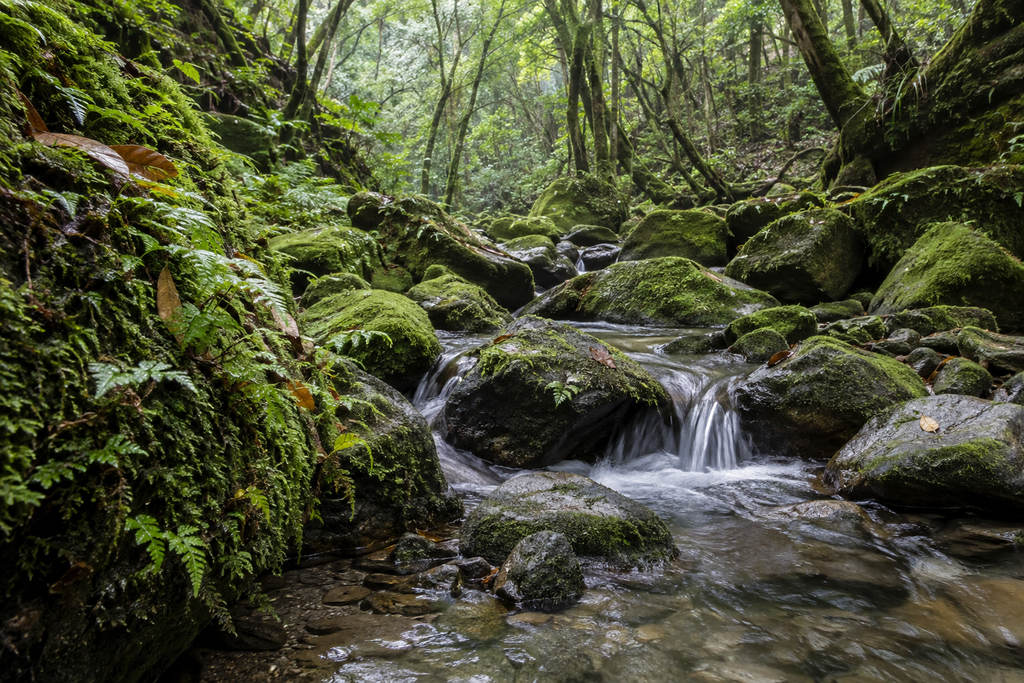
Shiratani Unsuikyo is known for mossy woodland, granite and flowing water. Its appeal is often found in small details: a fern emerging between stones, roots following an uneven surface, or light filtering through damp leaves.
The important planning point is that Shiratani is an area with several routes, not one standard walk. A shorter course and a route continuing toward Taiko-iwa Rock involve different time and effort commitments.
The Forestry Agency’s introduction lists walks of roughly one, three and four hours, depending on the route. Treat these as orientation figures, not promises about your pace or current access. Allow additional time for breaks, photography and transport.
For a first visit, tell your guide whether your priority is moss scenery, old trees or the viewpoint. Reaching farther into the mountains is not automatically the better choice. Wet surfaces, stream conditions and visibility can change the character of a day.
Japanese Perspective: Let Attention Replace a Checklist
One useful approach to a forest visit is to notice what is already around you. You do not need to reach every named landmark to have spent the day well. Pause where you can do so without blocking the trail, and keep your feet off moss and exposed roots when taking photographs.
2. Yakusugi Land: Old Cedars with Different Walking Options
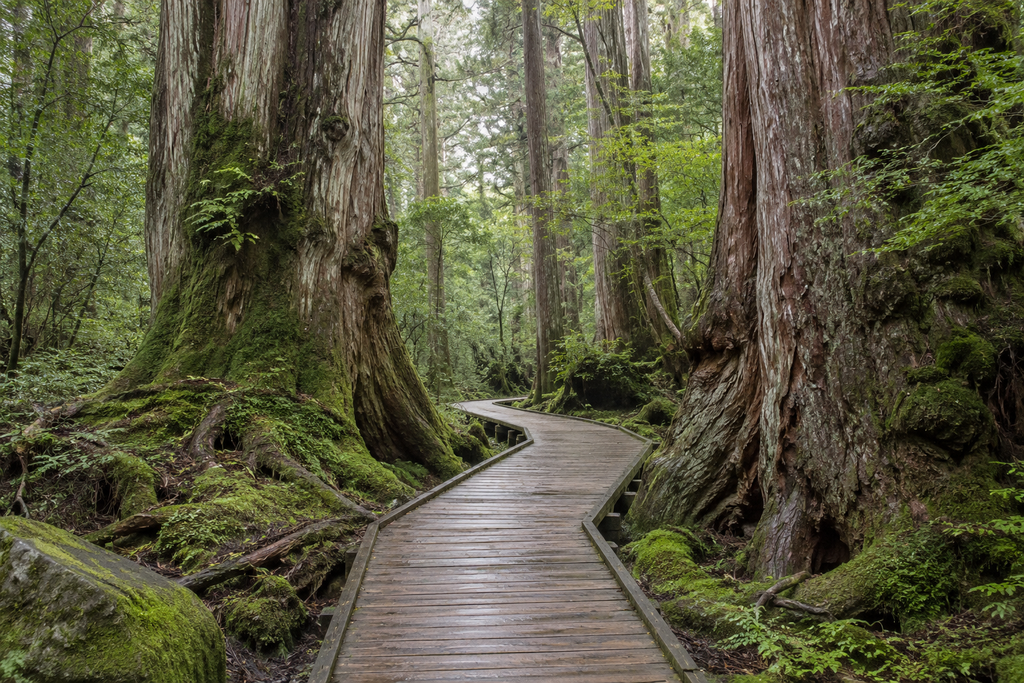
Yakusugi Land offers another way to spend time among impressive cedars. The name can sound like an attraction with a single easy circuit, but it covers routes with different surfaces and demands.
Some shorter sections include constructed walkways, while longer routes require more substantial hiking preparation. The World Heritage Conservation Center’s shorter-route description is useful for understanding the distinction. Confirm the currently open course at the entrance rather than relying only on its advertised number of minutes.
Steps and wet timber still require care. If you have mobility limitations, ask specifically about gradients, stairs and access; “short” does not necessarily mean step-free.
How to Choose Between the Forest Areas
| Your priority | A useful starting point | What to confirm |
|---|---|---|
| Moss, streams and a flexible forest outing | A suitable Shiratani Unsuikyo course | Which sections are open and whether water crossings affect the route |
| Large cedars without committing to an all-day trek | A shorter Yakusugi Land course | Steps, surface conditions and return transport |
| A sustained mountain walking day | A longer officially described route | Fitness demands, equipment, weather and guide arrangements |
This is a planning comparison, not a declaration that any route is currently open. Use the official route selector with your actual walking experience in mind.
3. Decide Whether Jomon Sugi Fits Your Trip
Jomon Sugi is a major reason many people visit Yakushima, but it requires a different commitment from a short forest circuit. Think of it as a substantial trekking day with early transport arrangements, rather than a stop you can add after lunch.
Ask a guide about the full return journey, including the approach, breaks and the deadline for getting back to transport. Be honest about your recent experience walking for many hours on uneven terrain. A famous destination does not make the route suitable for every traveler.
For the Arakawa approach, road access is regulated seasonally. The town’s published guidance lists the regulation period as March 1 through November 30, with the mountain bus used by ordinary visitors during that period. Confirm current arrangements through the town’s mountaineering information; a rental car does not remove the need to plan trailhead access.
If Jomon Sugi is your main goal, add time for recovery and possible weather changes. Choosing a shorter walk instead is a valid way to enjoy the island, not a lesser version of the trip.
4. Prepare for Rain Before You Arrive
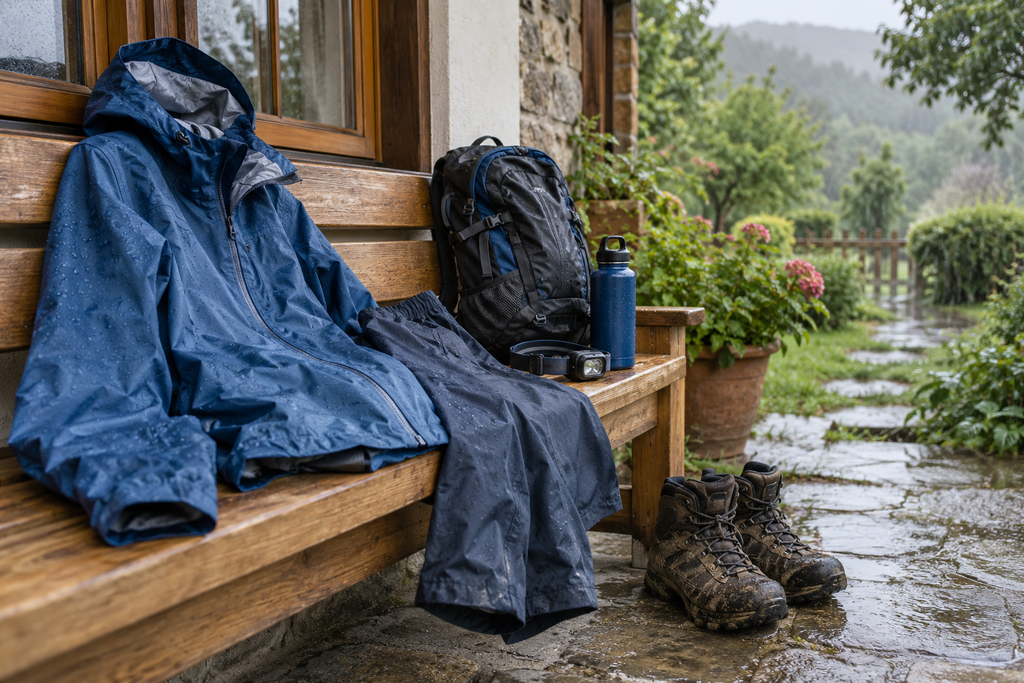
Rain is part of Yakushima’s character, but it should shape practical decisions as well as your expectations. Weather in a coastal settlement can differ from conditions higher in the mountains.
Start with the official equipment guidance. For a hiking day, prepare waterproof outer layers, suitable footwear, warm clothing, food, drinking water, a headlamp and a usable route map. Protect spare clothing and important belongings inside your pack, not only beneath a pack cover.
Ask your guide about toilet arrangements and whether you should bring a portable toilet kit. These are part of protecting the mountain environment; the conservation center’s toilet guidance explains the approach.
For mountain hikes, submit the requested trekking notification and leave your plan with your accommodation or another responsible contact. Agree on a turnaround plan before setting out.
Japanese Perspective: Flexibility Can Be a Form of Care
Changing plans protects both visitors and the people who maintain trails or respond to accidents. Follow closures and your guide’s judgment. Heavy rain is not a reason to seek a more dramatic stream photograph, and a wet-weather alternative should never involve entering a closed area.
5. Choose a Base That Works with Your Transport
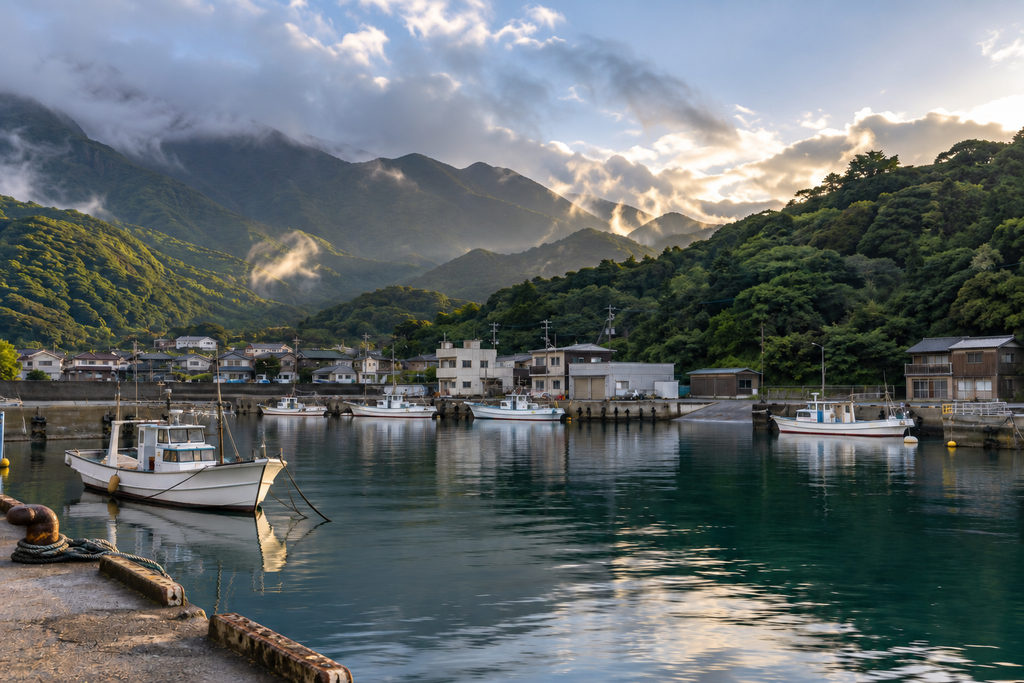
Miyanoura and Anbo are practical places to begin comparing accommodation. The right choice depends on your arrival point, planned walks, meal arrangements and how you will get around.
Miyanoura can be convenient when focusing on Shiratani Unsuikyo and northern-side services. Anbo can suit plans involving Yakusugi Land or arrangements for the Arakawa approach. Neither eliminates transfers, and an accommodation’s exact location matters more than the town name alone.
Before booking, check whether you can reach dinner on foot, where a guide collects guests, and whether the property can help arrange an early packed breakfast. Travelers arriving at one port and departing from another should plan that transfer explicitly.
Getting to Yakushima
Flights and sea services provide different arrival options. Start with the official access guide, then confirm the actual route, terminal and baggage arrangements with the operator.
In Kagoshima, the airport and ferry departure point are separate places. Include the ground transfer when comparing journey times. Keep a buffer before an important onward flight because island connections can be disrupted.
Getting Around the Island
Buses can work when your itinerary follows their schedules, while a rental car provides flexibility for dispersed coastal stops. Check the town’s public transport information and current operator timetables.
For forest visits, confirm both directions before you start walking. A route’s walking time does not include reaching the entrance. Guided tours may provide pickup, but ask which areas they cover and whether transport is included in the price.
6. Leave a Day for Waterfalls and Island Life
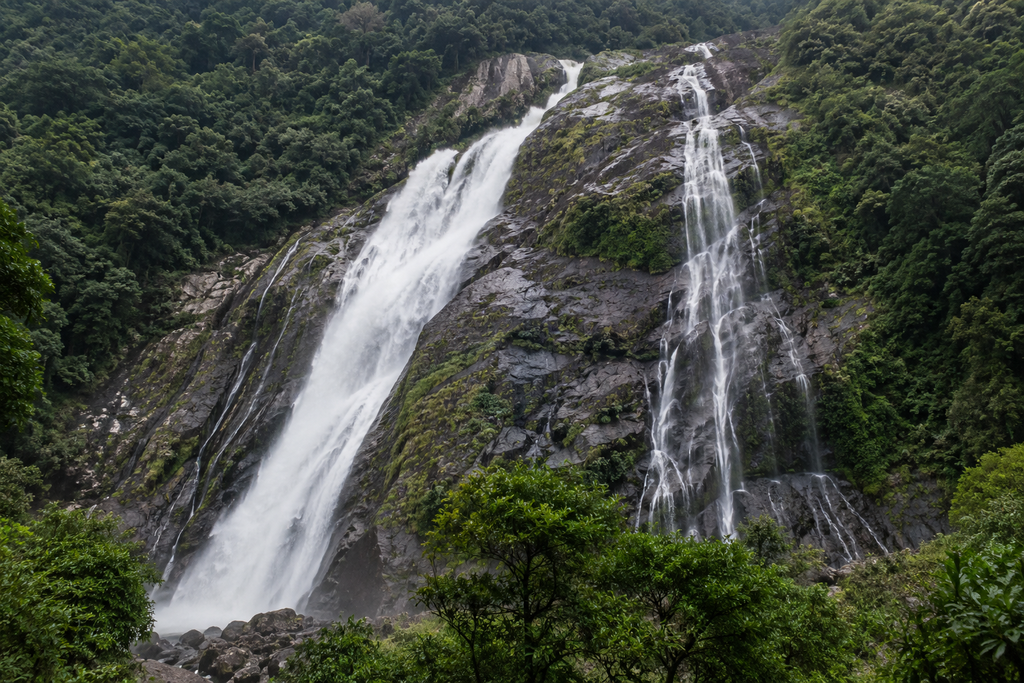
Yakushima is not only a trekking destination. A day at a slower pace gives you time to appreciate the coast and the settlements where daily life continues beyond the trailheads.
Ohko Falls is one possible stop when its approach is open and conditions permit. Plan the drive or transport carefully rather than assuming it is close to your hotel. Follow the designated viewing arrangements, and avoid wet rocks or entering the water for a closer look.
For an indoor introduction, consider the Yakushima Environmental and Cultural Village Center in Miyanoura. Check its opening arrangements before visiting. Interpretation can help connect the scenery with the people and environmental conditions that shape the island.
A quiet afternoon might also involve a café, a neighborhood walk or time to dry equipment. During severe weather, staying at your accommodation may be the appropriate choice. Waterfalls and coastal roads are not automatic substitutes for a canceled mountain outing.
7. Enjoy Local Food and Plan Early Meals
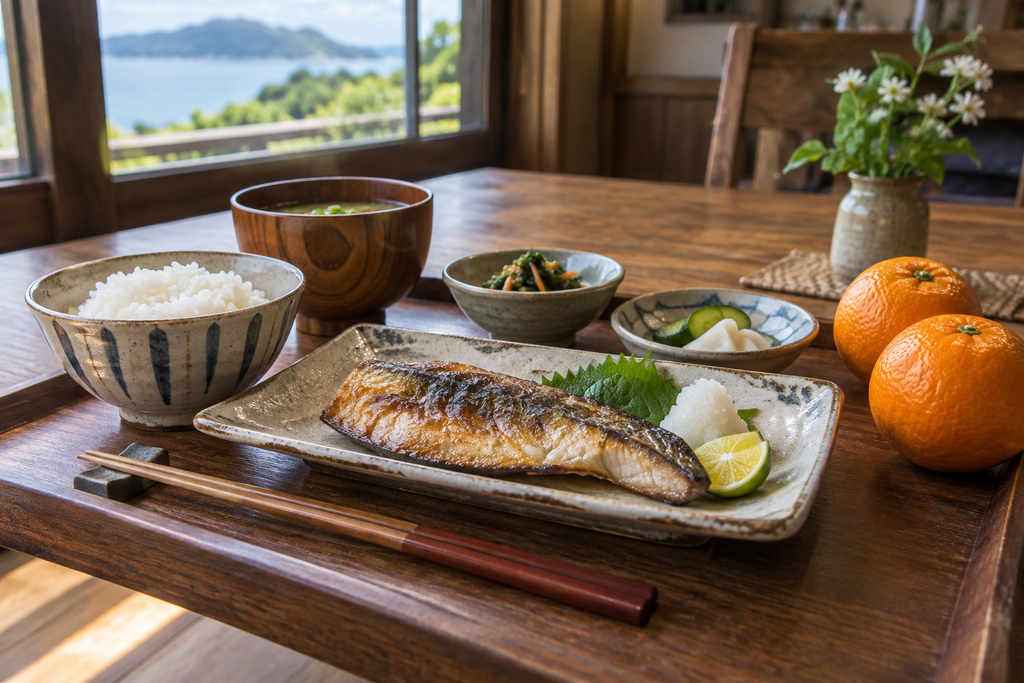
Yakushima’s food adds another layer to the visit. Look for local fish dishes, including flying fish when available, and tankan citrus in season. The town’s food guide offers an introduction to island specialties.
A guesthouse dinner can be a welcome end to a damp walking day. Confirm whether meals are included, the dinner time and any dietary requirements before arrival. Small kitchens may need notice to accommodate changes.
For an early hike, arrange breakfast and lunch the previous day. Do not assume a nearby shop will be open before your departure. Ask your accommodation or guide about available options and collection times.
Japanese Perspective: Good Planning Helps Your Hosts Too
An early breakfast request affects someone else’s working day. Giving clear notice, arriving at the agreed time and explaining dietary needs in advance makes a small accommodation stay smoother for everyone. Carry food packaging back from the mountains and use the disposal arrangements your host provides.
A Flexible Four-Day Yakushima Itinerary
This three-night plan prioritizes forest scenery without requiring Jomon Sugi. Keep Days 2 and 3 interchangeable where bookings and transport allow.
- Day 1 — Arrive and prepare: Transfer to your base, confirm the next day’s route and transport, check equipment and arrange meals. Add a visitor center only if arrival time permits.
- Day 2 — Your main forest day: Choose a suitable Shiratani Unsuikyo or Yakusugi Land course. Leave the evening free for dinner, drying clothes and rest.
- Day 3 — A different pace: Choose a shorter second forest outing or coastal sightseeing with Ohko Falls if access is suitable. Keep this day available as a weather alternative when possible.
- Day 4 — Depart without a rushed hike: Have breakfast, check service updates and travel to your actual departure point with time to spare.
If Jomon Sugi is central to your plans, add at least one night and discuss the sequence with your guide. Extra time improves flexibility but cannot guarantee suitable weather.
Best Time to Visit and What to Budget For
Spring and autumn are reasonable starting points when choosing dates for forest walking. Even then, prepare for rain and check conditions at the elevation you will visit. Summer can involve heavy rain and storm disruption, while high mountain routes in winter may require winter mountaineering skills and equipment.
Choose your route before choosing a season solely for warm coastal weather. A comfortable afternoon near the port says little about a mountain trail.
Budget for island transport, accommodation, meals, guiding, possible equipment rental and applicable entry or transport charges. Check conservation contributions separately from bus tickets. Compare what is included in a tour rather than only its headline price, and read the cancellation conditions before booking.
Frequently Asked Questions
Is Yakushima worth visiting without hiking to Jomon Sugi?
Yes. Suitable shorter forest courses, waterfalls, interpretation centers and village stays can make a rewarding trip. Select activities around your interests and mobility.
How many nights should I stay?
Three nights is a useful starting point for two full island days. Four or more nights offers more flexibility if a long trek is a priority.
Is Shiratani Unsuikyo easier than Yakusugi Land?
There is no single answer: both contain different routes. Compare the exact course, steps, terrain and conditions rather than judging by the destination name.
Do I need a guide?
Not every open short course requires one, but a guide can help with route selection, interpretation and logistics. Discuss your experience honestly before booking a longer or unfamiliar route.
Can I drive directly to the Arakawa trailhead?
Seasonal traffic regulations apply. Check the official mountain-bus arrangements for your dates rather than assuming you can take a rental car to the entrance.
What should I do if heavy rain cancels my hike?
Follow local advice, review transport conditions and use an indoor option only when travel there is appropriate. Be prepared to rest at your accommodation instead of seeking another outdoor route.
Continue Your Southern Japan Journey
Yakushima offers a very different experience from mainland Kyushu, but it fits naturally into a longer journey through southern Japan.
Kagoshima Travel Guide
Return to Kagoshima for Sakurajima, Sengan-en, Ibusuki and Kirishima before or after your island stay.
Read next: Kagoshima Travel Guide: Sakurajima, Onsen and Island Forests
Miyazaki Travel Guide
Continue exploring southern Kyushu through Takachiho’s mythology, Pacific coastal scenery, subtropical landscapes and distinctive regional food.
Read next: Miyazaki Travel Guide: Takachiho, Coastal Shrines and Local Flavors
Okinawa Travel Guide
For a completely different southern island experience, explore Ryukyu history, subtropical seas, local food and the cultural landscapes of Okinawa.
Read next: Okinawa Travel Guide: Ryukyu Heritage, Island Seas and Local Flavors
Continue planning with our Kyushu & Okinawa Travel Guides.