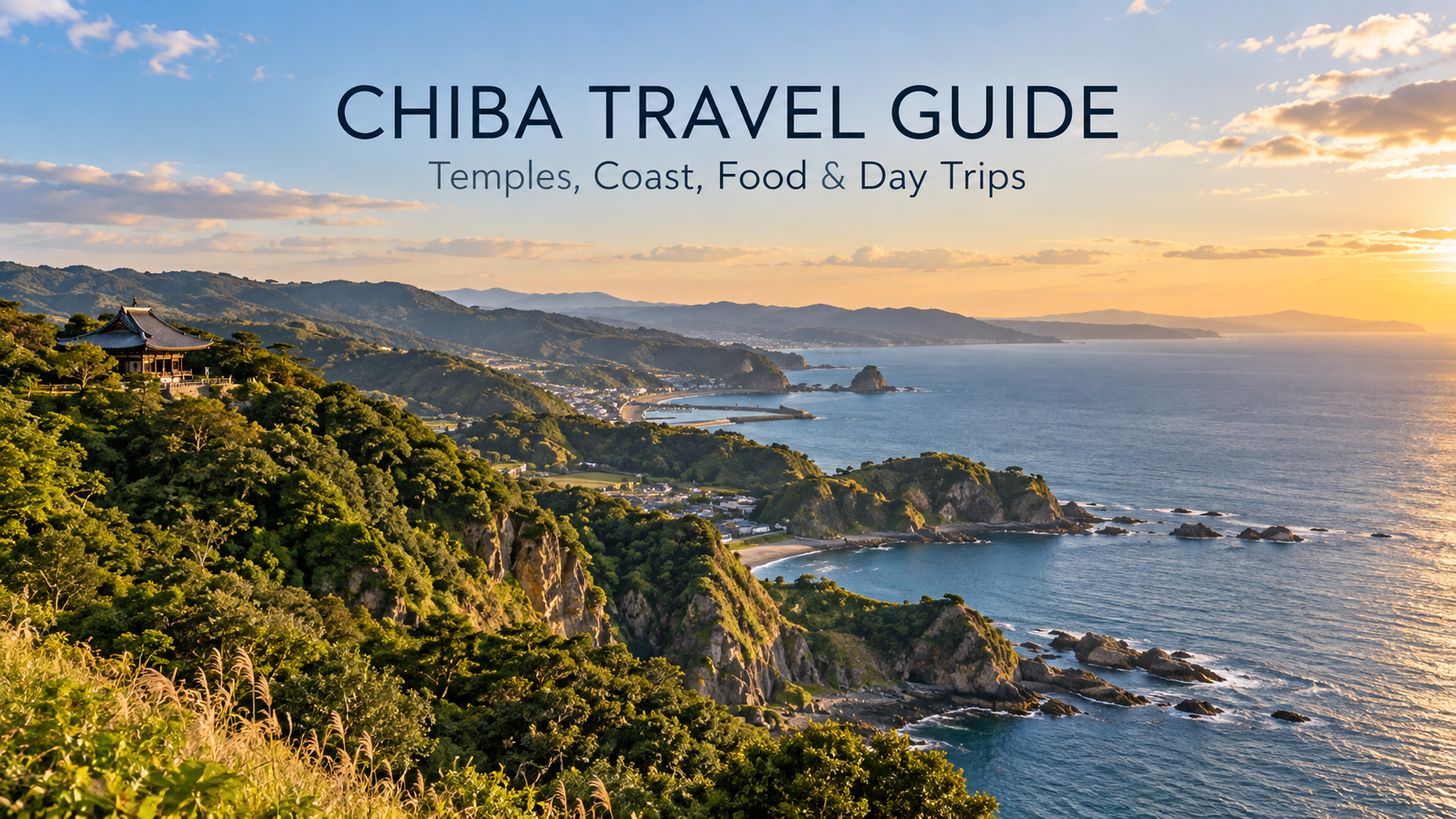
Chiba Prefecture is often the first place international travelers set foot in Japan, because Narita International Airport stands within its borders. Yet many visitors leave immediately for Tokyo without realizing how much lies nearby. Chiba has a thousand-year-old temple town, merchant streets shaped by Edo-period waterways, rugged mountains, long Pacific beaches, fishing ports and quiet rural landscapes.
This Chiba travel guide is for travelers who want to look beyond the airport. Some destinations make easy day trips from Tokyo, while southern Boso rewards an overnight stay and a slower pace.
Why Visit Chiba Prefecture?
Chiba curves around the eastern side of Tokyo Bay and stretches south into the Boso Peninsula. Its geography creates several very different travel experiences within one prefecture. The northwest is closely connected to Tokyo, Narita offers history beside an international gateway, the northeast faces the open Pacific, and southern Boso feels greener and more relaxed.
You can begin a morning among incense and wooden shopfronts in Narita, walk beside a historic canal in Sawara, hike through old quarries at Mount Nokogiri, or watch waves roll onto Kujukuri. Chiba works for a stopover, Tokyo day trip or short road trip.
1. Naritasan Shinshoji: More Than an Airport Stop
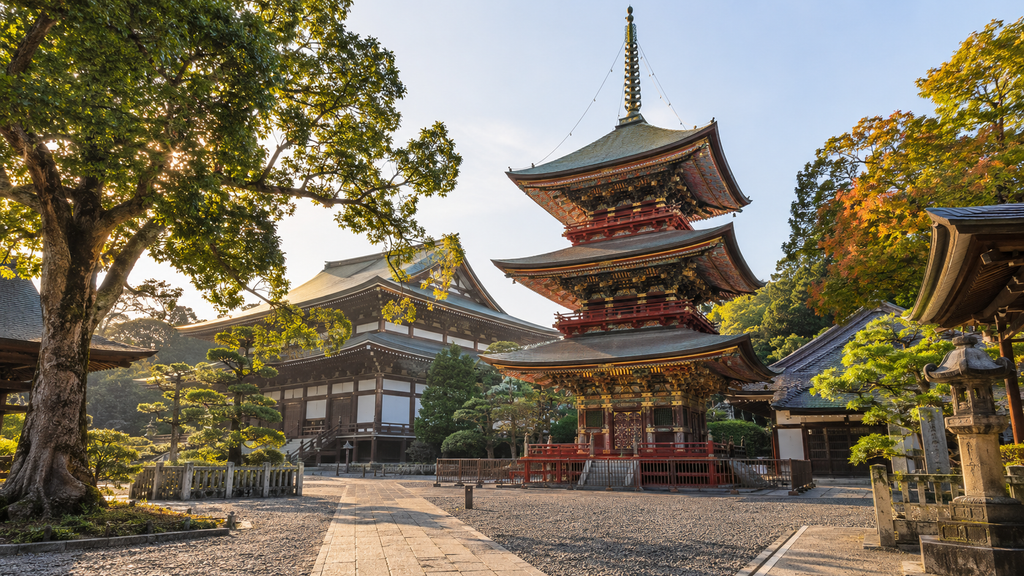
Naritasan Shinshoji is one of Chiba’s most rewarding introductions to traditional Japan. Founded in 940, the Buddhist temple is dedicated to Fudo Myoo and is known for its goma fire rituals. Visitors can explore grand halls, a colorful three-story pagoda and the spacious Naritasan Park behind the main complex.
Naritasan Omotesando descends from JR Narita and Keisei Narita stations through an old temple town lined with restaurants and shops. Grilled unagi eel is a Narita specialty.
Naritasan is close enough to the airport for a long layover, but do not treat it as a rushed photo stop. Allow at least half a day, leave large luggage in a station locker, and pause to observe the atmosphere of the temple grounds.
Japanese Perspective: A Temple Is an Active Place of Worship
Japanese temples are not simply historic monuments. At Naritasan, people still come to pray for safety, success and protection. Before entering a hall, speak quietly and follow any photography restrictions. You may place a small offering in the box, bow, join your hands and pray without copying complicated gestures from other visitors.
If a goma ceremony is taking place, watch from the designated area. The chanting, drums and flame can be powerful even without translation: this is a living religious practice, not a tourist performance.
2. Mount Nokogiri and Nihonji Temple
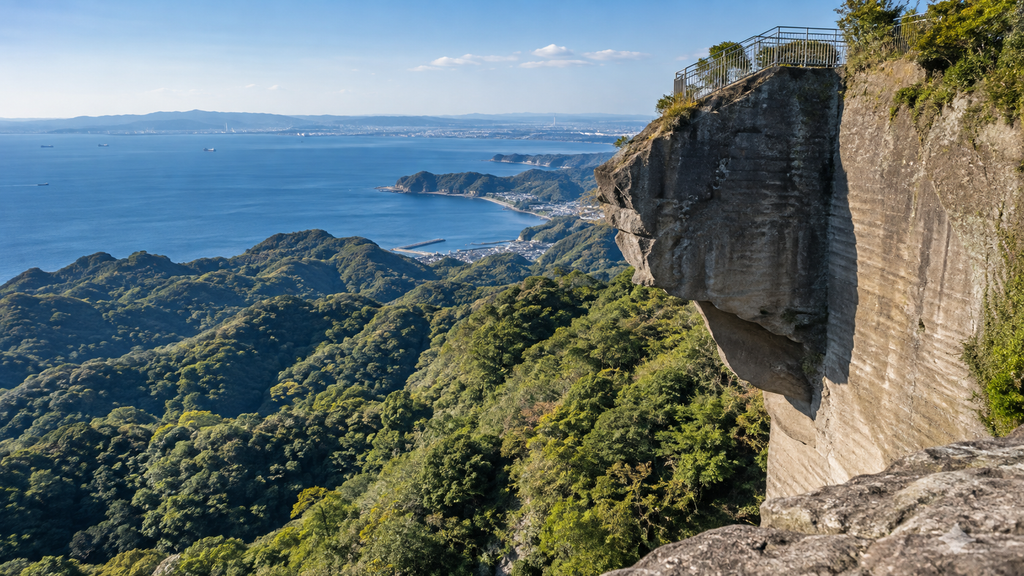
Mount Nokogiri, or Nokogiriyama, rises above western Boso. Its name means “saw mountain,” referring to the jagged profile shaped partly by centuries of stone quarrying. Old quarry walls, paths and forest form a distinctive landscape.
The mountain is home to Nihonji Temple and monumental Buddhist carvings, including a giant stone Daibutsu and Hyaku-shaku Kannon cut into a cliff. Jigoku Nozoki, or “Peek into Hell,” projects over a steep wall with wide views in clear weather.
You can reach the upper area by ropeway or hike from the base. Even with the ropeway, expect many stone steps and uneven paths inside the temple grounds. Wear shoes with grip, bring water, and check the ropeway’s operating status before traveling because strong winds or maintenance can suspend service.
Japanese Perspective: The Mountain Bears the Marks of Work
Mount Nokogiri is beautiful, but its cliffs are not only natural scenery. Stone from the mountain supported construction around the growing city of Edo, today’s Tokyo. The cut walls and quarry corridors preserve the physical traces of generations of labor.
Slow down near the quarry faces and Buddhist carvings. In Japan, landscapes are often valued not because they are untouched, but because human history and nature have accumulated together.
3. Sawara: A Living Edo-Period Canal Town
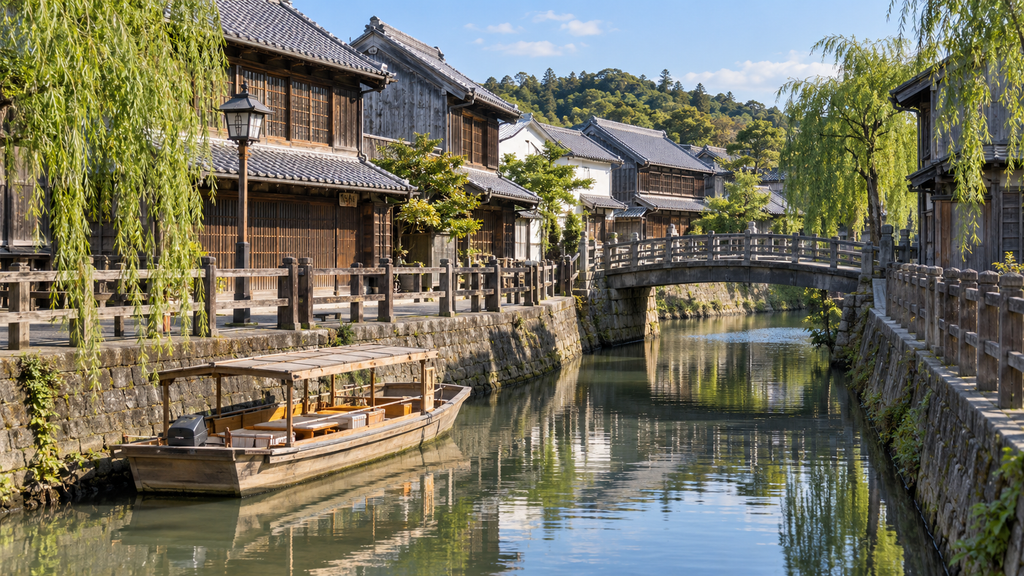
Sawara, in present-day Katori City, prospered as a commercial center connected to Edo through the Tone River’s waterway network. Around the Ono River, traditional merchant buildings, storehouses and wooden homes still shape the streetscape. It is sometimes called “Little Edo,” but Sawara feels quieter and more intimate than better-known historic districts.
Walk along both riverbanks and look inside old buildings still used as shops, restaurants and cafes. A sightseeing boat offers another view. The Ino Tadataka Museum introduces the local merchant and surveyor who helped map Japan.
Sawara is reachable by train and combines well with Narita. Its Grand Festival is held in summer and autumn; confirm dates and expect busier transport.
Japanese Perspective: Preservation Means Keeping a Town Alive
Historic districts in Japan are not always open-air museums. In Sawara, many old properties remain part of ordinary commercial life. A weathered facade may contain a working brewery, family shop or modern cafe rather than an exhibition room.
The phrase machinami hozon means preserving a townscape’s character. The aim is not to freeze every building, but to let a coherent neighborhood survive through continued use. Support it by visiting local shops and respecting residents.
4. Kujukuri Coast: Chiba’s Pacific Horizon
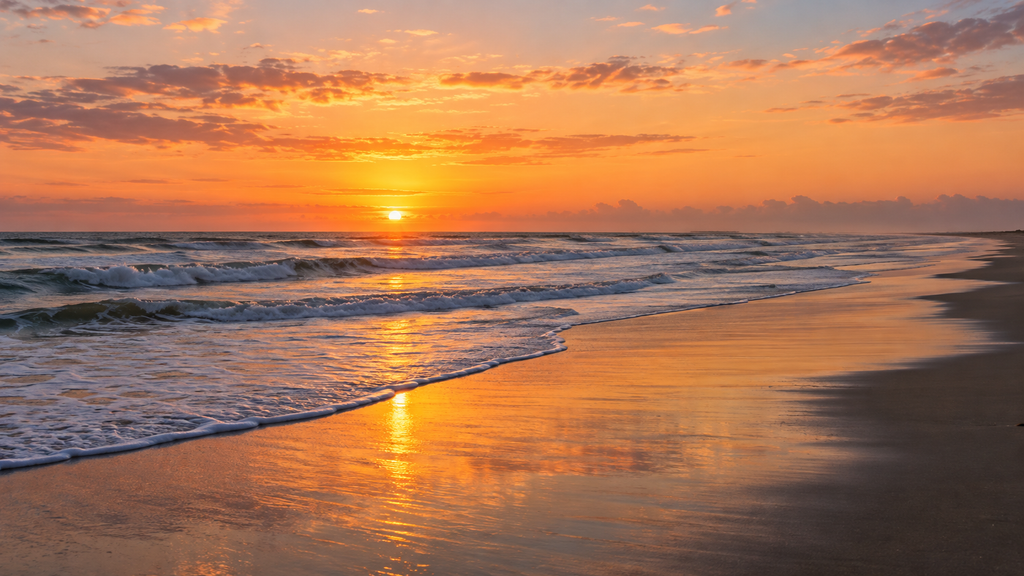
Kujukuri Beach forms a remarkably long arc along Chiba’s Pacific side. Rather than a single compact resort, it is a broad coastal zone with different swimming areas, surf spots and fishing communities. The open horizon and steady sound of the Pacific create a completely different mood from central Tokyo.
Tsurigasaki Beach near Ichinomiya is a well-known surf location. Non-surfers can enjoy walks, sunrise views and seafood. Swimming is seasonal; use an officially open beach, follow lifeguards and never underestimate currents.
Public transport reaches several coastal towns, although local movement can be slow. A rental car is useful if you want to visit multiple beaches or combine the coast with rural attractions.
Japanese Perspective: The Sea Is Both Leisure and Livelihood
The coast is also a workplace and source of food. Fishing, sea conditions and seasonal catches influence daily life. Umi no megumi, “the blessings of the sea,” conveys both gratitude and dependence.
Respect marked fishing areas, avoid blocking working vehicles and take all litter home. After a walk, choosing a locally run seafood restaurant is one of the most direct ways to connect the scenery with the community that lives beside it.
5. Choshi and Byobugaura: Cliffs, Lighthouse and Seafood
At Chiba’s northeastern tip, Choshi combines an active fishing identity, a local railway and wide Pacific views.
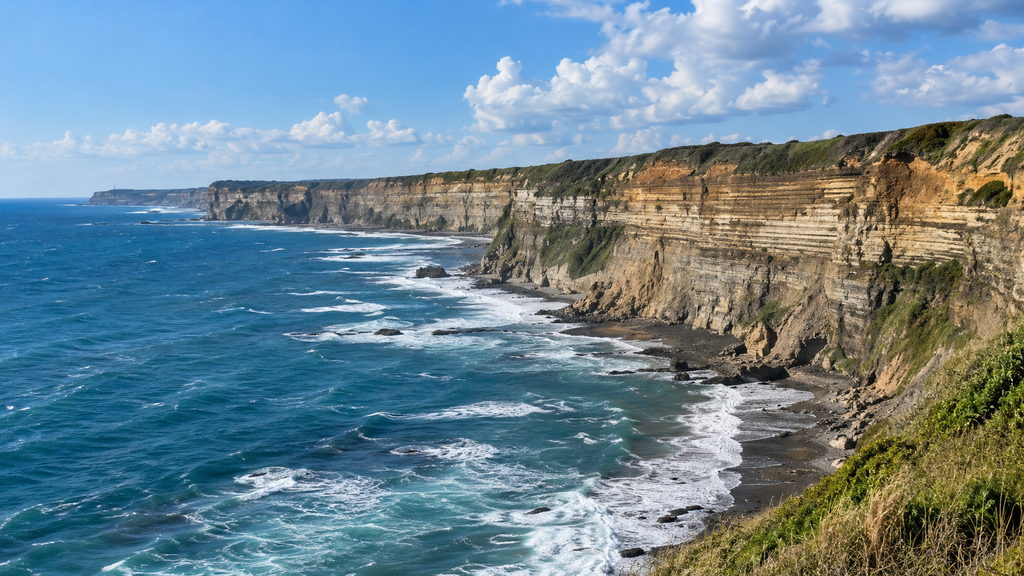
Inubosaki Lighthouse is the classic landmark. Nearby, the Byobugaura coastline reveals high, layered sea cliffs stretching west from Choshi. View the cliffs from safe, established areas around Choshi Marina or on an authorized activity; erosion and waves make unofficial access dangerous.
Choshi is also an excellent place to eat fish close to its source. The small Choshi Electric Railway adds character to a day of exploring, but services are less frequent than urban trains. Check the return timetable before settling into a long lunch.
6. Southern Boso: Rice Terraces, Coastal Towns and Slow Travel
Around Kamogawa, Tateyama, Katsuura and the inland hills are fishing towns, beaches, farms and hot-spring accommodation. Oyama Senmaida’s rice terraces follow a hillside’s contours, while Tateyama is a useful coastal base.
Katsuura’s morning market offers seasonal produce and seafood; check opening days. Scenic railways do not connect every rural site efficiently, so one night and a rental car make Boso more relaxed.
7. Tokyo Disney Resort
Tokyo Disneyland and Tokyo DisneySea are in Urayasu, Chiba—not Tokyo. Give each park a full day and reserve through official channels. Plan Narita, Sawara and Boso separately to experience Chiba’s local history and landscape.
What to Eat in Chiba
Chiba’s long coastline, fertile fields and history of brewing give the prefecture a broad food culture.
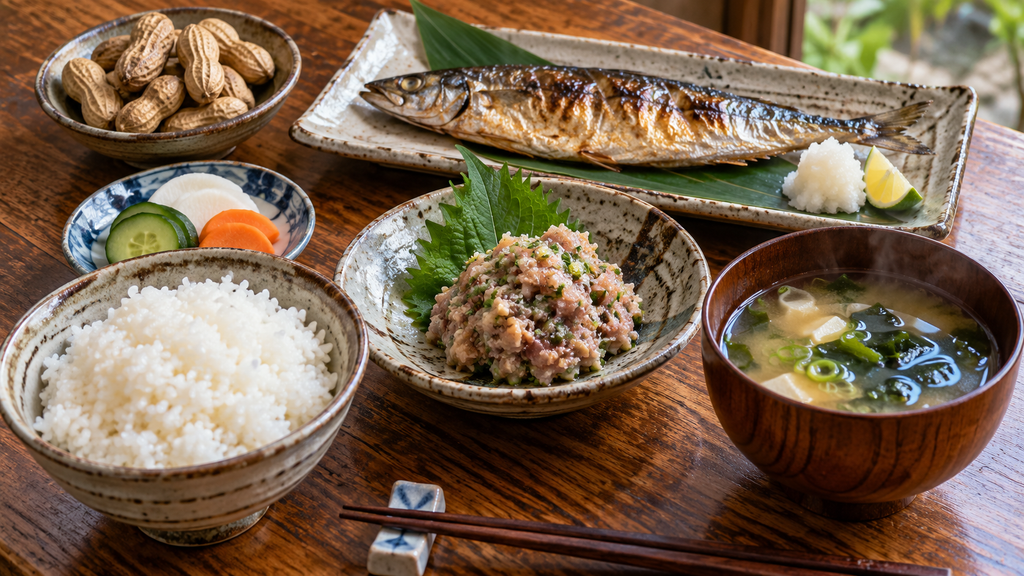
- Fresh seafood: Fishing communities around Choshi, Katsuura and southern Boso serve seasonal fish as sashimi, grilled dishes and rice bowls.
- Namero: Finely chopped raw fish mixed with miso and aromatics such as ginger and green onion. Order it at a reputable restaurant and ask about alternatives if you do not eat raw seafood.
- Unagi in Narita: Grilled eel has long been associated with Naritasan Omotesando and makes a satisfying meal before or after visiting the temple.
- Peanuts: Chiba is famous in Japan for peanuts. Look for roasted nuts, peanut paste and sweets from established local producers.
- Futomaki matsuri-zushi: Thick rolled sushi with colorful patterns in the cut surface, traditionally prepared for celebrations and community gatherings.
- Soy sauce: Brewing developed around cities such as Noda and Choshi, supported by water transport and access to ingredients. Factory or museum visits may require advance booking.
Japanese Perspective: Food Is Read Through Season and Place
Japanese travelers often choose a destination for its meibutsu, or local specialty. Seafood at a port, eel on a temple approach or decorative sushi in Boso gives food a cultural setting.
Menus change with the catch and season. Rather than insisting on one fish, ask what is recommended that day.
Best Time to Visit Chiba
Spring: March to May
Spring brings comfortable weather, blossoms and fresh greenery. Golden Week, from late April into early May, can be crowded.
Summer: June to August
Summer suits beaches and festivals but is hot and humid. Rain and typhoons can disrupt coastal travel, so check forecasts daily.
Autumn: September to November
Autumn offers milder temperatures, harvest foods and seasonal color. Early autumn can still bring typhoons, while November is often comfortable for towns and trails.
Winter: December to February
Winter can bring clear coastal views. Naritasan is extremely busy around New Year for hatsumode, the first temple or shrine visit. Coastal winds feel cold.
How to Get Around Chiba
Chiba is beside Tokyo, but the prefecture is larger and more spread out than many first-time visitors expect.
- From Narita Airport: JR and Keisei trains serve Narita city, Tokyo and other connections. Historic Narita is only a short train ride from the airport.
- From Tokyo: JR lines connect Tokyo with Chiba City, Narita, Sawara, Choshi and Boso. Some trips require transfers.
- For Mount Nokogiri: Hamakanaya Station on the JR Uchibo Line is convenient for the ropeway area. A Tokyo Bay ferry also links Kanaya with Kurihama in Kanagawa.
- By rental car: A car helps in southern Boso and rural areas. Do not drive tired after a flight.
- IC cards: Suica and PASMO work on many trains and buses, but keep some cash for smaller operators and rural facilities.
Always confirm current timetables, closures and last departures on official websites. Weather can affect ferries, ropeways and coastal services.
Suggested 3-Day Chiba Itinerary
Day 1: Historic Narita
Arrive in Narita city, leave luggage at your accommodation or station, and walk down Omotesando. Visit Naritasan Shinshoji, explore Naritasan Park and have unagi or another local dinner. This is an easy first day after an international flight.
Day 2: Sawara and Choshi
Visit Sawara’s canal district, shops and Ino Tadataka Museum. Continue to Choshi only if timetables allow; otherwise add nearby Katori Jingu. On short winter days, choose Sawara or Choshi rather than rushing both.
Day 3: Mount Nokogiri and Tokyo Bay
Head to Hamakanaya, take the ropeway or hike, and explore Mount Nokogiri’s monuments. Finish with seafood near Kanaya, then return by train or ferry. Choose an indoor alternative in poor weather.
Practical Travel Tips
- Do not assume every Chiba attraction is close to Narita Airport; check travel times between areas.
- Download offline maps because reception may weaken on mountain trails.
- Carry cash for small restaurants, local buses and admission counters.
- Wear proper walking shoes for Mount Nokogiri’s steps and uneven surfaces.
- Check opening days for markets, museums and family-run businesses.
- Never enter the sea outside an open swimming area or ignore surf warnings.
- Allow timetable buffers when using local railways.
- Learn two useful phrases: osusume wa nan desu ka? (“What do you recommend?”) and gochisousama deshita (“Thank you for the meal”).
Frequently Asked Questions About Chiba
Is Chiba worth visiting if I am already going to Tokyo?
Yes. Chiba offers temple towns, Pacific scenery, local food and rural landscapes that feel very different from central Tokyo. Narita and Mount Nokogiri are particularly accessible additions.
Can I visit Chiba on a day trip from Tokyo?
Yes. Naritasan Shinshoji, Mount Nokogiri, Sawara and parts of the Kujukuri coast can each work as separate day trips. Do not combine distant areas in one day without checking the full timetable.
Is Narita Airport in Tokyo or Chiba?
Narita International Airport is in Chiba Prefecture. The “Tokyo” name used in travel contexts can be confusing, so check whether your flight uses Narita or Haneda Airport.
Do I need a car in Chiba?
Not for Narita, Sawara, Choshi or Mount Nokogiri if you plan carefully. A car becomes valuable in southern Boso and when visiting several beaches or countryside attractions.
How many days should I spend in Chiba?
One day is enough for a focused excursion, while two or three days allow you to combine history, coast and food without rushing. Add more time if you plan to visit a theme park or stay at a coastal ryokan.
What food is Chiba famous for?
Chiba is known for seafood, namero, Narita-style unagi, peanuts, decorative futomaki sushi and soy-sauce brewing traditions.
Final Thoughts
Chiba is easy to overlook precisely because so many travelers pass through it. Yet the prefecture contains several versions of Japan within reach of Tokyo: an active temple town, a riverside merchant district, mountains carved by labor and faith, and a coast shaped by the Pacific.
The most rewarding approach is to choose one area and give it time. Listen during a temple ritual, enter a working shop in Sawara, study the quarry marks at Mount Nokogiri or order the day’s fish beside the sea. These small choices turn Chiba from a transit point into a destination—and reveal the Japanese perspective that landscapes become meaningful through the lives, customs and memories connected to them.
Explore More of Kanto
Chiba is an easy addition to a Tokyo itinerary, but it can also be the starting point for exploring more of the Kanto region.
Tokyo Travel Guide
Continue from Narita or western Chiba into Japan’s capital for temples, neighborhoods, food and contemporary city culture.
Read next: Tokyo Travel Guide: Neighborhoods, Food and Japanese Culture
Ibaraki Travel Guide
Travel north for Hitachi Seaside Park, Kairakuen Garden, mountain scenery and the dramatic Pacific coast.
Read next: Ibaraki Travel Guide: Flowers, Mountains, Coastal Shrines and Local Food
Kanagawa Travel Guide
Explore the other side of Tokyo Bay with Yokohama, Kamakura, Enoshima and the hot springs of Hakone.
Read next: Kanagawa Travel Guide: Coastal Towns, Culture and Hot Springs
Find more ideas in our Kanto Travel Guides.