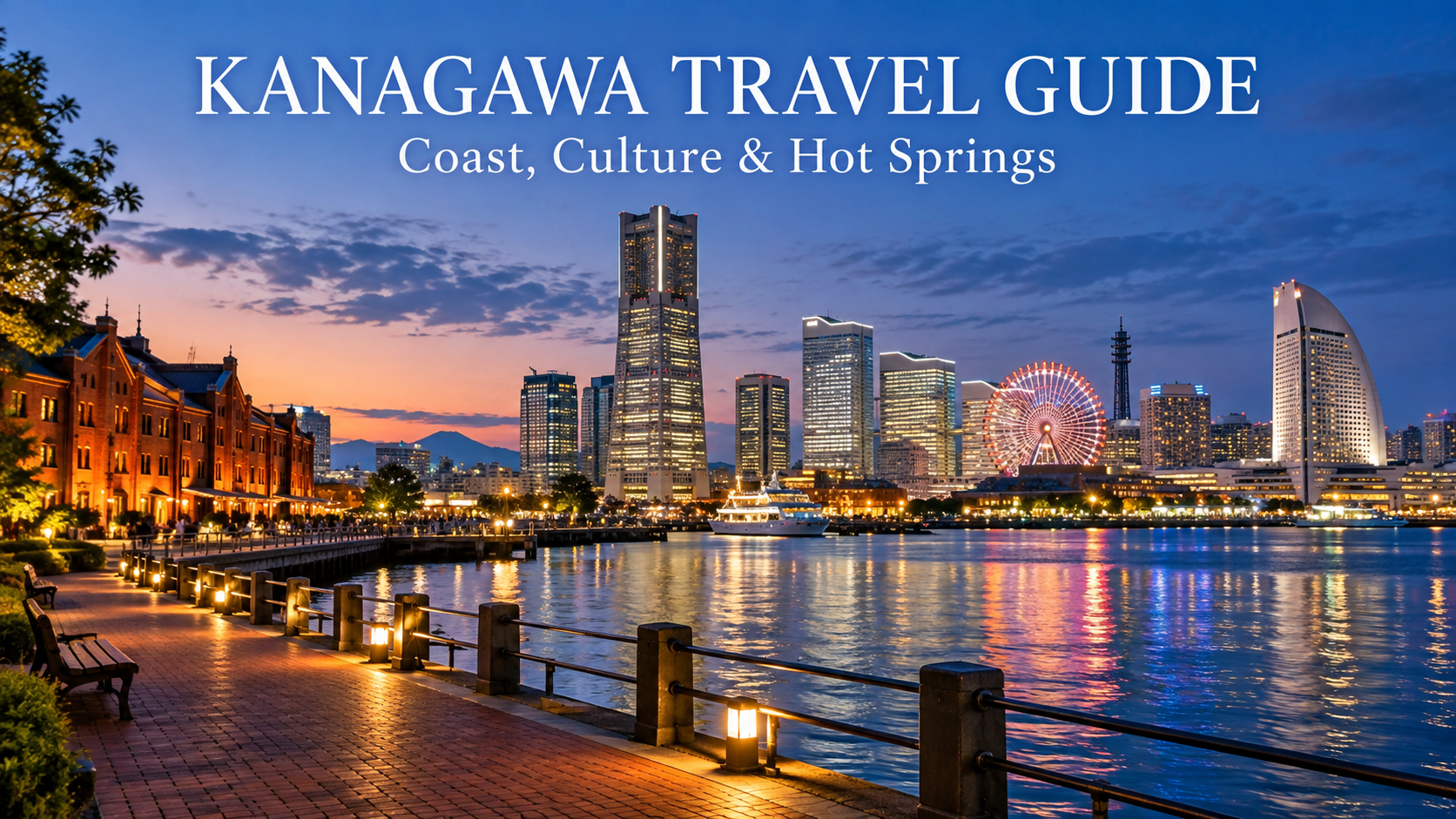
Kanagawa brings together several different ways to enjoy Japan: a harbor walk in Yokohama, temple visits in Kamakura, sea air around Enoshima, and a quiet evening at a Hakone hot spring inn. All sit within reach of Tokyo, but they deserve more time than one hurried excursion.
This Kanagawa travel guide introduces the main destinations, regional food, and practical planning advice. Japanese Perspective sections explain the cultural context behind the scenery, helping you enjoy more than a list of famous photo stops.
Why Visit Kanagawa?
Kanagawa is especially useful when you want variety without building an entire trip around long-distance travel. You can choose an easy city outing or spend several days moving from coast to mountains.
Start with the experience you want:
- Yokohama: harbor scenery, food, and an international port-city history.
- Kamakura: temples, shrines, and connections to Japan’s medieval warrior government.
- Enoshima and Shonan: coastal walks, seafood, and island sightseeing.
- Hakone: hot springs, art, mountain transport, and Lake Ashi.
One full day works for Yokohama or Kamakura. Give Hakone two days and one night if you want time for both sightseeing and a ryokan stay. Covering every area in this guide comfortably requires a longer visit.
1. Walk Yokohama’s Waterfront
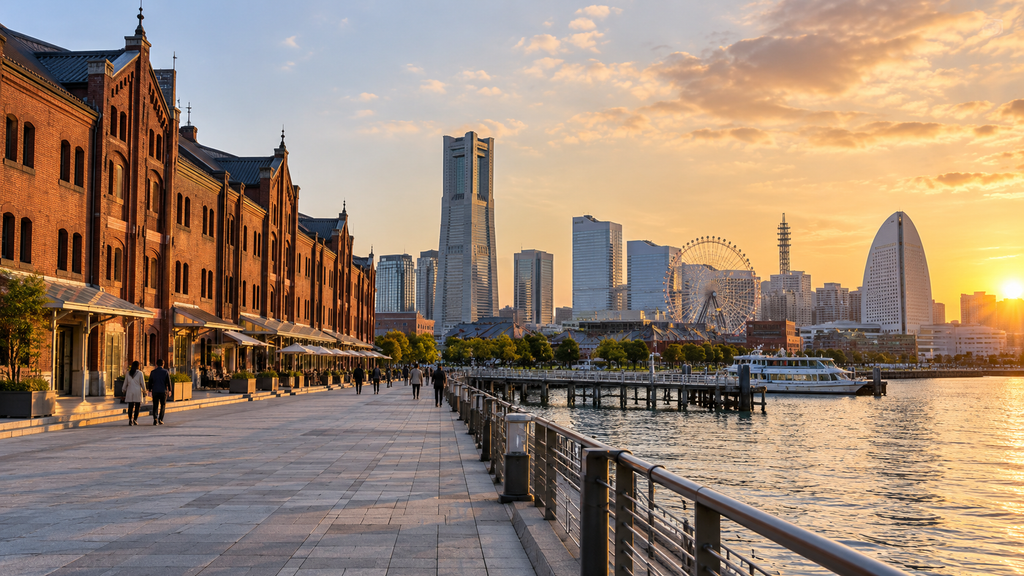
Yokohama’s waterfront is an inviting place to begin. Minato Mirai offers contemporary buildings and open views, while the Red Brick Warehouse area connects today’s shops and events with the city’s maritime character. Continue toward Yamashita Park if you want a longer walk beside the harbor.
Choose a route that leaves room to stop rather than walking between every landmark. Distances add up, especially in summer or with children. Late afternoon can be rewarding, with time for dinner and the changing waterfront lights.
Chinatown offers another side of the city. Browse before choosing somewhere to eat, compare menus, and decide whether you want a snack or a seated meal. A neighborhood with so many restaurants is easier to enjoy without relying on the first queue you see.
Japanese Perspective: International Exchange Is Part of Local History
Yokohama’s port opened to foreign trade in 1859, and Chinese merchants helped establish the community that developed into Chinatown. This history is a reminder that Japanese cities have been shaped by encounters with people, goods, and ideas from elsewhere. The port’s international character belongs within Yokohama’s identity, rather than being separate from it.
2. Discover Kamakura’s Temples and Great Buddha
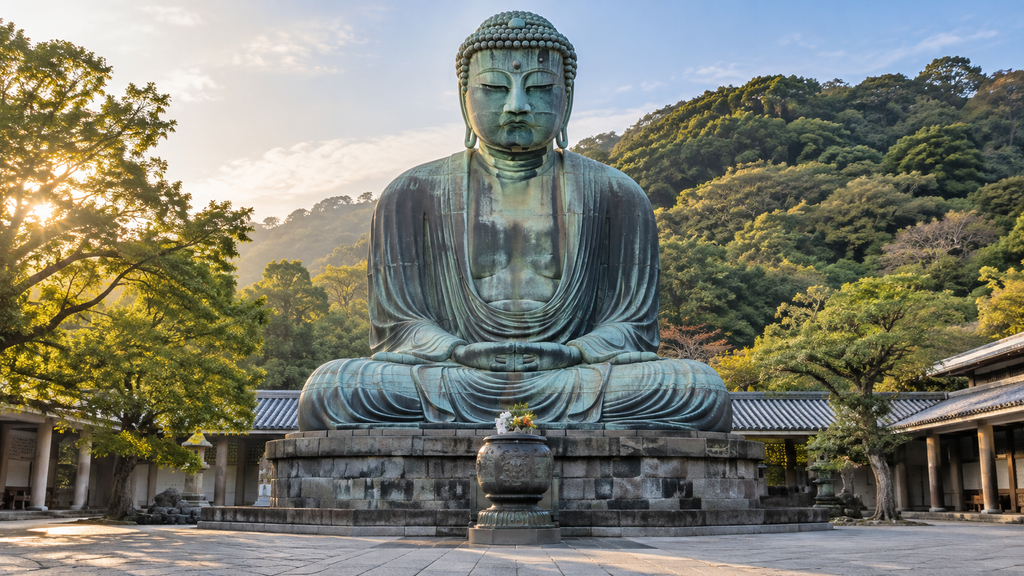
Kamakura makes a satisfying full-day destination when you choose a small number of places. The Great Buddha at Kotoku-in is a natural starting point: a large bronze image of Amida Buddha sitting outdoors, with a calm presence that rewards a slower look.
Kotoku-in is in the Hase area. You can combine it with another nearby temple or a coastal walk, then return toward Kamakura Station for food and shopping. If Tsurugaoka Hachimangu is your priority, allow time for the central area rather than adding several distant temples.
Kamakura’s sights are dispersed across a living town. Narrow streets, crowded trains, and hills can make a packed schedule tiring. Check the temple’s official visitor notices before visiting, particularly if you hope to enter the statue’s interior, which may have separate restrictions.
Japanese Perspective: Samurai History and Religious Life
Kamakura is associated with medieval warrior rule, but visiting it only through the image of samurai misses another important dimension. Temples and shrines remain places of worship. Leave space for people praying, follow photography signs, and notice whether you are visiting a Buddhist temple or a Shinto shrine; their practices are not interchangeable.
3. Enjoy Enoshima and the Shonan Coast
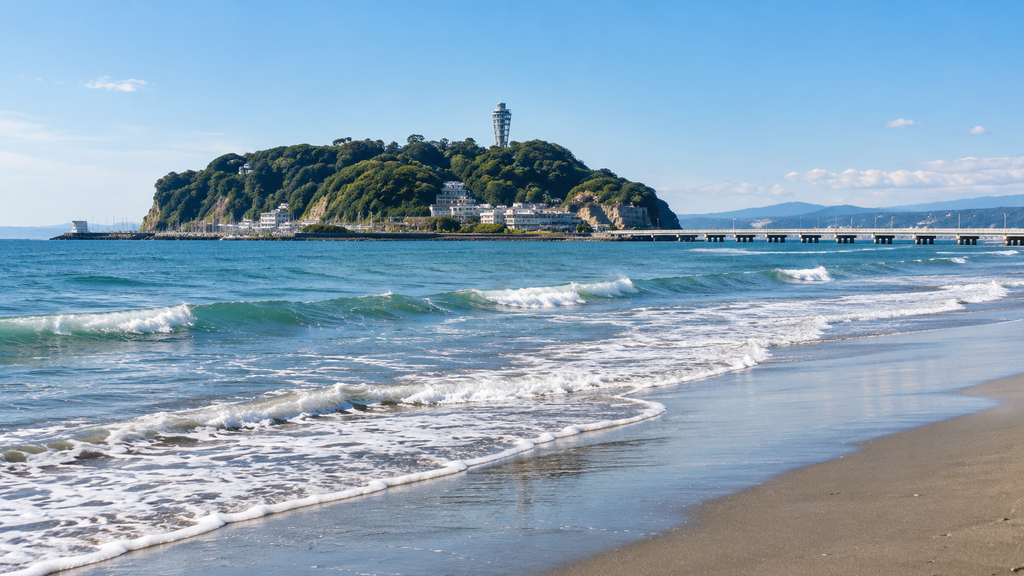
Enoshima combines island scenery with shrines, shops, and elevated viewpoints. Walking across from the mainland already feels like a change of pace. Once on the island, decide how far you want to go: climbing toward upper attractions and continuing to the far side involves more walking than a quick shoreline visit.
Wear comfortable shoes and check accessibility for your chosen route. Steps and slopes are part of many island walks. Coastal conditions can also affect activities, so check the official Fujisawa and Enoshima guide before relying on boat trips or caves.
Kamakura and Enoshima can be combined, but a first visit is often better with one clear priority. Choose a temple-focused morning and a short coastal afternoon, or give Enoshima a day with an unhurried seafood lunch.
If Mount Fuji appears on a clear day, enjoy it as a bonus. Haze and clouds can hide it even when the nearby coast looks bright.
4. Explore Hakone at a Mountain Pace
Hakone is a region of scattered destinations rather than a single walkable town. Lake Ashi, shrine grounds, museums, hot spring accommodation, and mountain transport can all feature in a visit, but reaching them takes time.
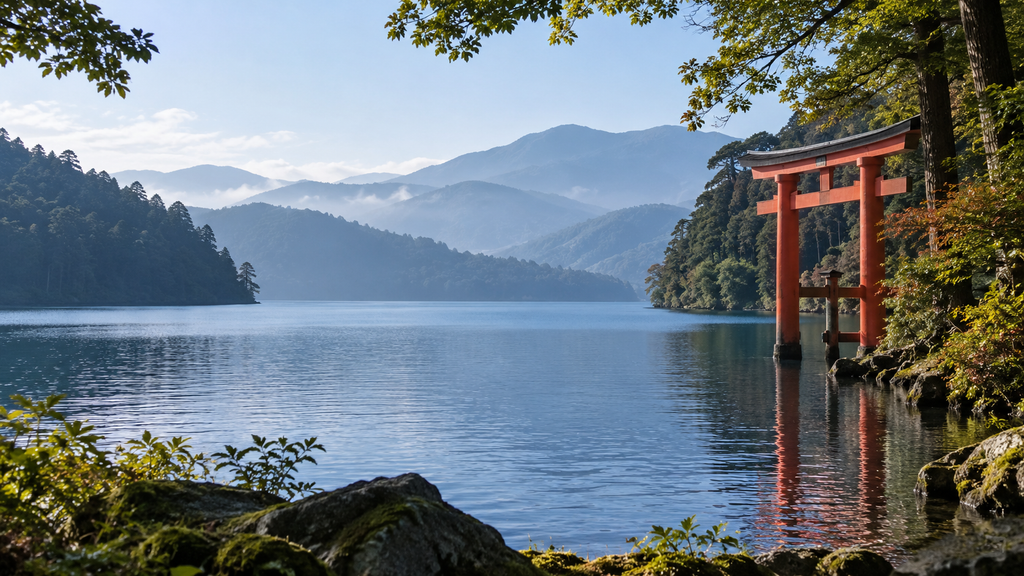
Around Lake Ashi, enjoy the water and wooded scenery before deciding whether to add a cruise or another stop. Hakone Shrine’s lakeside torii is popular for photographs, but the shrine is more than that viewpoint. Respect queues, signs, and the space of worshippers.
Owakudani introduces Hakone’s volcanic landscape. Its active vents also mean that access depends on local conditions. Check the official transport status and visitor restrictions before setting out; ropeway services may be suspended because of weather or maintenance.
Have an alternative nearby, such as a museum or a longer stay around your accommodation. A successful Hakone trip does not require completing every segment of a sightseeing circuit.
5. Stay Overnight at a Ryokan
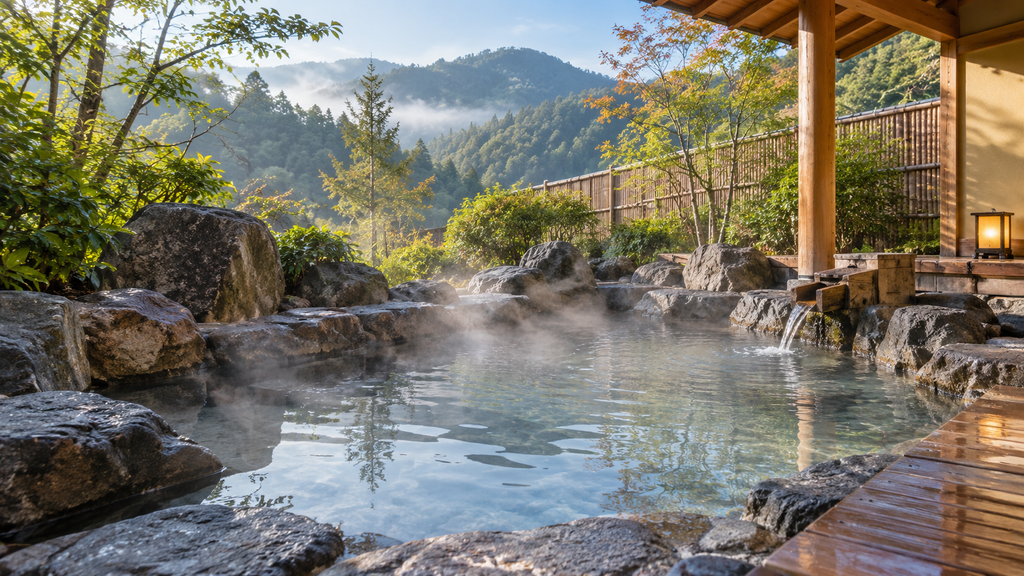
A ryokan, or Japanese-style inn, can make the overnight stay an important part of the journey. In Hakone, compare the room, bath arrangements, meals, and access route before choosing. Some properties offer private baths, while others focus on shared bathing facilities.
If dinner is included, confirm the arrival deadline and meal time. Reaching the inn late after an ambitious sightseeing day may mean missing something you specifically booked. Discuss dietary requirements in advance rather than assuming the kitchen can change a set menu on arrival.
Japanese Perspective: Leave Time for the Stay Itself
A ryokan visit often follows a gentle rhythm: arrive, settle in, bathe, eat, and rest. Planning around that rhythm can be more rewarding than using the accommodation only as a place to sleep. Hospitality also works through coordination, including arriving when expected and communicating changes promptly.
For a shared onsen, wash and rinse before entering the bath, keep towels out of the water, and follow the property’s rules. Tattoo policies and private-bath arrangements differ, so ask the specific facility if relevant. Avoid photographing shared bathing areas.
6. Add Odawara for Castle History
Odawara is a useful option when traveling to or from Hakone. Its castle park introduces local history and offers a different setting from the surrounding mountains.
The castle is associated with the Hojo family, whose regional power ended with Toyotomi Hideyoshi’s campaign in 1590. The keep seen today is a reconstruction, an important distinction when imagining the earlier fortress.
Add Odawara only if your arrival time and onward transport allow a proper visit. It can also serve as an alternative focus when mountain conditions make your original plans less appealing.
What to Eat in Kanagawa
Shirasu Along the Shonan Coast
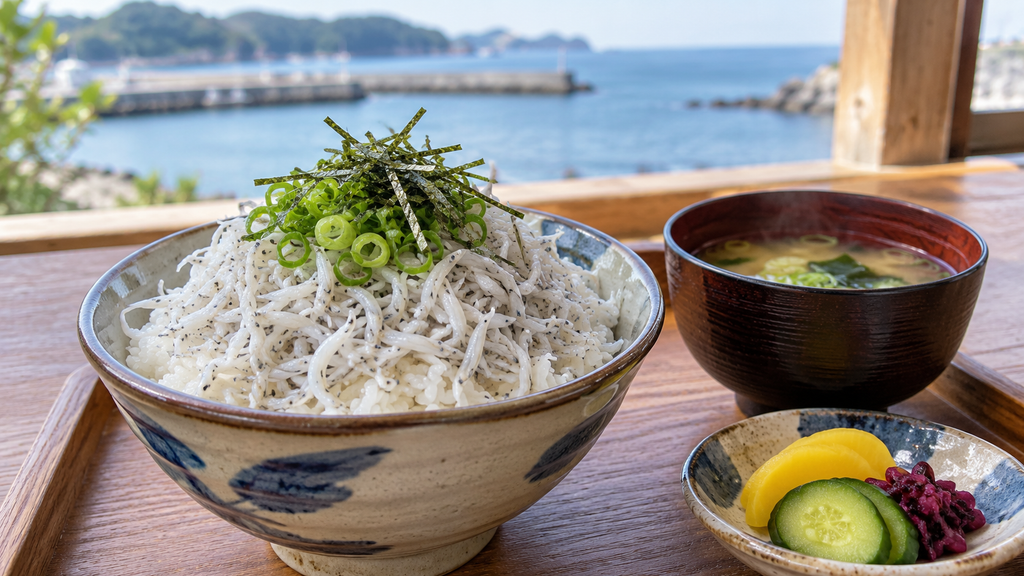
Shirasu are tiny whitebait, often served over rice. Boiled shirasu offers a soft texture and a straightforward introduction to coastal food. Raw versions may also appear on menus, but availability depends on the season, catch, and restaurant. Do not plan your entire lunch around one preparation being available.
Yokohama Chinatown
Choose dishes according to your appetite and budget, from steamed snacks to a full shared meal. The neighborhood makes more sense as a place shaped by a community and its businesses than as a single “must-eat” item.
Hakone’s Black Eggs
Owakudani is known for eggs whose shells darken through preparation in the hot spring environment. Stories about extending one’s life are local folklore, not a health benefit. Treat them as a place-specific snack when available.
Japanese Perspective: Let the Setting Shape the Meal
A bowl of fish over rice near the sea and a leisurely dinner at an inn offer different pleasures. Regional travel becomes richer when meals fit the place and the day’s pace. You do not need an expensive reservation for every meal to encounter local food culture.
Best Time to Visit Kanagawa
| Season | Reasons to visit | Planning considerations |
|---|---|---|
| Spring | Town walks, gardens, and blossoms | Flower timing varies; popular weekends can be crowded. |
| Summer | Coastal scenery and evening waterfront walks | Plan around heat, humidity, rain, and sea conditions. |
| Autumn | Comfortable sightseeing and mountain foliage | Hakone’s elevations produce different foliage timing. |
| Winter | Hot spring stays and clear-day views | Mountain areas can be cold, icy, or snowy. |
Spring and autumn are useful starting points for a mixed itinerary. Hakone’s weather can differ from Yokohama’s, so check the forecast for where you will actually spend the day.
Getting There and Around
Yokohama: JR and private railway connections provide several routes from Tokyo. Choose your arrival station for the attraction you want, rather than assuming Yokohama Station is closest to the waterfront.
Kamakura: JR services connect the city with Tokyo and Yokohama. The Enoden links Kamakura with the Hase area and continues toward Enoshima and Fujisawa. Allow extra time during busy periods.
Enoshima: Connections are available through Fujisawa and the coastal railway network. Katase-Enoshima, Enoshima, and Shonan-Enoshima are different stations; check which fits your starting point.
Hakone: Odawara is a major gateway, with onward travel toward Hakone-Yumoto. Odakyu’s limited express Romancecar offers relevant services from Shinjuku; a limited-express ticket is required in addition to the basic fare.
The Hakone Freepass covers specified transport within its area. Compare your planned journeys, purchase location, and current conditions before buying. It does not make every train, bus, or attraction free. Check the official operating status before a mountain sightseeing day.
A Relaxed Four-Day Kanagawa Itinerary
Day 1: Yokohama
Explore a manageable waterfront route, have lunch in Chinatown or nearby, and enjoy the evening harbor. Stay in Yokohama or return to your Tokyo base.
Day 2: Kamakura or Enoshima
Choose Kamakura for temples and history, or Enoshima for island walks and coastal food. If combining them, limit the morning to one main attraction and keep the afternoon flexible.
Day 3: Travel to Hakone
Reach Hakone via Odawara and choose one afternoon activity near your route or accommodation. Arrive at your ryokan in time to enjoy the bath and any included dinner.
Day 4: Hakone and Onward Travel
After breakfast, select Lake Ashi or a museum according to conditions and your onward schedule. Return to Tokyo or continue from Odawara. Add the castle only if there is enough time; luggage and transfers need attention too.
With only two days, choose one urban or coastal day trip and save an overnight Hakone visit for another occasion.
Practical Tips
- Book accommodation early when traveling on popular weekends or holidays.
- Carry some cash for smaller shops and food purchases.
- Check the final bus or train connection before heading away from major stations.
- Ask about luggage storage instead of assuming every small station has available lockers.
- Check slopes, steps, and bath access if mobility is a concern.
- Keep coastal and mountain plans flexible when weather changes.
FAQ: Visiting Kanagawa
Is Kanagawa part of Tokyo?
No. It is a neighboring prefecture with its own cities and regions, including Yokohama, Kamakura, and Hakone.
Can I visit Yokohama, Kamakura, and Hakone in one day?
That would leave very little time to enjoy them. Choose one area for a day trip and give Hakone a separate visit.
Do I need a rental car?
Not for the main itinerary described here. Railways and local public transport connect the key areas, although some rural accommodation requires extra planning.
Is an overnight stay in Hakone worthwhile?
Yes, particularly if a hot spring inn and included meals are part of the experience you want. Check-in time should shape your sightseeing schedule.
Will I see Mount Fuji?
Possibly from suitable viewpoints when visibility is good, but never count on it. Clouds and haze can obscure the mountain.
Is Kanagawa suitable for families?
It offers varied options, but match the day to your family’s interests and stamina. Waterfront walks and island stair routes require different expectations.
Explore More of Kanto
Kanagawa combines cities, temples, coastline and hot springs, but there is much more to discover around the Kanto region.
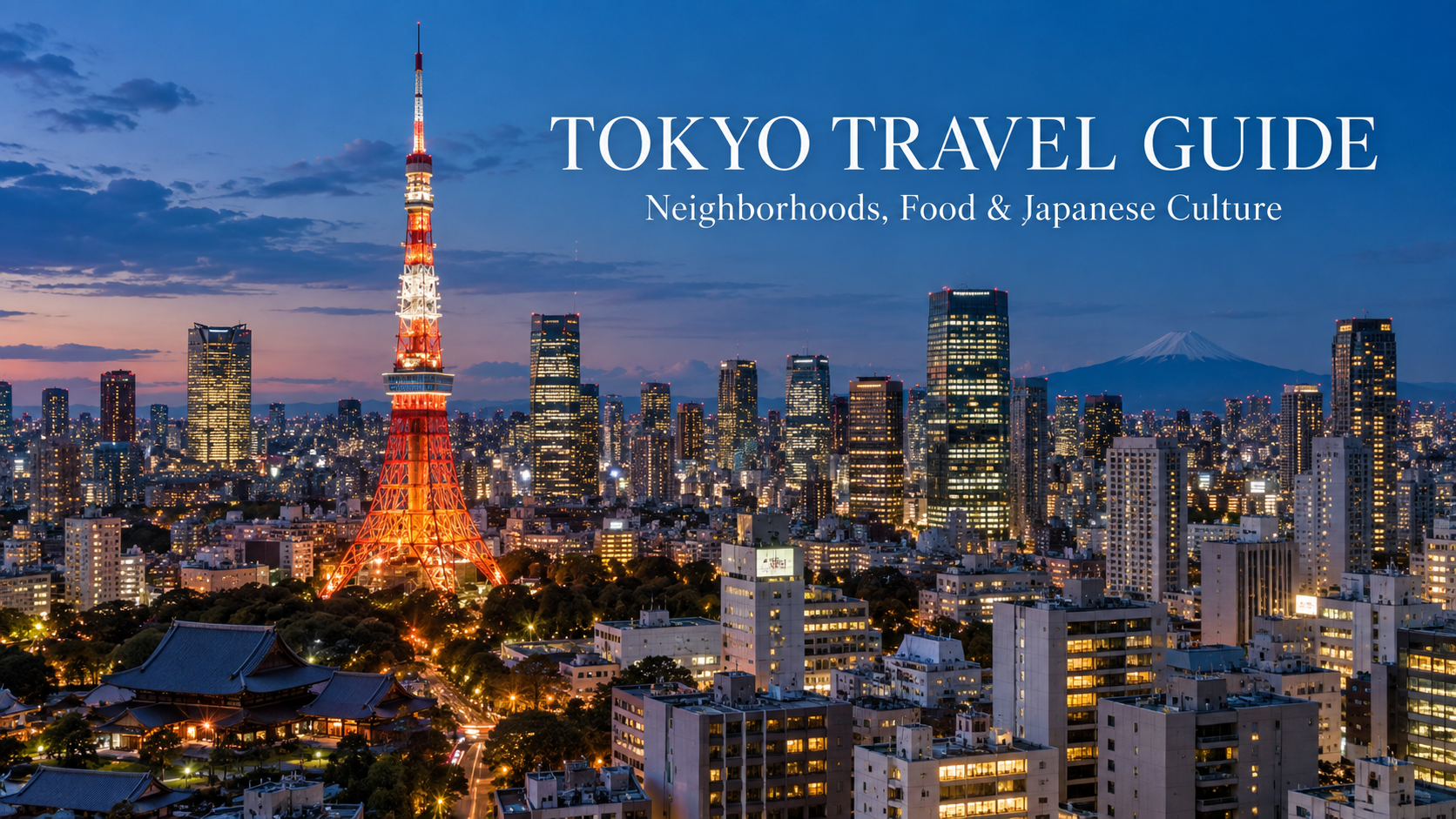
Tokyo Travel Guide
Return to the capital for historic Asakusa, energetic Shibuya, peaceful gardens and some of Japan’s most distinctive urban neighborhoods.
Read next: Tokyo Travel Guide: Neighborhoods, Food and Japanese Culture
Chiba Travel Guide
Continue around Tokyo Bay and discover Narita’s temple town, historic Sawara, Mount Nokogiri and the Pacific landscapes of the Boso Peninsula.
Read next: Chiba Travel Guide: Temples, Coastal Scenery, Local Food and Easy Trips from Tokyo
Gunma Travel Guide
If Hakone has sparked your interest in Japanese hot springs, travel north to discover famous onsen towns including Kusatsu and Ikaho.
Read next: Gunma Travel Guide: Onsen Towns, Mountain Scenery and Local Culture
Discover more destinations through our Kanto Travel Guides.