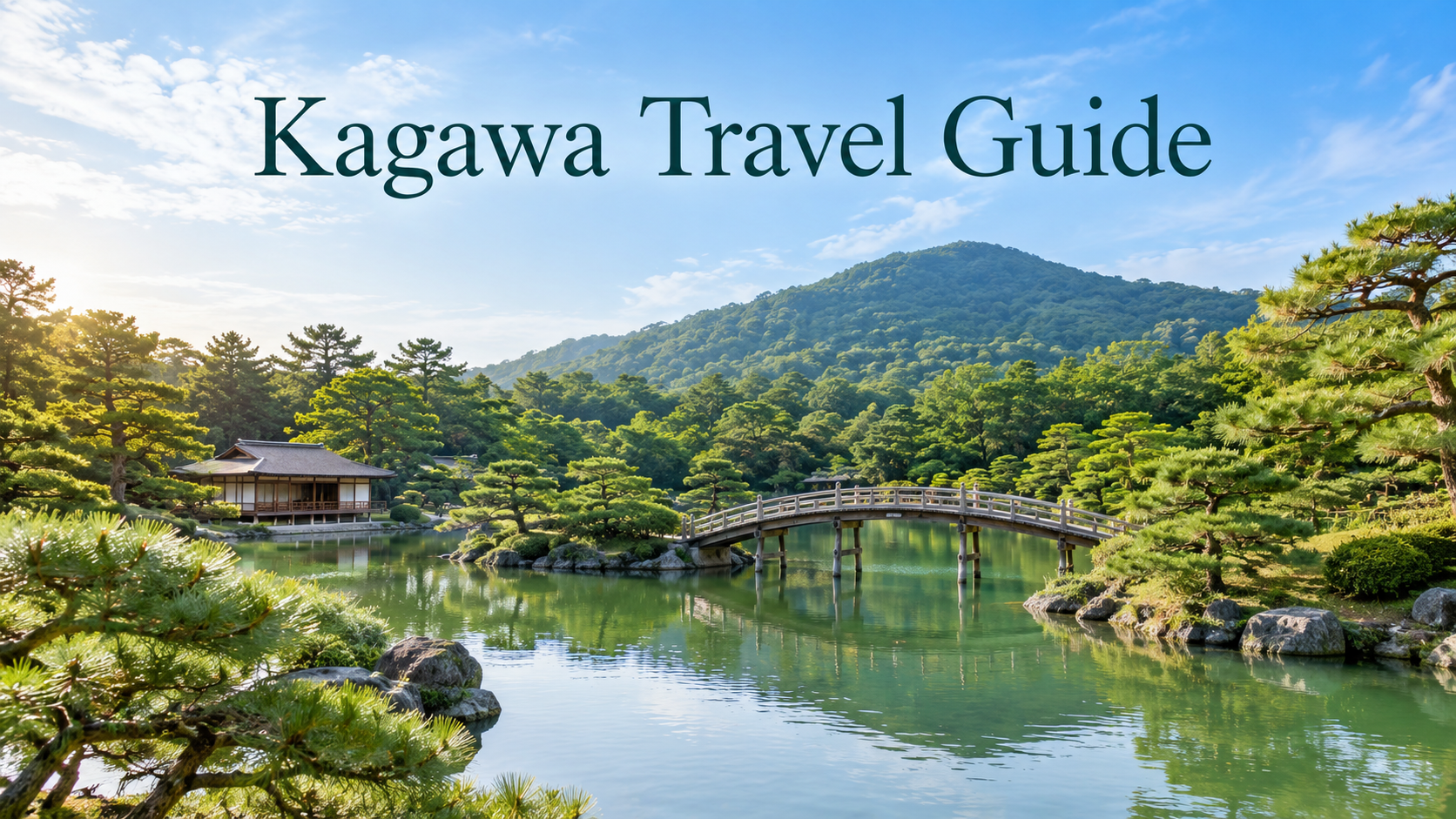
Kagawa makes a satisfying journey out of simple pleasures: springy udon noodles, a garden path beside a pond, and a ferry crossing toward low green islands. You can spend a morning looking closely at pine trees, an afternoon climbing a shrine approach, or a whole day following your curiosity through an island’s art spaces.
On the northern side of Shikoku, Kagawa is easy to introduce into a wider Japan itinerary through Takamatsu. Yet its compact mainland should not tempt you into an overcrowded schedule. Island journeys depend on ferries, and a famous shrine can involve considerably more walking than its map location suggests.
This Kagawa travel guide combines mainland highlights with practical island choices. Plan three full days for Takamatsu, one mainland excursion and one island. Add time if you want both Shodoshima and Naoshima.
Why Visit Kagawa?
Kagawa offers variety without requiring every day to involve a long transfer. Takamatsu works well as a base for gardens, food and ferry connections. Kotohira and Marugame introduce shrine and castle landscapes, while the islands bring another pace altogether.
Food is also part of the destination, not merely something between attractions. Sanuki, the historical name of the region, appears in its celebrated udon. Even a basic bowl gives you a reason to stop in a neighborhood you might otherwise pass through.
For a first visit, prioritize experiences over a long list of locations. One unhurried garden walk and one well-planned island day are more rewarding than several brief stops separated by anxious clock-watching.
1. Ritsurin Garden: Follow the Changing Views
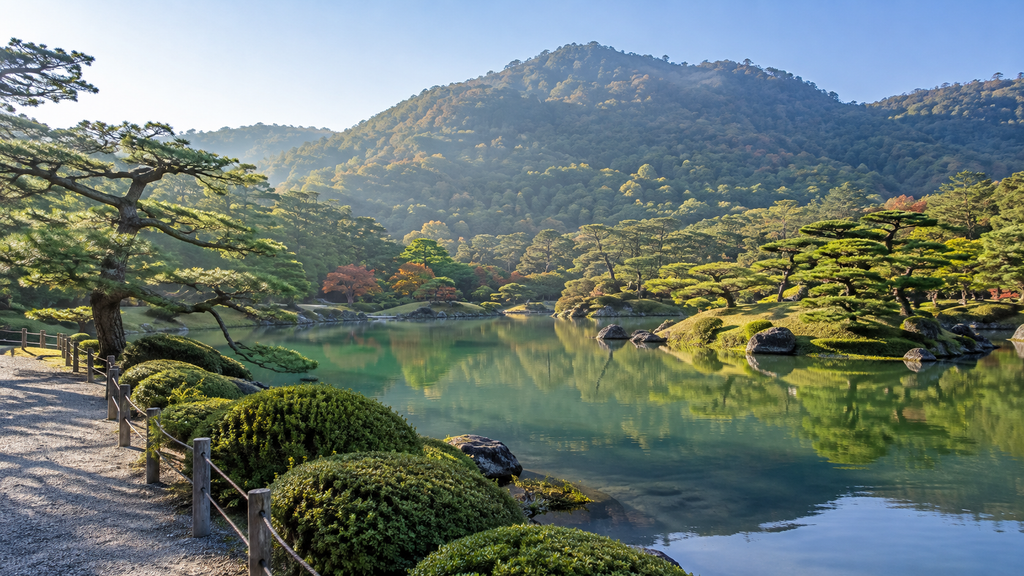
Ritsurin Garden in Takamatsu brings together ponds, carefully maintained pines and the wooded backdrop of Mount Shiun. Its appeal emerges as you walk: a tree that dominates one view becomes a frame for the next, while reflections change the balance of the scene.
Allow around two hours as a starting point, and longer if you want a tea break or a particularly slow visit. Pick up a map and choose a route that suits your mobility and interests. Not every path, bridge or viewpoint offers the same ease of access.
Check the garden’s opening hours for your month. An early visit can be pleasant in warm weather, but there is no single season that reveals the whole garden. Fresh greenery, autumn color and winter branches each emphasize different details.
Japanese Perspective: Look Beyond the Photo Spot
A strolling garden rewards movement and attention together. Instead of going directly to the most familiar bridge, notice how a path hides and reveals the water. The trees and distant hillside help create a scene larger than any individual feature.
A pause for tea, when available, can be part of that experience. Follow the host’s guidance and give yourself time to look outward rather than treating the stop only as refreshment.
2. Sanuki Udon: Start with a Simple Bowl
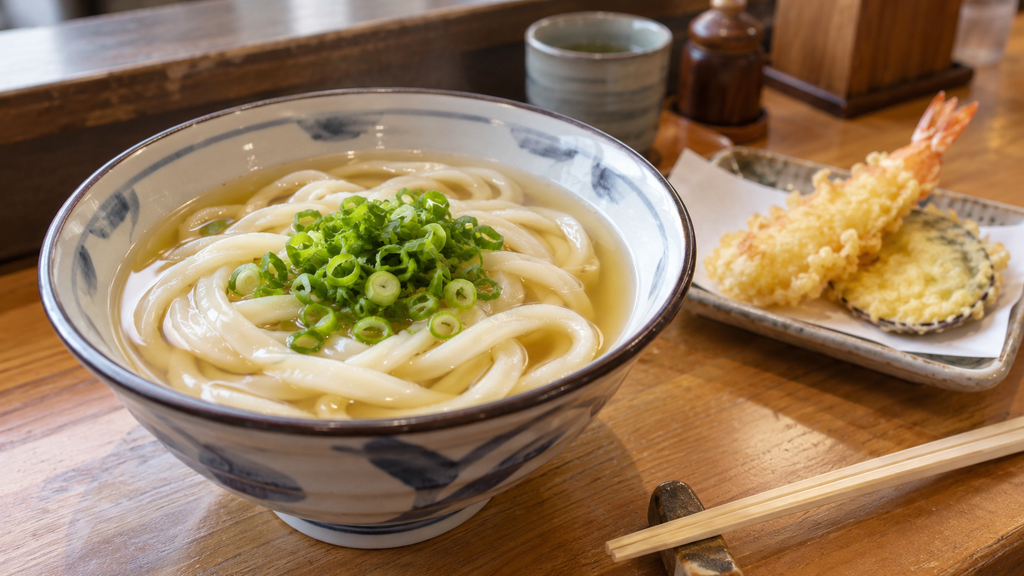
Sanuki udon is known for its satisfying noodle texture. A straightforward bowl lets that texture lead: try kake udon in broth, or bukkake udon with a smaller amount of concentrated sauce poured over the noodles.
Many shops are casual, and some use a self-service system. Others take your order at the table. Watch the signs and the people ahead of you before choosing where to queue.
At a typical self-service shop, you may choose the noodle style and portion, select side dishes such as tempura, pay, and then add available condiments. The exact order varies. Staff may also handle the broth, so do not assume every container is for customers to use themselves.
Some shops close early or finish when their noodles run out. Choose a lunch stop in advance and keep a backup nearby. You do not need to visit multiple famous shops to enjoy the region’s food.
Japanese Perspective: An Everyday Meal Has Its Own Rhythm
For local customers, udon can be a quick meal within an ordinary working day. Have your basic order ready, avoid blocking the serving counter for photographs, and return dishes if the shop uses a return station.
Choose the portion you actually want. A modest bowl leaves room to appreciate another local dish later, without turning eating into a competition.
3. Kotohira-gu: Make the Climb Part of the Visit
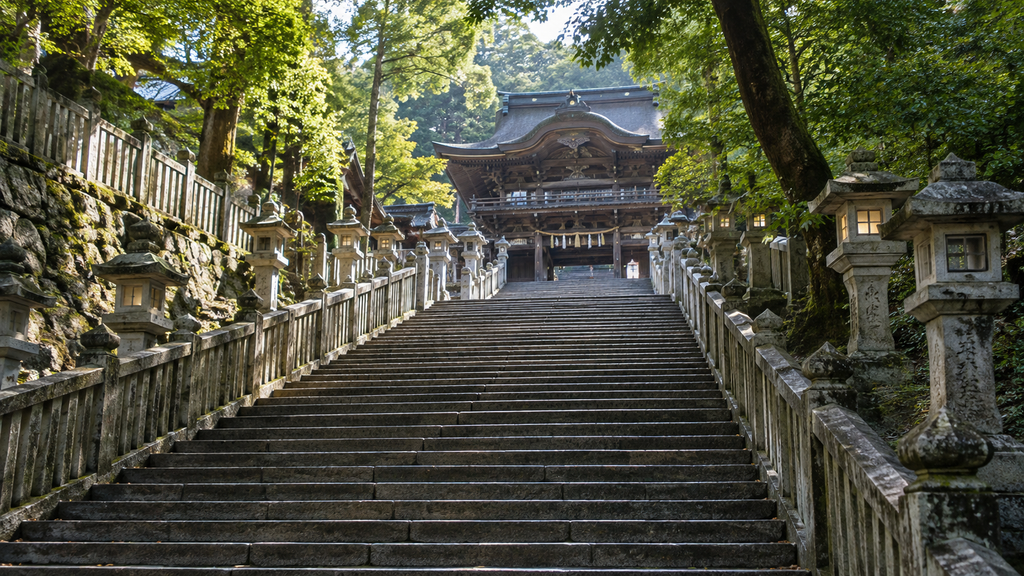
Kotohira-gu, often called Konpira-san, has a long association with protection at sea. Its approach rises through the town and into a wooded shrine landscape, with 785 stone steps leading to the main shrine.
Treat the climb as the main activity, not a brief stop between trains. Wear comfortable shoes, carry water and take breaks. The descent also deserves time and attention, particularly when the steps are wet.
The main shrine is not the same destination as the inner shrine farther uphill. Decide how far you want to go based on your energy, the weather and the remaining daylight. There is no need to make the longest climb to have a worthwhile visit.
The approach town offers places to eat and browse. Keep enough time for lunch after descending instead of arriving tired at a closing restaurant.
Japanese Perspective: A Shrine Is More Than a Finish Line
The steps make it easy to think only about reaching the top. Remember that visitors also come to pray. Keep entrances clear, lower your voice around worship areas and follow current shrine guidance.
Those who prefer not to climb can still explore the lower approach. Travelers who need step-free access should check directly with the shrine and local tourism office rather than assuming an alternative route reaches every building.
4. Shodoshima: Olives, Soy Sauce and Island Roads
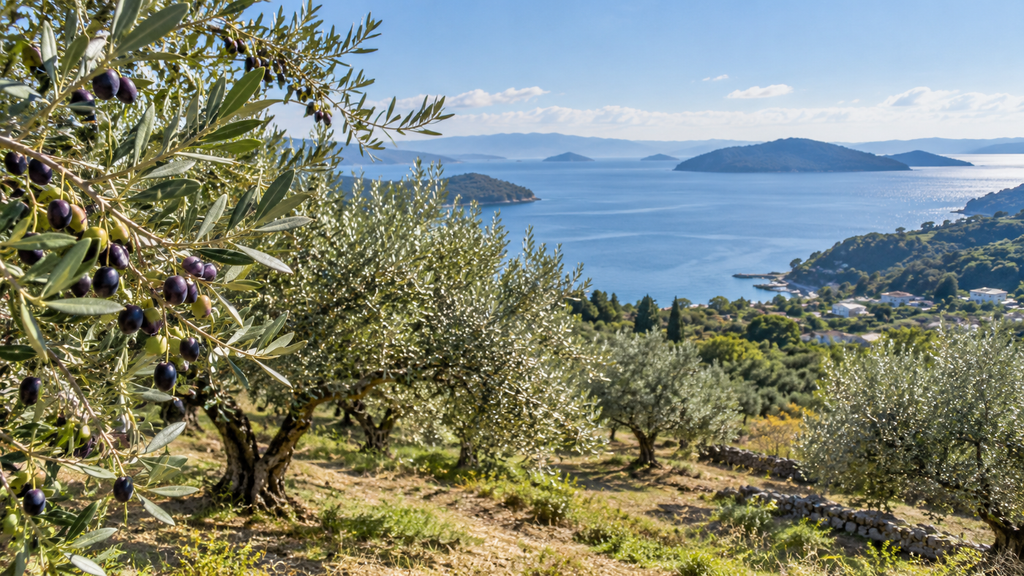
Shodoshima combines coastal scenery with a distinctive food culture. Olive groves, soy sauce production and hand-stretched somen noodles give you several ways to explore the island through taste as well as views.
Choose two or three places in one manageable area. An olive-themed stop and a soy sauce museum or visitor facility can make a satisfying day without circling the entire island. Check access and opening arrangements: a working producer does not automatically welcome unannounced tours.
Angel Road, a sandbar exposed by the tide, is another popular stop. Consult the local crossing forecast for your exact date and follow on-site guidance. A low-tide attraction should not be treated as an all-day walkway.
Shodoshima has multiple ports. Match your ferry arrival, accommodation and local transport before buying tickets. Distances and hills can make an ambitious cycling plan harder than it appears on a small map. An overnight stay gives more room for slow travel, but arrange dinner if staying away from a town center.
5. Naoshima: Plan the Art and the Ferry Together
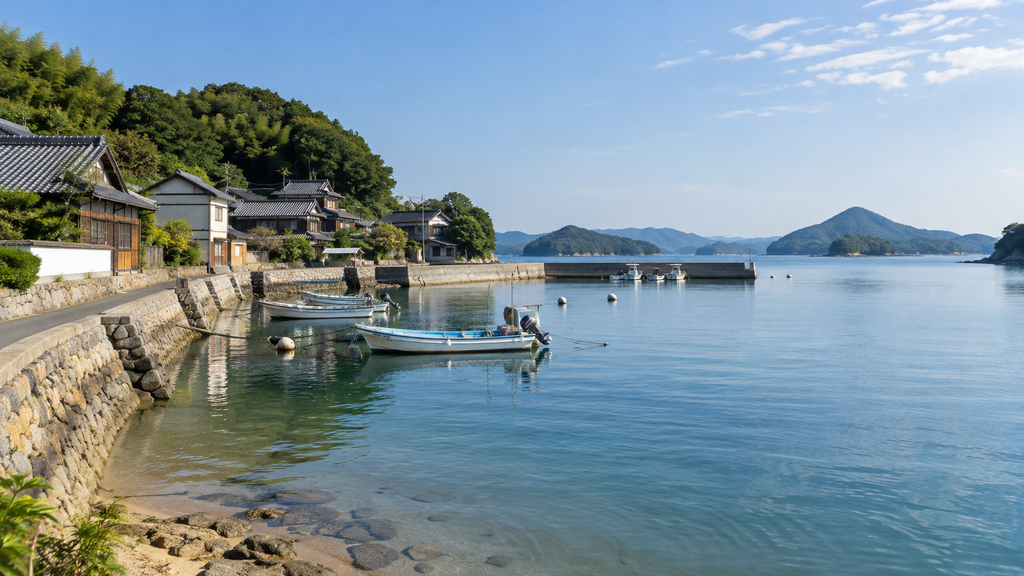
Naoshima combines contemporary art destinations with island settlements and coastal landscapes. A good visit begins before boarding: select the facilities you most want to see, check their opening calendars and reserve the tickets required for your date.
Benesse Art Site Naoshima provides current ticket information for its facilities. Requirements differ, and an admission booking does not reserve a place on a ferry. Confirm both parts of the day independently.
Give yourself time between museums. Walking, buses and bicycles each have practical limits, especially in heat or rain. Do not assume every place described as being on Naoshima is close to the arrival port.
For a first island visit, one or two main art experiences plus a village walk can be enough. Avoid adding Teshima simply because it looks nearby. Another island brings another timetable, additional transport and its own booking needs.
Japanese Perspective: The Island Continues Beyond the Museums
People live around the streets and harbors visitors use. Keep residential entrances clear, respect quiet areas and ask before photographing people at close range. Follow each facility’s photography rules rather than assuming that all art can be photographed.
The ferry ride and time beside the sea are part of the day too. Leave a buffer before departure so your final impression is not a sprint to the port.
6. Marugame Castle: Stone Walls and a Compact Keep
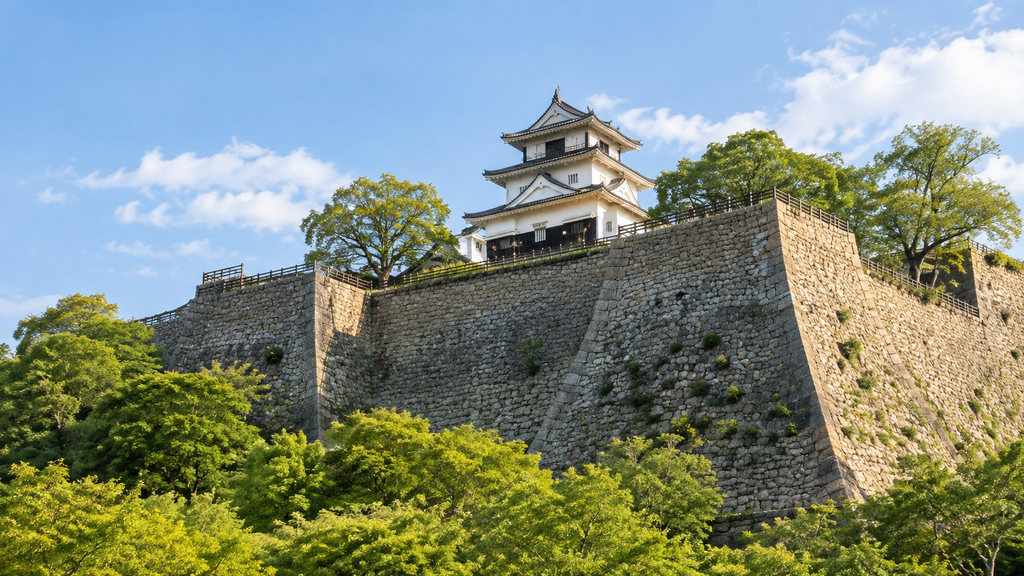
Marugame Castle offers a striking contrast between its small surviving wooden keep and the large stone fortifications below it. Looking closely at the walls helps explain why a castle visit is about more than the building at the summit.
Allow time for the uphill approach and the descent. Wear shoes with grip, and check the current visitor route because restoration work can affect access around historic structures. Inside the keep, stairs may not suit every visitor.
Marugame makes a useful mainland excursion from Takamatsu. Pair the castle with lunch and a relaxed town walk. If you also want a full Kotohira climb, separate days are more comfortable, especially in hot weather.
More Local Food to Try
Beyond udon, look for honetsukidori, a seasoned chicken leg associated with Marugame, and seafood reflecting the Seto Inland Sea. Shodoshima offers olive products, soy sauce and somen, making it an appealing destination for travelers interested in food production.
If you have dietary restrictions, ask about broth, dipping sauces and seasonings. Plain-looking udon broth can contain fish, and wheat is central to udon and somen. Removing a topping does not necessarily change the ingredients underneath it.
Practical Information for First-Time Visitors
Getting There and Around
For rail travel from Honshu, change at Okayama for a train across the Seto Ohashi route toward Takamatsu. Kagawa has no Shinkansen station. Takamatsu Airport is another gateway, followed by a bus or other ground transfer.
Takamatsu Station and the port area make a convenient base for rail and ferry trips. JR and Kotoden serve different routes and stations, so check which operator your journey uses. Do not assume a rail pass covers local private railways, ferries or museum admissions.
For islands, save the return schedule and check the exact port and service type. Ferries and passenger boats can have different rules for vehicles and bicycles. Leave room for queues and weather-related disruption.
Where to Stay and Best Seasons
Stay near Takamatsu Station for early departures, or near the central shopping streets for dining options. Kotohira suits a shrine-focused stay. Island accommodation is useful for a slower trip, but confirm meals and local transfers in advance.
Spring and autumn generally suit walking. Summer can be hot and humid, making shade and water especially important for shrine climbs and island cycling. Winter brings shorter days and cold sea winds. Check actual operating calendars in every season.
A Realistic Three-Day Kagawa Itinerary
Day 1 — Takamatsu: Visit Ritsurin Garden, have udon for lunch and explore the central streets or waterfront. Keep the evening relaxed.
Day 2 — Choose a Mainland Excursion: Visit Kotohira for the shrine approach and lunch, or Marugame for the castle and town. Choose according to your interests and walking comfort.
Day 3 — Choose One Island: Visit Naoshima with confirmed art reservations, or explore a manageable part of Shodoshima. Plan around both outbound and return ferries.
Add one or two days if you want the other island or an overnight stay. Trying to cover Ritsurin, Kotohira, Marugame, Naoshima and Shodoshima in three days leaves little space to enjoy them.
FAQ
How many days should I spend in Kagawa?
Three full days suit Takamatsu, one mainland excursion and one island. Four or five days allow more island time and a slower pace.
Do I need a car?
Not for the basic Takamatsu and rail-based mainland itinerary. On Shodoshima, a car can help, but local buses are also an option when planned around the places you want to visit.
Can I visit Naoshima without booking museums?
You can visit the island, but entry to your chosen facilities may require advance tickets. Check each facility’s official reservation guidance before deciding.
Can I visit Naoshima and Shodoshima in one day?
For a first visit, choose one. Ferry connections, local travel and attraction times make combining them unnecessarily restrictive.
Is Kotohira-gu suitable for everyone?
The standard route to the main shrine involves 785 steps. Consider the climb and descent together, and check accessibility options directly if needed.
What is the easiest udon order for a beginner?
Kake udon is a straightforward starting point. Choose your portion and toppings, then follow the particular shop’s ordering and payment system.
Explore More of Shikoku
Kagawa may be Japan’s smallest prefecture, but it is only one chapter of a journey through Shikoku. From dramatic whirlpools and hidden mountain valleys to historic hot springs and clear rivers, the rest of the island offers plenty more to discover.
Tokushima Travel Guide
See the powerful Naruto Whirlpools, journey deep into the remote Iya Valley, and discover traditional landscapes that reveal another side of rural Japan.
Read more: Tokushima Travel Guide: Naruto Whirlpools, Iya Valley and a Japanese Perspective
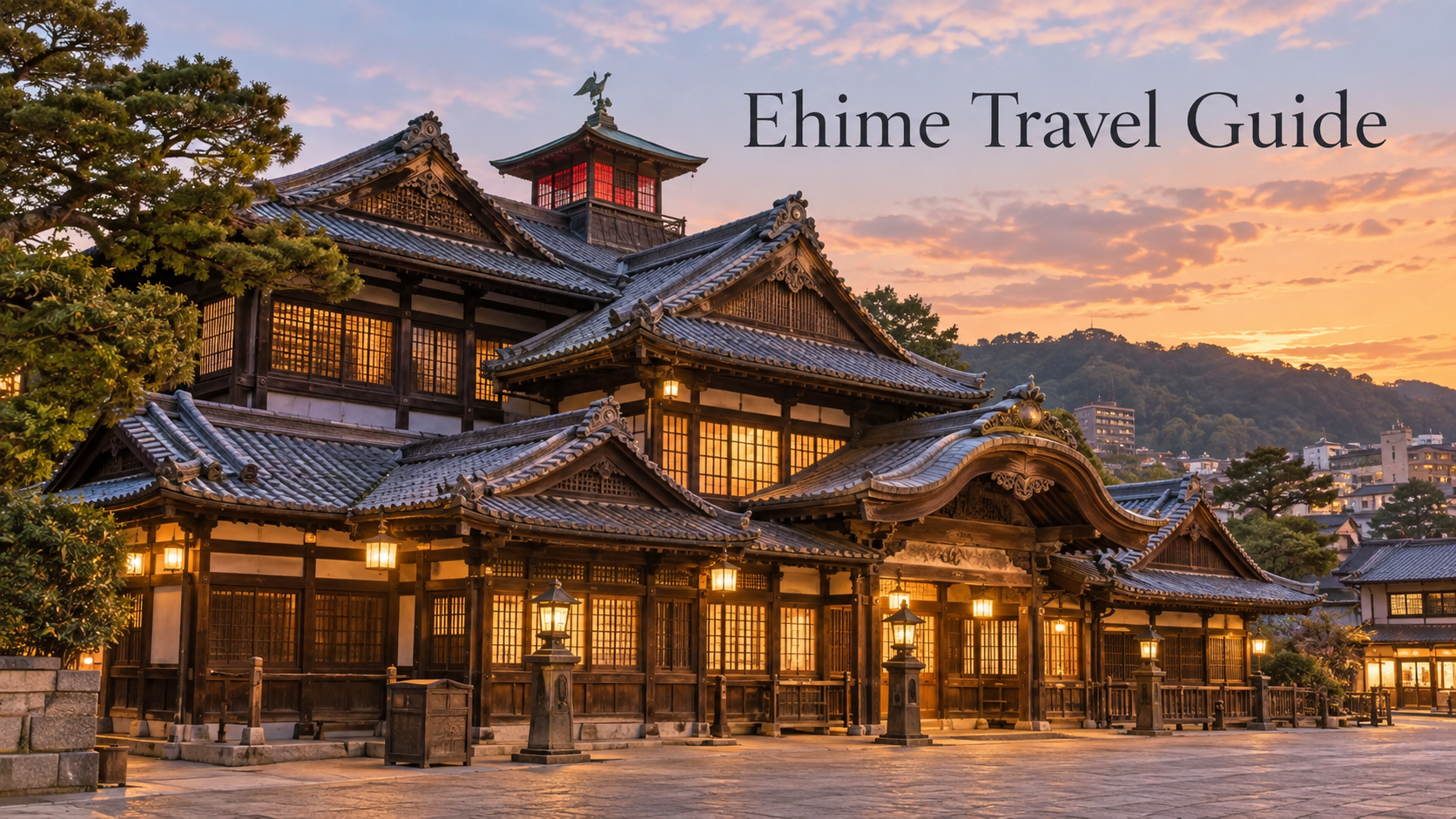
Ehime Travel Guide
Relax at Dogo Onsen, climb to Matsuyama Castle, enjoy locally grown citrus fruit, and consider cycling part of the spectacular Shimanami Kaido.
Read more: Ehime Travel Guide: Dogo Onsen, Matsuyama and a Japanese Perspective
Kochi Travel Guide
Head south for Pacific Ocean scenery, Kochi Castle, famous katsuo no tataki, and some of Japan’s most beautiful rivers.
Read more: Kochi Travel Guide: Clear Rivers, Castle Views and the Taste of Shikoku
Continue planning your trip with our Shikoku Travel Guides.