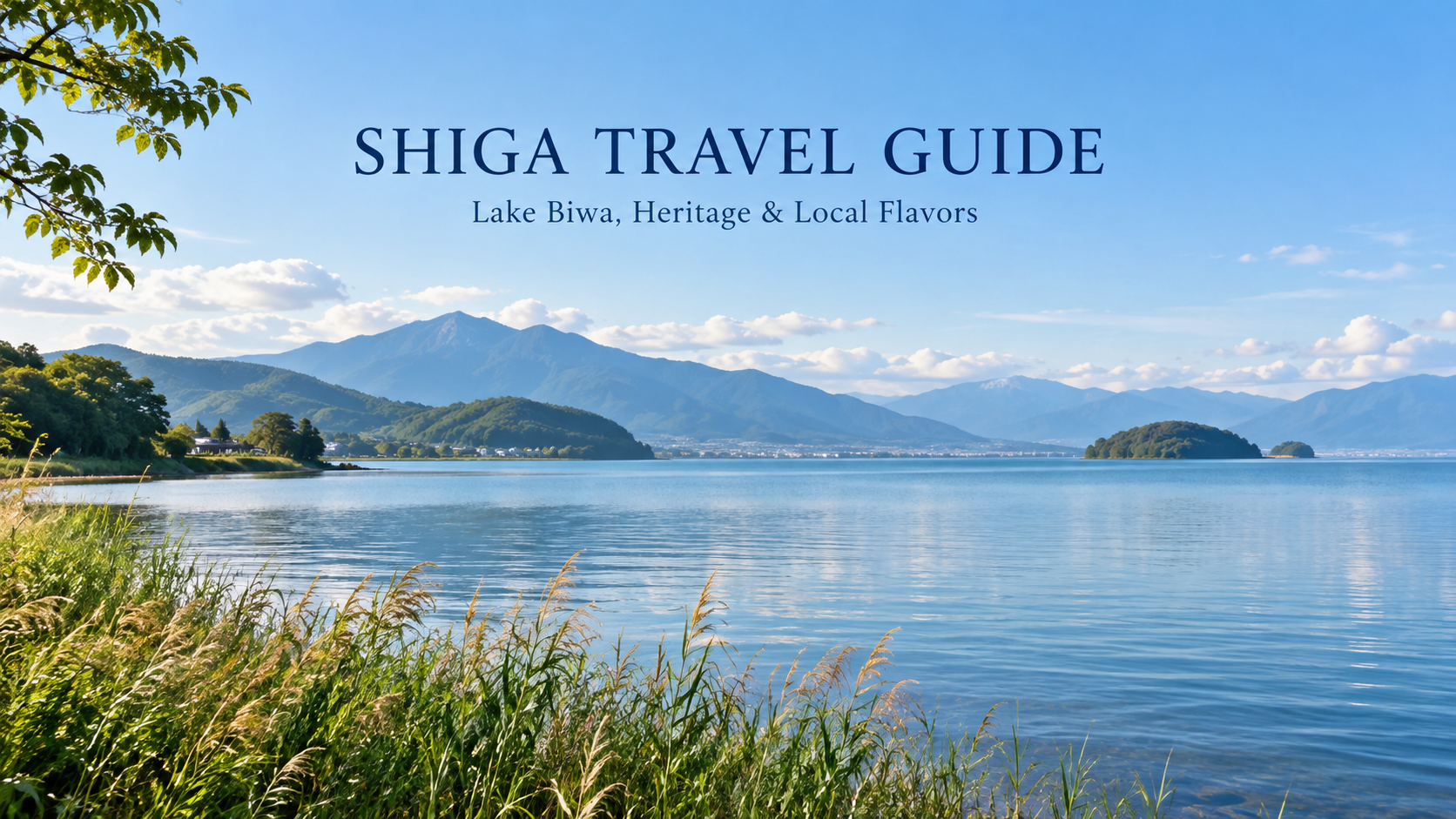
Shiga invites you to build a trip around water, historic towns, and the small pleasures of everyday Japan. Lake Biwa opens up the landscape, Hikone offers a surviving castle keep, and Omihachiman reveals how waterways helped a merchant town grow.
Away from the shore, Mount Hiei introduces mountain-temple traditions, while Shigaraki brings you closer to pottery through workshops and galleries. A meal of Omi beef or a taste of fermented lake fish adds another layer to the journey.
This Shiga travel guide helps first-time visitors choose a realistic route, with a Japanese perspective on the people and practices behind the sights.
Why Visit Shiga?
Shiga lies beside Kyoto, but its destinations deserve time of their own. Lake Biwa, Japan’s largest lake, occupies the center of the prefecture and strongly influences how you travel around it.
A place that looks nearby across the water may require a much longer journey by land. For a first trip, focus on the southern and eastern areas rather than attempting to circle the whole lake.
Otsu, Omihachiman, and Hikone make a useful three-day introduction. Add Mount Hiei for temple history or Shigaraki for ceramics. This gives each day a clear focus while leaving room for lunch, local transport, and unexpected discoveries.
1. Meet Lake Biwa at an Unhurried Pace
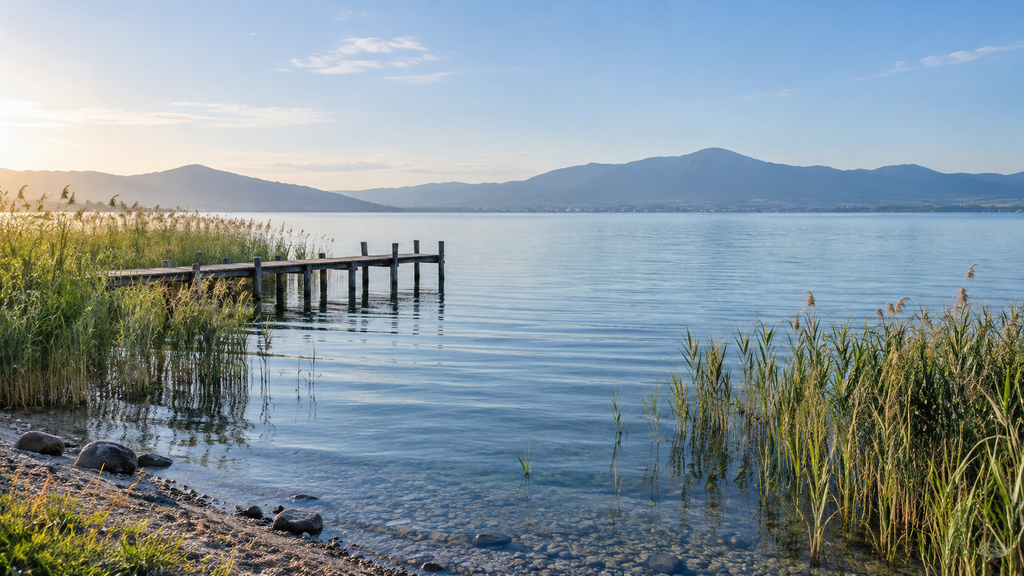
A lakeside walk is a simple way to begin. Around Otsu, you can enjoy open views without planning a demanding excursion. Sit by the water, watch the light change, and notice how the shoreline shifts between urban spaces and quieter stretches.
If you want a boat trip, choose a specific departure port and itinerary. Sightseeing cruises and island services are different outings; they are not interchangeable ways to cross the lake whenever convenient. Check the sailing schedule and weather conditions before committing to onward plans.
Japanese Perspective: A Lake Is Also a Living Environment
It is easy to see the lake only as scenery. The Lake Biwa Museum offers another perspective through exhibits about the relationship between lakes and people, including environmental and historical change.
Consider it if you enjoy understanding a landscape before exploring it. The museum is a separate outing that requires transport planning, not a building directly beside Otsu Station.
On the shore, respect reeds, wildlife, and working spaces. Taking your litter away and staying on established paths are small ways to care for the setting you came to enjoy.
2. Explore Hikone Castle and Its Surroundings
Hikone Castle is a highlight for visitors interested in historic architecture. Its compact keep, rooflines, and stonework reward close attention, and the climb provides a sense of the site’s defensive setting.
The approach includes many stone steps, and the stairs inside the keep are particularly steep. Check the official visitor information before deciding whether the climb suits your group. Comfortable shoes and a light bag help.
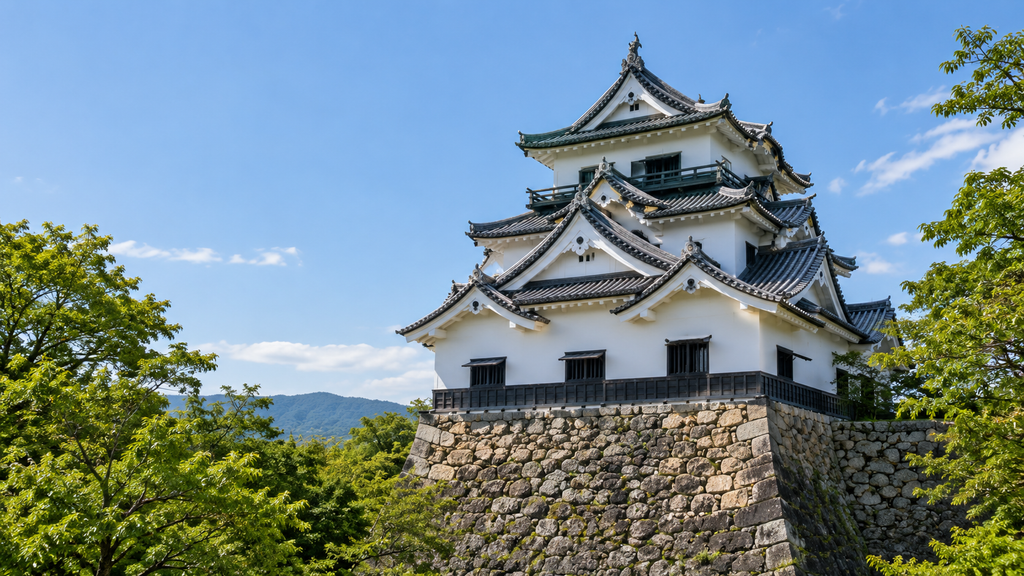
Leave time for the area around the castle rather than returning immediately to the station. Genkyuen Garden makes a natural companion visit, and a relaxed lunch gives the day a gentler rhythm after the stairs.
Japanese Perspective: Reading the Whole Castle Site
The keep is the most recognizable feature, but a castle’s function becomes clearer when you look at the approaches and changes in elevation. Movement through the site was not designed around the convenience of modern sightseeing.
Notice how your route turns and climbs. This helps connect an attractive building with its earlier role, without needing to imagine every corner as a dramatic battle scene.
3. Walk Omihachiman’s Canal and Merchant Streets
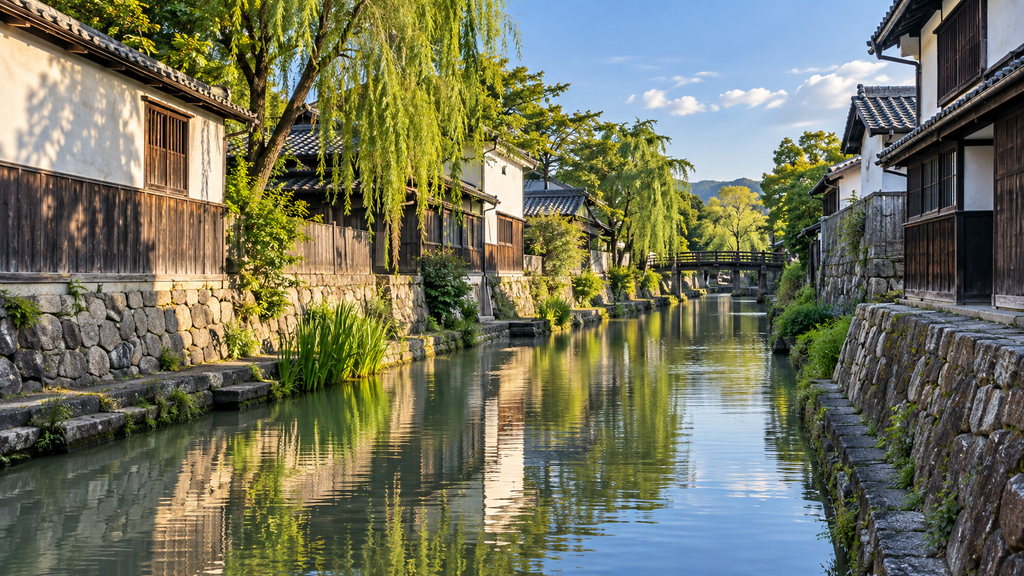
Hachiman-bori is a rewarding place to slow down. White-walled storehouses, timber buildings, and stone embankments frame a canal that once supported the area’s transport and economy.
Combine the waterside with the streets around Shinmachi, where the merchant-town setting becomes easier to understand. Allow time for a café or small museum rather than treating the neighborhood as a single photograph.
Japanese Perspective: Wealth, Trade, and the Shape of a Town
The Omi merchants connected their home region with wider trading networks. Looking at the canal beside the substantial houses makes that relationship tangible: transport, storage, and domestic life belonged to the same economic world.
Rather than reducing the town to a timeless “old Japan,” look for signs of change and continued use. Historic buildings, contemporary businesses, and residents now share these streets. Keep doorways clear and ask before photographing shop interiors.
The canal area is separate from JR Omihachiman Station. Include the local bus, taxi, or walking connection in your schedule, especially if you are arranging a boat experience or timed activity.
4. Give Mount Hiei Its Own Day
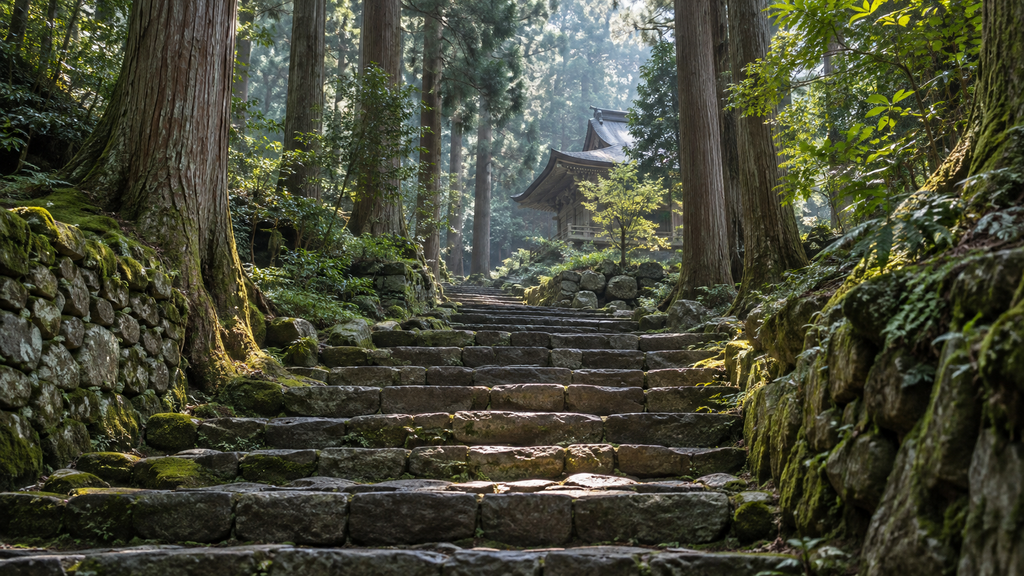
Enryakuji on Mount Hiei introduces a quieter, more demanding kind of sightseeing. The mountain setting combines temple buildings with wooded approaches and changing weather. It is worth choosing a manageable area rather than assuming every precinct is close together.
From the Shiga side, plan your approach through Sakamoto and check the relevant connections. Do not rely on a city map alone: elevation, walking routes, and seasonal transport arrangements affect the day.
Planning note: Konpon Chudo, the principal hall, is undergoing a major conservation project. Worship continues under arrangements made during the work, but the appearance and visitor route may differ from older photographs. Check the temple’s official renovation information before visiting.
Japanese Perspective: A Temple Beyond Its Architecture
A temple can be both a cultural attraction and a place of religious practice. Give worshippers space, follow photography restrictions, and lower your voice where appropriate.
Conservation work is also part of the site’s present life. Seeing a building under repair can offer a useful reminder that continuity requires care, materials, and skilled labor. The setting is not simply a preserved backdrop waiting for visitors.
Bring an extra layer and shoes suitable for steps. Confirm your return connection early enough to enjoy the visit without rushing down the mountain.
5. Discover Shigaraki Through Pottery
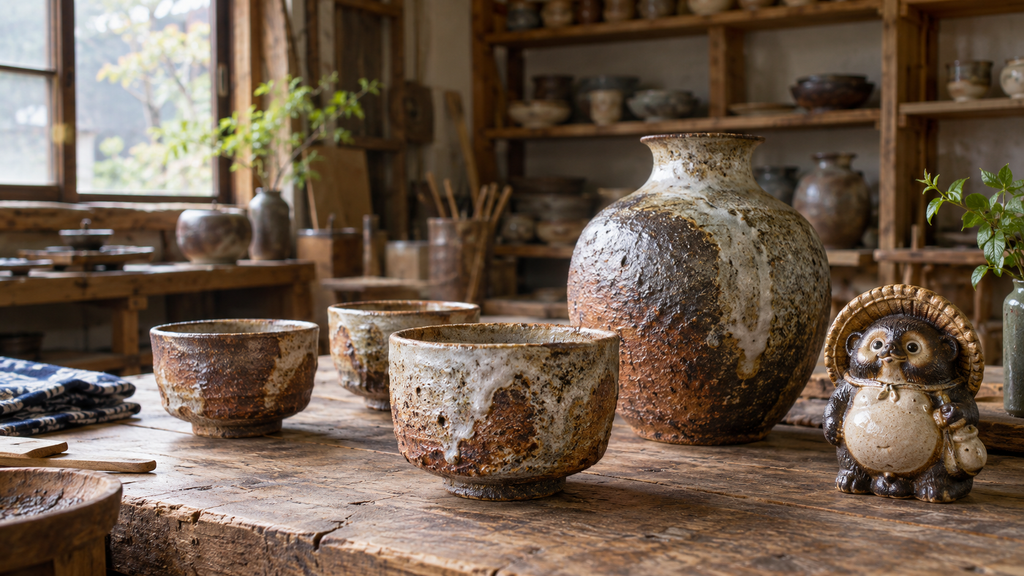
Shigaraki, in southern Shiga, is associated with ceramics and the cheerful tanuki figures often displayed outside shops. These figures provide an easy introduction, but the pottery tradition also includes bowls, vessels, and contemporary work.
Visit galleries or the Traditional Crafts Center to explore the variety. A hands-on session can add another dimension, provided you check booking requirements and the type of activity offered.
Japanese Perspective: Bringing Craft into Daily Life
A bowl becomes more interesting when you imagine using it. Consider its weight, the feel of the rim, and the way its surface changes in different light. A useful piece can connect a travel memory with an ordinary breakfast long after the trip ends.
Ask about care instructions before buying. For workshops, distinguish between painting an already-fired object and making a new piece that needs firing. Collection dates and international shipping arrangements vary, so do not assume every item can leave with you that day.
Shigaraki is inland and away from the main lakeside sightseeing route. Plan a dedicated excursion and check the full journey to your chosen studio.
6. What to Eat in Shiga
Omi Beef
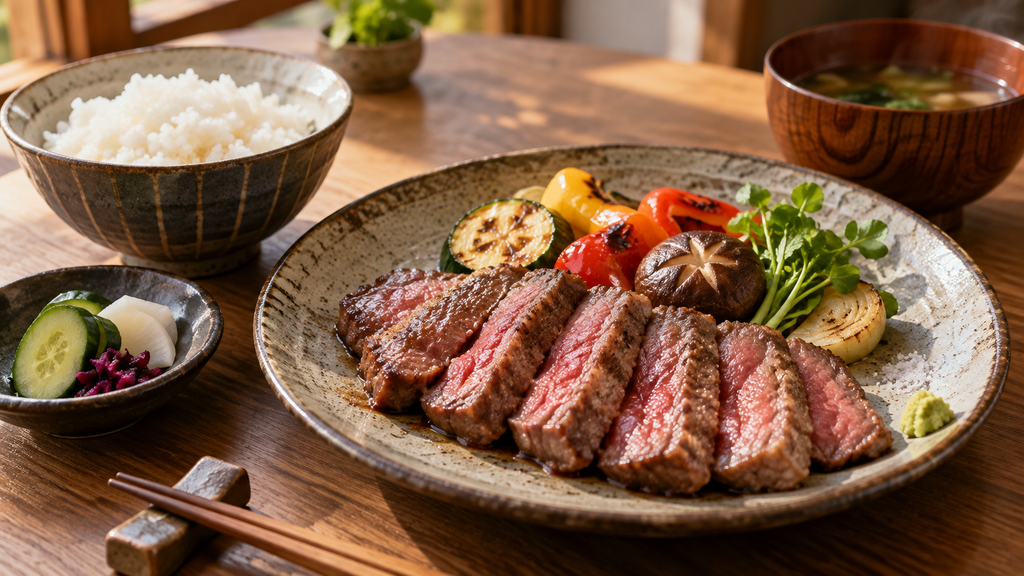
Omi beef is one of Shiga’s best-known foods. Restaurants serve it in different forms, including steak and hot-pot dishes, so choose the preparation that interests you rather than ordering solely by name.
Compare the cut, portion, and price before deciding. A carefully chosen lunch can be a satisfying way to include it without making every meal a major expense.
Funazushi and Other Regional Tastes
Funazushi is a fermented fish specialty associated with Lake Biwa. Its sourness and strong aroma make it quite different from the fresh-fish sushi many visitors know. If curious, try a small serving at a place that can explain it.
You can also look for local freshwater-fish dishes, seasonal vegetables, and tea. Let the menu guide you rather than expecting every ingredient to be available throughout the year.
Japanese Perspective: Fermentation as Local Knowledge
Fermented foods reveal how people worked with ingredients over time. Funazushi is especially interesting as part of a regional preservation tradition, not merely as a challenge for adventurous eaters.
You do not have to enjoy every local flavor to appreciate its significance. Ask how it is usually served, taste at your own pace, and remember that preferences vary among Japanese diners too.
If you have dietary restrictions, ask about stocks, sauces, and seasonings as well as the main ingredient. A vegetable dish may still use fish-based stock.
Best Time to Visit Shiga
| Season | What to consider |
|---|---|
| Spring | Pleasant walking days and blossom scenery; popular sites can be busy. |
| Summer | Lakeside outings and green landscapes, with heat and humidity to plan around. |
| Autumn | Comfortable town walks and mountain color, with timing varying by elevation. |
| Winter | Quiet opportunities in some towns, but snow and ice can affect northern and mountain areas. |
Spring and autumn are convenient starting choices for a first trip focused on walking. Keep an indoor alternative for rainy days, and check local conditions before heading into higher or more exposed areas.
Getting There and Getting Around
Otsu is easily reached by rail from Kyoto. JR services also make Omihachiman and Hikone practical destinations, while Maibara provides a Shinkansen connection for journeys approaching from farther east.
Check the exact station and onward route for each attraction. The JR Biwako Line serves the eastern side of the lake; the Kosei Line serves the western side. Choosing the wrong shore can add substantial travel time.
The official Shiga transportation guide links to local operators. Review bus and rail connections together, especially for pottery studios, museums, and mountain visits.
A car is unnecessary for the three-day outline below. Staying near a station makes regional outings easier; a lakeside hotel may require a shuttle, bus, or taxi. Compare transport convenience with the view you want before booking.
A Relaxed Three-Day Shiga Itinerary
Day 1: Otsu and the Southern Lakeshore
Arrive from Kyoto and spend time by the water. Choose a scheduled cruise if it fits, or keep the afternoon for a walk and café break. Stay locally to enjoy the evening pace.
Day 2: Omihachiman
Travel to Omihachiman, then continue to the canal district. Combine Hachiman-bori, merchant streets, and lunch. Leave room for a small museum or shop that catches your interest.
Day 3: Hikone
Visit the castle at a comfortable pace and add Genkyuen Garden. Enjoy a local meal before your onward journey. Confirm admission arrangements and allow time to collect luggage.
With a fourth day, choose Mount Hiei or Shigaraki. Both deserve their own transport plan. Save a full lake circuit for a separate trip designed around that goal.
FAQ: Visiting Shiga for the First Time
Is Shiga worth visiting from Kyoto?
Yes, especially if you enjoy lakeside scenery, historic towns, and regional food. Choose one area for a day trip or stay longer to combine several.
How many days do I need?
Three days allow an introduction to Otsu, Omihachiman, and Hikone. Add time for Mount Hiei or Shigaraki rather than rushing between them.
Can I travel without renting a car?
Yes. The main itinerary works with rail and local connections. Confirm the last part of the journey, as stations are not always beside the sights.
Is Hikone Castle suitable for everyone?
The site includes stone steps and steep interior stairs. Check access details before visiting with anyone who may find the climb difficult.
Can I cycle around Lake Biwa casually?
A full Biwaichi circuit needs preparation, suitable equipment, and a realistic distance plan. For a first visit, choose a shorter rental route that suits your experience and the weather.
What should I eat first?
Omi beef is an approachable choice if you eat meat. Funazushi is distinctive and best tried in a small serving if you are curious about fermentation.
Related Japan Guides
Continue exploring through our Japan Travel guides. For different regional landscapes and flavors, see the Hokkaido travel guide and Aomori travel guide.