Tokushima offers two very different kinds of movement: the powerful tides of the Naruto Strait and the rhythm of Awa Odori dancers. Travel inland and the pace changes again, with forested valleys, vine bridges and small settlements shaped by mountain life.
On the eastern side of Shikoku, Tokushima works as an introduction to the island or a destination in its own right. Its appeal lies in combining a few contrasting experiences: a coastal morning, an evening performance, and enough time in the mountains to stop watching the clock.
This Tokushima travel guide brings together the best starting points, local food and practical planning advice. Allow two days for Tokushima City and Naruto, then add two for Oboke and Iya. Travelers with less time should choose a smaller area rather than attempting the coast and remote valleys in one rushed day.
Image note: All images are original illustrations inspired by Tokushima. They are not documentary photographs; structures, costumes, landscapes and viewpoints are approximate.
Why Visit Tokushima?
Tokushima suits travelers who enjoy culture they can watch, taste or try for themselves. A dance performance introduces local rhythm, an indigo workshop reveals a craft through your hands, and a bowl of ramen makes an easy first meal after arrival.
The geography needs a little planning. Tokushima City and Naruto form the eastern part of this itinerary. Oboke and Iya are inland in the Miyoshi area, with slower mountain connections beyond the railway. A hotel near Tokushima Station is convenient for the city, but it does not make every valley attraction a nearby day trip.
Build your schedule around transport and one main experience each day. Leave room for weather, especially when boats or mountain roads are involved.
1. Naruto Whirlpools: Let the Tide Set Your Schedule
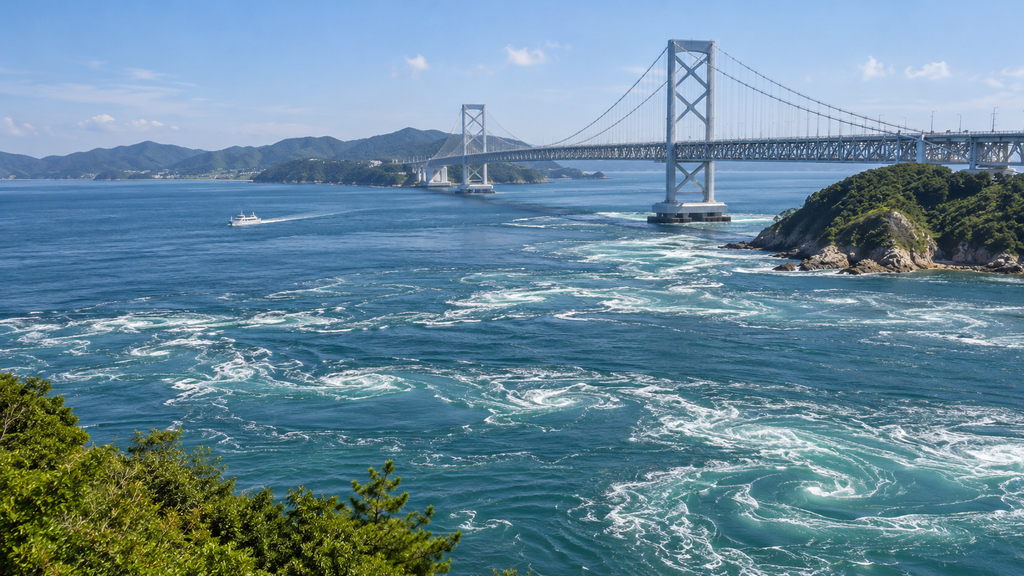
The Naruto whirlpools form as strong tidal currents pass through the narrow strait between Shikoku and Awaji Island. They appear and change with the current; there is no permanent whirlpool waiting in the same place all day.
Check a local operator’s whirlpool-viewing tide table for your date before choosing a departure. These tables identify favorable viewing periods, but weather and sea conditions still affect what you see. A dramatic photograph is not a guarantee of the same conditions during your visit.
Choose between a sightseeing boat and Uzu-no-Michi, a walkway beneath the Onaruto Bridge with glass-floor viewing sections. A boat brings you closer to the water, while the walkway gives a higher perspective. Check operating notices for either option, and confirm the exact pier if booking a cruise: different operators use different departure points.
Plan the rest of your Naruto day around this experience. It is more effective than arriving at lunchtime and hoping the tide happens to cooperate.
2. Awa Odori: Experience the Rhythm Beyond Festival Season
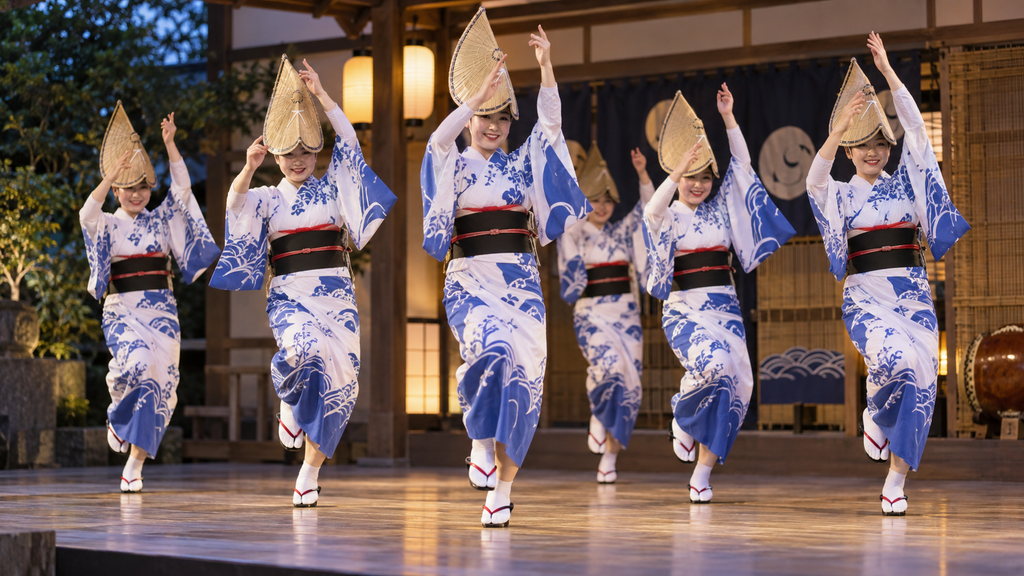
Awa Odori is one of Tokushima’s defining cultural traditions. The major summer festival transforms the city with music and dancing, but you do not have to visit during the festival to encounter the dance.
The Awa Odori Kaikan offers scheduled performances and museum displays. Check its current calendar for showtimes and closure days. This is a useful choice for travelers who want cultural context alongside sightseeing, and it can also fit a rainy afternoon.
When a performance includes an audience participation segment, follow the dancers’ lead. Joining in is an invitation to enjoy the rhythm, not a test of whether you already know the steps.
The Mount Bizan ropeway has its lower station at the Kaikan building. If visibility is good and the ropeway is operating, a visit to the summit can add a view over the city. Check return times before combining it with an evening show.
Japanese Perspective: Watch the Group, Not Only the Costume
The hats, raised arms and coordinated clothing are visually striking, but the connection between dancers and musicians is just as important. Notice how timing and shared movement give a group its character.
If you visit during festival season, use designated viewing and participation areas rather than stepping into a performing group’s route. Taking part works best when you follow the local invitation and make space for others to enjoy it too.
3. Iya Valley: Give the Mountains Their Own Time
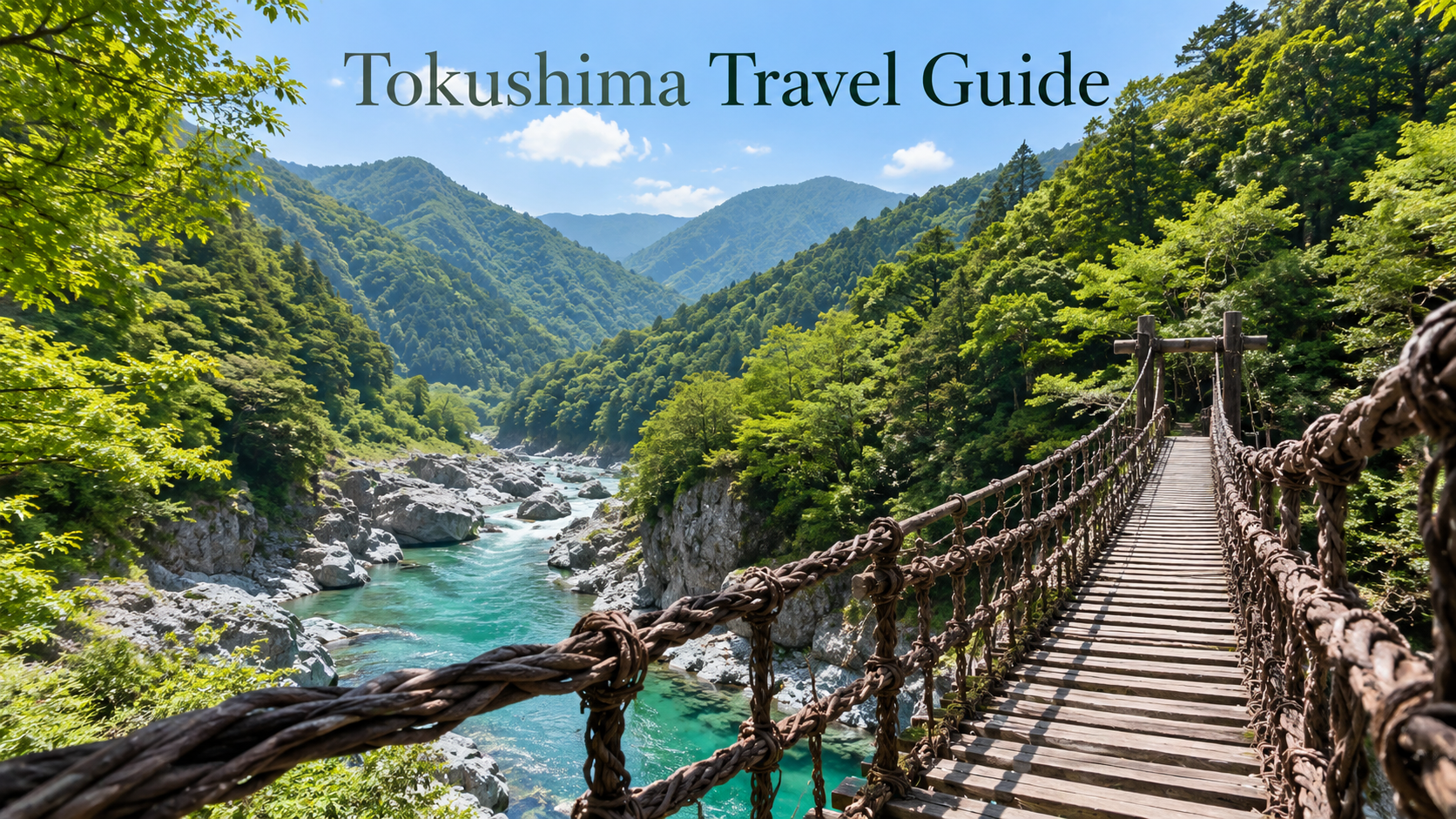
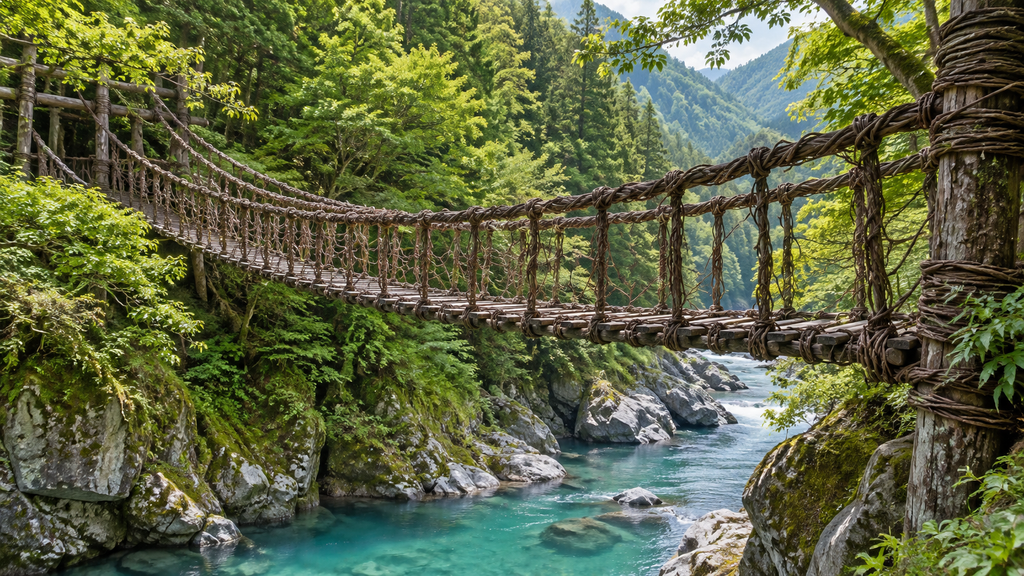
Iya’s forested slopes and deep river valleys offer a very different experience from the coast. The best-known stop is Iya Kazurabashi, a suspension footbridge wrapped in vines, with gaps between its wooden foot slats that make crossing memorable.
Wear secure shoes and consider your comfort with heights before buying a ticket. You can appreciate the setting without crossing. Check visitor guidance if traveling with small children or anyone with limited mobility; this is not a smooth, step-free walkway.
Avoid confusing the main Iya Kazurabashi with the Oku-Iya Double Vine Bridges farther into the mountains. They are separate destinations, and adding the latter can substantially change a day’s driving and transport needs.
Stay overnight if you want to explore without constantly working backward from the last bus. Mountain inns may offer dinner, but arrangements should be confirmed in advance. Do not assume restaurants will be open nearby after a late arrival.
Japanese Perspective: A Valley Is Also Someone’s Home
The scenery can feel remote, yet people live and work here. Keep cars out of private driveways, use designated viewpoints and ask before photographing residents. Stories connecting Iya with the defeated Heike clan belong to the area’s traditions; enjoy them as stories without treating every detail as proven history.
4. Oboke Gorge: See the Valley from the Water
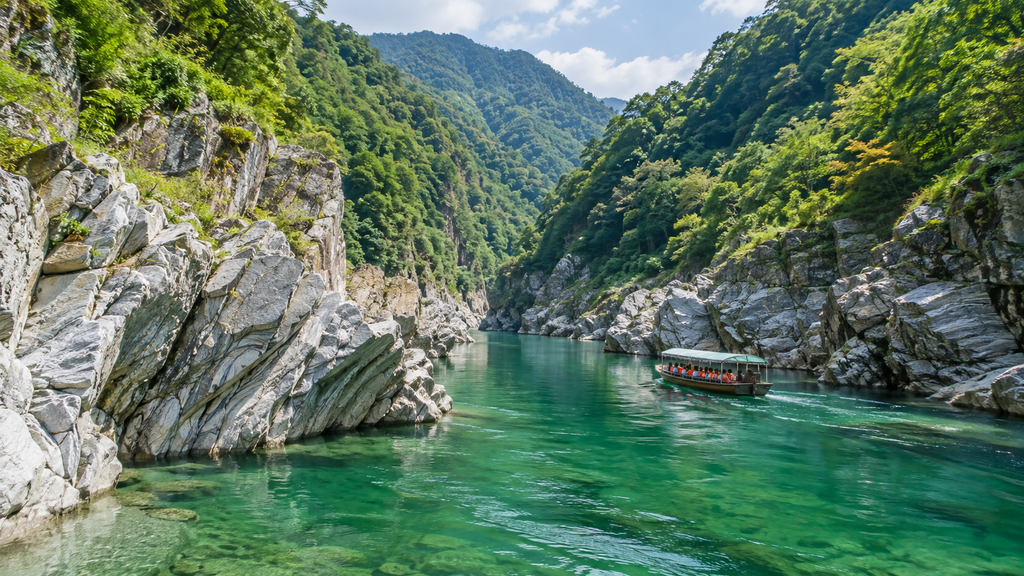
Oboke Gorge lies along the Yoshino River, where exposed rock formations and steep green slopes frame the water. A sightseeing cruise offers a different viewpoint from the road, giving you time to notice the changing shapes of the rocks.
Confirm that cruises are operating before traveling to the boarding point. River levels, weather and other conditions can affect service. Follow the crew’s instructions and use the safety equipment provided.
A scenic cruise and a whitewater rafting trip are different activities. If rafting interests you, book with an operator and check fitness, age, equipment and seasonal requirements for that particular tour.
Oboke is a useful gateway for an Iya stay, but the station, cruise departure point, bridge and accommodation are not all within a short walk of one another. Match each stop to an actual bus, taxi arrangement or driving route before committing to several activities.
5. Indigo Dyeing: Take Home Something You Made
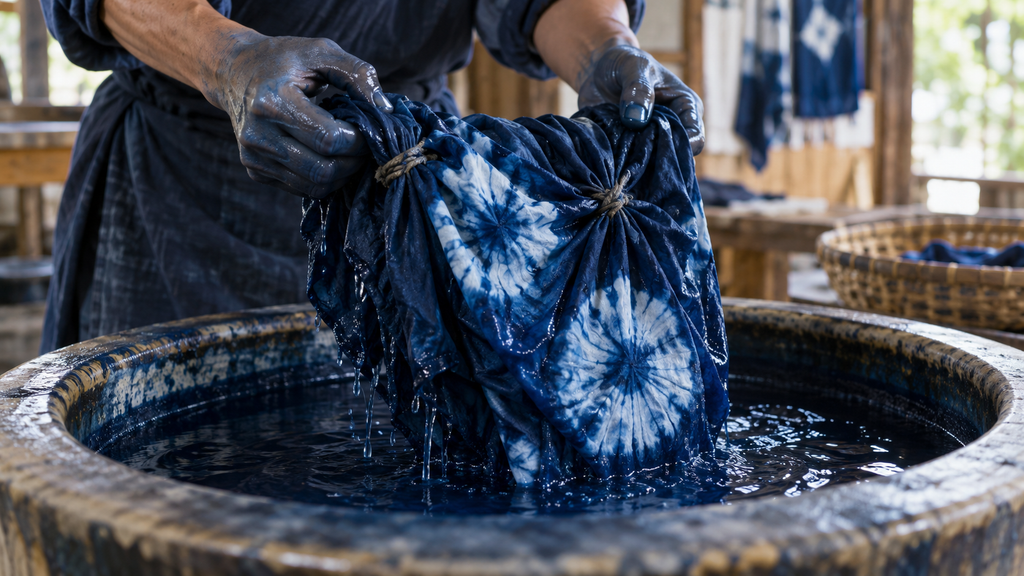
Tokushima has a long connection with indigo, often called Awa-ai after the region’s historical name. A dyeing workshop turns that history into a practical experience: folding or tying cloth, working with the dye and watching a pattern emerge.
Ai-no-Yakata in Aizumi is one place to explore the craft’s history and look into a dyeing experience. Confirm workshop availability, reservations, item choices and the time needed before visiting. The museum is outside central Tokushima City, so account for the journey as well as the activity.
Wear clothes you would not mind staining, and follow the instructor’s advice on handling and washing the finished item. Ask whether it will be dry enough to pack immediately.
Japanese Perspective: Value the Process
A handmade pattern does not need perfect symmetry to be satisfying. Small variations record the choices you made while folding and tying the cloth. Understanding the work behind an object can make a simple handkerchief more meaningful than a souvenir selected only for its appearance.
What to Eat in Tokushima
Tokushima Ramen
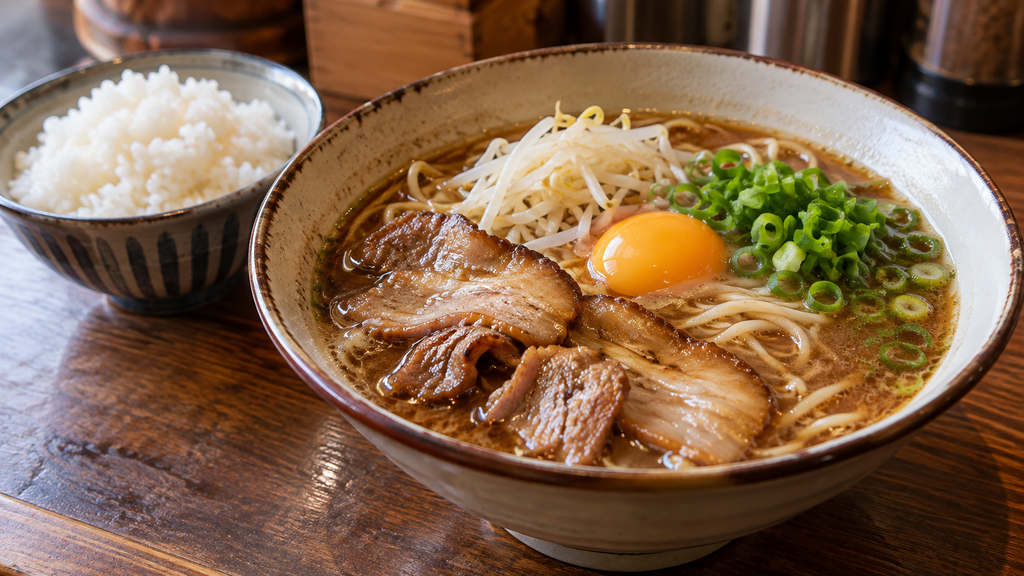
A familiar version of Tokushima ramen combines a rich brown broth with seasoned pork belly, noodles and an optional raw egg. A small bowl of rice often accompanies it. Styles vary between shops, so this is an introduction rather than a rule for every bowl.
Order the egg only if you want it, and ask about available alternatives. If you have dietary restrictions, check the broth and seasoning as well as the visible toppings.
Citrus, Sweet Potatoes and Mountain Food
Sudachi, a small green citrus fruit, adds bright acidity to local dishes. Naruto Kintoki sweet potatoes appear in snacks and desserts, while the Iya area offers a different food experience, including regional soba preparations.
Use lunch to try something associated with the area you are actually visiting. Mountain restaurants may have limited service hours, so identify a lunch option before setting out rather than waiting until late afternoon.
A Short Introduction to the Shikoku Pilgrimage
Ryozenji in Naruto is Temple 1 of the Shikoku 88-temple pilgrimage. A respectful visit offers an introduction without committing to the entire route.
Remember that pilgrims may be praying or following a personal spiritual journey. Keep voices low, observe photography restrictions and avoid blocking worship areas. At a Buddhist temple, quietly joining your palms is appropriate; do not automatically copy the clapping practice used at Shinto shrines.
Allow separate time for the temple instead of forcing it between a tightly timed boat departure and a long transfer.
Practical Information for First-Time Visitors
Getting There and Around
Highway buses connect the Osaka and Kobe areas with Tokushima across Awaji Island. Compare actual departure points and allow for road traffic. Tokushima Airport is another option, followed by a ground transfer to your base.
For an inland stay, compare rail routes to Awa-Ikeda or Oboke with your onward local connection. Tokushima has no Shinkansen station, and the most convenient gateway depends on which part of the prefecture you want to visit first.
A car helps in Iya, but mountain roads can be narrow and winding. If you prefer not to drive, arrange accommodation transfers, suitable bus connections or a taxi tour ahead of time. Save return timetables before leaving a station.
Where to Stay and When to Go
Stay near Tokushima Station for city activities and regional transport. Naruto suits a dedicated coastal visit. Choose an Oboke or Iya overnight stay for the mountains, confirming dinner and check-in times.
Spring and autumn often suit walking and valley scenery. Summer brings heat, humidity and festival demand; book early if traveling for Awa Odori. Winter can affect mountain roads and services. Check current forecasts and operating notices rather than assuming coastal and inland conditions will be the same.
A Realistic Four-Day Tokushima Itinerary
Day 1 — Tokushima City: Arrive, enjoy ramen and attend a confirmed Awa Odori Kaikan performance. Add Mount Bizan only if weather and operating hours suit.
Day 2 — Naruto: Schedule the whirlpool experience around the operator’s viewing forecast. Keep the rest flexible; add a temple visit if transport connections permit.
Day 3 — Oboke and Iya: Transfer inland early. Choose a gorge cruise or the main vine bridge as your principal stop, according to your confirmed local transport. Stay overnight with meals arranged.
Day 4 — Mountain Morning and Departure: Visit the remaining nearby sight if feasible, then leave ample time for onward travel. Do not add Oku-Iya automatically: it needs its own route planning.
For an indigo workshop, add another half-day or replace an activity near the city. With only two days, focus on Tokushima City and Naruto.
FAQ
How many days do I need in Tokushima?
Two days suit the city and Naruto. Four allow a more comfortable introduction to Oboke and Iya with an overnight mountain stay.
Can I see the Naruto whirlpools at any time?
No. Use the local operator’s tide-based viewing forecast for your date. Weather and current strength still affect visibility.
Can I experience Awa Odori outside summer?
Yes. Check scheduled performances at the Awa Odori Kaikan, including closure days. These are separate from the large outdoor summer festival.
Is Iya Valley possible without a car?
Yes, with careful planning around local buses, transfers or a booked taxi tour. Do not assume frequent connections or spontaneous taxis at every sight.
Do I have to cross the vine bridge?
No. Travelers uncomfortable with heights can enjoy the surrounding scenery. Check access arrangements for your own needs before visiting.
What should I reserve ahead?
Prioritize accommodation during busy periods, mountain stays with meals, workshops and any tour or boat service that requires reservations. Confirm the correct boarding location for a Naruto cruise.
Explore More of Shikoku
Tokushima is only one part of Shikoku. Continue your journey across the island and discover three more prefectures, each with its own food, landscapes, history and local culture.
Kagawa Travel Guide
Discover the home of Sanuki udon, stroll through beautiful Ritsurin Garden, visit historic Kotohira-gu, and explore islands scattered across the Seto Inland Sea.
Read more: Kagawa Travel Guide: Sanuki Udon, Gardens and Seto Inland Sea Islands
Ehime Travel Guide
Experience historic Dogo Onsen, explore Matsuyama Castle, enjoy Ehime’s famous citrus culture, and discover the scenic Shimanami Kaido.
Read more: Ehime Travel Guide: Dogo Onsen, Matsuyama and a Japanese Perspective
Kochi Travel Guide
Discover Kochi Castle, taste freshly seared katsuo no tataki, and experience the clear rivers and dramatic Pacific coastline of southern Shikoku.
Read more: Kochi Travel Guide: Clear Rivers, Castle Views and the Taste of Shikoku
Looking for more ideas? Browse our Shikoku Travel Guides to plan a longer journey across the island.